



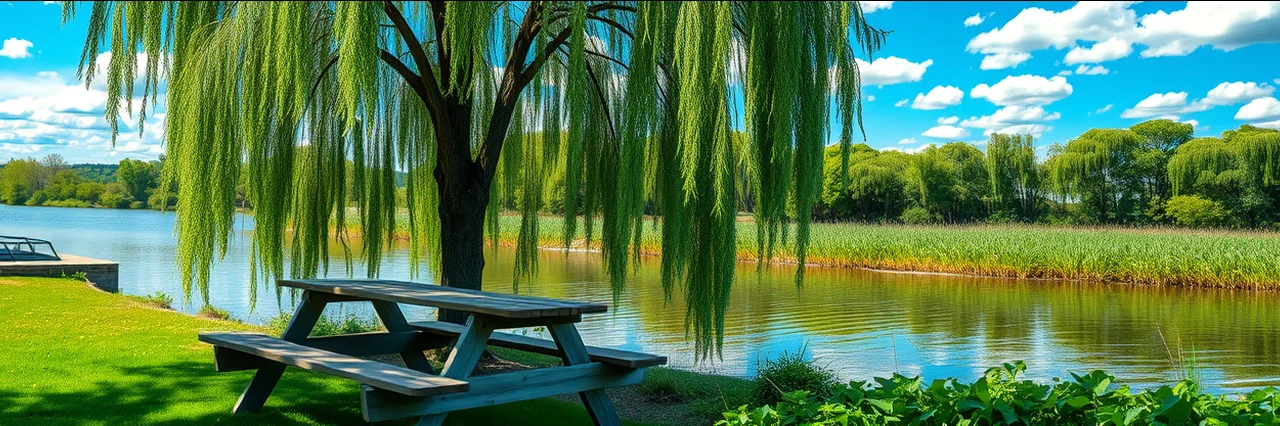
Where Every Step Reveals Something New: The Magic and Challenge of Arizona Hiking Trails
Imagine stepping onto a path where every curve brings a new vista—towering red rocks shimmering under a clear blue sky, ancient cottonwood trees casting dappled shade across the trail, and the distant sound of a flowing river promising respite and discovery. Arizona hiking trails are more than a collection of outdoor routes; they are an ongoing invitation to lose and find yourself in the state’s wild beauty. For those who’ve never set foot on a desert trail, the anticipation can be daunting—will the terrain be too tough, the climate too harsh? Yet, each trail is an open door, not just for the seasoned adventurer, but for families, weekend wanderers, and anyone wanting to reconnect with the land.
In an era where our daily routines can seem increasingly digital and disconnected from nature, the value of time spent on Arizona’s trails grows ever more important. The experience is about more than scenery—it's an immersion into Arizona's natural history, ecology, and the sense of peace that only wide-open spaces can provide. From trails hugging the edge of the Verde River to loops winding under centuries-old mesquite, these paths offer a taste of freedom and a reminder of how the landscape shapes both body and mind. Understanding how to approach these trails—with respect, preparedness, and curiosity—turns a simple outing into an unforgettable journey. For anyone curious about Arizona hiking trails, it pays to see them not just as recreation, but as essential chapters in the state’s intricate outdoor story.
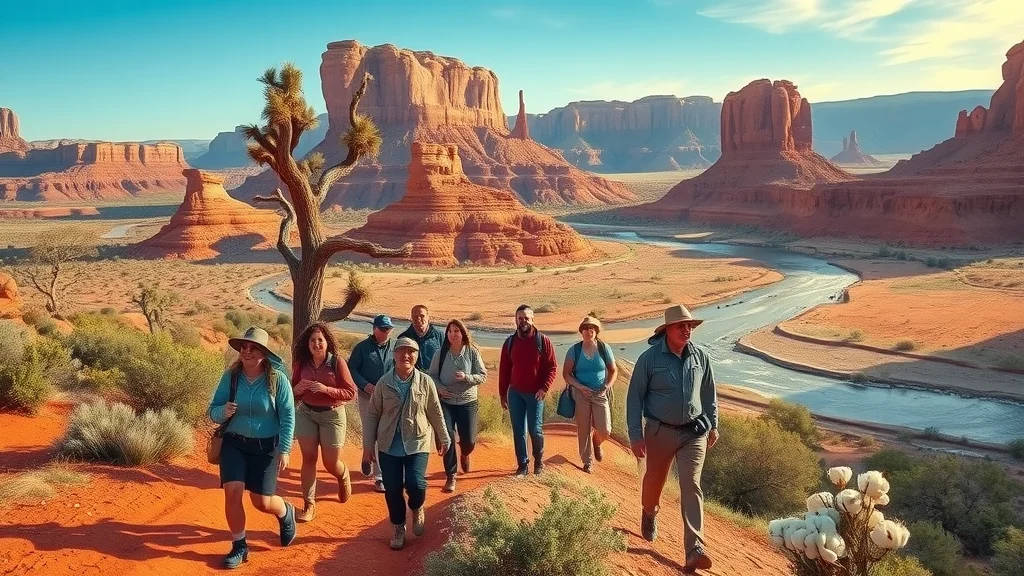
Unlocking the Wonders of an Arizona Hiking Adventure: What Sets These Trails Apart
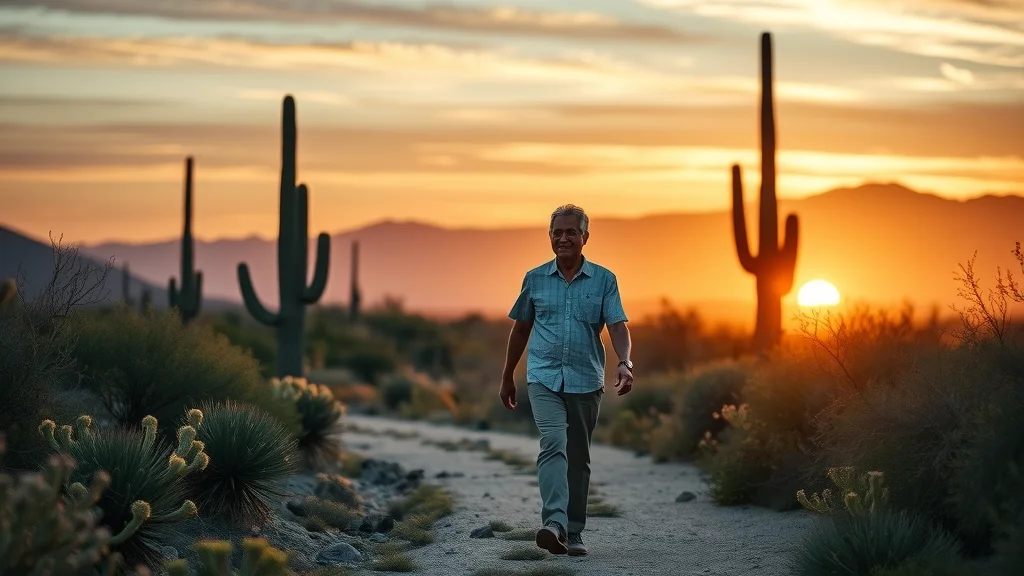
Arizona hiking trails are as diverse as the land itself, offering everything from beginner-friendly loops near cottonwood groves to challenging treks up rocky ridges overlooking the grand sweep of desert below. What makes these trails stand out isn’t just their variety, but the way they connect hikers to vivid histories, surprising wildlife, and dramatic climate variations, sometimes all within a single morning’s walk. With trails leading to and through destinations like the renowned Dead Horse Ranch State Park, visitors find themselves enveloped in ecosystems where desert meets forest, and where the raw geology of the state is revealed step by step.
The importance of understanding these landscapes before setting out cannot be overstated. Arizona’s ever-changing weather, from sunbaked afternoons to cool morning breezes, means that preparation is essential. Too many underestimate the canyons, the stretches of open sun, or the sudden drop in temperature at dusk. Failing to grasp the nuances of trail selection, water needs, or the significance of marked paths can turn an inspiring day outside into an uncomfortable or even dangerous situation. But for those who become a student of the land—learning about trail maps, terrain challenges, native flora and fauna, and the subtle signals of the desert—the rewards are immediate: confidence, awe, and the potential for transformation. This deeper education not only solidifies safety but also reveals why Arizona hiking trails are revered nationwide and are must-visit destinations for anyone with a spirit of adventure.
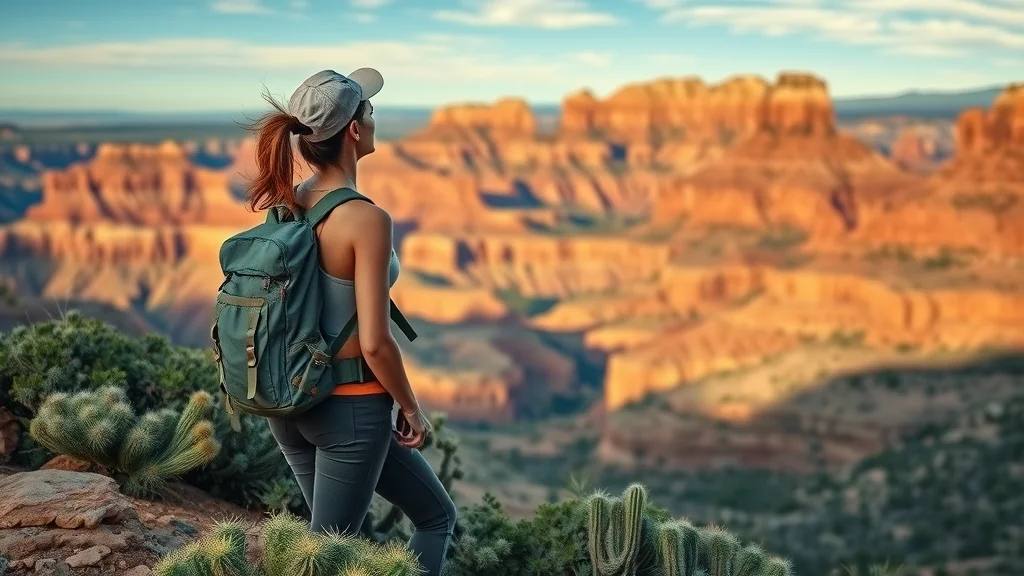
Why Arizona Hiking Trails Are Life-Changing for Outdoor Enthusiasts and Families Alike
As one of the most recognizable gateways to Arizona’s outdoors, Dead Horse Ranch State Park stands as a testament to the transformative power of accessible trails. Visitors consistently mention the park’s range of options—from brief loops ideal for families to more demanding stretches that extend into the Coconino National Forest—making it a standout among Arizona hiking trails. These paths are more than just recreational outlets; they provide space to unplug from technology, strengthen family bonds, and cultivate a lasting appreciation for the balance between comfort and wildness. Trails flanked by riverbank willows or opening onto expansive views of Sedona’s famous red rocks foster lasting memories, not just of the landscape, but of the feelings it evokes: accomplishment, wonder, clarity.
Real-world outcomes go beyond beautiful photo opportunities. Easy trail access allows families, solo explorers, and even those with mobility challenges to experience the tangible health benefits of time spent outdoors: reduced stress, improved focus, and a greater sense of connection—to oneself, to others, and to the environment. Dead Horse Ranch illustrates how thoughtful design—such as shaded gathering spots, well-placed trail markers, and maintenance that respects both nature and visitor comfort—set Arizona hiking trails apart from many others in the region. Whether you’re seeking wildlife along the Verde River, introducing a child to their first hike, or pushing your limits on longer routes, these trails promise renewal, excitement, and a fresh perspective with every step.
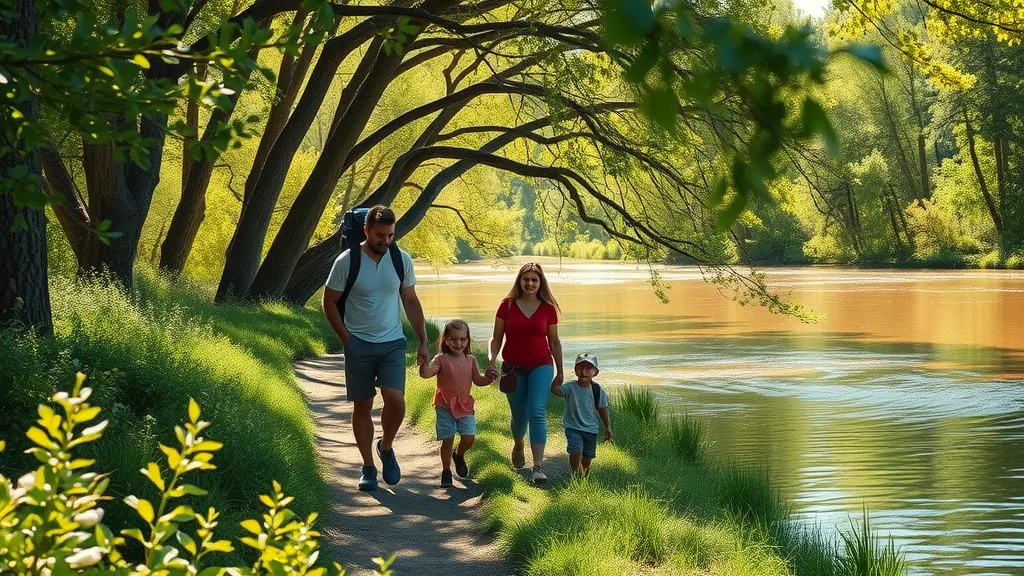
From Storytelling to Scenic Views: How Arizona’s Trail Systems Reflect a Living History
Every bend in an Arizona hiking trail is steeped in stories—some written in official histories, others whispered in the wind through gnarled mesquite and cottonwood. Dead Horse Ranch State Park, whose quirky name itself is a nod to family lore and local legend, exemplifies how each trail is an echo of the past. The Ireys family’s choice to preserve the ranch’s unusual moniker connects walkers to a moment of humor and personal history that’s rare in today’s park environments. Hikers traversing these trails aren’t simply clocking mileage—they are following in footsteps both literal and metaphorical, gaining a sense of place that’s layered with meaning.
This connection to history isn’t limited to family anecdotes. Many Arizona hiking trails run along ancient river corridors, near petroglyphs left by prehistoric peoples, or through landscapes once traversed by pioneers and traders. A stroll along the Verde River in Dead Horse Ranch State Park can prompt reflections not just on personal endurance, but on the generations who shaped this land. For visitors, these trails become outdoor classrooms where every rock, plant, and viewpoint prompts questions and reveals answers about Arizona’s evolving relationship with its natural environment.
Making the Most of Every Visit: Tips for Exploring Arizona Hiking Trails Safely and Confidently
Preparation is a hiker’s best companion when venturing onto Arizona trails. With seasonal changes affecting everything from daylight hours to wildlife activity, visitors should plan according to both the weather and the specific challenges of their chosen route. Noting entrance fees, gate closing times, and seasonal park hours can mean the difference between a seamless adventure and a hurried exit at dusk. When planning an outing at popular spots like Dead Horse Ranch State Park, checking for updated program offerings and special events can transform an ordinary hike into a family tradition or a chance to meet other nature lovers.
Knowledge of park resources—trail maps, camping cabins, and shaded rest areas—empowers visitors to create a personalized adventure. Staying on marked paths, carrying sufficient water, and layering clothing for shifting temperatures are more than safety tips; they ensure that the focus remains on the joy and discovery that Arizona hiking trails offer. Many trails are accessible to campers and day users alike, making them ideal for spontaneous walks or more organized outings. By integrating learning with recreation, trekkers protect both themselves and the fragile habitats they explore, reinforcing the notion that stewardship is integral to the outdoors experience.
A Tradition of Access, Stewardship, and Ever-Expanding Adventure: Dead Horse Ranch State Park’s Unique Approach
At the heart of Arizona’s hiking trail network is a philosophy rooted in inclusion and respect for the land. The multifaceted offering at Dead Horse Ranch State Park—from river-adjacent cabins to an ever-growing calendar of events—demonstrates a commitment to making outdoor recreation accessible to as many people as possible. Every aspect of the park, from the upkeep of its trails to the friendly guidance available at the visitor center, aims to balance preservation with the pleasures of recreation. This dedication is visible in the shaded paths, well-maintained facilities, and a willingness to adapt programming to serve newcomers and seasoned hikers alike.
Underlying these tangible offerings is a mindset of stewardship. Trail systems are carefully maintained to ensure both visitor safety and ecological protection, blending the comforts of thoughtful infrastructure with the responsibility to leave habitats intact for future generations. By offering a rich mix of short and long routes, river walks, and connections to larger wilderness areas, the park sets an example for how public land can support community, recreation, and conservation in equal measure. This unique balance encourages visitors to return not just for the scenery, but for the sense of belonging fostered each time they step onto the trail.
Walking in Their Footsteps: Real Experiences of Arizona Trail Wonders
While guides and maps offer a glimpse into the scope of what Arizona hiking trails provide, nothing speaks as compellingly as the words of those who set out along these paths. Hearing from individuals whose expectations are met—and often exceeded—serves as encouragement for all who may be hesitant about beginning their own journey. Experiences shared by past guests illuminate the authentic joys of the trail: the sense of discovery, moments spent watching wildlife, and the welcome surprise of comfort and community close to wilderness.
We stayed in our camper at quail loop #23 for a week. Everything was nice. The trails were close for walking and MTB. Most of the lots were nicely sized. There were 3 camp hosts in our loop. Shower house was clean. I even did a trail ride from horse adventures. We would walk the river trail to the lagoons. Town is also close.
These words capture the variety and quality that Arizona hiking trails consistently deliver—easy access to adventure, carefully maintained amenities, and the quiet satisfaction that comes with exploring at your own pace. For anyone considering a trip, reviews like this are a reminder that stepping onto the trail means stepping into something bigger: a legacy of exploration, beauty, and shared discovery.
How Arizona Hiking Trails Are Redefining Outdoor Exploration for All
Arizona hiking trails continue to set new standards for what meaningful outdoor experiences can look like in the American Southwest. With a foundation built on thoughtful stewardship, inclusive access, and a celebration of diversity—both in landscapes and visitors—destinations like Dead Horse Ranch State Park represent more than just places to walk; they are living laboratories and community spaces. In this evolving outdoor culture, hikers are invited to become active participants in a story that is both ancient and freshly written with every visit. The ongoing popularity, high satisfaction, and rich narratives woven into the fabric of these trails reinforce their importance—not just in Arizona, but as beacons for those seeking renewal, connection, and authentic adventure. Arizona hiking trails, both classic and contemporary, are poised to inspire the next generation of outdoor enthusiasts and nature stewards.
Contact the Experts at Dead Horse Ranch State Park
If you’d like to learn more about how Arizona hiking trails could benefit your outdoor adventures or family time, contact the team at Dead Horse Ranch State Park.
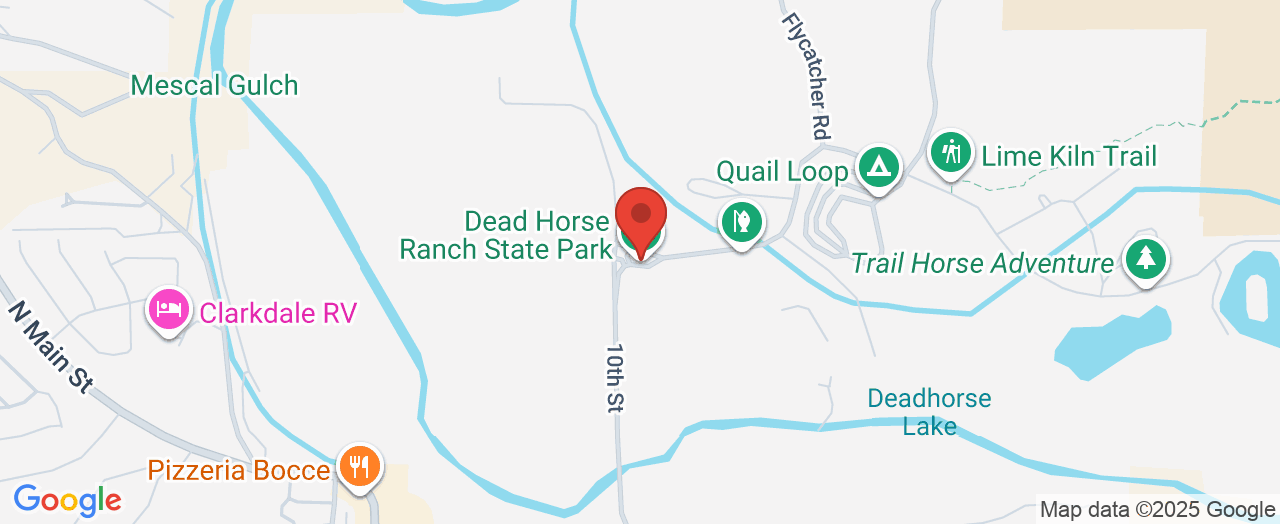
📍 Address: 675 Dead Horse Ranch Rd, Cottonwood, AZ 86326, USA
📞 Phone: +1 928-634-5283
🌐 Website: https://azstateparks.com/dead-horse
Dead Horse Ranch State Park Location and Hours
🕒 Hours of Operation:
📅 Monday: 7:00 AM – 6:00 PM
📅 Tuesday: 7:00 AM – 6:00 PM
📅 Wednesday: 7:00 AM – 6:00 PM
📅 Thursday: 7:00 AM – 6:00 PM
📅 Friday: 7:00 AM – 6:00 PM
📅 Saturday: 7:00 AM – 6:00 PM
📅 Sunday: 7:00 AM – 6:00 PM


Write A Comment