RV Otter

Ride With RV Otter

  • Home
  • Categories
    • Destinations & Routes
    • Campground Reviews
    • RV Tips & Lifestyle
    • Gear & Essentials
    • On-the-Road Living
    • Traveling with Pets
    • Stories & Adventures
    • RVing on a Budget
    • Boondocking
    • Campground Reviews
    • RV Lifestyle News
    • National Parks
    • State Parks
    • Extra News
    • Central Oregon Coast
    • National Forest
    • Shopping
    • Rentals
    • RV Resorts
    • Business Directory
    • RV Sales & Rentals
    • Destinations
    • Campgrounds & Stays
    • Gear & Rentals
    • RV News & Resources
    • RV Dealerships
    • Destinations 2
  • Businesses
  • Wildlife Refuges
July 28.2026
1 Minute Read

Discover Chequamegon-Nicolet National Forest Paddling Secrets

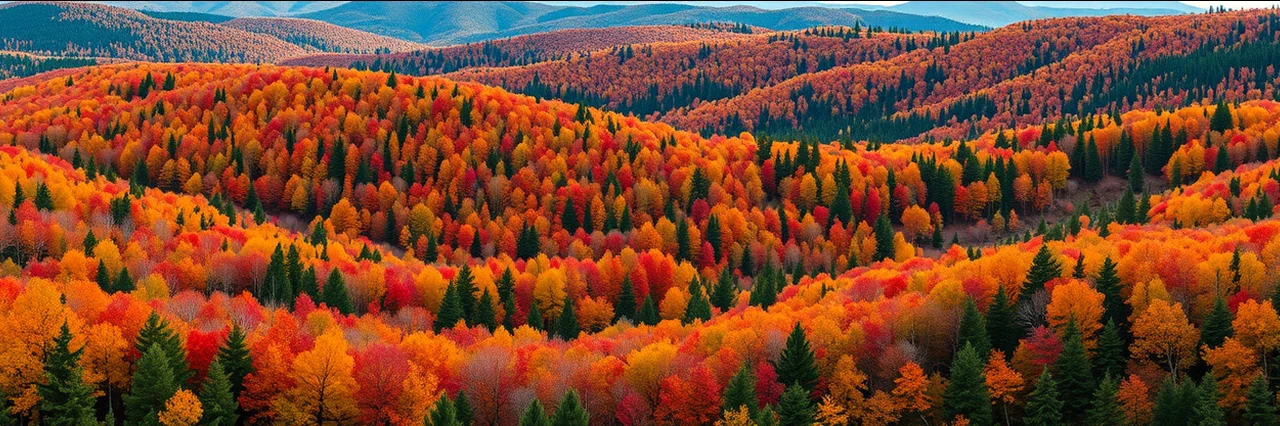
Chequamegon-Nicolet National Forest in autumn with vibrant fall foliage.

Chequamegon-Nicolet National Forest

📍 Address: 1170 4th Ave S, Park Falls, WI 54552, USA

📞 Phone: +1 715-362-1300

🌐 Website: https://www.fs.usda.gov/cnnf

★★★★★
Rating: 4.7

Unlocking the Wild: Why Chequamegon-Nicolet National Forest Paddling, Camping, and Trails Are a Must-Experience

Have you ever wondered what it feels like to truly get lost—in the best way—in the heart of the Northwoods? Imagine over 1. 5 million acres of pristine forest and shimmering waterways, where the only sounds are birdsong and the steady splash of your paddle. Chequamegon-Nicolet National Forest offers this experience on a scale that few places in the Midwest can rival. Whether you’re drawn to the gentle peace of a glassy lake at sunrise, the rush of a river, or the hidden campsites tucked beneath towering trees, this ancient stretch of Wisconsin wilderness delivers a feast for the senses and a balm for the soul.

As our modern lives become increasingly cluttered and hectic, the call to reconnect with nature and discover what lies off the paved road has never been louder. Chequamegon-Nicolet National Forest paddling, camping, and Northwoods trails don’t just offer recreation—they provide an escape into a world designed for wonder, exploration, and self-discovery. With each twist of a winding river or hike through old-growth forest, barriers are replaced by boundless beauty and authentic adventure. There’s a reason so many people return year after year—and why every trip is never quite the same as the last. This guide dives deep into what makes this destination essential for both newcomers and seasoned adventurers looking to make a meaningful connection with the land.
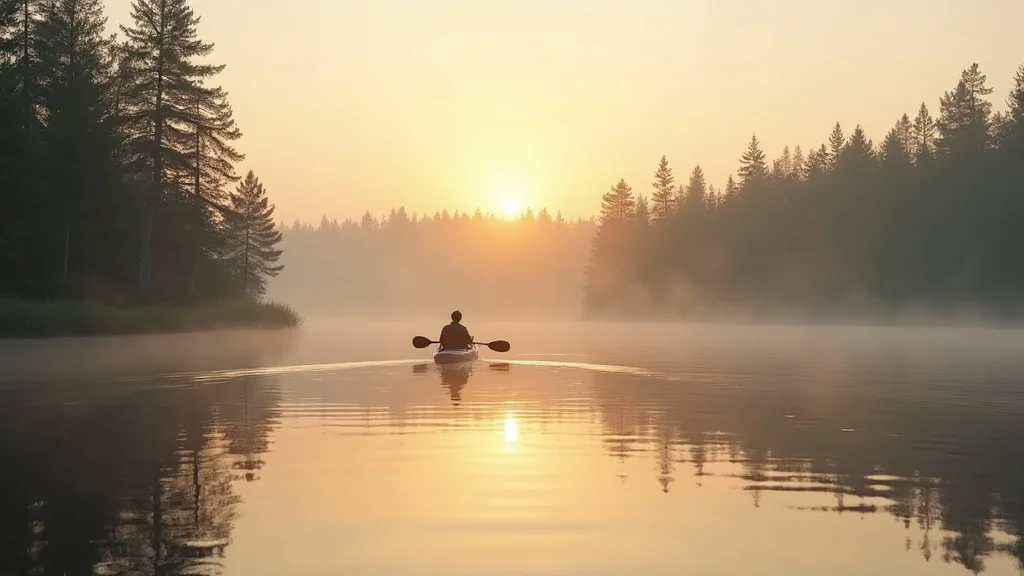
Solo paddler on Chequamegon-Nicolet lake at sunrise, mist and forest reflecting.

Nature’s Playground: What Makes Chequamegon-Nicolet National Forest Paddling and Trails Unique

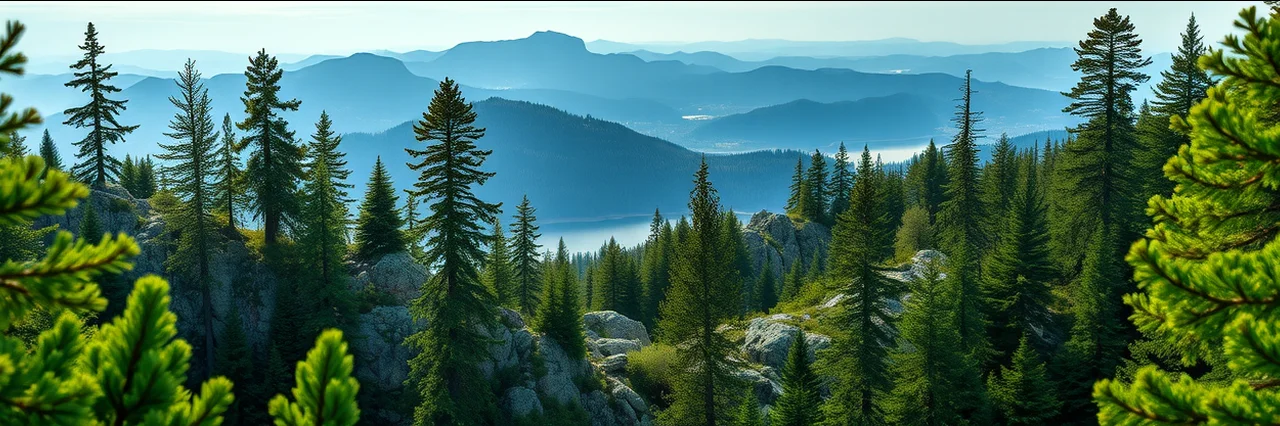
Few outdoor destinations in the Midwest offer the sheer scope of landscapes and recreation found in the Chequamegon-Nicolet National Forest. Stretching across more than 1. 5 million acres, this vast Northwoods region is a rare confluence of lush woodlands, abundant wetlands, and an intricate network of lakes and rivers. The forest is split between the Chequamegon region in the northwest and the Nicolet in the northeast, spanning 11 counties and providing countless options for paddling, hiking, and immersive overnight camping.

Those unfamiliar with Chequamegon-Nicolet often underestimate just how much there is to explore. This is not a single park but a living, breathing wild space managed for diverse uses—from habitat and forestry to public recreation and preservation of remote areas. For paddling enthusiasts, winding through forested river corridors means witnessing untouched ecosystems up close, with frequent opportunities to spot wildlife seldom seen elsewhere in Wisconsin. On foot, the forest’s trails snake through unique habitats, each offering a fresh perspective with every season. Missing out on this level of biodiversity and adventure opportunity leaves a gap in any nature lover’s experience—especially in a region known for “water activities,” “hiking,” and the pristine settings that define Wisconsin’s Northwoods identity.
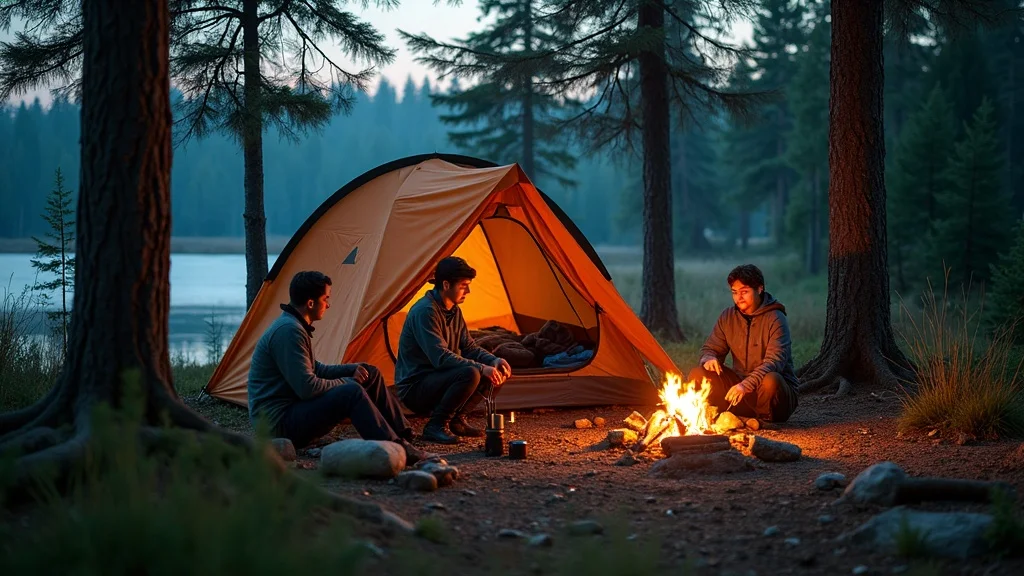
Chequamegon-Nicolet National Forest camping scene with hikers by pine trees and river.

If you’re interested in discovering more unique destinations that blend natural wonder with unexpected experiences, you might enjoy exploring the surprising attractions at Ripley's Believe It or Not! in Newport, which offers a different kind of adventure for curious travelers.

Why Immersive Forest Experiences Change the Way You Connect With Nature

As an authority on multi-use public lands, Chequamegon-Nicolet National Forest provides more than just space—it curates intentional encounters with wilderness. The forest’s blended management philosophy balances preserving its ecological integrity with expanding safe recreation access, evident in updated uses, robust trail networks, and frequent improvements like new fishing docks and well-maintained camping areas. The benefits ripple outward: paddlers experience tranquil solitude even as they navigate popular waterways, while campers delight in clean, spacious sites near rivers and rapids. With fresh pavement on scenic drives and general occupancy guidelines designed for both safety and ecological stewardship, the forest sets a standard for thoughtful outdoor enjoyment.

For those arriving to hike, paddle, or camp, moments of discovery await at every turn. The landscape itself encourages mindfulness and restoration, with dense canopies, sun-dappled water trails, and accessible points for launching boats or pitching tents. Every visit fosters a greater respect for the environment, thanks to interpretive signs, active stewardship, and regular updates that ensure the forest remains a resource for generations. This is where the peace of the wild meets the practicality of safe, accessible adventure—transforming a simple getaway into a life-affirming exploration of Wisconsin’s natural wonders.

Group hiking Chequamegon-Nicolet forest trail, lush trees and sunlight overhead.

A Journey Through Time: The Evolving Story of Northwoods Paddling and Camping

The forests and waterways of this region have long been the backdrop for journeys of both necessity and leisure. Before the days of official forest status, Indigenous peoples and early European settlers alike traveled the interconnected rivers and lakes for food, trade, and shelter. Over time, these well-worn paths became the foundation of Wisconsin’s rich outdoor culture. Today, the Chequamegon-Nicolet National Forest keeps this legacy alive, inviting visitors to trace both ancient and modern routes by canoe, kayak, or on foot.

Modern improvements keep the forest’s history relevant: paved scenic routes, well-marked hiking trails, and ongoing forest management projects echo old traditions while supporting new ones. The Forest Service’s active updates—including accessible recreation features and periodic prescribed burns—showcase a forward-thinking commitment to preserving both history and habitat. Each paddle stroke or campfire connects adventurers with a continuum of stewardship, blending past, present, and future in every journey through the Northwoods.

Insider Tips for Making the Most of Your Chequamegon-Nicolet Expedition

Whether you’re a first-timer or seasoned traveler, a few preparation steps can turn a good trip into an unforgettable adventure. Always check the latest forest orders and alerts—rules and access points can change with the seasons or maintenance needs. Treat the General Occupancy and Use Restrictions as essential reading prior to arrival, ensuring not only your safety but also the sustained health of this complex ecosystem.
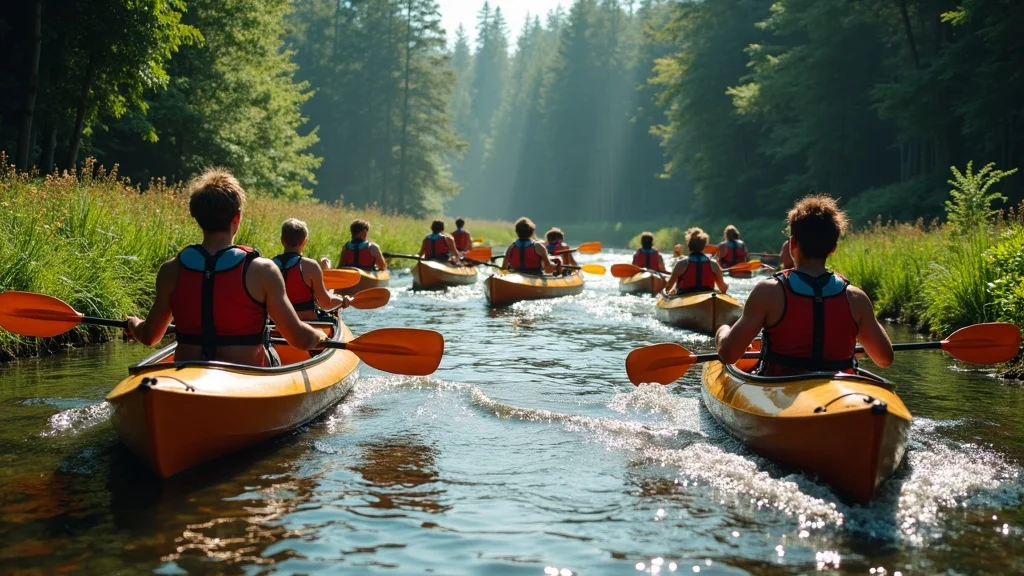
Canoers paddling Chequamegon-Nicolet National Forest river, lush green banks around.

Pack with diverse recreation in mind: water activities, hiking, and camping often cross paths within just a few miles. Maps from official sources, knowledge of recent prescribed burns or fire safety alerts, and a plan for respecting wildlife habitats can make a big difference. Listen to locals and repeat visitors about “the best spots”—and don’t skip the chance to take a scenic drive if weather or conditions change. With new docks and expanded river access points, every trip promises something newly discovered.

Chequamegon-Nicolet’s Approach: Blending Recreation Access With Stewardship

The Chequamegon-Nicolet National Forest’s foundational mission is a multi-faceted one: to foster recreation while protecting the Northwoods’ vital habitats and resources. Managed by the U. S. Department of Agriculture Forest Service, the forest brings together diverse uses—forestry, wildlife conservation, fishing, and responsible harvesting—under a set of guiding principles that value both access and preservation. Updated guidelines and restrictions adapt to current ecological health, while improvements such as newly paved roads, accessible auto tours, and fee-supported recreation updates embody a commitment to continuous enhancement.

The philosophy driving this stewardship is simple yet powerful: recreation and preservation must complement each other, not come at the expense of one another. Through regular updates, volunteer opportunities, and educational outreach, the forest sustains its role as both a sanctuary for wildlife and a source of renewal for its human visitors. By choosing this model, Chequamegon-Nicolet demonstrates what thoughtful outdoor management looks like, ensuring every paddle, hike, or campout sustains the land for future adventurers.

What Real People Experience: A Camper’s Reflection on Northwoods Escape

Encounters with the Chequamegon-Nicolet National Forest leave lasting impressions. Consider what travelers and campers say about their stays—how the combination of lush settings, attentive care, and proximity to rivers or trails can shape a perfect getaway. For those wondering about comfort, access, or the vibe of the campgrounds, real voices offer invaluable insights into what to expect when heading north.

It's just a beautiful place! The campground is clean, the spots are very spacious, and the river and rapids are right there. The last few times we've camped there, there has been an attendant, at Bagley River Rapids campground, and the vault toilets are pretty clean. This is my opinion and I have stayed at quite a few rustic campgrounds.

Stories like this illustrate why people return to this destination and urge others to explore it for themselves. The combination of natural beauty, well-maintained facilities, and a sense of wide-open freedom make every trip a standout. Making the choice to visit Chequamegon-Nicolet National Forest for paddling, camping, or trail exploration isn’t just about a single adventure—it’s about embracing a lifestyle of discovery and respect for wild places.

Why Chequamegon-Nicolet National Forest Remains the Beating Heart of Wisconsin Wilderness

As outdoor activities draw more attention and crowds each year, Chequamegon-Nicolet National Forest paddling, camping, and Northwoods trails stand out as a sanctuary where nature takes center stage. With constant improvements, unique access to historic and pristine spaces, and a guiding mission rooted in stewardship, the forest continues to set a standard for what national forests can offer. It is a place where the adventure is defined not just by the miles covered, but by the memories made and the care shown to the land.

The ongoing contributions and careful management by Chequamegon-Nicolet National Forest make it much more than a patch of wilderness—it’s a living classroom and playground for all ages. Every paddler, camper, or trail explorer is invited to experience the transformative power of Wisconsin’s Northwoods, building a deeper bond with both nature and themselves.

If you’re inspired to keep exploring the unexpected, consider broadening your adventure horizons by learning about other destinations that blend curiosity and discovery. For a fresh perspective on travel and unique attractions, take a look at what awaits at Ripley's Believe It or Not! in Newport. Whether you’re seeking natural wonders or the delightfully unusual, there’s always another journey to spark your sense of wonder.

Contact the Experts at Chequamegon-Nicolet National Forest

If you’d like to learn more about how Chequamegon-Nicolet National Forest paddling, camping, and Northwoods trails could benefit your next outdoor adventure, contact the team at Chequamegon-Nicolet National Forest.
📍 Address: 1170 4th Ave S, Park Falls, WI 54552, USA
📞 Phone: +1 715-362-1300
🌐 Website: https://www.fs.usda.gov/cnnf

Chequamegon-Nicolet National Forest Location and Hours

🕒 Hours of Operation:📅 Monday: Open 24 hours📅 Tuesday: Open 24 hours📅 Wednesday: Open 24 hours📅 Thursday: Open 24 hours📅 Friday: Open 24 hours📅 Saturday: Open 24 hours📅 Sunday: Open 24 hours
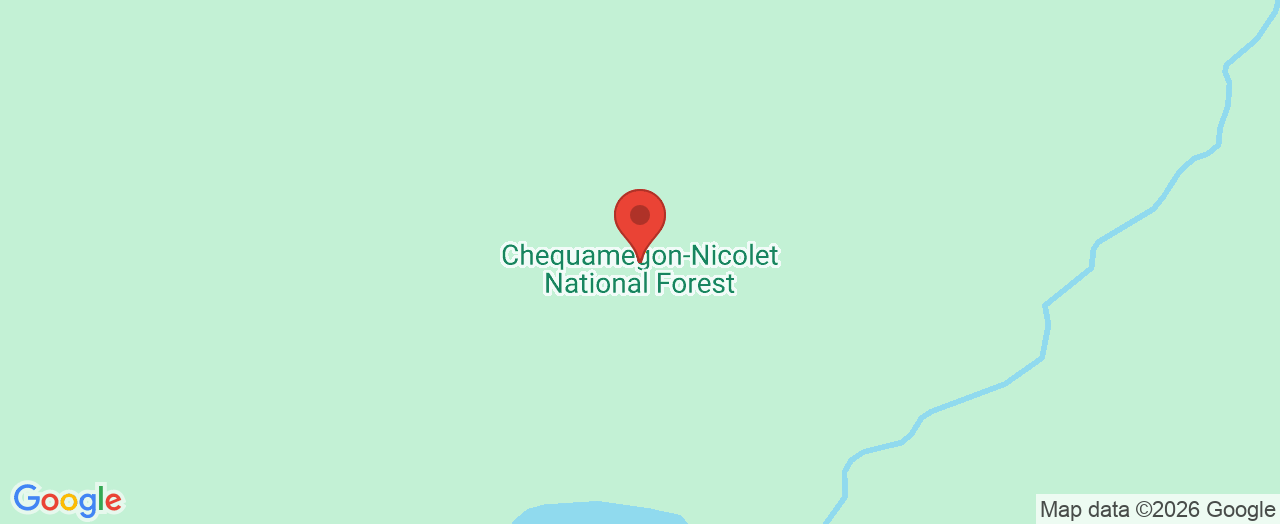
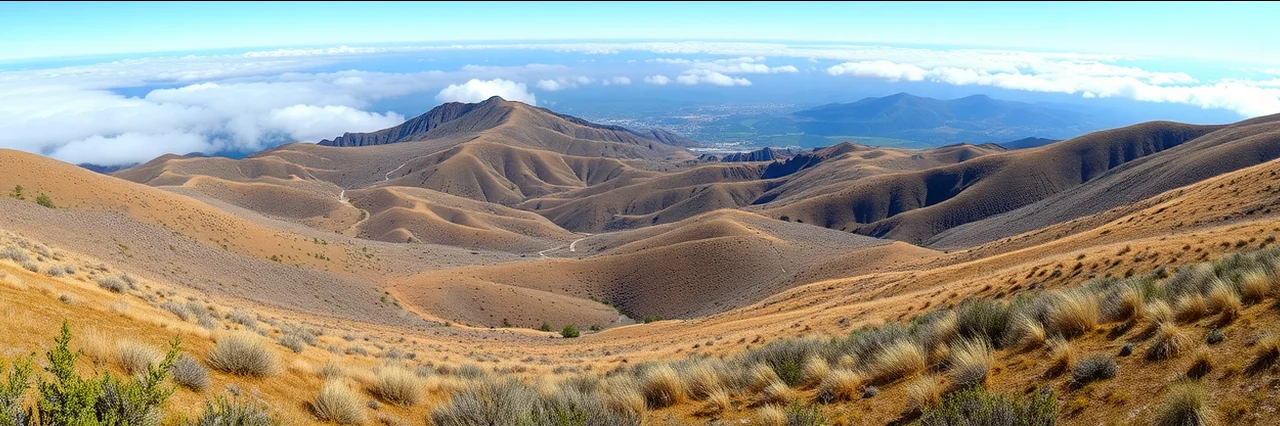
Location Map
National Forest

0 Comments

Write A Comment

*
*
Please complete the captcha to submit your comment.
Related Posts All Posts

Discover Hidden Treasures in Monongahela National Forest Today

Monongahela National Forest 📍 Address: Monongahela National Forest, West Virginia 26264, USA 📞 Phone: (304) 636-1800 ★★★★★ Rating: 4.9 Adventure Awaits: Why Monongahela National Forest Calls to Explorers In a world growing noisier by the day, pockets of wilderness are rarer treasures than ever. Imagine standing beneath towering rock faces, hiking along moss-draped trails, or gazing out over golden-lit valleys that seem untouched by time. The Monongahela National Forest, tucked away in West Virginia, inspires a unique sense of discovery for those yearning for true adventure. But what makes this forest stand apart from the rest? Is it the challenge of iconic hikes like Seneca Rocks? The expanse of wildflower-laden highlands in Dolly Sods? Or the sheer variety of hiking options that await both beginners and dedicated trekkers? The genuine magic of outdoor experiences lies in moments of awe—whether that means summiting a craggy peak, listening to the hush of a spruce forest, or spotting wildlife along winding paths. For anyone seeking to recharge, the Monongahela National Forest offers this in abundance, blending accessible walks with overnight treks and ever-changing seasonal appeal. Today, visitors from near and far are turning to this Appalachian gem not just for physical challenge, but for the soul-stirring views and a chance to reconnect with the natural world. The value of unplugging here is profound, but understanding how—and where—to capture the best of these hidden treasures matters more than ever. Understanding Monongahela’s Allure: Seneca Rocks Hikes and Dolly Sods Views Monongahela National Forest is more than just a vast expanse of trees and trails—it is a living tapestry of geology, topography, and vibrant ecology. At its heart are some of the most celebrated natural features in the eastern United States: the iconic Seneca Rocks and the open, windswept plateaus of Dolly Sods. These destinations attract explorers with their stunning landscapes and diverse hiking experiences. Seneca Rocks rises sharply above the valley, presenting a dramatic outcrop that beckons both casual hikers and serious climbers. Trails here are meticulously maintained, offering journeys suitable for every level. Meanwhile, Dolly Sods offers starkly different but equally captivating beauty—a highland wilderness with sweeping views, bogs, heath barrens, and plant communities more common to Canada than West Virginia. The Dolly Sods views have become a rite of passage for many, a reminder that the best outdoor memories often come with a measure of effort. For those unaware of what these landscapes offer—or who think a forest is merely a place for a weekend stroll—the missed opportunities for adventure, challenge, and inspiration are considerable. Every year, visitors leave with first-hand stories of transformative climbing, hiking, or backcountry camping experiences. Those who never venture beyond their familiar parks or urban trails risk missing out on the unmatched vistas, unique geology, and deeply restorative solitude that only Monongahela National Forest’s signature trails can provide. In an era that increasingly values outdoor recreation, understanding the forest’s standout offerings is essential for anyone seeking genuine connection with nature. How Seneca Rocks Hikes and Dolly Sods Views Elevate Your Outdoor Experience As a steward of protected Appalachian wilderness, Monongahela National Forest stands out for its exceptional mix of accessible hikes and wild landscapes. The Seneca Rocks area delivers a signature hiking experience—a well-marked trail leads to a ridge with panoramic views, rewarding hikers with both a sense of accomplishment and an unforgettable photo opportunity. For those seeking something different, Dolly Sods provides a habitat for rare plants and vibrant wildflowers, with wide-open views that shift in mood from misty sunrise to fiery sunsets. These landscapes do more than provide a scenic backdrop; they nurture both body and mind. Time spent hiking through Seneca Rocks or exploring Dolly Sods has been repeatedly linked by outdoor enthusiasts to stress reduction, improved mood, and a deeper sense of well-being. The forest’s variety of trails—from easy strolls to challenging overnight routes—means that whether your goal is a quiet walk or a bold adventure, the Monongahela National Forest can meet you where you are. Above all, visitors describe the experience as restorative—the sort of outing that helps put modern anxieties on hold, offering space for reflection and personal challenge. In practical terms, these celebrated hikes encourage more frequent outdoor activity, helping individuals develop confidence in natural settings. Whether you’re seeking to test your limits or take in the world at a slower pace, the trails at Seneca Rocks and the wide skies of Dolly Sods set a new standard for what a weekend—even an afternoon—outdoors can deliver. The deep forests and open mountaintops here provide inspiration for novice hikers and seasoned explorers alike, making it a destination that continues to reward each return visit. If you’re interested in discovering even more unique destinations that blend natural wonder with a sense of adventure, you might enjoy exploring attractions like Ripley's Believe It or Not! in Newport, which offers its own collection of surprises and curiosities for the curious traveler. Learn more about what awaits at Ripley's Believe It or Not! in Newport. From Rugged Peaks to Rolling Plateaus: The Rich Diversity of Landscapes One facet that sets Monongahela National Forest apart is its breathtaking diversity of terrain. The bold granite fins of Seneca Rocks rise uniquely above the valley, a dramatic sight rarely found east of the Mississippi. This geological wonder draws not only hikers but also rock climbers and photographers looking for that perfect interplay of shadow and stone. Meanwhile, as hikers ascend, the forest forms a rich green corridor laced with rhododendron thickets and the melodic rush of nearby streams, offering changing scenery at each elevation. Dolly Sods, on the other hand, surprises first-time visitors with its vast open expanses—windswept, boggy, and speckled with heaths. Here, trails meander across highland meadows, sometimes carpeted in late-summer wildflowers or ablaze with fall color. The distinctive mix of plants and unique climate, closer to that of distant northern forests, inspires a sense of otherworldliness and discovery. In every season, the variety of landscapes caters to different styles of exploration, making every hike feel fresh and unrepeatable. Seasons of Wonder: Year-Round Hiking and Views That Never Disappoint One of the underrated joys of Monongahela National Forest is its year-round accessibility. Each season brings a new palette: spring arrives with carpets of delicate wildflowers and running creeks; summer offers long days to summit Seneca Rocks or roam across Dolly Sods; autumn transforms the hillsides into a tapestry of gold and crimson; winter, finally, leaves the peaks frosted and serene, perfect for solitary reflection or snowshoeing. Many visitors describe the changing light and constant rediscovery as reasons to return again and again. No matter the time of year, the region’s famous views evolve—whether it’s mist along the ridgelines, dazzling sunsets that seem to set the forest ablaze, or the quiet magic of forest trails under fresh snow. These seasonal contrasts not only provide new photographic opportunities but also foster a sense of attachment that grows with each visit. Such variety keeps the experience invigorating for locals and newcomers alike. Where Access Meets Adventure: Trails for Every Hiker and Every Mood Accessibility and variety underscore the hiking experience throughout Monongahela National Forest. Seneca Rocks, for example, features a well-maintained trail that makes the ascent manageable for families and less-experienced hikers, providing safety and accomplishment in tandem. For those seeking a deeper wilderness experience, overnight routes invite more ambitious excursions, blending technical challenge with backcountry solitude. Dolly Sods, meanwhile, rewards both leisurely walkers in search of boardwalks and those who want to lose themselves for hours or days. The region’s network of trails presents options for casual outings, fitness-focused circuits, birdwatching, and photography, all supported by an infrastructure designed to preserve the land’s wild beauty. This blend of accessibility and challenge is a key reason why the forest is so beloved, making every visitor’s journey both safe and memorable, no matter their experience level. Monongahela National Forest’s Dedication: Stewardship, Access, and Wild Beauty Underlying every trail, overlook, and backcountry route is a deep commitment to preserving the wildness and accessibility that set Monongahela National Forest apart. The forest’s management philosophy centers on safeguarding ecological integrity while providing extraordinary opportunities for public recreation. Education and stewardship play significant roles, encouraging hikers to travel lightly and respect these unique Appalachian environments. The narrative running through every ranger program, signage, and maintained path is clear: the value of conserving wild landscapes for today’s visitors and future generations. This ethos is most visible in the protection of habitats like Dolly Sods—a region where rare plant communities and fragile boglands require mindful exploration. Through a focus on conservation, education, and making nature welcoming for all, the forest has become an exemplar for outdoor stewardship and responsible access. Real Experiences: How Hikers Describe Their Visits The true spirit of Monongahela National Forest is best revealed in the words of those who have explored it. First-hand accounts highlight the diversity of experiences possible, from easy strolls to overnight adventures. The following review paints a picture of the welcoming atmosphere and breathtaking landscapes that await at every turn. Wonderful hiking here for all levels. There's overnight hikes and rather easy walks. Spruce Knob is especially nice to visit for the views! It’s easy to see why so many return for additional adventures: the promise of peaceful forests, panoramic summits, and trails that evolve with each season ensures that there is always something new to discover. For anyone searching for an escape that offers both challenge and tranquility, Monongahela National Forest delivers on every level—and the positive experiences shared by visitors only reinforce its enduring appeal. The Enduring Value of Monongahela National Forest’s Signature Trails In exploring the heart of West Virginia, it becomes clear that Monongahela National Forest offers more than just scenery—it provides renewal, challenge, and lifelong memories. The unique combination of Seneca Rocks hikes and spectacular Dolly Sods views makes this forest a compelling destination for any outdoor enthusiast. Through careful stewardship and an unwavering dedication to public access, Monongahela National Forest continues to set the standard for what an American wilderness can be. Those seeking adventure, awe, or tranquility will find each in abundance here—ensuring that every moment spent on these storied trails is time well invested. The spotlight on Monongahela National Forest’s singular landscapes, expertise in trail management, and enduring commitment to conservation make it a leader among public lands. For avid hikers, budding explorers, or anyone simply needing a break from the everyday, the forest’s wealth of hiking options at Seneca Rocks and awe-inspiring Dolly Sods views stands as testament to the lasting value of reconnecting with the wild. If the thrill of uncovering hidden gems in the Monongahela National Forest has sparked your curiosity, consider broadening your adventure horizons by exploring other destinations that offer unexpected wonders. Attractions like Ripley's Believe It or Not! in Newport provide a different kind of discovery, blending the intrigue of the unusual with immersive storytelling and interactive exhibits. Whether you’re a nature enthusiast or a seeker of the extraordinary, expanding your travel experiences can lead to new perspectives and unforgettable memories. Take the next step in your journey and see what surprises await at Ripley's Believe It or Not! in Newport—you might just find your next favorite adventure. Contact the Experts at Monongahela National Forest If you’d like to learn more about how Monongahela National Forest, Seneca Rocks hikes, and Dolly Sods views could benefit your outdoor adventures, contact the team at Monongahela National Forest. 📍 Address: Monongahela National Forest, West Virginia 26264, USA 📞 Phone: (304) 636-1800 Monongahela National Forest Location and Hours 🕒 Hours of Operation: Please contact Monongahela National Forest directly at (304) 636-1800 to confirm current hours and plan your visit accordingly.

Discover Finger Lakes National Forest Scenic Hikes Today

Finger Lakes National Forest 📍 Address: Finger Lakes National Forest, Hector, NY 14886, USA 📞 Phone: (607) 546-4470 ★★★★★ Rating: 4.6 Step Into Nature’s Canvas: Why Finger Lakes National Forest Scenic Hikes Captivate Every Explorer Imagine stepping onto a trail where the gentle crunch of leaves underfoot is matched only by the sweep of lush forest and distant vineyards tumbling across rolling hills. In today’s world, the quest for natural beauty and rejuvenating landscapes has never felt more urgent, especially when daily life pulls us in so many directions. People everywhere are searching for mind-restoring scenery and immersive outdoor escapes—places where the clock seems to slow, and the senses can soak in the best of earth and air. But not all scenic hikes offer both botanical wonder and sweeping wine country views seamlessly intertwined. For those unfamiliar with what the Finger Lakes National Forest has to offer, it’s not just about getting some fresh air. It’s about winding through a landscape shaped by glaciers and held in the embrace of old-growth hardwoods, wildflower meadows, and panoramic vistas that open onto the renowned wine country of upstate New York. Trails here lead not only to physical destinations, but toward a deeper appreciation of stillness, subtlety, and natural splendor—the kinds of experiences that linger long after the boots are off. Whether you’re looking for an afternoon wander or a transformative trek, knowing what awaits can redefine how—and why—you seek the outdoors. Unveiling the Magic of Finger Lakes National Forest: Trails, Vistas, and Wine Country Wonders The Finger Lakes National Forest is often overlooked when people think about remarkable hiking destinations, yet it offers some of the most diverse and rewarding scenic hikes in the Northeast. The region is nestled in a unique ecological corridor between Seneca and Cayuga Lakes, making every step a chance to witness thriving wildlife, intricate forest systems, and breathtaking lookouts over vineyards and farmlands. Unlike hiking in isolated wilderness parks, these trails connect with the vibrant agricultural heart of New York, weaving together adventure and culture. Embarking on a hike through the Finger Lakes National Forest means more than simply traversing a series of well-maintained paths. It’s about immersing yourself in a landscape where every detour brings new surprises: wild blueberries in late summer, ancient stone walls hinting at 19th-century farming, and the ever-present backdrop of lakes and vineyards glinting in the sun. Missing out on these trails means missing a rare opportunity—to trade busy roads and crowded overlooks for solitude, discovery, and the subtle pleasures of nature’s handiwork alongside the cultivated beauty of nearby wine country. If you’re inspired by the idea of uncovering hidden gems and unique experiences during your travels, you might also enjoy exploring attractions that surprise and delight, such as Ripley's Believe It or Not! in Newport, where curiosity and wonder take center stage. Why Finger Lakes National Forest Scenic Hikes Are a Sanctuary for The Senses As one of New York’s true outdoor treasures, the Finger Lakes National Forest unfolds across more than 16,000 acres and invites hikers of every level with its varied topography and thoughtfully maintained trail network. The real reward comes in the simple, profound moments: catching a deer pausing quietly at the forest’s edge, the rustle of hidden birdlife among the tall grass, or the way sunlight dapples through a canopy of old maples. Walk any of the forest’s long loops and you’ll find yourself veering between secluded woodland and open meadows—each vantage point painting a new portrait of the region’s beauty. The intersection of forest trails and wine country panoramas is what truly sets the Finger Lakes National Forest experience apart. As hikers ascend gentle rises and approach carefully cleared vistas, the landscape shifts—suddenly, lines of grapevines snake across the hillsides, and the horizon shimmers with lake reflections. The blend of old-growth forest and cultivated vineyard not only delights the eyes but also serves as a living testament to how natural and human-crafted environments can thrive together. For those in search of restorative connection and multi-sensory enjoyment, few places deliver as much quiet marvel as these scenic hikes. Tracing the Region’s Story: From Glacial Origins to Today’s Wine Country Marvel Every step through the Finger Lakes National Forest is also a journey through time. The landscape owes its undulating contours and glacial-carved lakes to ancient geological forces, a history etched into the shape of every trail and every hill. In the early 19th century, the area was transformed by European settlers—farms, stone fences, and meadows still dot the forest as reminders of a vanished era. The shifting patterns of use over the years—the movement from farmland back to woodland—have left a patchwork mosaic that makes hiking here endlessly varied and historically rich. Today, these same routes invite hikers to reflect on the enduring interplay between people and place. Modern visitors can savor the harmony of wild lands and managed vineyards, experiencing firsthand how conservation and agriculture continue to define the character of the Finger Lakes region. The story of the forest is not just one of untouched wilderness, but a testament to resilience, renewal, and the balance that brings enduring beauty to everyone who walks its paths. Hiking Tips: How to Make the Most of Finger Lakes Trails and Lakeside Loops For those new to the region or setting out on their first hike here, a little preparation goes a long way. Trail maps are essential—many loops interconnect, offering possibilities for both peaceful walks and challenging day hikes. Early morning or late afternoon explorations often provide the best light for photography and wildlife spotting, while summer and early fall are peak times for wildflowers and bursts of vineyard color. Carrying water and planning stops at scenic overlooks can help you both pace your adventure and fully soak in the sights. Whether you’re a solo hiker seeking solitude or bringing friends and family along, remember that every path tells its own story. Look for signs of history beneath the trees—old cellar holes, aging stone walls, and even subtle variations in the canopy, all hints of the land’s layered past. The fusion of natural scenery and cultivated beauty means every outing here is unique, each hike a new chapter in one of the state’s most picturesque regions. Nourishing Body and Spirit: The Hidden Health Benefits of Scenic Forest Hiking It’s easy to overlook the profound impact regular time in nature can have—not just on physical well-being, but also on emotional health. Hiking the scenic trails of the Finger Lakes National Forest offers more than a chance to boost step counts or break a sweat; it’s an antidote to stress, a reset button for busy minds, and an opportunity for genuine presence. The fresh air, the immersive quiet, and the rhythms of walking all contribute to a sense of clarity and calm that lingers long after leaving the trail. Numerous studies highlight that forest environments like the ones found here can lower blood pressure, improve mood, and even strengthen immune function. With every mile traversed and every view admired, hikers participate in a ritual as old as time—reconnecting body and mind through the beauty of untamed landscapes and the comforting order of carefully tended vines. The forest’s trails are, ultimately, pathways to greater well-being and enduring joy. A Stewardship Philosophy: How the Finger Lakes National Forest Balances Conservation with Accessibility Finger Lakes National Forest is guided by a core philosophy that values long-term preservation while welcoming the public to experience the land’s richness. The forest’s unique role as both ecological sanctuary and cultural landscape drives an ongoing commitment to accessible trails, habitat protection, and thoughtful land management. Trails are kept varied and well-maintained, blending modern outdoor recreation with respect for the forest’s complex natural systems and agricultural heritage. This stewardship approach means design decisions respect the needs of wildlife, the integrity of ancient woodlands, and the ongoing relationship with the farming community whose fields and fences still shape much of what makes the scenery here exceptional. The result is a hiking environment where every visitor benefits from the harmony of nature and tradition—and where every step is a testament to a sustainable vision for the future of New York’s wine country wilds. What Hikers Really Say: Finding Hidden Gems and Lasting Memories on the Trails Often the truest reflection of a destination comes from those who have walked its paths and returned with stories to share. One recent visitor described an experience that echoes what countless hikers discover when they explore this vibrant stretch of New York: An excellent recommendation from a hotel employee at 41 Lakefront in Geneva, this trail is worth making a long loop. There is plenty of variety in the path and scenic secluded sections along the way. It’s these personal stories—of unexpected solitude, diverse scenery, and authentic discovery—that reveal the enduring appeal of Finger Lakes National Forest scenic hikes. For those considering their next outdoor escape, the trail promises much more than just a good walk, offering the potential for transformation, deep relaxation, and a renewed appreciation for the artful intersection of wild nature and wine country allure. Wine Country Views and Trails: A Lasting Invitation to Explore Finger Lakes National Forest In a state filled with celebrated parks and destination vineyards, the Finger Lakes National Forest stands out as a haven where the best of both worlds comes alive along every trail. Whether drawn by the promise of panoramic wine country views, the calming rhythm of woodland loops, or the living history underfoot, hikers are rewarded beyond expectation here. The forest’s philosophy, rooted in stewardship and accessibility, ensures a future where these scenic hikes remain an open invitation to all who seek renewal and adventure. For anyone with a curiosity about the land and a love for nature’s beauty, the Finger Lakes National Forest offers more than just a walk in the woods—it’s a journey into the heart of what makes New York’s landscapes enduringly magical. Choosing these scenic hikes is a step toward a richer, more connected experience, set against the tapestry of forests, lakes, and wine country wonder. If you’re eager to keep your sense of adventure alive and discover even more destinations that blend the unexpected with the unforgettable, consider broadening your travel horizons. Unique attractions like Ripley's Believe It or Not! in Newport offer a different kind of wonder, where every visit is filled with surprises and stories to share. Exploring both natural sanctuaries and one-of-a-kind museums can enrich your journeys, providing new perspectives and lasting memories. Let your curiosity guide you to places where awe and inspiration await around every corner. Contact the Experts at Finger Lakes National Forest If you’d like to learn more about how Finger Lakes National Forest scenic hikes and wine country views could benefit your outdoor adventures, contact the team at Finger Lakes National Forest. 📍 Address: Finger Lakes National Forest, Hector, NY 14886, USA 📞 Phone: (607) 546-4470 Location and Hours for Finger Lakes National Forest 🕒 Hours of Operation: Not specified; please inquire directly for seasonal and daily trail availability.

Discover Top Green Mountain National Forest Fall Foliage Drives

Green Mountain National Forest 📍 Address: 4387 U.S. Route 4 East, Mendon, VT 05701, USA 📞 Phone: +1 802-747-6700 🌐 Website: https://www.fs.usda.gov/r09/gmfl ★★★★★ Rating: 4.7 Unravel the Hidden Beauty: Why Green Mountain National Forest is a Must-See in Fall Every autumn, the mountains of Vermont are set ablaze with color, drawing travelers from around the world who seek the magic found only in the wild corners of New England. This seasonal spectacle is nowhere more brilliant than in the sprawling, quintessentially northern woods of the Green Mountain National Forest. Here, ancient sugar maples and golden birch trees cloak the rolling hills and secluded hollows in breath-taking oranges, reds, and golds—a vivid tapestry that signals the brief, extraordinary window of fall foliage. For those contemplating where to experience the true heart of autumn, Green Mountain National Forest’s well-trodden drives and rugged hiking trails present a rare chance to engage with nature’s annual masterpiece on their own terms. The allure of the region isn’t limited to its picturesque leaf canopy. As the temperatures drop and the days shorten, the forest’s abundant wildlife becomes more active, and the crisp air lends a refreshing energy to every venture. Whether you’re captivated by scenic overlooks, planning a camping getaway, or searching for peaceful trails that weave over historic wooden bridges, there is a sense of adventure for everyone. Yet, navigating fall’s prime season with intention means understanding which drives are open, how the hiking trails transform, and what it takes to be a mindful steward of this delicate ecosystem. Each decision—of which route to take or which trailhead to follow—shapes not just your experience, but the memories and photographs that linger long after the leaves have fallen. The Science and Wonder Behind Green Mountain National Forest Fall Foliage Drives and Mountain Hikes The term "fall foliage drive" often conjures images of winding roads lined with fiery red maples and golden aspens. In reality, the Green Mountain National Forest elevates this concept far beyond the ordinary. With forest roads crisscrossing ridges and valleys, each bend reveals a new panorama—meadows bathed in afternoon light, shadowy hollows where streams cascade beneath canopies of flame-colored leaves, and mountain overlooks that remind you just how vast and untamed these woods truly are. Autumn is a fleeting phenomenon in Vermont; the progression from green to gold and crimson happens quickly, and those who wait too long risk missing the show entirely. Understanding the patterns of the forest not only enhances your appreciation, but ensures you make the most of each visit. The variety of experiences—from peaceful streamside hikes to strenuous mountain ascents—is made richer by the sheer diversity of trees and topography. But there are obstacles too: forest roads may close as conditions change, and the unpredictable weather can turn a gentle walk into a real adventure. For travelers interested in exploring more unique attractions in Vermont, you might also enjoy discovering the unexpected wonders at Ripley's Believe It or Not! in Newport, which offers a quirky complement to your outdoor adventures. Why Green Mountain National Forest Fall Foliage Drives and Hikes Offer a Deeper Connection to Nature’s Peak Season As an expert resource for outdoor adventure, Green Mountain National Forest delivers a rare blend of accessibility and wildness that is hard to find elsewhere. Every fall, both seasoned hikers and first-time visitors are treated to a landscape transformed by the changing season—one that offers quiet streams, iconic overlooks, and meadows awash in late sunlight. Exploring these fall foliage drives and hikes means more than sightseeing; it’s an invitation to slow down and re-center, to experience Vermont’s outdoor culture firsthand, and to witness the purest version of the northeastern woodland. The benefits of visiting during peak foliage go beyond the surface beauty. There is peace to be found for those seeking solitude—a respite away from city noise, where the only sounds might be the crunch of leaves underfoot or the rush of a distant brook. For those interested in adventure, the network of maintained trails and mapped out scenic routes cater to varying abilities and interests, providing both challenge and comfort. Careful stewardship and planning—such as adhering to seasonal road closures and staying respectful of wildlife—ensure that the forest remains a tranquil escape, where new discoveries can be made with every visit. Whether you linger on a ridge at sunset or cross a rustic wooden bridge over a quiet stream, these moments invite reflection, foster appreciation, and forge lasting memories for every traveler. Fall Camping, Road Closures, and Planning: How to Navigate Green Mountain’s Seasonal Shifts Timing a visit to Green Mountain National Forest is part of the adventure, particularly during fall when seasonal transitions are swift and pronounced. The forest’s roads—and the accessibility they provide to trailheads and overlooks—are subject to closure until mid-spring. Fall travelers must research which routes are open to make the most of their foliage drives. Additionally, camping options range from reservable sites suitable for families to backcountry hideaways. Reservations for certain campsites and pavilions, made through Recreation. gov, become vital during the popular fall months, as the window to secure a spot is limited and fills quickly. Being a prepared traveler is not just encouraged—it’s essential. Knowing up-to-date conditions, understanding fire safety levels (which can shift quickly), and respecting wildlife such as black bears are all part of a successful and safe journey. Even the weather, marked by sudden cold snaps or dramatic rainfall, adds an element of unpredictability, reinforcing the need for hikers and drivers to check trail and road alerts before heading out. Ultimately, the preparation required for autumn excursions deepens the overall reward; the effort leads to more immersive exploration and a greater sense of self-reliance in Vermont’s iconic wilderness. Cultural and Natural Landmarks: Highlights That Make These Drives and Hikes Unforgettable Green Mountain National Forest is not just a palette of color; it’s also a landscape defined by its features—natural wonders and historic places that provide meaning and context to every outdoor journey. Hikers may pass the ancient “Ice beds” near Rutland or climb to the famous Deer Leap overlook, where panoramic views stretch across western Vermont’s valleys. Meandering through the White Rocks or traveling routes lined with old wooden bridges, visitors encounter the evolving story of the land—from glacial formations to the ongoing traditions of maple tapping. Every landmark along a fall foliage drive or mountain hike tells a story that connects visitors to generations past and the living, breathing forests of the present. The educational aspects of these excursions are just as meaningful as the visual feast. Whether learning about the importance of fire management and the cycles of prescribed burns, or simply observing local flora and fauna, the forest becomes a dynamic classroom beneath the autumn canopy. As visitors pause at meadows bursting with late season wildflowers or stop at scenic pavilions to rest, they build a personal relationship with Vermont's natural heritage—one that often inspires repeat trips and a lifelong love of the outdoors. Responsible Recreation: Safety, Stewardship, and Preserving Vermont’s Natural Beauty An essential principle when experiencing fall in Green Mountain National Forest is the commitment to stewardship. The ecosystem is both resilient and fragile, and with increased interest during peak leaf season, responsible recreation has never been more critical. Simple actions—such as carrying out all trash, using designated trails, and storing food properly to avoid attracting bears—help to preserve the landscape for generations to come. Following the latest alerts and respecting closed roads or burned areas ensure that individual trips do not compromise broader conservation goals. Safety is also a vital part of the experience. Fires can be a risk, requiring visitors to monitor danger levels and obey all guidance. Beyond fire, the wildness of the forest—with its varied terrain, shifting weather, and roaming wildlife—means that hikers and drivers alike must plan with respect, patience, and flexibility. In doing so, they gain access to forest spaces that remain wild, peaceful, and welcoming—making every fall foliage drive and mountain hike a meaningful journey rooted in care for the land. Green Mountain National Forest’s Perspective: Fostering Discovery and Connection with Every Fall Adventure The philosophy underpinning Green Mountain National Forest centers on public access, careful stewardship, and year-round discovery. The Forest Service, guided by its mission to balance recreation with conservation, ensures that the region’s woodlands serve as a source of “diverse recreation opportunities” for both locals and visitors. Rather than a static preserve, the forest is managed as a living resource—one constantly adapting to changing environmental needs, seasonal hazards, and the evolving desires of its many guests. By inviting visitors to “discover your national forests,” Green Mountain National Forest signals an open-door approach, welcoming all to experience the wealth of activities—be it hiking, fishing, camping, or simply admiring the fall foliage. Through transparent communication on seasonal changes, safety protocols, and updated alerts, the forest cultivates a climate of trust and mindfulness. Whether protecting endangered species, managing prescribed burns for long-term health, or maintaining historic sites, the goal is always clear: empower people to explore, learn, and develop a deep connection with Vermont’s wild heart without sacrificing its future. There is a deliberate intention to make these autumn journeys not just one-time trips, but touchstones that fuel a broader appreciation of the outdoors. Supporting rich habitats, honoring cultural roots, and promoting active engagement, Green Mountain National Forest stands as a model of how public spaces can inspire, educate, and rejuvenate year after year. Real Reflections: A Visitor’s Story of Peace and Awe in Vermont’s Heart For many, experiencing the autumn wonder of Green Mountain National Forest is a personal journey. One visitor captured the serenity and inspiration found while traversing its iconic trails, describing a blend of adventure and tranquility that resonated deeply during their hike. Green Mountain National Forest is one of those places that makes you slow down and appreciate the outdoors. I loved how peaceful and green everything felt. I hiked part of the Long Trail and was amazed at how calm and refreshing the whole area was. The views from some of the overlooks were stunning, especially when the light hit the mountains just right. I also enjoyed the smaller streams and little wooden bridges along the way. It’s the perfect spot if you want a mix of adventure and relaxation. Testimonials like this exemplify the restorative power of the forest—its capacity to slow time, foster appreciation, and craft lasting memories for those willing to step off the beaten path. With each hike and drive, visitors discover for themselves how fall in Green Mountain National Forest can become an enduring source of inspiration and calm. Vermont’s Autumn Masterpiece: What Green Mountain National Forest Fall Foliage Drives Mean for the Season There’s a reason why Green Mountain National Forest stands out as a premier autumn destination in New England. Its blend of scenic drives, mountain hikes, and wild sanctuaries allows visitors to tap into the very best of the season—vivid foliage, crystal streams, and panoramic vistas. As trends in travel increasingly value authentic, environmentally conscious exploration, the forest remains ahead by nurturing a philosophy that combines active enjoyment with deep stewardship. The diversity of experiences ensures that every trip, whether for solitude or adventure, becomes a celebration of nature’s most spectacular season. With each trail walked and overlook admired, Green Mountain National Forest fall foliage drives and mountain hikes prove themselves as essential autumn adventures that leave a lasting impression. If you’re inspired to continue your journey through Vermont’s most fascinating destinations, consider expanding your itinerary to include some of the state’s most surprising attractions. Exploring places like Ripley’s Believe It or Not! in Newport can add a playful twist to your adventure, offering a blend of curiosity and wonder that complements the natural beauty of the Green Mountains. Whether you’re seeking more outdoor escapes or looking for unique experiences off the beaten path, Vermont’s diverse offerings ensure every traveler finds something memorable. Let your next trip be a blend of awe-inspiring landscapes and unexpected discoveries, deepening your appreciation for all that this remarkable region has to offer. Contact the Experts at Green Mountain National Forest If you’d like to learn more about how green mountain national forest fall foliage drives and mountain hikes could benefit your outdoor adventures, contact the team at Green Mountain National Forest. 📍 Address: 4387 U.S. Route 4 East, Mendon, VT 05701, USA 📞 Phone: +1 802-747-6700 🌐 Website: https://www.fs.usda.gov/r09/gmfl Green Mountain National Forest Location and Seasonal Hours 🕒 Hours of Operation:📅 Monday: 9:00 AM – 3:00 PM📅 Tuesday: ❌ Closed📅 Wednesday: 9:00 AM – 3:00 PM📅 Thursday: ❌ Closed📅 Friday: 9:00 AM – 3:00 PM📅 Saturday: ❌ Closed📅 Sunday: ❌ Closed

RV Otter

Your go-to blog for RV travel tips, campground reviews, gear guides, and real-life adventures across the USA. Explore smarter and travel better with RV Otter!

COMPANY

  • Privacy Policy
  • Terms of Use
  • Advertise
  • Contact Us
  • Menu 5
  • Menu 6

Eugene, OR

ABOUT US

RV Otter helps you travel smarter with real RV tips, campground reviews, gear guides, and stories from the road. Whether you're a newbie or seasoned traveler, you'll find inspiration and practical advice to enjoy every mile.

© 2026 CompanyName All Rights Reserved. Address . Contact Us . Terms of Service . Privacy Policy

Terms of Service

Privacy Policy

Core Modal Title

Sorry, no results found

You Might Find These Articles Interesting

T
Please Check Your Email
We Will Be Following Up Shortly
*
*
*