RV Otter

Ride With RV Otter

  • Home
  • Categories
    • Destinations & Routes
    • Campground Reviews
    • RV Tips & Lifestyle
    • Gear & Essentials
    • On-the-Road Living
    • Traveling with Pets
    • Stories & Adventures
    • RVing on a Budget
    • Boondocking
    • Campground Reviews
    • RV Lifestyle News
    • National Parks
    • State Parks
    • Extra News
    • Central Oregon Coast
    • National Forest
    • Shopping
    • Rentals
    • RV Resorts
    • Business Directory
    • RV Sales & Rentals
    • Destinations
    • Campgrounds & Stays
    • Gear & Rentals
    • RV News & Resources
    • RV Dealerships
    • Destinations 2
  • Businesses
  • Wildlife Refuges
June 30.2026
1 Minute Read

Discover Coconino National Forest Sedona Red Rock Hiking Trails Now

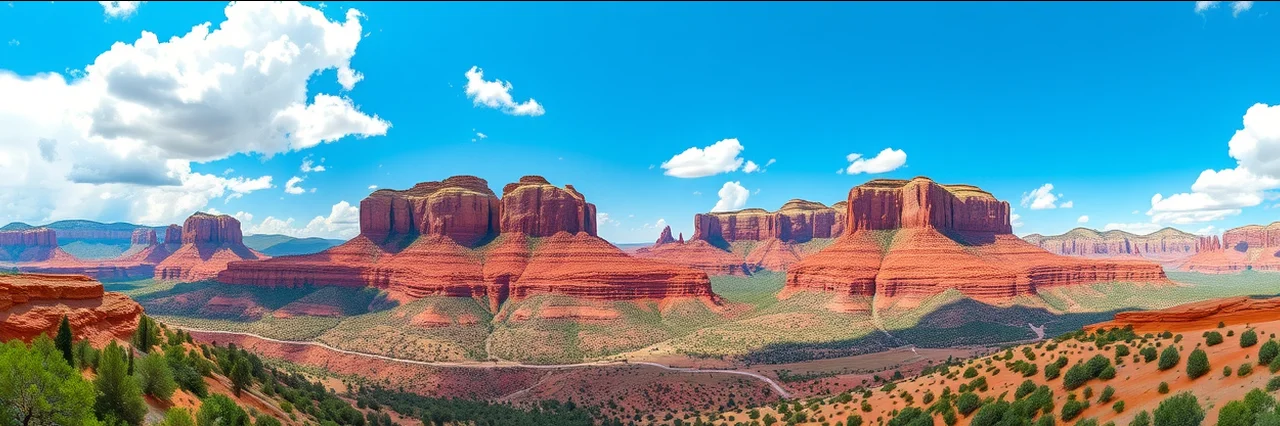
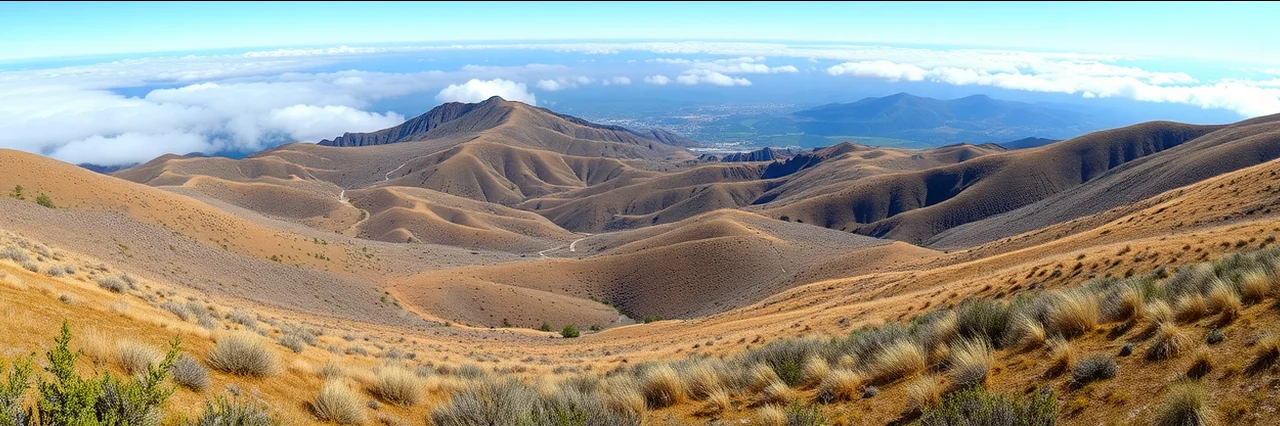
Panoramic red rock cliffs in Coconino National Forest Sedona, popular for hiking and mountain biking.

Coconino National Forest

📍 Address: 1824 S Thompson St, Flagstaff, AZ 86001, USA

📞 Phone: +1 928-527-3600

🌐 Website: https://www.fs.usda.gov/coconino

★★★★★
Rating: 4.8

Explore the Power and Beauty of Coconino’s Red Rocks: A Hiker and Mountain Biker’s Dream

Northern Arizona holds a landscape unlike anywhere else in the United States—a mosaic of towering crimson cliffs, winding canyons, and serene pine woodlands that draw explorers from around the world. If you’re searching for hiking and mountain biking routes that fuse natural wonder with personal challenge, the Coconino National Forest’s Sedona Red Rock region offers endless miles of trails flanked by the iconic layered buttes and forests looming under broad southwestern skies. Yet, before lacing up your boots or tuning your mountain bike, there are essentials to know about fire conditions, permits, and sustainable recreation in this dynamic, highly protected environment.

Visiting the Coconino National Forest is not just about finding a trail—it’s about connecting with an environment that’s always in flux, shaped by seasonal shifts, fire risk, and ongoing restoration work. Whether you’re drawn by the lure of sun-warmed red rocks, the promise of shaded woodland climbs, or the technical challenge of mountain biking on ancient plateaus, understanding the terrain and its regulations is key to a smooth and safe adventure. The reward? Life-affirming vistas, abundant biodiversity, and a deepened appreciation for the stewardship that keeps these trails open year-round. Let’s unravel the details that make Sedona’s red rock hiking and mountain biking routes both legendary and responsibly accessible.

Hikers and bikers enjoying Coconino National Forest Sedona red rock trail

What Makes Sedona Red Rock Trails in Coconino National Forest So Unique?

The Sedona Red Rock trails in the Coconino National Forest aren’t merely scenic pathways; they represent a convergence of geological, ecological, and recreational significance. Here, hikers and mountain bikers encounter not only the famed rusty-hued stone formations, but also a striking variety of terrain—from high desert and rippling creeks to ponderosa pine forests and alpine meadows—all within reach. The ability to transition between environments in a single afternoon hike or ride sets this area apart from others in the Southwest.

Navigating these routes means contending with more than just elevation gain. With the forest’s 1. 8 million acres under strict fire management protocols (and frequent alerts about restrictions or closures), personal responsibility and up-to-the-minute planning are essential. For those who overlook the complexities of Coconino’s trail system—its changing weather, road status, and permit requirements—there can be real consequences: unexpected closures, navigation challenges, and lost opportunities for discovery. Inexperience with Sedona’s diverse climate, from sun-baked rocks to sudden snow drifts, can transform a day of adventure into a logistical struggle. This is why a comprehensive understanding of what the forest offers—and how to explore it safely—leads directly to the richest experiences.

Mountain bikers navigating Sedona red rock trails in Coconino National Forest

For those who appreciate the thrill of exploring unique destinations, you might also enjoy discovering the unexpected wonders and curiosities at Ripley's Believe It or Not! in Newport, where adventure takes on a whole new meaning beyond the trails.

How Versatile Terrain Benefits Every Outdoor Enthusiast

Coconino National Forest functions as an ever-evolving playground for hikers and mountain bikers seeking both dramatic landscapes and varied challenges. The region’s unique blend of red rock formations, high desert plateaus, creeks, woodlands, and even alpine environments provides endless discovery. For first-timers and seasoned athletes alike, Sedona’s trails bring new perspectives with every change in elevation or twist in the path—a physical and mental reward not found elsewhere.

The ability to experience multiple ecological zones within a single trip is not just about scenery; it means opportunities for personal growth, technical improvement, and moments of true solitude for anyone who steps—or pedals—onto these paths. Year-round accessibility, thanks to shifting but always inviting seasons, lets adventurers return again and again. Trail users benefit from the forest’s established permit systems and pass requirements, which help preserve the environment and keep it welcoming for future generations. Flexible planning, informed by current fire restrictions and weather alerts, means visitors can maximize their time exploring wonders both widely recognized and unexpected. In summary, Sedona’s red rock hiking and mountain biking routes redefine what it means to “choose your adventure”—offering inspiration, wellness, and real human connection with the land.

Woman with bike overlooking Coconino Sedona red rock hiking scenery

From Dynamic Seasons to Active Fire Management: Staying Safe and Informed on the Trails

Seasonal diversity is one of Coconino National Forest’s strongest draws—spring wildflowers, summer sun, autumn golds, and even winter snow drifts. Yet, this constant change demands respect for both the land and ongoing forest management efforts. With very high fire danger seasonally affecting all districts (including Red Rock), hikers and bikers must regularly check trail closures and be aware of prescribed fires or active wildfire scenes. Responsible recreation isn’t just for experts; even beginners will find an abundance of maps, guides, and road status updates designed to help everyone stay informed and prepared.

Unlike some national parks where crowds and regulations feel overwhelming, Sedona’s trailheads offer both extensive access and a careful balance with preservation. Day-use fees, recreation passes, and event permits help maintain trails while giving adventurers a straightforward route to planning their day. The clear system for collecting permits—whether for firewood, group hikes, or filming—ensures that access remains fair and sustainable. Embracing these systems is part of the modern forest experience and enhances your journey, ensuring a legacy of beauty and challenge for those who follow in your footsteps or tire tracks.

Unraveling the Diversity: How Trail Options Foster Exploration for All Skill Levels
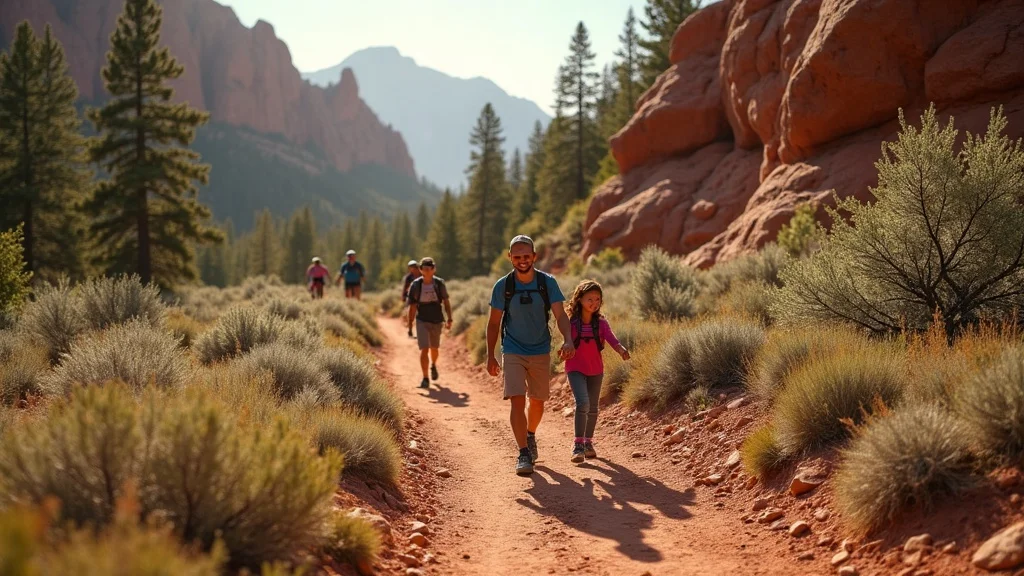
Family hiking scenic Coconino National Forest Sedona red rock trail

A defining feature of Coconino National Forest’s Sedona region is its accessibility for a modern mix of outdoor explorers. Whether you crave a gentle stroll along creeks or a challenging ascent up a rocky butte, there’s a carefully maintained path to match. Beginner mountain bikers can find well-marked, less technical routes that build confidence, while more advanced riders relish rugged switchbacks emerging from pine woodlands into panoramic desert vistas. The forest’s strategy of maintaining diverse, interconnected trails makes it a genuine “choose your own adventure” environment.

For hikers, options abound for both short scenic circuits and all-day excursions winding through canyons and across high plateaus. Trailheads are close to not only the wild beauty of the land, but also amenities, shops, and lodging in surrounding communities. This blend of ease and adventure reflects an inclusive vision for outdoor activity, making the red rock country welcoming to families, individuals, and groups with varying levels of experience and mobility.

Permits, Passes, and the Importance of Responsible Recreation

With so much foot and bike traffic across Coconino National Forest, a robust permit and pass system ensures sustainability. Adventure seekers are encouraged to plan ahead and obtain the necessary day-use passes or specific activity permits. Whether you’re filming a personal documentary, gathering a group for a sunrise hike, or seeking to camp overnight, clearly posted guidelines and easy permit access prevent disappointment and support continued enjoyment of the region.

Permits aren’t simply red tape—they help control environmental impact, fund trail maintenance, and ensure safety by managing event sizes and locations. The benefit is clear: everyone, from casual adventurers to experienced guides, can share these world-class trails knowing their visit supports long-term access and environmental health. Responsible outdoor recreation is more than a rule—it’s a promise to future explorers seeking Sedona’s timeless beauty.

Coconino National Forest’s Commitment to Diversity, Stewardship, and Community Connection

At the heart of Coconino National Forest’s mission is its dedication to making 1. 8 million acres of diverse landscape accessible and inspiring, while prioritizing stewardship and sustainability. The Forest Service approaches each season with a focus on active fire management, up-to-date alerts, and proactive trail maintenance—ensuring safe adventures while protecting fragile habitats. This commitment is reflected in ongoing educational initiatives, user-friendly maps, and clear updates about closures or changes due to changing fire risks.

The forest’s team sees itself as caretakers and connectors, providing opportunities for visitors of all backgrounds to enjoy, learn, and appreciate Northern Arizona’s unique heritage. By balancing modern recreation with the timeless dignity of the land—from the Mogollon Rim to the Red Rock canyons—the focus remains on shared responsibility and communal enjoyment. Every trail, camping site, and ranger-led event is an invitation to become part of a larger story: one of ongoing renewal, respect for nature, and a celebration of the remarkable variety found only in Coconino National Forest.

Visitors Find Awe, Community, and Year-Round Wonder

Describing the impact of Coconino National Forest’s variety and beauty is best done through the words of those who have experienced it. Many visitors are struck not just by the landscape, but by the way the forest blends convenience, accessibility, and unrelenting natural spectacle. Consider the recent reflection of Sofia P. , a traveler drawn to the area’s distinct qualities, who shared:

This is the most beautiful National Park I have ever been to. It is truly deserving of an excellent review. It is absolutely lovely, diverse and beautiful locations, unlike some other national parks it is very close to a wide variety of shops, and has seasons so it is enjoyable any time of year. It is my favorite till now!

Her experience speaks to the joy countless others find in exploring Sedona’s red rock trails: ease of access, a range of recreational choices, and an evolving landscape that welcomes new discoveries with each season. For anyone ready to pursue their own adventure—whether solo, with family, or alongside new friends—a trip to Coconino National Forest offers both inspiration and a sense of belonging that endures long after the journey ends.

Why Coconino’s Sedona Red Rock Trails Matter for Outdoor Lovers and Future Generations

The unique qualities of the Coconino National Forest Sedona Red Rock hiking and mountain biking routes create a one-of-a-kind opportunity to experience Arizona’s changing beauty, geological history, and spirit of adventure. The dedication of forest managers, coupled with clear systems for safety, permits, and conservation, has established this region as a blueprint for responsible outdoor recreation across the country. By providing trails that adapt to all skill levels and seasonal shifts, the Coconino National Forest proves that stewardship and exploration don’t merely coexist—they thrive together.

For outdoor lovers seeking transformation, solitude, or new connections, these trails mean far more than a walk or ride across breathtaking scenery. They represent a commitment to access, safety, and preservation—ensuring every season, every visit, brings fresh chance for awe. The Coconino National Forest’s contribution to the outdoor experience stands as a model, making Sedona Red Rock hiking and mountain biking not just memorable, but indispensable for those searching for wild Arizona at its boldest and best.

If your passion for adventure extends beyond the trails and into the realm of the extraordinary, consider broadening your horizons with attractions that spark curiosity and wonder. Exploring places like Ripley's Believe It or Not! in Newport can add a playful twist to your travel itinerary, offering a blend of entertainment and discovery that complements the natural marvels of Sedona. Whether you’re seeking the thrill of the outdoors or the intrigue of the unusual, each journey enriches your appreciation for the world’s diversity. Let your next adventure be a celebration of both nature’s grandeur and humanity’s creativity—there’s always another surprise waiting just around the corner.

Contact the Experts at Coconino National Forest

If you’d like to learn more about how Coconino National Forest Sedona Red Rock hiking and mountain biking could benefit your outdoor adventures, contact the team at Coconino National Forest.
📍 Address: 1824 S Thompson St, Flagstaff, AZ 86001, USA
📞 Phone: +1 928-527-3600
🌐 Website: https://www.fs.usda.gov/coconino

Coconino National Forest Location and Hours

🕒 Hours of Operation:📅 Monday: 8:00 AM – 4:00 PM📅 Tuesday: 8:00 AM – 4:00 PM📅 Wednesday: 8:00 AM – 4:00 PM📅 Thursday: 8:00 AM – 4:00 PM📅 Friday: 8:00 AM – 4:00 PM📅 Saturday: ❌ Closed📅 Sunday: ❌ Closed
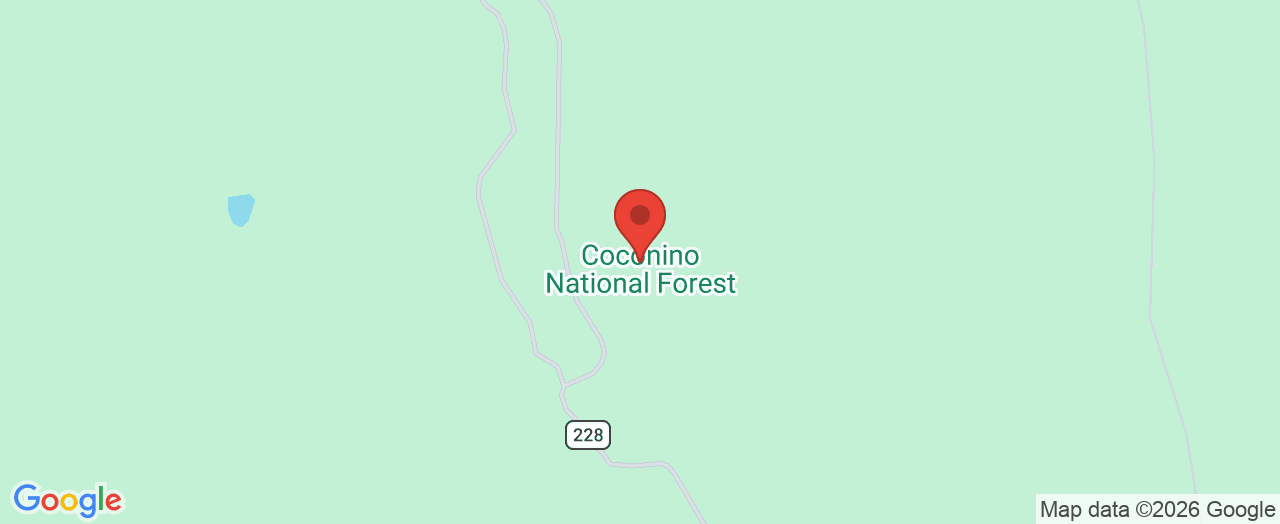
Location Map
National Forest

0 Comments

Write A Comment

*
*
Please complete the captcha to submit your comment.
Related Posts All Posts

Discover Hidden Gems on Shoshone National Forest Scenic Drives

Shoshone National Forest Supervisor's Office 📍 Address: 808 Meadow Ln Ave, Cody, WY 82414, USA 📞 Phone: +1 307-527-6241 🌐 Website: https://www.fs.usda.gov/r02/shoshone/offices/shoshone-national-forest-supervisors-office ★★★★★ Rating: 0.0 Introduction: Why Shoshone’s Scenic Drives, Trails, and Wildlife Matter More Than Ever Imagine a place where every mile reveals another layer of the wild, where towering mountains fade into forests teeming with wildlife and winding roads promise both adventure and tranquility. While national forests across America attract millions, few rival the diverse wonders waiting along Shoshone National Forest scenic drives. This landscape is not only a gateway to sublime beauty, but also a living record of natural history, where every overlook and trail carries the stories of rugged wilderness and resilient wildlife. The stakes are high for those seeking genuine connection with nature: getting off the beaten path can mean the difference between another road trip checked off and a life-changing encounter with the untamed West. Readers drawn to mountain escapes and wildlife encounters often look for more than a simple pit stop. Scenic drives, wildlife viewing opportunities, and the promise of exhilarating mountain hikes fuse together in this forest, delivering something both profound and accessible. Yet, understanding how, when, and where to safely explore—amid fire advisories, seasonal closures, and shifting conditions—can transform an average journey into an extraordinary adventure. That’s why this exploration isn’t just for outdoor enthusiasts; it’s for anyone itching to trade digital noise for the sound of wind in pines, to replace routine with the unpredictable thrill of the wild. Shoshone’s roads and trails are waiting—not merely to be traveled, but experienced. Beyond the Pavement: Understanding the Value of Scenic Drives, Wildlife Viewing, and Hikes in Shoshone National Forest What makes Shoshone National Forest a destination worth prioritizing for scenic drives, wildlife viewing, and mountain hikes? It’s more than just pretty views. These activities offer a layered encounter with nature’s drama in real time. Scenic drives carve through ancient landscapes, revealing panoramas that shift from sun-soaked river valleys to peaks capped year-round in snow. The forest is home to a tapestry of habitats, making wildlife encounters—whether elk, deer, or soaring eagles—an everyday possibility. For those who leave their vehicles behind to explore winding hiking trails, the sense of scale and quiet only grows deeper, connecting visitors directly to the heart of Wyoming’s raw wilderness. Yet, this intricate web of roads, trails, and viewing spots can intimidate. Miss the right turn, or visit at the wrong moment, and a dream drive can become a frustrating circuit of closed gates or missed views. Understanding which scenic loops afford the best wildlife opportunities—and how fire status or district closures affect accessibility—can be the difference between disappointment and discovery. For families, solo wanderers, or seasoned hikers alike, Shoshone National Forest is not merely a backdrop, but a living, breathing destination that rewards the curious and prepared. Taking the time to grasp the nuances of these experiences isn’t just smart—it’s essential for anyone seeking true immersion in nature’s limitless theater. For travelers who appreciate the thrill of uncovering the unexpected, exploring unique attractions beyond the forest can add another layer of adventure to your journey. If you’re interested in destinations that surprise and delight, you might enjoy discovering the quirky exhibits and interactive experiences at Ripley's Believe It or Not! in Newport, where curiosity is always rewarded. Why Exploring Shoshone’s Scenic Drives and Trails Changes Every Wilderness Journey Expert resources like the Shoshone National Forest Supervisor's Office bring authority and clarity to wilderness exploration, offering invaluable context and up-to-the-minute information for visitors. The landscape covered by Shoshone’s ranger districts transforms ordinary drives into deep dives into geological and ecological history. With moderate fire danger often in place across districts like Wapiti, Greybull, Clarks Fork, Wind River, and Washakie, expert advisories help maintain both safety and access, protecting both visitors and delicate habitats. The benefits of these expertly managed resources ripple through the entire experience. Knowing where wildlife congregates or which routes offer the best vantage points lets visitors plan journeys tailored to both adventure and safety. Scenic drives in this national forest aren’t just about logging miles—they’re invitations to witness the interplay of rivers, forests, and mountains shaped over millennia. For hikers, maintained trails—sometimes subject to closure for restoration or safety—ensure a closer look at rare flora and untouched vistas. The expert stewardship guiding these decisions supports both conservation and the thrill of unspoiled discovery. Whether it’s a day trip for family wildlife spotting or a challenging summit attempt, the wisdom embedded in Shoshone’s management ethos ensures that every journey maximizes safety, preserves the ecosystem, and heightens awe. In a landscape this vast, such thoughtful guidance is not just a courtesy—it’s an essential part of bringing visitors into a lifelong relationship with the wild. From Wagon Trails to Modern Roads: The Evolving Story of Shoshone’s Scenic Drives Long before these roads became portals for cars and campers, indigenous people and early explorers navigated the rugged terrain of what is now Shoshone National Forest. The modern scenic drives cut through the same valleys and over the same passes, echoing a legacy of passage and discovery. This wealth of history isn’t marked only by informational signs—it’s etched in the land, seen in ancient rock formations and pathways now open for leisurely exploration or bracing mountain hikes. It’s meaningful for modern travelers to know that each twist and turn is part of a much longer human story, blending old-world endurance with today’s search for wonder. Wildlife Encounters: Practical Tips for a Safe and Respectful Adventure The allure of wildlife is undeniable—but safe viewing demands preparation and respect. Shoshone National Forest’s guidelines, like food and attractant storage rules and periodic restrictions, reflect a philosophy of stewardship for both visitors and the animals that inhabit these spaces. Staying updated on advisories not only keeps visitors safe but helps protect bears, elk, moose, and countless smaller creatures from harmful encounters. Experienced adventurers know to keep a respectful distance, use binoculars, and keep food secure to prevent unintended wildlife interactions. This collaborative ethos ensures each wildlife sighting is an occasion for learning, reflection, and, above all, preservation. When to Go: Navigating Conditions and Closures for the Best Shoshone Experience The magic of Shoshone National Forest can be highly seasonal. Fire danger status, like the recently moderate warnings on multiple ranger districts, shapes access and expectations. Understanding when roads or trails—such as the Morrison Jeep Trail—may be closed for safety or maintenance can save visitors wasted time and risk. The most rewarding drives and hikes often happen when informed travelers layer timing, conditions, and up-to-date advice from credible resources. The result is a tapestry of experiences that change with the light, the season, and the evolving conditions of the natural world. For those who heed the guidance, every trip becomes a tailored immersion rather than a generic visit. Stewardship and Strategy: The Shoshone Supervisor’s Office Approach to Wilderness Access The philosophy guiding the Shoshone National Forest Supervisor's Office emphasizes informed co-existence between people and nature. Providing transparent updates—such as moderate fire danger or temporary trail closures—the office equips the public for safe and meaningful interactions with the wilderness. This approach recognizes that preserving the forest’s integrity demands both constant vigilance and robust communication. It's about more than enforcing rules; it is a commitment to sharing knowledge that helps every adventurer participate respectfully in the land's ongoing story. This mission underscores a thoughtful balance: maintaining public access while protecting fragile ecosystems and honoring traditions of stewardship that span generations. The clarity and consistency of communication from the Supervisor’s Office reflect a deep investment in the long-term vitality of the forest, and in the safety and education of every visitor. That makes Shoshone National Forest not just a patchwork of trails and roads, but a carefully managed opportunity for discovery—with each visitor entrusted as both guest and guardian. What Real People Say About Their Journeys in Shoshone National Forest Every forest holds a wealth of personal stories—moments of awe, challenge, and transformation. While professional advice guides preparation and safety, it’s often the recollections of visitors themselves that paint the richest picture of adventure in Shoshone. Take this perspective from a recent guest: [[review_one_text]] Shared experiences like these underscore the value of venturing out on Shoshone’s scenic drives or setting out for a mountain hike. They remind every newcomer that, with preparation and respect, it’s possible to build memories as enduring as the landscape itself—memories that move from wide-eyed wildlife encounters to peaceful evenings beneath ancient trees. Why Shoshone National Forest Scenic Drives Are the Gateway to Deeper Wilderness Exploration Every journey into Shoshone National Forest is a chance to recalibrate—to trade the noise and routine of everyday life for a few precious hours or days steeped in wild beauty. Scenic drives, wildlife encounters, and mountain hikes are not mere activities, but invitations: to slow down, to pay attention, and to participate in the ever-changing drama of the land. Informed by the responsible stewardship of the Shoshone National Forest Supervisor’s Office, visitors can be confident that each journey is safe, respectful, and uniquely their own. In the end, Shoshone National Forest scenic drives offer much more than views; they invite wonder, connection, and a renewed commitment to preserving the wild experiences still found in the heart of Wyoming. If the spirit of discovery calls to you, remember that the world is filled with destinations that challenge your expectations and spark your curiosity. Whether you’re navigating the winding roads of Shoshone National Forest or seeking out the extraordinary at places like Ripley's Believe It or Not! in Newport, each adventure offers a new perspective and a story worth sharing. Embrace the unknown, explore with intention, and let every journey—whether through wild forests or fascinating museums—deepen your appreciation for the wonders that await. Your next unforgettable experience could be just around the bend, ready to surprise and inspire you in ways you never imagined. Contact the Experts at Shoshone National Forest Supervisor's Office If you’d like to learn more about how Shoshone National Forest scenic drives, wildlife viewing, and mountain hikes could benefit your outdoor adventure, contact the team at Shoshone National Forest Supervisor's Office. 📍 Address: 808 Meadow Ln Ave, Cody, WY 82414, USA 📞 Phone: +1 307-527-6241 🌐 Website: https://www.fs.usda.gov/r02/shoshone/offices/shoshone-national-forest-supervisors-office Shoshone National Forest Supervisor's Office Location and Availability 🕒 Hours of Operation:📅 Monday: 8:00 AM – 4:30 PM📅 Tuesday: 8:00 AM – 4:30 PM📅 Wednesday: 8:00 AM – 4:30 PM📅 Thursday: 8:00 AM – 4:30 PM📅 Friday: 8:00 AM – 4:30 PM📅 Saturday: ❌ Closed📅 Sunday: ❌ Closed
Discover Hidden Trails in George Washington and Jefferson National Forests

George Washington & Jefferson National Forest 📍 Address: Millboro, VA 24460, USA 📞 Phone: +1 540-265-5100 🌐 Website: http://www.fs.usda.gov/gwj/ ★★★★★ Rating: 4.8 Unveiling Appalachian Wonders: Why the Right Trail Can Change Your Outdoor Experience Imagine wandering through 1. 8 million acres of untouched woodland, where each step transports you deeper into the vibrant heart of the Appalachian Mountains. It’s easy to overlook the vast network of lesser-known trails, but within the George Washington and Jefferson National Forests, countless paths quietly wait to be explored. For every well-trodden section of the Appalachian Trail, there lies a hidden corridor lined with wildflowers, echoing with the voices of wildlife, and offering that rare sense of solitude often lost in today’s digital age. What transforms an ordinary hike into a lifelong memory is often the path less traveled—an adventure framed by the shimmer of mountain streams, ancient rock formations, and the hush of mountaintop balds. Access to such a profound landscape is not only a privilege. It’s an opportunity. Every season brings a kaleidoscope of experiences, from the kaleidoscopic hues of spring wildflowers to the sapphire clarity of winter mornings when waterfalls freeze in silently majestic cascades. With so many routes crisscrossing these forests, knowing where to tread—and when—becomes just as important as lacing up your boots. The rewards are great, but understanding the forest’s hidden gems can mean the difference between a crowded hike and a transformative wilderness escape. As visitors seek more meaningful, less hurried connections with nature, the George Washington and Jefferson National Forests Appalachian Trail hikes offer a world of possibilities best navigated with knowledge, preparation, and respect for the land itself. The Appalachian Trail and Its Quiet Corners: What Makes These Hikes Unique? The Appalachian Trail is legendary—the footpath spans over 2,000 miles and invites thousands of adventurers each year. Yet, within the George Washington and Jefferson National Forests, the stakes are different. Here, the trail becomes an immersive experience defined by lush woodlands, the interplay of cold mountain streams, and the serenade of native wildlife. Stretches of the Appalachian Trail wind across the Blue Ridge mountains, sometimes revealing abrupt mountain balds where panoramic views open unexpectedly, and other times leading through green tunnels where sunlight trickles through a cathedral of leaves. The remoteness of some sections provides a rare silence, occasionally broken by the sudden rustle of deer, the call of a hidden bird, or the crystalline echo of moving water. Lesser-known George Washington and Jefferson National Forests Appalachian Trail hikes are a revelation for those who crave peace, challenge, and discovery. These hikes differ starkly from busier, more commercialized sections of the trail. Their beauty is that of unpredictability: weather can transform a familiar path overnight, wildlife sightings abound, and each bend in the trail may unveil a new facet of natural artistry. Failing to truly understand what makes these hikes distinct means missing out on moments that can be both humbling and exhilarating. Without the right insights, hikers might overlook the seasonal shifts or the hidden hazards—like active fire restrictions or changing weather—that are part and parcel of responsible outdoor adventuring. If you’re interested in uncovering more unique and unexpected destinations during your travels, you might enjoy exploring the fascinating exhibits and curiosities at Ripley's Believe It or Not! in Newport, which offers a different kind of adventure for those who love surprises and discovery. Ultimately, not all Appalachian Trail experiences are created equal. Delving into the specifics of these forests’ lesser-traveled trails can enrich your time outdoors and embed a deeper appreciation for the stewardship required to keep these wild spaces thriving. In a landscape where each step feels different from the last, awareness is not just a safety net—it’s the key to experiencing the Appalachian Trail in its most authentic form. How Appalachian Trail Hikes in the George Washington and Jefferson National Forests Offer Restorative Benefits The George Washington & Jefferson National Forest stands out as more than just a backdrop for outdoor recreation—its carefully curated balance of natural beauty and accessible wilderness is a testament to the unique value it offers every visitor. Hikers who venture here find more than a walk in the woods: they experience a profound sense of reconnection, away from the pulse of modern technology and daily stress. Features like peaceful waterways and abundant wildlife foster moments of both reflection and exhilaration, allowing adventurers to fully immerse in the moment. The diversity of mountain landscapes, from wildflower-carpeted lowlands to ice-draped waterfalls in winter, ensures that every hike is different and every return visit offers something new to discover. Choosing to explore these Appalachian Trail hikes can also provide notable physical and psychological rewards. The forests’ commitment to conservation means trails are maintained with the natural environment in mind, minimizing intrusion while maximizing visitor experience. Adventurers may notice how unplugging from digital distractions brings about deeper connections with companions and the land itself—something reflected time and again in visitor feedback. Whether it’s the joy of witnessing a black bear’s brief appearance, standing silent among the autumn leaves, or cooling off beside a mountain stream, these moments add up to an outdoor experience that feels both restorative and exhilarating. With clear guidelines and updated alerts on fire restrictions and closures, visitors are empowered to explore confidently and safely, ensuring that their journey is both memorable and responsible. Exploring All Four Seasons: Why Timing Your Hike Matters One of the most striking qualities of the George Washington and Jefferson National Forests is the ever-changing personality it adopts with each passing season. Spring is a riot of color, as wildflowers paint the landscape and pollinators turn the air into a gentle buzz. Summer’s dense, leafy canopies provide cool shade and create a living tapestry teeming with deer and birds—nature’s own parade of life. As autumn descends, the very hillsides seem to ignite in vibrant reds and golds, making every trail an artful study in contrast and beauty. Even in winter, when most recreational destinations grow quiet, these forests transform into a place of introspection: crisp air, crystalized waterfalls, and silent drifts of snow offer a more contemplative, quietly powerful journey. Understanding these seasonal shifts is crucial for planning Appalachian Trail hikes in the George Washington & Jefferson National Forests. Some trails offer their best views when the leaves fall and the ridgetops open up; others are best explored when waterways are full and wildflowers line every step. Awareness of weather, current trail conditions, and active fire restrictions—frequently updated by the Forest Service—ensures hikers get the most out of their wilderness escape, safely and responsibly. Each season crafts a distinctive experience that’s both visually memorable and physically invigorating, illustrating why these forests remain a top destination for year-round exploration. The Importance of Trip Planning and Permits: Setting Yourself Up for Hiking Success With such a vast network of trails and diverse recreational opportunities, planning ahead becomes more than just a suggestion—it’s a necessity. The George Washington and Jefferson National Forests encourage visitors to reserve campsites and research day-use areas before heading out. Some areas may require permits for firewood, rock, or mushroom collecting, emphasizing the care and stewardship woven into the fabric of the forest’s management. Trail closures or active alerts—such as fire restrictions—can impact accessibility, and it’s the responsibility of every hiker to stay informed for their own safety and for the protection of these natural wonders. For those looking to deepen their immersion, exploring multiple trails or planning overnight stays in rustic cabins allows for a slower, more meaningful engagement with the landscape. The absence of constant digital connection, as noted by many visitors, enables a rare, restorative break from the rush of daily life. Having the right passes—such as the America the Beautiful Interagency Pass or the seasonal day-use options—means you’re prepared for whatever adventure the day holds. Thoughtful planning amplifies the enjoyment and sustainability of hiking in these storied forests, ensuring that the beauty and tranquility they offer endure for generations to come. Stewardship and Resilience: Embracing Conservation on the Appalachian Trail The philosophy guiding the George Washington & Jefferson National Forest is rooted in responsible enjoyment of the outdoors—a principle made clear through educational outreach and active forest management. By requiring permits for certain activities and offering up-to-date information about trail conditions and fire safety, these forests champion a culture of thoughtful stewardship. Hikers are encouraged to “know before you go,” not just for personal safety, but to help preserve the intricate, interdependent ecosystems that make the area so rich and rewarding. Long-term conservation efforts, from hurricane rehabilitation on the Virginia Creeper Trail to prescribed fire management, protect both natural beauty and public access. This commitment ensures that visitors experience the forests’ diverse character across every adventure, and that the land can continue to inspire future generations. In return, hikers are invited to move gently on the land, carrying out whatever they carry in, respecting alerts and closures, and embracing their role as caretakers of a truly extraordinary natural legacy. Solitude, Connection, and the Magic of Disconnection: What Hikers Are Saying Many visitors to the George Washington and Jefferson National Forests describe their time on the Appalachian Trail as nothing short of transformative. It’s not just the scenery or the wildlife, but a deep reconnection that comes from stepping away from the ordinary, trading the glow of a screen for the sparkle of fireflies, and the buzz of notifications for the hush of wind through ancient trees. As one recent visitor shared about their cabin stay: Had such a wonderful experience here! We spent some truly relaxing and memorable time away from the usual hustle. We booked a wooden cabin that was beautifully decorated with lights, such a cozy vibe! The best part was that there was no internet, which helped us completely disconnect and enjoy the moment. With just basic amenities like a simple pit toilet, an outdoor lake shower, a barbeque setup, and a firepit, it turned into the perfect getaway. We stayed for 3 nights without internet, something we’re really proud of! Honestly, one of the best and most refreshing experiences ever. Stories like this reinforce the powerful allure of a wilderness escape in these forests—an experience that delivers on both adventure and emotional restoration. Many find that simply unplugging is itself an act of renewal, leading to unexpectedly profound memories and a sense of pride in disconnecting. For anyone seeking something deeper from their hike, the right trail—paired with the right attitude—can spark moments you’ll cherish long after returning home. Why Appalachian Trail Hikes in These National Forests Are the Adventure You Didn’t Know You Needed Hidden among the rolling valleys and peaks of the George Washington and Jefferson National Forests lies an unparalleled invitation to step into a different rhythm and reconnect with nature at its purest. Every Appalachian Trail hike here brings opportunities for awe and reflection, shaped by intentional stewardship and the evolving beauty of the land itself. As the Forest Service continues to refine and protect this vast network—updating fire alerts, maintaining trail systems, and encouraging responsible use—visitors reap the rewards in the form of safer, more vibrant experiences. The value of discovering these hidden trails is not just in the scenery or adventure, but in the mindset shift that comes when the ‘usual hustle’ falls away. The George Washington & Jefferson National Forest provides an expert model for how outdoor recreation and thoughtful conservation can coexist, ensuring that both first-time hikers and seasoned explorers come away enriched and inspired. The next time you crave adventure, consider the Appalachian Trail hikes in these forests—not as another item on a bucket list, but as a genuine encounter with the restorative power of the wild. If you’re inspired to keep exploring unique destinations and want to broaden your horizons beyond the trails, consider discovering the unexpected wonders at Ripley’s Believe It or Not! in Newport. This attraction offers a playful twist on adventure, perfect for those who appreciate the thrill of the unknown and the joy of curiosity. Whether you’re planning your next outdoor escape or seeking a new kind of surprise, there’s always another journey waiting to spark your sense of wonder. Let your next adventure—on the trail or off—remind you that the world is full of hidden gems just waiting to be uncovered. Contact the Experts at George Washington & Jefferson National Forest If you’d like to learn more about how Appalachian Trail hikes in the George Washington and Jefferson National Forests could benefit your outdoor adventures, contact the team at George Washington & Jefferson National Forest. 📍 Address: Millboro, VA 24460, USA 📞 Phone: +1 540-265-5100 🌐 Website: http://www.fs.usda.gov/gwj/ George Washington & Jefferson National Forest Location and Visitor Information

Discover Epic Views and Hikes in Gifford Pinchot Forest

Gifford Pinchot National Forest Headquarters 📍 Address: 987 McClellan Rd, Vancouver, WA 98661, USA 📞 Phone: +1 360-891-5000 🌐 Website: https://www.fs.usda.gov/detail/giffordpinchot/news-events/ ★★★★★ Rating: 2.8 Unearthing the Majesty of Mount St. Helens: Why Gifford Pinchot National Forest Belongs on Every Adventurer’s List Could one landscape represent the raw and transformative power of nature better than Mount St. Helens? Each year, hikers and outdoor lovers are drawn to the unforgettable views and dramatic trails that wind through the Gifford Pinchot National Forest. Whether the attraction is the legacy of an iconic eruption or the allure of endless hiking opportunities, this region’s spell persists through changing seasons and shifting wilderness. With every approaching footstep, the forest brims with history, untamed beauty, and the promise of some of the Pacific Northwest’s most remarkable vistas. Gifford Pinchot National Forest, stretching across a vast swath of southwestern Washington, is more than a mountain’s aftermath—it’s a living classroom for geology, ecology, and the enduring spirit of forest recovery. The trails here are both a tribute and a challenge, threading through ancient old growth, ash-laden slopes, and panoramic points where Mount St. Helens’ stark crater commands the horizon. For outdoor enthusiasts, understanding the full scope of the hiking, view points, and natural features available is essential—even lifesaving in a region shaped continually by natural forces. Knowing which trails offer the best encounters with history and scenery can transform a simple day hike into a pivotal experience. More Than Just Trails: The Story and Significance of Mount St. Helens Views in Gifford Pinchot To call the Gifford Pinchot National Forest a collection of hiking trails would be to overlook the deep stories etched into every ridge and crater. This forest, pulsing with life and echoing the memory of the 1980 eruption, is the gateway to Mount St. Helens’ most coveted perspectives—an experience entwining recreation with living history. “Mount St. Helens: Order from Mayhem,” as the Forest Service notes, began unfolding with a 5. 2 magnitude earthquake leading to one of the most significant volcanic eruptions in U. S. history. Today, every switchback and overlook reveals evidence of destruction and rebirth, making the journey to Mount St. Helens as much about discovery as destination. Hiking here isn’t just a pastime; it’s an immersion in the ecological aftermath and ongoing renewal that distinguish the Pacific Northwest. Trails range from peaceful forest strolls to strenuous climbs, each promising unmatched views into the heart of volcanic transformation. For those new to the area, misunderstanding the complexity of trail conditions, evolving landscapes, or the importance of Leave No Trace ethics can mean missing the forest for the trees—or facing real hazards on remote terrain. That’s why becoming familiar with the best viewpoints, trail etiquette, and current forest conditions is not only essential for enjoyment, but vital for safety and conservation. While exploring the wonders of Gifford Pinchot National Forest, you might also be interested in discovering other unique attractions across the Pacific Northwest. For a completely different kind of adventure, consider planning a visit to Ripley's Believe It or Not! in Newport, where curiosity and the unexpected take center stage. Why Experiencing Gifford Pinchot’s Mount St. Helens Trails is Unforgettable Expert insights from the Gifford Pinchot National Forest Headquarters reveal the multifaceted benefits of hiking and sightseeing around Mount St. Helens. Visitors gain more than a snapshot of a scenic volcano—they step into an evolving landscape where each view and trail shares lessons in resilience, forest health, and adaptation. As recent feature stories highlight, the region’s approach balances adventure with stewardship, encouraging hikers to interact mindfully with fragile recovery zones while taking in the awe-inspiring grandeur of the terrain. The forest’s prescribed burns and proactive fire management, detailed in their public communications, directly contribute to improving safety and preserving trail access, meaning that every hike comes with the assurance of thoughtful land management behind the scenes. Venturing along these celebrated routes, trekkers find themselves empowered by clear trail information, up-to-date alerts on closures or hazards—from washed-out forest roads to temporary fire restrictions—and an invitation to participate in community events like National Trails Day. The outcome is transformative: hikers experience improved personal well-being, stronger connection to public lands, and a unique glimpse into the force that continues to shape the Northwest. Furthermore, the forest’s educational ethos—embodied in signage, press outreach, and ranger-led initiatives—ensures that every visitor is equipped to enjoy, and to protect, this irreplaceable volcanic wilderness for years to come. The Evolving Power of Mount St. Helens: From Destruction to a Landscape Reborn On that infamous morning in May 1980, Mount St. Helens changed forever, and with it, so did the character of the surrounding Gifford Pinchot National Forest. What was once densely wooded terrain became a living laboratory for scientists, hikers, and policymakers alike. Today, standing at any of the renowned viewpoints, hikers witness firsthand how the land continues to heal—new growth pushing through ash, wildlife returning in abundance, and forests managed carefully to strike a balance between recreation and recovery. This narrative is deeply embedded in the visitor experience, inviting reflection and inspiring awe at nature’s ability to create order where there once was chaos. Staying Safe and Making the Most of Your Hike in Gifford Pinchot Choosing the right trail and preparing for its specific challenges is a core aspect of enjoying what Gifford Pinchot National Forest has to offer. Regular updates on fire danger, trail status, and road closures are prominently available on the Forest’s official site, reflecting a commitment to safety and proactive communication. Whether contending with temporary road washouts—like the recent slide on State Route 504—or following burn recommendations to enhance long-term forest health, hikers are encouraged to do more than just pass through the landscape: they become stewards. Adhering to Leave No Trace principles and responding to posted alerts ensure the trails, vistas, and the dramatic contrasts of Mount St. Helens remain accessible for future generations of outdoor lovers. Embracing this ethos transforms a day hike from a simple recreational outing into an act of preservation. Participation in forest events, staying informed on conditions, and a willingness to adapt plans in light of changing terrain or weather all contribute to a safer, more rewarding visit. The result? Every step taken aligns with both personal fulfillment and the broader mission of safeguarding one of the Pacific Northwest’s most precious resources. How a Forest Grows: Insights from Modern Conservation and Visitor Engagement Gifford Pinchot National Forest’s guiding philosophy centers on the nexus between access, education, and ecological health. Drawing from both scientific research and community engagement, their management approach emphasizes the importance of balancing visitor enjoyment with the ongoing process of renewal in sights like Mount St. Helens. The Northwest Forest Plan, mentioned as a foundational element in recent features, is key to shaping this vision—covering millions of acres and reinforcing standards for sustainable land use, restoration, and longitudinal studies. Education isn’t limited to posted signs: it is woven into guided hikes, digital resources, and every press release about forest events or policy changes. Additionally, the Forest’s communications stress collaboration—from inviting public participation during National Trails Day to updating stakeholders on initiatives like prescribed burns aimed at reducing wildfire risks. This participatory, transparent approach equips visitors with the information needed to enjoy trails safely, while fostering a sense of responsibility for maintaining the health and accessibility of all recreational areas around Mount St. Helens. Gifford Pinchot National Forest’s Mission: Preserving Adventure and Legacy for All The ethos at Gifford Pinchot National Forest Headquarters is rooted in stewardship, public service, and a passion for connecting people with the wild heart of Washington. Their proactive communication about trail safety, forest health, and events highlights a philosophy of ongoing vigilance and transparency. By providing real-time alerts and investing in forest health through prescribed burns, the team underlines a commitment to both immediate visitor safety and the long-term resilience of significant landscapes—especially around icons such as Mount St. Helens. This approach extends beyond policy documents: it’s a lived mission designed to harmonize individual adventure with collective responsibility. Through educational programming, participation opportunities, and promoting ethical recreation, the Forest Headquarters stands as a thought leader in outdoor access, historic preservation, and innovative conservation—offering every visitor a deeper, more informed relationship with the breathtaking natural theater of Mount St. Helens and its remarkable network of trails and viewpoints. What Visitors Experience: A Forest that Evolves and Inspires Hiking through the transformed valleys and ridges of Gifford Pinchot National Forest is more than a walk—it’s a dialogue with the landscape. Though direct visitor reviews are absent here, abundant ranger reports and public feedback collected by the forest service echo a universal refrain: visitors are moved by the scale of recovery, the sweeping views, and a sense of participating in the living story of the volcano. The visibility of current road closures, continual fire status updates, and invitations to unique events like National Trails Day enhance trust in the forest’s commitment to visitor care and enjoyment. Countless individuals leave Gifford Pinchot with stories of challenge and renewal, carrying reverence for both the forest’s beauty and its fragility. For all who trek its trails or stand in awe at Mount St. Helens’ edge, similar satisfaction and inspiration await—affirming that staying informed, respectful, and adventurous transforms the simple act of hiking into a transformative and enduring experience. Redefining Adventure: Why Gifford Pinchot’s Mount St. Helens Views and Hikes Set the Standard In the ever-changing world of outdoor recreation, the trails and viewpoints across Gifford Pinchot National Forest remain a touchstone for what makes an adventure truly unforgettable. Blending dramatic glimpses of Mount St. Helens with educational stewardship, safety-first communication, and proactive land management, the forest sets a high bar for both access and ecosystem care. With every press release, safety notice, and guided event, Gifford Pinchot National Forest Headquarters cements its status as a champion of responsible adventure. For anyone yearning for epic views and the profound lessons only nature can teach, Mount St. Helens and its web of trails provide an experience as vital as it is breathtaking. For those ready to hike or simply soak in the grandeur, there’s nothing quite like embracing the full adventure of Gifford Pinchot National Forest’s Mount St. Helens views and hikes—a benchmark for scenic exploration and responsible recreation in the Pacific Northwest. If your passion for exploration extends beyond the trails of Gifford Pinchot, the Pacific Northwest offers a wealth of unexpected experiences waiting to be uncovered. From volcanic landscapes to the marvels of human curiosity, each destination adds a new layer to your adventure story. For a truly memorable detour, immerse yourself in the extraordinary exhibits and oddities at Ripley's Believe It or Not! in Newport. Whether you’re seeking natural wonders or the delightfully bizarre, expanding your itinerary ensures every journey is filled with discovery and inspiration. Contact the Experts at Gifford Pinchot National Forest Headquarters If you’d like to learn more about how gifford pinchot national forest mount st. helens views and hikes could benefit your outdoor adventures, contact the team at Gifford Pinchot National Forest Headquarters. 📍 Address: 987 McClellan Rd, Vancouver, WA 98661, USA 📞 Phone: +1 360-891-5000 🌐 Website: https://www.fs.usda.gov/detail/giffordpinchot/news-events/ Gifford Pinchot National Forest Headquarters Location and Availability 🕒 Hours of Operation: Please contact the Forest Headquarters for current office hours or visit the official website for seasonal availability and alert updates.

RV Otter

Your go-to blog for RV travel tips, campground reviews, gear guides, and real-life adventures across the USA. Explore smarter and travel better with RV Otter!

COMPANY

  • Privacy Policy
  • Terms of Use
  • Advertise
  • Contact Us
  • Menu 5
  • Menu 6

Eugene, OR

ABOUT US

RV Otter helps you travel smarter with real RV tips, campground reviews, gear guides, and stories from the road. Whether you're a newbie or seasoned traveler, you'll find inspiration and practical advice to enjoy every mile.

© 2026 CompanyName All Rights Reserved. Address . Contact Us . Terms of Service . Privacy Policy

Terms of Service

Privacy Policy

Core Modal Title

Sorry, no results found

You Might Find These Articles Interesting

T
Please Check Your Email
We Will Be Following Up Shortly
*
*
*