



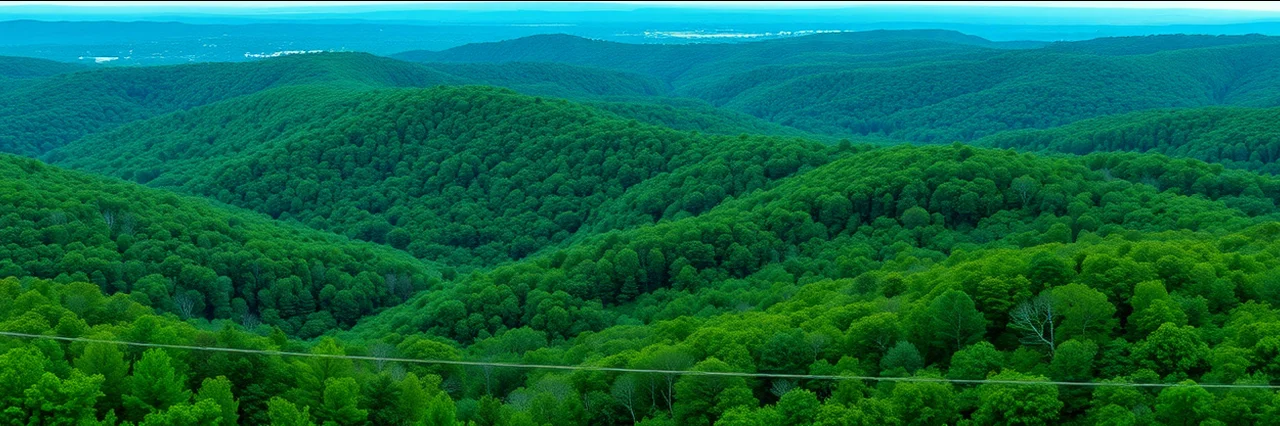
Unveiling the Mysteries of Mark Twain National Forest Springs, Caves, and Ozark Hiking Trails
What draws explorers, hikers, and families year after year to Missouri’s sprawling Mark Twain National Forest? Beneath the shaded canopy of ancient hardwoods lie some of the Midwest’s best-kept secrets: crystal-clear springs gushing from mysterious underground rivers, labyrinthine cave systems that evoke both curiosity and awe, and an extensive tapestry of Ozark hiking trails winding through glades, valleys, and karst terrain. For many, discovering this forest is like turning the page to a living storybook—each footstep revealing new wonders shaped by millennia of nature’s quiet design.
In a world where so much is curated, predictable, and accessible at the swipe of a screen, the Mark Twain National Forest stands apart. Its springs, caves, and hiking trails offer an authentic invitation to immerse yourself in wild beauty and rich heritage. Visitors aren’t just getting outside—they’re stepping into a dynamic landscape where water carves through limestone, birdsong echoes along ridges, and history is etched in every outcrop. Understanding these features is more than a matter of sightseeing; it’s an introduction to the region’s natural rhythms and a chance to witness how geological forces shaped the Ozarks.
The Allure and Complexity of Missouri’s Natural Marvels in Mark Twain National Forest
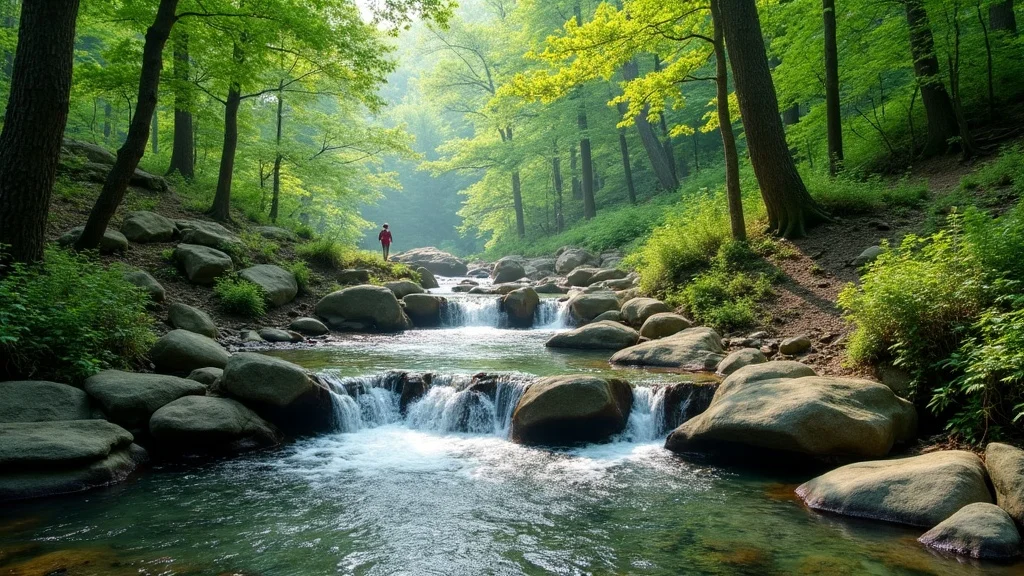
Mark Twain National Forest isn’t just a collection of trees—it’s a living lesson in geological wonder and ecological complexity. With more than 350 miles of perennial streams, visitors find no shortage of dynamic water features. The springs, crystal clear and surprisingly cold even in mid-summer, are the result of rainfall traveling underground through porous limestone, emerging anew and feeding the forest’s teeming creeks and rivers. These springs aren’t just scenic; they sustain rich ecosystems, create striking blue pools, and offer refreshment for both the wildlife and the hiking public.
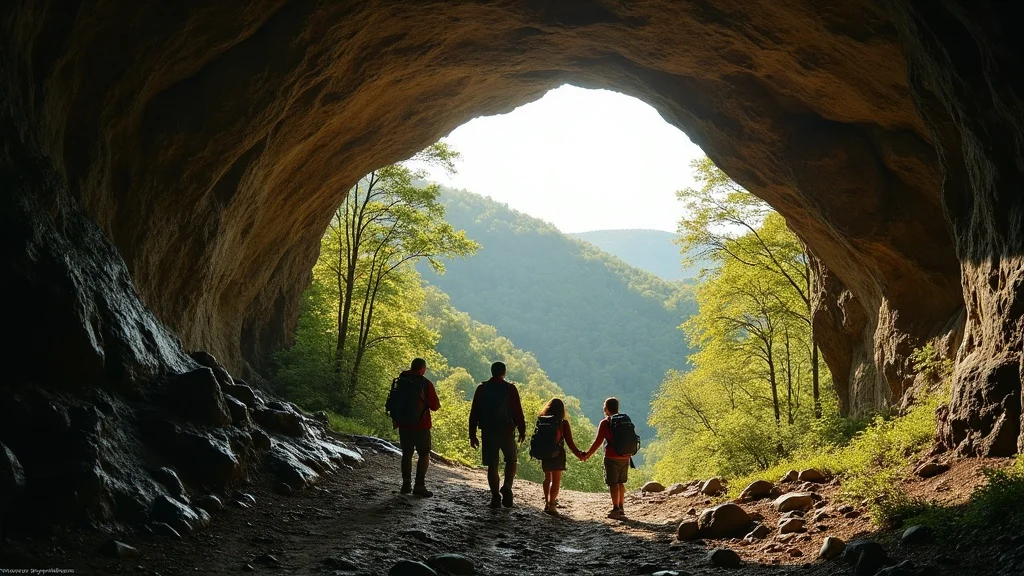
Just below the forest’s rolling hills and wooded ridges lie intricate cave systems—evidence of the region’s signature karst topography. The caves, mysterious and often hidden, harbor bats, rare crustaceans, and stories untold. For hikers, the Ozark trails that wind above and around these natural features are more than just footpaths; they’re corridors through time. Not grasping the full importance of these natural phenomena risks missing out on experiences both awe-inspiring and educational. Neglecting to understand the springs’ role in water purity, the caves’ fragility, or the trails’ connection to the Ozark heritage leaves visitors unprepared to truly appreciate and preserve this wilderness.
If you’re fascinated by the unexpected wonders that nature and history can offer, you might also enjoy exploring other unique attractions. For example, Ripley's Believe It or Not! in Newport presents a different kind of adventure, where the extraordinary and the unusual come together for a memorable experience. Discover more about what awaits at Ripley's Believe It or Not! in Newport and see how curiosity can lead to remarkable discoveries both indoors and out.
Why Exploring Mark Twain National Forest Springs, Caves, and Ozark Hiking Trails Enriches Every Adventure
As a seasoned steward of Missouri’s great outdoors, Mark Twain National Forest offers something constantly sought and seldom found: authentic contact with nature’s timeless workings. The springs serve as lifelines, offering not only scenic beauty but also crucial habitat for plants and wildlife unique to the Ozarks. The interplay between abundant water, lush growth, and cool refuge creates a vibrant environment for outdoor enthusiasts, families, and educators alike. Hiking along these trails presents a hands-on encounter with biology, geology, and history—an outdoor classroom unrivaled in diversity.
The forest’s hiking trails, designed to accommodate everyone from casual strollers to seasoned backpackers, open gateways to unforgettable vistas, quiet solitude, and high-energy adventure. Waterways suitable for canoeing and kayaking cut through the landscape, providing dynamic routes for exploration. Delving into the region’s numerous cave systems helps interpret the area’s ancient past while offering shelter for wildlife and inspiration for today’s explorers. Whether you’re pitching a tent near a bubbling creek or following a trail to a hidden spring, these opportunities restore a sense of wonder and foster deeper appreciation for the natural world.
By understanding these environments—how springs, caves, and trails interconnect—visitors are empowered to make decisions that support both conservation and recreation. It’s about more than following a map; it’s about developing a connection with Missouri’s living landscape and the legacies preserved within its green heart.

Ozarks’ Underground Rivers and Their Historical Role in Shaping Mark Twain National Forest
The history of Mark Twain National Forest’s springs and cave systems is as deep as the channels they occupy. The Ozark Plateau has long been distinguished by its karst geography—a blend of sinkholes, streams, and caves sculpted by water and time. Springs here have nourished wildlife, attracted Indigenous peoples, and assisted early settlers who relied on their clear, cold water for daily life. Over generations, these springs became essential stops for explorers and pioneers who crafted legends still echoed in local lore.
Today, hikers traversing the forest’s 750 miles of trails often cross paths with remnants of this history: abandoned mills, weathered bridges, and interpretive signs offering glimpses into the settlement era. Some trails follow historic routes once used by traders and adventurers, while caves remain natural time capsules—offering clues to the lives of both ancient animals and early Ozark inhabitants. Every visit to the springs and caves is a chance to walk in the footsteps of generations past, blending physical challenge with cultural immersion.
Planning an Enriching Hike: What to Know Before You Go
With so much to see and discover, designing your perfect Mark Twain National Forest adventure begins with preparation. The diverse landscape features trails suitable for all fitness and interest levels, from short family loops to strenuous multi-day treks on the renowned Ozark Trail. Before venturing out, it’s essential to check official resources for current weather, streamflow, and fire danger status to stay safe. The forest’s official website provides real-time updates, safety tips, and downloadable maps that make navigating its wilderness both accessible and secure.
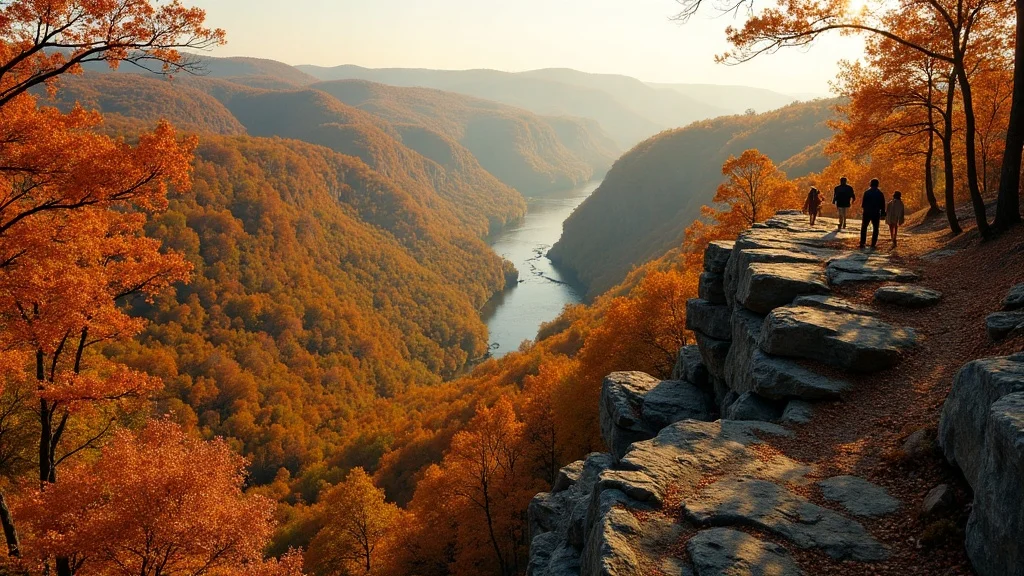
Campgrounds are available for those seeking overnight immersion in the wild, ranging from semi-primitive sites for solitude-seekers to developed campgrounds for families. It’s also important to practice Leave No Trace principles, especially when visiting sensitive areas like springs and caves. With insects—such as mosquitoes—also part of the natural environment, packing appropriate clothing and repellents can make all the difference. Visitors who arrive prepared are rewarded with vistas of shimmering water, cool cave air, and the soundscape of an unspoiled forest.
Volunteerism and Community Impact: Sustaining the Forest’s Heritage
Mark Twain National Forest is not just defined by its natural wonders, but by the collective efforts of the community and volunteers who protect and enhance its beauty. Programs focused on habitat management—such as those recognized by award-winning partnerships—have led to improvements that benefit wild turkeys, native flowers, and other wildlife. The need for volunteer campground hosts further illustrates the sense of stewardship that runs deep in local communities, enabling visitors to experience the Ozarks’ hospitality firsthand.
The forest also hosts a calendar of fee-free days, public events, and collaborative projects, fostering accessibility and engagement for people from all walks of life. These efforts reinforce the forest’s mission to provide a space where recreation and conservation work hand-in-hand, ensuring that the springs, caves, and hiking trails remain accessible and vibrant for generations yet to come.
Mark Twain National Forest’s Commitment to Conservation and Public Enjoyment
Mark Twain National Forest exemplifies a unique approach rooted in balance, blending recreation with a deep responsibility to conserve its karst landscape and diverse habitats. The philosophy centers on creating lasting memories through immersive experiences while prioritizing ecosystem health. By inviting the public to not just visit but actively participate—whether through hiking, learning, or volunteering—the forest encourages stewardship that is both personal and communal.
Ongoing initiatives and collaborative awards showcase how proactive management and thoughtful use of resources can cultivate both biodiversity and visitor satisfaction. As weather, fire danger, and public needs evolve, the forest remains adaptive, transparent, and welcoming. Through open communication, real-time alerts, and educational outreach, Mark Twain National Forest preserves its springs, caves, and trails with an eye toward the future—a commitment felt by locals and visitors alike.
One Visitor’s Discovery: Transformative Experiences in the Ozarks
The real magic of Mark Twain National Forest is revealed in the stories of those who have wandered its springs, marveled at its cave systems, and hiked its legendary trails. For some, the proximity of unspoiled wilderness is a daily privilege; for others, a first visit sparks a lifelong admiration for the forest’s quiet wonders. Consider one especially powerful reflection:
I moved to Missouri 5 1/2 years ago. There is so much to see and experience. The history here is amazing. I live next to the Mark Twain National Forrest. I love the fact that there are so many cave systems here. The waterways are amazing. Get out and experience. . . . .
For those who choose to explore Mark Twain National Forest—whether for a day or a lifetime—the possibility for awe, learning, and connection is ever-present. By immersing yourself in its natural and historical richness, you may find not just new sights but a renewed appreciation for the enduring beauty of the Ozarks and the stories written into their streams and stone.
Why Now is the Perfect Time to Explore Mark Twain National Forest’s Springs and Trails
Missouri’s Mark Twain National Forest stands as a living testament to nature’s artistry and the importance of public wilderness. From the dazzling springs and hidden caves to the miles of hiking trails crisscrossing the Ozarks, every visit promises adventure and enlightenment. The forest’s dedication to accessibility, sustainability, and community partnership offers a model for balancing enjoyment with preservation.
For outdoor enthusiasts, families, and heritage seekers, there’s never been a better opportunity to discover, or rediscover, the springs, caves, and trails that have defined the region for generations. With programs and infrastructure designed for safety and enrichment, and a philosophy rooted in stewardship, Mark Twain National Forest remains an invaluable resource and a beacon for those drawn to the heart of Missouri’s wild beauty.
If you’re inspired by the hidden gems and natural marvels of Mark Twain National Forest, consider broadening your adventure horizons by seeking out other destinations that celebrate the extraordinary. From the wonders of the Ozarks to the unexpected curiosities found at places like Ripley's Believe It or Not! in Newport, there’s always another story waiting to be uncovered. Exploring these diverse attractions not only enriches your travel experiences but also deepens your appreciation for the world’s many surprises—both natural and man-made.
Contact the Experts at Mark Twain National Forest
If you’d like to learn more about how Mark Twain National Forest springs, caves, and Ozark hiking trails could benefit your next outdoor adventure, contact the team at Mark Twain National Forest.
📍 Address: 401 Fairgrounds Rd, Rolla, MO 65401, USA
📞 Phone: +1 573-364-4621
🌐 Website: http://www.fs.usda.gov/mtnf
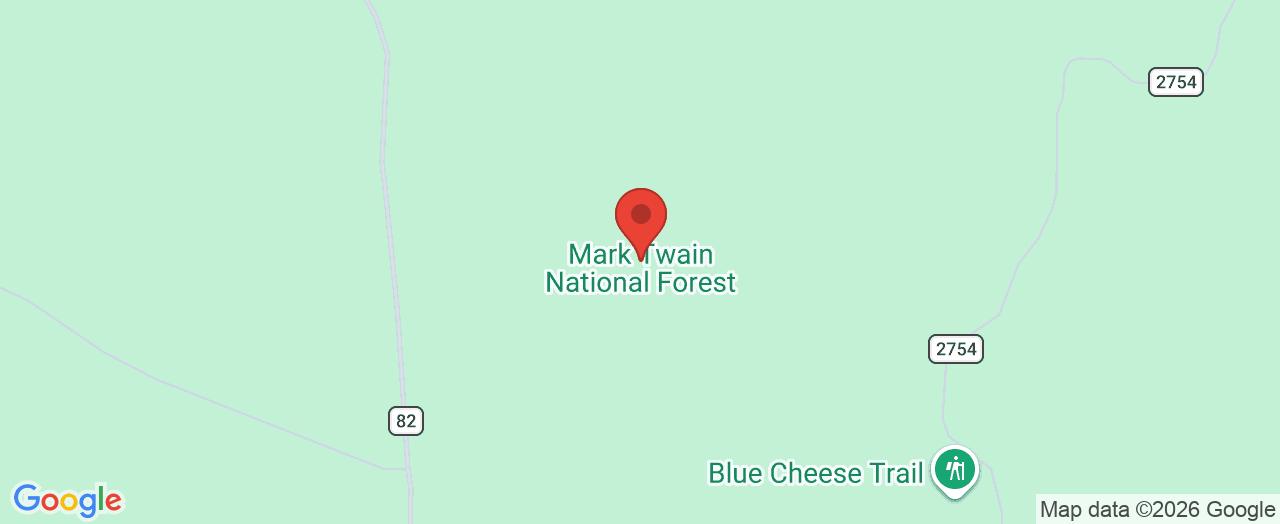
Mark Twain National Forest Location and Visitor Hours
🕒 Hours of Operation:📅 Monday: Open 24 hours📅 Tuesday: Open 24 hours📅 Wednesday: Open 24 hours📅 Thursday: Open 24 hours📅 Friday: Open 24 hours📅 Saturday: Open 24 hours📅 Sunday: Open 24 hours



Write A Comment