



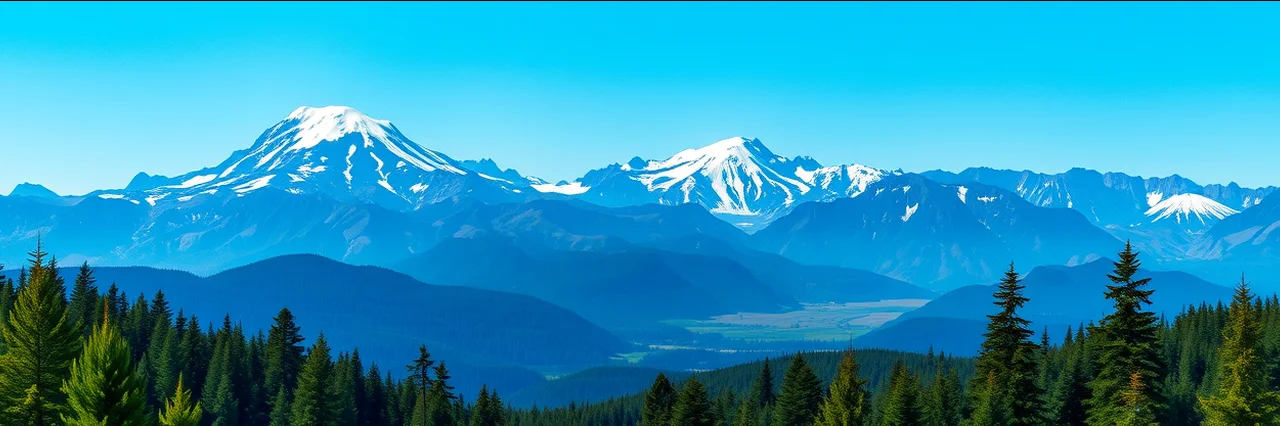
Unlocking the Secrets of Deschutes: Why the Cascade Lakes Trails Call Adventurers
Imagine vast pine forests, sparkling alpine lakes, and trails that stretch for miles, weaving through one of the Pacific Northwest’s most pristine wilderness areas. Every year, thousands of hikers and mountain bikers set out for adventure in Oregon, but only a fraction truly discover the hidden side of Deschutes National Forest. With its network of meandering paths and the legendary Cascade Lakes region, it’s easy to get lost in the beauty—or miss out entirely on the forest’s best-kept secrets. But what’s behind the enduring appeal of these trails, and why does this region remain a holy grail for outdoor enthusiasts?
Whether you’re an experienced mountain biker searching for new terrain or a family eager for a scenic lakeside hike, the Deschutes National Forest around the Cascade Lakes offers far more than just postcard views. Understanding its diverse trails is not just about recreating outdoors; it’s about connecting with rugged landscapes, rich ecosystems, and a legacy of stewardship. Many visitors grapple with where to start or how to make the most of their time here. This guide uncovers the core values hidden within Deschutes’ network of trails—knowledge that can transform a good outing into a transformative one. Read on to see how these routes can shape your next adventure and why truly knowing these trails matters.
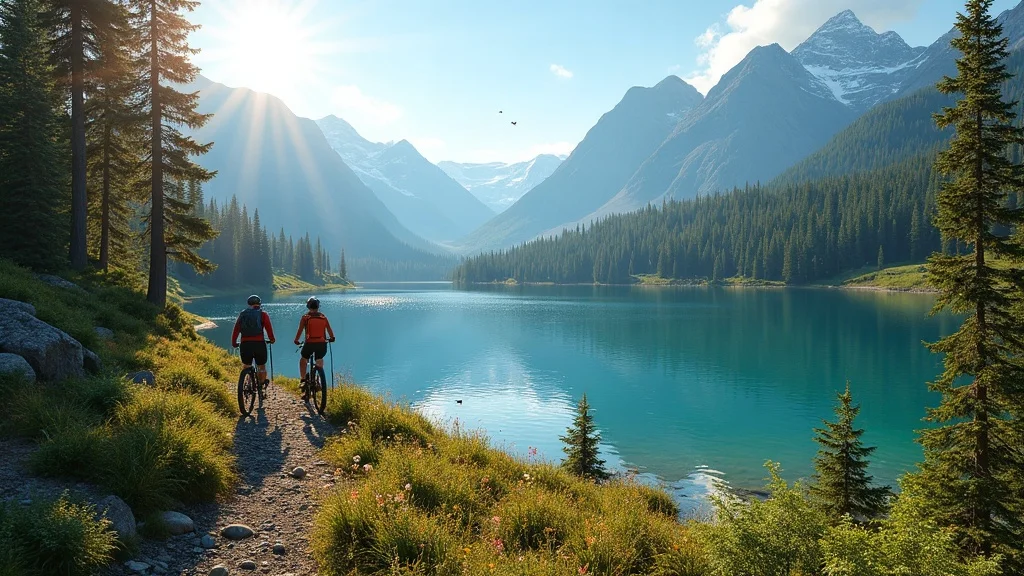
Beyond the Trailhead: What Makes Deschutes’ Cascade Lakes Hiking and Biking Extraordinary?
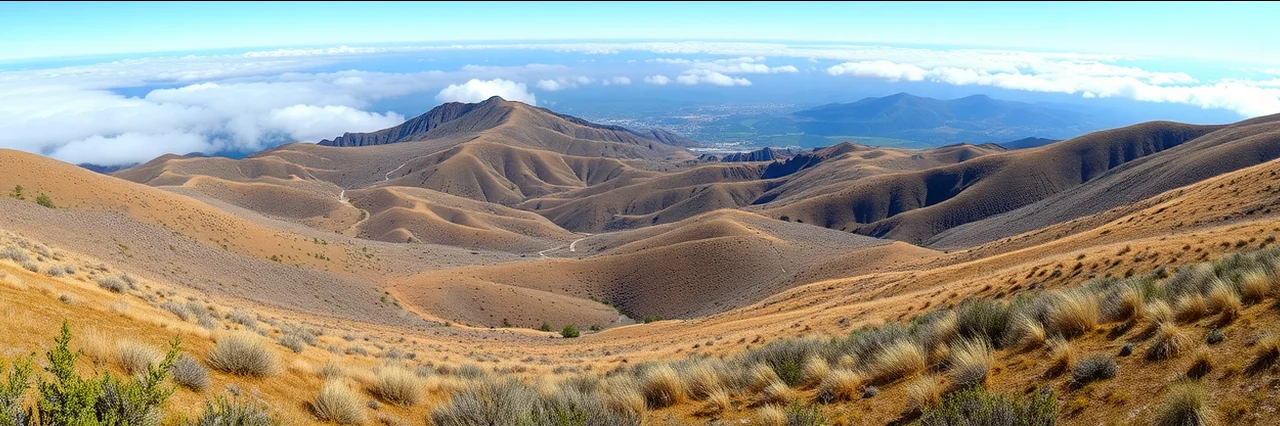
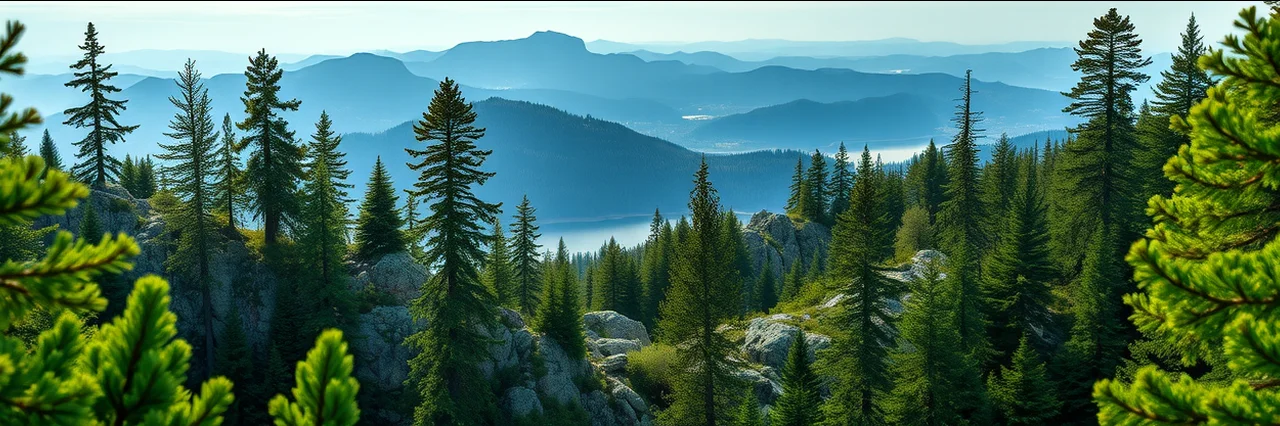
The Deschutes National Forest’s trails, especially those threading through the Cascade Lakes region, have earned a revered place among outdoor adventurers. The area is defined by its rolling lava flows, forests of ponderosa and lodgepole pine, and sparkling lakes reflecting the snow-capped peaks of the Cascades. What sets Deschutes National Forest cascade lakes hiking and mountain biking apart is the sheer diversity—beginner-friendly shoreline strolls, technical single-track mountain biking, and epic backcountry routes. Each pathway presents an opportunity to witness breathtaking scenery and wildlife, supported by well-maintained paths that make exploration accessible for people of varying skill levels.
For those unfamiliar with the subtleties of this terrain, missing the right trail can mean losing out on secluded viewpoints or unique ecosystems. Many visitors stick to the better-known routes and never realize there are hidden gems waiting just off the main corridors. A lack of knowledge about trail difficulty, best seasons, or environmental conditions can turn an anticipated day outdoors into a struggle—or even a disappointment. Truly understanding the nuances of Deschutes National Forest cascade lakes hiking and mountain biking can make the difference between an average visit and an unforgettable experience in Oregon’s wild heart.
Exploring the unexpected is part of what makes outdoor adventures so memorable. If you’re drawn to discovering unique attractions beyond the usual trails, you might also enjoy learning about the fascinating exhibits and curiosities at Ripley's Believe It or Not! in Newport, where surprises await around every corner.
How Exploring Deschutes Cascade Lakes Trails Can Transform Outdoor Experiences
At the heart of the Deschutes National Forest stands its commitment to maintaining access, enhancing safety, and protecting the natural character that makes these trails so renowned. Visitors benefit from accessible maps, clear signage, and well-maintained paths—all managed to ensure everyone can enjoy both hiking and mountain biking without sacrificing the region’s ecological health. Hiking here means traversing through volcanic formations, meadows filled with wildflowers in summer, and tranquil forests teeming with birdlife. The varied routes along the Cascade Lakes open up gateways not only to panoramic viewpoints but to quiet moments beside remote lakeshores, making each journey as restorative as it is adventurous.
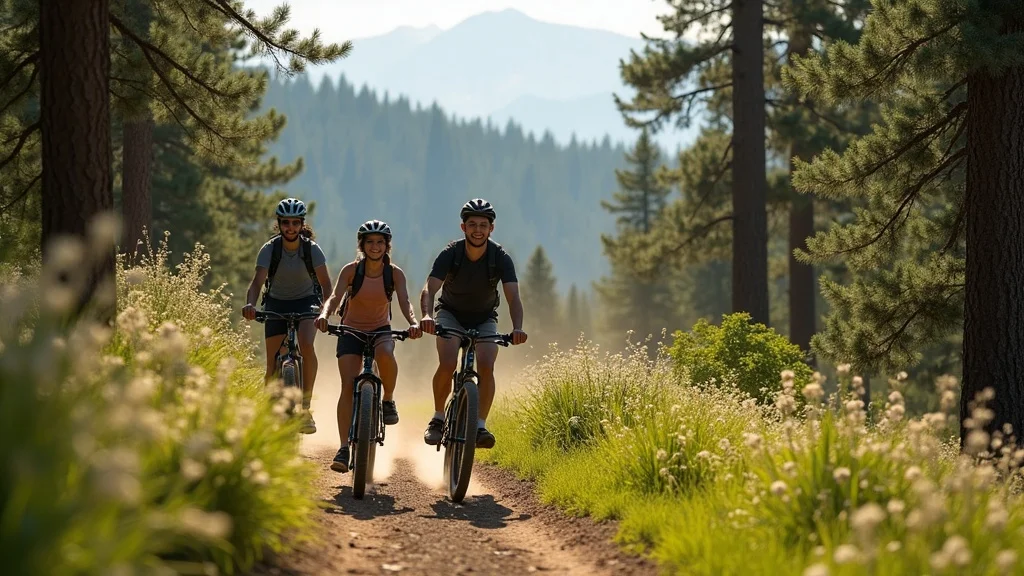
For mountain bikers, the reward lies in a network blending challenging climbs with thrilling descents, surrounded by dramatic vistas of lakes and mountains. The managed trail systems balance access with preservation, ensuring riders can enjoy the landscape without causing harm to sensitive habitats. The result is an environment where everyone—from newcomers to seasoned explorers—can forge their own connection with nature, test personal limits, and build memories grounded in awe and respect. By embracing the careful stewardship of the Deschutes National Forest cascade lakes hiking and mountain biking opportunities, visitors invest in both their own well-being and the continued health of the forest’s ecosystems.
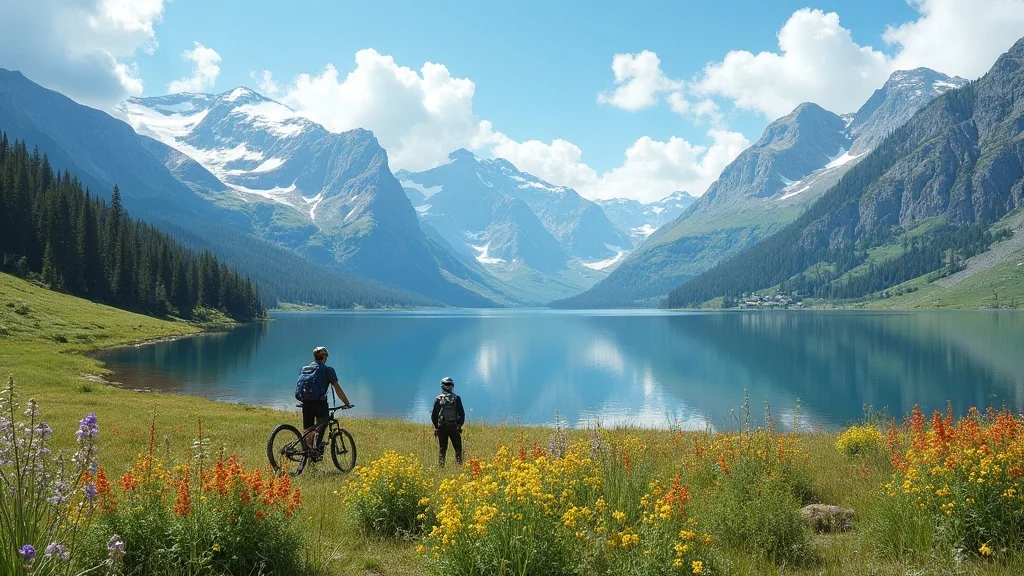
From Forest Fires to Preserved Wilderness: A Living Legacy of Adaptation
The story of Deschutes National Forest has been shaped by both natural and human forces, from historic wildfires to modern conservation efforts. What visitors see today is the result of generations working to preserve access while protecting vital wildlife corridors and watersheds. Parts of the trails wind through areas rejuvenated by fire, where new growth is testament to the resilience of these ecosystems. The balance between exploration and preservation has guided the evolution of hiking and mountain biking in these wild places, providing a blueprint for responsible recreation today.
Understanding this context adds meaning to each step and pedal stroke. Trail markers do more than just point the way; they are reminders of the forest’s ability to recover and the enduring value of stewardship. Every outing is an opportunity to witness the forest’s ongoing renewal and to be part of its continued vitality—something unique to Deschutes National Forest and especially visible in the Cascade Lakes region.
Insider Tips: Maximizing Enjoyment and Minimizing Impact on Cascade Lake Trails
Preparation is key to making the most of your time on the Cascade Lakes trails. Before heading out, check current trail conditions and weather forecasts on the official Deschutes National Forest website to avoid unexpected hazards. Bring ample water, layered clothing appropriate for unpredictable mountain weather, and maps or GPS apps, even though the trails are well marked. Early summer and fall are ideal for both hiking and biking, thanks to fewer crowds and vivid seasonal color changes.

For mountain bikers, riding in designated areas and sticking to established paths helps maintain the ecosystem’s integrity and ensures continued access for all. Hikers and bikers alike can contribute to the forest’s health by adhering to Leave No Trace principles—pack out what you bring in, respect wildlife, and tread lightly. With a little planning and stewardship, every visit helps preserve the hidden wonders of Deschutes National Forest for future explorers.
Wilderness as Healer: The Psychological and Social Benefits of Exploring Deschutes
It’s easy to underestimate the power of nature to restore mind and spirit, but the Deschutes National Forest offers a sanctuary for disconnecting from daily routines and reconnecting with what matters most. Hikers and bikers alike often describe a sense of awe and renewal after a day spent among the lakes and pines. Time on these trails provides exercise, fresh air, and a shared experience for families and friends—strengthening bonds and creating lifelong memories.
Recent studies support what many already know intuitively: spending time outdoors reduces stress, improves attention, and can boost overall happiness. The diversity of routes at Cascade Lakes means there’s a trail for every mood—whether you seek solitude, adventure, or an easy stroll by the water’s edge. Learning about the forest’s ecosystems along the way only deepens your appreciation and sense of purpose, transforming recreation into reverence for the land.
The Deschutes Approach: Stewardship, Safety, and Experience at the Forefront
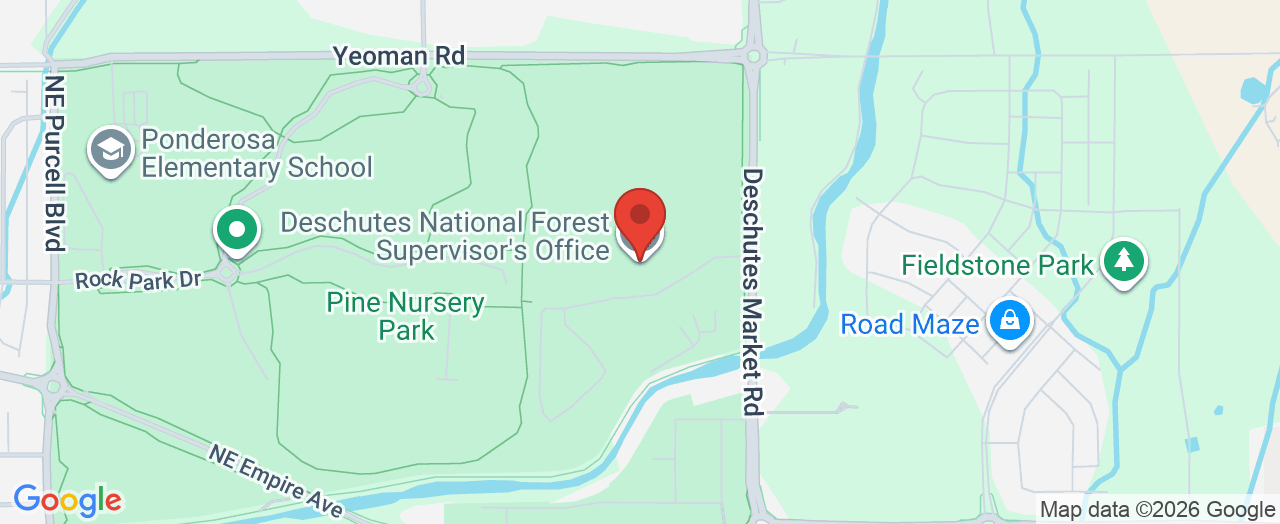
The Deschutes National Forest - Forest Supervisor's Office operates with a guiding mission to balance recreation with sustainability. Their philosophy centers on maintaining accessible, clean, and safe trail networks while prioritizing the protection of fragile habitats across the Cascade Lakes region. This means trails are not only designed for both ease of use and adventure, but are also continually monitored for safety updates and ecological health.
Resources from the official forest website ensure that visitors are well-informed—whether through trail maps, seasonal updates, or educational materials on local flora and fauna. The overall approach is one of shared responsibility, inviting each visitor to become a steward of the landscape. Every effort to maintain paths and restrict use to appropriate areas reflects a deep commitment to preserving the unique character and accessibility of the Deschutes National Forest for generations to come.
Real Experiences: The Transformative Power of a Day on the Trails
Many visitors find that the true magic of Deschutes reveals itself when simple expectations give way to wonder and surprise. In the words of one recent visitor, a sunny day in the national forest became a moment of profound tranquility—an experience that goes beyond just another hike or ride.
We drove through Deschutes during a road trip, and we were very lucky to catch a very sunny and warm day. The area is beautiful and very tranquil, so the drive was very pleasant.
Stories like this echo the experience of thousands who come seeking adventure but leave with something deeper—a sense of peace and gratitude. Whether you’re a local or a first-time visitor, immersing yourself in Deschutes National Forest cascade lakes hiking and mountain biking can elevate a regular outing into a restorative tradition, affirming the profound rewards that nature offers to those who make the effort to explore it.
Why Navigating Deschutes National Forest Trails Is Knowledge Every Adventurer Should Have
Understanding the intricacies of Deschutes National Forest cascade lakes hiking and mountain biking is more than a matter of finding a good trail—it’s a gateway to richer, safer, and more rewarding adventures. The expertise and stewardship provided by Deschutes National Forest - Forest Supervisor's Office represent a model for how outdoor experiences should be balanced with preservation, community engagement, and continual learning.
For anyone planning to explore the Cascade Lakes, taking time to learn about trail options, ecological features, and responsible recreation practices is the surest way to ensure a trip that’s both memorable and meaningful. With knowledge as your guide, every outing becomes a celebration of Oregon’s wild beauty, deeply connected to the ongoing efforts that keep these trails welcoming for all.
If your curiosity for the extraordinary extends beyond the forest, consider broadening your Oregon adventure with a visit to other unique destinations. The wonders found at Ripley's Believe It or Not! in Newport offer a playful contrast to the tranquility of Deschutes, inviting you to experience the unexpected and delight in the unusual. Exploring both natural and man-made marvels can deepen your appreciation for the diversity of experiences Oregon has to offer. Whether you’re seeking hidden trails or hidden treasures, each journey adds a new layer to your story as an explorer. Let your next adventure be guided by curiosity, and discover just how many surprises await in the Pacific Northwest.
Contact the Experts at Deschutes National Forest - Forest Supervisor's Office
If you’d like to learn more about how exploring Deschutes National Forest cascade lakes hiking and mountain biking could benefit your outdoor adventures, contact the team at Deschutes National Forest - Forest Supervisor's Office.
📍 Address: 63095 Deschutes Market Rd, Bend, OR 97701, USA
📞 Phone: +1 541-383-5300
🌐 Website: http://www.fs.usda.gov/centraloregon
Deschutes National Forest - Forest Supervisor's Office Location and Availability
🕒 Hours of Operation:📅 Monday: 8:30 AM – 4:30 PM📅 Tuesday: 8:30 AM – 4:30 PM📅 Wednesday: 8:30 AM – 4:30 PM📅 Thursday: 8:30 AM – 4:30 PM📅 Friday: 8:30 AM – 4:30 PM📅 Saturday: ❌ Closed📅 Sunday: ❌ Closed



Write A Comment