RV Otter

Ride With RV Otter

  • Home
  • Categories
    • Destinations & Routes
    • Campground Reviews
    • RV Tips & Lifestyle
    • Gear & Essentials
    • On-the-Road Living
    • Traveling with Pets
    • Stories & Adventures
    • RVing on a Budget
    • Boondocking
    • Campground Reviews
    • RV Lifestyle News
    • National Parks
    • State Parks
    • Extra News
    • Central Oregon Coast
    • National Forest
    • Shopping
    • Rentals
    • RV Resorts
    • Business Directory
    • RV Sales & Rentals
    • Destinations
    • Campgrounds & Stays
    • Gear & Rentals
    • RV News & Resources
    • RV Dealerships
    • Destinations 2
  • Businesses
  • Wildlife Refuges
October 01.2025
1 Minute Read

Discover Hidden Wonders of arapaho national wildlife refuge Today

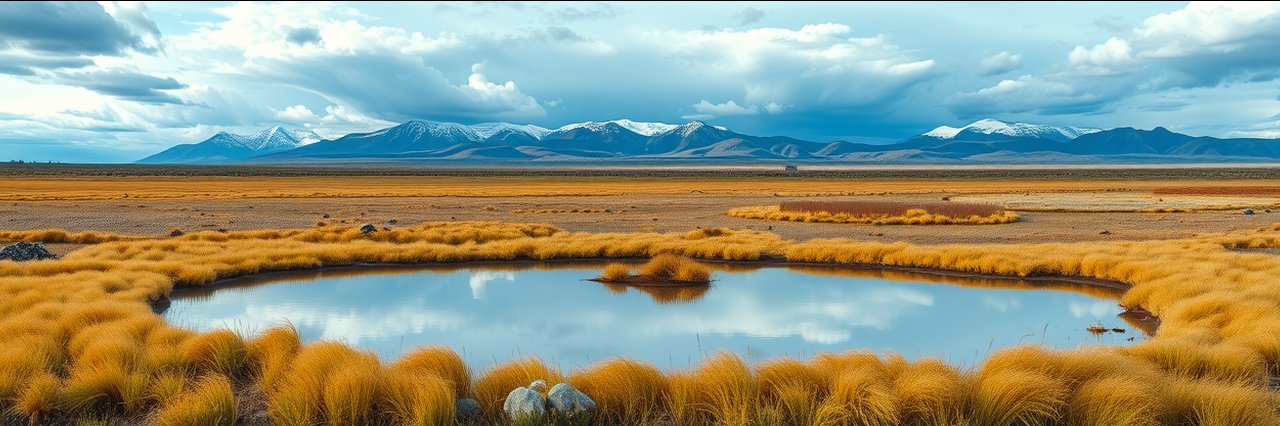
Vast wetland landscape at Arapaho National Wildlife Refuge with snow-capped mountains.

Arapaho NWR Wildlife Auto Tour

📍 Address: CO-125, Walden, CO 80480, USA

📞 Phone: +1 970-723-8202

🌐 Website: https://www.fws.gov/activity/auto-tour

★★★★★
Rating: 4.6

Where Wild Adventure Begins: The Unmatched Experience of Exploring Untouched Wildlife Habitats

Some of the most awe-inspiring experiences nature offers occur far from crowded trails, paved visitor centers, and the bustle of city parks. In a world where pristine wildlife spaces are becoming scarce, unique opportunities to immerse yourself in unspoiled environments are more important than ever. Arapaho National Wildlife Refuge, tucked away in the hidden heartland of Colorado, delivers just such a rare adventure—a place where time seems to slow and wild creatures roam free against a backdrop of rolling meadows and looming ranges.

The lure of such places is undeniable, yet exploring them safely and comfortably is not always easy. Many travelers crave a glimpse of elk, waterfowl, or perhaps the flash of a fox—but hesitate to venture far off the beaten path, uncertain of terrain, accessibility, or the potential for missing those magical wildlife moments. What if you could experience the richness of these natural wonders from the comfort and privacy of your own car? This is the promise of the Arapaho National Wildlife Refuge auto tour route, designed to bridge the gap between accessibility and adventure. For budding naturalists, families, and seasoned explorers alike, understanding how to unlock this experience is the key to wildlife encounters that feel both thrilling and deeply personal.
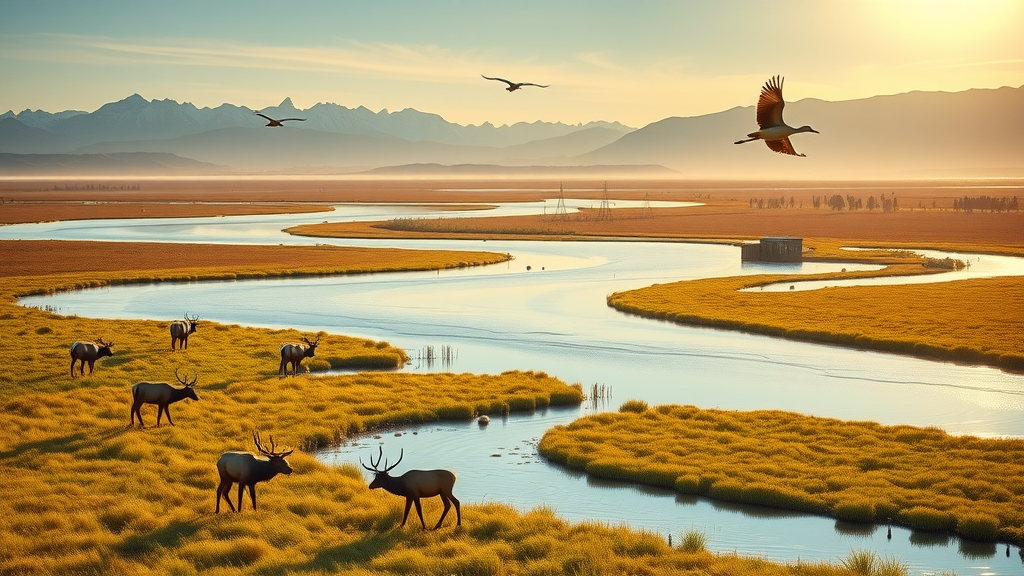
Elk and sandhill cranes in Arapaho National Wildlife Refuge wetlands with mountains

As you consider your next journey into the wild, the value of a thoughtful, immersive outing—where you can observe, learn, and connect with nature on your own terms—cannot be overstated. The Arapaho National Wildlife Refuge stands out as both sanctuary and stage, offering visitors a carefully curated route through some of the West’s most vibrant wildlife habitats. But traversing these landscapes requires more than simply a drive; it demands curiosity, respect, and a readiness to witness the unexpected. Understanding what makes this refuge and its auto tour so special is essential for anyone seeking a meaningful connection with Colorado’s wild heart.

Driving Into the Wild: How Self-Guided Auto Tours Are Changing Wildlife Exploration

The concept behind the Arapaho National Wildlife Refuge auto tour is elegant in its simplicity—using your car as a moving viewing blind, you’re offered a quiet, non-intrusive path into habitats teeming with wildlife. This approach blends the safety, comfort, and accessibility of a personal vehicle with front-row access to incredible sights: waterfowl nesting in marshes, pronghorn bounding across open fields, and birds soaring in the high-altitude skies. Unlike traditional hikes, these all-season routes empower visitors of all physical abilities and interests. Families with young children or those with limited mobility can all share in the discovery, without the need for specialized equipment or rugged preparation.
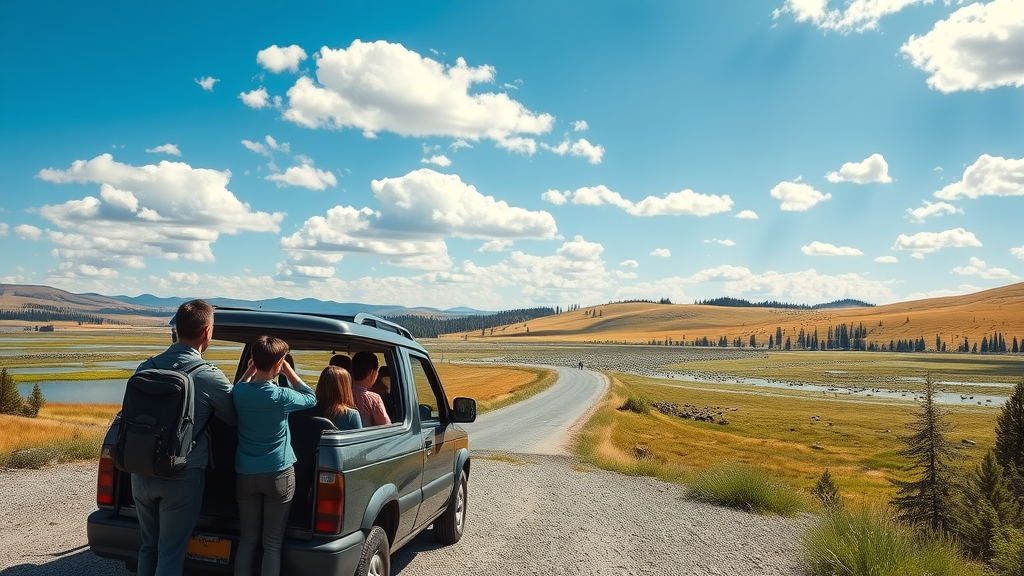
Family in car wildlife watching at Arapaho National Wildlife Refuge auto tour route

Too often, adventure comes with trade-offs—long, strenuous treks or difficult drives that aren’t suitable for everyone. Many travelers miss out on the rich biodiversity of protected refuges simply because access feels daunting. The innovation of self-guided auto routes solves this, making wildlife viewing not only possible but easy and enjoyable in every season. The Arapaho route does more than pave a way; it invites curiosity, promising a tapestry of habitats and creatures, all observed through windows that double as lenses into the wild unknown. Without this accessible approach, countless would-be adventurers might never witness elk grazing at sunrise or eagles circling above snow-dusted peaks.

Ignoring the importance of such accessible wildlife experiences means risking disconnection from both nature’s beauty and its urgent need for stewardship. Many people underestimate what can be seen—and learned—from these thoughtfully designed routes. The difference between reading about a sandhill crane’s migration and actually seeing one in flight is transformative. The Arapaho National Wildlife Refuge’s auto tour is not just a convenience; it is an invitation to become a participant, rather than a distant observer, in Colorado’s ongoing story of conservation and wonder.

Why the Arapaho National Wildlife Refuge Auto Tour Is a Game Changer for Wildlife Lovers
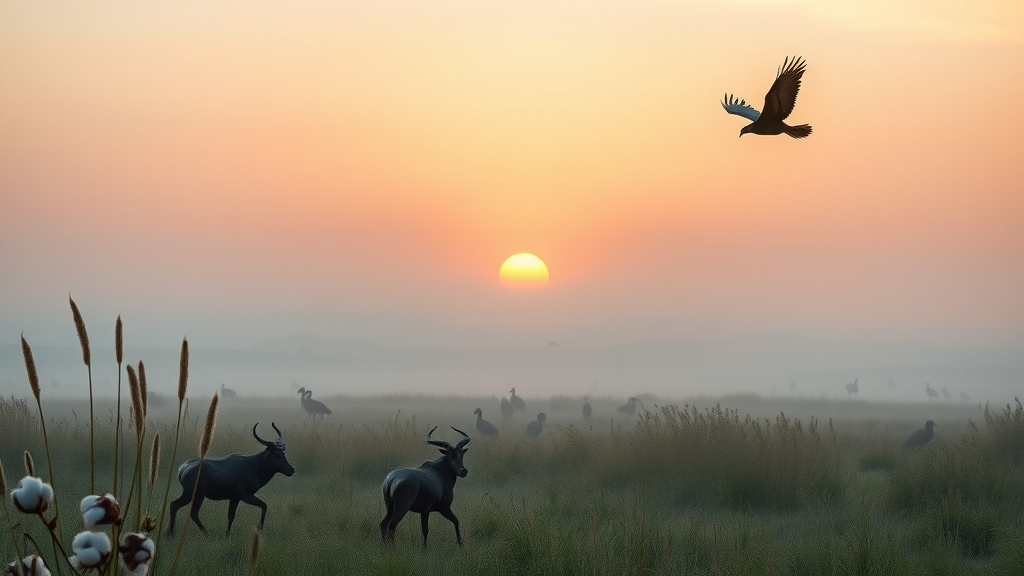
Pronghorns, eagle, and waterfowl at Arapaho National Wildlife Refuge in morning mist

The Arapaho National Wildlife Refuge auto tour route stands out as one of the best-kept secrets for anyone eager to experience Colorado’s wildlife spectacles. With a thoughtfully mapped driving trail, visitors gain unrivaled access to diverse habitats—all without ever needing to leave their vehicles. This allows for prolonged and intimate wildlife observation, where elk, waterfowl, and pronghorn become more than distant figures; they become immersive parts of the scenery. Visitors often mention how easy it is to take in sweeping vistas and spot animals on the move, thanks to unobstructed views and the natural privacy of a vehicle “viewing blind.”

The benefits extend beyond mere convenience. For those seeking a true all-seasons adventure, the auto tour is a reliable choice, open to families, solo explorers, and groups alike. By following the designated route, travelers are able to enjoy the serenity of the landscape without disturbing its inhabitants—a crucial point for both animal well-being and visitor satisfaction. Brochures, available at the entrance, supplement the journey with interpretive information, adding depth and context to every mile. The self-paced nature of the experience means each guest can linger at particularly scenic or active spots, soaking in mountain views and the subtle rhythms of wildlife in their element.
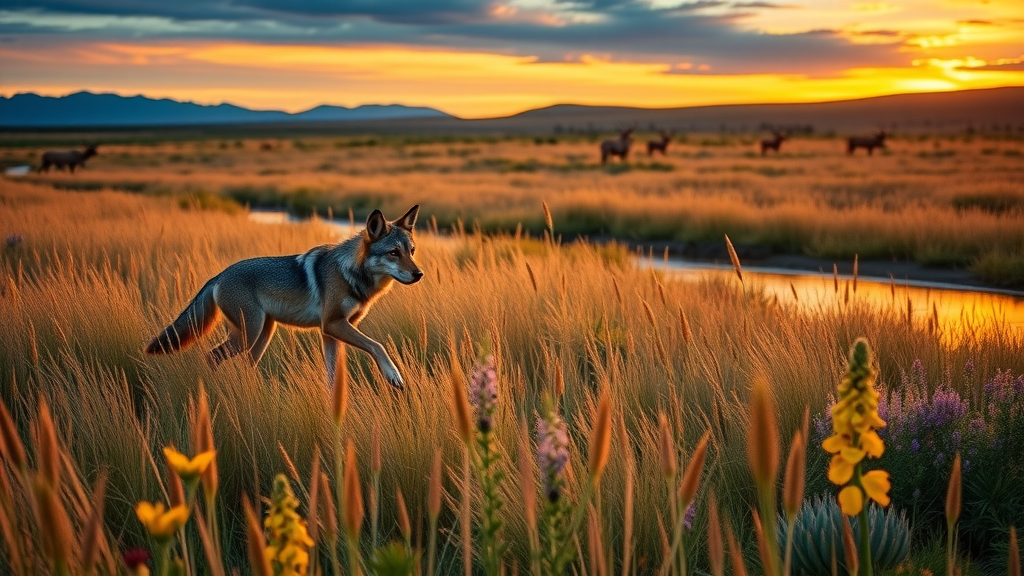
Coyote, elk, and wildflowers in Arapaho National Wildlife Refuge at sunset

Importantly, this approach to nature exploration is not weather-dependent. While four-wheel drive isn’t generally necessary, the refuge provides clear guidance for those rare days when conditions are wet, ensuring both safety and comfort. The experience can be tailored to suit each visitor’s sense of adventure, offering both a quiet retreat and a thrilling educational outing. For many, the auto tour isn’t just a drive—it’s an accessible pathway into the hidden wonders of the Colorado wild.

From Wetlands to Mountains: A Tapestry of Ecosystems Awaits Discovery

One of the greatest draws of the Arapaho National Wildlife Refuge auto tour is the remarkable diversity of landscapes packed into a single route. Meandering through vibrant wetlands, expansive grassy flats, and pockets of aspen and conifer, the tour reveals far more than just animal sightings. Each bend in the road offers a new ecological story, complete with interpretive signage and carefully preserved viewing areas. Visitors often marvel at how the tranquil marshes alive with ducks and cranes quickly give way to panoramic mountain vistas, providing a sense of scale and wonder that walking paths seldom offer in such a short span.

The thoughtfully designed drive isn’t merely about moving from point A to point B. Interpretive brochures encourage deeper engagement, explaining the importance of water management, habitat restoration, and the intricate dance between plants, animals, and climate. In this way, a drive becomes an act of learning, connecting visitors with the science and stewardship behind every landscape feature. Such insight harnesses the thrill of discovery with the satisfaction of understanding, ensuring that even the shortest tour feels meaningful and complete.

How Auto Tours Make Wildlife Viewing Safer and More Comfortable

The appeal of the Arapaho National Wildlife Refuge route isn’t limited to its scenery. Safety and comfort are woven into every aspect of the experience. Using your car as a viewing blind has the dual benefit of minimizing human impact on wildlife and protecting visitors from unpredictable conditions. Instead of braving sudden changes in weather or worrying about rough terrain, families can observe wildlife at their own pace, shielded from the elements. The consistent driving surface and well-marked signage ensure that even first-time refuge visitors can relax and focus on the wonders around them.

For groups that include children or seniors, this level of accessible, low-impact exploration means no one is left behind. It transforms the wildlife-watching experience from a strenuous excursion to an inclusive day out, expanding opportunities for education, bonding, and memory-making. This attention to guest well-being is not only practical but speaks to a broader vision of opening wild places to all, not just the hardy or experienced few.

Enjoying The Unexpected: Why Every Visit is Unique

The unpredictability of wildlife encounters ensures no two drives through the Arapaho National Wildlife Refuge are ever the same. Shifting light, seasonal migrations, and even daily weather patterns can dramatically alter what you’ll see along the way. Visitors are encouraged to remain present—windows rolled down to catch bird calls, binoculars at the ready, stopping at a moment’s notice when something stirs in the grass. The route’s flexibility allows for both serendipitous discoveries and well-informed stops guided by the brochure’s insider tips.

This sense of adventure is what endears the refuge to nature lovers year-round. Frequent guests find themselves returning again and again, each journey yielding something new: a lone coyote at dusk, herons poised in marshy shallows, or the blush of wildflowers against distant snowcaps. In this way, the Arapaho National Wildlife Refuge auto tour isn’t just an outing—it’s a living, breathing experience, defined by the wildness it protects and the curiosity it rewards.

Arapaho NWR Wildlife Auto Tour’s Philosophy: Making the Wilderness Accessible for All

At its core, the vision behind the Arapaho National Wildlife Refuge auto tour is rooted in a commitment to both wildlife conservation and public engagement. The refuge is managed to ensure that flora and fauna flourish with minimal disturbance, and part of this mission is providing safe, sustainable ways for people to witness nature up close. The auto tour route embodies this goal, offering a blend of educational value and environmental sensitivity that honors both the land and its visitors.

The organization’s approach is pragmatic: maximize the educational impact while minimizing barriers. By encouraging visitors to pick up interpretive brochures and follow clearly marked routes, Arapaho NWR demonstrates that thoughtful curation leads to superior experiences. Every aspect, from clear maps to well-timed event opportunities, is designed to enhance connection and understanding. Above all, the refuge prioritizes experiences that inspire—not only respect for wildlife but also a lasting appreciation of the intricate ecosystems that define Colorado’s high country.

This careful balance of access, comfort, and conservation is what distinguishes the Arapaho NWR Wildlife Auto Tour as a model of inclusive outdoor adventure. For those eager to learn, reflect, and reconnect with wild spaces, the tour offers a path that’s as rewarding as it is responsible—reflecting a philosophy where both learning and awe find their place.

Real Stories, Real Impact: How the Arapaho National Wildlife Refuge Inspires Visitors

For many travelers, the true measure of any nature experience comes not from guidebooks or brochures, but from authentic personal stories. The Arapaho National Wildlife Refuge auto tour has quickly earned a devoted following, as illustrated by the genuine reviews left by those who have explored its scenic byways firsthand. Consider, for example, the words of one recent visitor:

Great drive out in the open, for seeing wildlife and birds, and for great views of the surrounding mountains! Four-wheel drive is not needed unless the weather has been wet. Pick up a brochure near the entrance for several points of description along the route. Enjoy!

Such feedback highlights the blend of simplicity, scenery, and self-guided discovery that defines the refuge experience. For anyone considering the journey, knowing that visitors from all backgrounds walk—or, in this case, drive—away inspired and satisfied is powerful validation. The value of seeing thriving wildlife in comfort, savoring mountain landscapes, and learning at your own pace is evident in every word. By following in these footsteps, future guests can look forward to similarly profound and enjoyable adventures.

What the Arapaho National Wildlife Refuge Auto Tour Means for Colorado’s Outdoor Future

As more people seek meaningful, accessible interactions with nature, options like the Arapaho National Wildlife Refuge auto tour are poised to become essential parts of Colorado’s recreational landscape. This innovative approach reconciles a love of wild spaces with the realities of busy lives, changing abilities, and evolving family needs. By making raw beauty and educational moments available from a car window, refuges like Arapaho propel the outdoor movement forward, ensuring the next generation grows up valuing stewardship, curiosity, and respect for the natural world.

Within the clear boundaries of the refuge, guided by mission-driven planning and community insights, this auto tour offers far more than a scenic detour. It is a catalyst for connection and a reminder that wild places are not just to be protected—they are to be experienced, understood, and loved. As a recognized leader in accessible wildlife viewing, the Arapaho National Wildlife Refuge sets a standard that others are sure to follow, demonstrating the enduring power and promise of the American wild.

Contact the Experts at Arapaho NWR Wildlife Auto Tour

If you’d like to learn more about how the Arapaho National Wildlife Refuge auto tour could benefit your next outdoor adventure, contact the expert team at Arapaho NWR Wildlife Auto Tour:

📍 Address: CO-125, Walden, CO 80480, USA
📞 Phone: +1 970-723-8202
🌐 Website: https://www.fws.gov/activity/auto-tour

Location and Hours for Arapaho NWR Wildlife Auto Tour

🕒 Hours of Operation:
📅 Monday: 6:30 AM – 6:30 PM
📅 Tuesday: 6:30 AM – 6:30 PM
📅 Wednesday: 6:30 AM – 6:30 PM
📅 Thursday: 6:30 AM – 6:30 PM
📅 Friday: 6:30 AM – 6:30 PM
📅 Saturday: 6:30 AM – 6:30 PM
📅 Sunday: 6:30 AM – 6:30 PM
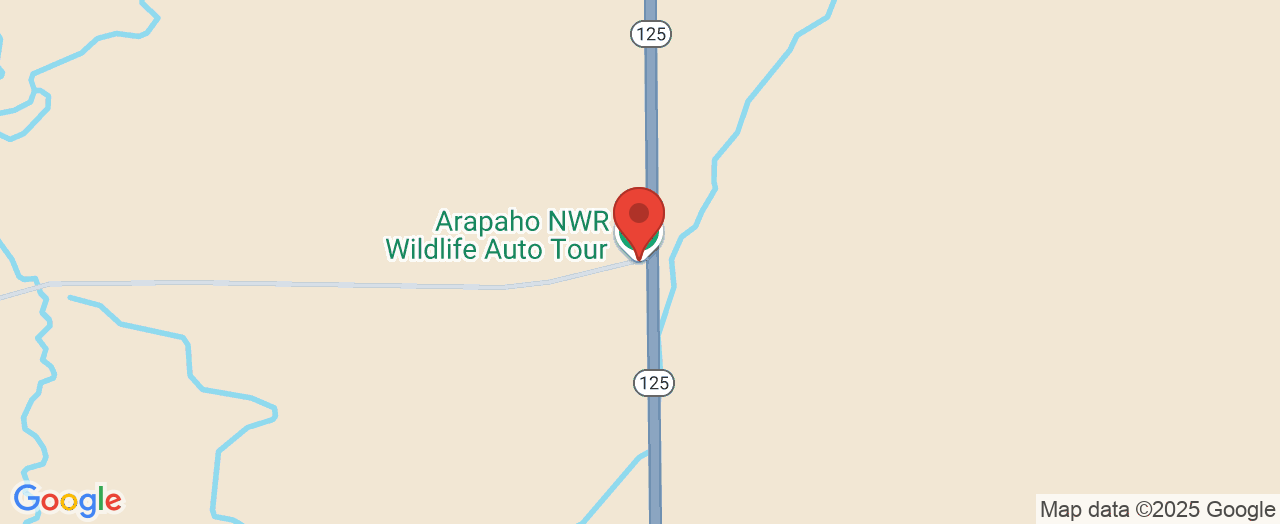
Location Map
Wildlife Refuges

0 Comments

Write A Comment

*
*
Please complete the captcha to submit your comment.
Related Posts All Posts

Unlock Wildlife Viewing Sequim’s Best Kept Secrets Now

Olympic Game Farm Inc. 📍 Address: 1423 Ward Rd, Sequim, WA 98382, USA 📞 Phone: +1 360-683-4295 🌐 Website: http://olygamefarm.com/ ★★★★★ Rating: 4.5 Discover Unexpected Encounters: Why Sequim’s Wildlife Viewing is an Essential Pacific Northwest Stop Have you ever imagined locking eyes with a brown bear or feeding fresh bread to bison without ever leaving your car? Across the sun-soaked valleys of the Olympic Peninsula, wildlife viewing in Sequim presents more than just a scenic detour—it redefines what it means to get close to nature. For road-trippers and RV adventurers conquering Highway 101, this corner of Washington defies expectations, offering an experience where droplets of rain or patches of sunlight each bring their own magic to an ever-changing drive-through safari. The allure of wildlife viewing in Sequim goes far beyond a checklist of animals you might see. This is one of those rare, curiosity-sparking attractions that invites families, couples, or even solo travelers to not just observe but interact with an extraordinary range of North American and exotic animals—yaks, elks, llamas, and even tigers—without the constraints or crowds found at traditional zoos. For many, the Olympic Game Farm isn’t just a waypoint, but a highlight, full of laughter, unexpected up-close moments, and the kind of stories that last the length of any adventure. As you plan your next journey up the Olympic Peninsula or seek to build out an epic Washington itinerary, understanding what makes wildlife viewing in Sequim so special could transform an ordinary road trip into an unforgettable day. Wilderness on Wheels: The What, Why, and Wow of Wildlife Viewing in Sequim Wildlife viewing in Sequim isn’t your typical stroll through a nature reserve or static afternoon at a city zoo—here, adventure comes to you. At the heart of this experience is the self-guided drive-through safari at Olympic Game Farm, where each winding turn and roadside stop reveals something new: a bison’s gentle approach, a llama’s curious gaze, or a brown bear’s playful attempts to coax a treat through your open window. This format allows travelers to set their own pace, engaging directly with animals in a way that makes even the most seasoned campers and road warriors see the natural world with fresh excitement. For those looking to make the most of their wildlife adventure, integrating thoughtful travel planning can enhance every aspect of the journey—from timing your visit for optimal animal activity to ensuring your RV is stocked and ready for a seamless experience. Exploring practical tips for RV travel can help you maximize both comfort and spontaneity during your Sequim safari; for more on this, consider reviewing essential travel planning strategies for RVers. Discover how travel planning can elevate your RV adventure. What elevates wildlife viewing in Sequim is more than proximity; it’s the sense of real connection, the palpable tension as a tongue reaches for a slice of vet-approved bread—an encounter that never quite feels routine. By guiding your own experience from the driver’s seat, you become part of the landscape, learning through observation and sometimes, laughter fueled by slobber and surprise. For many, it’s not just about spotting a Roosevelt elk or zebra but sharing the moment—a car full of excitement, curiosity, and wonder. In skipping this stop, travelers miss out on the rare opportunity to witness wild behavior up close, and perhaps, understand a little more about the creatures who roam this unique patch of the Pacific Northwest. Why a Wildlife Viewing Adventure in Sequim Creates Lasting Memories Olympic Game Farm Inc. stands out as one of western Washington’s most immersive wildlife viewing destinations, where every visit promises something unpredictable and personal. The farm’s drive-through layout means guests remain in their vehicles, making it accessible in any weather and suitable for all ages—especially for families looking to blend education with excitement. By purchasing USDA-regulated, veterinarian-approved bread onsite, visitors can hand-feed everything from Tibetan yaks and llamas to curious deer, creating shared moments that linger long after the journey continues down the highway. It’s this blend of freedom and intimacy—animals coming right to your window, a self-paced journey that can be repeated throughout the day, and the possibility of spontaneous animal interactions—that make wildlife viewing in Sequim a highlight for both beginners and seasoned travelers. Whether you’re an RV couple carving out a quieter route across Washington or a multi-generational group aiming for family-friendly stops, few places offer such direct, close-up engagement with regional and exotic species. The farm’s longstanding dedication to animal care and education further enriches the experience, ensuring travelers leave with not just photos, but a deeper appreciation for the natural world. From Open Road to Open Windows: Drive-Through Fun Meets Wild Education Sequim’s take on wildlife viewing celebrates the unexpected, turning what could be just another travel day into an adventure layered with learning and awe. Unlike traditional attractions that keep animals behind the scenes, this farm’s philosophy puts people straight into the action while maintaining the highest standards for animal safety and wellbeing. Children and adults alike delight in the chance to observe the rhythms of bison, giggle at the antics of llamas, or marvel at the rare glimpse of a tiger—all while picking up insights into animal diets, regional environments, and the role of ethical animal care. The hands-on aspect, from feeding to observation, transforms cars into moving viewing blinds, making every round of the farm’s drive-through unique. Visitors often spend one to two hours looping through, discovering new personalities among the animals with each pass. By the end of the visit, accidental car-window slobber becomes a badge of honor—a reminder of how wild such encounters can feel, even on a rainy Olympic Peninsula day. Rain or Shine Adventure: How Seasonality Shapes the Sequim Experience Pacific Northwest weather can be unpredictable, but that’s part of the Sequim wildlife viewing charm. The animals at Olympic Game Farm are well adapted to the region, emerging to greet guests regardless of sun, drizzle, or the season’s chill. Each visit brings a different energy—on quieter weekdays, creatures are often more interactive in the cool, still mornings; while during holiday weekends, a more festive buzz radiates through the farm as hundreds of families circle the property. Savvy travelers should plan for busier holiday weekends and peak midday hours, or lean into the farm’s flexibility by arriving early for the liveliest animal interactions. For RVers and day-trippers, this means you can time your stop for optimal adventure and, thanks to all-day ticketing, even circle back for another round later on. This season-proof accessibility cements wildlife viewing in Sequim as a reliable highlight no matter when you’re passing through Clallam County. Beyond the Animals: Making the Most of Your Sequim Safari Stop Sequim’s Olympic Game Farm is not an isolated detour—it’s a gateway to a broader Olympic Peninsula experience. The farm’s central location makes it easy to pair with visits to other regional highlights, from the vibrant lavender fields and quaint downtown Sequim to fresh seafood along the Dungeness Spit or hiking in Olympic National Park. Self-contained RV travelers will find plenty of regional campgrounds and scenic pullouts nearby, allowing you to blend close animal encounters with hikes, beachcombing, or small-town exploration. Whether your day ends with a walk on the bay, a stop at a retro diner, or a campfire under a cathedral of evergreens, incorporating wildlife viewing into your Sequim itinerary adds an extra layer of local adventure and shared delight. As with any great road trip stop, the memories made here—whether from a bison’s inquisitive nose or a carload filled with laughter—become part of your travel story. Olympic Game Farm’s Approach: Welfare, Education, and True Pacific Northwest Wild The philosophy guiding Olympic Game Farm centers on providing meaningful animal encounters rooted in both curiosity and care. Each animal’s diet is precisely developed by professional veterinary teams, ranging from bread—strictly vet-approved and available only onsite—to regionally appropriate fruits, grains, vegetables, and proteins depending on each species’ needs. This meticulous attention ensures residents thrive, reflecting a deep commitment to animal wellbeing that visiting travelers can observe first-hand. The farm’s open, drive-through model fosters genuine learning moments. Education happens naturally, as guests witness animals interacting in loosely structured habitats shaped with their comfort in mind. Seasonal activities, a rotating selection of species (from brown bears to zebra and mountain lions), and the subplot of rescued and re-homed animals supplement the adventure, revealing the intersection of conservation, responsible tourism, and sheer joy. For RVers and families who value both immersive experiences and ethical treatment, the Sequim wildlife viewing stop becomes so much more than a photo opportunity—it’s a chance to experience the mission, heart, and wild unpredictability that distinguish this destination. Memorable Reactions: A Carload of Laughter and Lasting Impressions Sometimes, the best way to understand a place’s impact is through the eyes of fellow travelers who have already taken the plunge. Consider this account from a recent group visit, which captures the spirit and unpredictability that make wildlife viewing in Sequim a story waiting to be told: So much fun!! What a hoot! My family of 6 adults and 4 kids ages 10-14 went and absolutely loved it!! There was screaming and laughing, drool, slobber! I have not laughed that hard in a long time! Definitely buy lots of bread and go early when they’re hungrier. We went through a couple of times and it was great every time but they’re more aggressive earlier and that makes it more fun. Before we went we read reviews of car damage and were worried but our cars were fine, just needed a good cleaning after to remove all the slobber and hair. We will definitely go again if we’re in the area and highly recommend to everyone!! Reviews like these highlight exactly what sets a Sequim wildlife tour apart: surprise, laughter, connection, and stories that extend far beyond the farm fence. For anyone plotting points on a map for an RV expedition or family road trip, choosing a stop that consistently inspires smiles and repeat visits is a reliable way to elevate your adventure. Tipping the Adventure Scale: Why This Sequim Experience Belongs on Every Road Tripper’s Route Wildlife viewing in Sequim is a quintessential Pacific Northwest adventure, offering not just rare animal encounters but a deeper sense of place and connection. The memorable mix of hands-on fun, education, and ethical animal care delivered by Olympic Game Farm Inc. continues to draw families, couples, and solo explorers looking for something meaningful between major destinations. For those journeying by RV or seeking a day trip with a twist, adding this wildlife experience can turn any route into a story worth retelling—one where slobbery bison, playful llamas, and drive-through excitement become as memorable as iconic landscapes or bucket-list parks. In the ever-evolving tapestry of American road-tripping, places like Sequim’s animal farm remind us that sometimes, the greatest travel memories aren’t just about where you go, but how wildly you experience the world along the way. If you’re inspired to take your road trip planning to the next level, consider exploring broader strategies that can help you craft a seamless and unforgettable journey. From mapping out must-see stops to optimizing your RV setup for comfort and convenience, there’s a wealth of insight available to help you elevate every mile of your adventure. For a deeper dive into travel planning essentials that can transform your next trip, explore these expert tips for RV travelers and discover new ways to make every destination—like Sequim’s wildlife haven—truly memorable. Contact the Experts at Olympic Game Farm Inc. If you’d like to learn more about how wildlife viewing in Sequim could make your next road trip unforgettable, contact the team at Olympic Game Farm Inc. 📍 Address: 1423 Ward Rd, Sequim, WA 98382, USA 📞 Phone: +1 360-683-4295 🌐 Website: http://olygamefarm.com/ Olympic Game Farm Inc. Location and Hours 🕒 Hours of Operation:📅 Monday: 9:00 AM – 4:00 PM📅 Tuesday: 9:00 AM – 4:00 PM📅 Wednesday: 9:00 AM – 4:00 PM📅 Thursday: 9:00 AM – 4:00 PM📅 Friday: 9:00 AM – 4:00 PM📅 Saturday: 9:00 AM – 4:00 PM📅 Sunday: 9:00 AM – 4:00 PM

Why Long Term RV Rental Could Be Your Best Travel Hack

All Campers 📍 Address: 24010 Firehall Lane, Rockville, MN 56369, USA 📞 Phone: +1 320-443-0163 🌐 Website: https://allcamper.com/ ★★★★★ Rating: 4.3 The Growing Appeal of Long Term RV Rental for Modern Adventurers Imagine the freedom of waking up by a crystal-clear lake one week and a mountain overlook the next, all within the comfort of your own, mobile haven. Long term RV rental has become an increasingly popular solution for travelers seeking flexibility without the pressure of full-time RV ownership. Whether you’re a remote worker looking for a temporary home base, a family taking an extended summer escape, or someone navigating a life transition that requires temporary housing, the appeal of a long stretch on the open road is undeniable. RV travelers—from first-time renters to seasoned road-trippers—are discovering how long-term rental options offer the best of both worlds: adventure and accessibility, without long-term commitments. What keeps many would-be RV explorers from making the leap isn’t a lack of desire, but a lack of practical information on how long term RV rental actually works. Concerns about complicated booking processes, unclear insurance terms, or being stranded without support can all undermine the excitement of planning an extended journey. This is especially true for those considering a rental in unfamiliar territory, where reliable service and local knowledge become essential assets. In this article, we’ll break down the logistics, benefits, and real-world considerations of long-term RV rental, shining a spotlight on how businesses like All Campers in the St. Cloud, MN area are redefining the experience for today’s RV traveler. A Deep Dive into Long Term RV Rental: What Every Traveler Should Know At its core, long term RV rental means keeping a rented recreational vehicle—be it a travel trailer, camper, or motorhome—for an extended period, often several weeks or even months. This model differs from short weekend getaways, requiring special attention to both practical and lifestyle considerations. Travelers benefit from more affordable, negotiated rates on longer bookings, while also enjoying the ability to stay in one place (or move freely) as needs and whims dictate. For many, the option isn’t just about vacation; it’s a functional solution for work assignments in new regions, renovations at home, or temporary housing after a relocation or disaster event. However, travelers must also consider important details: Does the rental come with unlimited mileage or daily limits? Are there delivery and setup services available at the campground of your choice, or will you need a reliable vehicle to tow it? Insurance, amenities, and rental agreements all play a larger role in long term stays than in brief trips. For those unaccustomed to the RV world, missing out on these subtleties could mean unexpected costs, organizational headaches, or missed opportunities to fully enjoy their time on the road. The value is in the details for long term RV rental, and a well-informed approach is essential to creating a seamless, memorable experience from start to finish. For travelers eager to make the most of their RV adventures, exploring unique destinations can elevate the entire experience. If you're considering where to take your long-term rental, discovering the wonders of glacier hikes in Chugach National Forest offers an unforgettable journey—learn more about these breathtaking routes and how to plan your visit in this guide to Chugach National Forest glacier hikes. Why Choosing a Long Term RV Rental Brings Flexibility and Comfort on the Road For travelers and campers in Minnesota and beyond, turning to a provider like All Campers opens up a realm of possibilities. According to their service philosophy, the business emphasizes exploring the road “comfortably, affordably, and on your terms. ” This stance translates into clear benefits for anyone weighing the pros and cons of a long term RV rental. For one, longer rental terms commonly come with discounted rates, offering financial flexibility that makes a months-length journey economically viable. Flexible timelines cater to professionals on work assignments, families seeking extended holidays, or even those who want a ‘trial run’ of RV living before committing to ownership. Another essential advantage is the ease of support and personalized customer care. All Campers, located near St. Cloud and just off Interstate 94, prides itself on understanding client needs and ensuring every detail is addressed before and during the trip. Such a tailored approach is particularly valuable for long term renters, as extended travel carries more complexities and chances for questions or unexpected maintenance needs. Their ability to deliver and set up RVs at a range of locations—homes, campgrounds, or event sites—also simplifies logistics, freeing renters to focus on enjoying their travels or life transitions instead of worrying about the mechanics of setup or relocation. The combination of cost advantages, comfort, and responsive service underscores the practical and emotional value of choosing long term RV rental over piecemeal alternatives. How Practical Amenities and Flexible Services Enhance the Extended RV Experience One of the defining features that set long term RV rentals apart is the suite of amenities and options designed with comfort and usability in mind. When renting for weeks or months, every extra—such as full bedding, kitchen appliances, air conditioning, and essential hookups—moves from a nice-to-have to a necessity. All Campers details that most of their rentals include sleeping areas, kitchenware, and utility connections, making them suitable for both ‘glamping’ and practical habitation. This full-feature approach means renters can settle in just as they would at home, whether cooking their favorite meals after a day at the lake or working remotely with reliable shelter from the elements. Equally important is the transparency around costs, rules, and available features. Long-term renters are often most concerned about the “fine print”: mileage limitations, insurance requirements, and what—if any—hidden charges might add up over weeks on the road. Support from RV professionals who clearly explain policies, insurance, and any additional services (like delivery or roadside help) can make or break an extended trip. In the case of All Campers, their team walks renters through every aspect before departure, providing clarity and peace of mind so travelers can focus on their adventures, whether nestled in a St. Cloud state park or exploring further afield. Leveraging Local Knowledge: The Value of Regional RV Experts for Long Term Rentals One often-overlooked advantage of working with local, independent RV businesses is their wealth of area-specific guidance. The staff at All Campers, for example, can recommend the best state and county parks for extended stays, including those with RV-friendly amenities, scenic sites, and proximity to St. Cloud’s lakes and trails. Their location just south of the city means they’re well-positioned to offer rapid setup, maintenance, or advice to renters who may run into questions or minor issues during their longer stays. This personal touch is invaluable, as RV travel is rarely one-size-fits-all—every trip and traveler comes with unique needs. From ensuring your rental is suitable for a winter season to suggesting pet-friendly campgrounds or providing insider tips for local excursions, having a team that treats you less like a transaction and more like a neighbor is a real asset. For long term RV rental in unfamiliar regions, this regional expertise can mean the difference between a good and a great travel experience. Safety, Insurance, and Support: Building Trust on the Open Road Another foundational element for anyone considering an extended RV rental is support and peace of mind. Long trips often bring unpredictable moments, be it a minor repair, an insurance question, or the need for delivery to a new location. All Campers states that insurance options are available with every rental, with coverage details and choices explained clearly at booking. Transparency extends to mileage policies too, ensuring renters understand what’s included and what may result in extra costs, so there are never unpleasant surprises. Perhaps most critically, All Campers commits to timely repairs and clear, honest communication. Past clients have attested to their willingness to address urgent service needs, such as broken windows or other unexpected complications—even when national chains might not step in. For long term RV renters on the road, this level of tailored care and responsiveness builds a foundation of trust and reliability, empowering travelers to embrace adventure with confidence instead of concern. All Campers’ Thoughtful Approach to Long Term RV Rental and Service What sets All Campers apart in the long term RV rental landscape is their deeply personal, customer-focused philosophy. The business identifies as a small, family-owned operation, located just minutes from St. Cloud and Interstate 94—a strategic hub for both locals and travelers crossing Minnesota. Their mission centers on delivering a “quality product at an affordable price,” with customer satisfaction prioritized through attentive service and transparent communication. By working closely with every client to understand trip expectations, timelines, and budget, the team crafts solutions tailored to each long-term rental’s unique demands. This attentive process ensures renters are never just handed keys and sent off; comprehensive walk-throughs of each RV, clear review of included amenities, and ongoing support throughout the trip are standard. The philosophy at All Campers is rooted in the belief that road adventures should be accessible to more people, regardless of experience or reason for travel. Their blend of expertise, compassion, and commitment to making each journey seamless positions them as more than just a rental provider—they act as a resource and guide for anyone turning to RV travel for work, play, or life’s unexpected turns. Real Experience: When Trusted Support Makes All the Difference For many RV travelers, the real measure of quality is revealed only when a crisis strikes or a problem needs solving fast. Scott S. , a customer of All Campers, offered insight into this very scenario, highlighting the company’s reliability under pressure and commitment to going above and beyond for long-term RV users and owners alike: All Campers was absolutely fantastic!! We had an issue where a window was broken on a camper last fall and they went above and beyond to make sure it was installed as soon as the window arrived, another national camper sales and repair company said it couldn’t be done for several reasons. All Campers developed a plan for the repairs and executed them without any issues. We will always be grateful for their kind, professional attitude, clear communication and understanding of the urgency and need for a timely repair. They will be the only company we ever recommend for repairs!! Scott’s review is a powerful reminder of the value of having local experts on your side for long term RV adventures. For anyone contemplating an extended journey—whether for leisure or necessity—finding partners who respond to challenges with transparency, speed, and genuine care can be the difference between a stressful trip and an unforgettable one. When travelers select a trusted regional provider with a history of personal service, they set a foundation for experiences worth repeating and recommending. What Long Term RV Rental Means for Minnesota Travelers and Beyond As the RV lifestyle continues to gain popularity, the flexibility and support provided by long term RV rental providers have become more than just a travel hack—they are the backbone of memorable journeys and life’s big transitions alike. Whether it’s escaping for an extended vacation, securing temporary housing during a move, or seeking a new way to work and play on the go, long term RV rental makes it all accessible, affordable, and uniquely your own. The expertise and hands-on guidance offered by regional businesses like All Campers ensure that every step, from booking to troubleshooting, is seamless for the renter. For RV owners and hopeful travelers in Minnesota, understanding the options and solutions available through long term RV rental opens doors to flexibility, comfort, and peace of mind. With clear communication, quality vehicles, and thoughtful customer service, providers in this space are reshaping what it means to take your life on the road—ensuring every journey is as rewarding as the destination itself. If you’re inspired to take your RV travels to the next level, consider how pairing a long-term rental with unique outdoor experiences can transform your journey. Venturing into destinations like Chugach National Forest for glacier hikes not only adds adventure but also deepens your connection with nature and the RV lifestyle. For those seeking more ideas on where to go and how to maximize every mile, exploring expert guides and destination spotlights can help you craft a truly unforgettable trip. Let your next adventure be guided by both practical planning and a spirit of discovery—your perfect road trip might be just one inspired route away. Contact the Experts at All Campers If you’d like to learn more about how long term RV rental could benefit your travel plans or offer a comfortable solution for temporary housing needs, contact the team at All Campers. 📍 Address: 24010 Firehall Lane, Rockville, MN 56369, USA 📞 Phone: +1 320-443-0163 🌐 Website: https://allcamper.com/ All Campers Location and Availability 🕒 Hours of Operation:📅 Monday: 8:00 AM – 5:00 PM📅 Tuesday: 8:00 AM – 5:00 PM📅 Wednesday: 8:00 AM – 5:00 PM📅 Thursday: 8:00 AM – 5:00 PM📅 Friday: 8:00 AM – 5:00 PM📅 Saturday: ❌ Closed📅 Sunday: ❌ Closed

Discover the Hidden Wonders of james campbell national wildlife refuge

James Campbell National Wildlife Refuge 📍 Address: Kahuku, HI 96731, USA 📞 Phone: +1 808-688-6376 🌐 Website: https://www.fws.gov/refuge/james-campbell ★★★★★ Rating: 4.5 A Sanctuary Few Get to Experience: Why james campbell national wildlife refuge Matters On the North Shore of O‘ahu lies one of Hawaii’s most vital, yet seldom visited, natural treasures—a place where the last remnants of the island’s wetlands teem with species found nowhere else on earth. For many, the notion of “refuge” invokes places teeming with tourists, but james campbell national wildlife refuge maintains a careful balance. Its limited public access is deliberate; it exists to guard the fragile lives of endangered creatures whose survival depends on people not treading too frequently on this rare ground. In these wetlands, every ripple can mean life or death for a native bird or plant, a reason access is available only via guided tours during select months. The value of places like james campbell national wildlife refuge extends far beyond their boundaries. The sanctuary secures habitats for unique Hawaiian waterbirds, endemic plants, and the threatened honu—Hawaiian green turtles—whose existence faces persistent threats from habitat loss and climate change. The refuge is a rare example of what’s at stake in Hawaii’s disappearing wild spaces. Understanding the role of this refuge isn’t just about curiosity; it’s about reckoning with how close many local species are to extinction without committed protection. For both locals and visitors, the refuge raises an urgent question: What is lost if these habitats vanish? What Makes james campbell national wildlife refuge Unique Among Hawaii’s Wetlands? Wetlands once flourished across O‘ahu, but very few healthy examples remain today. james campbell national wildlife refuge stands as a critical remnant, shaped and managed specifically for the unique challenges faced by native Hawaiian wildlife. Established in 1976 and later expanded in 2005, the refuge’s purpose is explicitly conservation-driven: it provides habitat for endangered waterbirds like the ae‘o and koloa maoli, as well as migratory shorebirds, seabirds, and even the rare Hawaiian monk seal. This scientific focus places it apart from parks devoted solely to recreation. The refuge is much more than a patch of preserved land. Its coastal wetlands serve as crucial feeding, breeding, and nesting grounds. Alongside iconic waterbirds, one might spot the state-protected pueo (Hawaiian owl), endangered yellow-faced bees, and hardy native plants such as the Yellow 'Ilima. The interconnectedness of these species underscores the delicate balance maintained within the refuge. Without these habitats, many of Hawaii's signature species could vanish, a reality highlighting the refuge’s irreplaceable value. For the uninitiated, the complexity and stakes of such conservation efforts may come as a revelation, stressing how important it is to measure human impact with precision. The Last Refuge for Hawaii’s Rarest Species: Real Benefits of Conservation at Work As one of the last strongholds for O‘ahu’s unique wetland flora and fauna, james campbell national wildlife refuge provides evidence of tangible conservation results. The refuge’s active habitat management ensures that endangered birds such as the ae‘o, ‘alae ke‘oke‘o, ‘alae ‘ula, and koloa maoli can nest, feed, and thrive. Seabirds stop over on migratory routes, and threatened sea turtles find safety along the coasts. For visitors, observing these creatures is a rare privilege, made possible only because of the meticulous stewardship undertaken here. Being part of the National Wildlife Refuge System means conservation is more than a mission—it’s executed through targeted strategies informed by ongoing research. The restoration of wetland habitat not only boosts the survival odds for native species but also serves local communities through flood mitigation and enhanced ecosystem health. By conserving coastal wetlands, the refuge also helps maintain water quality and supports migratory birds that connect Hawaii to far-reaching ecological networks. Every successful nesting or emergence of an endangered species demonstrates that deliberate, science-led management pays off in the real world. From Endangered Birds to Native Bees: The Rich Tapestry of Refuge Biodiversity Stepping onto the grounds—when permitted—is to enter an environment shaped by millennia, where interconnected species cycles are visible in every corner. Endangered Hawaiian waterbirds, including the ground-nesting ae‘o and secretive ‘alae ‘ula, find sanctuary in dense reeds, while threatened sea turtles lay eggs on remote sand stretches. More than birds and turtles, the refuge shelters rare insects like the Hawaiian yellow-faced bee, whose pollinating habits are integral to the health of native plant species. These ecological relationships exemplify the complex web of life that the refuge protects. The survival of one species, such as the indigenous Yellow 'Ilima, impacts food sources and shelter for others. The presence of the endangered ‘īlio-holo-i-ka-uaua (Hawaiian monk seal) is a sign of a functioning, relatively undisturbed ecosystem. Witnessing this tapestry firsthand—even during brief, controlled tours—highlights what is lost elsewhere in Hawaii and the Pacific islands where development and introduced species have forever changed the landscape. Visiting james campbell national wildlife refuge: Opportunities and Limitations While the natural drama unfolding within james campbell national wildlife refuge is exclusive, visitors are not entirely shut out. In order to protect sensitive species, general access is restricted throughout the year. However, the refuge opens its gates during the non-breeding months—from October to the end of February—when visitors are welcome to join expert-guided bird tours. These tours are among the most immersive ways to experience endangered Hawaiian wildlife, offering a glimpse of the region’s unique biodiversity in action. Because visitation is limited to a small window, those interested in the tours are encouraged to sign up early. The popularity of these experiences often means slots fill fast, underscoring the demand to witness the refuge’s wonders up close. During these tours, guides share knowledge about wildlife behavior, conservation efforts, and ecological connections that would otherwise be inaccessible to the public. The exclusive nature of these tours ensures group sizes remain manageable and sensitive habitats remain undisturbed, prioritizing education and conservation over mass tourism. Safeguarding a Legacy: Conservation Efforts Beyond the Wetlands The commitment at james campbell national wildlife refuge extends beyond simple preservation. Resource management is an ongoing task, adjusting land and water usage to mimic natural cycles that benefit native species. Expansion of refuge boundaries in 2005 allowed for increased habitat protection for not only birds but also migratory waterfowl, endemic plants, turtles, and even the endangered Hawaiian monk seal. The refuge also provides valuable flood damage reduction for the surrounding community, highlighting the wide-reaching impact of wetland conservation. Public engagement doesn’t end at the gate. The refuge’s bird guide recruitment projects and educational outreach encourage community involvement, offering locals and visitors the chance to directly participate in Hawaii’s conservation story. By fostering these connections, the refuge ensures that its mission resonates beyond its wetlands, inspiring future advocates to protect what remains of the island’s irreplaceable natural resources. How Conservation and Care Inform Refuge Management Philosophy At the heart of james campbell national wildlife refuge is the philosophy that conservation isn’t passive; it requires active, informed stewardship. Every decision, from land management approaches to the strict regulation of public access, is made with an eye toward the long-term survival of native Hawaiian species. The refuge’s role as part of the U.S. Fish & Wildlife Service places scientific rigor at the forefront—using adaptive management techniques and ongoing research to ensure healthy habitats for both migratory and resident wildlife. The approach here goes beyond just protecting what is left. By restoring wetlands, supporting rare bird species, and safeguarding migratory corridors, the refuge upholds a vision of ecological balance and resilience. This commitment is evident in the way access is permitted only during periods when it won’t disrupt critical breeding cycles. The result is a living landscape that serves as a model for how conservation areas can operate: by balancing education, limited recreation, and above all, the urgent needs of endangered wildlife. Real Experiences: Guided Tours Offer a Unique Window into Hawaii’s Wildlife The tangible success of conservation efforts at james campbell national wildlife refuge is perhaps best illustrated by those who experience its wonders firsthand. For many, joining the guided bird tours offers a rare opportunity to witness endangered native species up close, guided by experts who bring the landscape’s hidden details to life. These tours are more than just sightseeing—they’re educational journeys that open visitors’ eyes to the interconnectedness of Hawaiian ecosystems. Went on the Saturday bird tour, guides were super knowledgeable and got to see a few endangered Hawaiian birds.Sign up super early as the season fills up fast. For participants, these guided experiences offer more than memories; they spark a sense of stewardship and wonder. Encounters with endangered birds, turtles, and native plant life can profoundly reshape awareness of conservation issues, demonstrating the value of the refuge’s mission. Those who take advantage of these opportunities often leave inspired and motivated to contribute to Hawaii’s conservation legacy—delivering benefits not only to wildlife but to communities and future generations. Why Protecting Wetlands Like james campbell national wildlife refuge Safeguards Hawaii’s Future The continuing story of james campbell national wildlife refuge is one of hope, vigilance, and science-based management. By providing sanctuary to Hawaii’s rarest birds, turtles, and plant species, the refuge helps ensure that future generations inherit more than stories about what once was. The commitment to restricted access, research-driven stewardship, and immersive public education exemplifies the refuge’s essential contribution to conservation in Hawaii. As pressure on native species mounts, refuges like this one remain a cornerstone of efforts to preserve Hawaii’s ecological identity. In exploring the unique role of james campbell national wildlife refuge, it becomes clear that protecting these wetlands isn’t simply about saving a place—it’s about nurturing a legacy that connects people, wildlife, and the land’s living history. The refuge’s enduring impact will continue to serve as a model for other conservation initiatives, demonstrating that careful management and inspired leadership can secure real change for Hawaii’s threatened species and landscapes. Contact the Experts at James Campbell National Wildlife Refuge If you’d like to learn more about how james campbell national wildlife refuge could benefit your understanding of Hawaii’s wildlife and conservation, contact the team at James Campbell National Wildlife Refuge. 📍 Address: Kahuku, HI 96731, USA 📞 Phone: +1 808-688-6376 🌐 Website: https://www.fws.gov/refuge/james-campbell James Campbell National Wildlife Refuge Location and Hours

RV Otter

Your go-to blog for RV travel tips, campground reviews, gear guides, and real-life adventures across the USA. Explore smarter and travel better with RV Otter!

COMPANY

  • Privacy Policy
  • Terms of Use
  • Advertise
  • Contact Us
  • Menu 5
  • Menu 6

Eugene, OR

ABOUT US

RV Otter helps you travel smarter with real RV tips, campground reviews, gear guides, and stories from the road. Whether you're a newbie or seasoned traveler, you'll find inspiration and practical advice to enjoy every mile.

© 2026 CompanyName All Rights Reserved. Address . Contact Us . Terms of Service . Privacy Policy

Terms of Service

Privacy Policy

Core Modal Title

Sorry, no results found

You Might Find These Articles Interesting

T
Please Check Your Email
We Will Be Following Up Shortly
*
*
*