Add Row
Add Element
RV Otter
update

Ride With RV Otter

update
Add Element
  • Home
  • Categories
    • Destinations & Routes
    • Campground Reviews
    • RV Tips & Lifestyle
    • Gear & Essentials
    • On-the-Road Living
    • Traveling with Pets
    • Stories & Adventures
    • RVing on a Budget
    • Boondocking
    • Campground Reviews
    • RV Lifestyle News
    • National Parks
    • State Parks
    • Extra News
    • Central Oregon Coast
    • National Forest
    • Shopping
    • Rentals
    • RV Resorts
    • Business Directory
    • RV Sales & Rentals
    • Destinations
    • Campgrounds & Stays
    • Gear & Rentals
    • RV News & Resources
    • RV Dealerships
    • Destinations 2
  • Businesses
  • Wildlife Refuges
Add Element
  • update
  • update
  • update
  • update
  • update
  • update
  • update
December 19.2025
1 Minute Read

Discover Nature Hiking Trails That Will Change Your Life

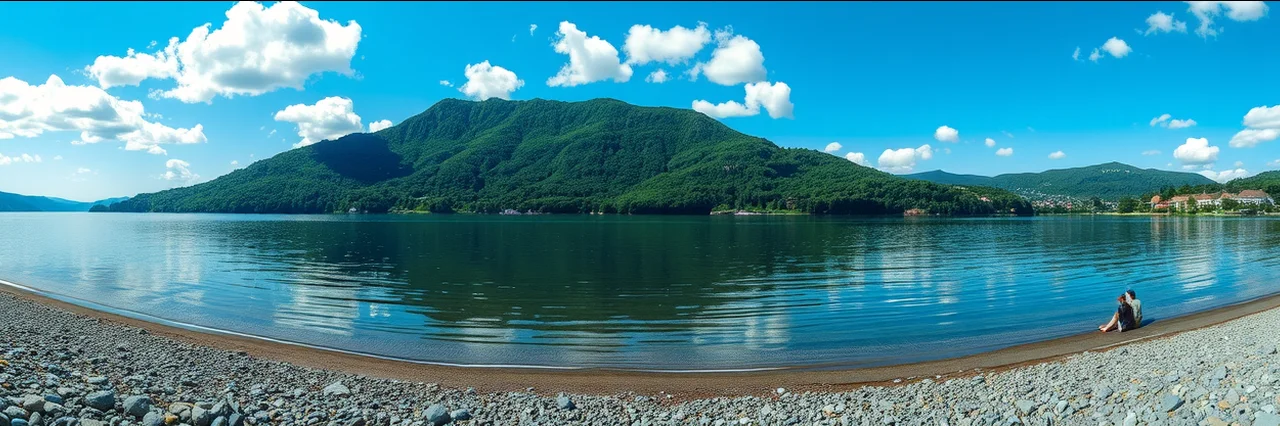
Panoramic lakeshore beneath a green mountain on a nature hiking trail, calm and serene.

Clear Lake State Park

📍 Address: 5300 Soda Bay Rd, Kelseyville, CA 95451, USA

📞 Phone: +1 707-279-2267

🌐 Website: http://www.parks.ca.gov/

★★★★★
Rating: 4.4

Why Nature Hiking Trails Offer More Than Just a Walk in the Woods

Imagine stepping onto a trail surrounded by towering pines or sweeping lake vistas—a place where every step draws you away from screens and into a world of natural wonder. For many, a nature hiking trail is simply a path through the wilderness; for others, it’s an entry point to inspiration, education, and even restoration. At a time when modern life keeps us racing, separated from our environment and often stressed, the lure of a nature hiking trail promises something rare: a return to simplicity, connection, and perspective.

The profound value found on nature hiking trails isn’t just physical health—though the cardio boost and muscle activation are real. These trails serve as living classrooms where every tree, bird, and ripple in a stream narrates the ongoing story of our planet. Today, with state and national parks continuously striving to expand access and celebrate environmental heritage, understanding what makes nature hiking trails so vital can transform how we see them—and ourselves. If you’ve ever wondered how one walk could change your view of the world, or even your life, you’re about to find out why these trails are far more than a scenic detour.
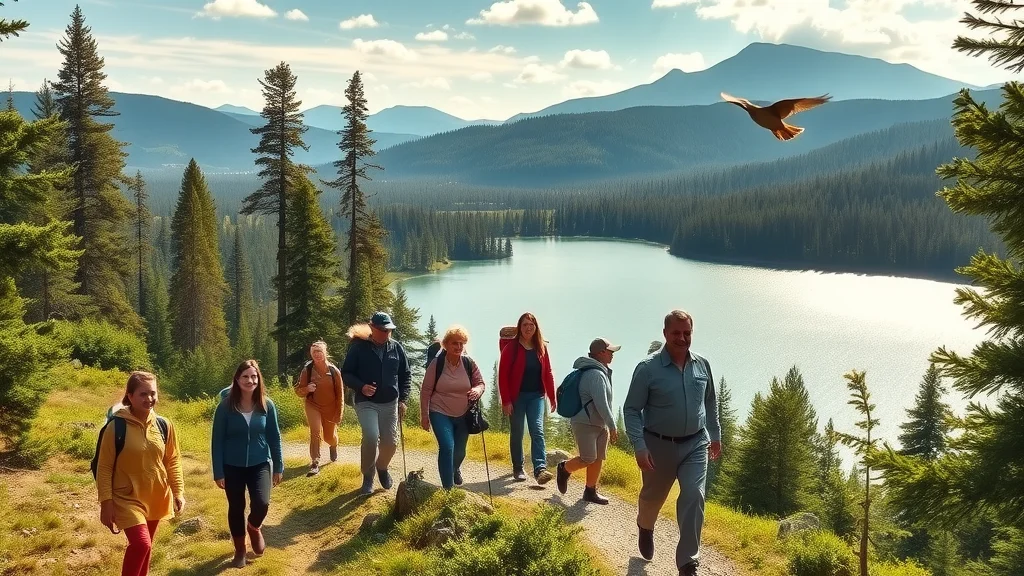
Diverse hikers exploring nature hiking trails by a scenic lake in warm sunlight

Nature Hiking Trails: The Gateway to Exploration, Culture, and Resilience

Nature hiking trails are intentionally designed routes through wild landscapes, blending recreation, cultural education, and conservation. From meandering paths beside glistening lakes to more rugged climbs up sheltered canyons, these trails represent an intersection of human curiosity and environmental stewardship. Especially in places like California, where 280 state parks offer a tapestry of ecosystems, hiking has become both a personal adventure and a collective tradition. The magic lies in the diversity of experience—one trail might thread through ancient redwood groves, while another traces the shoreline of a pristine lake, each offering opportunities for discovery, storytelling, and growth.

However, many people overlook the deeper purpose of nature hiking trails. Without understanding their impact, visitors might miss the chance to witness local heritage, support biodiversity, or learn sustainable recreation practices that protect fragile environments for generations to come. Climate change, wildfires, and pressures from tourism are reshaping how trails are built and cared for. This makes it critical for hikers to stay informed and engaged, ensuring that their time outdoors contributes positively to the land and its communities. For those ready to move beyond a casual stroll, learning about nature hiking trails opens a door to a richer, more mindful relationship with the natural world.

Family enjoying nature hiking trails among wildflowers and gentle streams

How Hiking Trails Deliver Lasting Benefits for Mind, Body, and Community

As an expert contributor to California’s commitment to outdoor inspiration and education, state parks position nature hiking trails as more than a recreational amenity—they are engines of well-being and catalysts for community. Access to thoughtfully designed trails encourages physical activity that can be tailored to any skill level, from leisurely lakeside loops perfect for families to more challenging routes ideal for avid hikers seeking adventure. According to the mission of California State Parks, these pathways are created to preserve extraordinary diversity, all while offering environments where health and inspiration are front and center.

Beyond physical exercise, the restorative effects of time spent on a hiking trail are profound. Scientific studies consistently connect exposure to nature with reduced stress, improved mood, and greater focus, helping to counter the pace and pressures of daily life. Trails along scenic features, such as those found in Clear Lake State Park, offer immersive experiences—think gurgling streams and breathtaking lake views—that not only stimulate the senses but create lasting memories. The benefits go further by nurturing a personal sense of stewardship; hikers often become advocates for conservation, cultural appreciation, and sustainability after seeing these treasures firsthand. In this way, the trails themselves become classrooms, community centers, and sanctuaries all at once.
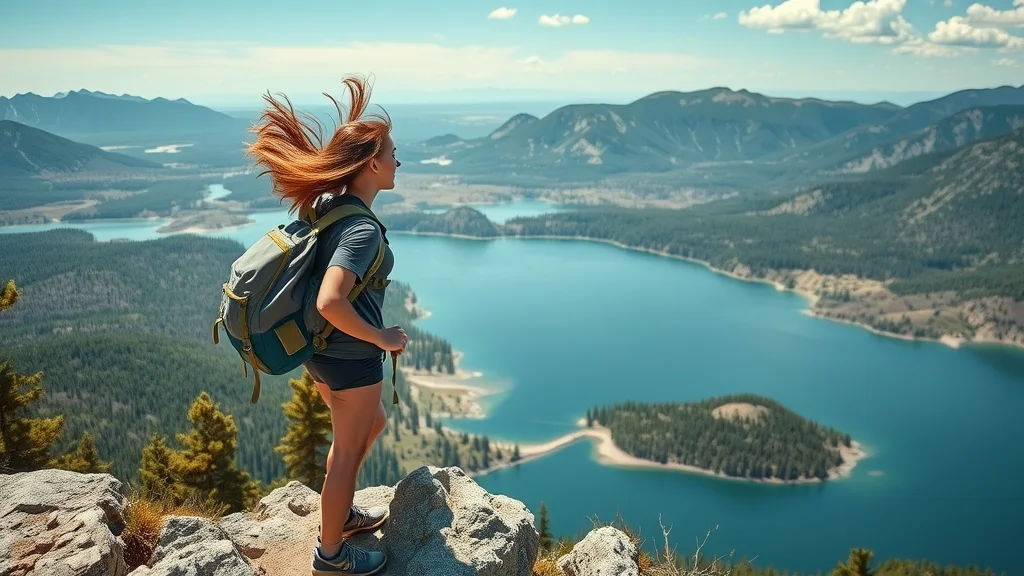
Solo hiker admiring panoramic views from nature hiking trail overlook

The Evolution of Hiking Trails: From Footpaths to Engines of Conservation

Delving into the history of nature hiking trails reveals a journey from humble beginnings to a vital tool in conservation and recreation. Early footpaths were born from necessity—routes used by indigenous communities and early settlers for travel and trade, later formalized to serve explorers and outdoor enthusiasts. Over time, the development of dedicated hiking trails became a deliberate strategy, connecting people directly with the state's most treasured natural resources and historical landmarks.

Today, California celebrates its 175th anniversary with an emphasis on both preserving the past and planning for a changing landscape. Modern trails are not only pathways through diverse ecosystems but also conduits for public education around climate resilience and cultural heritage. With every carefully considered addition or renovation, new technology and sustainable design aim to minimize environmental impact while expanding relevance for all Californians. The legacy of hiking trails now includes their role in inspiring new generations to protect and celebrate the land they cross.

Harnessing Technology for Deeper Connections with Nature

The evolution of nature hiking trails includes more than just improved footpaths—it now extends to digital initiatives designed to unlock deeper engagement. Tools like the OuterSpatial app and the innovative Virtual Adventurer App reflect California’s dedication to making nature more accessible and interactive for a wider audience. These platforms offer real-time maps and interactive guides, allowing visitors to discover hidden gems or learn about local ecology directly from their smartphones, ensuring that the wonders of state parks are within reach for everyone.
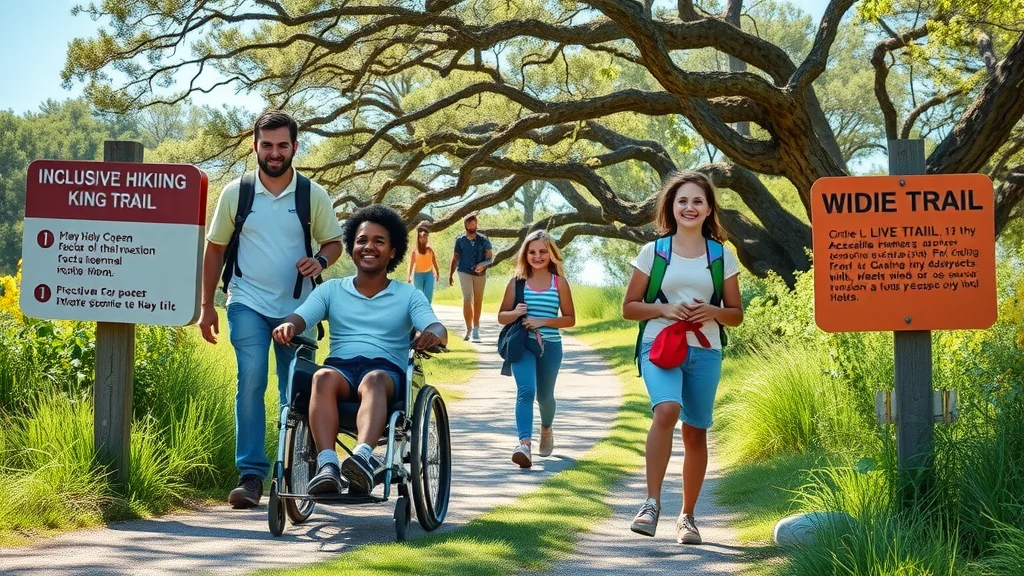
Inclusive group beginning an accessible nature hiking trail in lush park

For those who may be new to hiking, or want to enhance their outdoor experience, these digital resources demystify navigation and offer cultural stories, wildlife information, and even augmented reality immersion. This integration of technology doesn’t replace the magic of the outdoors but deepens appreciation, making every journey along a nature hiking trail an opportunity for both discovery and education. Particularly for families and school groups, the use of technology bridges generational gaps and transforms traditional hikes into collaborative adventures.

Making Outdoor Recreation Truly Inclusive: Expanding Access to Nature Hiking Trails

A prominent theme in the current philosophy guiding California State Parks is the drive for increased access and relevance—ensuring that everyone, regardless of physical ability or background, can experience the state’s vast network of trails. Accessible parks initiatives actively address barriers with updates such as adaptive paths, clear signage, and improved amenities for visitors with disabilities. These enhancements acknowledge the historical underrepresentation of marginalized communities in outdoor spaces and strive to create recreational opportunities that are as diverse as California’s population itself.

This focus on expanded access is mirrored in cultural programming and events, which highlight the historical and living contributions of groups often overlooked in traditional park narratives. Educational opportunities, like cultural celebrations and art initiatives, are integrated into the hiking experience, ensuring that each visitor can see themselves reflected in the park’s story. By understanding and celebrating this inclusivity, hikers become part of a movement that seeks not only personal transformation but collective empowerment.

California State Parks' Vision: Heritage, Preservation, and Inspiring Every Trail Adventure

California State Parks ground their approach to nature hiking trails in a broad mission: to foster the health, inspiration, and education of every community they serve. With the explicit goal of preserving extraordinary biological diversity and protecting the state’s most valued natural and cultural resources, trail design and programming echo this mission from start to finish. The journey through any hiking trail is therefore both a literal and symbolic passage—reminding visitors of their place within a much larger system that balances recreation with responsibility.

A distinguishing feature of the park system’s leadership is its emphasis on resilience and adaptation in the face of climate change, wildfires, and evolving visitor needs. Programming and restoration embrace innovation—offering everything from annual passes to digital tools, from grants for local projects to opportunities for artists in residencies. The philosophy is clear: high-quality outdoor recreation is best achieved alongside active stewardship and ongoing public education. Every hiker, then, carries forward this practice by engaging with trails thoughtfully, respecting cultural sites, observing conservation measures, and sharing the story of California’s living, breathing landscape with each step.

Trail Experiences That Speak for Themselves: A Hiker’s Perspective

No collection of facts or mission statements can illustrate the experience of nature hiking trails better than the words of those who walk them. Visitors to Clear Lake State Park often voice how their time on the trails leaves a powerful impression—combining comfort, scenery, and unexpected moments of joy. One traveler captures this sentiment perfectly, sharing an experience that may resonate with anyone considering an escape into nature:

This charming park boasts not only stunning views of Clean Lake but also a gurgling stream running through it. A well-designed walking path runs along the water, offering breathtaking views along the way. I loved it and look forward to visiting again.

The essence of transformative hiking is woven into moments like these—where trails, sounds, and views blend into something unforgettable. As many discover each season, the health benefits, solace, and adventures found on California’s nature hiking trails become lifelong memories. Those ready to set out and explore will likely find themselves echoing the same appreciation and anticipation for every return visit.

Are Nature Hiking Trails the Pathway to a Healthier, More Connected Life?

Ultimately, nature hiking trails offer more than a simple outing—they’re invitations to engage, reflect, and grow within the world’s most vibrant classrooms. California State Parks contribute to this movement by upholding a philosophy centered on inclusivity, education, and stewardship, making their trails a dynamic resource for every resident and visitor. The next time you step onto a nature hiking trail, remember: it’s not just your body that will benefit—your understanding, connection, and appreciation of the natural world will too.

Whether seeking a solo journey, family adventure, or just a bit of peace, exploring a nature hiking trail can set the stage for transformation. With resources, guidance, and a commitment to preserving diversity for future generations, this is more than recreation—it’s a powerful way to shape how you see and steward your world.

Contact the Experts at Clear Lake State Park

If you’d like to learn more about how nature hiking trails could benefit your outdoor experiences, contact the team at Clear Lake State Park.
📍 Address: 5300 Soda Bay Rd, Kelseyville, CA 95451, USA
📞 Phone: +1 707-279-2267
🌐 Website: http://www.parks.ca.gov/

Clear Lake State Park Location and Hours


🕒 Hours of Operation:
Please contact the park directly or visit their website for current hours, as hours of operation were not provided in available sources.
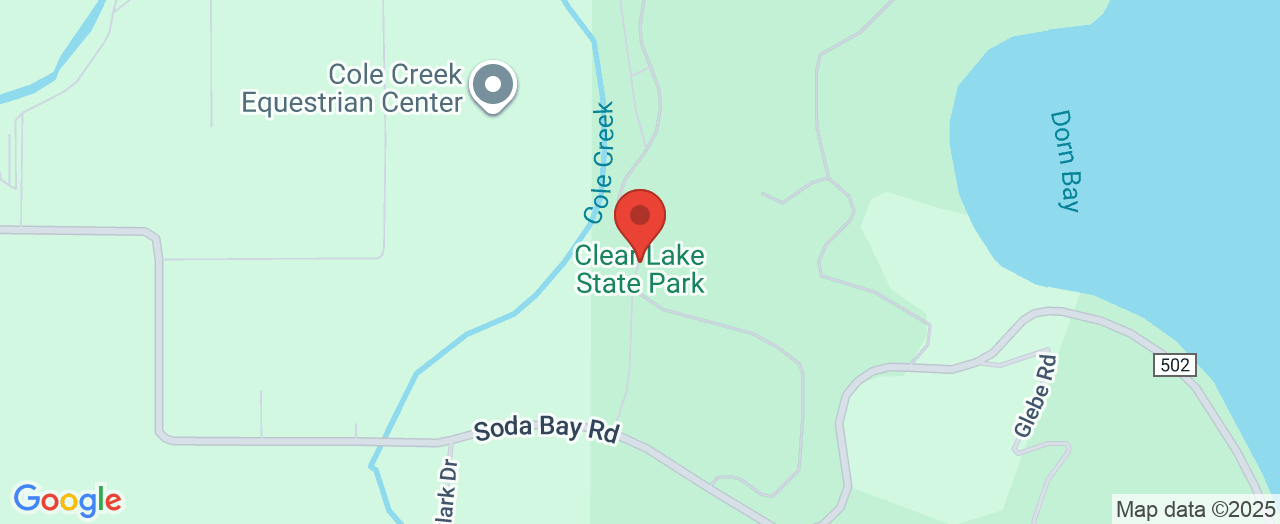
Location Map
State Parks

0 Comments

Write A Comment

*
*
Please complete the captcha to submit your comment.
Related Posts All Posts

Discover Hidden Gems in California State Parks Today

Dos Rios State Park 📍 Address: 3559 Shiloh Rd, Modesto, CA 95358, USA 📞 Phone: +1 209-596-9032 🌐 Website: https://www.parks.ca.gov/ ★★★★★ Rating: 3.7 Why California State Parks Are Essential Destinations for Every Explorer Did you know California’s state park system is the largest in the nation, boasting 280 distinctive sites that cover over a million acres of diverse landscapes? These protected areas range from rugged coastline to tranquil woodlands, from towering forests to culturally rich historic sites. Yet, while millions flock to well-known icons like Yosemite or Sequoia, the vast world of California State Parks offers hidden gems where adventure, education, and serenity collide. Whether seeking inspiration, a break from urban life, or a place to learn about history and biodiversity, these parks extend far beyond common tourist trails. The value of exploring California State Parks cannot be overstated, especially at a time when reconnecting with nature and prioritizing mental wellness is more important than ever. Visitors are offered endless opportunities: hiking under ancient trees, camping beside tranquil rivers, learning about the land’s original stewards, or simply pausing to recognize the beauty surrounding them. But beneath the surface lies a deeper purpose—these parks are also ongoing centers for preservation, education, and community engagement, opening doors for every visitor to discover something new about the state and about themselves. California State Parks: Where History, Nature, and Adventure Meet California State Parks represent more than just scenic retreats; they are living tapestries of natural wonder and human history. By navigating the 280 parks scattered across the state, you’ll uncover centuries-old redwoods, witness diverse wildlife in their natural habitats, and stand within footprints left by California’s Indigenous peoples and settlers. These parks play a crucial role in both preserving California’s extraordinary biological diversity and safeguarding sites of immense cultural significance, making them key destinations for anyone who values a richer understanding of Golden State heritage. Exploring these parks is equally about personal experience as it is about stewardship. Many Californians grow up close to urban environments, only aware of a tiny fraction of the outdoor treasures open to them. Not knowing what’s out there means missing out on mental stimulation, physical recreation, and a deeper sense of place. Neglecting such opportunities, families may lose chances to build traditions, nurture curiosity in young minds, or simply experience the serenity that nature freely offers. Without the understanding and exploration of our state parks, people risk losing connection with the landscapes and stories that define California itself. How California State Parks Enrich Lives and Safeguard the Environment As one of California’s 280 state parks, Dos Rios State Park exemplifies the broader mission that shapes the entire system: promoting the health, inspiration, and education of every visitor while preserving precious ecosystems. The tangible benefits of these parks ripple throughout communities. Families find high-quality outdoor recreation—spaces that encourage healthy living, foster community among visitors, and provide safe environments for children to play and learn. Birdwatchers, cyclists, hikers, and photographers enjoy some of the state’s most spectacular natural scenes, taking advantage of accessible trails, water activities, and educational programs. Beyond recreation, these parks serve as outdoor classrooms for all ages. By directly engaging with nature and diverse biomes, visitors can learn about native plants and animals, as well as efforts to combat climate change, wildfires, and drought. Grants and programs ignite local stewardship, allowing communities to participate in the expansion and restoration of public lands. Even initiatives like photography contests or cultural events—such as Latino Heritage Month—build bridges between people and place, highlighting California’s mosaic of identities while deepening appreciation for public lands. The result is a lasting legacy: preserved landscapes, revitalized communities, and countless opportunities for future generations. California’s Living History: A Journey Through Natural and Cultural Milestones One of the most remarkable aspects of California State Parks is their role in preserving a living history—honoring both the land’s earliest inhabitants and significant chapters of statehood. As this year marks California’s 175th anniversary of statehood, the parks invite the public to join in celebrations that spotlight centuries of environmental and societal transformation. Events and interpretive exhibits throughout the park system help visitors understand the context and complexity of California’s past, from Native American heritage to immigrant stories, gold rush settlements, and ecological innovations. For many, this historical tapestry is encountered through unique hands-on experiences: guided tours with local rangers, exploration of reconstructed historic sites, or participation in cultural festivals that blend story, art, and community. Parks like Dos Rios not only share stories about wildlife and conservation, but also invite visitors to reflect on the intersection of natural beauty and human impact. Through these encounters, visitors gain more than just outdoor adventure—they also develop a personal stake in the ongoing journey of California, its environment, and its people. Innovative Tools Making Exploration Accessible to All Californians Accessibility and inclusion have become central commitments for California State Parks, with new tools and technologies transforming the experience for a broader audience. The OuterSpatial mobile app now enables users to connect with parks, plan trips, and discover tailored activities with just a few clicks. Meanwhile, virtual and augmented reality features in the Virtual Adventurer App empower users to experience cultural and natural wonders remotely or enhance their on-site adventures. These solutions break down common barriers of geography and ability, ensuring that more Californians—regardless of age, background, or physical limitation—can enjoy the outdoors and participate in state park events. This commitment doesn’t end with technology. Investments in facility upgrades, accessible trails, and new interpretive programs are designed to welcome everyone. Park passes and grants further reduce financial barriers, making trips to parks affordable for families and individuals alike. Initiatives like the annual photo contest and community events ignite lifelong curiosity while creating opportunities for civic pride and artistic self-expression. Collectively, these innovations expand the relevance and reach of California’s treasured park system. Planning for a Sustainable Future Amid Environmental Challenges Climate change, drought, and wildfires present significant challenges for California’s beloved public lands. Acknowledging these realities, California State Parks actively develops resilient, forward-thinking strategies to protect natural and cultural assets while maintaining high-quality outdoor experiences. By integrating sustainable management practices and community partnerships, these parks serve as models for environmental stewardship and climate adaptation. Educational initiatives encourage the public to understand ecosystem changes and participate in stewardship—vital steps in preserving parklands for future generations. Engaging with state parks provides individuals a tangible way to be part of these solutions, from attending interpretive talks to joining local restoration projects. The park system’s transparent, evolving approach ensures that California’s celebrated biodiversity and cultural history will remain thriving, accessible, and relevant—no matter the challenges ahead. Dos Rios State Park: A Vision for Community Health and Ecological Preservation The philosophy underpinning California State Parks is seen clearly at parks like Dos Rios State Park, where community-centered stewardship is paramount. The park’s approach goes beyond mere recreation; it is centered on health, inspiration, and education. By carefully preserving biological diversity and fostering an appreciation for both natural and cultural resources, the park serves as a beacon for how public land can inspire positive change. Experiences like guided walks, heritage talks, and environmental restoration awaken a sense of belonging, nurturing the leadership potential and wellbeing of every visitor. In keeping with a mission to expand access, Dos Rios State Park embraces programs and features designed to serve diverse visitor backgrounds—through language-accessible materials, culturally inclusive events, and planned initiatives for education and accessibility. Through a commitment to historic preservation and forward-looking programming, the park system ensures that the inspiration found along the rivers, under the oak trees, or within community celebrations translates into a lifetime of respect and stewardship for California’s unique heritage. Experiencing Dos Rios State Park: What Visitors Are Saying For many who explore Dos Rios State Park, the impact goes beyond the scenic landscape—it’s the educational programs and anticipation of future amenities that leave a lasting mark. Visitors new to the area are often surprised by how much there is to learn about local history, ecology, and wildlife, thanks to the expertise shared by staff and rangers. These moments help solidify the park’s role in building excitement and fostering community pride. Park is still in the works but we were lucky to get a guided walking tour with a very knowledgeable Park Ranger. She told us all about the history of the land, the plants and wildlife as well as plans for the park. Super exciting that we get to have such an amazing park here in Modesto. Can't wait for all the trails, camping site and water recreational activities to open up! This enthusiastic feedback highlights the park’s potential and the eagerness of locals to engage with new recreational and educational opportunities. Experiences like these show that California State Parks can forge lasting connections, building anticipation for future openings and improvements, and inspiring others to discover their own hidden gems across the state. What California State Parks Mean for the Future of Outdoor Adventure California State Parks are evolving pillars for community health, education, and conservation. Through innovative programs, expanding accessibility, and careful stewardship, they offer every Californian a chance to connect with the environment, their neighbors, and history in meaningful ways. From new technology to community-led events, each initiative deepens the parks’ relevance and impact. As new sites like Dos Rios State Park continue to emerge, the future of California’s outdoors will only become more inclusive, inspiring, and essential. By exploring California State Parks, visitors step into living stories—cultivating wellbeing, building traditions, and safeguarding the extraordinary diversity for generations to come. The opportunity is not just to visit, but to belong to something greater. California State Parks aren’t just the backdrop of California—they are its heart, and now is the time to explore, learn, and get involved in their ongoing legacy. Contact the Experts at Dos Rios State Park If you’d like to learn more about how California State Parks could benefit your next adventure or educational outing, contact the team at Dos Rios State Park. 📍 Address: 3559 Shiloh Rd, Modesto, CA 95358, USA 📞 Phone: +1 209-596-9032 🌐 Website: https://www.parks.ca.gov/ Dos Rios State Park Location and Hours 🕒 Hours of Operation: 📅 Monday: ❌ Closed 📅 Tuesday: ❌ Closed 📅 Wednesday: ❌ Closed 📅 Thursday: ❌ Closed 📅 Friday: 7:00 AM – 5:00 PM 📅 Saturday: 7:00 AM – 5:00 PM 📅 Sunday: 7:00 AM – 5:00 PM

Discover Winter Snowshoe Tours That Transform Your Adventure

Donner Memorial State Park 📍 Address: 12593 Donner Pass Rd, Truckee, CA 96161, USA 📞 Phone: +1 530-582-7892 🌐 Website: http://www.parks.ca.gov/ ★★★★★ Rating: 4.7 Are Winter Snowshoe Tours the Cure for Cabin Fever and Nature Disconnect? When winter wraps the landscape in silence and snow, the urge to hunker down indoors can feel overwhelming. Yet, the craving to reconnect with nature—especially during the colder months—never truly fades. For many, winter is a missed opportunity, as the allure of snowy peaks and frosted pines too often remains a distant, frosty dream. This is where winter snowshoe tours step in, shattering the barrier between you and the pristine wilderness that beckons just outside your door. At a time when access to natural spaces is more crucial than ever for health and inspiration, snowshoeing offers a pathway into some of California's most stunning, snow-covered vistas. With every step, explorers find themselves immersed in a world transformed, where familiar trails become magical corridors of quiet discovery. Beyond only physical exercise, these tours offer a kind of therapy for the soul—inviting participants to slow down, observe, and appreciate the intricate beauty that winter brings. Understanding the value of these experiences is not just about outdoor recreation; it’s about rekindling our essential bond with the natural world. Unveiling the Magic: What Makes Winter Snowshoe Tours So Important? Winter snowshoe tours are more than just a change of footwear; they represent an invitation to explore landscapes that, for much of the year, are inaccessible or overlooked. Snowshoeing is a time-honored method of traversing snowy ground, adapted from centuries-old practices among Indigenous communities and early settlers. Today, these tours offer accessible, low-impact ways to experience forests, open meadows, and historical trails under a soft blanket of snow, making nature’s hush accessible to nearly everyone. Yet many still underestimate how transformative a simple snowshoe tour can be, especially in places like California's state parks where natural diversity abounds. Without knowledge of these opportunities, winter is too often spent indoors, missing out on the unique serenity and perspective that snow-bound environments offer. Being unfamiliar with snowshoeing can close off a world of adventure, learning, and well-being—leaving individuals disconnected from the restorative effects of outdoor recreation when they need it most. Why Winter Snowshoe Tours Offer More Than Just a Walk in the Snow Donner Memorial State Park, managed under the mission of California State Parks, exemplifies the deeper philosophy behind winter snowshoe tours. These excursions are crafted with the explicit goal of providing health, inspiration, and education to all people. Participants find themselves journeying through preserved landscapes steeped in both natural beauty and cultural history—a dual legacy reflected across all 280 state parks in the system. Embarking on a snowshoe tour here isn’t just about physical activity; it’s about encountering living history, observing the seasonal changes that define California’s biodiversity, and supporting sustainable interaction with the environment. Expertly maintained trails help protect delicate habitats while ensuring safety and accessibility for participants of all backgrounds and abilities. The outcome is a blend of personal wellness, environmental stewardship, and cultural appreciation—a rare combination in the world of outdoor activities. How Immersive Experiences in Nature Spark Lifelong Learning and Inspiration One of the standout qualities of winter snowshoe tours is their positive impact on education at all ages. The immersive setting of a snow-draped forest or windswept meadow turns every excursion into a living classroom, where participants can observe animal tracks, study winter tree identification, and learn about the region’s ecology firsthand. California State Parks’ commitment to expanding access and relevance ensures that these opportunities aren’t just reserved for experienced outdoorspeople—families, students, and newcomers alike are welcomed and encouraged. Alongside personal enrichment, these tours highlight the value of collective stewardship. By fostering respect for natural and cultural resources—from historic Donner Party sites to present-day habitats—participants cultivate a mindset that extends well beyond the trailhead. The lessons learned on snowshoes echo through communities, helping to nurture a new generation of advocates for preservation, diversity, and sustainability. From History to Hope: Exploring the Past and Protecting the Future Through Snowshoeing Touring sites like Donner Memorial State Park grounds visitors not only in the natural world, but in the complexities of California’s historical narrative. Snowshoe tours often pass by monuments and interpretive trails that tell the stories of early pioneers, Indigenous peoples, and the multi-layered heritage that defines the region. This unique blend of recreation and education allows for deeper learning—not just about ecology, but about perseverance, resilience, and remembrance. These programs also pave a path forward, supporting California State Parks’ ongoing efforts to address climate change, encourage sustainable recreation, and promote inclusivity in the outdoors. By planning tours that reduce impact while maximizing meaning, every participant is part of a broader solution: one that values protecting resources while providing joy and discovery for all. Enhanced Accessibility Means Everyone Can Experience Winter Snowshoe Tours Accessibility is no longer an afterthought but a cornerstone of California’s outdoor recreation philosophy. Winter snowshoe tours at locations like Donner Memorial State Park benefit from features designed to welcome visitors regardless of experience or ability. In addition to traditional trails, many areas incorporate accessible loops, guided interpretive experiences, and technology such as mobile apps to help guests plan and enjoy their visits. This expanded relevance means more people—across age groups, backgrounds, and skill levels—can share in the transformative experience of snow-covered wilderness. In a world where access to nature is too often limited by circumstance or knowledge, these tours stand as an open invitation to adventure, education, and community. Donner Memorial State Park’s Dedication to Transformative Outdoor Adventures Donner Memorial State Park, a vital part of the California State Parks system, operates under a mission to provide high-quality outdoor recreation while preserving the state's extraordinary biological and cultural diversity. Their approach highlights not just the physical thrill of snowshoeing, but its role in inspiring and educating participants at every step. Through a blend of historical interpretation, natural observation, and sustainable planning, the park offers a kind of tour that doesn’t just pass through the landscape—it reveals its stories. This philosophy is about more than events or guided walks; it’s a commitment to long-term well-being, inclusivity, and stewardship. By planning for a changing landscape, responding to climate realities, and expanding recreational access, the team ensures that the lessons and joys of winter snowshoe tours reach as many visitors as possible. Their work echoes a broader invitation: to celebrate California’s 175 years of statehood by discovering, respecting, and protecting its treasures—one snowshoe stride at a time. What Real People Say About Experiencing Donner Memorial State Park in Winter The true impact of a winter snowshoe tour is often best reflected in the voices of those who have walked the snowy trails and absorbed the history of Donner Memorial State Park. Visitors are drawn not just by the beauty, but also the feeling of being welcomed and guided on meaningful journeys through natural and historic treasures. First-time adventurers and returning guests alike find moments of connection, learning, and wonder along the way. We did the China Cove Trail at the park as well as the visitor center, and it was very beautiful nice 3.5 mile hike. Everyone at the visitor center was so nice. They told us about the rainbow bridge to go visit up on Donner pass. Highly recommend stopping here. Experiences like these show that the value of winter snowshoe tours goes far beyond scenery. They provide an open door to natural beauty, friendly guidance, and a renewed sense of community and curiosity. Those who choose to step into the snow often come away with stories and memories that last long beyond the winter season—reminding us why participation in these tours is a step worth taking. What Winter Snowshoe Tours Reveal About Our Relationship With Nature In an era defined by rapid climate change, digital distractions, and social fragmentation, the role of outdoor recreation has never been more vital. Winter snowshoe tours do more than create great photo opportunities; they invite people of all backgrounds to rediscover a relationship with the land and the stories it holds. As demonstrated at Donner Memorial State Park, these experiences foster not just recreation, but restoration, reflection, and a shared commitment to preservation. With a clear mission to expand access, educate the public, and safeguard California’s extraordinary resources, these tours symbolize a hopeful future—one where every snowshoe step is both an exploration and a promise. The leadership and thoughtful stewardship embodied by places like Donner Memorial State Park ensure that winter snowshoe tours remain a life-affirming adventure for generations to come. Contact the Experts at Donner Memorial State Park If you’d like to learn more about how winter snowshoe tours could benefit your outdoor experiences, contact the team at Donner Memorial State Park. 📍 Address: 12593 Donner Pass Rd, Truckee, CA 96161, USA 📞 Phone: +1 530-582-7892 🌐 Website: http://www.parks.ca.gov/ Donner Memorial State Park Location and Hours 🕒 Hours of Operation:📅 Monday: 7:00 AM – 5:00 PM📅 Tuesday: 7:00 AM – 5:00 PM📅 Wednesday: 7:00 AM – 12:00 AM📅 Thursday: 12:00 AM – 5:00 PM📅 Friday: 7:00 AM – 7:00 PM📅 Saturday: 7:00 AM – 5:00 PM📅 Sunday: 8:00 AM – 5:00 PM

Discover the Hidden Wonders of Del Norte Redwoods Now

Del Norte Coast Redwoods State Park 📍 Address: Crescent City, CA 95531, USA 📞 Phone: +1 707-465-7335 🌐 Website: http://www.parks.ca.gov/ ★★★★★ Rating: 4.8 A World Apart: Why Del Norte Redwoods Captivates Every Explorer Imagine walking where the air hums with ancient life, every step softened by layers of redwood needles, and sunlight drifts through skyscraping trees born before history books were written. The Del Norte redwoods capture an essence of wildness and wonder rarely found elsewhere. For those who have yet to visit, the thought of forests so vast and cathedrals of trees so tall might seem almost mythical. But this unique ecosystem is more than nature on display—it's an irreplaceable resource for inspiration, education, and renewal. Nestled along California’s northern coast, the Del Norte redwoods are not simply relics of a prehistoric era. They are living testaments to the state's commitment to preserving extraordinary biological diversity and creating inclusive opportunities for people from every walk of life. Whether you’re visiting for solitude, outdoor adventure, or to deepen your connection to nature, the value of Del Norte’s redwoods lies in the transformative experiences they offer. As our world grows ever more complex and hurried, the need to understand, protect, and find meaning in places like Del Norte has never been greater. Unlocking the story of the redwoods is not just about appreciating their beauty—it's about safeguarding the future they represent. Del Norte Redwoods: Nature’s Silent Giants and Their Enduring Impact The Del Norte redwoods stand as some of the most awe-inspiring living organisms on Earth, their massive trunks silently recording centuries of shifting tides, wildfires, storms, and the footsteps of countless generations. These giants define more than the skyline—they shape whole ecosystems, offering habitat for rare wildlife and maintaining a delicate environmental balance. With canopy heights soaring upwards of 300 feet, and roots intertwined with stories of natural preservation, Del Norte’s redwoods demonstrate nature's resilience and grace, captivating outdoor enthusiasts and conservationists alike. Beyond their physical splendor, these forests play an essential role in clean air, water cycles, and climate adaptation. In a time where wildfires, drought, and climate change test the stability of California’s landscapes, state parks such as those in Del Norte have become living laboratories in sustainable solutions and environmental stewardship. To walk beneath these towering trees is not only to witness the majesty of the past, but to participate in a living legacy—one in which every visitor shares responsibility. Lacking awareness of the value and vulnerability of such ecosystems can result in missed opportunities to connect, advocate, and secure a healthier planet for generations to come. The redwoods’ story is one that belongs to everyone, and understanding their significance is an opportunity that should not be overlooked. The Transformative Value of Visiting Del Norte Redwoods State Park Del Norte Coast Redwoods State Park stands as a vibrant expert voice in California’s ongoing mission to preserve both its stunning natural beauty and its cultural legacy. The value in experiencing the redwoods firsthand is not merely scenic—it's deeply personal. Opportunities abound for high-quality recreation, quiet reflection, and hands-on learning, as the park welcomes visitors of all abilities to immerse themselves in habitats unchanged for millennia. Exploring here means breathing the cleanest air, touching living history, and—perhaps most importantly—coming away changed, with a greater appreciation for California’s diverse biological heritage. Located near Crescent City, Del Norte Redwoods invites guests to enjoy hiking trails that wind along the Smith River—reputed as one of the nation's clearest rivers—and to camp beneath ancient canopies. Those who step beneath these giant trees often find themselves uplifted in both spirit and perspective. The park’s enduring mission to create “opportunities for high-quality outdoor recreation” extends to accessible trails, informative exhibits, and inspiring events. For families, solo travelers, and lifelong learners, these experiences have ripple effects, sparking advocacy and stewardship well beyond the forest’s edge. Through preservation efforts, inclusive design, and a steadfast dedication to education, Del Norte Redwoods ensures that every visitor can enjoy the benefits that only nature, in its most breathtaking form, can provide. By protecting these most valued resources now, the park enriches not only the lives of today’s explorers but those of tomorrow as well. From Ancient History to Modern Adventures: The Living Timeline of Del Norte Redwoods Del Norte’s old-growth groves are the tangible remnants of an era predating contemporary civilization. These forests have witnessed seismic shifts—both literal and metaphorical—surviving through centuries of natural events and human history. The park’s protected lands are a testament to California’s evolving mindset toward preservation, transforming once-threatened resources into celebrated treasures. Visitors can observe the legacy of conservation in the careful management of trails, restoration of logged areas, and events that honor both indigenous heritage and the park’s role in statehood celebrations. Celebrating California’s 175th anniversary, the park participates in statewide initiatives—such as photo contests and heritage events—that encourage the public to recognize the interconnectedness of history, culture, and environment. This continuity between past and present serves not only as an education for today’s generations but also as an invitation to shape the future. Reflecting on the enduring power of the redwoods elevates every visit into an act of participation in ongoing stewardship. Planning Your Perfect Visit: Making the Most of Del Norte Redwoods Preparation is essential for experiencing Del Norte Redwoods State Park in full. Unlike many popular destinations with centralized entrances and clear fee structures, Del Norte’s intricate network requires a bit of research to maximize your time among these giants. Many visitors express surprise at the vastness of the park and the presence of multiple distinct groves, each offering its unique character and charm. Resources such as interactive maps, mobile apps like OuterSpatial, and up-to-date guides provide invaluable assistance for trip planning. From serene riverside hikes to immersive camping experiences at sites like the renowned Mill Creek campground, there is something for everyone—and ample room for discovery. Accessibility is a core tenet of California State Parks’ philosophy, ensuring that trails, exhibits, and educational programs are designed to include all. Special events, artist residencies, and seasonal celebrations further enhance the experience, making each visit as unique as the visitors themselves. The park’s modern reservation system allows for streamlined trip management, reducing the anxiety that often accompanies wilderness travel and encouraging more people to invent their adventure with confidence. Why Knowledge of Del Norte Redwoods Can Inspire Action and Care Learning about the Del Norte redwoods empowers more than the individual—it bolsters collective responsibility. Understanding the challenges posed by climate change, wildfire management, and ecosystem preservation invites visitors into a larger narrative, one that values both natural wonders and proactive solutions. The park’s interpretive initiatives prioritize not just beauty, but context—providing insight into indigenous histories, ecological fragility, and adaptive strategies for a changing landscape. By engaging with the park’s educational programming or participating in photo contests and cultural events, guests become more than onlookers—they are partners in conservation. The ripple effect of this engagement spreads far beyond the park’s boundaries, equipping individuals to be better caretakers, advocates, and storytellers for wild places everywhere. Del Norte’s message is clear: awareness is the first step in safeguarding the treasures we all share. California’s Approach: Inclusion, Preservation, and Innovation in the Heart of the Redwoods Del Norte Coast Redwoods State Park exemplifies California State Parks’ deep-rooted mission: to provide for the health, inspiration, and education of all people by preserving the state’s extraordinary natural and cultural resources. The park’s philosophy goes further than protection—it’s about fostering a living connection between the land and those who experience it. Directive principles like “increasing access and relevance” underpin their efforts, ensuring a diverse array of visitors finds opportunity and meaning in the redwoods. Innovative solutions to evolving challenges are woven throughout every aspect of park management. Addressing wildfires, drought, and climate adaptation, Del Norte aligns itself with sustainable best practices, planning for resilience and longevity. This long-view perspective finds expression in the support for local communities, collaborative art programs, and grants that improve and expand recreational opportunities. By inviting artists, community members, and scientists into the fold, Del Norte ensures the legacy of the redwoods is ever-evolving and constantly relevant. The park embodies a thoughtful, inclusive approach that positions it as a model for stewardship and innovation. Visitors’ Voices: Real-Life Inspiration in Del Norte Redwoods Firsthand experiences often capture the essence of a destination in ways nothing else can. Travelers to Del Norte Redwoods repeatedly speak of its transformational impact—echoing the park’s reputation for profound natural beauty and deep spiritual resonance. Many find their expectations exceeded, their sense of wonder magnified, and their resolve to protect such rare places renewed. Magical. Spiritual. Whatever your creed, you will feel a swelling in your soul when you walk among these ancient, living monuments! My favorite trails and groves butted up to the Smith River, one of the clearest rivers I've ever seen. Beautiful is an understatement.I'm going out on a limb to declare Redwoods my favorite National Park. And I've been to a lot, including: Yosemite, Yellowstone, Glacier, Grand Tetons... All the ones typically rated highest.It's a bit difficult to plan a trip to Redwoods because there are no entrances or fees, and the national park is made up of numerous state parks. Most of the old growth groves are in state park areas and the national park encompasses surrounding areas that have mostly been logged. Don't wing it like I did. Buy yourself a book before you get there. But even winging it, we lucked out and found some amazing groves. We camped in the Mill Creek campground which is the coolest campground I've ever been in. I kept thinking dinosaurs were going to be around every corner.Give yourself ample time because this park is huge. These authentic experiences speak to the redwoods’ ability to enchant and inspire. By taking the time to explore, prepare, and engage with the park’s offerings, guests open themselves to moments of awe, discovery, and lasting connection—moments available to anyone willing to enter this living wonder. What Del Norte Redwoods Means for Your Next Outdoor Adventure In a world hungrier than ever for meaning and restoration, Del Norte redwoods offer more than a getaway—they invite a reawakening. By journeying into these ancient forests, visitors find a timeless refuge and an unmatched education in resilience, diversity, and community-driven stewardship. Del Norte Coast Redwoods State Park’s unwavering commitment to accessibility, sustainability, and innovative engagement makes it a leader in conservation and a beacon for outdoor exploration. With every path taken and every story shared, the significance of these redwoods grows ever clearer. The next chapter in their preservation—and your adventure—awaits in the silent strength of their shade. Contact the Experts at Del Norte Coast Redwoods State Park If you’d like to learn more about how exploring the redwoods of Del Norte can benefit your well-being, education, or outdoor experience, contact the team at Del Norte Coast Redwoods State Park. 📍 Address: Crescent City, CA 95531, USA 📞 Phone: +1 707-465-7335 🌐 Website: http://www.parks.ca.gov/ Del Norte Coast Redwoods State Park Location and Hours 🕒 Hours of Operation:📅 Monday: Open 24 hours📅 Tuesday: Open 24 hours📅 Wednesday: Open 24 hours📅 Thursday: Open 24 hours📅 Friday: Open 24 hours📅 Saturday: Open 24 hours📅 Sunday: Open 24 hours

Terms of Service

Privacy Policy

Core Modal Title

Sorry, no results found

You Might Find These Articles Interesting

T
Please Check Your Email
We Will Be Following Up Shortly
*
*
*