



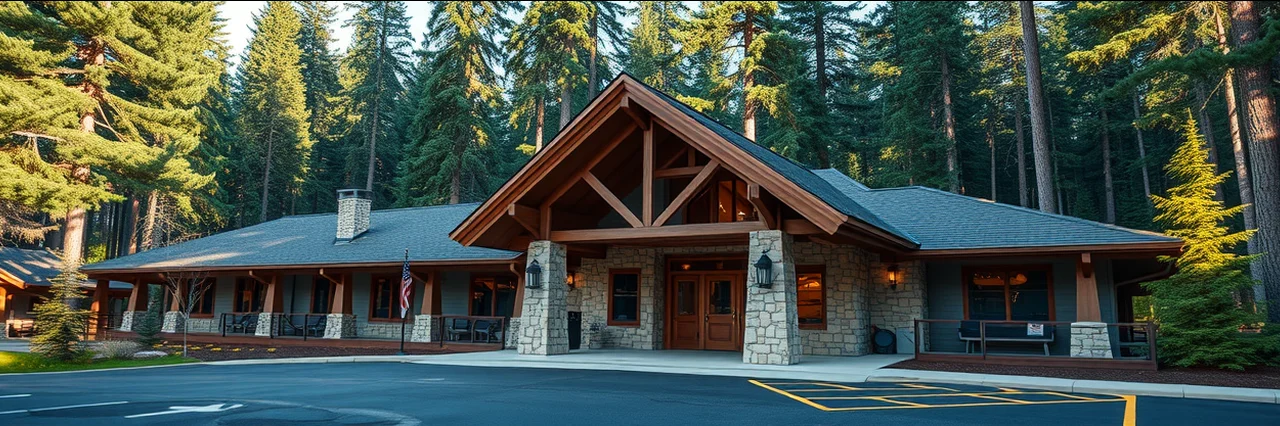
Why Rainforest Trails and Scenic Drives Matter Now More Than Ever
Standing in the heart of a temperate rainforest—where lush ferns blanket the earth and ancient trees rise toward mists that swirl across the Olympic Peninsula—feels like stepping into another world. Olympic National Forest, home to one of the only temperate rainforests in the lower 48 states, offers a rare opportunity: to wander among living giants, to listen to rain filtered through dense canopy, and to traverse scenic peninsula roads that reveal wild coastlines and sweeping mountain vistas. For many, these experiences aren’t just Instagram-worthy moments—they’re lifelines to something bigger than ourselves.
Yet, as our lives grow more digital and schedules busier, the chance to disconnect along winding, moss-draped trails or drive through corridors of towering evergreens isn’t just about escape. It’s about reconnecting—with nature’s rhythms and our own sense of wonder. Olympic National Forest rainforest trails and peninsula scenic drives aren’t just routes—they’re doorways to understanding the rich biodiversity, storied ecological history, and the dynamic relationships that have shaped this vital corner of Washington state. As visitors return with new eyes and deeper urgency for preservation, the value of these trails has never been more essential. Whether you’re an avid hiker, a weekend sightseer, or a family looking for accessible adventure, understanding what these forest pathways and byways offer—and what’s at stake—can transform an ordinary trip into an extraordinary journey.
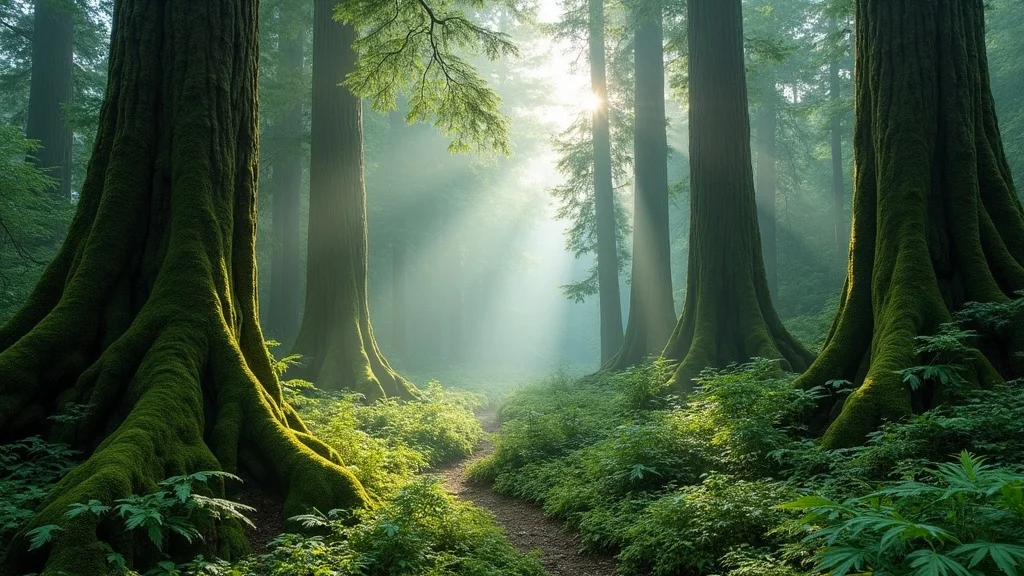
What Makes the Olympic National Forest Rainforest and Drives So Unique?
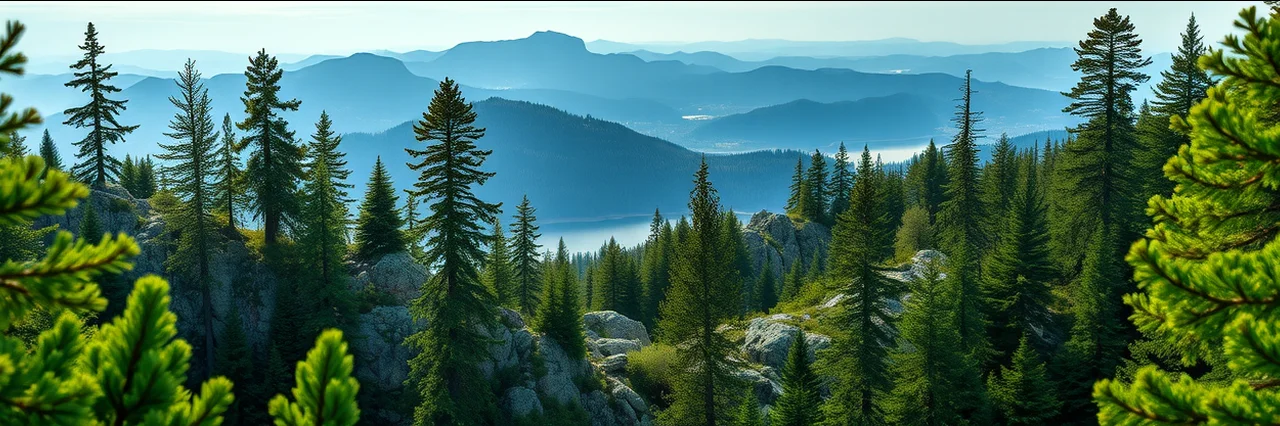
Olympic National Forest stretches across 632,000 acres of the Olympic Peninsula—an expanse where the temperate rainforest thrives thanks to the region’s legendary rainfall and dramatic geography. In a landscape ranging from saltwater fjords on Hood Canal to mid-elevation mountain ridges, this forest offers a striking diversity: moss-laden spruce and cedar groves, misty river valleys, and panoramic ridgeline lookouts. The rainforest trails weaving through this area offer not just beauty but rare ecological significance. Temperate rainforests absorb carbon, provide habitat for countless species, and act as living laboratories—a fact highlighted by the area’s inclusion in federal conservation plans aimed at threatened and endangered species.
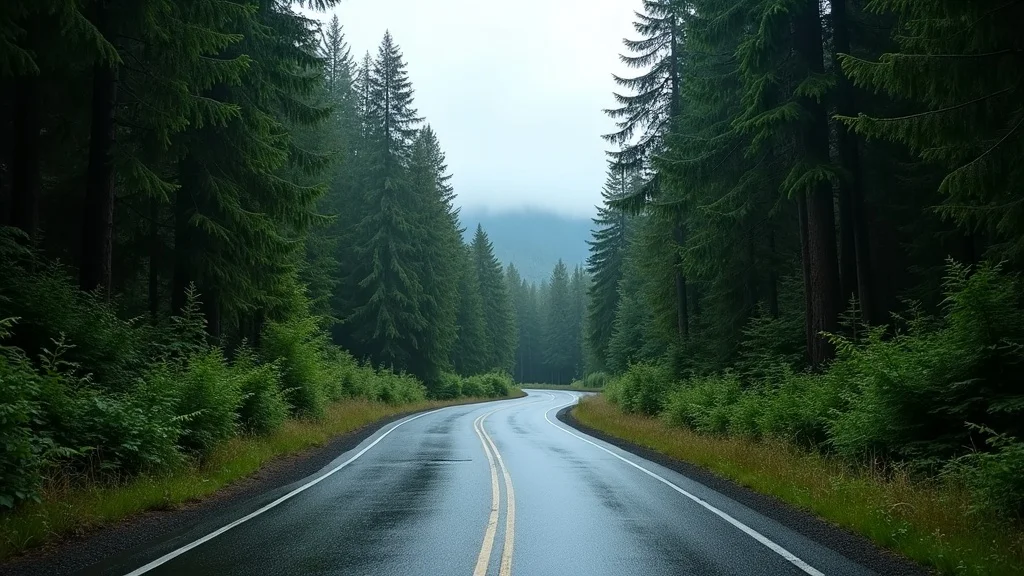
But the story doesn’t end with the trails. Olympic Peninsula’s scenic drives deliver another layer of discovery. Whether curving around the peninsula’s perimeter or cutting through wooded mountain roads, these routes not only connect isolated communities and natural features, but invite all to witness the interplay of forest, mountain, and sea. For those unfamiliar, skipping these roads or not truly exploring the rainforest trails risks missing out on a rare chance: to see the enduring connections between land, culture, and stewardship. Misunderstanding their significance—or bypassing their quiet power—means missing both the story and the stewardship of a region deeply rooted in history and hope.
Exploring the Olympic Peninsula's unique landscapes can inspire a sense of curiosity that extends beyond the forest itself. If you’re interested in discovering more unexpected attractions during your travels, you might enjoy learning about the fascinating exhibits and oddities at Ripley's Believe It or Not! in Newport, which offers a different kind of adventure just a scenic drive away.
How Rainforest Trails and Peninsula Drives Transform Recreation, Restoration, and Connection
The value of Olympic National Forest trails and scenic drives is about more than recreation—it’s about fostering lifelong connections to wild places. The Forest Service oversees a landscape as varied as its users, stewarding sites where families, hikers, and curious travelers can immerse themselves in experiences that both awe and educate. As a result, every visit becomes a lesson in the extraordinary. Trails wind through some of the most intact temperate rainforest left in the continental United States, offering ecological wonders at each step—such as thriving mosses that blanket tree trunks, salmon returning to ancient streams, and vibrant undergrowth shaped by centuries of natural cycles.
Scenic peninsula drives complement these adventures by opening up vistas otherwise unreachable—coastal viewpoints, mountain passes, and quiet riverbanks all accessible by thoughtfully maintained roads. Not only do these drives facilitate exploration, but they also protect delicate landscapes by directing visitation away from vulnerable habitats when necessary. The combination of trails and scenic routes ensures that everyone—from seasoned trekkers to casual Sunday drivers—can find a way into the wild heart of the peninsula. For locals and visitors alike, the outcomes are tangible: improved well-being, greater environmental awareness, and a shared sense of guardianship over precious public lands.
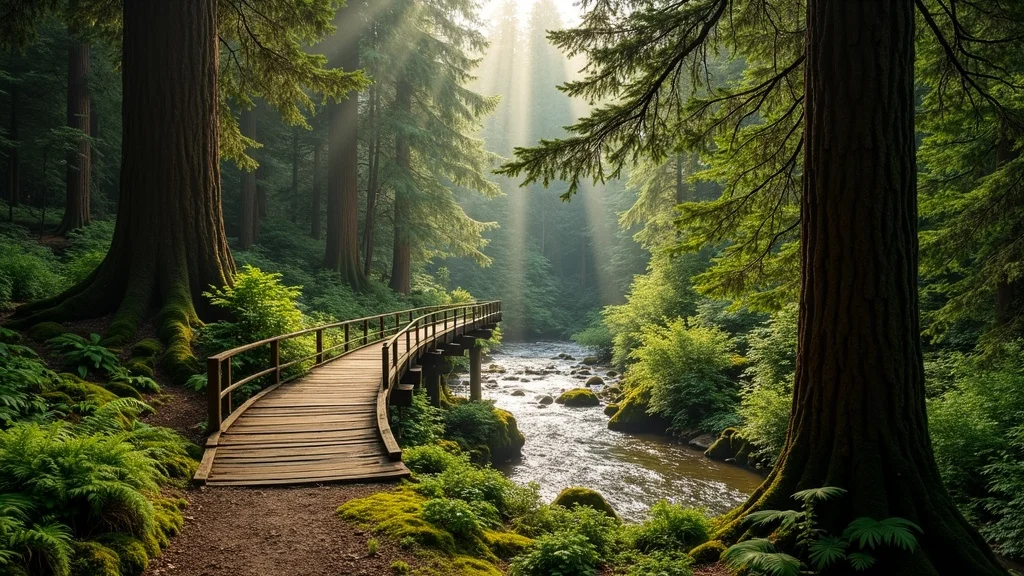
The Deep Roots: Olympic National Forest’s Legacy of Science, Restoration, and Indigenous Stewardship
To fully appreciate the rainforest trails and scenic drives, it helps to understand the forest’s management philosophy. Olympic National Forest is more than a recreational backdrop—it’s a living legacy of thoughtful stewardship grounded in science and relationship-driven policy. The mission here stretches back to 1897, when the reserve was first created to preserve the area’s natural and cultural resources. Today, the Forest Service focuses on science-oriented approaches, weaving restoration projects with public recreation and resource protection.
The forest’s relationship with Tribal Nations and Indigenous communities is central to this vision. Recognizing long-standing connections and traditional knowledge, current policy actively seeks co-stewardship and collaborative management. By working alongside the original stewards of this land, forest managers aim for a future where natural and cultural resources are protected for coming generations. Every hike or drive is not just a leisure activity, but also participation in a continuum of care and cooperation. Even in response to natural events like wildfires or storms, priorities remain on ecological restoration and respectful engagement with communities shaped by the landscape itself.
A Living Landscape: Adapting to Change and Planning for the Future
Olympic National Forest is constantly evolving. The Northwest Forest Plan, guiding conservation over 24. 5 million acres from California to Washington, was established more than 30 years ago to balance environmental, social, and economic needs. Today, climate change, shifting species patterns, and new recreational demands require an updated approach—shaping how trails are maintained, who is involved in decision-making, and what the future holds for both visitors and ecosystems.
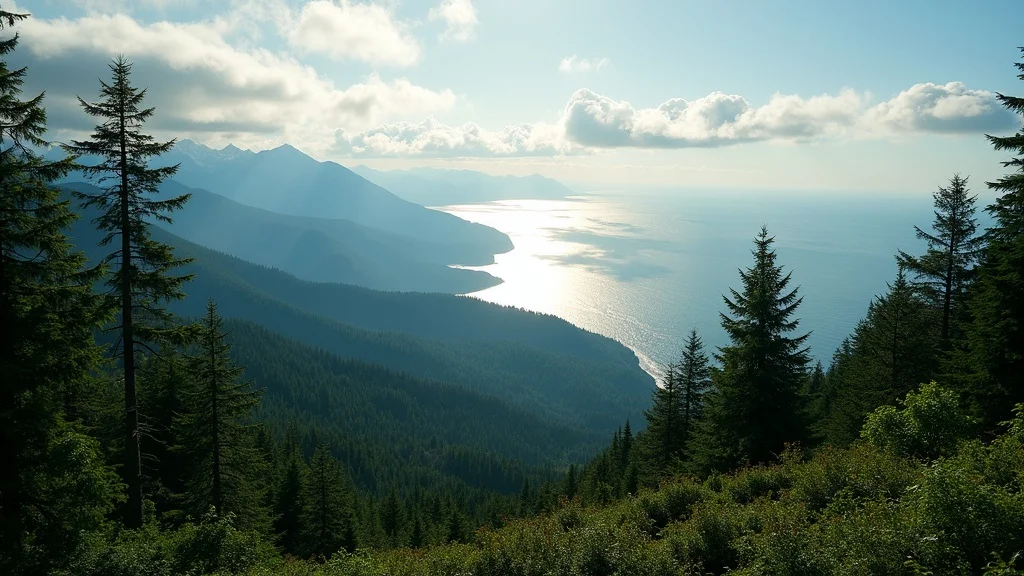
For those who frequent the rainforest trails or drive the winding peninsula roads, change is not just something to expect—it’s something to witness. Flood events, like the 2021 atmospheric river, can alter trail conditions overnight, while ongoing restoration projects build resilience into the landscape and local communities. Visitors who engage with these spaces aren’t just observers; they’re part of a narrative about adaptation, stewardship, and hope. Every footstep and mile driven is a vote for a legacy that will outlast any single generation.
Making the Most of Your Trip: Practical Tips for Exploring Olympic Rainforest Trails and Scenic Drives
Mapping a successful adventure in Olympic National Forest starts with preparation and awareness. With over 600,000 acres and hundreds of miles of trails, a little insight goes a long way. Day and annual passes are available for a variety of activities, and detailed maps—often available at headquarters—ensure even first-time visitors can plot dog-friendly hikes, accessible routes, and unforgettable viewpoints. Visitors should stay updated on seasonal changes, closures, and fire conditions, as forest restoration and fire safety regulations can impact access on short notice.
Respect for the land—practiced through Leave No Trace principles, careful pet management, and observing designated routes—ensures the ongoing health of both the rainforest environment and its intricate web of life. For those eager to learn more, Forest Service staff are a reliable resource, offering not just information but a genuine enthusiasm for helping all travelers, from expert backpackers to casual family groups, make the most of their Olympic Peninsula journeys.
Collaboration, Science, and Respect: Olympic National Forest’s Enduring Approach to Rainforest Trails
Olympic National Forest approaches the care of its rainforest trails and scenic drives with a distinctive philosophy: relationship-driven stewardship rooted in science and mutual respect. Managers integrate rigorous research with a commitment to engaging local communities, Tribes, and visitors in adaptive management practices. The forest’s enduring connections to the land are not just about access—they are about learning together and sharing responsibility for fragile places.
Every project, whether it’s restoring washed-out roads after record rainfall or expanding digital access to park information, is driven by a belief that healthy forests and vibrant communities are inseparable. By welcoming ideas, sharing knowledge, and co-managing sacred resources with Indigenous partners, the Forest Service models a long-term vision—where people and the planet thrive together through careful balance and collective action. This approach shapes every interaction, every map provided at headquarters, and every trail marker placed on the peninsula’s vast web of paths.
How Visitor Experience Creates Lasting Value: Insights From a Real Forest Traveler
The impact of exploring Olympic National Forest often goes beyond breathtaking scenery—it’s shaped by the welcoming support and knowledge offered by those who manage and care for the land. Many visitors find that the human experience, from expert trail recommendations to thoughtful guidance about passes and pet access, is what makes the journey truly memorable. One traveler’s recent reflection captures this spirit:
Just had an awesome experience at the Olympic National Forest Supervisor's Office in Olympia; who knew government offices could be this friendly?Alanna greeted me like an old friend; she knew everything about the trail I asked about, park passes, and where I could take my dogs. Then there's Brian, going above and beyond; he made me a custom color map of dog-friendly areas in the entire Olympic Peninsula without me even asking. These two really know their stuff; they even hooked me up with a spare NFS day-pass. In just 15 minutes, they sorted out all my questions; it felt more like chatting with outdoorsy friends than dealing with officials. Alanna and Brian clearly love their jobs and it shows; they're not just doing the bare minimum; they're genuinely trying to help. If you're planning a trip to Olympic National Park or Forest, swing by their office; trust me, it's worth it. These two will set you up right, whether you're a seasoned hiker or a total newbie. It's refreshing to see people who are so good at what they do and enjoy it; makes me feel better about my tax dollars at work.
This kind of positive, informed support is a critical part of the Olympic experience. Travelers who take the time to connect—whether to staff or the land itself—gain not just answers, but a sense of belonging and stewardship. As more people share these kinds of experiences, they strengthen the culture of respect and adventure that makes this region an enduring destination.
Why Rainforest Trails and Scenic Drives Are Vital for Today—and Tomorrow
As challenges mount—climate change, wildfires, and shifting visitor demands—the importance of Olympic National Forest rainforest trails and peninsula scenic drives stands out as more than recreational amenities. They are vital threads in a tapestry of environmental health, cultural heritage, and communal well-being. The forest’s management philosophy, blending science, restoration, and Indigenous partnership, ensures that these spaces serve both present-day explorers and future generations hungry for wonder and connection. By choosing to visit, to learn, and to care, every traveler helps write the ongoing story of the Olympic Peninsula—one in which trails and roads remain open, wild, and welcoming.
Olympic National Forest Headquarters continues to provide a model of stewardship, support, and hospitality for all who venture into this treasured landscape. As visitors return season after season to hike, drive, and discover, the value of these rainforest trails and panoramic drives only grows—underscoring why they are worth protecting, exploring, and sharing for years to come.
If your passion for exploration extends beyond the forest, consider broadening your journey with a visit to other captivating destinations that celebrate the unexpected. The Pacific Northwest is filled with remarkable places that spark curiosity and wonder, such as the intriguing displays at Ripley's Believe It or Not! in Newport. Whether you’re seeking natural marvels or human-made oddities, each adventure adds a new layer to your travel story. Embrace the spirit of discovery—there’s always another surprise waiting just around the bend, ready to inspire your next unforgettable experience.
Contact the Experts at Olympic National Forest Headquarters
If you’d like to learn more about how Olympic National Forest rainforest trails and peninsula scenic drives could benefit your next outdoor experience, contact the team at Olympic National Forest Headquarters.
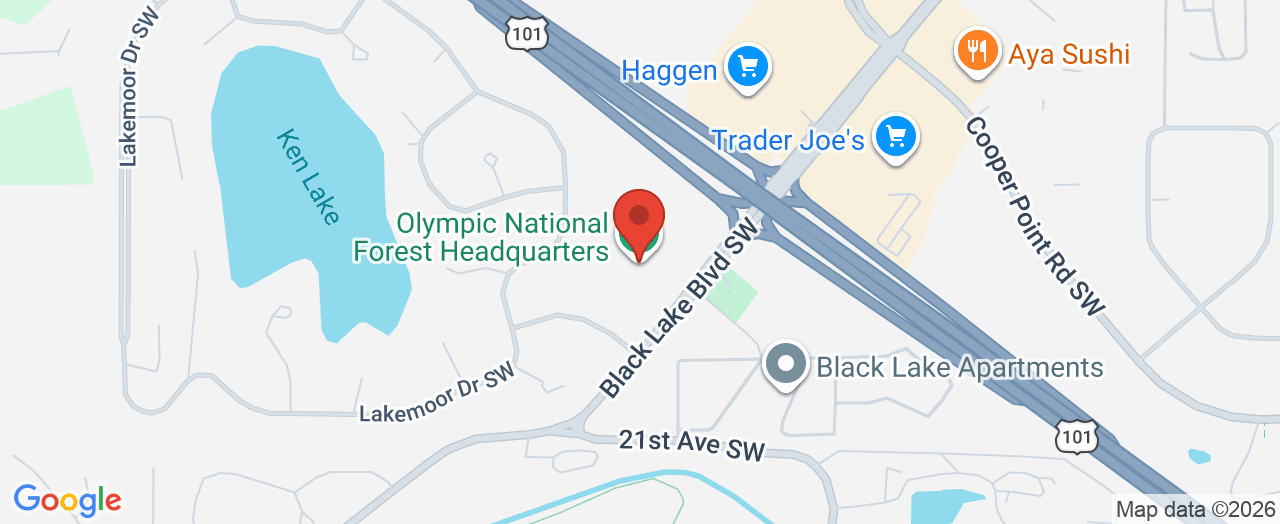
📍 Address: 1835 Black Lake Blvd SW, Olympia, WA 98512, USA
📞 Phone: +1 360-956-2402
🌐 Website: https://www.fs.usda.gov/olympic
Olympic National Forest Headquarters Location and Availability
🕒 Hours of Operation:📅 Monday: 9:00 AM – 3:00 PM📅 Tuesday: ❌ Closed📅 Wednesday: 9:00 AM – 3:00 PM📅 Thursday: ❌ Closed📅 Friday: 9:00 AM – 3:00 PM📅 Saturday: ❌ Closed📅 Sunday: ❌ Closed


Write A Comment