RV Otter
update

Ride With RV Otter

update
  • Home
  • Categories
    • Destinations & Routes
    • Campground Reviews
    • RV Tips & Lifestyle
    • Gear & Essentials
    • On-the-Road Living
    • Traveling with Pets
    • Stories & Adventures
    • RVing on a Budget
    • Boondocking
    • Campground Reviews
    • RV Lifestyle News
    • National Parks
    • State Parks
    • Extra News
    • Central Oregon Coast
    • National Forest
    • Shopping
    • Rentals
    • RV Resorts
    • Business Directory
    • RV Sales & Rentals
    • Destinations
    • Campgrounds & Stays
    • Gear & Rentals
    • RV News & Resources
    • RV Dealerships
    • Destinations 2
  • Businesses
  • Wildlife Refuges
  • update
  • update
  • update
  • update
  • update
  • update
  • update
July 06.2026
1 Minute Read

Discover Sawtooth National Forest Alpine Lake Hikes Today

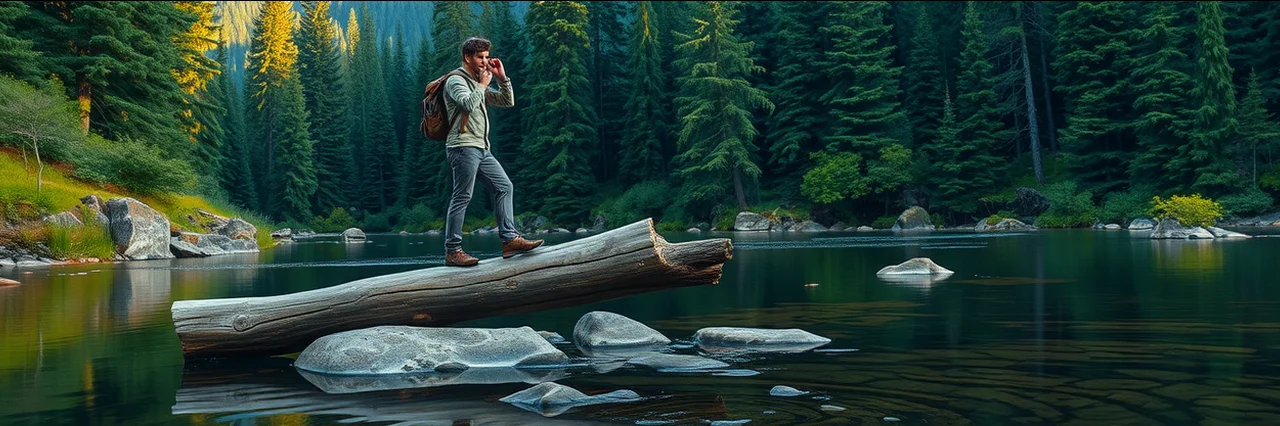
Hiker crossing creek on a log in Sawtooth National Forest, alpine lake hike adventure.

Sawtooth National Recreation Area Visitor Center

📍 Address: 5 N Frk Cyn Rd, Ketchum, ID 83340, USA

📞 Phone: +1 208-727-5000

🌐 Website: http://www.fs.usda.gov/main/sawtooth/home

★★★★★
Rating: 4.9

Unveiling Idaho’s Alpine Secrets: Why Sawtooth National Forest Is Calling

Tucked deep in the heart of south central Idaho, Sawtooth National Forest stretches across rugged mountains and pristine lakes, creating a breathtaking patchwork of nature’s finest work. For thousands of outdoor lovers, this region represents more than just a travel destination—it’s a place where adventure collides with tranquility, and every footstep along a pine-studded trail invites a moment of awe. If you’ve ever wondered where you might lose yourself on a hike among sapphire-blue alpine lakes, gaze at wildflower-draped slopes, or find peace beneath jagged mountain peaks, this article brings that vision to life.

Alpine lake hikes and Redfish Lake adventures within the Sawtooth National Forest are not just Instagram-worthy escapes—they are immersive experiences that demand attention and respect. The value of these high-mountain journeys goes far beyond a casual stroll; reaching a glimmering alpine lake or paddling across Redfish demands both curiosity and a willingness to let go of the ordinary. As wild spaces face more human pressure and the world grows busier, the ability to venture into authentic, challenging wilderness becomes both a privilege and a responsibility. Understanding how, where, and why to experience these places matters—not only for personal safety and enjoyment, but for the ongoing stewardship of these lands.
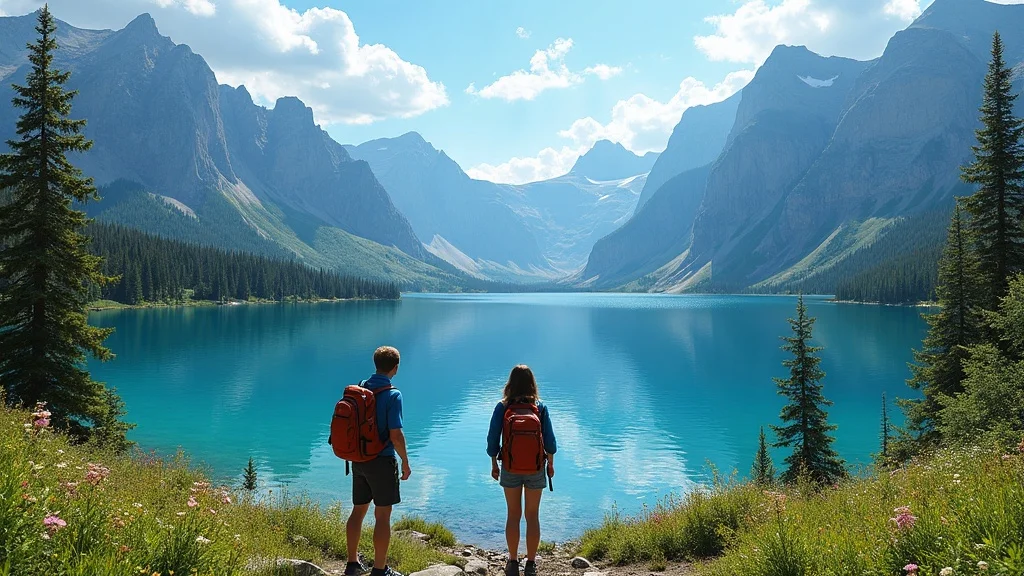
Hikers at Sawtooth National Forest alpine lake surrounded by granite peaks

Delving into Alpine Adventure: What Makes Sawtooth’s Lake Trails Unmissable?

At first glance, the concept of exploring alpine lakes in the Sawtooth National Forest might seem simple—choose a trail, follow it up the mountain, and you’re rewarded with stunning views. Yet, the reality is much richer and more complex. Alpine lake hikes in this legendary region serve as gateways to a hidden world: the trails traverse thick forests, pass through meadows bursting with wildflowers, and open suddenly onto glassy waters framed by dramatic granite peaks. For those eager to hike, paddle, or simply relax in a natural masterpiece, these journeys are a rite of passage.

Redfish Lake, one of the crown jewels at the forest's edge, offers more than just a stop for a scenic photo; it’s a hub for adventure. Whether you’re hiking its perimeter, embarking on a paddleboard tour, or using it as a launching point to wilder trailheads, the possibilities expand far beyond the shoreline. Not knowing how to access these lake trails, or underestimating the delicate balance between recreation and preservation, can leave visitors unprepared—or worse, contribute to the degradation of precious wilderness. As climate patterns shift and outdoor spaces become more popular, failing to educate oneself about sustainable adventure in the Sawtooth region can lead to missed opportunities and overlooked risks for both the hiker and the habitat.
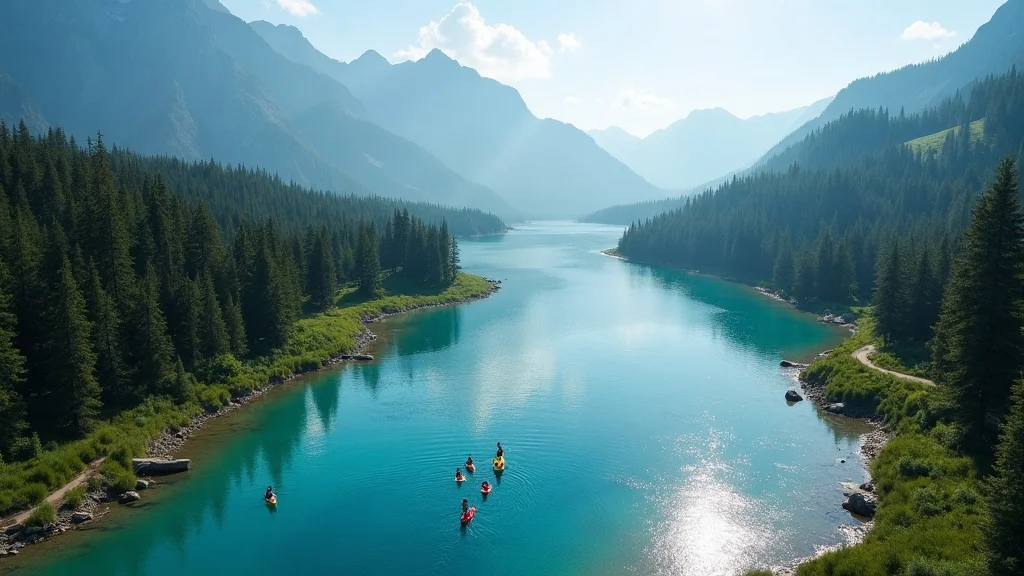
Redfish Lake adventures in Sawtooth National Forest with paddleboarding

For those interested in discovering even more unique destinations that blend natural wonder with unforgettable experiences, exploring attractions like Ripley's Believe It or Not! in Newport can add a surprising twist to your travel itinerary. While vastly different from alpine lake hikes, such attractions offer their own brand of adventure and curiosity, appealing to explorers of all kinds.

Why Alpine Lake Hikes in Sawtooth National Forest Reimagine Outdoor Adventure

Serving as an expert voice in Idaho’s public land stewardship, the Sawtooth National Recreation Area Visitor Center provides crucial support for anyone seeking the most rewarding alpine lake hikes and Redfish Lake adventures. Drawing on a mission guided by stewardship, stakeholder collaboration, and professional land management, the Visitor Center offers up-to-date safety alerts, trail information, and advice designed to enhance both personal experience and environmental responsibility.

The value of venturing into these alpine landscapes is substantial. Beyond the obvious physical rewards—a sense of accomplishment, fitter bodies, and fresh air—there lies the journey toward mental restoration and a reconnection with nature. For families and solo travelers alike, hikes that circle shimmering lakes like Alturas or climb toward rarely seen waters bring an unmatched sense of accomplishment and beauty. Engaging in Redfish Lake adventures, be it paddling alongside a backdrop of granite cliffs or simply watching the sunrise from the water’s edge, creates memories that outlast the trip itself. Importantly, real-time fire safety advisories and land use alerts, as provided by the Sawtooth National Forest’s governing bodies, keep adventurers secure and empower positive, informed outdoor habits.
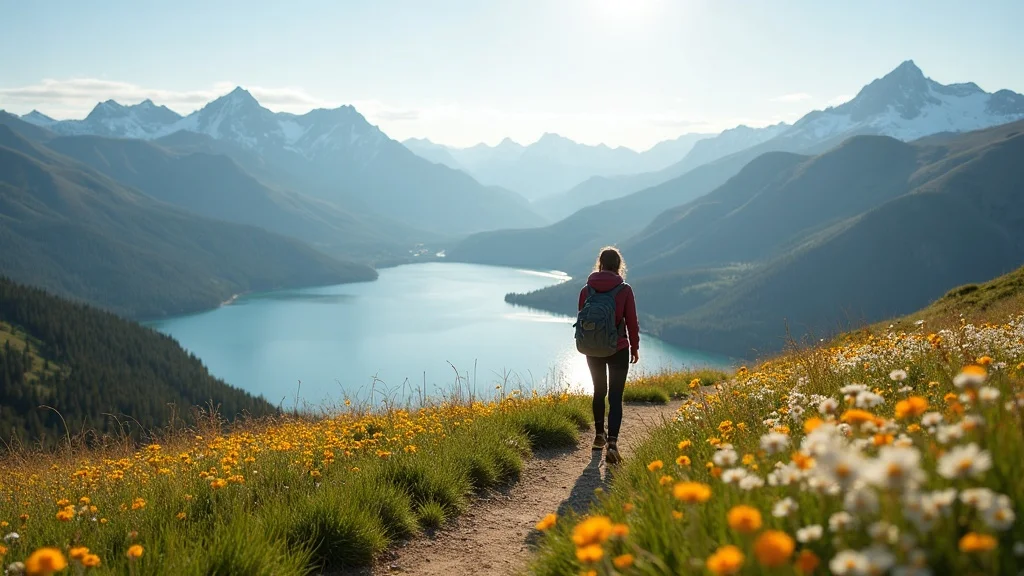
Sawtooth National Forest alpine lake trail with blooming wildflowers

How to Prepare for Alpine Lake Trail Exploration: Safety, Maps, and Stewardship

Stepping onto any alpine lake trail demands preparation. Whether heading out for a short journey to a well-known destination or seeking solitude on less-traveled paths, hikers need to be aware of current fire danger ratings, weather alerts, and any seasonal restrictions impacting access. By checking resources updated by the Sawtooth National Forest—such as notices about trail closures, fire bans, or vehicle restrictions—adventurers equip themselves to respond responsibly to the land’s dynamic conditions.

Beyond logistics, thoughtful preparation means planning for environmental impact. With the combined forces of increased visitation and shifting weather patterns, even small choices—following marked trails, respecting area closures, and observing Leave No Trace principles—play a key role in maintaining the forest’s beauty. Offering guidance backed by ongoing collaboration between agencies and stakeholders, the Visitor Center remains a valuable ally in upholding these ethical standards while charting a course for your next wilderness experience.

Redfish Lake: Gateway to Adventure and Wilderness Connection

Redfish Lake is more than a scenic hub; it is an active center for all-season adventure. The glistening expanse of water supports an array of recreational opportunities that are as diverse as they are exhilarating. Paddleboarding, boating, and swimming draw water lovers to its shores, while an extensive network of trails fans out to alpine lakes and viewpoints, making the area an ideal launching point for multi-day journeys or simple afternoon explorations.

Redfish Lake camping adventure with Sawtooth mountain reflections

Each trail or activity at Redfish Lake carries its own rewards—whether it’s the thrill of spotting wildlife, the meditative act of fishing, or the communal joy found in sharing the landscape with fellow hikers. Still, the best adventures are grounded in respect: honoring posted advisories, engaging with updated safety information, and seeking out knowledge from official sources ensures every visit is both memorable and sustainable. The Visitor Center’s dedication to protecting both visitor experiences and long-term ecosystem health stands as a model for how adventure and stewardship can coexist.

From High-Tech Alerts to Hand-On Workshops: Building Community and Resilience

The modern explorer benefits not just from the trails beneath their boots, but from a network of information and support that enhances safety and enrichment. The Sawtooth National Forest regularly updates the public with critical information—ranging from fire danger status to avalanche advisories—helping visitors make informed decisions at every step. Workshops, community events, and collaborations across agencies serve to build resilience and foster connections between people and their public lands.

These initiatives are not just add-ons; they are woven into the experience of every visitor. Whether you are reviewing a map before setting out or attending a ranger-led talk, each action echoes the broader vision of land stewardship and user engagement emphasized by the forest’s management philosophy. This dynamic approach redefines how visitors interact with and protect the alpine environments they love.

Sawtooth’s Unique Ethos: Stewardship, Stakeholder Collaboration, and Future Vision

The underlying philosophy guiding the Sawtooth National Forest is not only about enabling recreation, but about fostering an ethic of stewardship that strengthens both land and community. As caretakers of a “very special place,” the organization’s mission revolves around balancing the interests of diverse visitors while safeguarding natural resources for the generations to come. This involves active listening, professional judgment honed by decades of public service, and commitment to working with other agencies and stakeholders.

This approach is especially relevant in the context of high-use destinations like alpine lakes and Redfish Lake. By implementing laws, engaging with recreationists, and maintaining open channels for public feedback, Sawtooth’s leaders make decisions that protect fragile habitats while still inviting adventure. Each decision—whether about fire management, trail maintenance, or educational outreach—is designed not just to preserve scenic wonders, but to cultivate a sense of responsibility and partnership among visitors. In this way, every hike, paddle, or moment of lakeside reflection is part of a bigger story: one where public land is protected, used wisely, and cherished for years to come.

Real Experiences: What Visitors Say About Discovering Sawtooth’s Alpine Majesty

The impact of Sawtooth National Forest’s lake hikes and Redfish Lake adventures is perhaps best captured in the words of those who’ve explored these wild places themselves. One visitor describes a recent journey, reflecting on varied experiences and the special allure that the area holds for different types of adventurers:

Awesome area to visit with something for everyone. You can hike, bike, paddle, fish, swim, boat, and generally just explore. Alturas Lake was beautiful, and Stanley is a neat little town. Do yourself a favor and come visit!

From serene afternoons by Alturas Lake to active exploration in the shadow of the Sawtooth peaks, this review highlights the variety and richness of experience that await those willing to venture here. Those who follow in these footsteps can expect not only unforgettable scenery but the lasting fulfillment that comes from responsible discovery and genuine connection with the outdoors.

Outdoor Adventure and Lasting Legacy: The Enduring Value of Alpine Lake Hikes in Sawtooth

As demand for authentic outdoor experiences continues to grow, alpine lake hikes and Redfish Lake adventures in Sawtooth National Forest stand apart as beacons of both challenge and reward. Each outing offers more than a scenic escape—it invites personal growth, family bonding, and a deepened understanding of wilderness stewardship. By providing guidance, safety alerts, and a vision rooted in collaboration, the Sawtooth National Recreation Area Visitor Center remains at the heart of responsible exploration.

For anyone considering their next adventure, the call of the alpine lakes and the adventure-filled corridors of Redfish Lake provide more than just beauty; they invite you to become part of a landscape’s future. Immersing yourself in these wild spaces, informed by up-to-the-minute information and a commitment to sustainable use, is not just a journey—it’s a legacy worth building.

If your passion for discovery extends beyond the mountains and lakes of Idaho, consider broadening your horizons with other remarkable destinations that spark wonder and curiosity. A visit to places like Ripley's Believe It or Not! in Newport can offer a fresh perspective on adventure, blending the thrill of the unexpected with interactive exhibits and stories from around the world. Exploring such attractions not only diversifies your travel experiences but also deepens your appreciation for the extraordinary in both nature and human creativity. Whether you’re seeking the serenity of alpine trails or the surprises of a world-famous oddities museum, each journey adds a new chapter to your personal adventure story. Let your next exploration inspire you to seek out the unique, wherever your travels may lead.

Contact the Experts at Sawtooth National Recreation Area Visitor Center

If you’d like to learn more about how sawtooth national forest alpine lake hikes and redfish lake adventures could benefit your outdoor experience, reach out to the team at Sawtooth National Recreation Area Visitor Center.

📍 Address: 5 N Frk Cyn Rd, Ketchum, ID 83340, USA
📞 Phone: +1 208-727-5000
🌐 Website: http://www.fs.usda.gov/main/sawtooth/home

Sawtooth National Recreation Area Visitor Center Location and Availability

🕒 Hours of Operation:📅 Monday: 9:00 AM – 12:00 PM, 12:30 – 3:00 PM📅 Tuesday: 9:00 AM – 12:00 PM, 12:30 – 3:00 PM📅 Wednesday: 9:00 AM – 12:00 PM, 12:30 – 3:00 PM📅 Thursday: ❌ Closed📅 Friday: ❌ Closed📅 Saturday: ❌ Closed📅 Sunday: ❌ Closed
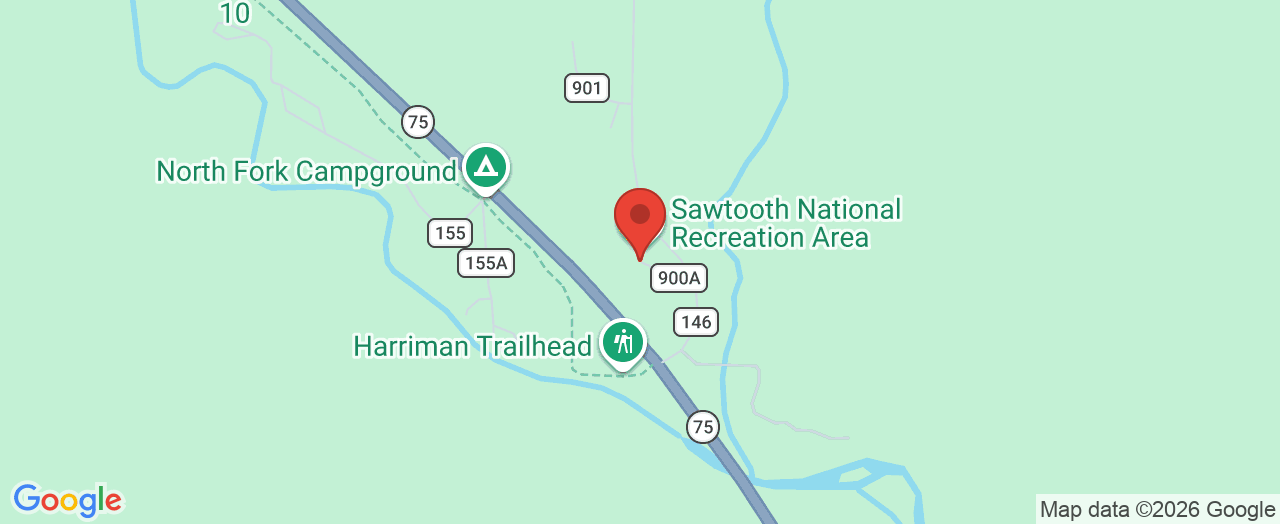
Location Map
National Forest

0 Comments

Write A Comment

*
*
Please complete the captcha to submit your comment.
Related Posts All Posts

Discover Hidden Waterfalls in Chattahoochee-Oconee National Forests

Chattahoochee-Oconee National Forest Supervisor's Office 📍 Address: 1755 Cleveland Hwy, Gainesville, GA 30501, USA 📞 Phone: +1 770-297-3000 🌐 Website: https://www.fs.usda.gov/r08/chattahoochee-oconee ★★★★★ Rating: 4.9 Unveiling Georgia’s Natural Treasures: Why the Call of Waterfalls, Mountain Views, and Scenic Drives Matters Have you ever wondered why certain places manage to steal your breath away and quiet your mind, even when life is busy and cluttered? In the heart of Georgia, there exists an expanse of wild land—the Chattahoochee-Oconee National Forests—covering nearly 867,000 acres and promising a tapestry of sights so arresting that visitors are compelled to return season after season. The prospect of seeking out hidden waterfalls, panoramic mountain vistas, and winding scenic drives isn’t simply about checking destinations off a list; it’s about reconnecting with a quieter, older world and escaping the hurried pace of every day. For families, solo hikers, or nature enthusiasts, the experience can be as serene or as exhilarating as you dare. But these forests aren’t just about the visual reward at the end of a trail—they’re a living, breathing system of rivers, streams, and trails that tell an enduring story of Georgia’s natural and human history. The waterfalls are not always marked by grand road signs; the best mountain views sometimes require patient exploration. For every clear stream or shaded trailhead you find, you realize there are dozens more awaiting discovery, revealing that the journey may matter more than arrival. Understanding the interplay of waterfalls, mountain peaks, and scenic routes in the Chattahoochee-Oconee National Forests will unlock more than postcard photos—it could open the secret to meaningful, restorative outdoor adventure. Why Chattahoochee-Oconee’s Waterfalls and Mountain Vistas Are a Must-See Educational Experience The Chattahoochee-Oconee National Forests, encompassing a vast swath of Georgia’s wildest terrain, serve as a living classroom for anyone interested in geography, biology, and conservation. With thousands of miles of streams and rivers threading through these protected lands, the forests are punctuated by a variety of waterfalls—some accessible with a gentle stroll, others hidden deeper within the tangle of trails and tangled rhododendron thickets. Towering ridgelines and mountain overlooks provide opportunities for breathtaking views of the southern Appalachians, reminding visitors just how much diversity is packed into this singular region. The forests’ scenic drives, winding through broad valleys and over ridges, make it possible for almost everyone—whether they hike or not—to witness the unfolding drama of Georgia’s landscape. Yet, there’s more here than scenic beauty. For those unfamiliar, a lack of knowledge about trail systems, seasonal changes, and access points can become a real barrier to safe, enjoyable exploration. It’s not uncommon for newcomers to underestimate the complexity of these natural landscapes, leading to missed waterfalls or arriving unprepared for mountain weather. Worse still, venturing off authorized routes or visiting during high fire danger seasons (a regular concern in these forests) can turn a day’s adventure hazardous. Understanding how to use official resources, maps, and guidelines is not just about convenience—it’s about ensuring both personal safety and the long-term preservation of these spectacular assets. For those who appreciate the thrill of uncovering the unexpected, exploring unique attractions can add another layer of excitement to your travels. If you’re interested in destinations that offer surprises at every turn, you might enjoy learning about the fascinating exhibits and oddities at Ripley's Believe It or Not! in Newport, where curiosity and discovery go hand in hand. Why Exploring Chattahoochee-Oconee National Forests’ Waterfalls and Scenic Drives Enhances Every Adventure Drawing on years of careful stewardship and robust educational outreach, the Forest Service manages the Chattahoochee-Oconee lands to offer not only recreation but rich, layered experiences for all types of visitors. The beauty of waterfalls cascading over sandstone and granite, the chance to stand atop an overlook and see the Blue Ridge sweep out before you, or the simple joy of a picnic beside a rushing stream—each offers distinct physical and emotional benefits. These moments invite reflection, relieve stress, foster connection, and, for children especially, invite lifelong curiosity about nature and science. The practical advantages extend beyond beauty and peace of mind. Thanks to the widespread availability of maps and resources—including digital tools like the Avenza app—adventurers can safely navigate even the most remote corners of the forests, ensuring they follow legal trails and access seasonal highlights. The Forest Service’s continued attention to updating trails, enhancing campgrounds, and monitoring fire safety ensures that visitors can enjoy everything from waterfall hikes to scenic drives with minimal risk and maximum enjoyment. Families can plan days packed with activities—hiking, fishing, horseback riding—and always find a new corner of the forest to explore. These forests, alive with biodiversity and cultural significance, are ideal for forging unforgettable outdoor traditions and making every visit unique. From Misty Trails to Majestic Peaks: Understanding the Ecological and Historical Depth of Georgia’s Forests Delving deeper into the Chattahoochee-Oconee National Forests reveals a rich tapestry that goes well beyond surface beauty. Historically, these lands have served as home to diverse wildlife and native plants, offering sanctuary to both rare species and those in peril from invasive threats. The ongoing conservation projects—involving local groups and national agencies—are testament to how robust stewardship can balance wilderness preservation with recreational demand. Every cascading waterfall, whether splashing gently into a mossy basin or plunging dramatically over rugged stone, reflects centuries of geological evolution shaped by water and time. From the rolling hills of the Piedmont to the high reaches of southern Appalachia, the forests act as a living historical archive, drawing hikers and scenic drivers alike into the interconnected stories of Native American heritage, Civilian Conservation Corps legacies, and continual efforts at fire management and ecological health. The forest’s mountain vistas become more meaningful when you realize these viewpoints connect the past to the present, linking generations of those who have sought refuge, inspiration, and adventure in these wild places. Staying Safe and Maximizing Your Visit: The Role of Official Maps and Forest Guidelines Navigation in such a vast landscape requires more than intuition. The Chattahoochee-Oconee National Forest Supervisor’s Office champions a philosophy centered on education, safety, and sustainable access. With resources like Motor Vehicle Use Maps (MVUMs) available both in print and as digital downloads, visitors can confidently plan and track their routes, ensuring legality and minimizing environmental harm. Avenza Maps, celebrated for offline functionality and GPS tracking, are particularly valuable in areas where cell service vanishes and trails split unexpectedly. Marking personal waypoints and learning to read seasonal closures—critical in fire-prone summers or during ecosystem restoration efforts—transform a casual trip into a safe, informed journey. Clear compliance protocols protect both the environment, with its delicate habitats, and the visitors themselves from fines, hazards, and unwanted surprises. This focus on providing current, officially updated trail and recreation maps speaks to the commitment the Forest Service has to visitor welfare. It’s a blend of technological progress and old-fashioned stewardship: by respecting access guidelines and trail signage, each hiker or scenic driver becomes an active partner in the conservation of Georgia’s wild legacy. The value is simple—when you know how to use these tools, you not only enrich your own adventure but help ensure the forests’ beauty remains unspoiled for everyone after you. Why Seasonal Changes Create New Experiences Every Visit No two trips to Chattahoochee-Oconee National Forests are ever quite the same. The region is marked by dramatic changes through the year—from the budding wildflowers of spring to the fiery foliage of autumn and the misty, quiet solitude of winter. Each shift brings its own rewards, especially if you’re chasing waterfalls or seeking the clearest mountain views. Higher water levels in spring can make falls thunderous; clear dry days in autumn reveal panoramic ridgelines ripe for photography or contemplation. Picnic areas and trailheads themselves take on new life with the changing season, echoing the rhythms of Georgia’s climate and wildlife cycles. For those ready to explore beyond the obvious, this means that seasonal visits can unveil a fresh perspective—perhaps a previously hidden cascade, an unobstructed view, or a forest path framed with blooming laurels. The continuing work of the Forest Service to update maps and manage access points ensures that returning visitors always have something new to discover, encouraging true outdoor exploration across Georgia’s mountain country. The Forest Service Philosophy: Stewardship, Safety, and Community Experiences for All At the helm of the Chattahoochee-Oconee National Forests, the Forest Supervisor’s Office embodies a philosophy rooted in stewardship, safety, and public service. Their mission extends beyond merely providing access to waterfalls and stunning vistas; it’s about instilling a respect for nature through rules, educational programs, and collaboration with conservation partners. From prescribed fire management to habitat restoration and invasive species control, every initiative threads together to maintain the forest’s health and accessibility for today’s visitors and future generations alike. This commitment is apparent in the resources and alerts shared with the public, the regular trail and facility updates, and the emphasis on using legal, official maps for all adventures—whether on foot, by car, or via off-highway vehicle. Each guideline is designed with both people and habitats in mind. The tone throughout their educational efforts is informative and welcoming, making the forests accessible while empowering visitors to take active roles in preservation. With this approach, the Chattahoochee-Oconee National Forests are more than just a destination—they become a partner in outdoor learning, fun, and lifelong appreciation for Georgia’s natural world. How Real Visitors Experience the Waterfalls and Scenic Beauty The truest measure of any natural wonder lies in the stories and reflections of those who venture into its heart. For many, the Chattahoochee-Oconee National Forests offer more than isolated moments of beauty—they create a backdrop for cherished family times, outdoor adventure, and quiet contemplation. One visitor described their experience this way: Absolutely beautiful! There are 867,000 acres in this National Forest. Also camping and cabins and plenty of hiking. Picnicking and scenic drives abound. Horseback-riding and fishing and lots of water activities as well. Great place to bring the family. The consistent thread among those sharing their stories is a sense of awe and gratitude, whether they are hiking to a hidden waterfall or sharing a lakeside meal with loved ones. The possibility of discovering something new or simply enjoying time in nature is universal—showing that anyone, regardless of age or ability, can find their own slice of adventure in these forests. By taking the step to plan a visit and tap into the expertise and resources available, others will undoubtedly find their experiences equally rich and memorable. What Georgia’s Waterfall Adventures Mean for the Next Generation of Nature Lovers As interest in outdoor recreation continues to surge, discovering hidden waterfalls, mountain views, and scenic drives in Chattahoochee-Oconee National Forests isn’t merely a reward for today’s explorers—it’s an investment in tomorrow’s stewards of the land. With the Forest Supervisor’s Office leading ongoing conservation, accessibility, and safety efforts, visitors benefit from expertly managed resources and a welcoming, educational approach. Every visit, every hike, and every winding drive holds the potential to inspire curiosity and care for the rich landscapes that make Georgia unique. Whether you’re planning your first waterfall trek or mapping out a scenic leaf-peeping route, the forests promise endless discovery and lasting connection. If the thrill of discovering hidden waterfalls and scenic drives has sparked your sense of adventure, consider broadening your horizons with other destinations that celebrate the unexpected. Exploring places like Ripley's Believe It or Not! in Newport can add a playful twist to your travel plans, offering a blend of wonder and curiosity that complements the natural beauty of Georgia’s forests. By seeking out both natural marvels and human-made surprises, you’ll enrich your journeys with stories and memories that last a lifetime. Let your next adventure be guided by curiosity—there’s always another hidden gem waiting to be found, whether deep in the woods or tucked away in a vibrant town. Contact the Experts at Chattahoochee-Oconee National Forest Supervisor’s Office If you’d like to learn more about how exploring waterfalls, mountain views, and scenic drives in the Chattahoochee-Oconee National Forests could benefit your next adventure, contact the team at the Chattahoochee-Oconee National Forest Supervisor’s Office. 📍 Address: 1755 Cleveland Hwy, Gainesville, GA 30501, USA 📞 Phone: +1 770-297-3000 🌐 Website: https://www.fs.usda.gov/r08/chattahoochee-oconee Chattahoochee-Oconee National Forest Supervisor’s Office Location and Hours 🕒 Hours of Operation:📅 Monday: ❌ Closed📅 Tuesday: 9:00 AM – 12:00 PM, 1:00 – 4:00 PM📅 Wednesday: 9:00 AM – 12:00 PM, 1:00 – 4:00 PM📅 Thursday: 9:00 AM – 12:00 PM, 1:00 – 4:00 PM📅 Friday: 9:00 AM – 12:00 PM, 1:00 – 4:00 PM📅 Saturday: ❌ Closed📅 Sunday: ❌ Closed
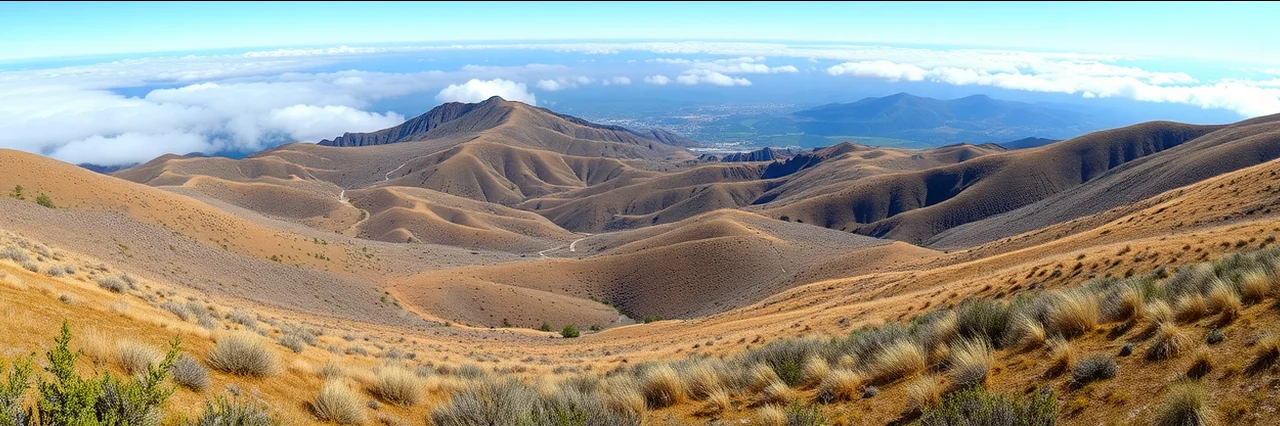
Discover Ocala National Forest Springs Swimming Like Never Before

Ocala National Forest 📍 Address: FL-40, Silver Springs, FL 34488, USA 📞 Phone: +1 352-625-2520 🌐 Website: http://www.fs.usda.gov/ocala ★★★★★ Rating: 4.7 Uncovering Florida’s Natural Hidden Gems: Why Springs Adventures Matter More Than Ever Every summer, thousands set off searching for the cool relief only wild, crystal-clear springs can provide. Yet, even with Florida’s vast coastline and endless lakes, there is a different kind of wonder lurking inside the heart of the state—a lush, ancient landscape carved by time and water. Ocala National Forest springs swimming, snorkeling, and paddling adventures offer an immersive escape where visitors can trade crowded pools and sweltering city parks for a dip in nature’s most dazzling playgrounds. But what exactly makes these natural springs an experience that stands apart from any other aquatic adventure? The allure of swimming in a spring goes beyond simple refreshment. This is about stepping into a world shaped by millennia—where deep blue water bubbles from the earth, framed by swaying cypress and oak, and wildlife moves undisturbed along sandy bottoms. For many, the waters of Ocala’s springs promise more than just fun; they unlock a newfound respect for Florida’s fragile ecology and an appreciation for the sense of calm that only the wild can provide. In a world packed with digital distractions and instant gratification, genuine outdoor adventure takes on new value—reminding us how vital these untamed places are to our wellbeing and our future. Let’s wade in to discover why Ocala National Forest springs swimming is the adventure you didn’t know you needed. Diving Deep: Understanding the Magic and Risks of Spring-Fed Swimming Destinations Spring-fed swimming holes have long enchanted explorers with their near-constant temperatures, glassy surfaces, and kaleidoscopic blues and greens. But these experiences—featuring swimming, snorkeling, and paddling—are more than an idyllic backdrop for summer fun; they are a crash course in hydrology and history. Water that emerges from Ocala National Forest’s springs has journeyed underground for decades, filtered by layers of limestone before rising to the surface, creating brilliant pools and streams teeming with life. For outdoor enthusiasts and nature lovers alike, these springs are a living classroom, brimming with lessons about groundwater, ecosystem diversity, and conservation. Yet, few realize the potential pitfalls that accompany such natural beauty. Misinformation or a lack of awareness can lead some visitors to treat springs like conventional public pools, ignoring the delicate balance this environment demands. From unseen underwater obstacles to the subtle currents that shape spring runs, swimming here requires attentiveness and respect. Beyond safety, there is also the risk of inadvertently harming the ecosystem. Chemicals from sunscreen, traces of litter, and trampling of sensitive riverbanks all threaten the springs' future. That is why true adventure starts with education—knowing what makes these places special, and how to keep them that way for the next generation. Understanding the depths and dynamics of these spring environments sets the stage for a more rewarding, and responsible, adventure. For those who appreciate the thrill of discovering the unexpected in natural settings, you might also enjoy exploring other unique attractions that blend curiosity and adventure. A visit to Ripley's Believe It or Not! in Newport offers a different kind of wonder, where the extraordinary and the unusual come together for an unforgettable experience. Why Ocala National Forest Springs Swimming Changes Everything for Nature Lovers Ocala National Forest is recognized as a steward of natural wonder, ensuring that visitors can safely and meaningfully enjoy its springs swimming, snorkeling, and paddling adventures. Drawing insights from their educational approach and focus on environmental balance, the real-life benefits for those who venture into the springs are tangible. Spending a day here means more than simply cooling off—it’s the immersion in a world where endangered species still glide beneath the surface, where sunbeams cut through ancient tree canopies, and human activity is carefully balanced with preservation. Swimming in these pristine springs helps visitors unplug and find a sense of adventure, but it also resets expectations for what outdoor Florida can be. Unlike a chlorinated resort pool or churning beach crowd, the springs deliver tranquility and personal connection to wild spaces. For families, paddling along a spring-fed run can be a gateway to teaching ecology in action; for solo explorers, snorkeling becomes an underwater treasure hunt of fossilized shells and darting fish. These moments culminate in memories that anchor us to the natural world. Making a habit of responsible visits to the Ocala National Forest’s springs moves each of us from observer to participant in the story of Florida’s waters. From the Deep Past to Today: Ocala’s Springs Are a Window Into Florida’s Geologic History Few realize that the springs of Ocala National Forest are ancient, shaping human and animal life long before modern development. Their origins trace back millennia, when rain and rivers scoured subterranean passages, finally emerging as the springs we know. Archeological sites near the forest’s springs have uncovered prehistoric tools and bones, evidence of early peoples drawn here by the same pure water that attracts visitors today. Each swim in these waters echoes a story that transcends generations—a living link to the land’s wild, untamed roots. Swimming, snorkeling, and paddling aren’t just recreational acts; they are exercises in living history. Every submerged log and overhanging branch hints at the slow-moving drama of Florida’s landscape—a drama that continues to unfold as fluctuating water levels and subtle changes shape the future of the forest. Anyone who chooses to experience these springs gains an inside look at how natural systems endure and adapt. For those willing to listen, the past, present, and future all flow together beneath the surface. How to Get the Most From Your Springs Adventure: Practical Tips for a Safe and Enjoyable Visit Making the most of Ocala National Forest springs swimming, snorkeling, and paddling requires more than a swimsuit and towel. Smart adventurers come prepared with eco-friendly sunscreen, reusable water bottles, and a clear plan for packing out all trash. The forest’s trails and waterways can change with the seasons, so reviewing the latest conditions—whether it’s tree limbs in the current or unusually high water—can save a trip from disappointment. Being mindful of submerged obstacles, especially logs or sudden drop-offs, ensures that fun stays front and center. Respect for the landscape is part of every successful adventure. Limiting noise, staying on marked trails, and resisting the urge to pluck wildflowers or disturb wildlife all help preserve Ocala’s springs. Extra vigilance pays off while snorkeling or paddling, where shallow bottoms and shifting sands can surprise even expert swimmers. Safety is never accidental, and the most lasting memories are forged when outdoor explorations are also responsible. Each small step preserves the promise of wild springs for the next family, the next group of friends, or the next solo seeker of wild Florida. The Forest’s Perspective: Stewardship and Shared Responsibility in Ocala’s Springs Ocala National Forest’s mission is woven through its landscape: to provide a setting for adventure, while keeping conservation at the forefront. This balance shows in thoughtful resource management—from maintaining sustainable access points to educating visitors about human impact. Framed by an appreciation for heritage, the forest approaches recreation with a sense of stewardship, always encouraging visitors to become partners in conservation rather than just consumers of the land. What sets Ocala apart is the underlying philosophy that outdoor adventure and preservation not only can, but must, coexist. The springs are not seen simply as tourist attractions, but as living systems to be respected and preserved. Initiatives in environmental education, clear signage, and proactive safety warnings all serve one purpose: to help each visitor leave the forest better than they found it. This ethos fosters a culture of shared responsibility, ensuring that moments of wonder in the springs today are still possible tomorrow. For everyone who dips into these pure, spring-fed waters, the message is clear—enjoy, respect, and protect. Real Visitor Experiences: When Adventure and Caution Lead to Unforgettable Memories Real-world feedback helps illuminate what makes a day in Ocala’s springs different from any other swimming or paddling spot. After all, it’s the combination of natural mystery and practical safety advice that guides the best memories. As one visitor recounts, navigating the waterways requires both attention and an appreciation for the remarkable landscape that unfolds: I only went up the oklawaha bye boat to the dam. Heard it was blocked and impassable. Not the case though, beautiful as always. There are definitely some changes and make sure you trim the motor up around the trees because there's a couple of hidden logs that you can't always see until you're on top of it. Be careful and have fun This kind of firsthand account captures both the charm and challenge of exploring the natural world in Ocala National Forest. Those who step in with care, an open mind, and a sense of fun consistently walk away with stories that stay with them long after. By following the recommendations and respecting the springs’ unique qualities, swimmers, paddlers, and snorkelers can ensure their visit is as memorable as it is safe. Why Protecting Ocala’s Springs Means Safeguarding the Future of Outdoor Adventure Ocala National Forest springs swimming, snorkeling, and paddling adventures offer more than a cool reprieve—they are a living legacy that teaches, delights, and challenges everyone who visits. From historic roots to daily choices made by visitors, the care given to these wild spaces determines what future generations will inherit. Each trip into the springs can inspire lasting respect for the land and water, nudging all of us toward habits that put conservation first. By upholding a mission rooted in education and stewardship, Ocala National Forest shows how thriving recreation and conservation can go hand in hand. Every swim in these crystalline waters is a reminder that outdoor adventure depends on the delicate, ongoing work of respecting what makes these springs irreplaceable. Embracing swimming, snorkeling, and paddling here is more than just an activity—it's an investment in Florida’s wild heritage. If the spirit of discovery in Ocala’s springs has sparked your curiosity, there’s a whole world of extraordinary destinations waiting to be explored. For those who crave experiences that blend the unexpected with the unforgettable, consider broadening your adventure horizons with attractions like Ripley’s Believe It or Not! in Newport. Delving into such unique sites can deepen your appreciation for the wonders—both natural and man-made—that make every journey memorable. Whether you’re seeking the serenity of wild springs or the intrigue of the unusual, each adventure adds a new chapter to your story of exploration. Contact the Experts at Ocala National Forest If you’d like to learn more about how Ocala National Forest springs swimming, snorkeling, and paddling adventures could benefit your next outdoor getaway, contact the team at Ocala National Forest. 📍 Address: FL-40, Silver Springs, FL 34488, USA 📞 Phone: +1 352-625-2520 🌐 Website: http://www.fs.usda.gov/ocala Ocala National Forest Location and Availability 🕒 Hours of Operation: Please consult the official Ocala National Forest website or call +1 352-625-2520 for hours, as they may vary by season and recreational area.

Discover White River National Forest’s Hidden Wonders Today

White River National Forest 📍 Address: White River National Forest, Colorado 81637, USA 📞 Phone: 970-319-2670 ★★★★★ Rating: 4.9 Untouched Wilderness Awaits: Why Exploring White River National Forest Should Be On Your List Imagine stepping into a landscape where snow-capped peaks meet endless forests, where every turn on the trail reveals a new vista more breathtaking than the last. In an age when more of our world feels discovered and mapped, there remain rare places that challenge your sense of wonder and adventure—White River National Forest is one of them. Home to the iconic Maroon Bells, whose reflection shimmers in clear lakes at sunrise, this vast expanse not only invites you in but urges you to lose yourself in its beauty, if only for a day. Whether you’re a seasoned hiker or simply someone seeking a restorative drive through nature, uncovering the hiking routes and scenic drives of White River National Forest offers a kind of renewal that’s difficult to match elsewhere. The importance of understanding how to navigate and appreciate these wild spaces cannot be overstated; beyond pretty pictures, it’s about forging deeper connections—to nature, to solitude, and even to our own capability to explore. This article will walk you through the must-see sights, the practical tips, and the real impact this iconic forest has on those who venture into its heart. Beyond the Postcard: The Essential Guide to Maroon Bells Hiking and Scenic Drives Spanning roughly 2. 3 million acres, White River National Forest is a crown jewel of Colorado’s high country, and within its borders lies one of the most photographed landscapes in North America—the Maroon Bells. These twin peaks rise dramatically over Maroon Lake and are accessible by both hikers and those who prefer the comfort of their vehicles. The range of trails impresses both newcomers and returning adventurers, offering everything from gentle lakeside strolls to heart-pumping ascents above the tree line. But these hills aren't just for the elite trekker; there are countless accessible routes for families and casual walkers alike. Scenic drives in the White River National Forest rank among the most picturesque road trips in the United States. Well-maintained roads meander through wildflower meadows, dense forests, and the awe-inspiring heights of the Continental Divide. Each season paints the mountains and valleys with a new palette, from carpets of summer green punctuated by alpine blooms to the snow-draped silence of winter’s embrace. Failing to appreciate how varied this experience can be may mean missing out on the best times and ways to explore—so understanding what these environments offer, and respecting their variety, is essential to a rewarding adventure. For those who enjoy discovering unique destinations and hidden gems, exploring other attractions that blend natural beauty with unexpected surprises can add even more excitement to your travels. If you’re interested in broadening your adventure horizons, consider reading about the fascinating experiences awaiting at Ripley's Believe It or Not! in Newport, where curiosity and wonder take center stage. Why White River National Forest Maroon Bells Hiking and Scenic Drives Transform Your Experience The expert stewardship of White River National Forest ensures that every visitor can find something special. Exploring the Maroon Bells, whether by foot or car, opens access not just to stunning sights, but also to a network of over 2,500 miles of trails and an extensive system of campgrounds, both paid and primitive. This makes it possible for outdoor enthusiasts to tailor experiences—be it a tranquil day beside a river or a multi-day backpacking journey immersed in wilderness. For anglers, swimmers, or families searching for river-side fun on hot summer days, numerous access points provide easy entry to some of Colorado’s cleanest water. Time here equals more than just breathtaking views. Along these scenic routes and hiking trails, you’re presented with moments for discovery: spotting a burst of wildflowers just off the trail, seeing wildlife at dawn, or witnessing an alpine meadow swaying in the crisp mountain wind. The forest’s extensive range allows for solitude and space, a rarity in our fast-paced world, while the infrastructure—well-marked highways and maintained byways—takes the guesswork out of reaching your next adventure. These features mean that every journey, from the easiest to the most challenging, can be approached with confidence and a sense of wonder, turning a simple outing into a memory. Discovering the Majesty of Maroon Bells: Best Seasons, Hidden Spots, and Planning Advice The Maroon Bells are spectacular year-round, but smart planning helps maximize your visit. Summer and early fall are peak seasons, with wildflowers blanketing the meadows and golden aspens setting the landscape ablaze in September. Trail networks range from short, accessible walks around Maroon Lake to longer routes, like the challenging trek to Crater Lake, offering options for all skill levels. For those wanting the iconic ‘mirror lake’ photo or vibrant wildflower fields, early mornings provide unbeatable light and tranquility before the day’s crowd arrives. Off the main path, experienced hikes and drives can yield surprising serenity—look for lesser-known viewpoints or take a detour on side roads maintained for a more private experience of this vast wilderness. Seasonal weather changes, like sudden mountain storms or strong winds, call for simple preparedness: layered clothing, extra water, and a flexible itinerary. By researching ahead and being adaptable, every visit can reveal a new secret of the White River National Forest, leaving you eager to return in a different season or explore a different trail. From Scenic Drives to River Relaxation: How the Forest Caters to Diverse Interests Not everyone comes to White River National Forest for strenuous hikes—many simply want to absorb the untamed beauty at their own pace. The area’s numerous scenic byways allow for flexible itineraries, including stops at overlooks, picnic spots, and gentle riverside walks. These roads provide safe, reliable access to some of the state’s most iconic landscapes without the need for technical experience. River access points, mentioned by visitors as a highlight, invite cooling dips or quiet afternoons fishing, and spacious picnic sites pepper the forest, making it easy to spend a relaxed day reconnecting with loved ones or nature. Whether you prefer the rush of reaching a mountain summit or the peace of watching sunlight filter through forest canopies, White River National Forest adapts to your style of exploration. Its accessible wonders are a testament to sustained conservation: these aren’t fragile showpieces to glance at and leave behind, but living spaces designed to invite deeper interaction on your terms. Understanding and Respecting the Ecosystem: What Makes White River National Forest Unique White River National Forest is more than just a destination; it’s an intricate ecosystem where recreation and conservation work in tandem. Spanning millions of acres, the land supports countless plant and animal species and acts as a vital watershed for surrounding communities. When visitors heed marked trails, obey usage rules, and leave areas undisturbed, they’re actively participating in the ongoing health of this extraordinary landscape. Each thoughtfully planned hike or scenic drive becomes part of a bigger narrative—one that balances awe-inspiring adventure with a commitment to stewardship. Understanding this responsibility enhances every experience, as visitors learn to spot signs of changing seasons, identify native wildflowers, or simply appreciate the mountain wind that shapes the valley. The forest’s mission isn’t just about providing recreational opportunities; it’s about nurturing an appreciation for wild places that can last a lifetime. That’s why every hike, every drive, and every riverside pause, is more than recreation—it’s a chance to be part of something enduring. White River National Forest’s Thoughtful Approach to Access and Enjoyment At its core, the management philosophy of White River National Forest is guided by accessibility, diversity, and sustainability. Offering both primitive and paid camping options, as well as maintaining an extensive network of trails and scenic roads, the forest demonstrates its commitment to serving all levels of adventurers. Careful upkeep of roads and public spaces—consistently noted in feedback—ensures safe journeys no matter the season or weather conditions. This dedication allows visitors to focus on experiencing the landscape, secure in the knowledge they’ll encounter both beauty and thoughtful care at every turn. With adaptive infrastructure and conservation-minded policies, White River National Forest invites those of every age and ability to build connections with the land. Campgrounds, river access points, and easy trails are just as important as the region’s more rigorous challenges, underscoring a philosophy that wildness should be both protected and shared. This balanced approach ensures future generations will continue to be inspired by the same mountain vistas and wildflower meadows that awe today’s explorers. Real Experiences: Visitors Celebrate the Forest’s Expansive Beauty and Adventure Reading firsthand accounts often reveals the true value and impact of a place, and the White River National Forest receives no shortage of glowing stories. One review, in particular, captures the forest’s scale, diversity, and accessibility, offering a glimpse into what new visitors can expect—from miles of trails to stunning wildflower displays and well-kept roads that invite exploration. There are many different campsites (paid and primitive) and trails to explore in the White River National Forest. This is a very large and scenic national forest (~2. 3 million acres)! There are many river access points for cooling off or fishing in the warmer months. The roads to get to the trails are well maintained. I love the wildflowers and scenic views! —Stormy C. Such enthusiastic accounts illuminate why so many return again and again, eager to discover a new trail, spot another patch of wildflowers, or simply relax beside a mountain stream. The possibilities are nearly endless, shaped only by how much you’re willing to explore—assuring that the discoveries you make in White River National Forest are likely to be as memorable and varied as the landscape itself. What White River National Forest Maroon Bells Hiking and Scenic Drives Mean for Your Next Adventure Immersing yourself in the hiking and scenic drives among the Maroon Bells within White River National Forest presents more than just sightseeing—it’s an opportunity to find renewal, inspiration, and a personal stake in the preservation of Colorado’s wild heart. With expertly maintained access, thoughtful stewardship, and a commitment to visitor enjoyment across all ability levels, the region invites everyone to step into its stunning vistas and vibrant ecosystems. For those searching for a truly impactful adventure, understanding both the practical details and the deeper story behind every trail and byway makes all the difference. It’s these experiences, woven into the landscape, that set White River National Forest apart as a must-visit destination for hikers, drivers, and nature lovers alike. If the thrill of discovering hidden wonders in White River National Forest has sparked your curiosity, there’s a whole world of extraordinary attractions waiting to be explored. For travelers who appreciate the unexpected and enjoy weaving unique stops into their journeys, uncovering the marvels at Ripley's Believe It or Not! in Newport offers a fresh perspective on adventure. Whether you’re planning your next road trip or seeking inspiration for memorable detours, exploring diverse destinations can transform your travels into unforgettable stories. Let your sense of wonder guide you—there’s always another surprise just around the corner. Contact the Experts at White River National Forest If you’d like to learn more about how hiking and scenic drives in White River National Forest could benefit your next outdoor adventure, contact the team at White River National Forest. 📍 Address: White River National Forest, Colorado 81637, USA 📞 Phone: 970-319-2670 White River National Forest Location and Availability 🕒 Hours of Operation: Please contact the team at White River National Forest or visit the official website for up-to-date hours, as times may vary seasonally and by activity.

Terms of Service

Privacy Policy

Core Modal Title

Sorry, no results found

You Might Find These Articles Interesting

T
Please Check Your Email
We Will Be Following Up Shortly
*
*
*