RV Otter
update

Ride With RV Otter

update
  • Home
  • Categories
    • Destinations & Routes
    • Campground Reviews
    • RV Tips & Lifestyle
    • Gear & Essentials
    • On-the-Road Living
    • Traveling with Pets
    • Stories & Adventures
    • RVing on a Budget
    • Boondocking
    • Campground Reviews
    • RV Lifestyle News
    • National Parks
    • State Parks
    • Extra News
    • Central Oregon Coast
    • National Forest
    • Shopping
    • Rentals
    • RV Resorts
    • Business Directory
    • RV Sales & Rentals
    • Destinations
    • Campgrounds & Stays
    • Gear & Rentals
    • RV News & Resources
    • RV Dealerships
    • Destinations 2
  • Businesses
  • Wildlife Refuges
  • update
  • update
  • update
  • update
  • update
  • update
  • update
May 10.2026
1 Minute Read

Discover Secrets of Petrified Forest National Park Today

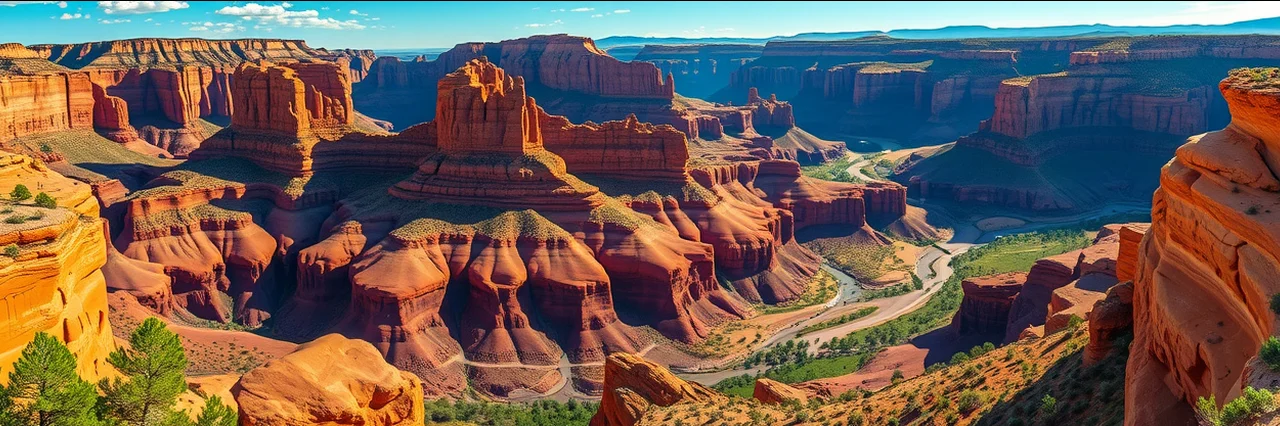
Expansive badlands at Petrified Forest National Park Blue Mesa hikes and ancient logs

Petrified Forest National Park

📍 Address: Arizona, USA

📞 Phone: +1 928-524-6228

🌐 Website: https://nps.gov/pefo/index.htm

★★★★★
Rating: 4.7

Step Into a 200-Million-Year-Old Mystery at Petrified Forest National Park

Imagine a place where ancient forests turned to dazzling stone lie scattered across a landscape painted in surreal hues of blue, purple, and crimson. What if you could touch time itself, tracing the story of our planet back over 200 million years—all within a single hike? This is the promise of Petrified Forest National Park, home to the world-famous Blue Mesa and the haunting beauty of ancient petrified logs. Yet, so many travelers drive past, unaware that beneath the silence of Arizona's desert lies a secret world waiting to be discovered. Why do these fossilized giants draw scientists and nature lovers from across the globe, and how do Blue Mesa hikes unveil stories written in stone?

For those seeking an authentic adventure, a day at Petrified Forest National Park isn’t just about marveling at rocks—it’s a living classroom, a nature preserve, and a walk through time itself. From paved trails that wind through gravity-defying badlands to overlooks revealing a tapestry of color at sunrise or sunset, this park is more than a photo opportunity. Exploring the Blue Mesa and ancient petrified logs offers insight into Earth's prehistoric past, but the park’s accessibility, educational value, and scenic wonders make it essential for families, hikers, and history buffs alike. Understanding what makes this park extraordinary is not just a matter of curiosity—it’s a path toward greater appreciation for natural history and our role in its preservation.
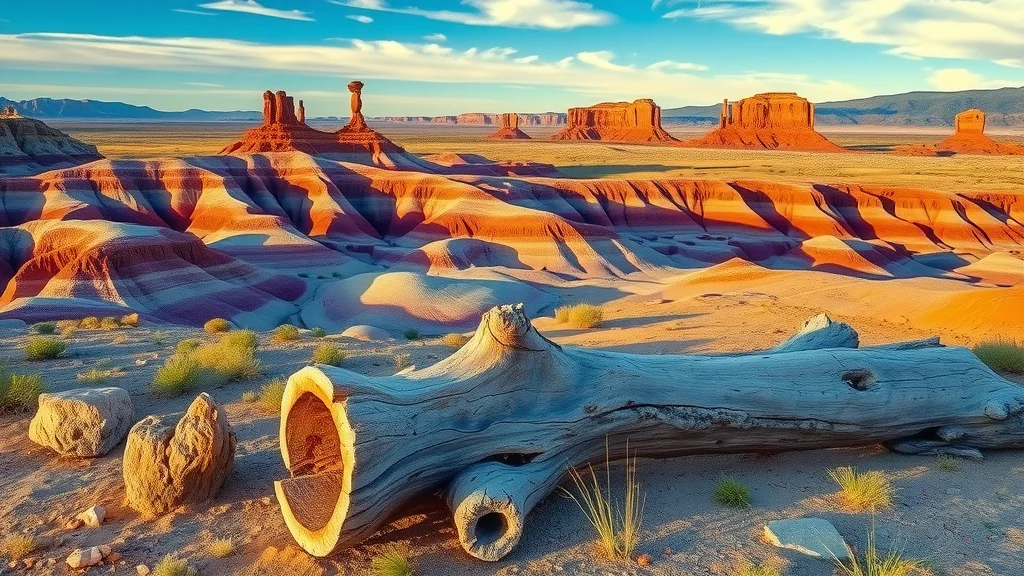
Colorful Blue Mesa badlands and ancient petrified logs at Petrified Forest National Park

Unveiling the Fascination: Why Blue Mesa Hikes and Ancient Logs Matter

Petrified Forest National Park isn’t simply a collection of scenic trails and colorful rocks—this is a rare window into the Triassic era, when ancient forests thrived in a world unrecognizably different from ours. Today, the Blue Mesa area is one of the park’s crown jewels, featuring vibrant badlands layered in purple, blue, and gray. Blue Mesa hikes offer a firsthand encounter with these otherworldly formations, where each step reveals geological artistry millions of years in the making. The petrified logs that dot the landscape are more than natural oddities—they are fossilized remnants, locked in quartz crystal, tell silent stories of vanished life and volcanic cataclysm.

If you're planning to explore the park in your RV or want to ensure you have reliable power for your devices during your adventure, it’s worth considering portable solutions that cater to travelers’ needs. For example, many RVers have found that investing in a dependable power station, such as the Bluei Elite 200 V2 Power Station, can make a significant difference in comfort and convenience while visiting remote destinations like Petrified Forest National Park.

Missing out on this experience is missing a chance to understand Earth's ancient climate, ecosystems, and the slow, relentless processes of erosion and mineralization. For the uninitiated, ignoring the significance of these petrified logs or the Blue Mesa terrain means overlooking science in plain sight—a historical treasure trove that continues to shape how paleontologists and visitors view our planet’s past. It’s easy to mistake these formations for simple rocks or pretty scenery, but knowing their true age and origins stirs something more profound: awe in the face of deep time, and a sharper sense of wonder for the natural world we inherit.
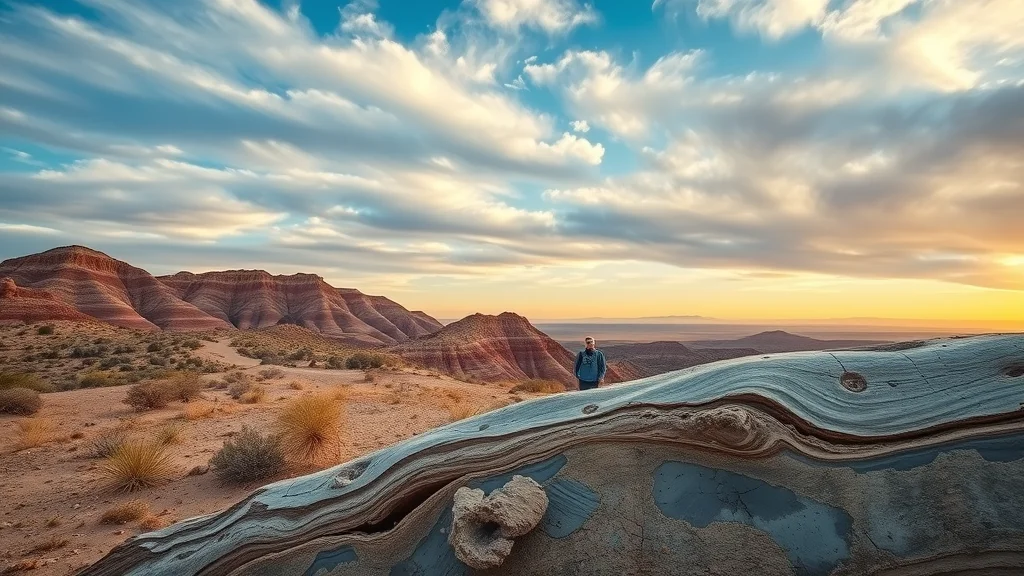
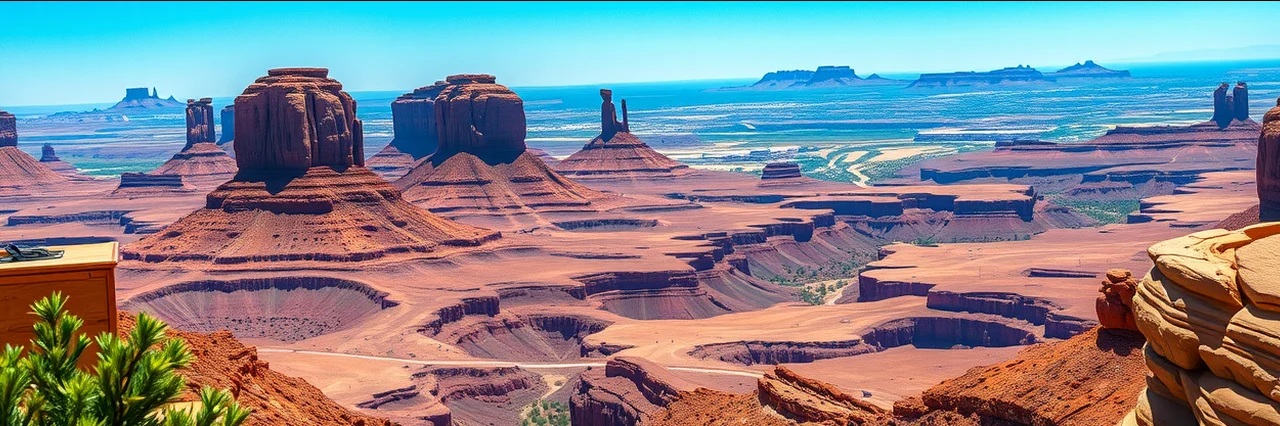
Hiking Blue Mesa trail among petrified logs at Petrified Forest National Park

Why Blue Mesa Hikes and Ancient Logs Transform the Visitor Experience

Experts from Petrified Forest National Park emphasize that exploring the Blue Mesa trails and ancient petrified wood isn’t just a scenic walk—it’s an immersion into deep geological history. The trails are intentionally maintained and accessible for all ages and abilities, making the marvels of petrified wood and the shifting colors of Blue Mesa available to everyone. Visitors don’t just look; they participate in discovery, tracing footsteps along easy, paved or gravel paths ranging from short strolls under half a mile to immersive experiences stretching over two miles.

The value extends beyond the breathtaking landscape. Walks among ancient logs in areas like Crystal Forest and Giant Logs deliver tangible, first-hand lessons about fossilization and the volatile forces that shaped Arizona’s Painted Desert. Short hikes and scenic overlooks are designed for both casual and serious travelers, so families can explore together, students can see the science they learn in classrooms, and photographers can capture vistas that shift dramatically with the sun’s angle. With most attractions placed along a well-maintained loop, enjoying these ancient secrets is both comfortable and unforgettable—transforming how people connect to both prehistoric times and present-day conservation.

From Prehistoric Origins to Today: The Story Behind Petrified Forest’s Landscape

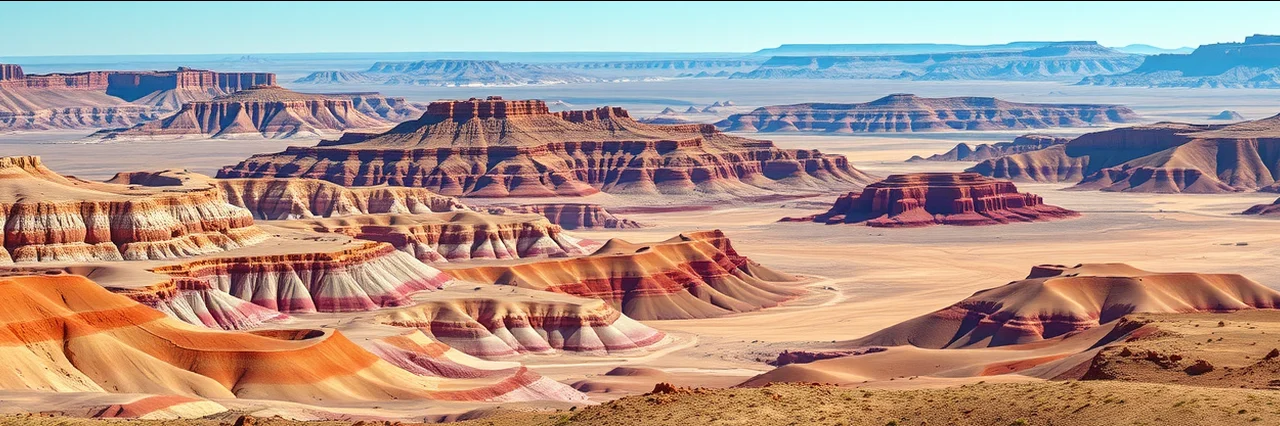
Ancient quartz-filled petrified log and Blue Mesa landscape detail at Petrified Forest

Few places on Earth tell the story of such vast transformation as Petrified Forest National Park. Over 200 million years ago, this region was a subtropical wetland lush with tall trees and strange creatures that have long since disappeared. Volcanic ash and river sediments fossilized the fallen trees, bathing them in minerals that replaced wood with vibrant quartz, agate, and jasper—creating the park’s signature petrified logs. The Blue Mesa formations, with their multi-hued badlands, are the remains of erosion and weathering relentlessly sculpting the soft, ancient rock into surreal mounds and canyons.

Today’s visitors walk across landscapes that look more lunar than terrestrial. Yet, every ridge, gully, and fossilized log is a chapter in a 200-million-year-old climate story—revealing shifting continents, the birth of dinosaurs, and the ebb and flow of ancient rivers. This living museum bridges the gap between science and beauty, offering rare examples of how time and elements collaborate to create wonders that inspire both awe and humility.

Practical Tips for Your Blue Mesa Adventure: How to Explore Safely and Comfortably

Preparation is key for making the most of your journey among the Blue Mesa badlands and ancient logs. Petrified Forest National Park welcomes visitors with user-friendly trails—most are short, paved, or graveled, making them safe even for those new to hiking. While the climate can be extreme, dressing in layers, wearing sturdy walking shoes or boots, and carrying water is essential, especially outside mild seasons. Mornings or late afternoons, when the sun is lower, add drama to the colors of the landscape and make hiking more pleasant.
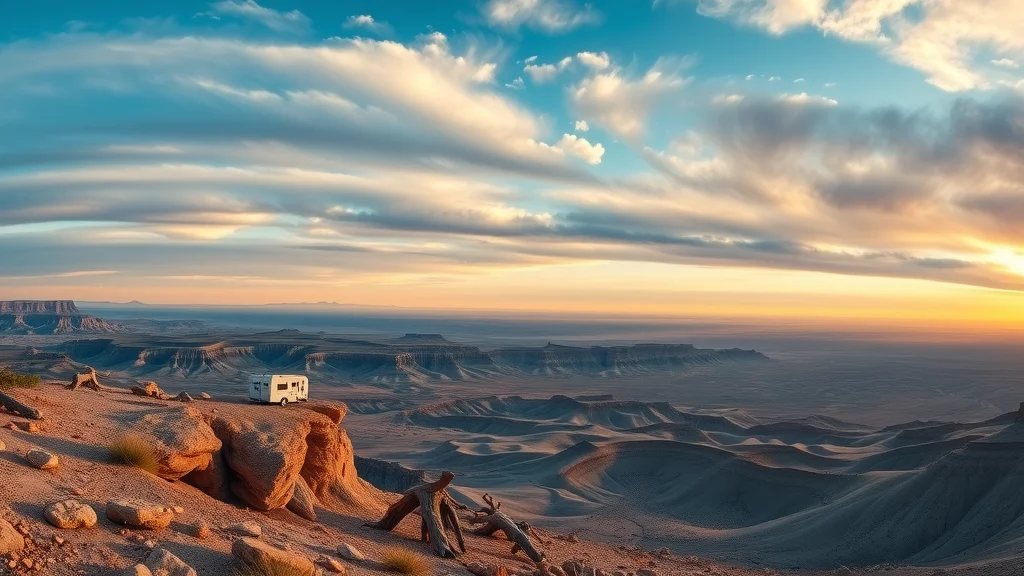
Panoramic overlook of Blue Mesa and petrified logs at Petrified Forest National Park

Those looking to avoid crowds or summer heat should plan their visit for cooler months—the winter or early spring can offer perfect hiking conditions. Bring a camera to capture the Painted Desert’s ever-changing shades, and allow enough time to drive the full 28-mile scenic road, which ties together all the park’s major highlights. Always respect park rules—staying on marked trails protects both you and fragile resources, while pets are welcome so long as they remain leashed.

Why Understanding Petrified Logs and Blue Mesa Is an Education in Time and Conservation

Knowing how petrified logs form, what Blue Mesa reveals, and why the desert’s ecosystem thrives against the odds is more than simple fascination—it’s an entry point into understanding concepts of deep time, climate change, and natural adaptation. Petrified Forest National Park serves as an outdoor classroom, where one can witness firsthand the relentless power of erosion, volcanic activity, and fossilization. These forces, which unfold over millions of years, remind us of the earth’s capacity for change and the importance of preserving such sites for future generations.

The park’s educational mission goes beyond signage and overlooks: it invites visitors to witness science in action. By piecing together the stories told by Blue Mesa’s badlands and the quartz-lined hearts of ancient logs, guests leave with more than photographs—they gain perspective on stewardship, interconnectedness, and the fragility of our natural heritage.

Petrified Forest National Park’s Dedication to Discovery and Preservation

Petrified Forest National Park stands apart for its dual commitment to safeguarding the past while offering accessible, engaging experiences to all visitors. This isn’t just a static reserve—it’s a dynamic space where ancient history and modern ecosystems overlap. The park’s philosophy embraces both the wonders of the Triassic fossil record and the contemporary wildlife that call this desert home. Visitors can join self-guided tours, attend cultural demonstrations, or interact with live science at the park’s paleo lab, reinforcing a culture of discovery for every guest.

This mission is woven into the design of the park’s trails, scenic drives, and interpretive programs. Whether someone’s motivation is scientific curiosity, a need for quiet reflection, or a search for dramatic photography, the approach is always rooted in respect for the environment and an invitation to connect with nature. By creating a place where everyone can explore at their own pace, Petrified Forest National Park encourages not just visits, but genuine appreciation and stewardship of landscapes that have withstood the test of time.

What Visitors Experience: The Powerful Impact of Petrified Forest Encounters

For many, seeing the Blue Mesa formations and ancient petrified logs in person is an unforgettable adventure, often surpassing expectations and lingering as one of the most meaningful travel experiences. As one recent reviewer described, walking the trails and exploring the park’s highlights is far more than a sightseeing trip—it is a journey that stirs imagination and evokes a deep sense of wonder.

Petrified Forest National Park is one of the most underrated national parks in the United States. It offers a completely unique landscape filled with colorful badlands, ancient petrified wood, and rich history that many people don’t expect. The park stretches between two entrances (North and South), and it’s highly recommended to drive through the entire park to experience all the major highlights. The scenic drive itself is peaceful and very well maintained. In the Painted Desert area (North side), you’ll find stunning overlooks with layered colors that look especially beautiful during sunrise or sunset. The Painted Desert Rim Trail is an easy walk with excellent views. The southern section features the most famous petrified wood areas such as Crystal Forest, Giant Logs, Jasper Forest, and Agate Bridge, where you can see massive petrified logs up close along short walking trails. Blue Mesa is a must-visit spot with vibrant blue, purple, and gray badlands. You can either drive the loop road or walk the short trail to fully experience the colors and formations. The park also includes important cultural and historical sites like Puerco Pueblo, where you can see ancient pueblo remains and petroglyphs. Most trails here are short and easy, making the park suitable for families and casual visitors. You can explore the main highlights comfortably in half a day, or spend more time if you enjoy hiking and photography. Overall, Petrified Forest National Park is a peaceful, scenic, and educational destination and is absolutely worth visiting, especially if you appreciate unique landscapes and history.

Encounters like these make clear just how much the park offers—from awe-inspiring beauty to moments of quiet learning and connection. For those intrigued by geology, paleontology, hiking, or simply experiencing something new, Petrified Forest National Park delivers memories and insights that hold value long after the visit ends. Others who take a similar journey can expect a blend of relaxation, revelation, and the powerful impact of nature’s artistry across time.

Looking Ahead: Exploring Blue Mesa Hikes and Ancient Logs at Petrified Forest National Park

In a world busy with everyday distractions, places like Petrified Forest National Park stand as essential reminders of our shared origin and resilience. Discovering the secrets of Blue Mesa hikes and ancient petrified logs is more than a check on a traveler’s bucket list—it is an education in deep time, a chance to witness natural processes that continue, unseen, beneath our feet. With a commitment to both accessibility and preservation, the park remains a trusted authority, guiding visitors through experiences that shape the way we see our planet.

The next time curiosity or adventure calls, remember the Petrified Forest National Park as a premier destination for exploring ancient woodlands, breathtaking badlands, and the enduring lessons of the natural world. Experiencing Blue Mesa hikes and standing among ancient logs are invitations to become part of a much larger story—one that began over 200 million years ago and continues every day that visitors walk these trails.

If you’re inspired to deepen your connection with America’s most unique landscapes, consider exploring how modern travel gear and technology can enhance your journey. From portable power solutions for RVers to advanced navigation tools, there’s a wealth of resources available to help you make the most of your next adventure. For those interested in optimizing their travel experience, learning about the best power stations for RV nomads can be a valuable next step in planning seamless, comfortable, and memorable trips to national parks and beyond.

Contact the Experts at Petrified Forest National Park

If you’d like to learn more about how Blue Mesa hikes and ancient logs could enrich your next outdoor adventure or deepen your understanding of Earth’s natural history, contact the team at Petrified Forest National Park. 📍 Address: Arizona, USA 📞 Phone: +1 928-524-6228 🌐 Website: https://nps. gov/pefo/index. htm

Petrified Forest National Park Location and Hours

🕒 Hours of Operation:📅 Monday: 8:00 AM – 5:00 PM📅 Tuesday: 8:00 AM – 5:00 PM📅 Wednesday: 8:00 AM – 5:00 PM📅 Thursday: 8:00 AM – 5:00 PM📅 Friday: 8:00 AM – 5:00 PM📅 Saturday: 8:00 AM – 5:00 PM📅 Sunday: 8:00 AM – 5:00 PM

Location Map
National Parks

0 Comments

Write A Comment

*
*
Please complete the captcha to submit your comment.
Related Posts All Posts

Discover Olympic National Park Rainforest Trails Today

Olympic National Park 📍 Address: 3002 Mt Angeles Rd, Port Angeles, WA 98362, USA 📞 Phone: +1 360-565-3130 🌐 Website: https://www.nps.gov/olym/index.htm ★★★★★ Rating: 4.8 Lose Yourself in Ancient Forests and Rugged Shorelines: Why Olympic National Park Is Unmatched Imagine stepping beneath canopies so thick the sunlight forms emerald beams on the trail—giant trees draped in moss, the ground soft with centuries of fallen needles, and every surface bursting with life. Now picture this rainforest not in the heart of the tropics, but on the wild coast of Washington State. Olympic National Park’s rainforest trails, tide pools, and scenic coastal drives are a convergence of ecological wonder rarely found anywhere else on earth. The contrast between silent groves, thundering surf, and the subtle rhythms of life within each tide pool is nothing short of mesmerizing, drawing adventurers and nature lovers from around the globe. Yet, planning a journey here can be more complex than it looks. Ever-changing tides, unpredictable weather, and the sheer scale of the park challenge even seasoned explorers. What makes these rainforest trails so unique, and why should tide pool exploration and coastal drives be part of any Olympic itinerary? Understanding the value of these landscapes—how they work, how to safely enjoy them, and how each environment connects to the next—unlocks the park’s fullest potential. Learning these secrets means visitors experience not just breathtaking views, but a deeper, lasting awe for the wild Pacific Northwest. Why Olympic’s Rainforest Trails and Tide Pools Are a Living Classroom of Natural Wonder Olympic National Park stands out globally because few places unite such dramatic contrasts within a single landscape. The rainforest trails snake through ecosystems that depend on non-stop rainfall, yielding rare temperate forests where centuries-old Sitka spruce, cedar, and hemlock tower overhead. These rainforests teem with ferns, lichens, and mushrooms—a tapestry of life that few outside the Pacific Northwest have ever witnessed. Just a few miles away, rocky coastlines meet tides that rise and fall dramatically, exposing intricate tide pools filled with bright anemones, sea stars, and darting crabs. For visitors, this means every step can reveal a new chapter in nature’s ongoing story, with each area offering lessons in adaptation, survival, and renewal. Exploring such variety offers more than just photo opportunities. Understanding the interplay between rainforest moisture, tide pool ecology, and even the conditions that dictate safe trail and coastal access can prevent common mishaps. Many newcomers underestimate the unpredictability: a sudden high tide can isolate beach walkers, while heavy rain can quickly transform gentle trails to slick, challenging terrain. For those who come prepared, however, Olympic National Park delivers unparalleled immersion in living systems—where every hike or scenic drive is an invitation to discover, learn, and return with new questions about the world’s fragile beauty. For RV travelers planning to explore Olympic National Park’s diverse environments, having a reliable power source can make all the difference in comfort and safety. If you’re considering how to stay powered up during your adventure, you might find it helpful to review the best deals on the Bluei Elite 200 V2 power station for RVers, which offers practical insights for nomads and outdoor enthusiasts alike. How Rainforest Trails, Tide Pools, and Coastal Drives Transform Outdoor Adventures in Olympic National Park Olympic National Park, renowned for its commitment to accessibility and environmental stewardship, offers direct access to some of the most varied and soul-stirring landscapes in North America. Walking rainforest trails means entering a realm where every sense is heightened—the damp scent of ancient trees, the quiet drip of water from mossy branches, the chorus of hidden wildlife—from the comfort of well-described paths tested for a range of mobilities. This careful planning fosters discovery while considering safety, with information on trail conditions, tides, and access points keeping exploration open to all. On the coast, tide pool exploration brings the mysteries of marine life to ground level. The park actively educates visitors about timing their coastal trips, emphasizing the life-or-death importance of watching the tides to prevent dangerous situations. By highlighting responsible ways to experience these sensitive environments, the park ensures that generations of explorers can discover the diminished yet astonishing world revealed by the receding Pacific. For those seeking panoramic views without leaving their car, scenic coastal drives wind through forests to the shore, connecting visitors to diverse ecosystems in a single, awe-inspiring journey. Altogether, these experiences empower outdoor lovers to form personal connections—with nature’s artistry, its fragility, and its resilience. Rainforest trails promise tranquility and discovery, tide pools unlock hidden worlds, and coastal drives tie everything together for an adventure that sharpens awareness, leaving lasting memories and a deep respect for wilderness. Unraveling Time: From Ancient Forests to Constantly Shifting Shores Olympic National Park’s landscapes are not static—they tell stories that span millennia. The rainforests’ towering trees are living witnesses to centuries of wind, rain, and renewal, with some giants growing upwards of 300 feet tall and living for hundreds of years. Walking these trails, one moves through living history shaped by the relentless Pacific storms and marked by the subtle presence of elk, deer, and even the occasional black bear. Meanwhile, the coastline’s ever-changing face is a classroom in geology and marine biology. Tides reveal rock formations and hidden coves that shift as the moon and weather dictate. Each coastal drive or trail reveals new alignments of driftwood, washed in from distant storms, and ever-evolving sands that speak of the Pacific’s enduring power. To witness these cycles is to appreciate the breath of a landscape where every visit feels new. Planning for Every Season: What to Know Before You Explore With Olympic National Park spanning almost a million acres, successful exploration requires more than just enthusiasm. Seasonal patterns strongly influence accessible routes, weather, and what natural wonders can be seen at their best. Spring and autumn provide the sweet spot for comfortable hiking and tide pooling, letting visitors miss the peak of summer crowds. Yet, winter and late autumn have their own rewards: misty trails with few fellow travelers, and roaring surf along empty beaches that feel positively primeval. To get the most from rainforest hikes and coastal forays, travelers are encouraged to check the latest trail conditions, tide schedules, and road statuses—information the park provides in real time. This allows everyone, from seasoned hikers to curious families, to confidently enjoy the wild, while remaining prepared for rapid changes in the Pacific Northwest’s weather. Adaptive planning isn’t just smart—it’s the key to having an epic, safe adventure where every step brings a chance to witness something extraordinary. Access for All: Welcoming Every Explorer to the Wonders of Olympic Olympic National Park stands out for its commitment to accessibility, ensuring that people of all abilities can experience its most famous features. The park provides detailed trail descriptions, options for obtaining an Access Pass, and guidance for those needing wheelchairs or service animals. This approach opens the rainforest trails and coastal overlooks to a broader community of nature lovers, reinforcing the belief that wild spaces should be shared and celebrated by everyone. As a result, an expedition here is more than a walk in the woods—it’s a thoughtfully supported immersion in nature’s diversity, with tools and information in place to help every visitor find their perfect adventure, regardless of physical limitation or previous experience. Olympic National Park’s Vision: Protecting Wilderness, Empowering Discovery The philosophy guiding Olympic National Park is rooted in a balance: protect wild landscapes while opening doors for safe, meaningful exploration. Management strategies prioritize sustainability, accessibility, and stewardship—whether that means advising on the safest times to explore tide pools, reconstructing visitor facilities to adapt to the future, or providing up-to-date alerts on changing trail and road conditions. These efforts demonstrate a deep respect for the environment and for the visitors eager to learn from it. By developing ranger programs, detailed guidelines for pets and visitors, and partnerships to restore vital watersheds and forest habitats, Olympic National Park serves as a model for conservation-minded adventure. Every initiative—from encouraging mindful planning to fostering science-based restoration—reflects a mission that sees education and preservation as inseparable. This community-oriented stewardship ensures that rainforests, tide pools, and coastal roads remain places of wonder and inspiration, now and for generations to come. Underpinning it all is a commitment to welcoming every explorer, sharing detailed knowledge so visitors are not only awed by the park’s beauty but also empowered to protect it. This balanced, inclusive approach is what gives Olympic National Park its enduring role as both a sanctuary for nature and a source of adventure and learning. How Visitors Experience the Magic: Real Stories from Olympic’s Wild Side The true measure of a park’s value often lies not just in its landscapes, but in the stories brought home by its explorers. For those new to the adventure of rainforest trails, tide pools, and coastal drives, first-hand accounts provide the reassurance and inspiration needed to plan that next epic getaway. Consider this reflection from a recent visitor, highlighting the unique blend of terrains, accessible options, and authentic wilderness encountered at Olympic National Park: This is probably the most unique National Park I have been to. There are vast terrains that will make any outdoor lover happy. The coastal areas are great and vast. The tide pooling is the best I've seen in Washington. The rainforests feel alive and teaming with life. It almost gives a jurassic Park vibe. Hot springs are a must. The mountains are also awesome, and the rugged hiking trails can be very fun. I recommend going at the end of spring or early autumn to miss some of the peak tourist season. If you need camping options or lodging and the park is full you can always venture down I to the Olympic National Forest The awe and enthusiasm captured in this experience mirror what countless others have found: moments of quiet wonder, thrilling adventure, and a persistent desire to return and explore more. With such varied opportunities available, every trip to Olympic National Park’s rainforest trails, tide pools, and coastal drives can be shaped to fit whatever adventure the heart desires. What Olympic National Park Rainforest Trails, Tide Pools, and Coastal Drives Mean for Your Next Adventure The breadth and depth of Olympic National Park’s landscape offer a rare kind of adventure—one that spans rain-soaked forests, vibrant marine tide pools, and sweeping shorelines accessible by car or foot. Mastering the essentials of timing, safety, and readiness means that every rainforest trail, tide pool, and coastal drive becomes more than a sightseeing trip; it becomes a lesson in the resilience and harmony of wild places. In a time when true wilderness grows ever rarer, Olympic National Park’s commitment to education, accessibility, and conservation stands as a shining example for explorers and stewards alike. Whether you come for solitude among mossy giants, discovery in the tide pools, or the ease of a winding coastal road—all are avenues into a legacy of awe, curiosity, and care for some of America’s most special natural treasures. Olympic National Park will continue to set the standard for how parks can protect, inspire, and embolden the next generation of adventurers to walk softly in rainforests, marvel at the marine world, and cherish every mile along the Pacific coast. As you plan your journey through Olympic National Park’s lush rainforests and dramatic coastlines, consider how the right gear and preparation can elevate your experience—especially if you’re traveling by RV or seeking off-grid adventures. Exploring the advantages of portable power solutions, such as those highlighted in the guide to essential power stations for RV nomads, can help you stay connected and comfortable wherever the road leads. By combining thoughtful planning with the park’s natural wonders, you’ll unlock new levels of freedom and discovery, ensuring every moment is as memorable as the landscapes themselves. Dive deeper into the tools and strategies that empower your next adventure, and let Olympic’s wild beauty inspire your journey for years to come. Contact the Experts at Olympic National Park If you’d like to learn more about how rainforest trails, tide pools, and coastal drives could benefit your adventure or outdoor education, contact the team at Olympic National Park. 📍 Address: 3002 Mt Angeles Rd, Port Angeles, WA 98362, USA 📞 Phone: +1 360-565-3130 🌐 Website: https://www. nps. gov/olym/index. htm Olympic National Park Location and Hours 🕒 Hours of Operation:📅 Monday: Open 24 hours📅 Tuesday: Open 24 hours📅 Wednesday: Open 24 hours📅 Thursday: Open 24 hours📅 Friday: Open 24 hours📅 Saturday: Open 24 hours📅 Sunday: Open 24 hours

Discover North Cascades National Park Alpine Lake Hikes & Glacier Vistas

North Cascades National Park 📍 Address: Washington, USA 📞 Phone: +1 360-854-7200 🌐 Website: https://www.nps.gov/noca/index.htm ★★★★★ Rating: 4.8 An Alpine Wonderland Awaits: Why North Cascades Captivates Every Explorer Imagine standing at the edge of a turquoise alpine lake, the chill of glacial meltwater carried across the breeze, ringed by jagged peaks that scrape an endless sky. Now imagine hearing the distant rumble of a cascading waterfall as you hike upward, each step revealing a new vista, more breathtaking than the last. North Cascades National Park is a landscape shaped by some of the oldest glaciers in North America and filled with hundreds of pristine alpine lakes. These natural treasures are less than three hours from the pulse of Seattle, but they feel worlds away, offering an escape where time slows and the senses awaken. The allure of North Cascades National Park alpine lake hikes and glacier vistas is not just in their soaring beauty, but in the unique blend of rugged adventure and quiet solitude they provide. With more than 300 glaciers—the most in the lower 48 states—and a wilderness rich in ecological diversity, the region calls to day hikers and backcountry trekkers alike. Whether you are a seasoned mountaineer or a family seeking a day among wildflowers and crystal waters, understanding the complexity and dynamism of this park is key to unlocking its rewards. This article will guide you through the essentials of exploring its iconic alpine lakes and glacier viewpoints, delve into safety and stewardship, and reveal why these landscapes are some of the most valuable to experience and protect today. Unveiling Alpine Wonders: The Vital Importance of Hikes and Glacier Views in North Cascades National Park At its core, North Cascades National Park is a high-alpine crossroads, where east and west meet in a riot of geological activity and biological diversity. Alpine lake hikes offer more than scenic photographs; they provide a window into ancient forces that shaped this land over millennia. The park’s glacier vistas are living classrooms on climate, ecology, and geology, revealing how ice and rock interplay to form a landscape both fragile and enduring. For hikers, traversing these trails means more than reaching a summit or shoreline—it’s a chance to learn the intricate story of a landscape shaped by water and stone. Yet, many travelers don’t fully appreciate the magnitude and delicacy of these environments. A lack of understanding can result in missed opportunities, unsafe journeys, or unintended impacts on sensitive habitats. Alpine areas are particularly prone to rapid weather changes and environmental pressures, and glacier landscapes are critically affected by the Earth’s changing climate. To hike in these regions without knowledge is not only to risk safety but to overlook the powerful stories held in each crevasse and shoreline. Approaching the North Cascades with respect, preparation, and insight allows for a deeper, more meaningful adventure—and ensures these remarkable wonders endure for generations to come. For those planning extended treks or overnight stays in the North Cascades backcountry, having reliable power can make a significant difference in safety and comfort. Many RV travelers and outdoor enthusiasts have found that equipping themselves with a portable power station, such as the Bluei Elite 200 V2, enhances their experience by ensuring essential devices remain charged throughout their journey. Discover how the Bluei Elite 200 V2 power station supports RVers and adventurers in remote locations for a more prepared and enjoyable outdoor adventure. How Alpine Lake Hikes and Glacier Vistas Transform Your Outdoor Experience Exploring the alpine lakes and glacier vistas of North Cascades National Park is not simply about logging miles; it’s about immersing in an environment that challenges, enriches, and inspires. According to the park’s official resources, hiking here exposes visitors to a breathtaking diversity of ecosystems—from lush, moisture-rich western forests to drier, fire-adapted eastern valleys. With hundreds of lakes cradled by snowy peaks and more than 300 active glaciers, every trail promises unique opportunities for discovery and reflection. The sheer drama of the scenery, combined with the pristine, often uncrowded trails, makes the experience both intimate and awe-inspiring. For those seeking both tranquility and adventure, North Cascades National Park offers a rare balance. Alpine lake hikes provide solace in nature’s quietest corners, where reflections on still water and the hush of wind through evergreens can restore mind and spirit. Glacier vistas, meanwhile, provide a physical and emotional high point; reaching a crest and witnessing ancient rivers of ice reminds hikers of the vastness and resilience of the natural world. Visitors report that these landscapes deepen their connection to nature and instill a lasting respect for wild, unspoiled places—making North Cascades a destination that continually rewards return visits. From Trailhead to Summit: Journeying Through Iconic Alpine Lakes and Glacier Vistas Hiking in North Cascades National Park is an experience defined by variety and challenge. Trails like Maple Pass, Cutthroat Pass, and Cascade Pass to Sahale Glacier Camp have earned legendary status among visitors, offering both moderate and demanding routes through wildflower meadows, old growth forests, and up to windswept ridgelines. Each hike to an alpine lake or glacier viewpoint provides dramatic shifts in scenery and climate, requiring hikers to be adaptive, prepared, and attentive to changing conditions. Expert rangers and trail planners advise that preparation starts before you set foot on the trail, with up-to-date knowledge of conditions, weather, and required backcountry permits. Every turn along these trails offers a new spectacle: deep blue lakes ringed by craggy granite spires, glacial meltwater carving through green valleys, and panoramic views that dissolve boundaries between earth and sky. The park’s official guidance highlights the importance of backcountry stewardship, from securing permits to practicing Leave No Trace principles. It is this combination of physical challenge and environmental respect that transforms a simple hike into a meaningful journey of discovery—one that leaves a lasting impression on both body and mind. Nature’s Living Laboratory: Why These Treks Matter Amidst Climate Change Alpine lake and glacier hikes in North Cascades National Park are not just recreational outings; they are opportunities to witness environmental change first-hand. The park is home to more glaciers than any other part in the lower 48 United States, forming an ecological heart for the entire region. As climate patterns shift, these glaciers serve as powerful indicators of planetary health, and visiting them gives hikers a front-row seat to the processes shaping our world. Rangers emphasize that each step through these landscapes is a reminder of the delicate balance that sustains them—and the responsibility we share in their stewardship. Beyond their scientific significance, these hikes connect visitors directly to the stories and cycles of the mountains: how wildfires and moisture shape the forests, how birds and wildlife adapt, and how cultural landscapes reveal the long history of human passage. Appreciating this depth, and understanding the fragility at play, makes each glacier vista not just a view, but a lesson in resilience—a reason to protect, document, and cherish these wild places for generations to come. Essential Planning: Permits, Safety, and the Backcountry Experience All visitors to North Cascades National Park benefit from thorough preparation, as underscored by the park’s comprehensive Wilderness Trip Planner and expert guidance. Backcountry permits are required year-round for overnight adventures, ensuring not only personal safety but also the preservation of these precious habitats. Whether camping at a remote lake or embarking on a strenuous all-day glacier hike, understanding the permit process and the park’s rules is foundational for a successful trip. Equally important are considerations of weather, safety, and route conditions, which can shift rapidly in alpine terrain. The park’s accessibility belies the remoteness of its backcountry. While some lakes are reached by short, family-friendly trails, others demand advanced skills and stamina, presenting real challenges even for experienced hikers. The National Park Service makes it clear: safety and stewardship are inseparable in these high corridors. Visitors are encouraged to seek updated information from rangers, pack the ten essentials, and, above all, respect the quiet majesty of the land by treading lightly and leaving wild places unchanged for the next explorer. North Cascades National Park: A Philosophy Built on Wild Stewardship and Wilderness Connection North Cascades National Park has developed a unique approach rooted in stewardship, education, and reverence for wilderness. This philosophy informs every aspect of park management, from issuing backcountry permits to collaborating on grizzly bear restoration. The official mission is to protect not just the tangible—lakes, glaciers, forests—but also the intangible: the sense of awe, challenge, and refuge that visitors encounter on every alpine trail. The park’s leadership recognizes that these wild places are not static, but living, changing ecosystems that require active engagement and adaptive management. The park’s voice emphasizes both the privilege and the responsibility of exploring its most beautiful corners. By providing information on current conditions, safety, and ecological sensitivity, North Cascades encourages hikers to become partners in conservation. The result is a collaborative relationship between visitors and the landscape, fostering respect, curiosity, and lifelong learning. This dedication to thoughtful, informed exploration helps set North Cascades apart as a national treasure, ensuring that unforgettable alpine lake hikes and glacier vistas remain accessible, impressive, and resilient for the future. What Other Hikers Say: Real Stories From the North Cascades Trails The transformative potential of North Cascades’ alpine hikes is best captured in the words of those who have journeyed its rugged paths. Recent visitors often highlight not only the physical beauty but the emotional resonance of their experiences—moments of satisfaction, wonder, and pride earned through sweat and perseverance. Take, for example, the experience of David S. , who shared his recent adventure: easily top 3 favorite places i’ve ever been to. my girlfriend and i camped at goodell creek campground about a week ago for 2 nights and had perfect weather. we hiked cascade pass to sahale glacier camp and it was pretty brutal, but the views were just insane! so many layers of mountains. awesome visitor center, helpful and friendly rangers, i’ll definitely come back here in the future. Hearing from those whose lives have been changed by the lakes, summits, and glacier sweeps of North Cascades inspires confidence and anticipation in every new hiker. Their stories remind future travelers that despite the effort and preparation required, the rewards are profound—filling the soul with a sense of accomplishment and gratitude for wild places that endure. Success here is measured not just in miles, but in memories and deeper connections to the world outside. North Cascades National Park’s Alpine Lakes and Glaciers: Preserving Wonder for New Generations The alpine lakes and glacier vistas of North Cascades National Park are among the nation’s most stunning, yet their full value is realized only by those who tread thoughtfully, with knowledge and respect. Exploring these wild places teaches important lessons—about the resilience of nature, the passage of time, and our place within a fragile, dynamic environment. North Cascades National Park stands as both a guardian and a guide, supporting the journeys of adventurers, students, and families through the wild heart of Washington’s mountains. As glaciers shift and lakes reflect the drama of the peaks, every visit to North Cascades becomes part of a larger story: one of stewardship, discovery, and hope for future explorers. Embracing the challenges and opportunities found along alpine hikes ensures not only personal fulfillment, but contributes to the ongoing legacy of wilderness itself. If you’re inspired to deepen your connection with the outdoors and enhance your adventures, consider how the right gear and preparation can elevate your experience in wild places like North Cascades. Exploring the advantages of portable power solutions, such as those highlighted for RVers and nomads, can help you stay connected and safe during extended journeys. For those seeking to blend comfort with exploration, learning about innovative tools and strategies for remote travel opens up new possibilities for adventure. Take the next step in your outdoor journey by discovering how technology and thoughtful planning can transform your time in nature, ensuring every trip is both memorable and worry-free. For more insights, explore the benefits of advanced power stations for RVers and outdoor enthusiasts at RV Otter’s guide to the Bluei Elite 200 V2. Contact the Experts at North Cascades National Park If you’d like to learn more about how north cascades national park alpine lake hikes and glacier vistas could benefit your outdoor adventures, contact the team at North Cascades National Park. 📍 Address: Washington, USA 📞 Phone: +1 360-854-7200 🌐 Website: https://www. nps. gov/noca/index. htm North Cascades National Park Location and Availability For the latest information on park hours, current alerts, and seasonal accessibility, please visit: https://www. nps. gov/noca/index. htm

Discover Stunning New River Gorge National Park Bridge Views

New River Gorge National Park & Preserve 📍 Address: West Virginia, USA 📞 Phone: +1 304-465-0508 🌐 Website: https://www.nps.gov/neri/index.htm ★★★★★ Rating: 4.9 A Gateway to Adventure: Why the New River Gorge Bridge Views Inspire and Challenge Imagine standing on the edge of a vast canyon, the wind in your hair and the mighty New River thundering hundreds of feet below. This is not a scene from a movie—it's the reality for visitors drawn to New River Gorge National Park, home to one of America’s most legendary river bridges and a beacon for adventure seekers. From its iconic bridge views to the exhilarating experience of whitewater rafting on ancient currents, the park offers a blend of visual wonder and adrenaline that is truly unique in the United States. With over 70,000 acres of wild West Virginia landscape carved by one of the oldest rivers on the continent, the New River Gorge calls to everyone—photographers, rafters, families, and explorers alike. Yet, its majesty is more than just a postcard-perfect scene; it’s a place where natural history and thrilling recreation come together. The New River Gorge National Park bridge views, paired with roaring whitewater rapids, create an irresistible draw. Understanding what makes this destination so valuable—and how to experience its highlights safely and memorably—is essential for anyone planning their first, or fiftieth, visit. The Power and Allure of New River Gorge Bridge Views and Whitewater Rafting The New River Gorge Bridge is more than a feat of engineering—it’s an icon that defines the park’s identity. Spanning 3,030 feet across a deep, forest-lined canyon, the bridge offers panoramic views that stop visitors in their tracks. Seen from the overlook at the Canyon Rim Visitor Center, the bridge frames the wild, relentless river below, challenging fears and inspiring awe. It’s this blend of architectural marvel and raw, natural beauty that makes it one of the most photographed spots in the entire National Park system. But there’s a danger in reducing New River Gorge to a mere viewpoint. Without digging deeper, many travelers miss the true adventure: the thrill of whitewater rafting on rapids that surge beneath the bridge. The river’s ancient northward flow has created a world-class whitewater destination, attracting paddlers from around the globe. For those unfamiliar with the skills, safety, and respect demanded by these rapids, the stakes can feel intimidating. Misjudging the power of the river can lead to disappointment—or worse. Understanding the synchronized dance between the park’s scenic bridge perspectives and its wild water adventures is crucial for having a rewarding, safe experience in this storied canyon. For RV travelers seeking to maximize their comfort and convenience while exploring the New River Gorge, having a reliable power source can make all the difference. Discover how the Bluei Elite 200 V2 Power Station can enhance your RV experience, ensuring you stay powered up for every adventure, from sunrise hikes to late-night campfire gatherings. Why Experiencing New River Gorge National Park Bridge Views and Whitewater Rafting Changes Your Perspective The New River Gorge National Park & Preserve stands out as an expert example of how to balance natural beauty and exhilarating recreation. The park’s official resources highlight more than just scenic stops; they invite visitors to immerse themselves in the area’s cultural and ecological narrative. Walking out onto an overlook or rafting through the heart of the gorge offers a literal change in perspective—transforming distant admiration into close-up awe. The dramatic bridge views do more than satisfy photographers; they frame a natural amphitheater where whitewater rafters, climbers, and hikers coexist with birds, wildflowers, and Appalachian forests. The result is a living classroom, where visitors gain a deeper appreciation for both the geology that carved the gorge and the history that shaped the surrounding communities. The challenging rapids and steep cliffs provide not just thrill, but the opportunity for growth, resilience, and lasting memories. The balance of adrenaline and tranquility makes this a place where comfort zones are redefined, and every vista or rapid holds the promise of personal discovery. How the New River Gorge Timeline Shapes Today’s Bridge and River Adventures To fully appreciate today’s experience, it helps to glance back at how the park has evolved. The New River’s role as an ancient waterway is complemented by the relatively modern story of the bridge—completed in 1977, it was engineered to transform transportation and open the wild to millions of visitors. Before the bridge, trips across the gorge meant hours of winding descents and strenuous climbs. The bridge’s arrival forever changed access, allowing not only easier passage but the creation of signature viewpoints that have since become emblematic of West Virginia’s beauty. Meanwhile, the river’s legendary rapids have drawn thrill-seekers for generations. Once a rugged, hidden secret, whitewater rafting here is now a staple of Appalachian adventure. The park’s expansion from a National River to a National Park and Preserve reflects its role in both conserving a unique environment and fostering recreation. This history underscores why every bridge view isn’t just a sight, but a symbol of the park’s transformation—and why each splash of whitewater is a brushstroke on the canvas of American outdoor heritage. Insider Tips for Experiencing the Gorge Like a Park Ranger While many first-timers head straight for the bridge overlook, seasoned visitors know the true magic often lies in lesser-known areas. “Off the beaten path” spots reveal untouched views and quieter trails, providing different vantage points of the bridge and river. Guided activities available through the park’s interpretive programs can unlock deeper knowledge about the geology and ecosystems at play. For those with flexible plans, attending seasonal events like the Wildflower Weekend or participating in hands-on programs as a Junior Ranger can deepen appreciation and create unique memories. Safety is paramount on the water; even experienced rafters plan with respect for the river’s ever-changing conditions. Planning like a park ranger means preparing for the environment, understanding the history, and knowing how to keep yourself and your group safe. Embracing the park’s education resources, from oral history projects to ecosystem tours, transforms a simple visit into an immersive educational adventure—one that resonates long after you’ve left the overlook or pulled your raft out of the river. Nature’s Playground: The Unique Blend of Recreation at New River Gorge Beyond its bridge and rapids, New River Gorge National Park offers a full spectrum of outdoor activities for every explorer. Hiking trails wind along sandstone cliffs, mountain bikers weave through forested paths, rock climbers challenge vertical faces, and quiet fishing spots provide moments of reflection. Birds flit among wildflowers and even young explorers can become “B. A. R. K. Rangers,” ensuring that pets—and their people—have a safe, respectful adventure. These layers of immersive activities ensure that no two visits to the park are ever alike. It’s not simply a site to witness nature from afar—it’s a living, breathing ecosystem that invites engagement. The well-maintained trails and campgrounds, educational displays, and variety of programs cater to families, solo travelers, and adventurers of all ages, making the park a place to return to year after year. New River Gorge National Park & Preserve: A Stewardship-Driven Approach to Adventure and Access New River Gorge National Park & Preserve distinguishes itself through a holistic stewardship philosophy, blending preservation with public accessibility. The park’s fundamental mission is to protect both the cultural and natural heritage of the region—including its vast plant and animal life, ancient rock formations, and ongoing oral histories. This commitment extends to every aspect of the visitor experience, from interpretive signage detailing geology and human history, to well-planned visitor centers that frame the best vistas of the iconic bridge. The park fosters a sense of belonging and education by encouraging guests to become Junior Rangers or participate in “Plan Like a Park Ranger” initiatives, which provide practical tips on making the most of a visit. Innovation meets sustainability in the way the park balances high-impact activities—like whitewater rafting and climbing—with the ongoing preservation of culture and wilderness. In the long run, the park’s approach not only ensures a safe, accessible wilderness but also positions it as a leading voice in the national conversation about how to blend recreation and conservation for future generations. Inspired by Experience: Real Visitors Reflect on the Power of the Gorge For many, the lasting impression of New River Gorge comes not from guidebooks, but from the words of those who have stood on its overlooks or braved its rapids. Firsthand accounts capture the park’s essence: a union of awe-inspiring nature, thoughtfully maintained facilities, and experiences that stay with you long after you leave. One visitor’s reflection stands out: New River Gorge National Park and Preserve is a really nice place to visit. The scenery is beautiful and it’s a great spot to learn more about the area while enjoying the outdoors. The National Park Service store is well stocked with plenty of souvenirs and gifts to choose from, which makes it fun to browse and pick up something to remember your visit. The visitor center itself has lots of educational displays and areas that teach you about the history, nature, and geology of the park. One of the best parts is the amazing view of the New River Gorge Bridge from the center. It’s truly impressive and definitely worth stopping to see. Overall, it’s a wonderful national park and a great place to spend some time exploring and learning. Such genuine perspectives reinforce why so many return to this special place. For those seeking memorable vistas, thrilling river adventures, or simply a quiet space to reflect on nature’s wonders, the New River Gorge delivers every time. Each visitor’s journey adds another chapter to the ongoing story of this remarkable park. What the New River Gorge Bridge and Whitewater Rafting Reveal About West Virginia’s Wild Heart Standing before the famous New River Gorge bridge or navigating its challenging whitewater, it becomes clear that this site offers more than thrills or Instagram-worthy photographs. It’s a living link between past and present, a source of ecological wonder, and a showcase of how adventure and stewardship can harmonize within a protected landscape. With education, accessibility, and experience at its core, New River Gorge National Park & Preserve continues to set the standard for immersive, safe, and unforgettable encounters with nature. Thanks to the thoughtful approach stewarded by New River Gorge National Park & Preserve, every visitor has the chance to connect deeply with the land and its stories. Embracing the full scope of the park—bridge views, whitewater rafting, and beyond—offers not just recreation, but a renewed appreciation for one of America’s greatest natural treasures. If you’re inspired to elevate your outdoor adventures even further, consider exploring how innovative gear and technology can enhance your journey. For RVers and nomads, learning about the latest advancements—like portable power solutions—can open up new possibilities for comfort and self-sufficiency on the road. Dive into our guide on the best deals on the Bluei Elite 200 V2 Power Station for RVers to discover how you can stay connected and prepared, no matter where your next national park adventure takes you. Contact the Experts at New River Gorge National Park & Preserve If you’d like to learn more about how New River Gorge National Park bridge views and whitewater rafting could benefit your next adventure, contact the team at New River Gorge National Park & Preserve. 📍 Address: West Virginia, USA 📞 Phone: +1 304-465-0508 🌐 Website: https://www. nps. gov/neri/index. htm New River Gorge National Park & Preserve Location and Hours For updated visitor center hours and area access, please refer to the park’s official website or contact their main phone line at +1 304-465-0508, as hours may vary seasonally and by site.

Terms of Service

Privacy Policy

Core Modal Title

Sorry, no results found

You Might Find These Articles Interesting

T
Please Check Your Email
We Will Be Following Up Shortly
*
*
*