



Step Into History: Why a Historic Prison Tour Offers More Than Just Chilling Tales
Have you ever wondered what it was really like inside the thick, sunbaked walls of a 19th-century prison? Every year, thousands of travelers and history lovers walk through the iron-barred gates of some of America’s most notorious lockups, searching not just for stories of infamous inmates but for a deeper understanding of how justice, society, and human spirit shape one another. The allure of a historic prison tour draws us in with its promise of intrigue, echoes from the past, and the opportunity to touch real moments in history—moments that are often forgotten or misunderstood.
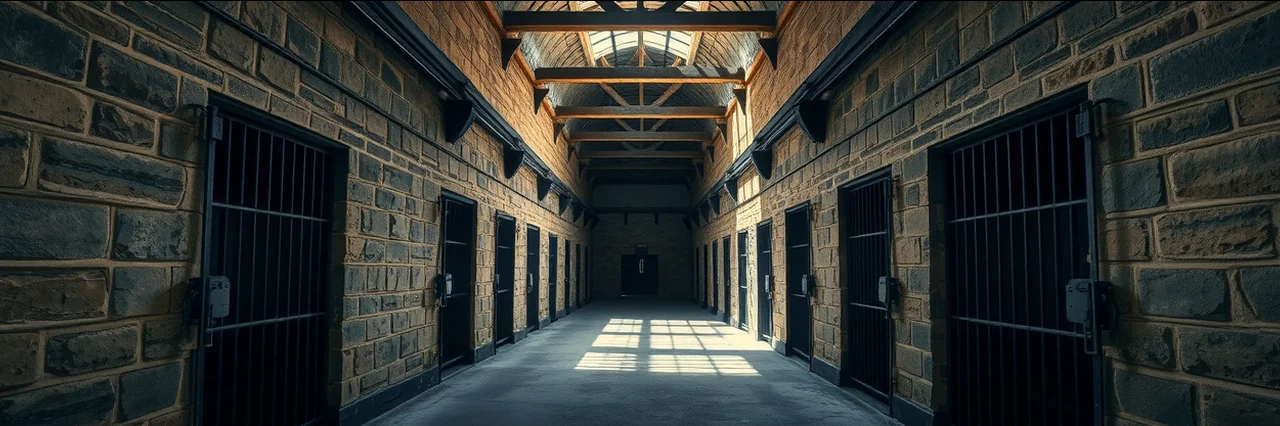
Taking a historic prison tour is more than satisfying morbid curiosity; it’s a window into a time when even the desert landscape seemed to conspire against freedom. Allowing us to walk the actual strap iron cells and explore solitary chambers, these immersive experiences shed light on the daily lives of prisoners and the staff who kept order within the ruthless, remote boundaries of the Yuma Territorial Prison. To understand why such places have left an indelible mark on American history, one must look beyond the myths and discover the real stories of those who passed through its gates. Reading further will unveil why a historic prison tour offers an education unavailable in any textbook—and why it’s an experience anyone curious about the past shouldn’t miss.
Inside the Walls: How Historic Prison Tours Reveal Untold Stories and Forgotten Lessons
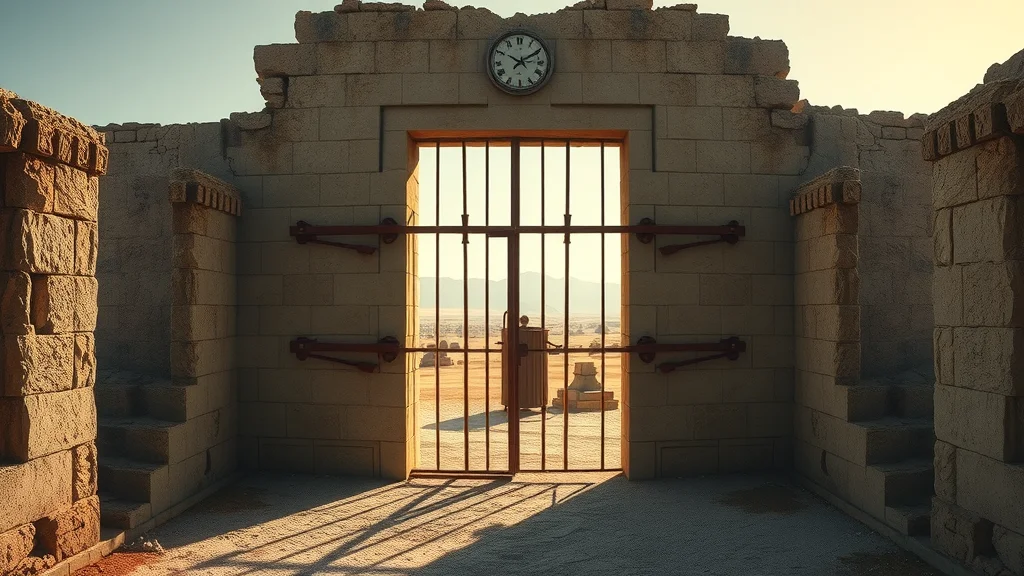
A historic prison tour is more than a walk through bleak stone corridors—it’s an immersive education in the drama and hardship that defined earlier eras of criminal justice. Visitors to places like Yuma Territorial Prison State Historic Park can literally follow in the footsteps of both infamous outlaws and forgotten inmates, standing where stories of hardship, resilience, and survival unfolded. Having the chance to walk the same paths that outlaws like Pearl Hart traversed is a unique, sometimes haunting, reminder of how harsh conditions, societal norms, and the relentless Arizona sun shaped the lives inside those walls.
But without a meaningful understanding of what took place behind these ancient bars and gates, it’s easy to romanticize or overlook the profound difficulties prisoners and wardens faced. The prison’s real, tactile relics—iron-barred cells, solitary chambers, and crumbling ruins—offer a tangible reminder that history isn’t just names and dates in a book. With each cellblock and solitary chamber explored, guests are challenged to question their own assumptions about crime, punishment, and justice. Missing out on such a tour means missing firsthand lessons about society’s past choices and the human stories that shaped them—stories that, if left untold, risk being lost forever.
Unlocking the Past: Why a Historic Prison Tour Offers Unmatched Insight and Perspective
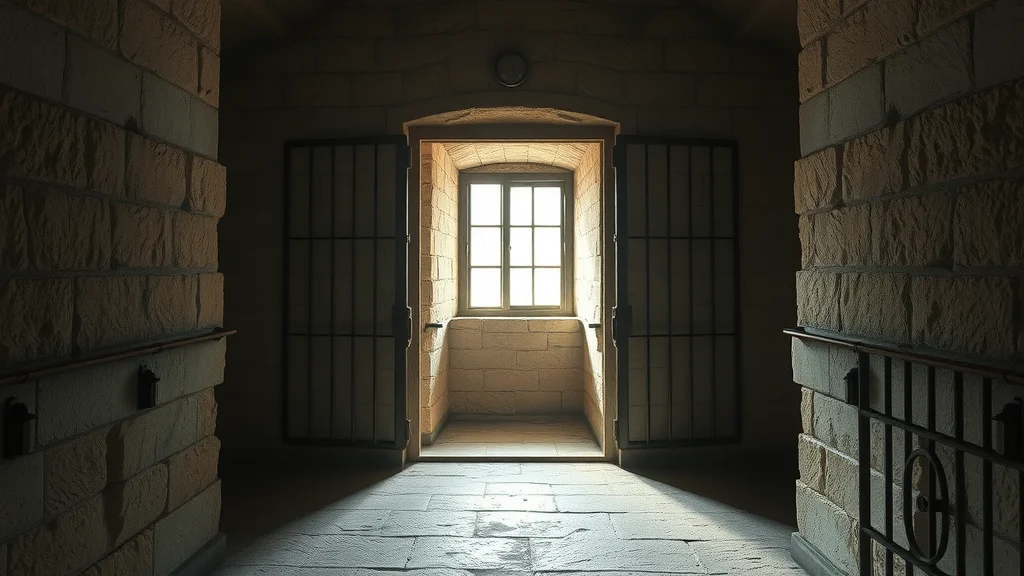
Through its powerful preservation of original cellblocks and its museum brimming with authentic details, Yuma Territorial Prison State Historic Park serves as an expert resource for anyone seeking more than just a quick photo opportunity. The park enables visitors to explore not just the ruins on a bluff beside the Colorado River, but also the lives of the people who built, maintained, and were confined in the facility from 1876 onward. As construction began on that fateful April day in 1876—often with inmates building their own cells—the foundations for unique social and architectural history were literally set in stone.
A historic prison tour at a site like this is an opportunity to see “living history” in action. Visitors learn how overcrowding, challenging weather, and shifting ideas about rehabilitation versus punishment shaped the course of the prison’s 33-year history. Whether you’re a student of history or simply looking for a thought-provoking way to spend an afternoon, the insights offered by the park can fundamentally change how you think about justice, adversity, and what survival meant in the stark Arizona desert.
Tracing the Footsteps of Outlaws: The Enduring Appeal of Original Prison Grounds
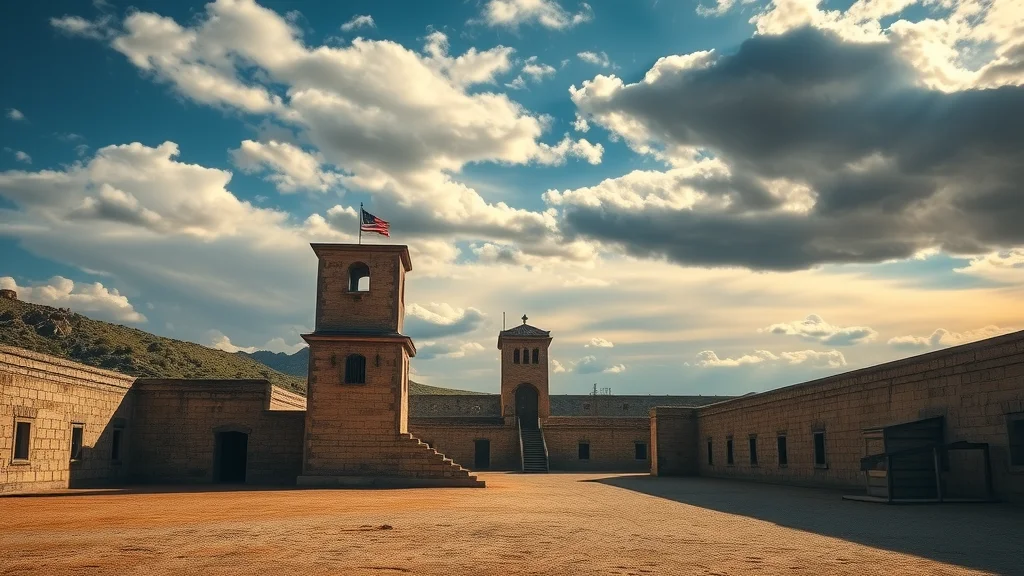
What makes a visit to historic prisons like Yuma especially compelling is the chance to literally step into the spaces where history’s larger-than-life characters lived—and sometimes plotted their escapes. The preserved strap iron cells, solitary chamber, and open yards provide a firsthand glimpse into the lives of both the infamous, such as stagecoach robber Pearl Hart, and the nameless many whose stories remain etched into the stone and steel. Tours move beyond dry exhibits by breathing new life into cellblocks and corridors that have stood for nearly 150 years.
Wandering these grounds offers more than historical facts: it creates a visceral connection. Every shadowed hallway and weathered gate becomes part of the visitor’s own narrative. For those eager to get a true sense of the past, few journeys are as impactful as standing within the very walls where hope, desperation, fear, and perseverance once collided under the relentless desert sun.
A Living Museum: How Events and Displays Deepen the Experience
Historic prison tours at Yuma aren’t static—they’re brought to life through creative public programming and interactive displays. Seasonal events like the Prison to Prison Beer Run infuse the site with energy, encouraging guests to experience the landscape in new and engaging ways. Meanwhile, events such as Halloween in Prison – Cell Block Lock-In challenge visitors to solve riddles and decode clues, blending education with adventure and fostering deeper connections with the stories within these walls.
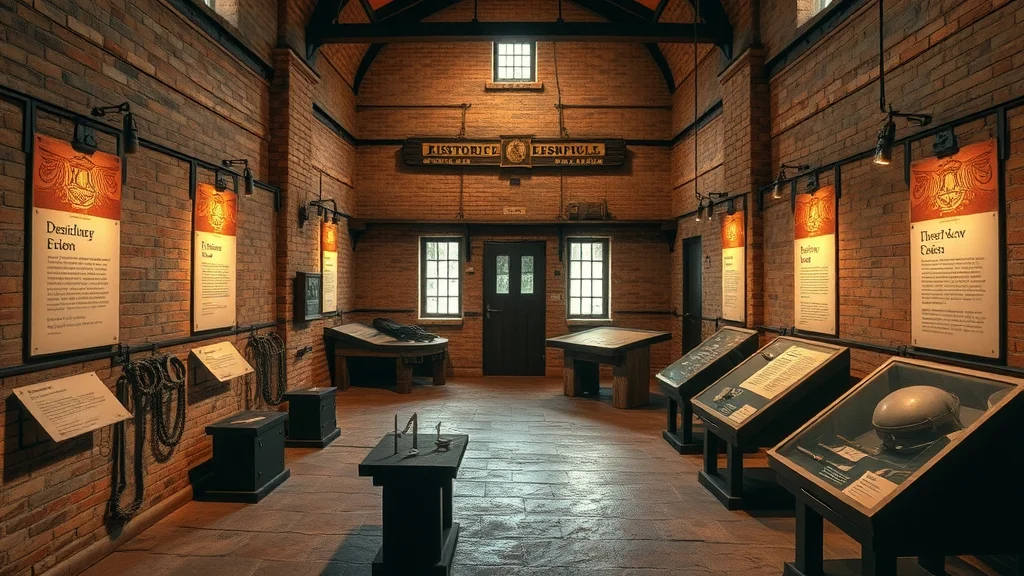
Inside the museum, a wealth of original artifacts and interpretive materials offer layers of context and discovery, helping guests understand not just what happened, but why it matters today. Having both active living history events and robust educational opportunities ensures that every visit, whether fueled by curiosity, scholarship, or fun, delivers meaningful insights into Arizona’s frontier past.
From Ruins to Reflection: Why Exploring Historic Prisons Matters Today
Preserved sites like Yuma Territorial Prison go far beyond simple sightseeing; they invite reflection on how society’s approach to justice and punishment has evolved—and where it still has room to change. By seeing the physical spaces that confined and challenged thousands, visitors are reminded that justice systems are shaped by real people, with all their complexities and struggles. The stark reality of solitary chambers, the ingenuity required to survive in such conditions, and the challenges posed by the relentless elements all speak to universal themes of resilience and hope.
Understanding this history helps generations learn from the past and instill a sense of responsibility for crafting more humane systems in the future. It’s not just the buildings, but the stories within them, that urge us to consider how we judge, rehabilitate, and sometimes remember those who lived on the margins of society.
Yuma Territorial Prison’s Unique Perspective: Honoring Every Story Behind the Bars
Drawing on its legacy as Arizona Territory’s first prison, Yuma Territorial Prison State Historic Park approaches its preservation and education with deep respect for accuracy and inclusivity. The park is committed to helping visitors step directly into the shoes of those who built, guarded, and were confined within its formidable walls. This commitment is seen in its hands-on educational programming, thoughtful displays, and willingness to share not just notable names but also lesser-known stories of resilience and hardship.
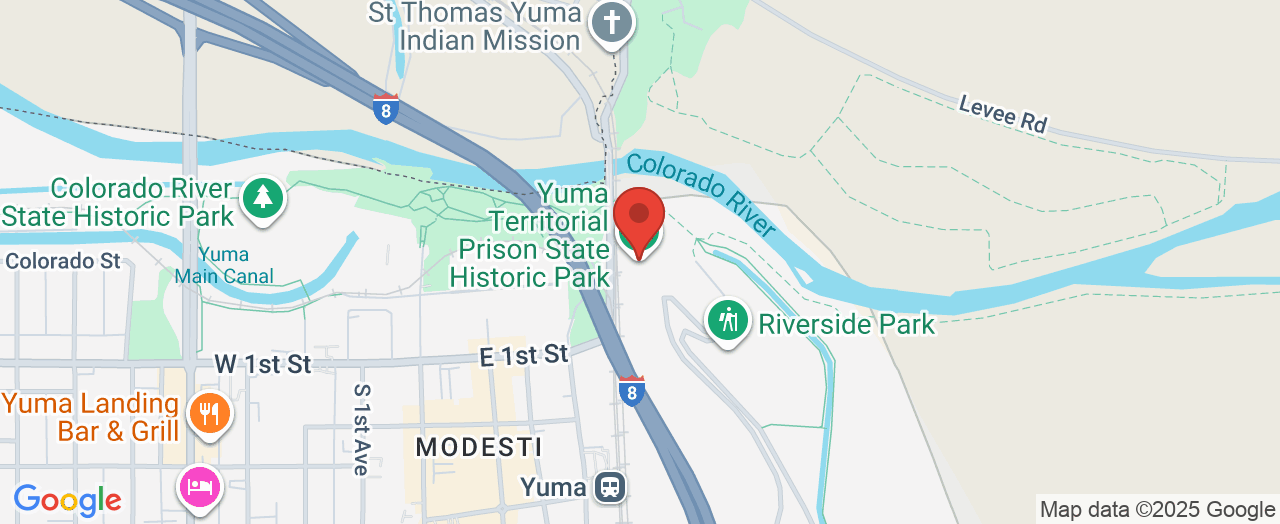
Sitting high above the confluence of the Colorado and historic Gila Rivers, Yuma Territorial Prison is more than architectural ruins—it’s a living classroom. Here, history isn’t polished or sanitized; it’s presented honestly, with opportunities to explore both the notorious and the nuanced. By inviting guests to reflect on past injustice, ingenuity, and change, the park offers a rare and compelling perspective on what it really means to walk “inside history.”
Walking in the Footsteps of History: One Visitor’s Unforgettable Experience
Visitors to the Yuma Territorial Prison frequently comment on how much they learn and how immersive the experience is, even for those who come just out of curiosity. One guest’s recent visit captures the sense of discovery and engagement found on a historic prison tour:
I loved the history here! I spent almost two hours here and I would have stayed longer if it wasn't for the heat! There's so much to read and interact with as you learn about this historical place. Mike, the staff member inside the museum, was great to talk to and knowledgeable. I was able to comfortably geek-out on the history and enjoy myself. Highly recommend
For many, stepping through prison gates and into cellblocks opens up a new appreciation for stories often lost to time. With every corridor explored and every exhibit studied, visitors leave not only entertained, but inspired—and reminded that understanding our shared history can deepen empathy and curiosity for the world around us.
What a Historic Prison Tour Teaches About the Past—and About Ourselves
As interest grows in heritage travel and “living history” experiences, historic prison tours are rising in popularity for good reason. They provide a unique, thought-provoking look at complex stories from America’s past, making history accessible and relevant to today’s audiences. Yuma Territorial Prison State Historic Park stands as a powerful example of how preserving and sharing such spaces can make lasting impacts. Its careful curation and innovative programming ensure every visitor leaves with more than just snapshots—they leave with crucial insights.
For anyone eager to discover hidden stories, understand enduring lessons, or simply experience the awe of walking through authentic ruins, a historic prison tour delivers. The stories uncovered within those weathered walls remind us that, in seeking the past, we often find a new perspective on the present—and on ourselves.
Contact the Experts at Yuma Territorial Prison State Historic Park
If you’d like to learn more about how a historic prison tour could inspire your next educational adventure, contact the team at Yuma Territorial Prison State Historic Park.
📍 Address: 220 Prison Hill Rd, Yuma, AZ 85364, USA
📞 Phone: +1 928-783-4771
🌐 Website: https://azstateparks.com/yuma-territorial/
Yuma Territorial Prison State Historic Park Location and Hours
🕒 Hours of Operation:
📅 Monday: 9:00 AM – 4:30 PM
📅 Tuesday: 9:00 AM – 4:30 PM
📅 Wednesday: 9:00 AM – 4:30 PM
📅 Thursday: 9:00 AM – 4:30 PM
📅 Friday: 9:00 AM – 4:30 PM
📅 Saturday: 9:00 AM – 4:30 PM
📅 Sunday: 9:00 AM – 4:30 PM




Write A Comment