
Add Row
Add Element
RV Otter
update

Ride With RV Otter

update
Add Element
  • Home
  • Categories
    • Destinations & Routes
    • Campground Reviews
    • RV Tips & Lifestyle
    • Gear & Essentials
    • On-the-Road Living
    • Traveling with Pets
    • Stories & Adventures
    • RVing on a Budget
    • Boondocking
    • Campground Reviews
    • RV Lifestyle News
    • National Parks
    • State Parks
    • Extra News
    • Central Oregon Coast
    • National Forest
    • Shopping
    • Rentals
    • RV Resorts
    • Business Directory
    • RV Sales & Rentals
    • Destinations
    • Campgrounds & Stays
    • Gear & Rentals
    • RV News & Resources
    • RV Dealerships
    • Destinations 2
  • Businesses
  • Wildlife Refuges
Add Element
  • update
  • update
  • update
  • update
  • update
  • update
  • update
December 17.2025
1 Minute Read

Discover the Hidden Charm of Lakeside Cabins Today

Rustic lakeside cabins under snowy mountains by serene blue lake, lakeside cabins

Roper Lake State Park

📍 Address: Roper Lake State Park, Arizona 85546, USA

📞 Phone: (928) 428-6760

★★★★★
Rating: 4.4

The Unmatched Tranquility of Lakeside Retreats: Why Cabins Nestled by Water Matter More Than Ever

Imagine waking up to the soft splash of gentle waves lapping at the shore, a cool breeze rising off the water, and a landscape painted in calm, natural beauty. In recent years, lakeside cabins have soared in popularity as people seek an experience that goes beyond the everyday hustle—an environment where noise recedes, and the rhythm of nature becomes your clock. For both families and solo travelers, the need for genuine disconnection from fast-paced routines has made these humble cabins a desirable escape. The appeal isn't just in the view; it's in the slow, intentional pace of living that a lakeside cabin inspires, bringing with it opportunities for both adventure and profound relaxation.

As city life grows more demanding, the chance to unwind in a space that combines coziness with the wild, unspoiled outdoors becomes invaluable. Lakeside cabins provide a blend of rustic simplicity and natural luxury—moments spent fishing at dawn, sipping coffee with birdsong as your soundtrack, or sharing stories around a campfire under the stars. The lakeside experience offers more than just a change of scenery; it can fundamentally shift your perspective, reminding you of the power of nature to rejuvenate mind and spirit. Understanding what draws countless visitors to these quiet corners of the world sets the stage for exploring the practicalities, benefits, and unique memories found within lakeside cabins.
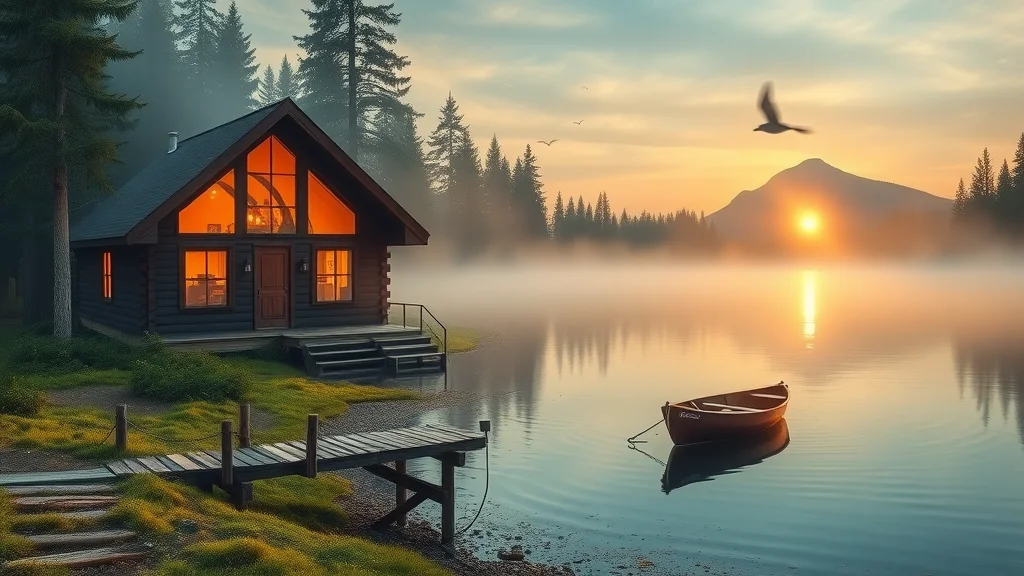
Cozy lakeside cabin at sunrise surrounded by forest and calm water

What Makes Lakeside Cabins a Must-Know Escape for Nature Lovers and Adventurers?

Lakeside cabins represent far more than a place to lay your head—they are the gateway to immersive experiences you can't find in the city or suburbs. Unlike typical vacation rentals, cabins on the lake often offer direct access to water activities, scenic trails, and engagement with local wildlife, anchoring you in the very heart of a natural ecosystem. Whether you’re a fishing enthusiast, an avid hiker, or a family looking for a screen-free getaway, the appeal is universal. The natural setting provides endless opportunities for exploration, mindfulness, and making memories that outlast any material souvenir.

Not understanding the ins and outs of lakeside cabin stays could mean missing out on an opportunity to completely recharge. The lack of connectivity or amenities some might expect from a standard hotel is actually where these cabins shine: they force you to slow down, to notice the details, to embrace simplicity. However, those unfamiliar with this kind of retreat might find themselves unprepared for cooler nights, less structured schedules, or the deliberate quiet that is unfamiliar to urban sensibilities. Yet, for those ready to experience it, the rewards are immense, and the stories collected from lakeside cabins become cornerstones of personal adventure and growth.
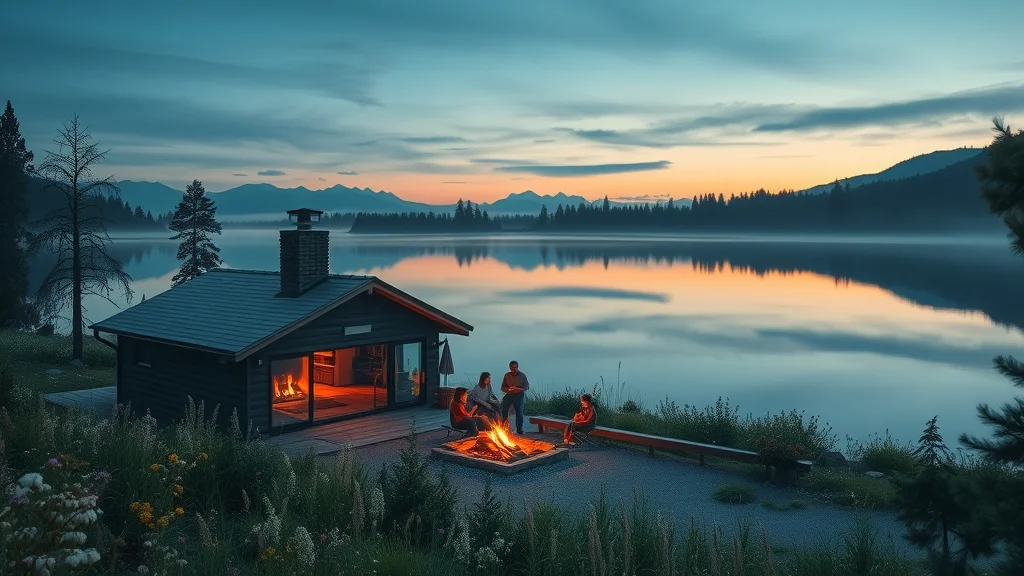
Family by lakeside cabin at dusk with mountains and serene water view

Why Choosing a Lakeside Cabin Can Change the Way You Experience Nature

Roper Lake State Park’s location offers an expert’s take on making the most of lakeside cabins, not through flash or luxury, but through a seamless intertwining with nature itself. Cabins nestled beside the water offer benefits that extend well beyond just a place to sleep—think instant access to hiking trails that snake through pristine landscapes, the freedom to fish or paddleboat before breakfast, and the delight of campfire evenings marked by the songs of birds and the distant call of lake life. These experiences forge a connection with the outdoors that can be transformative, reminding guests of the restorative power that nature’s rhythms can provide.

The advantages of lakeside cabins are both tangible and subtle. From the immediate sense of serenity that washes over you upon arrival to the practical comfort of cozy beds, clean facilities, and opportunities for solitary reflection, every aspect of a lakeside stay is built for comfort and renewal. Unlike crowded resorts or city hotels, lake cabins emphasize leisure, curiosity, and the kind of stillness where meaningful conversations flow and stress melts away. With well-maintained campsites, clean bathrooms, and knowledgeable staff, the environment supports both adventure and ease—an ideal blend for travelers in need of both stimulation and rest.
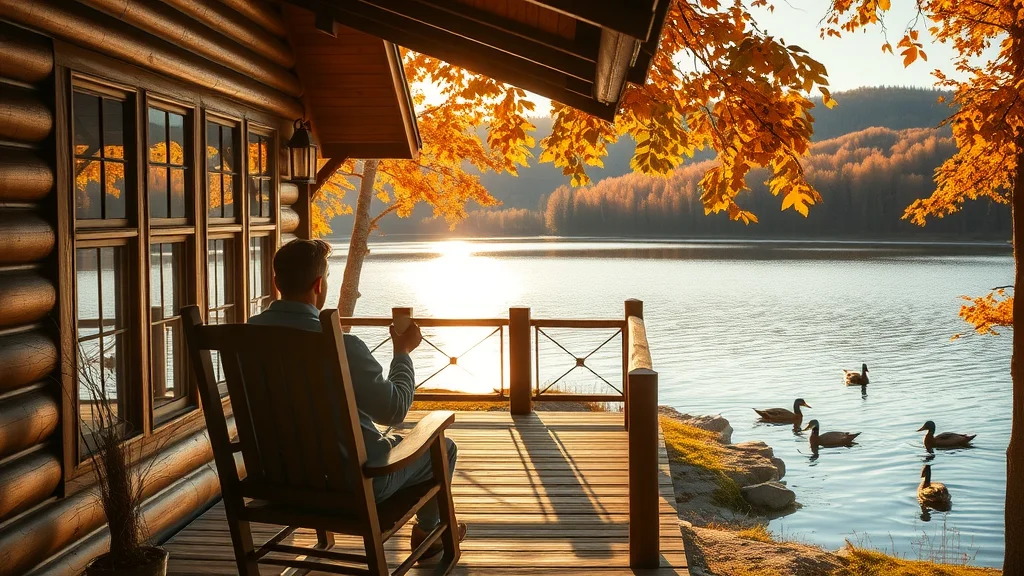
Lakeside cabin in autumn, traveler relaxes with coffee by colorful foliage

The Historical Roots of Lakeside Living: From Necessity to Modern Retreat

The allure of living near water stretches back centuries—early settlers, indigenous peoples, and modern travelers have all gravitated toward lakeside spaces for sustenance, transport, and peace. Cabin living emerged first from necessity, providing shelter for fishermen, trappers, and explorers. Over time, these simple lodgings transformed into favorite escapes for those seeking relief from summer's heat and a return to simpler living. In contemporary times, with busy lives and urban sprawl reigning supreme, the resurgence of lakeside cabins as valued vacation destinations is a nod to humanity’s timeless desire to inhabit spaces shaped by water, sky, and silence.

Today, places like Roper Lake State Park channel the tradition of lakeside living by creating destinations where historical appreciation and modern comfort intersect. Rustic cabins built with contemporary touchpoints blend the durability of the past with amenities designed for a new generation of travelers. Guests can sense echoes of history in the trails, the architecture, and the deeply rooted practices of stewardship that ensure these lakeside havens remain pristine for all who seek them.

Practical Tips for Making the Most of Your Lakeside Cabin Experience

Planning a trip to a lakeside cabin means thinking a bit differently about comfort, time, and expectations. Unlike standard vacations, lakeside getaways are unique because the best activities often come without screens or schedules: early morning walks, fishing just steps from your door, and spontaneous explorations are the highlights. Packing layers is key, as temperatures near lakes can change quickly, especially from day to night. Essentials like sturdy shoes, sunblock, and insect repellent go a long way. For those planning to hike, trails may range from easy strolls around the lake to more challenging ascents nearby—so understanding terrain in advance can maximize both fun and safety.
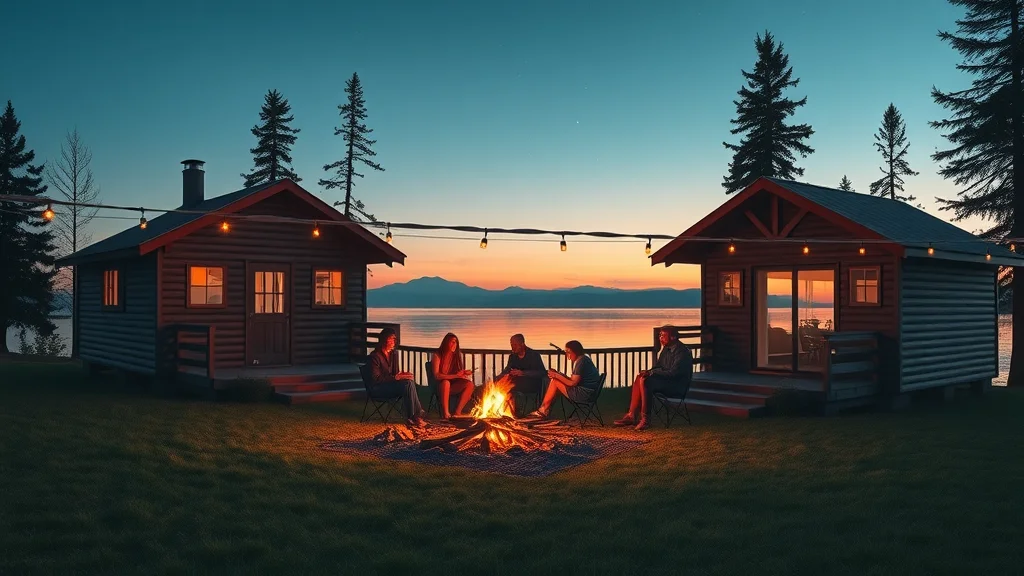
Friends enjoying campfire near lakeside cabins under twilight starry sky

Since many lakeside parks, including Roper Lake State Park, are in high demand, especially on weekends, booking in advance is wise. Consider bringing binoculars for birdwatching or a journal to capture reflections inspired by the quiet beauty around you. With amenities like clean showers and sites designed for comfort, much of the worry is taken out of rustic cabin life—leaving you free to embrace the spirit of the outdoors and truly relax.

What Sets the Roper Lake State Park Approach Apart: A Blend of Preservation and Practical Comfort

Roper Lake State Park’s philosophy is centered on providing genuine engagement with nature while making the little comforts count. Facilities are kept scrupulously clean by dedicated maintenance teams, ensuring that the rustic charm of cabin life comes with modern conveniences such as pristine restrooms and thoughtfully situated picnic sites. Every part of the guest experience—from the arrangement of covered picnic tables designed to beat the Arizona heat, to the inclusion of hot-water showers—reflects a respectful balance between simplicity and hospitality.

The Park’s unique approach extends beyond infrastructure, fostering a culture of stewardship and accessibility. Trails carved through beautiful terrain start right from the doorstep of the cabins, encouraging both casual and more intrepid explorers to connect with the local environment at their own pace. Accessibility to amenities, clear communication about what guests can expect, and genuine care for visitor satisfaction all point to a mission focused on making nature not just available, but inviting and achievable for everyone.

Real Experiences: A Guest’s View on Lakeside Serenity and Convenience

For anyone considering a lakeside retreat, the best insights often come from those who have walked the trails, relaxed on the shores, and spent nights under the stars. Consider the experience of one recent guest who found the natural beauty and practical benefits of Roper Lake State Park’s cabins worth sharing. The review below reflects the dual promise of serenity and convenience that consistently draws visitors back:

RV sites and trails real nice and pristine. Maintenance crews work hard here. Bathrooms cleanest I have seen. Sites with covered picnic tables is a cudos here as the heat here is running 104-106°F in mid June. New dump stations accommodate 2 RVs at same time. Nice gift shop. Close to town for needed items. Nice location to MT Graham where it's cooler at 9000ft elevation. Trails are all hard except one moderate rated trail. Road to Mt Graham paved except last 12 miles to campground. Observatory requires reservations 10 days in advance for the tour. Frye Mesa Reservoir nice but no waterfall during drought. Also it's not for the faint of heart or someone with back problems as it requires a 4 wheel drive and high clearance or motorcycle. Very steep and narrow when climbing. Passing vehicles are challenging with narrow road and few pull offs.

This reflection highlights what makes lake cabin stays so memorable: attentive facilities management, accessibility to adventure, and the kind of support that transforms challenges into cherished stories. For any traveler seeking not just a getaway, but a place that honors both nature and comfort, lakeside cabins offer the perfect blend of discovery and relaxation.

Are Lakeside Cabins the Ultimate Combination of Escape and Connection?

In a world filled with distractions and fast-paced routines, reconnecting with the basics—still water, open skies, quiet mornings—remains a powerful antidote to burnout. Lakeside cabins offer more than scenic beauty; they are a bridge back to yourself, your loved ones, and the environment. With expert attention to detail and a dedication to making natural beauty accessible, places like Roper Lake State Park demonstrate that you don’t have to sacrifice comfort to find adventure or give up adventure to savor comfort. Choosing a lakeside cabin is a choice to rediscover the art of presence, making each getaway an investment in well-being and lasting memories.

Contact the Experts at Roper Lake State Park

If you’d like to learn more about how lakeside cabins could benefit your next escape, contact the team at Roper Lake State Park.
📍 Address: Roper Lake State Park, Arizona 85546, USA
📞 Phone: (928) 428-6760
🌐 Website:

Roper Lake State Park Location and Availability


🕒 Hours of Operation: Please contact Roper Lake State Park directly for their detailed hours of operation.
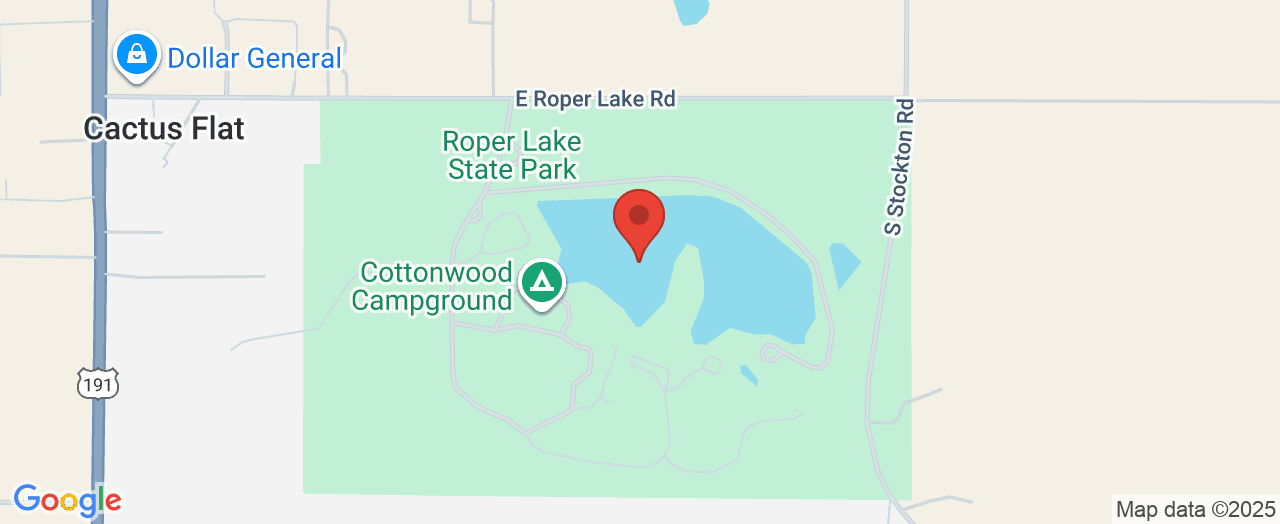
Location Map
State Parks

0 Comments

Write A Comment

*
*
Related Posts All Posts

Discover Why Riordan Mansion Tours Will Amaze You

Riordan Mansion State Historic Park 📍 Address: 409 W Riordan Rd, Flagstaff, AZ 86001, USA 📞 Phone: +1 928-779-4395 🌐 Website: https://azstateparks.com/riordan-mansion/ ★★★★★ Rating: 4.7 Unlocking Arizona History: Why Riordan Mansion Tours Are UnmissableImagine stepping through a doorway and finding yourself surrounded by over a century of stories—each room a testament to ingenuity and local legacy, each corner echoing with the footsteps of pioneers. That’s the reality of a visit to Riordan Mansion, a striking example of Arts and Crafts architecture preserved in the heart of Flagstaff. In an age where digital distractions abound and history often feels distant, the chance to experience 40 rooms and 13,000 square feet of living history in one of Arizona’s best-preserved mansions cuts through the noise.Riordan Mansion tours offer more than just a walk through an old house—they provide a window into the lives of the families who helped shape the region, the evolution of design, and the challenges of frontier living. For students, families, and travelers alike, exploring historic homes bridges the gap between textbook knowledge and tangible experience. In every guided or self-led tour, the opportunity to see glorious Craftsman furnishings, volcanic stone arches, and the very spaces where pivotal community decisions were made, creates a vivid connection to place and time. For anyone curious about Arizona’s roots, this immersive experience refines how we see the present by enriching our perspective on the past.An Architectural Masterpiece: What Makes Riordan Mansion Tours Stand OutThe term “Arts and Crafts style architecture” isn’t just an aesthetic label; it denotes a movement committed to craftsmanship, the use of natural materials, and a harmonious relationship with the surrounding environment. The Riordan Mansion, constructed in 1904 for two distinguished families, is a prime example of this philosophy in action. Unlike other historic homes, the mansion’s design—by Charles Whittlesey, celebrated architect of the Grand Canyon’s El Tovar Hotel—deliberately blurs the line between rustic and refined. Its log-slab siding, volcanic stone arches, and hand-split wooden shingles draw admiration not only from design enthusiasts but from anyone drawn to the region’s landscape.But tours of Riordan Mansion do much more than spotlight architectural details. They chart the journey of two pioneering families entwined with Flagstaff’s early lumber industry and community development. Here, guided tours meticulously peel back layers of history, revealing how the Riordans’ influence extended from their home’s doorstep to the future of Arizona—touching on everything from the introduction of electricity to the birth of community spaces like Thorpe Park. Failing to understand or engage with stories like these isn’t just a missed educational opportunity; it risks losing a vital narrative thread that shapes our understanding of how places grow and prosper.Why Riordan Mansion Tours Inspire Curiosity and ConnectionFor visitors searching for meaningful experiences in Flagstaff, Riordan Mansion tours deliver in ways that static museum exhibits rarely accomplish. By joining a guided group or exploring the mansion’s exterior on a self-guided walk, history transforms from something distant into something personal and immediate. Interactive storytelling—ranging from detailed architectural explanations to spirited seasonal events like Halloween tours—turns the mansion into a vibrant stage where regional history is relived and reimagined.The practical benefits of these tours stretch beyond enrichment. Affordable admission ($18 for adults, $12 for youth, free for young children) ensures that families, students, and travelers can access the awe-inspiring interiors and educational programs without breaking the bank. Specialized tours, such as the Historic Milton Walking Tour or Stickley Room by Room event, broaden the learning scope beyond the mansion itself, anchoring its significance within the larger context of Flagstaff and Arizona’s heritage. Through exhibits featuring rare Edison, Stickley, and Steinway pieces—each steeped in turn-of-the-century history—participants not only see, but feel, the era’s innovations and daily rhythms. The end result is a richer, more nuanced appreciation for the region’s cultural inheritance.Riordan Mansion Tour Experiences: From Historic Lectures to Seasonal StoriesOne of the standout aspects of Riordan Mansion tours is their commitment to ongoing education and engagement. Regular programs like the Lunchtime Lecture series delve into subjects as varied as the origin of Flagstaff’s Thorpe Park or the pioneers who shaped its neighborhoods. These lectures, nestled within the mansion’s carefully preserved setting, create a unique learning environment in which guests are encouraged to ask questions and connect the mansion’s past to today’s community.Seasonal events infuse the tour schedule with variety and excitement. The annual Halloween storytelling tours weave tales both fantastic and factual, matching the atmospheric beauty of the mansion’s grandeur with local legends and mysteries. Other specialized experiences, such as tours focused on renowned furniture maker Gustav Stickley, highlight the deep ties between the Arts and Crafts movement and early 20th-century domestic life in Arizona. Each event ensures that every visit is a fresh opportunity to discover something new, supporting both return guests and first-time explorers.Immersion and Interactivity: What Sets These Tours ApartBeyond the daily tours offered at the top of each hour, Riordan Mansion invites guests to go deeper with options for self-guided exploration. The visitor center provides detailed handouts and digital resources via QR codes, enabling individuals to learn at their own pace while enjoying the mansion grounds or picnic area. The inclusion of a Junior Ranger packet makes the experience especially accessible for families, offering younger visitors hands-on activities that bring history to life.In an era where museum fatigue can set in quickly, Riordan Mansion distinguishes itself by offering diverse modes of engagement—guided, self-led, educational, and thematic. Tour reservations are flexible and can be made by phone, online, or even on the same day, ensuring convenience for travelers with changing schedules. Whether peering at a Steinway piano, tracing the journey of the local lumber industry, or imagining the hustle of frontier servants' quarters, visitors leave with a sense of having stepped into another world—one that continues to inform Flagstaff’s spirit.Riordan Mansion’s Approach: Preservation Through Participation and EducationThe enduring mission behind Riordan Mansion State Historic Park is clear: to safeguard and share an Arizona treasure. By maintaining the mansion as both a museum and a community gathering space, the site fosters a living connection between Flagstaff’s past and present. The preservation philosophy underlines the importance of contextual storytelling, not simply displaying artifacts but demonstrating the web of industry, innovation, and family that wove the area’s social fabric. Through carefully curated tours and programs, visitors are encouraged to become participants in history rather than passive observers.This commitment extends into every aspect of guest experience—from the friendly, knowledgeable staff to the diverse program calendar packed with talks, events, and seasonal tours. By focusing on accessibility and education, the mansion demonstrates its belief that everyone should have the chance to learn from Arizona’s remarkable architectural and community heritage. Whether a visitor arrives for curiosity, research, or leisure, the invitation is to discover not just a building, but an enduring chapter in American history. This approach cements Riordan Mansion as an authority and essential resource for anyone seeking a deeper understanding of the region.Real Voices: Guests Find Meaning in Riordan Mansion ToursTravelers and locals alike speak to the impact of their time at Riordan Mansion. For one group of friends, what started as a spontaneous stop during a weekend getaway turned into the standout moment of their trip, thanks to the rich history and genuine hospitality on display. As Shannon, a recent guest, recalls: We visited the Riordan Mansion during a girls’ weekend getaway to Flagstaff, and it ended up being one of the highlights of our trip. The home itself is beautiful and so well preserved, but what really made it special was the deep history connected to the Riordan family and Flagstaff itself. The tour was full of interesting stories – from the family’s role in the logging industry to how they helped bring electricity to Arizona. It was eye-opening to learn how many major parts of Flagstaff’s development are tied back to this one family. If you enjoy history, vintage architecture, or just want to learn more about Arizona’s roots, this is such a worthwhile stop. Such firsthand reflections affirm that participating in Riordan Mansion tours yields more than historical facts; it inspires new perspectives and genuine connections. For those considering a visit, these stories are a strong reminder that meaningful, memorable discoveries are waiting—often in the most unexpected places.Reimagining Flagstaff’s Legacy: The Value of Riordan Mansion ToursIn a changing world, understanding where we come from grounds us in empathy and context—and nowhere is that clearer than with Riordan Mansion tours. Exploring the mansion’s preserved rooms, exceptional collections, and curated programs is more than a nod to nostalgia; it is a practical journey into the innovations and community spirit that made modern Flagstaff possible. The park’s commitment to education, preservation, and continual improvement reinforces its role as a cultural touchstone and credible source of Arizona history.With every guided walk or engaging lecture, Riordan Mansion State Historic Park reaffirms why these tours matter. For anyone eager to experience Arts and Crafts architecture, regional narratives, or simply the enduring value of thoughtful preservation, these tours offer an inviting path to discovery. Riordan Mansion tours don’t just inform—they inspire, challenge, and connect, serving as a reminder that the stories of the past are always present for those willing to listen.Contact the Experts at Riordan Mansion State Historic ParkIf you’d like to learn more about how touring Riordan Mansion could expand your understanding of Arizona’s rich history and architecture, contact the team at Riordan Mansion State Historic Park. 📍 Address: 409 W Riordan Rd, Flagstaff, AZ 86001, USA📞 Phone: +1 928-779-4395🌐 Website: https://azstateparks.com/riordan-mansion/Riordan Mansion State Historic Park Location and Availability🕒 Hours of Operation:📅 Monday: 9:30 AM – 5:00 PM📅 Tuesday: 9:30 AM – 5:00 PM📅 Wednesday: 9:30 AM – 5:00 PM📅 Thursday: 9:30 AM – 5:00 PM📅 Friday: 9:30 AM – 5:00 PM📅 Saturday: 9:30 AM – 5:00 PM📅 Sunday: 9:30 AM – 5:00 PM

Discover the Hidden Gems of Bird Watching Sedona Today

Red Rock State Park 📍 Address: 4050 Red Rock Loop Rd, Sedona, AZ 86336, USA 📞 Phone: +1 928-282-6907 🌐 Website: https://azstateparks.com/red-rock/ ★★★★★ Rating: 4.7 Unveiling Nature’s Best-Kept Secret: The Magic of Bird Watching in SedonaIn a world obsessed with screens and speed, the gentle pursuit of bird watching offers a rare gateway to tranquility and connection with nature. What if, nestled amid the crimson cliffs and verdant meadows of Sedona, you could witness a dazzling array of birdlife thriving in one of the Southwest’s most unique ecological niches? For many, Red Rock’s soaring sandstone formations and pristine riparian habitats are world-famous for their scenic beauty, but the hidden avian wonders—flashes of color in the cottonwoods, melodic calls above the creeks—often go unnoticed, awaiting discovery by those with keen eyes and open hearts.Today, more than ever, bird watching in Sedona has become a beloved local tradition and a sought-after visitor experience. Its popularity isn’t just about ticking rare species off a list, but about reconnecting with the natural rhythms of the land—observing the daily journeys of native and migratory birds as they move through the canyon’s diverse life zones. Understanding the value and practice of bird watching in Sedona not only enhances one’s appreciation for local ecology but invites us to slow down, observe carefully, and become stewards of the fragile habitats that make these encounters possible. This journey through Sedona’s birding opportunities promises new perspectives for nature lovers, families, and even the casual hiker looking for something extraordinary.Why Sedona Stands Apart: A Dynamic Overview of Bird Watching in Red Rock CountryBird watching, or birding, isn’t just an outdoor hobby—it’s a window into the intricate web of life that makes places like Sedona extraordinary. The region's signature combination of red rock cliffs, lush creekside vegetation, and high desert plateaus creates an exceptional mosaic of habitats. This diversity supports a rich assortment of native and migratory birds, offering seasoned birders and first-time enthusiasts the chance to observe everything from vibrant hummingbirds and elusive flycatchers to majestic hawks soaring above the mesas. As you traverse Sedona’s trails, especially those winding through Red Rock State Park, every step is an opportunity to catch sight of new species, each with its own story to tell within the landscape.What sets bird watching in Sedona apart is more than just the variety of birds—it’s the way these encounters illuminate the hidden relationships between climate, geology, vegetation, and wildlife. Missing out on the chance to experience Sedona’s bird walks means missing an education found nowhere else: how riparian habitats along Oak Creek nurture innumerable creatures, or why the region’s distinct life zones support a cascade of seasonal bird migrations. Without understanding these connections, many visitors simply see “pretty scenery” and miss the living, breathing drama unfolding in nests, treetops, and creekbeds. For those who step beyond the trailhead, bird watching becomes not just a pastime, but a means to truly see and understand Sedona.How Guided Bird Walks at Red Rock Illuminate the Wonders of Sedona’s Avian LifeRed Rock State Park provides an expert perspective and resource for anyone eager to deepen their appreciation of Sedona’s vibrant birding scene. Through its expertly guided bird walks held every Wednesday and Saturday morning, park visitors gain hands-on access to the park’s best birding locales while learning from seasoned enthusiasts intimately familiar with the region’s ecology. The experience extends far beyond simply looking for birds—it’s a chance to explore the winding trails, absorb lessons about native plants, and witness the interplay of wildlife along the diverse paths of Oak Creek’s riparian corridor.The benefits of bird watching in Sedona extend to every age and experience level. Beginners find guided walks especially accessible, as expert leaders help identify calls, flight patterns, and subtle behaviors of common and rare species alike. Children, families, and adults alike discover a new sense of wonder as they observe the beauty and diversity of wildlife firsthand—without the pressure of “knowing everything” in advance. Plus, the program’s scheduled walks make it easy to plan a visit and integrate learning into adventure, with recommendations to bring water and stay protected from the sun ensuring everyone enjoys a safe, comfortable outing. Observers leave not only with bird lists and fond memories but also with a sense of stewardship for the habitat that sustains these astonishing creatures.Beyond Binoculars: Why Red Rock’s Habitat Makes Sedona a Haven for Birding All YearWhat draws so many birds—and bird watchers—to Sedona isn’t accidental. Red Rock State Park protects a spectacular diversity of micro-habitats, from sun-drenched meadows to shady groves of manzanita and juniper, and especially the lush banks of Oak Creek. This creek meanders for miles through the preserve, supporting one of Arizona’s richest riparian zones. Such vibrant wetland corridors are rare in the high desert and serve as essential stopover points for migratory species, as well as year-round homes for countless resident birds. Each curve of the creek reveals a different ecological story, making every bird-watching walk a new adventure.For the bird enthusiast, the value of Sedona goes beyond a one-time visit. With over five miles of interconnected trails and regularly scheduled interpretive programs, Red Rock State Park invites repeated exploration across changing seasons. Spring brings nesting songbirds and courtship displays; fall draws colorful migrants; winter, surprisingly, can reveal quiet wonders as waterfowl settle in tranquil pools. The park’s dedication to education ensures every visit is rich with opportunity for learning—about geology, plant life, and the delicate balance that allows birds to thrive in such dramatic surroundings.Connecting Generations: How Bird Watching Teaches Respect and Curiosity for NatureBird watching in Sedona isn’t just for seasoned ornithologists or nature photographers—it’s a multi-generational experience that fosters curiosity, patience, and environmental awareness in children and adults alike. Park programs are designed to be inclusive and educational, gently guiding participants through the basics of bird identification while encouraging questions about habitat, bird behavior, and local history. These shared moments in nature nurture a sense of stewardship, teaching the next generation to value both the wonders they can see and the delicate ecosystems that make wildlife sightings possible.Participating in a guided walk or simply following the park’s well-marked trail system turns each outing into a hands-on lesson in biology, ecology, and even geology—where every bird sighting is a window into a larger interconnected world. Sedona’s approach emphasizes respect for the land: visitors are asked to stay on trails and observe the park’s conservation guidelines, underscoring the importance of protecting bird habitat for the enjoyment and education of future generations.Tips to Enhance Your Bird Watching Experience in Sedona’s Red Rock State ParkTo get the most out of your Sedona bird watching adventure, preparation and awareness are key. Early morning offers the best chance to spot a lively variety of birds active along Oak Creek, especially during scheduled guided walks. Comfortable shoes, sun protection, and plenty of water are essentials—Sedona’s desert climate can be deceptively hot, even in spring and fall. Bringing a field guide, notebook, or camera can enrich the experience, allowing observers to record sightings and memories.While bird watching, patience pays dividends. Sometimes the most rewarding encounters are surprises: a hawk gliding overhead, a flash of blue from a jay in the junipers, or the gentle calls of warblers flitting through creekside willows. Remember, the true joy comes not just from the number of species spotted, but from immersing yourself in the sights, sounds, and scents of one of Arizona’s most beautiful landscapes.An Expert’s View: How Red Rock State Park Champions Conservation and Education Through BirdingRed Rock State Park’s guiding philosophy rests firmly on principles of conservation, education, and community engagement. The park is not merely a recreational destination, but a 286-acre nature preserve and environmental education center focused on protecting the area’s stunning scenery and vital habitats. Its commitment is reflected in everything from the carefully maintained trail system—designed to minimize impact on sensitive areas—to the comprehensive programming that makes learning a part of every visit. By offering daily and weekly guided walks, Red Rock invites participants to see nature through expert eyes and to understand the broader forces shaping Sedona’s ecology.The park’s educational mission extends to its visitor center, which features interpretive exhibits and resources that encourage independent discovery as well as group learning. Events like guided nature, geology, and ethnobotany walks provide multiple entry points for understanding both bird life and the intricate relationships between plants, animals, and cultural history. This dedication to environmental stewardship has established Red Rock State Park as more than just a birding hotspot; it is a model for inspiring responsible enjoyment of the outdoors and for fostering a deep appreciation of Sedona’s natural treasures.Firsthand Encounters: Visitors Celebrate the Wonder of Sedona’s Birding TrailsFor many park visitors, the true magic of bird watching in Sedona isn’t found in guidebooks—it’s captured in the immersive, awe-inspiring moments that unfold along Red Rock’s trails. Enthusiasts and novices alike often remark on the accessible, well-maintained paths and the abundance of wildlife encountered in this tranquil setting. The following review highlights the sense of discovery and appreciation experienced by those who walk these storied trails. The park is very nice and underrated. Tons of nice trails and a nice mini museum inside the visitor center. Bring tons of water or gatorade, as the hot weather plus the hiking trails can make you exhausted. Nice scenery. 100% would recommend to a friend or family to visit. Nice wildlife too. Such genuine experiences speak to the enduring allure of Sedona’s bird watching opportunities. The vivid memories and heartfelt recommendations shared by visitors are a testament to the value of immersing oneself in the natural world, discovering new wonders each time, and sharing them with family and friends. Every person who takes the time to explore Sedona’s birding trails is rewarded with not just a list of species, but with a renewed sense of wonder, gratitude, and connection.Why Bird Watching in Sedona is More Than a Day Trip—It’s a Pathway to Deeper UnderstandingIn a landscape as spectacular as Sedona, bird watching transcends a simple checklist hobby—it becomes a pathway to understanding the vitality of Arizona’s unique ecosystems and the importance of conservation. Through expertly curated programs and a steadfast commitment to education, Red Rock State Park demonstrates what’s possible when environmental stewardship meets public engagement. With the region’s habitats supporting a breathtaking array of birdlife, every visit offers a fresh lesson in ecology, patience, and wonder. Bird watching in Sedona, especially when anchored by the resources and expertise of Red Rock State Park, doesn’t just fill a day with beauty—it lays the foundation for a lifelong appreciation of nature’s intricacies and our shared responsibility to protect them.Contact the Experts at Red Rock State ParkIf you’d like to learn more about how bird watching in Sedona could benefit your understanding and enjoyment of Arizona’s natural world, contact the team at Red Rock State Park. 📍 Address: 4050 Red Rock Loop Rd, Sedona, AZ 86336, USA📞 Phone: +1 928-282-6907🌐 Website: https://azstateparks.com/red-rock/Red Rock State Park Location and Hours🕒 Hours of Operation:📅 Monday: 8:00 AM – 5:00 PM📅 Tuesday: 8:00 AM – 5:00 PM📅 Wednesday: 8:00 AM – 5:00 PM📅 Thursday: 8:00 AM – 5:00 PM📅 Friday: 8:00 AM – 5:00 PM📅 Saturday: 8:00 AM – 5:00 PM📅 Sunday: 8:00 AM – 5:00 PM

Ready for Picacho Peak Hiking? Top Tips to Conquer It Fast

Picacho Peak State Park 📍 Address: 15520 Picacho Peak Rd, Picacho, AZ 85141, USA 📞 Phone: +1 520-466-3183 🌐 Website: https://azstateparks.com/picacho/ ★★★★★ Rating: 4.7 Challenge and Beauty: Why Picacho Peak Hiking is More Than Just Another Desert Trek Rising dramatically above the desert floor, Picacho Peak is an unmistakable sight for travelers passing through southern Arizona. But make no mistake—the allure of this singular formation extends well beyond roadside scenery. Every year, visitors set their sights on the serious challenge of hiking Picacho Peak, drawn by its rugged trails, striking wildflower blooms, and panoramic views that reward the effort. Yet, there’s a critical side to this adventure that deserves just as much attention as the scenery and Instagram-ready summits: preparation and awareness. Embarking on a Picacho Peak hiking trip means much more than a quick jaunt up a hill. The park's trails demand mental focus, physical stamina, and a respect for desert conditions—especially for those aiming for the peak itself. Even experienced hikers have found themselves tested by its steep grades and exposed ridges; those underestimating the climb can quickly find themselves ill-equipped for the ascent. In recent years, visitor programs and guided hikes have aimed to educate and inspire, but the real story begins with understanding what makes Picacho Peak hiking unique, why safety (and smart planning) aren’t optional, and how this ancient landmark has shaped journeys across centuries. If you think hiking Picacho Peak is a walk in the park, read on—a safer, smarter adventure starts with the knowledge you bring to the trail. Picacho Peak Hiking: The Trail, the Challenge, and What Sets It Apart Picacho Peak hiking isn’t just a day outdoors—it’s a test of resolve, offering dramatic elevation gains and technical challenges rare in Arizona’s lower deserts. Marked by its iconic 1,500-foot volcanic peak, the park’s trails wind through rugged Sonoran wilderness, culminating in opportunities for both casual strolls and adrenaline-pumping scrambles. Two of the most popular routes, the Hunter and Sunset Vista trails, embody everything that makes Picacho Peak hiking legendary: narrow ridgelines, hands-on climbing, and cables bolted into the rock to help hikers ascend the steeper faces. These unique infrastructural additions, while lending a sense of adventure, require comfort with heights and a head for careful footwork. What distinguishes hiking here from more typical state park outings is not just the physical rigor—it’s the blend of geology, ecology, and history. The trail traverses a landscape shaped by centuries of volcanic activity, hosts an array of desert flora seen in brilliant springtime displays, and features interpretive markers pointing out the area’s cultural and Civil War significance. It’s not uncommon for guests to encounter reminders to hike wisely: bring extra water, plan for changing weather, and approach the mountain with respect. As challenging as the trail may be, those who underestimate the route or arrive underprepared put themselves at genuine risk of exhaustion or misadventure. Awareness and advance planning are essential tools on this mountain; overlooking them can turn a bucket-list climb into a cautionary tale. How Being Informed and Prepared Transforms Your Picacho Peak Hiking Experience Experts at Picacho Peak State Park emphasize a “hike smart” philosophy that is central to a successful—and enjoyable—day on the mountain. This approach includes straightforward but non-negotiable advice: adequate hydration, appropriate footwear, and self-awareness about personal limits. The steep terrain and technical sections equipped with cables and planks aren’t just novel—they demand good preparation and physical readiness. Hikers who heed these guidelines frequently reach the summit comfortably and are able to truly appreciate sweeping views, vibrant wildflowers in the spring, and the feeling of accomplishment unique to this iconic peak. The park enriches the hiking experience by providing a variety of guided programs and educational events. From ranger-led walks on the Calloway and Sunset Vista trails to the Junior Ranger programs designed for younger adventurers, everyone from beginners to seasoned outdoor enthusiasts finds a space to build their skills and confidence. By choosing guided hikes or attending a safety orientation, visitors gain local insights—such as knowing where to look for local flora and fauna, understanding the history beneath their feet, and learning how to navigate the infamous cable sections. The result is a hike that’s not just physically rewarding, but also deeply informed and personally meaningful. The Evolution of Picacho Peak Trails: From Ancient Landmark to Adventurer’s Rite of Passage For centuries, Picacho Peak has served as a navigational marker, first for indigenous populations and later for Spanish explorers and pioneers. Its name and silhouette became part of travel lore as early as the 1700s with the Anza Expedition, and the surrounding land eventually became integral to the region's Western expansion and statehood. Today, the hiking experience is shaped not just by natural history, but also by years of stewardship and trail design dedicated to both safety and challenge. Rangers carefully maintain a balance between preserving the raw, untamed character of the peak and providing supports—like cables and interpretive signage—to help hikers safely navigate tricky sections. Over time, the trails have evolved to meet changing visitor needs: infrastructure phases in and out with minimal impact to the hiking experience, preserving the sense of wildness that defines the park. As construction projects continue to improve access and facilities, the essence of Picacho Peak hiking endures—a blend of natural wonder, historical resonance, and just enough modern convenience to make it accessible without taming its spirit. Tips for a Safer, Smarter Hike: What Every Picacho Peak Hiker Needs to Know Hiking Picacho Peak comes with specific considerations that directly affect safety and enjoyment. The desert climate can be unforgiving; even in cooler seasons, dehydration and exhaustion loom for the unprepared. That’s why every expert recommendation starts with water—bring more than you think you’ll need, since there's a current water shortage in the park (no filling available). Begin your ascent early to avoid peak sun, plan your descent before sunset, and pack snacks to keep your energy up on longer climbs. Proper footwear is critical due to the rocky and sometimes slick conditions, while gloves can offer better grip on the cable sections. Stay on designated trails and watch out for native wildlife, including snakes and scorpions, which are vital to the desert ecosystem but should be given space. Always check the park's current alerts, such as construction updates or altered facility hours, before heading out. And remember, it’s perfectly acceptable—and sometimes wise—to turn back before the summit if fatigue or conditions become challenging. Success on Picacho Peak is measured in respect for the terrain and for your own limits. Trail Community and Learning: Programs that Make Picacho Peak Accessible for All One of Picacho Peak State Park's strengths lies in its commitment to community and education. Through regularly scheduled guided hikes, educational talks, and themed events like Full Moon Hikes and Bird Walks, the park demystifies hiking for newcomers while enriching the experience for veterans. These programs create a welcoming entry point for families, young children, and visitors who might otherwise hesitate to tackle the peak’s more technical sections. Park rangers and guides emphasize not only ecological and cultural understanding but also practical safety and teamwork on the trail. Special initiatives, such as the Junior Ranger Guided Hike and the Shelter Dog Walking Program, encourage stewardship and a deeper sense of connection with the landscape. Events focused on native flora and geology, or even the area’s role in Civil War history, transform a traditional hike into a living classroom. The result? Hikers leave with a sense of accomplishment not only from reaching the top, but from more fully understanding the complexities—natural, cultural, and personal—that are part of Picacho Peak hiking adventures. Picacho Peak State Park’s Philosophy: Hiking with Respect for Desert, History, and Human Limits At the heart of Picacho Peak State Park’s mission is the belief that access to Arizona’s natural wonders brings lifelong benefits—if pursued thoughtfully and with due care. Every aspect of the park’s management, from volunteer opportunities to infrastructure improvements, is guided by a philosophy of sustainability and stewardship. Visitors are encouraged to see themselves as temporary stewards of a resource that bridges past and future, human endeavor and wild landscape. The park’s informed approach extends to both environmental protection and personal safety. “Hike prepared and know your limits” is a recurring theme in trail descriptions and ranger talks, underlining that reaching the summit is only one measure of success. Attention to visitor education, diverse programming, and easy-to-access resources fosters a sense of inclusivity. Whether attending a history walk, joining a Junior Ranger day, or simply taking in the view from a picnic area, everyone is invited to find their own connection to the mountain—always with an emphasis on mindfulness and mutual respect. This commitment is evident in the park’s ongoing improvements and its active volunteer network. Even during times of water shortage or construction, the focus remains firmly on providing authentic, safe, and memorable experiences rooted in the park’s history and ecology. Through this lens, Picacho Peak hiking becomes an act of participation in something larger than oneself: a tradition, an education, and a stewardship for generations to come. Voices from the Trail: Real-World Experiences at Picacho Peak The value of firsthand experience cannot be overstated when it comes to considering any outdoor challenge. Reviews from previous hikers paint a vivid picture of what awaits, highlighting both the beauty and the realities of hiking Picacho Peak. One recent visitor shares a candid perspective on the demands and rewards of the climb: A beautiful park. The trail up to the top of the mountain is nice. The hike is a bit difficult. There are ropes, and cables, and planks, and things to help pass some areas. Some people decide to not pass one point that is about 2/3 up. The view from the top is incredible.The Cogburn Ostrich Farm is another nice place to visit, and is right near there. and. DQ across the freeway. —Ron W. This reflection underscores what can be gained by approaching the Picacho Peak trails with both ambition and respect: awe-inspiring views, physical accomplishment, and unexpected discoveries in the surrounding area. Those who challenge themselves thoughtfully and take advantage of the park’s supportive infrastructure and educational programs can look forward to an adventure that lingers long after the trek ends. What Makes Picacho Peak Hiking a Must-Do on Arizona’s Outdoor Adventure Map For hikers seeking a blend of natural drama, challenging climbs, and deep-rooted Arizona history, Picacho Peak delivers an experience that stands alone. The distinctive blend of geological wonders and practical trail features—complete with hands-on climbing sections, guided educational programs, and vigilant stewardship—make every ascent more than an achievement; it’s a rite of passage. Through careful groundwork, visitor education, and community programming, Picacho Peak State Park rises as a beacon for those who value adventure that balances endurance with insight. In this context, Picacho Peak hiking is not only a highlight of Arizona’s recreation scene, but a model for sustainable, inclusive, and fulfilling outdoor experiences. With each visitor who respects the environment, prepares wisely, and learns from those who maintain the park, the story of the peak grows ever richer. For anyone setting out to conquer the climb, the wisdom of prior hikers and the support of dedicated rangers set a standard that ensures the adventure is safe, memorable, and always worth the journey. Contact the Experts at Picacho Peak State Park If you’d like to learn more about how Picacho Peak hiking could benefit your outdoor adventures, contact the team at Picacho Peak State Park. 📍 Address: 15520 Picacho Peak Rd, Picacho, AZ 85141, USA 📞 Phone: +1 520-466-3183 🌐 Website: https://azstateparks.com/picacho/ Picacho Peak State Park Location and Hours 🕒 Hours of Operation:📅 Monday: 5:00 AM – 8:00 PM📅 Tuesday: 5:00 AM – 8:00 PM📅 Wednesday: 5:00 AM – 8:00 PM📅 Thursday: 5:00 AM – 8:00 PM📅 Friday: 5:00 AM – 8:00 PM📅 Saturday: 5:00 AM – 8:00 PM📅 Sunday: 5:00 AM – 8:00 PM

Terms of Service

Privacy Policy

Core Modal Title

Sorry, no results found

You Might Find These Articles Interesting

T
Please Check Your Email
We Will Be Following Up Shortly
*
*
*