



How Nature’s Most Improbable Bridges Inspire Awe and Tell the Earth’s History
Have you ever wondered how a natural stone bridge—large enough to walk across—could form without the help of human hands? Deep in the heart of central Arizona, a marvel of geology and time has created not only a breathtaking vista, but also an enduring puzzle for scientists and visitors alike. The travertine bridge formation is more than just a stunning sight: it's evidence of patient, persistent natural forces at work over thousands of years.
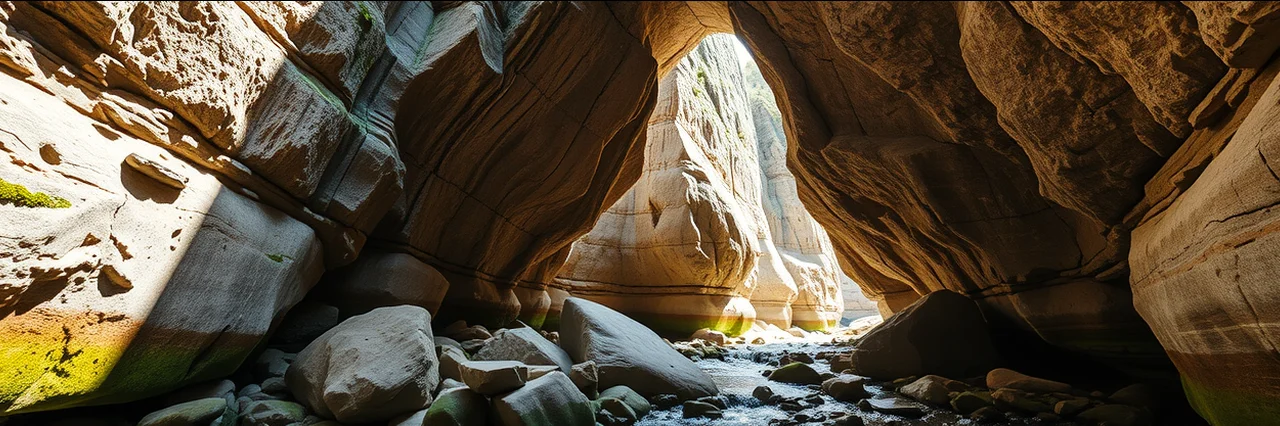
The Tonto Natural Bridge, believed to be the world’s largest natural travertine bridge, rises 183 feet above ground and spans a 400-foot-long tunnel. To stand beneath its arch is to experience the magnitude of geological change and the powerful combination of water, minerals, and time. Yet, for all its beauty, the story behind travertine bridge formation remains the subject of curiosity and wonder. Understanding it provides a window into the Earth’s slow-moving artistry—revealing not just a landform, but a legacy. If you've ever marveled at how landscapes form and evolve, learning about travertine bridges will change how you see the world beneath your feet.
Beneath the Surface: The Intricate Science of Travertine Bridge Formation
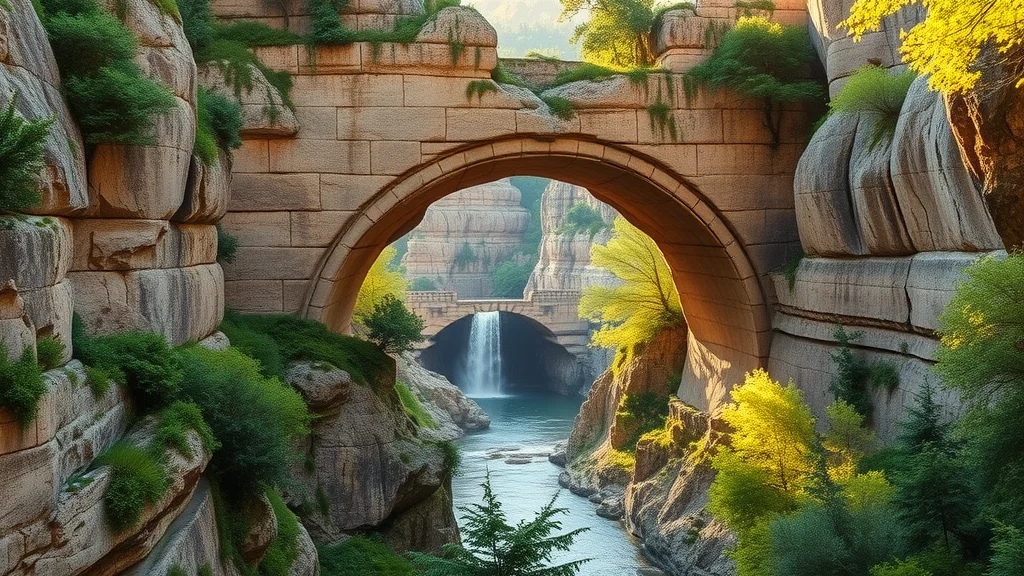
Travertine bridges are not merely rock arches—they are the end result of a multistage process involving water, limestone, minerals, and time. Travertine itself is a variety of limestone, formed by the rapid precipitation of calcium carbonate from mineral-rich waters, often at the mouths of hot springs or in areas with flowing streams over limestone bedrock. In the case of Tonto Natural Bridge, water from Pine Creek played a central role, steadily depositing layers of travertine that, over centuries, began to bridge a canyon. The water’s journey dissolves minerals from the rocks it passes through and deposits them in crystalline layers, gradually constructing the bridge’s solid foundation.
Understanding this process brings to light not only the beauty, but also the fragility of travertine bridges. These structures result only in places where conditions are just right, and any disruption—whether by natural changes or human interference—can alter their delicate balance. Without an appreciation for what makes these bridges possible, we risk undervaluing the rare biomes they support and the insight they offer into geological time. It's not just a spectacle; it's a living classroom written in stone, where the past is preserved in every layer.
Why Unraveling Travertine Bridge Formation Matters for Curiosity, Conservation, and Adventure
Tonto Natural Bridge State Park stands as an expert resource, providing education and stewardship for one of nature's rarest wonders. The park's interpretive exhibits detail the unique process of travertine formation and its historical context, making the site a hub for learning and exploration. By understanding how travertine bridges take shape, visitors gain a deeper appreciation for the slow, patient work of water and minerals—a process that requires both delicate environmental conditions and thousands of years to unfold. This realization invites not just awe, but a lasting respect for fragile natural wonders.
Beyond scientific curiosity, the value of discovering travertine bridge formation is tied to conservation and outdoor recreation. This knowledge can turn a simple hike into a journey through time, and transform casual observation into an act of stewardship. By learning what makes these environments unique, explorers and families become advocates for their preservation, ensuring that future generations can marvel at the interplay of stone, water, and time. Whether you’re an adventurer seeking new terrain or a student of the natural world, understanding travertine bridges changes how you interact with Arizona’s landscapes—and with the wider natural world.
Geological Time Capsules: How Travertine Bridges Record Earth’s Past
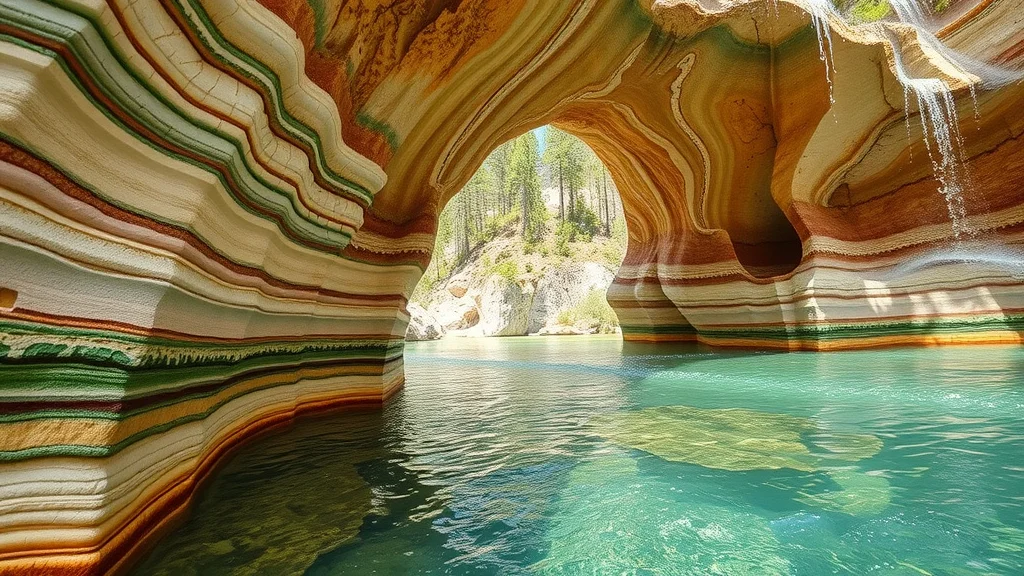
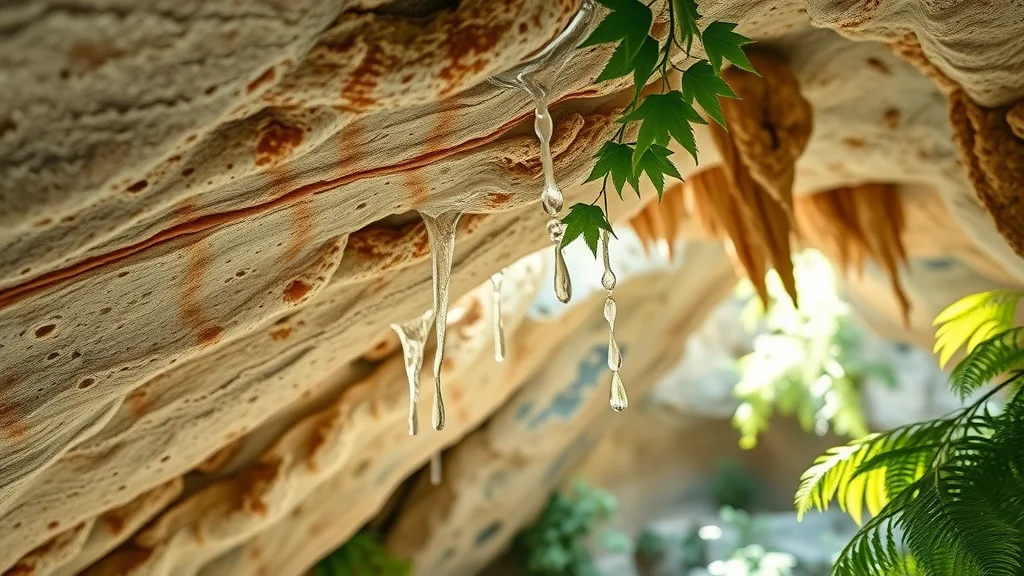
Travertine bridges capture more than scenic grandeur—they act as geological diaries, chronicling environmental conditions across millennia. Each layer represents an era of mineral-laden water flowing over rock, with subtle shifts in color and composition revealing responses to climate changes, volcanic activity, or shifts in local plant life. Tonto Natural Bridge tells its story not just through its size, but through the patterns etched within its tunnel and ceiling—a rich visual archive inviting close study and sparking wonder.
These bridges also preserve traces of prehistoric inhabitants and earlier animal life, with Tonto Natural Bridge State Park's exhibits highlighting ancient artifacts and evidence of human presence. Walk beneath the arch and you’re surrounded by not only the grandeur of the present, but echoes of the past preserved in stone. For scientists and visitors alike, every visit uncovers new layers of meaning and insight, closely tied to the ongoing geological processes that still shape the region today.
Navigating the Landscape: Tips for Trail Explorers and First-Time Visitors
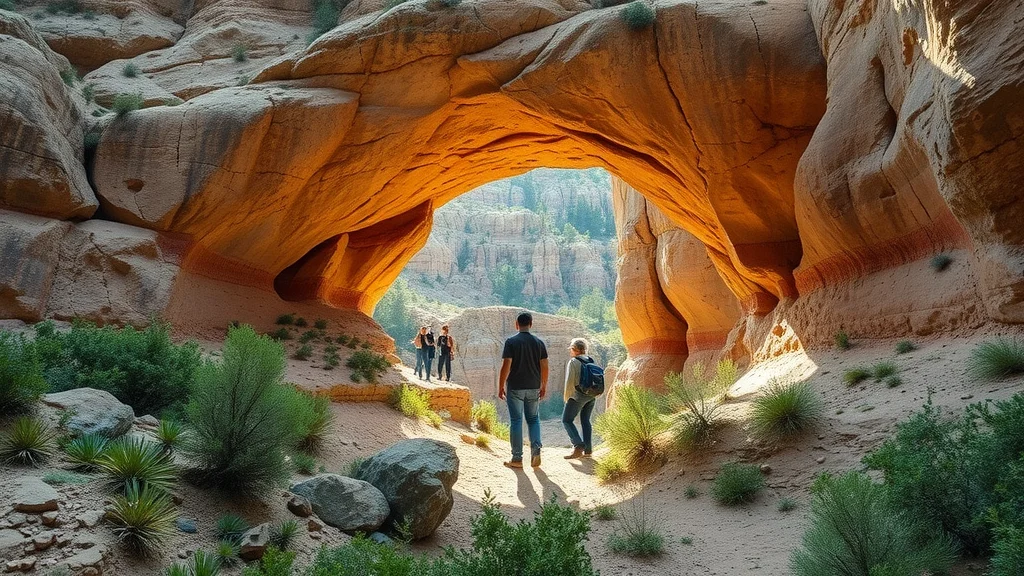
Appreciating travertine bridge formation is best done up-close, and Tonto Natural Bridge State Park offers several steep, strenuous trails—all under a mile, yet each providing a different vantage point on the bridge’s size and complexity. When exploring, a sense of adventure is best paired with preparation: sturdy footwear and plenty of water are essential, as the routes can become slippery and challenging, especially near the arches and waterfall areas. The park’s design encourages visitors to explore in sequence, taking in each viewpoint before venturing beneath the bridge itself.
Trail experiences range from family-friendly walks to more ambitious climbs. Park staff and volunteers lend their expertise, guiding visitors through history and geology alike, and providing context about how the landscape came to be. Taking advantage of interpretive programs or ranger-led tours can make the scientific origins of the bridge come alive—turning a hike into a hands-on geology lesson. As always, respecting trail closures and park hours ensures that the delicate environment remains protected for future explorers.
Nature’s Intersection: How Travertine Bridges Create Biodiversity Hotspots
What sets Tonto Natural Bridge apart isn’t only its architectural beauty, but its unique role as a bridge between biomes. The park is home to some of the most biodiverse terrain in central Arizona, acting as a vital corridor for animals, insects, and plant species. The coexistence of desert and lush green forest, fostered by the bridge’s microclimates and the constant flow of water, produces a haven for wildlife. The surrounding trails and viewpoints provide glimpses of how different habitats converge, supporting species rarely found together elsewhere.
Interpreting the environment with an eye toward ecological balance brings a new appreciation for the fragility—and necessity—of preserving places where multiple biomes intersect. The formation of a travertine bridge is just the beginning; its ongoing support for biodiversity is a continuous, evolving miracle, reliant on the very processes that formed it in the first place.
Tonto Natural Bridge State Park’s Commitment to Preservation and Education
Tonto Natural Bridge State Park approaches stewardship with a deep respect for both the land’s history and its ongoing vitality. Through interpretive exhibits, educational programming, and ranger-led tours, the park promotes a deeper understanding of travertine bridge formation—illuminating not just how these structures came to be, but why they matter. Within the historic Goodfellow Lodge, visitors encounter artifacts and displays that trace the bridge’s story from prehistoric times to the present, blending geology, ecology, and cultural history into a unified experience.
The park’s philosophy centers on connecting people to nature through education and access, while safeguarding the integrity of the environment. Trails are carefully maintained to limit impact, and staff are available to answer questions and foster curiosity. This approach makes the park not just a destination, but a living classroom—where scientific wonder and recreational enjoyment come together. In this way, the ongoing stewardship of Tonto Natural Bridge ensures that its magic endures, inspiring new generations to explore, protect, and understand the forces that shape our world.
Innovation and care define the park’s presence in Arizona’s landscape. By serving as stewards and educators, the team ensures that the remarkable story of travertine bridge formation continues to be told, with each visitor contributing to the bridge’s legacy by learning, experiencing, and sharing its wonders.
Truly Memorable: Visitors Reflect on Stepping Into Nature’s Masterpiece
Every journey through Tonto Natural Bridge State Park is a personal exploration of awe, challenge, and discovery. For many, the park’s staff and thoughtfully designed trails transform what might have been just another hike into something more—a memory deeply etched by beauty and knowledge. As one recent visitor recently shared, the park offers an immersive blend of natural wonder and carefully curated experience:
Very cool. The park is super nice. Staff was very helpful at the beginning to explain the options. We liked the first little waterfall hike down, and then went to all the viewpoints. Then, we hiked down into the arches. It was midweek at the end of the day, and so we had the place mostly to ourselves. Just beautiful. All the formations on the ceiling are really cool. Very slippery down there, so we didn't go through. A little tough hiking back up, but not bad. Saw almost everything in a couple hours. Just a neat place...!
This account reveals how understanding the magic behind travertine bridge formation can change more than a day outdoors—it can shape how travelers relate to the natural world. Those who make the trek often find themselves captivated not just by the scenery, but by the intricate processes that produced it, leaving with a sense of accomplishment and a deeper connection to the rhythms of the land.
Travertine Bridge Formation: An Ongoing Marvel Worth Love, Study, and Protection
The phenomenon of travertine bridge formation is more than a technical curiosity—it's a testament to Earth’s creative forces, blending minerals, water, and endless time into a monument of scientific and aesthetic wonder. Through a blend of stewardship, interpretation, and visitor engagement, Tonto Natural Bridge State Park ensures that these lessons are preserved and shared. The story of travertine bridges, and especially that of Tonto Natural Bridge, continues to inspire, teaching each new generation that some of Earth’s finest magic is both visible and vulnerable—and always worthy of our curiosity.
As the largest known travertine bridge on the planet, Tonto Natural Bridge exemplifies why understanding and protecting these rare formations should be both a joy and a priority. The park’s careful approach makes it not just a destination, but a source of knowledge and a reminder of geology’s ongoing artistry unfolding all around us.
Contact the Experts at Tonto Natural Bridge State Park
If you’d like to learn more about how travertine bridge formation could benefit your appreciation for Arizona’s geological wonders, contact the team at Tonto Natural Bridge State Park.
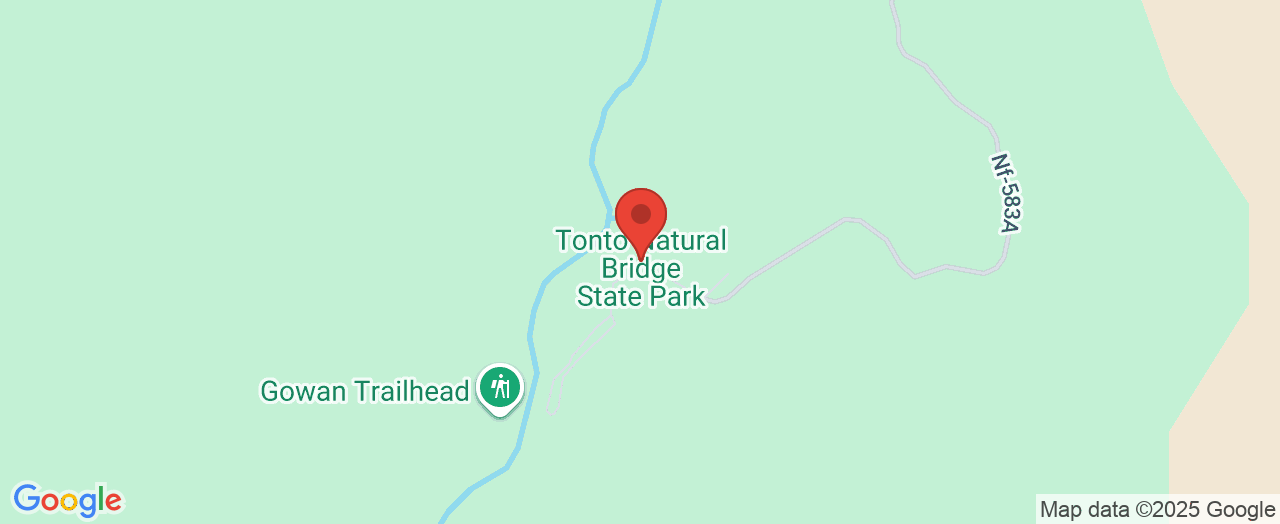
📍 Address: Nf-583A, Pine, AZ 85544, USA
📞 Phone: +1 928-476-4202
🌐 Website: https://azstateparks.com/tonto
Tonto Natural Bridge State Park Location and Hours
🕒 Hours of Operation:
📅 Monday: 9:00 AM – 5:00 PM
📅 Tuesday: 9:00 AM – 5:00 PM
📅 Wednesday: 9:00 AM – 5:00 PM
📅 Thursday: 9:00 AM – 5:00 PM
📅 Friday: 9:00 AM – 5:00 PM
📅 Saturday: 9:00 AM – 5:00 PM
📅 Sunday: 9:00 AM – 5:00 PM


Write A Comment