



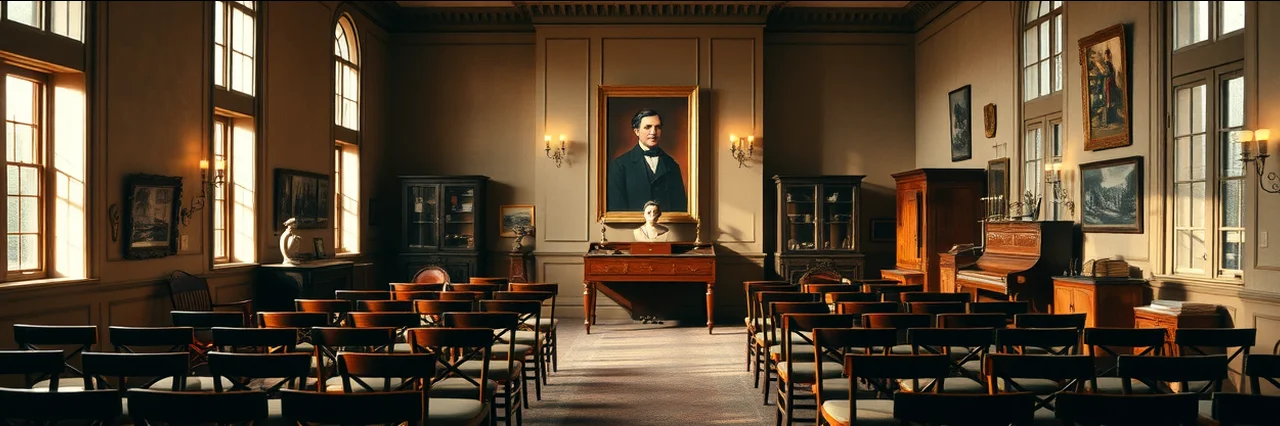
Step Into the Past: Unlocking Stories from the Frontier
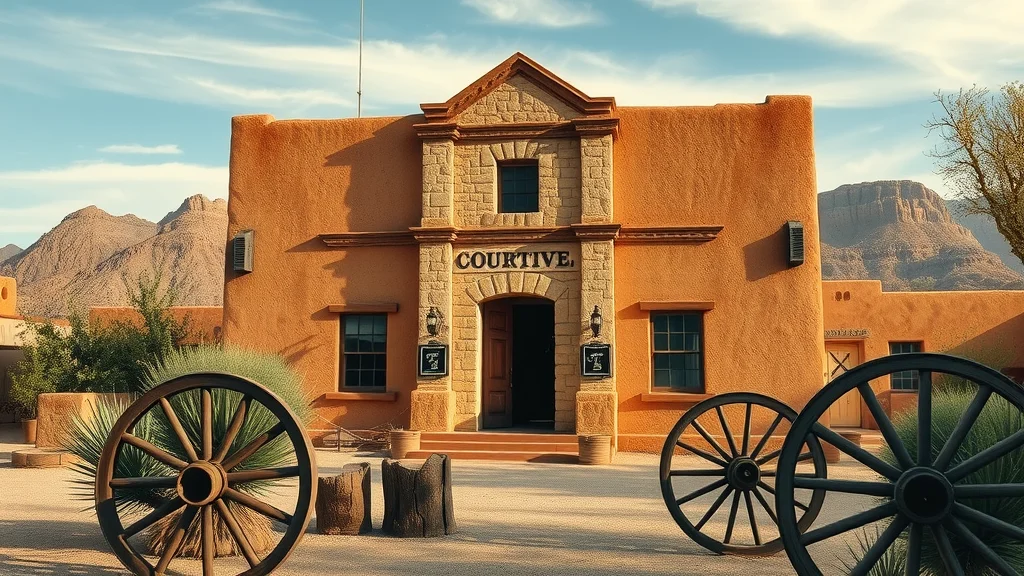
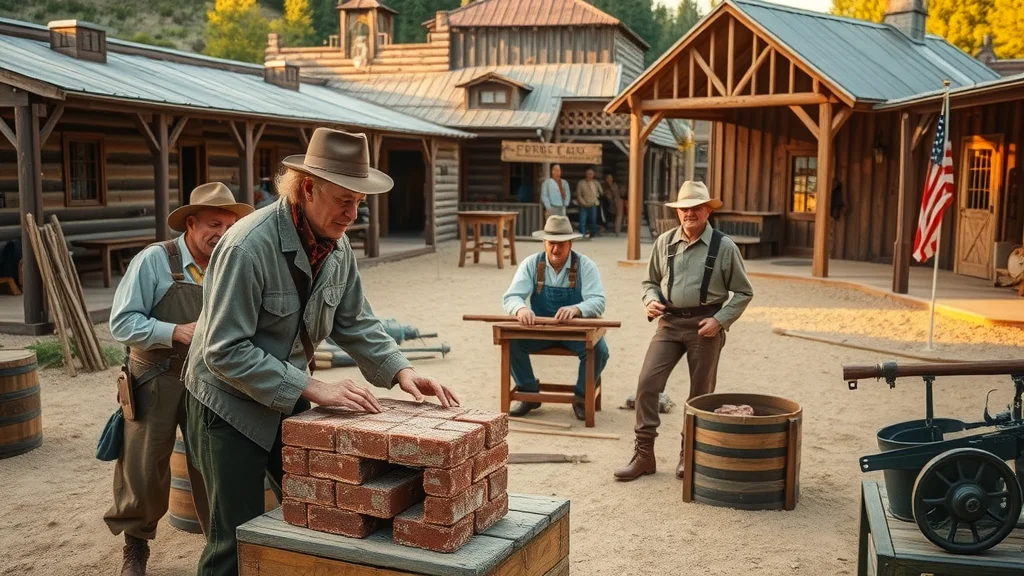
Imagine standing in a building that has survived centuries: once a jailhouse, later a hospital, and then the beating heart of early justice as a courthouse. It’s not just a relic—it’s a window into another world. Frontier life exhibits draw visitors because they reveal what textbooks can’t: the human stories, daily challenges, and perpetual ingenuity that defined an era. What was it truly like to construct communities from scratch, make adobe bricks by hand, or haul lumber for miles by wagon? To find out is to understand the untold resilience, creativity, and struggles woven into the fabric of America’s development.
Frontier life exhibits challenge us with something more than nostalgia—they spark curiosity and empathy. These reproductions of daily life are more than historic props; they are immersive portals that demand attention and interpretation. Visitors are awed by the ingenious techniques early Arizonans used to survive, the diversity of roles a single building played, and the dramatic transitions between cultures that shaped every brick and beam. By diving into these exhibits, modern audiences come face-to-face with uncomfortable truths and remarkable triumphs, presenting urgent lessons relevant to anyone interested in how the past molds the present.
Beyond the Diorama: Why Frontier Life Exhibits Matter More Than Ever
The phrase “frontier life exhibits” often conjures images of dusty costumes and antique tools locked behind glass. But truly meaningful exhibits reach much deeper—inviting us to grapple with the realities behind those artifacts. At their best, these displays allow visitors to experience, not just observe, slices of a world where medical care was improvised, law and order meant survival, and every structure told a story of adaptation. Incorporating hands-on elements, these exhibits become living classrooms illustrating the hardships and hopes that shaped America’s expansion. They also prompt us to ask critical questions: What choices did people on the frontier make when resources ran low? How did architecture adapt to harsh climates using native materials?
Missing the deeper messages in frontier life exhibits is a lost opportunity. Without understanding how communities thrived under unpredictable conditions—building by hand, combining indigenous methods with new technologies, and turning courthouses into hospitals as needs shifted—modern audiences risk dismissing frontier history as a mere pageant. The issues on display aren’t so far removed from current realities: resilience, adaptability, and cultural collaboration remain vital. By exploring these exhibits with curiosity, visitors gain practical insights, learning how innovation and determination paved the way for the communities standing today.
Living Lessons: How Frontier Life Exhibits Transform Our View of the Past
At McFarland State Historic Park, frontier life exhibits do more than recount history—they present a dynamic tableau showing the layers of real people’s experiences. These exhibits are informed by a setting where the building itself has served uncountable roles: from jailhouse to hospital to Pinal County’s inaugural courthouse. The stories are palpable: adobe bricks made from local soil, floors constructed with lumber carted by wagon, and foundations resting on river rocks. This multifaceted approach helps visitors draw connections between the raw realities of frontier life and today’s cultural fabric.
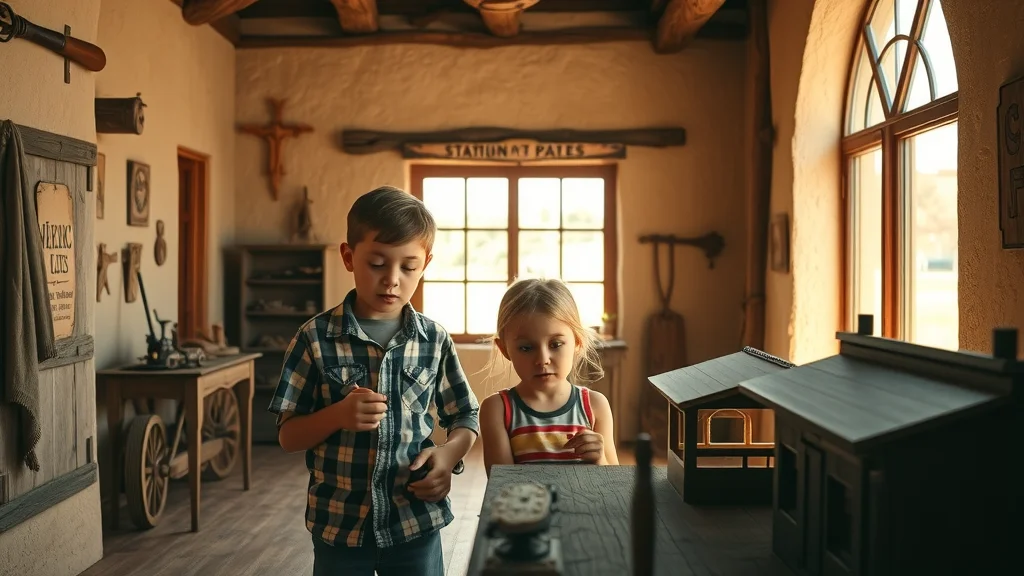
The benefits extend beyond observation. Walking through these immersive exhibits, adults and children can imagine the everyday challenges of early Florence—making choices under uncertain circumstances, adapting to new laws, responding to sickness, or confronting the unknown. The exhibits often integrate elements such as model trains, scavenger hunts, and reproductions of historical town scenes, bridging generations and making history tangible for all ages. By focusing on the adaptability, resourcefulness, and community spirit that characterized the era, frontier life exhibits provide visitors with timeless lessons, encouraging them to consider how those qualities still inform community-building today.
Echoes from the Past: From Handmade Bricks to Enduring Community
Few sites illustrate the evolution of frontier infrastructure better than McFarland State Historic Park. At its core is a building that seamlessly blends Sonoran and Anglo-American architecture and was painstakingly constructed in 1878—by hand—with adobe brick and native resources gathered from the surrounding land. Every inch of the original structure is a testament to ingenuity: the trench foundation packed with river stone for stability, the wood-shingled roof that speaks of adaptation and resilience.
This transition from traditional adobe to hybrid architectures tells the story of cultural exchange and innovation typical of the American frontier. The building’s diverse uses reflect a community’s ability to reimagine spaces for changing needs—a jailhouse becomes a hospital, then a courthouse, morphing with each era as necessity dictated. These physical echoes are reminders that sturdy, innovative design isn’t just a relic; it’s a method of resilience that audiences can learn from when considering how to adapt in their own lives.
Frontier Experiences for All: Accessibility and Community Engagement
One modern lesson that frontier life exhibits teach is the value of inclusivity and public participation. McFarland State Historic Park stands as a Certified Autism Center™ and welcomes visitors of all abilities. The park’s approach to accessibility ensures that everyone can experience and learn from the stories embedded in its adobe walls and interactive displays. This ethos of openness harks back to frontier community-building, where adaptability and cooperation were essential for survival.
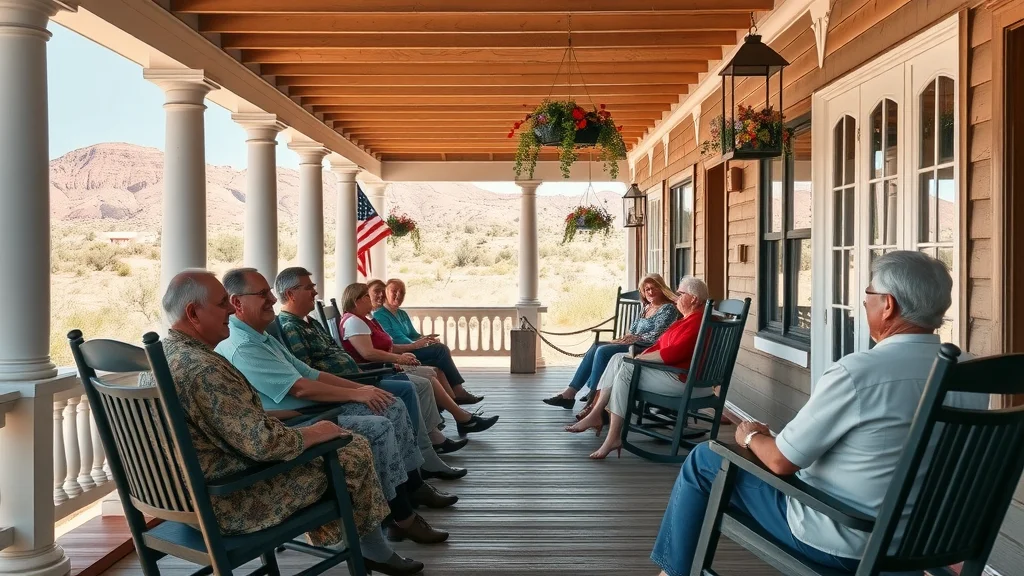
Community involvement remains central, from volunteer opportunities dedicated to preserving the historic building, to lively events like the Florence Farmers Market hosted monthly on the porch. Such engagement transforms the park from a static memorial into a living, breathing part of Florence’s cultural landscape. Visitors today are not mere spectators; they are participants, making history as they learn, engage, and contribute to the ongoing narrative of this historic site.
Park Programs: Learning, Volunteering, and Connecting to Local History
Beyond its permanent exhibits, McFarland State Historic Park provides ongoing educational programs that deepen understanding and nurture stewardship. History tours of Florence connect the frontier stories inside the park to the broader context of the surrounding town. Adults discover nuanced stories from Arizona’s territorial period, while children participate in hands-on scavenger hunts—earning their ranger badges while soaking in lessons that shape lifelong curiosity.
Volunteering is emphasized as both a privilege and a responsibility, allowing more people to contribute to the preservation of an authentic frontier-era environment. Whether assisting with interpretive programming or maintaining the grounds, volunteers play a vital part in keeping local history alive. In this way, every visitor is invited to find their own role in a story that began more than a century ago—and still shapes the community around them.
The Enduring Legacy: McFarland State Historic Park’s Thoughtful Curation of Frontier Life
At the heart of the park’s approach is a reverence for both authenticity and public engagement. There is a clear focus on education—articulated in programs that highlight the evolution of architecture, reveal the complexities of day-to-day survival, and stress the importance of cultural exchange. The mission underpinning these frontier life exhibits is not simply to preserve buildings, but to inspire active participation with history: to help visitors understand the enduring values of adaptation, ingenuity, and community, so central to frontier existence.
What distinguishes these exhibits is their balance of detailed craftsmanship—evident in the preservation of original adobe brickwork and foundations—and an emphasis on hands-on interaction, accessibility, and inclusive interpretation. The park elevates its frontier exhibits beyond static showcases by weaving in the voices of those who lived, governed, and healed within its walls, as well as the voices of today’s broad spectrum of visitors. This philosophy of living history ensures the lessons and inspiration of the frontier continue to inform the present and future.
Visitors Reflect: Sparking Curiosity and Lasting Memories
For many, the first visit to a frontier life exhibit at McFarland State Historic Park can be both enlightening and surprisingly immersive. The reviews reflect genuine moments of discovery and delight that transcend age or background. One visitor described how their family trip became an adventure, thanks to a creative blend of interactive displays and thoughtfully designed activities.
Great place for a Day trip with kids! They have a model train phys old representations of the town, there's a scavenger hunt to earn your ranger badge, the gift shop has a lot of really cool local snacks and art. Old en days hand cuffs for a prisoner photo opportunity. There's a huge porch with rocking chairs to just relax. It's a great destination packed with nichy history for the adults.
This kind of response showcases how frontier life exhibits are anything but remote—they are living, engaging experiences that spark curiosity, foster learning, and create the kind of lasting memories that bring people back again and again. By stepping into the shoes of past community members—even for a day—visitors discover a direct connection to the roots of modern life, gaining appreciation for the rich history found in every handcrafted detail.
Frontier Life Exhibits: A Living Connection to Arizona’s Past and Future
Understanding the complexities and everyday realities showcased in frontier life exhibits deepens our appreciation for history’s role in shaping the world around us. These displays go beyond mere observation—they challenge and inspire, letting visitors draw real-life lessons from the adaptive spirit of the past. With exhibits thoughtfully curated for all ages and abilities, and guided by a philosophy rooted in authenticity and engagement, McFarland State Historic Park continues to set a standard for what meaningful historical interpretation can achieve. The hidden secrets of frontier life have a unique power: to teach, to inspire, and to remind us that every generation is both a product and a co-creator of community. In this way, the enduring relevance of frontier life exhibits is secured—illuminating how yesterday’s ingenuity paves the way for tomorrow’s progress.
Contact the Experts at McFarland State Historic Park
If you’d like to learn more about how frontier life exhibits could benefit your understanding of Arizona’s rich history, contact the team at McFarland State Historic Park.
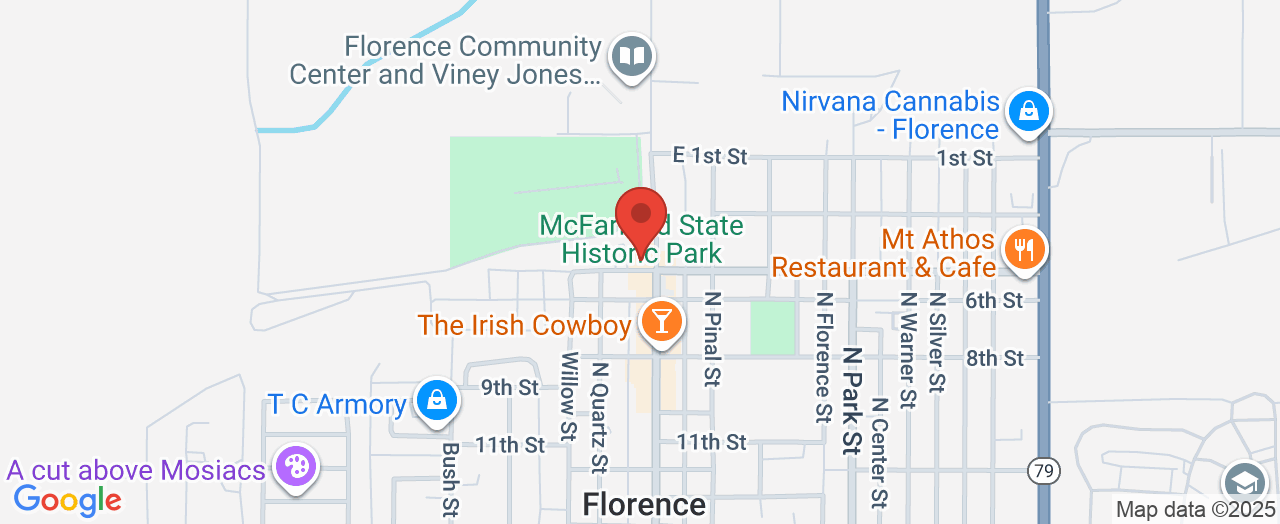
📍 Address: 24 W Ruggles St, Florence, AZ 85132, USA
📞 Phone: +1 520-868-5216
🌐 Website: https://azstateparks.com/mcfarland/
McFarland State Historic Park: Location and Hours
🕒 Hours of Operation:
📅 Monday: 9:00 AM – 5:00 PM
📅 Tuesday: 9:00 AM – 5:00 PM
📅 Wednesday: 9:00 AM – 5:00 PM
📅 Thursday: 9:00 AM – 5:00 PM
📅 Friday: 9:00 AM – 5:00 PM
📅 Saturday: 9:00 AM – 5:00 PM
📅 Sunday: ❌ Closed


Write A Comment