Add Row
Add Element
RV Otter
update

Ride With RV Otter

update
Add Element
  • Home
  • Categories
    • Destinations & Routes
    • Campground Reviews
    • RV Tips & Lifestyle
    • Gear & Essentials
    • On-the-Road Living
    • Traveling with Pets
    • Stories & Adventures
    • RVing on a Budget
    • Boondocking
    • Campground Reviews
    • RV Lifestyle News
    • National Parks
    • State Parks
    • Extra News
    • Central Oregon Coast
    • National Forest
    • Shopping
    • Rentals
    • RV Resorts
    • Business Directory
    • RV Sales & Rentals
    • Destinations
    • Campgrounds & Stays
    • Gear & Rentals
    • RV News & Resources
    • RV Dealerships
    • Destinations 2
  • Businesses
  • Wildlife Refuges
Add Element
  • update
  • update
  • update
  • update
  • update
  • update
  • update
October 18.2025
1 Minute Read

Discover the Hidden Secrets of Victorian House Museum Tours

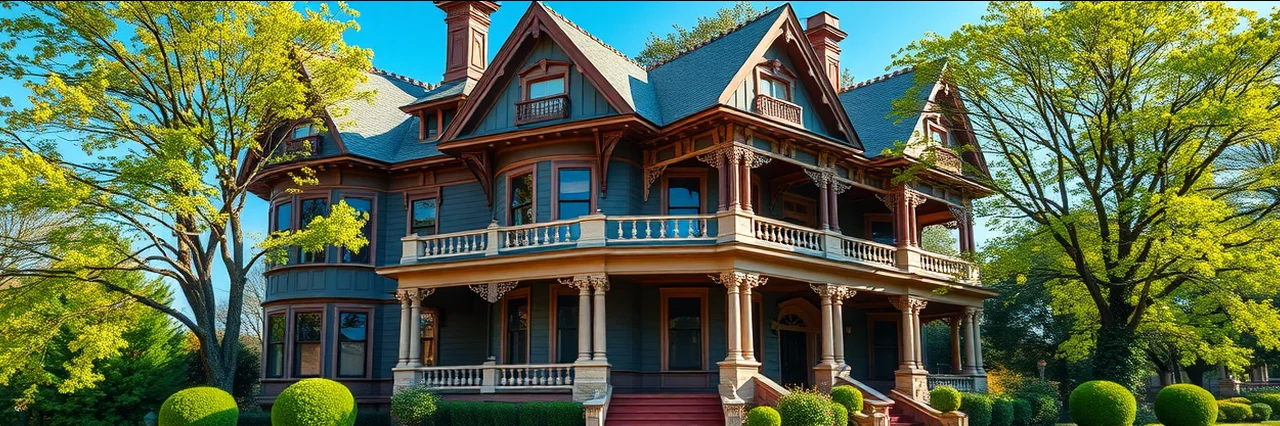
Victorian house museum with ornate trim and lush greenery under blue sky

Bidwell Mansion | State Historic Park

📍 Address: 525 Esplanade, Chico, CA 95926, USA

📞 Phone: +1 530-895-6144

🌐 Website: http://www.parks.ca.gov/

★★★★★
Rating: 4.6

Step Into the Past: Why Victorian House Museums Still Spark Our Curiosity

What makes stepping over the threshold of a Victorian house museum so universally captivating? Across generations, meticulously restored Victorian homes have drawn millions of visitors, eager to unlock the secrets held within period-furnished rooms and ornate corridors. These museums don’t just showcase stately architecture and historic interiors—they open a window into the social life, design aspirations, and cultural upheavals of the nineteenth century. By taking a tour, guests don’t just observe history—they enter it, temporarily inhabiting the same spaces that witnessed the dawn of California’s statehood and the transformation of American society.

Yet, the intrigue of Victorian house museum tours extends beyond antique décor or faded photographs. As everyday life grows faster and more digital, the tactile, immersive experience of exploring an authentic Victorian home provides a rare opportunity to slow down, reflect, and connect with the legacy of a bygone era. These spaces, curated for education and inspiration, hold far more significance than meets the eye. Understanding their layered context can deepen the appreciation for the stories they preserve—and perhaps challenge commonly held assumptions about progress, privilege, and the true meaning of “preservation.”

Uncovering Layers of History: Victorian House Museums as Living Storybooks
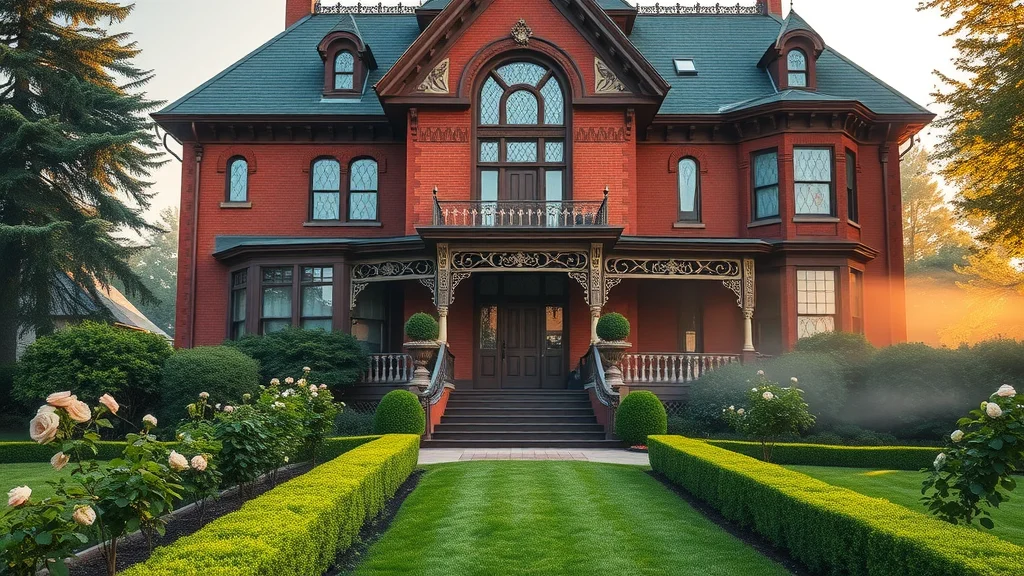
Ornate Victorian house museum with grand garden at sunrise, lush greenery.

Victorian house museums are not simply walk-through exhibits—they are meticulously preserved environments designed to spark the imagination. The term refers to original or faithfully restored homes from the Victorian era, spanning roughly 1837 to 1901. Tours of these museums offer a multidimensional experience that fuses architectural marvels, artifact collections, and personal narratives into a single, walkable narrative. Through guided visits, visitors encounter everything from intricate woodwork and lavish sitting rooms to the practicalities of nineteenth-century domestic life.

Missing out on the stories told within these walls risks more than a lapse in historical curiosity. Without understanding the context of objects or the reasons certain spaces were preserved as they are, visitors may only scratch the surface of what Victorian house museums represent: shifting social norms, new roles for women, technological upheavals, and the very evolution of ideas about home and family. While authentic wallpaper and velvet drapes set the scene, the true value of these tours lies in their power to make history dynamic and relevant—highlighting connections between past priorities and present possibilities. Failing to see this turns a rich learning experience into a lost opportunity for growth, empathy, and wonder.

Why Victorian House Museum Tours Offer Unmatched Educational Value

Lavish Victorian house museum parlor with antique decor and soft lighting.

As overseen by experts within California State Parks, Victorian house museums transcend traditional sightseeing with a mission rooted in education, inclusion, and stewardship. The interpretive tours led at esteemed sites like Bidwell Mansion | State Historic Park guide visitors through more than just opulent architecture or lavish furniture. Grounded in a philosophy that views historic preservation as a route to both inspiration and learning, these experiences are crafted to encourage visitors to ask thoughtful questions, engage with nuanced stories, and appreciate the art of preservation itself.

Exploring a Victorian house museum provides hands-on context for California’s diverse cultural history within the larger tapestry of the era. These tours, often aligned with major milestones—like the state’s 175th anniversary—invite the public to think critically about the stories chosen to be told, and those that deserve greater voice. This real-world, immersive exposure fosters empathy, sparks meaningful conversations, and connects people more deeply with the history that shapes their communities. The result is not simply a visit, but a transformative journey through time—made possible by passionate educators who balance accessibility, historical accuracy, and creative storytelling.

From Grand Ballrooms to Everyday Parlors: The Architectural and Cultural Significance

Victorian house museums, like the Bidwell Mansion, serve as vivid reminders of how art, architecture, and social customs evolved during a period of profound change. Grand staircases, tall windows, ornate plasterwork, and sprawling porches are more than decorative—they tell stories of ambition, status, and technological ingenuity. Participants are often surprised at how these homes became showcases for new inventions, from gas lighting to indoor plumbing, reflecting the Victorian obsession with progress and refinement.
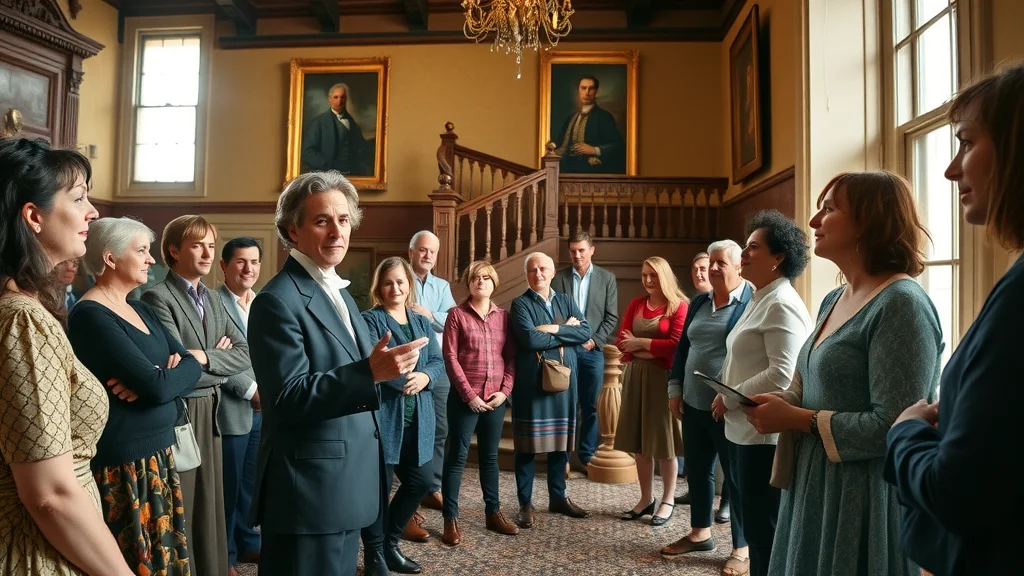
Victorian house museum tour guide leads visitors, historic staircase behind.

But the appeal of these tours is hardly limited to aesthetics. By examining both grand and humble spaces—drawing rooms and kitchens alike—visitors witness the intersection of daily chores and cultural rituals. Understanding these dynamics can shed light on changing gender roles, family structures, and the ambitions of those who built and lived in these homes. Ultimately, every guided tour is an invitation to consider what endures and what fades, both in brick and tradition.

The Power of Living History: How Victorian House Museum Events Bring the Past Alive

Victorian house museums across California State Parks have moved beyond static displays, introducing interactive events, temporary exhibits, and living history experiences that immerse guests in the realities of nineteenth-century life. Seasonal celebrations, reenactments, and cultural festivals offer visitors the chance to observe or participate in the rituals, games, and culinary traditions that animated Victorian households. This dynamic approach transforms tours into interactive classrooms, fostering engagement for all ages.

By making history vivid and tangible, these experiences demonstrate that the past is not an isolated spectacle, but a living influence on how we view community, identity, and progress. As California commemorates milestones like its 175th anniversary, special programming within these house museums echoes contemporary themes—diversity, creativity, resilience—reminding us that history is not only to be remembered but enacted and reimagined in ways the original residents could scarcely imagine.
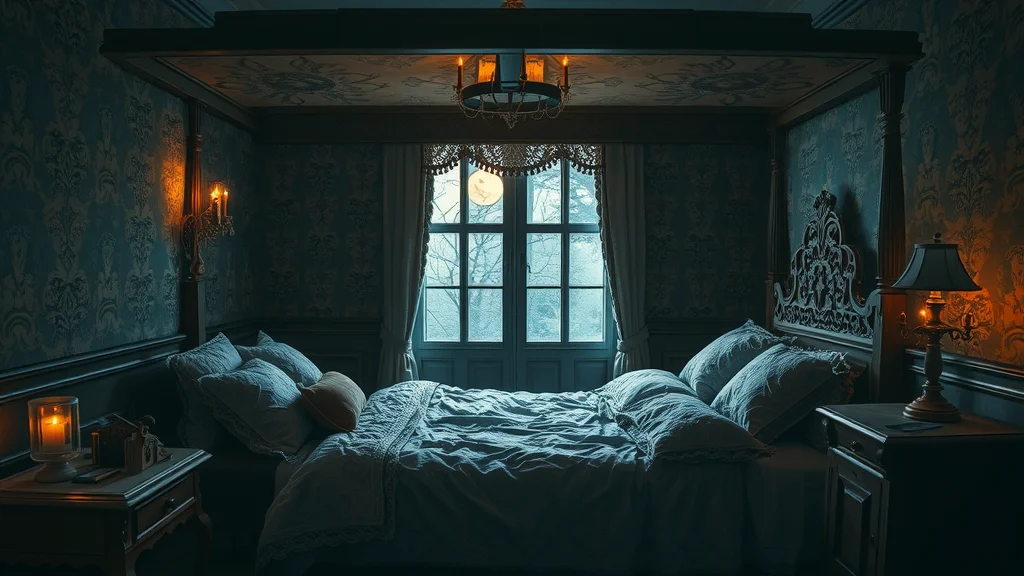
Victorian house museum bedroom with candlelight and antique decor at night.

Preserving for Everyone: Making Victorian House Museums Accessible and Relevant

The philosophy of California State Parks is clear: preserving Victorian homes is not an act of nostalgia for a select few but a commitment to public education and inclusion. Accessibility initiatives and interpretive practices are designed to ensure that every visitor, regardless of physical ability or background, can enjoy and learn from these landmarks. Technology, such as virtual reality tours and interactive apps, now complements traditional visits, opening historic doors to ever broader audiences.

This approach redefines relevance in the modern world. By inviting school groups, families, and tourists to step inside the lives of Californians from the Victorian era, museum stewards not only honor the past but inspire new conversations about what history means in the present. The encouragement of community-driven events, preservation grants, and creative programs reflects a broader movement: ensuring that heritage sites are platforms for dialogue, inspiration, and shared experience.

Bidwell Mansion’s Approach to Victorian House Museum Education and Inspiration

Bidwell Mansion | State Historic Park stands as a testament to California State Parks’ enduring mission: to use historic preservation as a springboard for health, inspiration, and education. Grounded in the belief that every Californian should have access to opportunities for learning and reflection, Bidwell Mansion’s interpretive programs emphasize both the extraordinary and the everyday facets of nineteenth-century life. With an unwavering commitment to accuracy and empathy, the experienced guides cultivate a sense of wonder while contextualizing history’s triumphs and challenges.

Events, tours, and digital resources at Bidwell Mansion showcase a broader philosophy of sustainability and resilience, recognizing the ongoing challenges of environmental change, cultural shifts, and historical reinterpretation. The park’s dedication to inclusive programming—celebrating diverse heritage months and showcasing local artists—ensures the mansion remains a living resource, relevant for all. Through rigorous stewardship, the Mansion’s approach blends tradition with innovation, serving as a model for how Victorian house museums can educate, inspire, and adapt for the future.

Experiencing History Firsthand: What Visitors Say About Victorian House Museum Tours

When visitors walk through the grand halls and quiet chambers of Victorian homes like Bidwell Mansion, their reactions paint a vivid portrait of impact. The best insights often come from those who have experienced a tour, faced challenges, or witnessed changes firsthand. In their own words, the value and significance of the Victorian house museum experience is clear:

It was a great tour. The tour guides were nice and answered all the questions anyone had. But you want to know why it's temporarily closed. Because some stupid piece of garbage burnt it to the ground. My grandma lives in Chico. I'm visiting her right now. When I drove past it, everything except the bricks was gone. ALL OF IT!!!!

Such candid testimonials reveal both the deep connection guests feel for these historic spaces and the real impact of loss through disaster or neglect. They remind all future visitors and supporters of the responsibility to cherish and support the preservation of these extraordinary cultural treasures and what can be learned by experiencing them in person.

Is the Victorian House Museum Experience Still Relevant in the Digital Age?

As society grapples with rapid technological and cultural change, the enduring popularity of Victorian house museums is evidence of a deeper desire—one for authenticity, context, and human connection. Each visit sparks curiosity and engenders respect for California’s layered identity, made palpable in the rooms, stories, and traditions preserved by institutions like Bidwell Mansion | State Historic Park. Their thoughtful stewardship and innovative programming ensure these spaces won’t simply survive but continue to educate, inspire, and adapt for generations.

The value of Victorian house museum tours lies in their ability to make the past relevant and real, anchoring the lessons of history in every guided visit or interactive event. Their preservation, interpretation, and accessibility stand as beacons of California’s commitment to inclusive education, cultural stewardship, and shared heritage. With every tour, both young learners and seasoned history buffs take away new insights—not just about the nineteenth century, but about the creative power of memory, story, and place.

Contact the Experts at Bidwell Mansion | State Historic Park

If you’d like to learn more about how Victorian house museum tours could benefit your understanding of California’s diverse cultural heritage, contact the team at Bidwell Mansion | State Historic Park.
📍 Address: 525 Esplanade, Chico, CA 95926, USA
📞 Phone: +1 530-895-6144
🌐 Website: http://www.parks.ca.gov/

Bidwell Mansion | State Historic Park – Location and Hours

🕒 Hours of Operation: Please contact Bidwell Mansion | State Historic Park or visit their website for current tour hours and availability.
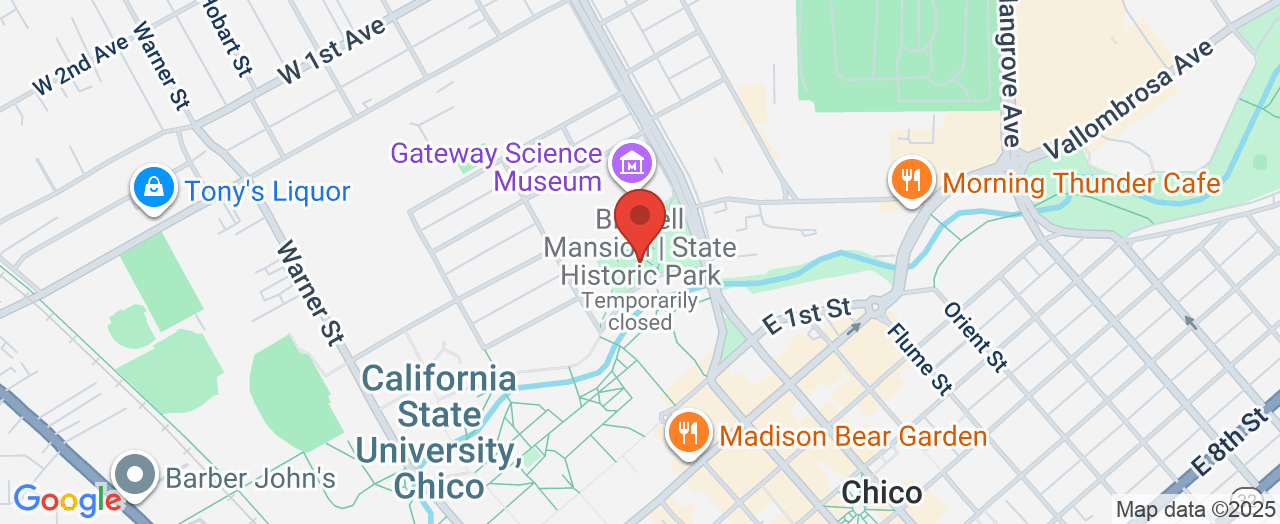
Location Map
State Parks

0 Comments

Write A Comment

*
*
Related Posts All Posts

Ready for Picacho Peak Hiking? Top Tips to Conquer It Fast

Picacho Peak State Park 📍 Address: 15520 Picacho Peak Rd, Picacho, AZ 85141, USA 📞 Phone: +1 520-466-3183 🌐 Website: https://azstateparks.com/picacho/ ★★★★★ Rating: 4.7 Challenge and Beauty: Why Picacho Peak Hiking is More Than Just Another Desert Trek Rising dramatically above the desert floor, Picacho Peak is an unmistakable sight for travelers passing through southern Arizona. But make no mistake—the allure of this singular formation extends well beyond roadside scenery. Every year, visitors set their sights on the serious challenge of hiking Picacho Peak, drawn by its rugged trails, striking wildflower blooms, and panoramic views that reward the effort. Yet, there’s a critical side to this adventure that deserves just as much attention as the scenery and Instagram-ready summits: preparation and awareness. Embarking on a Picacho Peak hiking trip means much more than a quick jaunt up a hill. The park's trails demand mental focus, physical stamina, and a respect for desert conditions—especially for those aiming for the peak itself. Even experienced hikers have found themselves tested by its steep grades and exposed ridges; those underestimating the climb can quickly find themselves ill-equipped for the ascent. In recent years, visitor programs and guided hikes have aimed to educate and inspire, but the real story begins with understanding what makes Picacho Peak hiking unique, why safety (and smart planning) aren’t optional, and how this ancient landmark has shaped journeys across centuries. If you think hiking Picacho Peak is a walk in the park, read on—a safer, smarter adventure starts with the knowledge you bring to the trail. Picacho Peak Hiking: The Trail, the Challenge, and What Sets It Apart Picacho Peak hiking isn’t just a day outdoors—it’s a test of resolve, offering dramatic elevation gains and technical challenges rare in Arizona’s lower deserts. Marked by its iconic 1,500-foot volcanic peak, the park’s trails wind through rugged Sonoran wilderness, culminating in opportunities for both casual strolls and adrenaline-pumping scrambles. Two of the most popular routes, the Hunter and Sunset Vista trails, embody everything that makes Picacho Peak hiking legendary: narrow ridgelines, hands-on climbing, and cables bolted into the rock to help hikers ascend the steeper faces. These unique infrastructural additions, while lending a sense of adventure, require comfort with heights and a head for careful footwork. What distinguishes hiking here from more typical state park outings is not just the physical rigor—it’s the blend of geology, ecology, and history. The trail traverses a landscape shaped by centuries of volcanic activity, hosts an array of desert flora seen in brilliant springtime displays, and features interpretive markers pointing out the area’s cultural and Civil War significance. It’s not uncommon for guests to encounter reminders to hike wisely: bring extra water, plan for changing weather, and approach the mountain with respect. As challenging as the trail may be, those who underestimate the route or arrive underprepared put themselves at genuine risk of exhaustion or misadventure. Awareness and advance planning are essential tools on this mountain; overlooking them can turn a bucket-list climb into a cautionary tale. How Being Informed and Prepared Transforms Your Picacho Peak Hiking Experience Experts at Picacho Peak State Park emphasize a “hike smart” philosophy that is central to a successful—and enjoyable—day on the mountain. This approach includes straightforward but non-negotiable advice: adequate hydration, appropriate footwear, and self-awareness about personal limits. The steep terrain and technical sections equipped with cables and planks aren’t just novel—they demand good preparation and physical readiness. Hikers who heed these guidelines frequently reach the summit comfortably and are able to truly appreciate sweeping views, vibrant wildflowers in the spring, and the feeling of accomplishment unique to this iconic peak. The park enriches the hiking experience by providing a variety of guided programs and educational events. From ranger-led walks on the Calloway and Sunset Vista trails to the Junior Ranger programs designed for younger adventurers, everyone from beginners to seasoned outdoor enthusiasts finds a space to build their skills and confidence. By choosing guided hikes or attending a safety orientation, visitors gain local insights—such as knowing where to look for local flora and fauna, understanding the history beneath their feet, and learning how to navigate the infamous cable sections. The result is a hike that’s not just physically rewarding, but also deeply informed and personally meaningful. The Evolution of Picacho Peak Trails: From Ancient Landmark to Adventurer’s Rite of Passage For centuries, Picacho Peak has served as a navigational marker, first for indigenous populations and later for Spanish explorers and pioneers. Its name and silhouette became part of travel lore as early as the 1700s with the Anza Expedition, and the surrounding land eventually became integral to the region's Western expansion and statehood. Today, the hiking experience is shaped not just by natural history, but also by years of stewardship and trail design dedicated to both safety and challenge. Rangers carefully maintain a balance between preserving the raw, untamed character of the peak and providing supports—like cables and interpretive signage—to help hikers safely navigate tricky sections. Over time, the trails have evolved to meet changing visitor needs: infrastructure phases in and out with minimal impact to the hiking experience, preserving the sense of wildness that defines the park. As construction projects continue to improve access and facilities, the essence of Picacho Peak hiking endures—a blend of natural wonder, historical resonance, and just enough modern convenience to make it accessible without taming its spirit. Tips for a Safer, Smarter Hike: What Every Picacho Peak Hiker Needs to Know Hiking Picacho Peak comes with specific considerations that directly affect safety and enjoyment. The desert climate can be unforgiving; even in cooler seasons, dehydration and exhaustion loom for the unprepared. That’s why every expert recommendation starts with water—bring more than you think you’ll need, since there's a current water shortage in the park (no filling available). Begin your ascent early to avoid peak sun, plan your descent before sunset, and pack snacks to keep your energy up on longer climbs. Proper footwear is critical due to the rocky and sometimes slick conditions, while gloves can offer better grip on the cable sections. Stay on designated trails and watch out for native wildlife, including snakes and scorpions, which are vital to the desert ecosystem but should be given space. Always check the park's current alerts, such as construction updates or altered facility hours, before heading out. And remember, it’s perfectly acceptable—and sometimes wise—to turn back before the summit if fatigue or conditions become challenging. Success on Picacho Peak is measured in respect for the terrain and for your own limits. Trail Community and Learning: Programs that Make Picacho Peak Accessible for All One of Picacho Peak State Park's strengths lies in its commitment to community and education. Through regularly scheduled guided hikes, educational talks, and themed events like Full Moon Hikes and Bird Walks, the park demystifies hiking for newcomers while enriching the experience for veterans. These programs create a welcoming entry point for families, young children, and visitors who might otherwise hesitate to tackle the peak’s more technical sections. Park rangers and guides emphasize not only ecological and cultural understanding but also practical safety and teamwork on the trail. Special initiatives, such as the Junior Ranger Guided Hike and the Shelter Dog Walking Program, encourage stewardship and a deeper sense of connection with the landscape. Events focused on native flora and geology, or even the area’s role in Civil War history, transform a traditional hike into a living classroom. The result? Hikers leave with a sense of accomplishment not only from reaching the top, but from more fully understanding the complexities—natural, cultural, and personal—that are part of Picacho Peak hiking adventures. Picacho Peak State Park’s Philosophy: Hiking with Respect for Desert, History, and Human Limits At the heart of Picacho Peak State Park’s mission is the belief that access to Arizona’s natural wonders brings lifelong benefits—if pursued thoughtfully and with due care. Every aspect of the park’s management, from volunteer opportunities to infrastructure improvements, is guided by a philosophy of sustainability and stewardship. Visitors are encouraged to see themselves as temporary stewards of a resource that bridges past and future, human endeavor and wild landscape. The park’s informed approach extends to both environmental protection and personal safety. “Hike prepared and know your limits” is a recurring theme in trail descriptions and ranger talks, underlining that reaching the summit is only one measure of success. Attention to visitor education, diverse programming, and easy-to-access resources fosters a sense of inclusivity. Whether attending a history walk, joining a Junior Ranger day, or simply taking in the view from a picnic area, everyone is invited to find their own connection to the mountain—always with an emphasis on mindfulness and mutual respect. This commitment is evident in the park’s ongoing improvements and its active volunteer network. Even during times of water shortage or construction, the focus remains firmly on providing authentic, safe, and memorable experiences rooted in the park’s history and ecology. Through this lens, Picacho Peak hiking becomes an act of participation in something larger than oneself: a tradition, an education, and a stewardship for generations to come. Voices from the Trail: Real-World Experiences at Picacho Peak The value of firsthand experience cannot be overstated when it comes to considering any outdoor challenge. Reviews from previous hikers paint a vivid picture of what awaits, highlighting both the beauty and the realities of hiking Picacho Peak. One recent visitor shares a candid perspective on the demands and rewards of the climb: A beautiful park. The trail up to the top of the mountain is nice. The hike is a bit difficult. There are ropes, and cables, and planks, and things to help pass some areas. Some people decide to not pass one point that is about 2/3 up. The view from the top is incredible.The Cogburn Ostrich Farm is another nice place to visit, and is right near there. and. DQ across the freeway. —Ron W. This reflection underscores what can be gained by approaching the Picacho Peak trails with both ambition and respect: awe-inspiring views, physical accomplishment, and unexpected discoveries in the surrounding area. Those who challenge themselves thoughtfully and take advantage of the park’s supportive infrastructure and educational programs can look forward to an adventure that lingers long after the trek ends. What Makes Picacho Peak Hiking a Must-Do on Arizona’s Outdoor Adventure Map For hikers seeking a blend of natural drama, challenging climbs, and deep-rooted Arizona history, Picacho Peak delivers an experience that stands alone. The distinctive blend of geological wonders and practical trail features—complete with hands-on climbing sections, guided educational programs, and vigilant stewardship—make every ascent more than an achievement; it’s a rite of passage. Through careful groundwork, visitor education, and community programming, Picacho Peak State Park rises as a beacon for those who value adventure that balances endurance with insight. In this context, Picacho Peak hiking is not only a highlight of Arizona’s recreation scene, but a model for sustainable, inclusive, and fulfilling outdoor experiences. With each visitor who respects the environment, prepares wisely, and learns from those who maintain the park, the story of the peak grows ever richer. For anyone setting out to conquer the climb, the wisdom of prior hikers and the support of dedicated rangers set a standard that ensures the adventure is safe, memorable, and always worth the journey. Contact the Experts at Picacho Peak State Park If you’d like to learn more about how Picacho Peak hiking could benefit your outdoor adventures, contact the team at Picacho Peak State Park. 📍 Address: 15520 Picacho Peak Rd, Picacho, AZ 85141, USA 📞 Phone: +1 520-466-3183 🌐 Website: https://azstateparks.com/picacho/ Picacho Peak State Park Location and Hours 🕒 Hours of Operation:📅 Monday: 5:00 AM – 8:00 PM📅 Tuesday: 5:00 AM – 8:00 PM📅 Wednesday: 5:00 AM – 8:00 PM📅 Thursday: 5:00 AM – 8:00 PM📅 Friday: 5:00 AM – 8:00 PM📅 Saturday: 5:00 AM – 8:00 PM📅 Sunday: 5:00 AM – 8:00 PM

Discover Patagonia Lake Camping: Your Ultimate Nature Escape

Patagonia Lake State Park 📍 Address: 400 Patagonia Lake Rd, Nogales, AZ 85621, USA 📞 Phone: +1 520-287-6965 🌐 Website: https://azstateparks.com/patagonia-lake ★★★★★ Rating: 4.6 Experience Untamed Adventure and Tranquility: Why Patagonia Lake Camping Captivates Outdoor Enthusiasts Imagine waking up to the sounds of water gently lapping on the shore, with rolling hills and the promise of wildlife just beyond your campsite. For many, the ideal escape from city life combines adventure with comfort, scenery with solitude, and outdoor thrills with peace of mind. Patagonia Lake camping delivers this rare blend, captivating adventurers, families, and solo wanderers alike. With over 100 campsites nestled alongside a sparkling lake in Arizona’s scenic southeast, this destination stands out as an oasis for those seeking more than a typical campground outing. Patagonia Lake camping is more than just pitching a tent or parking your RV—it’s a full immersion into nature’s wonders. From hiking trails teeming with diverse birds to opportunities for water sports that invigorate your days, the experience unlocks a sense of freedom not easily found elsewhere. This is where memories are made around campfires, lifelong friendships are forged over shared adventures, and the restorative power of the outdoors is felt at every turn. As more people seek sustainable, experience-rich escapes, understanding why Patagonia Lake camping is such a powerful draw has never been more relevant. The Allure of Patagonia Lake Camping: What Makes It Arizona’s Hidden Gem? Patagonia Lake State Park, established in 1975, is a unique haven blending the beauty of southeastern Arizona’s rolling hills with water activities and abundant wildlife. But what truly sets Patagonia Lake camping apart is how it combines versatility and accessibility with a sense of wild, natural wonder. Over 100 campsites—including traditional, boat-in, and RV sites—welcome adventurers of every style, making it possible to tailor the experience to your group or mood. The main campground overlooks the lake, offering striking sunrise and sunset views that frame each day in color and calm. However, a lack of understanding about Patagonia Lake camping might mean missing out on opportunities for learning, connection, and rest. Many overlook how crucial it is to plan ahead for weather, park capacity, and the unique amenities available, such as picnic areas with ramadas and grills or the Lakeside Market’s convenient boat rentals and supplies. The consequence? Arriving unprepared might mean missing out on prime spots, much-anticipated activities, or even being surprised by temporary closures or capacity limits. For those unfamiliar, this can turn an anticipated getaway into a scramble for comfort or access. Understanding the landscape, options, and rhythm of Patagonia Lake camping helps ensure your adventure exceeds every expectation. Why Patagonia Lake Camping Creates Lasting Memories and Deep Connections to Nature Patagonia Lake camping offers a multi-layered experience that extends well beyond the ordinary. Guests are welcomed not only by the rolling desert hills and sparkling blue waters but also by amenities that make a weekend away seamless and inspiring. Those drawn to the water can enjoy kayaking, canoeing, or fishing for crappie, bass, bluegill, catfish, and trout—sometimes from the comfort of their own boat-in campsite. Families and friends can gather at picnic ramadas, fire up a grill, and settle in under wide-open skies for nights of stargazing or storytelling. Thoughtfully designed facilities—including restrooms, showers (availability may vary), and RV hookups—give added comfort without removing you from the essence of the wild. Opportunities for birdwatching connect even the most casual observer with rare glimpses of canyon towhees, herons, or hummingbirds right from the trail. The result is a camping trip that isn’t just about scenery but about participating in a living, breathing ecosystem. By providing web-based resources and guidance for all visitors, the park enables everyone to experience Patagonia Lake camping safely and meaningfully, regardless of prior experience or season. From Campground to Waterfront: Exploring the Diversity of Patagonia Lake Experiences Take a stroll through the campground and you’ll see a surprising range of possibilities—spacious RV sites for those wanting home comfort, tucked-away tent sites for those craving privacy, and special boat-in sites only reachable by watercraft. The lake itself draws a vibrant crowd of anglers and birdwatchers, with native whitetail deer roaming the hills and blue herons pacing the shoreline. Trails like the Sonoita Creek pathway wind into shaded sanctuaries, perfect for reflection and quiet exploration. This diversity ensures that no two Patagonia Lake camping trips are exactly alike: one family might fill their days with paddling, while another spends dawn photographing birds and evenings around a fire. Evenings come alive with unique events, from autumn’s campsite decorations and trick-or-treating to winter’s festive gatherings and summer live music. The park invests in community through creative programming, further enhancing the camping adventure with memorable seasonal activities. For those who crave connection as much as solitude, this blend of social opportunities and personal discovery is a defining part of Patagonia Lake’s enduring appeal. Key Planning Tips: Navigating Capacity, Weather, and Amenities Patagonia Lake camping—highly sought after on weekends and popular holidays—sometimes faces temporary closures when visitor capacity is reached. Early arrival or timely reservations are essential; otherwise, unexpected wait times could cut into your adventure. Seasonal weather patterns mean planning for both hot summers and cooler, calmer winters; knowing the climate ensures you pack appropriately and make the most of your stay. Construction projects and maintenance can impact amenities, such as partial boat launch closures or changes in facility hours, so checking updates before traveling helps avoid surprises. Safety and health considerations remain top priorities, highlighted by advisories such as those limiting catfish consumption. For families with pets, knowing the designated areas is key—dogs aren’t permitted at the main beach, but are welcome in the west day use areas. From organizing meals with camp grills to finding quiet for reflection, successful Patagonia Lake camping comes down to informed preparation—empowering every visitor to focus on discovery and relaxation rather than logistics. The Enduring Legacy of Patagonia Lake: Conservation, Recreation, and Community Since welcoming guests in 1975, Patagonia Lake State Park has balanced conservation with recreation—a philosophy rooted in respect for both the land and those who visit. The park’s ongoing projects, from marina improvements to facility updates, reflect a commitment to creating an even better destination for future generations. Opportunities to view wildlife, hike ancient railroad tracks, or learn at the visitor center are all woven into a landscape that values preservation as much as adventure. This legacy means that every Patagonia Lake camping trip carries a sense of responsibility and stewardship. Campers aren’t just observers, but participants in a lasting relationship between people and place. Seasonal events and community programs foster deeper appreciation for Arizona’s ecology, while volunteer and stewardship opportunities remind guests of their role in protecting this shared treasure for years to come. Patagonia Lake State Park’s Approach: Hospitality, Education, and Inclusive Adventure Patagonia Lake State Park embodies a welcoming spirit, aiming to offer inclusive adventure for everyone who passes through its gates. Every amenity, from boat rentals to picnic shelters, is designed to foster a sense of belonging and calm. The park’s communications are clear and transparent: construction updates, safety advisories, and accessible reservation systems ensure visitors can plan confidently. Staff are prepared to guide late check-ins or offer alternative options when capacity is reached, further demonstrating an approach rooted in hospitality and guest-centered thinking. Emphasizing education alongside recreation, the park creates pathways for deeper engagement—whether it’s through guided trail walks, birdwatching, or learning about local railroad history. The commitment to balancing natural beauty with guest experience shines through in every detail, making Patagonia Lake camping not just enjoyable, but meaningful. The goal is to foster lasting memories, build respect for the land, and welcome both seasoned adventurers and first-time campers into a passionate community of nature lovers. Personal Journeys: A Camper’s Story of Joy and Discovery at Patagonia Lake Every Patagonia Lake camping trip tells a story—sometimes of tranquility, sometimes of adventure, often a balance of both. For many campers, the difference between a good trip and a great one can be found in the smallest details: a clean, available restroom, a surprise sighting of blue herons, or a lakeside sunset shared with loved ones. One visitor’s memorable experience illustrates just how much consideration goes into making guests feel welcome and safe, and how those touches can turn a getaway into an unforgettable retreat: Our first time. It was awesome. We had the place to ourselves. Showers were out of order. Clean restrooms. Port a potty’s available. We found a plug to get some power. Multiple grills and picnic benches available. We swam around and also brought an inflatable boat with oats. There were lid jackets available for use there for free, they were hanging on a rack. It’s these firsthand experiences of flexibility, care, and thoughtful amenities that truly define Patagonia Lake camping. Stories such as these serve as a reminder that the comfort, connection, and beauty awaiting visitors are real and within reach—making every trip worth taking the next step to plan and explore. Why Patagonia Lake Camping Continues to Shine in Arizona’s Outdoor Landscape Patagonia Lake camping remains a beloved destination because it artfully blends accessible adventure with moments of real wonder. Each visit offers new opportunities to reconnect with friends, family, and the environment while catering to every type of camper. Patagonia Lake State Park’s approach—as seen in its up-to-date resources, educational programming, and thoughtful guest services—elevates each trip far above the ordinary. As outdoor recreation evolves, the enduring value of this hidden gem continues to enrich Arizona’s landscape, ensuring Patagonia Lake camping stands as both tradition and inspiration for years to come. For those searching for a truly remarkable camping destination in Arizona, the combination of natural beauty, inclusive amenities, and community spirit makes Patagonia Lake camping an evergreen choice. With careful planning and a spirit of exploration, the next incredible chapter of adventure is waiting to be written beside these gentle rolling waters. Contact the Experts at Patagonia Lake State Park If you’d like to learn more about how Patagonia Lake camping could benefit your next outdoor adventure, contact the team at Patagonia Lake State Park. 📍 Address: 400 Patagonia Lake Rd, Nogales, AZ 85621, USA 📞 Phone: +1 520-287-6965 🌐 Website: https://azstateparks.com/patagonia-lake Patagonia Lake State Park Location and Hours 🕒 Hours of Operation:📅 Monday: 4:00 AM – 10:00 PM📅 Tuesday: 4:00 AM – 10:00 PM📅 Wednesday: 4:00 AM – 10:00 PM📅 Thursday: 4:00 AM – 10:00 PM📅 Friday: 4:00 AM – 10:00 PM📅 Saturday: 4:00 AM – 10:00 PM📅 Sunday: 4:00 AM – 10:00 PM

Discover the Hidden Magic of International Dark Sky Spots

Oracle State Park 📍 Address: 3820 E Wildlife Dr, Oracle, AZ 85623, USA 📞 Phone: +1 520-896-2425 🌐 Website: https://azstateparks.com/oracle/ ★★★★★ Rating: 4.7 Why the Night Sky Matters: Uncovering the Value of International Dark Sky Parks Imagine stepping outside, gazing upward, and being met with a mesmerizing canvas of stars, unobstructed by glowing city lights. In our increasingly lit-up world, truly dark skies have become a rare treasure—one that’s slipping away as artificial light washes natural night from our lives. International dark sky parks offer a portal to rediscovering the universe, revealing cosmic wonders lost to light pollution. These protected spaces have become sanctuaries not just for stargazers, but for wildlife, scientists, and families eager to reconnect with the rhythms of nature. The significance of international dark sky designation goes far beyond the ethereal beauty of a star-filled night. These places represent a critical, and often overlooked, intersection between environmental stewardship and human curiosity. As the glow of towns and cities spreads, so too does the risk of losing our relationship with the natural night world—an essential part of our heritage. Exploring the value, science, and experience of international dark sky parks encourages a deeper appreciation of a resource hiding in plain sight above our heads. Beyond the Stars: Understanding International Dark Sky Parks and Their Impact International dark sky parks are specially designated areas where steps have been taken to minimize artificial light, allowing the night sky’s brilliance to shine through. These parks provide not only an exceptional setting for celestial observation but also serve as refuges for nocturnal wildlife. Oracle State Park, for example, offers some of the best conditions for star viewing in the region due to its protections against light pollution. Visitors can participate in immersive experiences, like guided Star Parties, which provide a front-row seat to the universe in ways most people never experience. When people are unfamiliar with or indifferent to the significance of international dark skies, they may unintentionally contribute to the erosion of this precious natural resource. Light pollution doesn’t simply cloud our view of distant galaxies—it disrupts natural cycles, impacts animal behavior, and can even affect human health. Those who haven’t had the chance to witness an authentic night sky often miss out on moments of wonder, insight, and connection that only this environment can provide. Recognizing both the visible and invisible impacts of dark sky protection is essential in inspiring everyone to care for, and advocate for, these unique places. How Stargazing in an International Dark Sky Park Inspires Awe and Curiosity Oracle State Park, as a dedicated International Dark Sky Park, delivers more than just an opportunity to see stars—it creates an environment for inspiration, learning, and meaningful connection. Here, the clarity of the night sky brings into focus planets, nebulae, and meteor showers with a vividness that’s impossible under the city’s haze. Families, school groups, and amateur astronomers alike benefit from educational programming that is as immersive as it is accessible, offering new perspectives on both science and the arts. Programs like guided Star Parties foster a sense of shared discovery, making astronomy approachable for people of all ages. Dark sky protection also benefits the community in less obvious ways. By limiting artificial light, parks support the wellbeing of local wildlife and help maintain the integrity of surrounding ecological systems. Trails that wind through protected environments—sometimes accompanied by historic house tours or birding meet-ups—highlight the interconnectedness of all life under the night sky. Through such initiatives, parks like Oracle State Park exemplify how international dark sky status can enhance enjoyment, spark curiosity, and create lasting memories while safeguarding natural rhythms. Stepping Through Time: How Dark Sky Parks Honor Nature and Culture Many international dark sky parks are rooted in a rich mosaic of natural and cultural history. Oracle State Park, set among the foothills of the Catalina Mountains, is one such place where dark skies intersect with a deep sense of place. Its historic Kannally Ranch House offers visitors a glimpse into the region’s past, while the extensive interpretive trails underline the enduring relationship between people, land, and the heavens. Programs combining geology tours and star observation weave together scientific discovery and cultural reflection, honoring those who looked to the skies for navigation, inspiration, and storytelling long before modern times. Guided Experiences: Making Astronomy Accessible to All Ages International dark sky parks are champions in making the cosmos attainable for novices and enthusiasts alike. Interactive educational programs encourage hands-on learning, while Star Parties draw communities together to share telescopic views of distant planets. By reserving time for school groups to explore trails and engage with the night sky firsthand, dark sky parks break down barriers to science education and nurture a lifelong appreciation for our universe. Even activities like birding meet-ups and geology walks foster an appreciation for the interplay of Earth and sky, inspiring future generations to both wonder and protect. At the Heart of Dark Skies: Oracle State Park’s Commitment to Environmental Education Oracle State Park exemplifies a thoughtful approach to both environmental preservation and education. Established as a wildlife refuge, the park balances recreation—offering over 15 miles of diverse trails—with its role as a Center for Environmental Education. Its mission is clear: to create lasting impressions by helping visitors of all ages explore the nuanced relationships between plants, animals, and humans, even after sundown. By integrating stargazing into its environmental initiatives, the park encourages a holistic understanding of ecology; the night sky becomes both a classroom and a symbol of what is at stake when natural resources are neglected. Beyond astronomy, Oracle State Park’s philosophy is grounded in immersive, interactive learning. Programs are designed to be inclusive and hands-on, conducted along the same trails used by hikers, mountain bikers, and equestrians. In placing environmental stewardship at its core, the park demonstrates how international dark sky status is more than just an accolade—it's a responsibility to the broader ecosystem. Through observant management and community programming, Oracle State Park cultivates an appreciation for lessons that stretch from the ground beneath your feet to the stars far above, fostering a practical and emotional connection with the world. Seeing Through Visitors’ Eyes: A Night Under the Stars in Oracle State Park For many, their first visit to a dark sky park is a memorable encounter with a world too easily forgotten in urban life. Take this recent visitor’s experience during a special event, which captures both the educational and emotional value of these parks: Night photography class with Park Ranger Michael. Came away happy with my pictures because of his help. Nice night out. Such moments of discovery are what make international dark sky parks so powerful—they create opportunities for personal growth, shared learning, and lasting inspiration. As more people have the chance to see the galaxy in vivid detail, stories like this illuminate just how impactful—and accessible—astronomy, education, and conservation can be when skillfully woven together. Why Preserving International Dark Skies Matters for Our Shared Future The drive to protect international dark sky sites is about more than stargazing—it’s about preserving a vital link between nature, science, and community. Oracle State Park’s leadership in this realm stands as a testament to what thoughtful stewardship can achieve, providing both a refuge for wildlife and a living classroom for visitors. As artificial illumination encroaches across the globe, safeguarding these sanctuaries ensures that future generations will know the awe of a truly dark night. Places like Oracle State Park prove that reclaiming the stars is possible when environmental vision and educational outreach come together with purpose. Whether you’re a student seeing Saturn’s rings for the first time, a photographer capturing the Milky Way, or a family sharing stories under the constellations, the promise of international dark sky parks is universal. These spaces aren’t just about what you see—they’re about what you realize, learn, and share long after the night ends. The hidden magic of international dark sky destinations continues to shape our understanding of what it means to live with wonder, responsibility, and an eye always lifted to the stars. Contact the Experts at Oracle State Park If you’d like to learn more about how international dark sky experiences could deepen your connection to astronomy and the natural world, contact the team at Oracle State Park. 📍 Address: 3820 E Wildlife Dr, Oracle, AZ 85623 📞 Phone: +1 520-896-2425 🌐 Website: https://azstateparks.com/oracle/ Oracle State Park Location and Visitor Hours 🕒 Hours of Operation:📅 Monday: 8:00 AM – 4:00 PM📅 Tuesday: 8:00 AM – 4:00 PM📅 Wednesday: 8:00 AM – 4:00 PM📅 Thursday: 8:00 AM – 4:00 PM📅 Friday: 8:00 AM – 4:00 PM📅 Saturday: 8:00 AM – 4:00 PM📅 Sunday: 8:00 AM – 4:00 PM

Terms of Service

Privacy Policy

Core Modal Title

Sorry, no results found

You Might Find These Articles Interesting

T
Please Check Your Email
We Will Be Following Up Shortly
*
*
*