



Unlocking the Layers of Tubac Presidio: Why the Past Still Matters
Step into Tubac, Arizona, and you are standing on a crossroads of history stretching back centuries—where stories of resilience, cultural fusion, and frontier survival come alive. The significance of Tubac Presidio history is not just about what happened long ago; rather, it’s about how those moments continually shape the culture, values, and even daily life of the region today. From the earliest Spanish colonists to the diverse communities who made this patch of Arizona their home, understanding the presidio’s history reveals a rich tapestry of human endeavor and adaptation, offering relevance far beyond dusty artifacts or old buildings.
Many visitors and locals may overlook just how crucial Tubac Presidio was not only as a military stronghold but as a hub for educational, economic, and social developments that echo throughout southern Arizona. The intrigue of its layered past—a place where native peoples, settlers, soldiers, and innovators intersected—raises an important question: How much do we really know about the influences that shaped Tubac and, by extension, much of the Southwest? By exploring the hidden stories embedded in Tubac Presidio, we open a window into understanding regional identity, evolving cultural traditions, and the lessons that remain startlingly relevant in our own rapidly changing times.
Why Tubac Presidio History Offers More Than Just Old Walls
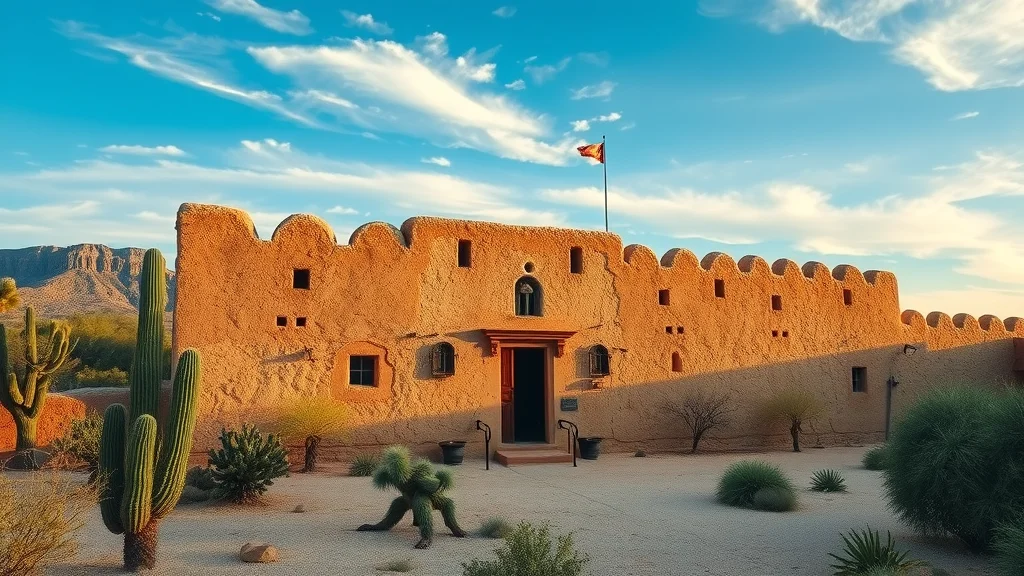
Tubac Presidio history isn’t confined to a set of dates or a record of battles; it’s a living chronicle of cultures meeting, adapting, and forging new chapters together. As the oldest European-established community in Arizona, the Tubac Presidio began as a Spanish colonial fortification in the mid-1700s. Over time, it became a vital focal point in the borderlands—a site where Spanish, Basque, Mexican, and indigenous heritages interwove. Artifacts from these diverse populations, now carefully preserved and exhibited, speak volumes about the challenges and triumphs of early frontier life.
Understanding Tubac Presidio’s broader context means appreciating its role as a center for education, governance, and innovation—well beyond its military origins. Today, visitors encounter not just preserved structures but evidence of the presidio’s lasting influence on regional communities. When we investigate this history, we’re not simply learning about who was here first or who built what; we’re forced to confront how boundaries, identities, and daily existence itself evolved in a land shaped by migration, conflict, and cooperation. Failing to grasp the presidio’s layered history risks missing how deeply the past can inform our present perspectives and choices.
How Exploring Tubac Presidio Brings Tangible Insights and Unexpected Benefits
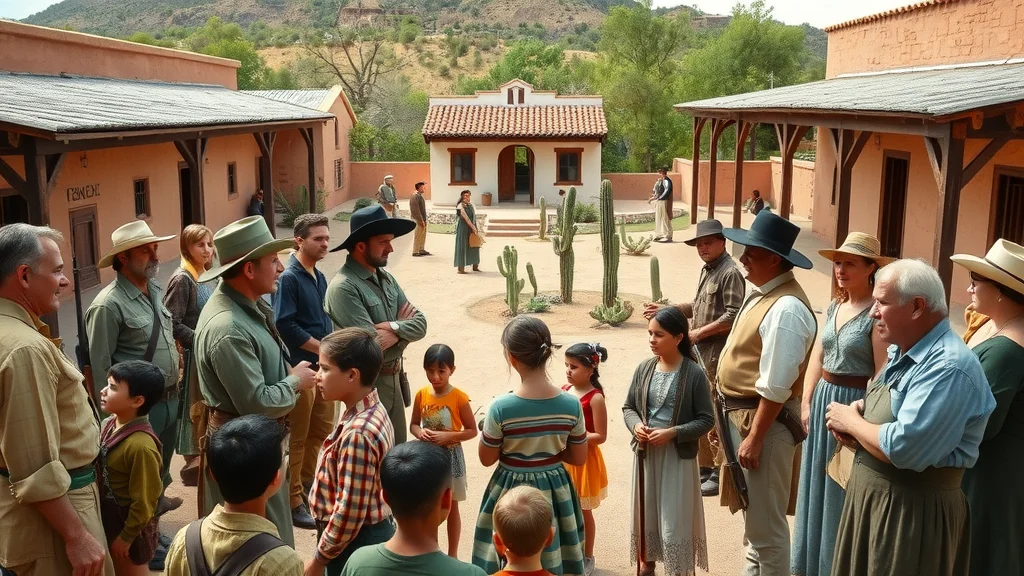
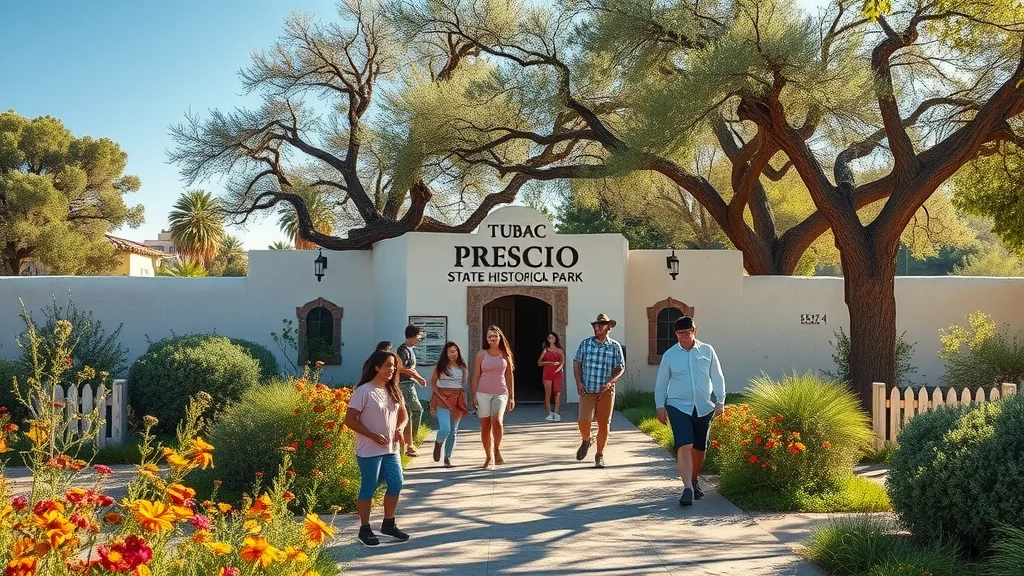
Tubac Presidio State Historic Park offers more than a history lesson—it presents a hands-on journey through Arizona’s formative years. By visiting and engaging with interactive exhibits and walking the same grounds as those who shaped this region, people of all ages can better understand the daily realities, decisions, and innovations that have left their mark on the Southwest. This direct exposure provides far richer benefits than reading from a textbook or absorbing abstract facts.
Engagement with Tubac Presidio history leads to a deeper appreciation of multicultural traditions, the endurance of frontier communities, and the value of diverse contributions in shaping Arizona’s current identity. From tactile displays—where guests are invited to touch and explore artifacts—to reconstructed environments like the schoolhouse and Rojas House, visitors gain insight into both the hardships and joys of past generations. As Arizona continues to grow and diversify, experiencing this authentic history can foster empathy, perspective, and a stronger sense of connection among today’s residents and guests.
From Colonial Fort to Cultural Beacon: Tracing Tubac’s Historical Evolution
Looking back to Tubac’s beginnings, the presidio was established not simply as a defensive measure but as a means of establishing stability and encouraging settlement in what was then a volatile borderland. Over centuries, this strategic position allowed Tubac to evolve from a military outpost to a vibrant civil community, one where education, local governance, and economic endeavors took root. Today’s preserved buildings and local museums serve as portals to these layered narratives, allowing us to witness the journey from colonial struggles to modern achievements.
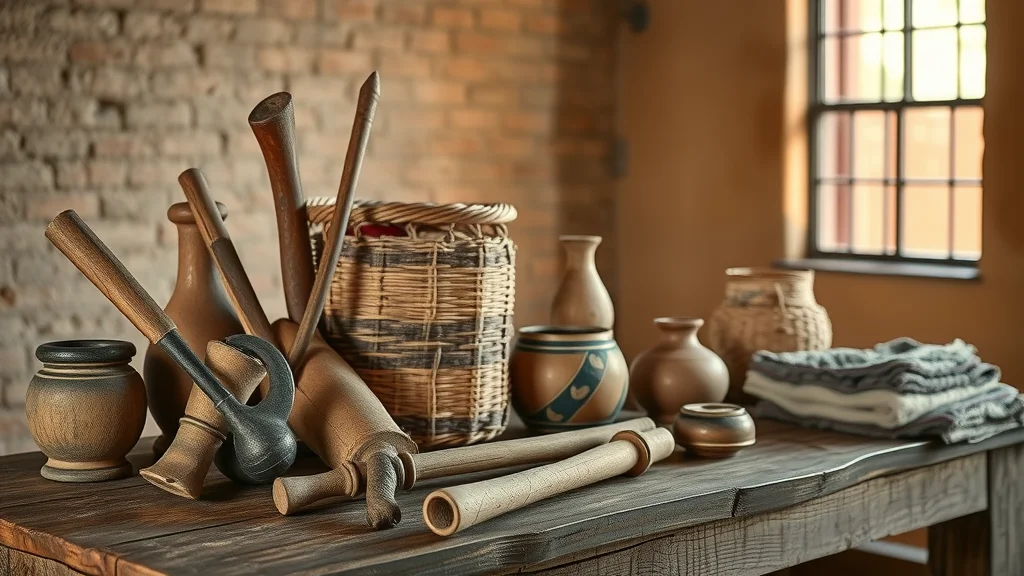
Exhibits at places like the Tubac Presidio State Historic Park showcase not just centuries-old artifacts, but also the evolution of everyday life—highlighting the area’s role in the broader movements of migration, trade, and regional development. The presidio’s historical progression mirrors the arc of Arizona’s own growth, illustrating how adaptability and cultural exchange are at the heart of the region’s lasting success.
Living History: Educational Initiatives and Community Events at Tubac Presidio
The continued vibrancy of Tubac Presidio history stems from a commitment to engaging all generations through educational programming and immersive public events. Regularly scheduled talks—from “Women on the Arizona Frontier” to “The Navajo Code Talkers”—invite guests to explore lesser-known chapters of local and national history. Seasonal events like Dia de los Muertos processions, living history demonstrations, and hands-on classes such as corn husk doll making or native plant restoration offer participants an active role in keeping the stories of Tubac alive.
These activities don’t just teach facts but encourage curiosity, spark dialogue, and promote a lived experience of history. The park’s mission to “cultivate curiosity of the history of the Tubac Presidio and the diverse cultures of southern Arizona” is more than a motto—it is woven into every educational event and collaborative effort, emphasizing that history is not static but ever-evolving, meaningful, and personal.
Why Understanding Tubac’s Legacy Is Essential for Arizona’s Future
As Arizona marks significant anniversaries and looks ahead, Tubac Presidio’s lessons offer more than nostalgia—they are blueprints for bridging difference and adapting to change. The park regularly commemorates key milestones, urging current generations to reflect on how stories of the past can inspire sustainable stewardship and respectful relationships in the future. Hands-on exhibits and interpretive programs spotlight the necessity of learning from prior challenges—be it frontier survival, environmental adaptation, or cultural negotiation.
By fostering a dialogue around Tubac Presidio history, learners gain invaluable insight into community resilience and creative problem solving, fueling a sense of ownership in protecting Arizona’s unique heritage for decades to come.
Tubac Presidio State Historic Park’s Unique Role in Celebrating Shared History
At its core, Tubac Presidio State Historic Park champions an inclusive and curiosity-driven approach to preserving and sharing history. Its volunteers and staff are motivated by a mission to honor and communicate the diverse cultures and personalities who shaped southern Arizona. This dedication is visible in the park’s dynamic events calendar, interactive displays, and ongoing educational outreach—each designed to invite exploration and empower visitors to make personal connections with the past.
Unlike many large institutions, the park operates with the ethos that history is best experienced up close, with opportunities for hands-on learning and meaningful community engagement. Its approach upholds the belief that everyone, from schoolchildren to scholars, benefits from uncovering the hidden stories of places like the Tubac Presidio. Through their efforts, the park’s stewards keep history accessible, relevant, and alive for all.
What Real Visitors Reveal: A Review that Brings Tubac Presidio History to Life
For many, it is the genuine experiences and heartfelt engagement that make Tubac Presidio history resonate. One recent visitor shared their appreciation for the park, noting not only the historical value but the sense of community and entertainment found during their Fourth of July celebration. The festivities, designed for families and visitors of all ages, complemented the museum’s deeper educational offerings—resulting in a memorable, multifaceted encounter with history. Their words capture the park’s unique blend of learning and memorable fun:
My most recent experience was actually for a Fourth of July celebration they were having so it was quite separate from the museum, though that was open. The Presidio and Rotary put on a special event from 10-12 and I must say, they knocked it out of the park! There were games for the kids, music, food, treats, donkeys to pet, a fly over, and the fire department turned the hose on the kids (in a good way!). It was very entertaining and a perfect way to celebrate the birth of our nation. The museum, grounds, gallery and one room school house, which I've visited a couple times before and plan to go back again, are rich in information and history. It's a gem for kids and adults alike.
This firsthand experience echoes what many discover: Tubac Presidio bridges education, celebration, and true community spirit. Connecting with this living history leaves visitors informed, entertained, and inspired to continue exploring the stories shaping Arizona’s present and future.
Tubac Presidio History: Connecting Heritage, Community, and the Generations Ahead
Exploring Tubac Presidio history underscores its enduring influence on Arizona’s cultural landscape. The park’s blend of hands-on exhibits, engaging programming, and ongoing stewardship has not only preserved vital artifacts—but made them deeply meaningful for today’s audiences. Each event, activity, and museum visit becomes a chance to rediscover how interconnected histories have shaped Tubac, forging a richer, more inclusive narrative of southern Arizona.
Through thoughtful preservation and dynamic education, Tubac Presidio State Historic Park establishes itself as a vital authority on the region’s past and its implications for the future. Delving into Tubac Presidio history today means unlocking lessons, connections, and perspectives that promise to enrich all who seek to learn from Arizona’s remarkable story.
Contact the Experts at Tubac Presidio State Historic Park
If you’d like to learn more about how Tubac Presidio history could benefit your understanding of Arizona and its diverse heritage, contact the team at Tubac Presidio State Historic Park.
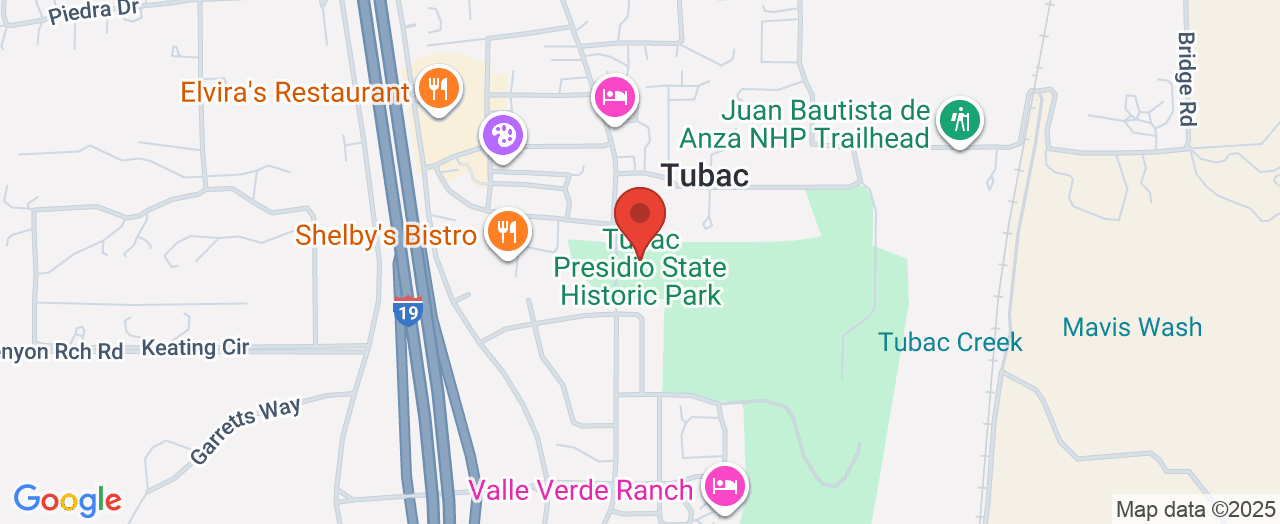
📍 Address: 1 Burruel St, Tubac, AZ 85646, USA
📞 Phone: +1 520-398-2252
🌐 Website: https://www.tubacpresidio.org/
Discover the Location and Hours for Tubac Presidio State Historic Park
🕒 Hours of Operation:
📅 Monday: ❌ Closed
📅 Tuesday: 9:00 AM – 3:00 PM
📅 Wednesday: 9:00 AM – 3:00 PM
📅 Thursday: 9:00 AM – 3:00 PM
📅 Friday: 9:00 AM – 3:00 PM
📅 Saturday: 9:00 AM – 3:00 PM
📅 Sunday: 9:00 AM – 3:00 PM




Write A Comment