



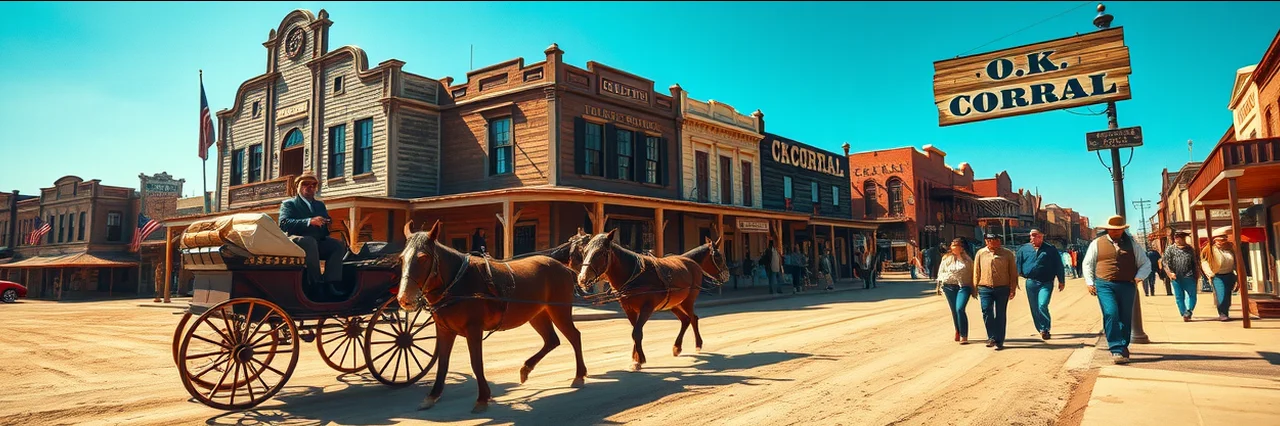
Step Into the Drama and Mystery of Victorian Courthouse History
Imagine walking the halls where justice once carried the flavor of the frontier—where the fate of outlaws, lawmen, and pioneers was decided under the shadow of architectural grandeur. Victorian courthouses are more than relics of the past; they are living stories, echoing with the hopes, conflicts, and transformations that shaped entire communities. Within these stately brick walls, moments of drama and history unfolded, from sensational trials to local celebrations, each brick and beam bearing silent witness.
Delving into Victorian courthouse history is like opening a portal to a different era—one marked by rapid growth, social upheaval, and the birth of law and order in untamed territories. These courthouses, designed with striking red brick and elaborate Victorian flourish, were not just centers of legality, but the backbone of towns that rose from mining booms and faded just as quickly. Understanding their stories sheds light on the development of American communities, how justice was served (or not), and why their legacy continues to captivate visitors and historians alike.
Gaining a true understanding of Victorian courthouse history offers more than a look at old architecture; it’s about unraveling the ways in which societal values, harsh realities, and architectural vision interwove to create enduring symbols of justice and community. Journeying into this history transports readers to a time where the West was wild, and the courthouse was the beacon of order. For anyone curious about the heart of American growth and justice, there’s no better story to discover.
Why Victorian Courthouse History Holds the Power to Shape Our View of Justice
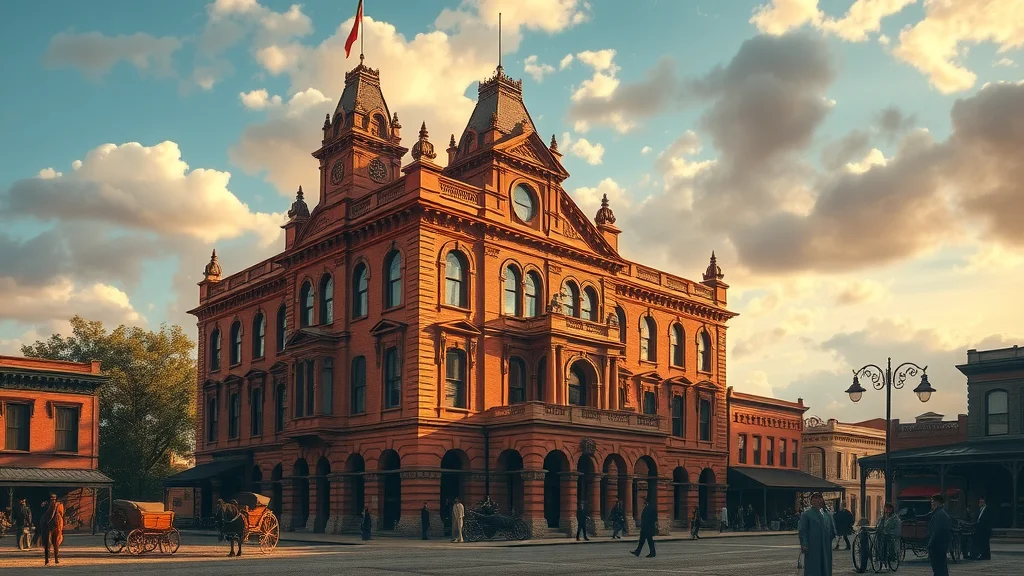
Victorian courthouses, with their stately designs and storied pasts, offer more than just an aesthetic feast for architecture enthusiasts—they represent the formation of civic identity and legal order in some of the most turbulent times of American history. During the late 19th century, as mining towns like Tombstone flourished practically overnight, communities needed visible, impressive structures to establish authority and foster trust among disparate and often rowdy populations. The red-brick Victorian courthouse of Tombstone serves as a prime example, its two-story stature rising amidst the dust and dynamism of a booming mining era.
The symbolism embedded in Victorian courthouse design was intentional; beyond the grandeur and decorative style, these buildings were designed to communicate strength, stability, and a respect for the rule of law to everyone who entered their doors. In places where conflict and lawlessness were common, the courthouse was more than a civic center—it was often the town’s anchor. Failing to appreciate this history means overlooking the pivotal role courthouses played in shaping both the literal and figurative landscape of American towns. These structures housed not only legal proceedings, but also hosted community gatherings, festive events, and sometimes darker moments such as hangings, giving them a complex, multifaceted legacy.
Why Exploring Victorian Courthouse History Brings Communities to Life
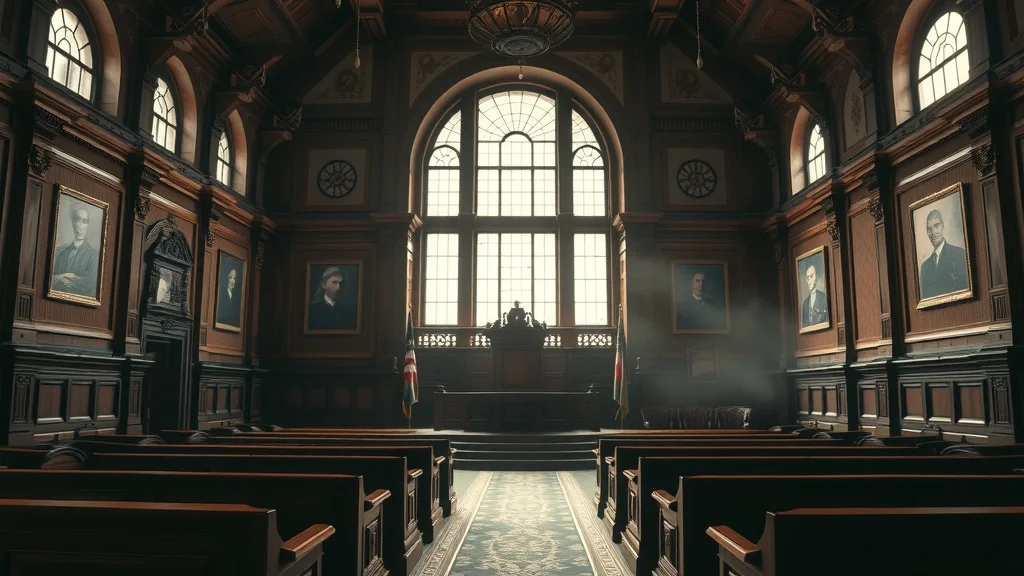
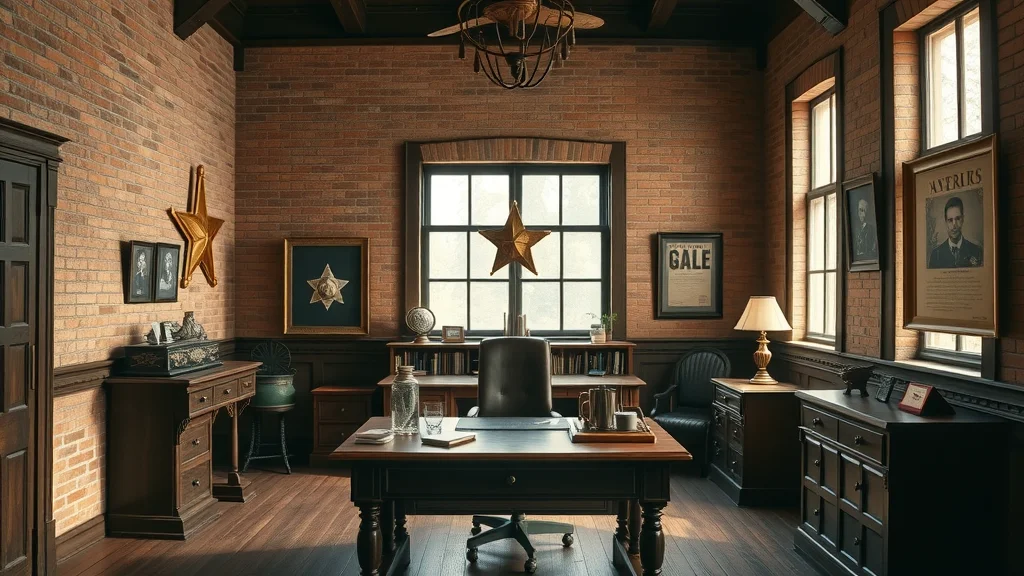
Tombstone Courthouse State Historic Park, acting as a steward of the region’s heritage, preserves a vivid and educational experience for all who walk through its doors. The two-story Victorian courthouse-turned-museum anchors visitors in the lived reality of Arizona’s mining past, inviting them to immerse themselves in authentic artifacts and thoughtfully curated exhibits. Documented treasures such as a license to operate a brothel or invitations to hangings, paired with re-creations of the sheriff’s office, courtroom, and saloon, provide a tangible link to the personalities and values that defined the era.
By exploring the layers of Victorian courthouse history here, visitors move beyond textbook knowledge to connect emotionally with the everyday lives and struggles of Tombstone’s residents. The experience is not just educational—it’s transformative. Through exhibits on law, mining, ranching, and infamous figures such as Wyatt Earp, the courthouse underscores how legal and social structures evolved together over decades. Walking these halls, guests discover both the challenges and small triumphs of frontier justice, all preserved with care so that lessons from the past remain relevant for today’s communities seeking a sense of continuity and identity.
The Architectural Genius and Social Role of Victorian Courthouses
Few structures capture a period’s spirit quite like Victorian courthouses. Built in 1882 from distinctive red brick, the Tombstone courthouse stands as a testament to “territorial architecture”—a style blending practicality with ornamentation that was hugely symbolic in the West. The courthouse’s enduring presence speaks to the ambition of early Arizonans to create spaces that not only governed but uplifted. From its backdrop as a setting for major trials to its later transformation into a historical museum, the building showcases the evolution of public spaces from functional institutions into keepers of collective memory.
Socially, these courthouses were more than halls of justice; they were gathering spots for citizens, places where stories were shared, and traditions—both joyful and macabre—were established. The integration of period exhibits within Tombstone Courthouse State Historic Park, from restored sheriff’s offices to artistic interpretations of notorious shootouts, deepens an appreciation for the role these sites played in local culture and lore. By visiting or studying such locations, people develop a richer understanding of how justice, architecture, and community can intertwine around a single landmark.
A Timeline of Transformation: From Victorian Justice to Museum Preservation
The Tombstone courthouse’s timeline mirrors the city’s tumultuous yet fascinating journey. From serving as the original county seat of newly christened Cochise County in 1881, the courthouse offered a hub for growth and governance until the county seat’s relocation to Bisbee in 1931. During those years, its chambers witnessed everything from landmark legal decisions to local milestones, bearing witness to the region’s shifting fortunes.
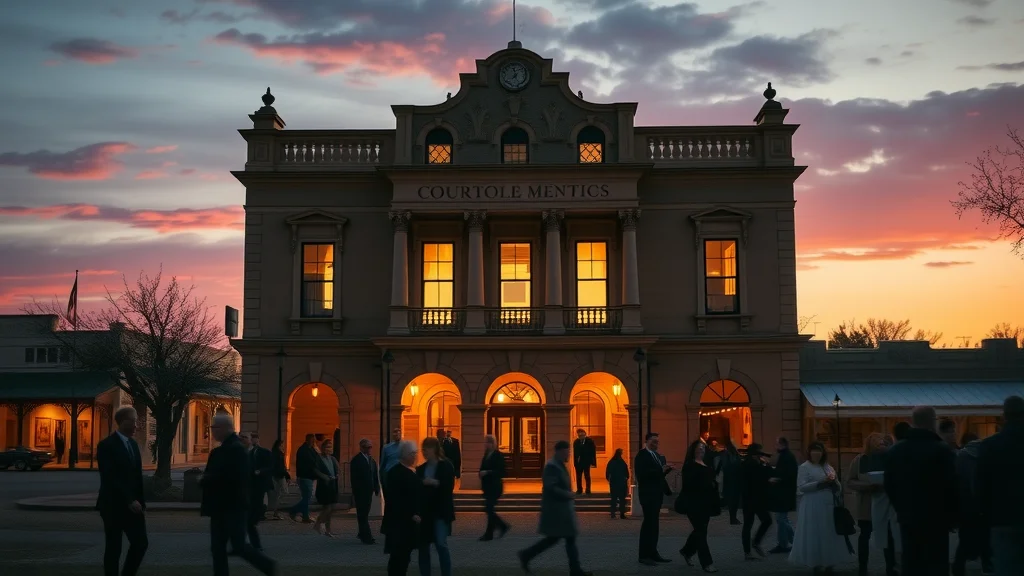
The building’s preservation as a museum marks a new chapter. Instead of being lost to time, the courthouse has been thoughtfully adapted to display rich interpretive exhibits that celebrate not only Tombstone’s vibrant history but also the changing tides of law and society in the American West. Preserving such spaces honors the narratives of miners, lawmen, and families, ensuring that the courthouse continues to educate and inspire future generations, connecting the stories of the past with the curiosity of today’s visitors.
How Special Events and Public Programs Bring Victorian Courthouse History to Life
One of the most engaging aspects of the Tombstone Courthouse story is how it continues to serve as a lively cultural hub through special programs and events. Activities range from author presentations on pivotal moments like the Gunfight at the OK Corral to Halloween “Spooky Stories” that reanimate lesser-known characters and chilling historical tales. These events turn the courthouse from a static relic into an interactive classroom, where history is experienced rather than merely observed.
By mixing education with entertainment—such as inviting local historians to share both factual and legendary tales—the park helps all ages experience the realities and myths of frontier justice. This dynamic approach keeps Victorian courthouse history relevant and compelling, making it accessible not just to scholars but to families, students, and travelers seeking meaningful connections to the American story.
Tombstone Courthouse’s Mission: Preserving Justice, Heritage, and Public Engagement
At the core of Tombstone Courthouse State Historic Park’s approach is a commitment to safeguarding and sharing the region’s “raucous history.” With roots planted firmly in civic pride and educational mission, the park preserves both the structure itself and the unique artifacts that highlight the complexities inherent in Victorian justice. Period-specific exhibits don’t shy away from the raw details of frontier life; instead, they invite reflection and inquiry, encouraging visitors to consider not just the architecture, but the fabric of society that shaped and was shaped by it.
The underlying philosophy is one of accessibility and inclusivity. Whether someone is encountering the Victorian courthouse for the first time or returning to explore new exhibits and events, the museum’s careful curation bridges historical documentation with lively, thought-provoking programming. In doing so, it provides a space where every visitor—regardless of background—can feel the weight, mystery, and significance of the building’s history, while learning lessons about justice, resilience, and the American spirit.
By investing in both preservation and public education, the park ensures that Victorian courthouse history is not just remembered but relived. This approach transforms an old government building into a living testament to how the values of justice, creativity, and community evolve over generations, inspiring young and old alike to become stewards of their own town’s heritage.
Visitors Share Their Impressions—Victorian Courthouse History Through Their Eyes
Engaging with the stories and atmosphere of a historic courthouse leaves a powerful mark on guests, revealing not just what is seen, but what is truly felt. One particular visitor captured the essence of this emotional connection in a way that resonates deeply:
You can feel the history in this building in every room. I recommend sitting in the courtroom for a few moments and imagine the things that were said or yelled in that room.
—Fettman1176
The tangible sense of stepping into lived history is an experience that many seek, yet only places like the Tombstone Courthouse can deliver so authentically. Reflecting on real stories and the echo of dramatic moments, guests find themselves part of an ongoing narrative, learning firsthand why understanding Victorian courthouse history continues to matter for generations seeking meaning and connection in the American experience.
Victorian Courthouse History: Connecting the Past, Present, and Future of Justice
Victorian courthouse history stands as both a lesson and a legacy—a testament to the enduring need for justice and community through times of rapid change. Through careful stewardship, interpretive exhibits, and dynamic public programs, Tombstone Courthouse State Historic Park has cemented itself as a beacon for those who wish to dive deep into the intertwined stories of architecture, law, and everyday life in historic Arizona. By connecting visitors to both the drama and the hope that old courthouses represent, these sites offer a bridge from yesterday’s challenges to today’s quests for understanding and connection.
As communities continue to reflect on the meaning of justice, history, and civic pride, it is places like this Arizona landmark—steeped in Victorian courthouse history—that remind us how individual stories and public legacy blend, shaping not just a town, but the entire narrative of a nation’s growth.
Contact the Experts at Tombstone Courthouse State Historic Park
If you’d like to learn more about how Victorian courthouse history could benefit your understanding of Arizona's legal and cultural legacy, contact the team at Tombstone Courthouse State Historic Park.
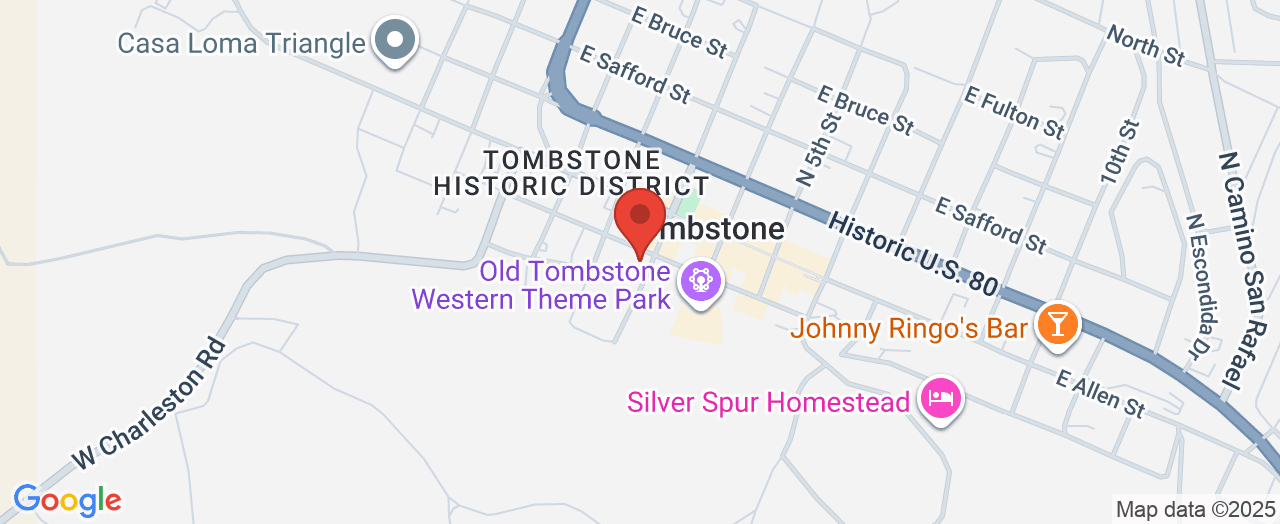
📍 Address: 223 E Toughnut St, Tombstone, AZ 85638, USA
📞 Phone: +1 520-457-3311
🌐 Website: https://azstateparks.com/tombstone
Tombstone Courthouse State Historic Park Location and Availability
🕒 Hours of Operation:
📅 Monday: 9:00 AM – 3:00 PM
📅 Tuesday: 9:00 AM – 3:00 PM
📅 Wednesday: 9:00 AM – 3:00 PM
📅 Thursday: 9:00 AM – 3:00 PM
📅 Friday: 9:00 AM – 3:00 PM
📅 Saturday: 9:00 AM – 3:00 PM
📅 Sunday: 9:00 AM – 3:00 PM




Write A Comment