



Tracing Hidden Footprints: Why Gold Rush History Still Shapes Our Present
Imagine traveling back to the 1850s, where dreams of instant wealth drew people from every corner of the world to remote outposts in California. For many, the phrase “gold rush history” just conjures images of miners hunched over riverbeds, panning for fortune. But the truth is far more nuanced: the Gold Rush didn’t just create a short-term frenzy; it forged communities, altered landscapes, and transformed the social fabric of an entire state. Today, relics and stories from that era still resonate, offering a window not only into the challenges and grit of prospectors, but into the complex, multicultural legacies they left behind.
As vast migration converged on boomtowns, new cities sprang up overnight—some vanished as quickly as they appeared. Yet, amid fire, loss, and the relentless search for gold, certain towns endured, adapting to each era’s demands. The study of gold rush history gives us a powerful way to understand California’s evolution—its booming economies, cultural dynamism, and diverse communities. Peering into the Gold Rush’s untold secrets isn’t just about appreciating old artifacts. It’s about uncovering untold stories of resilience, innovation, and the pursuit of opportunity; stories still relevant for anyone navigating the modern world’s rapid change.
Gold Rush History: Beyond Pans, Rivers, and Legends
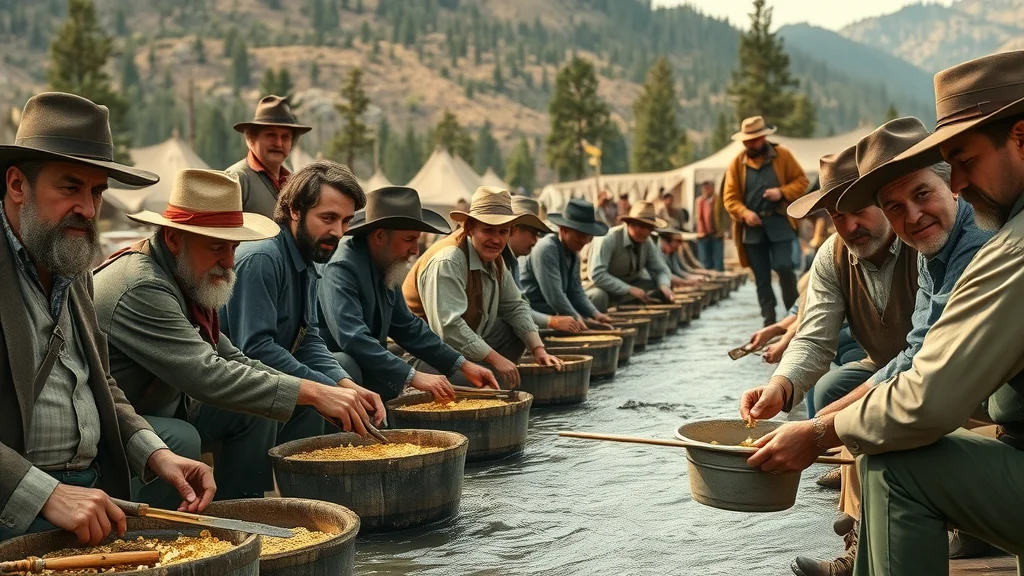
Gold rush history is often romanticized as a tale of fortune-seekers sifting gleaming nuggets from river silt. But dig deeper, and a richer story emerges—a mosaic of ambition, disappointment, invention, and diversity. Miners employed not just pans, but ingenious new methods and machinery; business owners converted wild camps into thriving towns; men and women from Europe, Asia, and across the United States—along with free and formerly enslaved Black Americans—shaped settlements that offered both opportunity and adversity. The gold rush was a turning point, not only for individual livelihoods but for policy, property rights, and community building across the West.
Not understanding the full context of gold rush history risks missing out on lessons about innovation under pressure and the complicated dynamics of multicultural societies in rapid transition. In places where towns perished after their gold gave out, knowing what led others to endure—how they protected assets and cultivated lasting businesses—can inform modern strategies for resilience. Today, as we face our own booms and busts in technology, environment, and culture, the gold rush remains a valuable case study in both the risks and possibilities of ambitious ventures.
From Ghost Towns to Living Museums: The Real Value of Exploring Gold Rush History in Person
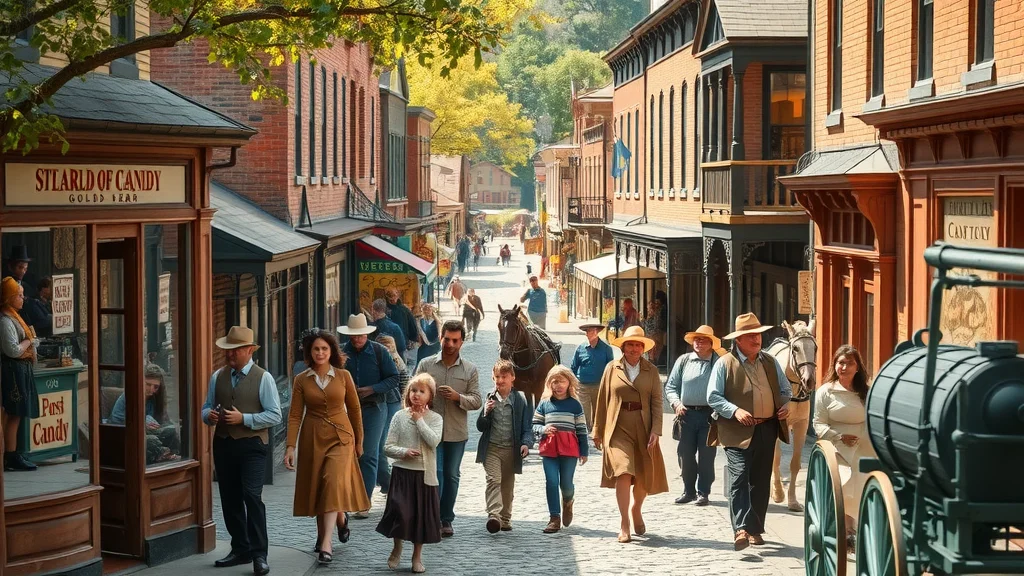
Columbia State Historic Park offers a unique lens on gold rush history—not as a relic trapped under glass, but as a bustling, living stage. Visitors can walk actual 1850s streets, step inside preserved brick schoolhouses, and explore a vibrant selection of restored shops, blacksmiths, and even old-fashioned bowling alleys. Learning history through direct engagement—by panning for gold, taking guided town tours, or hearing historical interpreters reenact pivotal moments—brings abstract textbook stories vividly to life. Families, school groups, and seasoned history buffs alike discover how tangible experiences can spark curiosity and deepen understanding far beyond what a photo or website describes.
Delving into the fabric of gold rush towns also highlights the resilience that allowed select communities to survive when others faded. Columbia, for instance, once ranked among the largest cities in California, outlasting dozens of competitors thanks to fireproof brick construction and conscious preservation efforts. This legacy underscores a crucial lesson: safeguarding the best of the past provides a foundation for future generations. Walking through Columbia’s historic corridor or chatting with present-day merchants brings alive the entrepreneurial spirit and daily challenges endured by early residents. It’s a lesson in adaptability and foresight—a reminder that real progress comes from understanding what to save and how to adapt in times of change.
Multicultural Narratives: How Diverse Voices Shaped Gold Rush Communities
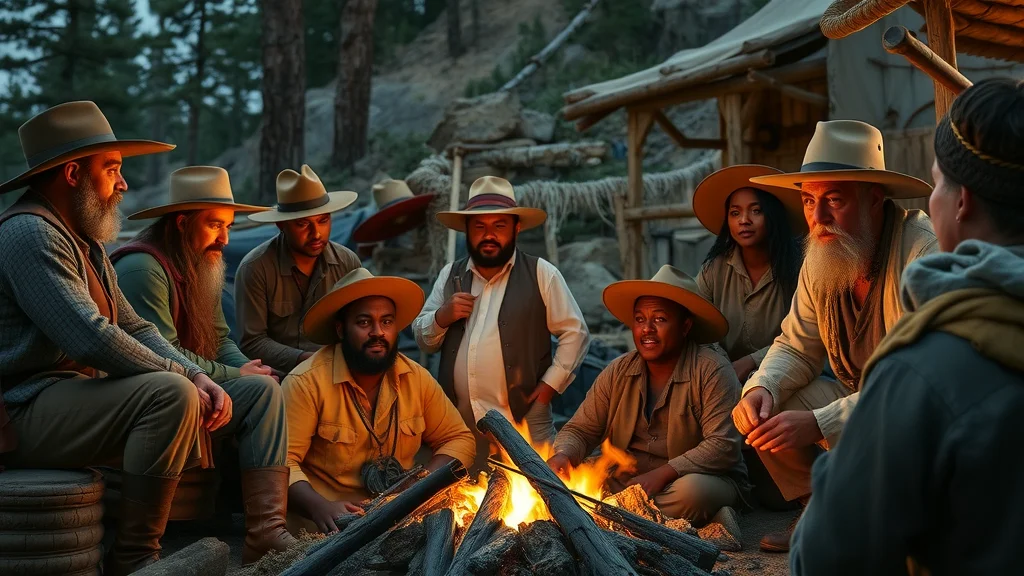
A growing focus on lesser-known stories now sets Columbia State Historic Park and its gold rush history apart. The museum’s “Gold and Grit: African American Histories in Gold Rush Tuolumne County” exhibit, for example, explores the integral role that early Black residents played in shaping both business and community life. Too often overlooked, these accounts reveal how Black Californians built independent lives and thriving enterprises despite tremendous odds—contributing to the region’s cultural mosaic and economic vitality. Understanding these stories offers a richer, more accurate picture of the era, while fostering reflection on the ongoing struggle for equity and representation.
By engaging with multicultural narratives from the gold rush period, visitors and students expand their awareness of the challenges and rewards that diverse communities encountered. These lessons in perseverance, ingenuity, and community building hold ongoing relevance for anyone interested in social progress and the power of inclusive history. Columbia’s efforts to preserve and share these voices help ensure the legacies of all participants—famous or unsung—are recognized within the broader sweep of American history.
More Than Museums: Hands-On Encounters Make History Personal
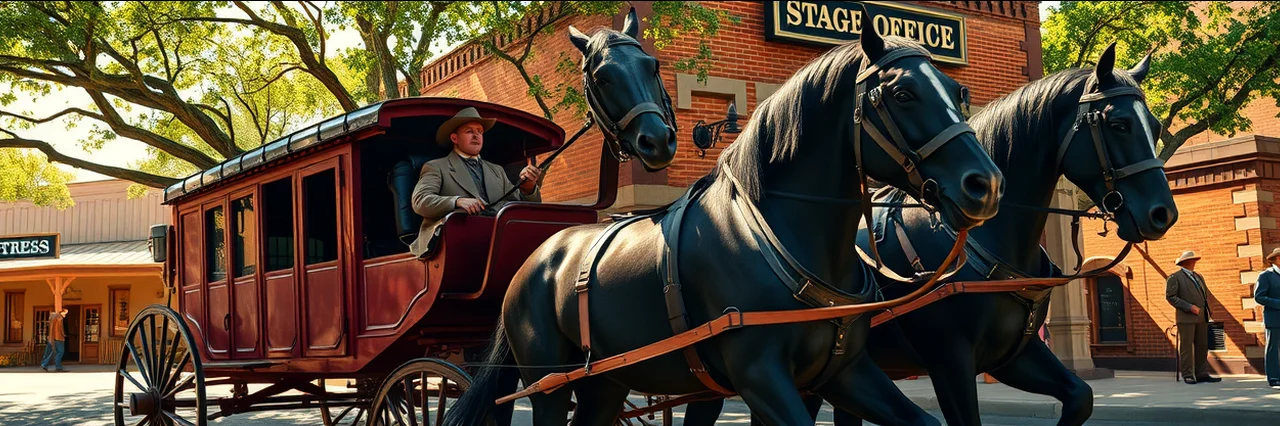
At Columbia State Historic Park, the activities go far beyond static exhibitions. Here, history is a full-sensory experience. Visitors can watch soap and candle making demonstrations, taste hand-dipped chocolates, or ride a stagecoach through town. For families, the chance to pan for gold or visit the old blacksmith’s shop transforms learning from a classroom obligation into a memorable adventure. Even small details—like the chance to buy period clothing from local merchants or observe period-accurate restoration—help bridge the past and present in ways that traditional textbooks never could.
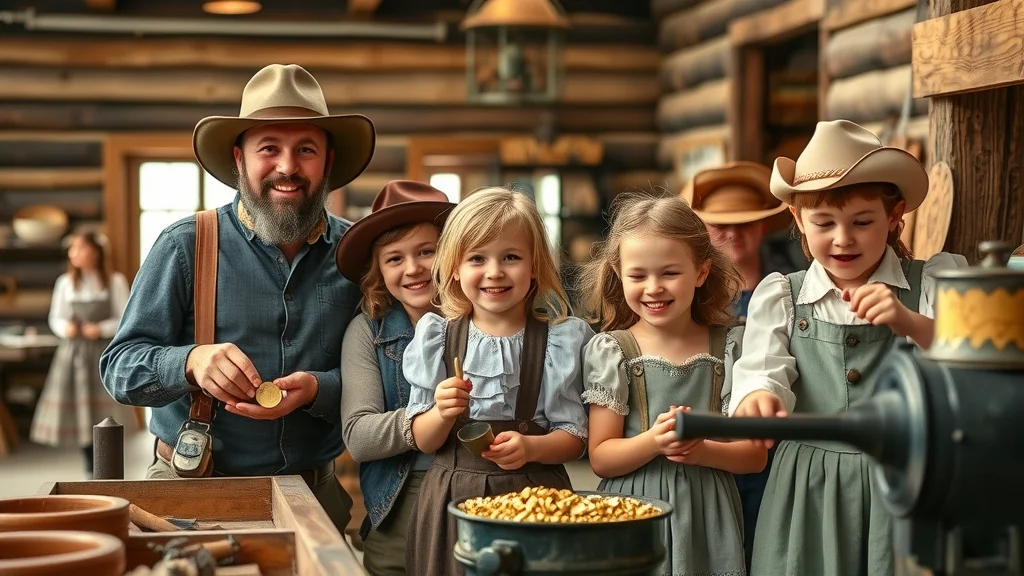
These interactive elements not only entertain; they also foster empathy and understanding. By experiencing the challenges and joys of 19th-century daily life, modern visitors gain insights into the perseverance required to thrive during tumultuous times. Columbia State Historic Park’s community-focused design—with blocked off roads for safety, open-access events, and family-friendly programming—reinforces history’s power to unite people of all ages and backgrounds through shared discovery.
Living Heritage: How Columbia’s Commitment Preserves a Legacy
The stewardship at Columbia State Historic Park is rooted in core values of preservation, education, and community engagement. The park’s mission emphasizes not just showcasing gold rush artifacts but fostering a vibrant year-round destination—a living embodiment of California’s storied past. Events like seasonal festivals, theatrical performances, and special museum exhibits anchor Columbia’s ongoing vitality and ensure that history remains an active conversation for new generations.
Columbia’s unique approach combines meticulous restoration with immersive, hands-on learning. From protecting fire-resistant brick architecture to carefully curating multicultural stories, the park reflects a philosophy that history must be inclusive, accessible, and personally meaningful. By encouraging visitors to experience gold rush history through all senses—taste, touch, sound, sight—the park stands as a beacon of thoughtful, participatory preservation, inspiring other communities to safeguard their own heritage in creative ways.
Real Experiences: Walking Through Gold Rush History Today
Visitors and history lovers alike find that engaging directly with gold rush history at Columbia makes an impact that lingers. As one enthusiastic visitor shared:
We visited Columbia State Park on Monday. It was peaceful and cool day for us to walk around this historic park. Almost shops and restaurants are closed for weekdays. It seems we miss the weekend vibe. However we feel it’s interesting just to walk through the park - Get to know about gold rush town with its real old history. A lot of things for family to enjoy a whole day at this town.
This account highlights the accessibility, educational value, and genuine delight that come from discovering an authentic gold rush town. Encountering such history firsthand enables future visitors to create their own stories and deepen their connection to California’s remarkable past.
Rewriting the Legacy: The Lasting Impact of Gold Rush History
The secrets of gold rush history aren’t relegated to faded newspapers or remote display cases; they are waiting, tangible, in places like Columbia State Historic Park. Through its dedicated preservation and immersive educational focus, Columbia stands out as a living testimony to ambition, resilience, and diversity—each crucial themes in understanding both California’s origins and its ongoing evolution. By inviting visitors to inhabit, witness, and interact with authentic gold rush experiences, the park asserts that learning from the past is essential not just for nostalgia, but for shaping a stronger and more inclusive future.
Through its exhibits, hands-on activities, and groundbreaking multicultural storytelling, Columbia State Historic Park showcases why an honest exploration of gold rush history is more relevant today than ever before. By weaving together voices often left out of traditional narratives, the park becomes a touchstone for those seeking truth, inspiration, and a deeper connection to the American story.
Contact the Experts at Columbia State Historic Park
If you’d like to learn more about how gold rush history could benefit your educational journey or family experience, contact the team at Columbia State Historic Park.
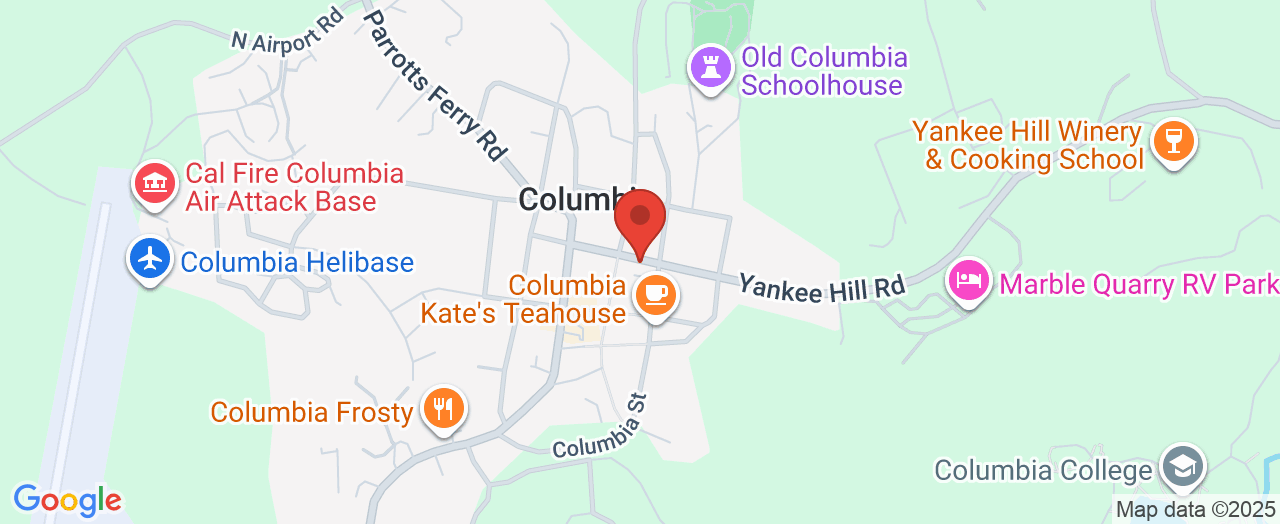
📍 Address: 11259 Jackson St, Columbia, CA 95310, USA
📞 Phone: +1 209-588-9128
🌐 Website: http://www.parks.ca.gov/columbia/
Columbia State Historic Park Location and Hours
🕒 Hours of Operation:
📅 Monday: 10:00 AM – 4:00 PM
📅 Tuesday: 10:00 AM – 4:00 PM
📅 Wednesday: 10:00 AM – 4:00 PM
📅 Thursday: 10:00 AM – 4:00 PM
📅 Friday: 10:00 AM – 4:00 PM
📅 Saturday: 10:00 AM – 4:00 PM
📅 Sunday: 10:00 AM – 4:00 PM


Write A Comment