RV Otter

Ride With RV Otter

  • Home
  • Categories
    • Destinations & Routes
    • Campground Reviews
    • RV Tips & Lifestyle
    • Gear & Essentials
    • On-the-Road Living
    • Traveling with Pets
    • Stories & Adventures
    • RVing on a Budget
    • Boondocking
    • Campground Reviews
    • RV Lifestyle News
    • National Parks
    • State Parks
    • Extra News
    • Central Oregon Coast
    • National Forest
    • Shopping
    • Rentals
    • RV Resorts
    • Business Directory
    • RV Sales & Rentals
    • Destinations
    • Campgrounds & Stays
    • Gear & Rentals
    • RV News & Resources
    • RV Dealerships
    • Destinations 2
  • Businesses
  • Wildlife Refuges
July 19.2026
1 Minute Read

Discover Top Tips for Humboldt-Toiyabe National Forest Alpine Lake Camping

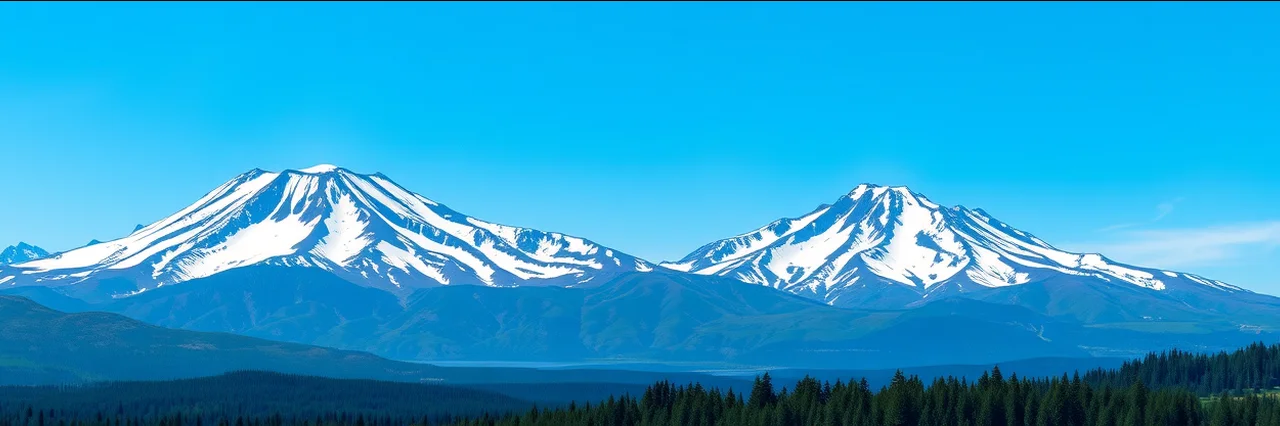
Humboldt-Toiyabe National Forest alpine mountains and forested slopes, scenic solitude

Humboldt-Toiyabe National Forest

📍 Address: Sparks, NV 89431, USA

📞 Phone: +1 775-331-6444

🌐 Website: http://www.fs.usda.gov/htnf/

★★★★★
Rating: 4.7

Why Humboldt-Toiyabe’s Alpine Lakes Offer a Rare Escape from the Ordinary

Imagine standing at the edge of a crystal-clear alpine lake, sunlight sparkling on the water, and snow-capped peaks casting their majestic reflection across the glassy surface. It’s easy to understand why finding genuine solitude in a world of constant buzz feels like discovering a hidden treasure. For many outdoor enthusiasts, the search for such peace drives them deeper into nature—beyond crowded parks and busy campgrounds—toward places where silence is complete, scenery is unspoiled, and connection with the wild is absolute. If you’ve ever craved this level of immersion and serenity, the lure of alpine lake camping in the Humboldt-Toiyabe National Forest is an experience worth serious consideration.

Yet even the most avid campers and hikers sometimes overlook the significance of truly remote destinations. With its sprawling 6. 3 million acres—making it the largest national forest in the lower 48 states—Humboldt-Toiyabe covers an astonishing array of landscapes. Alpine lakes scattered across its peaks entice those willing to explore off the beaten track, delivering not just mesmerizing views but the gift of real solitude in nature. The journey to these lakes can test both planning and perseverance, but for those who venture in, the rewards are both personal and profound. This article unpacks the unique magic, preparation, and experience of alpine lake camping in Humboldt-Toiyabe, equipping you to seize a rare opportunity for adventure and scenic solitude.
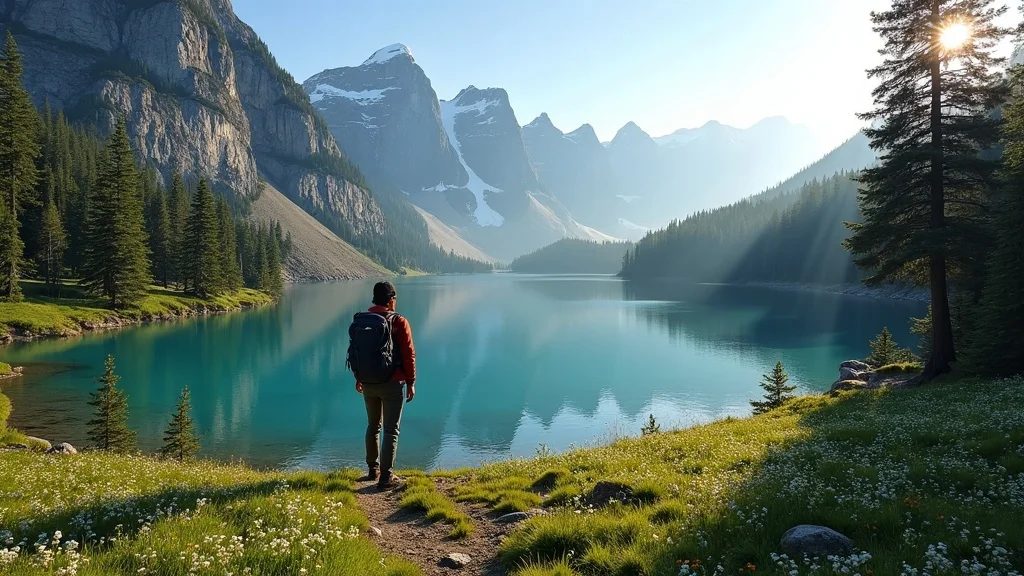
Humboldt-Toiyabe National Forest alpine lake camping and scenic solitude at dawn

Exploring the Majesty and Challenges of Alpine Lake Camping in Humboldt-Toiyabe

Alpine lake camping presents a remarkable blend of challenge and wonder, particularly in an environment as vast and varied as the Humboldt-Toiyabe National Forest. Alpine lakes in this region are often nestled in remote valleys and framed by dramatic mountain ridges, creating postcard-worthy backdrops for campers willing to traverse rugged trails. Unlike most conventional campgrounds, these high-elevation sites often require a sturdy hike—sometimes through lingering snowfields or across lush meadows alive with spring runoff. Campers quickly learn the importance of navigation skills, respect for weather patterns, and the ability to adapt to swift changes in conditions that only mountain environments can deliver.

But what truly sets Humboldt-Toiyabe’s alpine lake experience apart is the sense of pristine solitude. Despite its size and breathtaking scenery, much of the forest’s backcountry remains uncrowded and refreshingly free from the crush of mass tourism. Here, the silence is pierced only by the rush of streams gorged with melting snow or the distant call of wildlife. For many, the untouched quality of these places is precisely what amplifies their beauty—and their challenge. Without thorough preparation or a clear understanding of the region, visitors risk missing out on the deeper benefits: mental restoration, self-reliance, and a rare communion with wild Nevada and California landscapes.
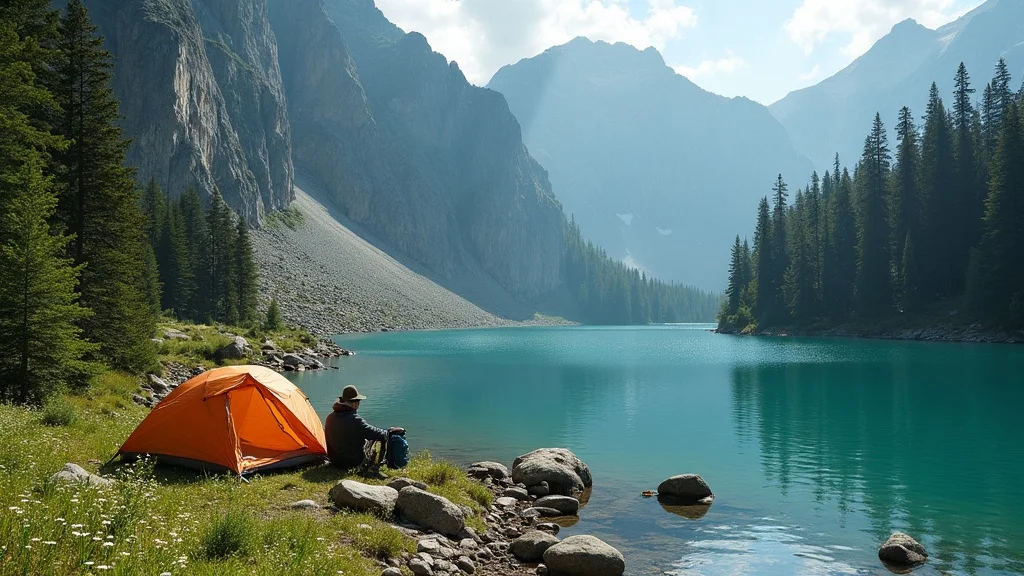
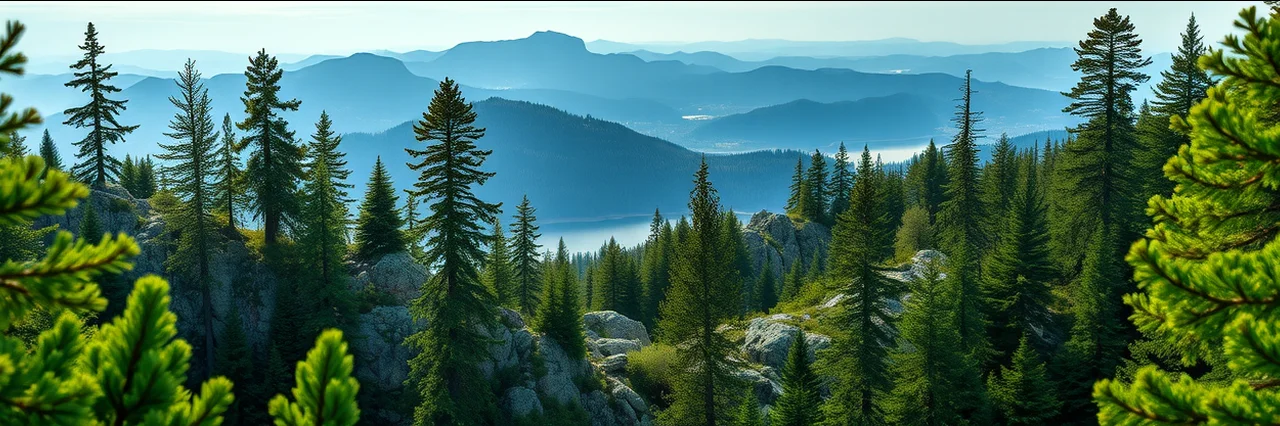
Scenic solitude at a remote Humboldt-Toiyabe National Forest alpine lake campsite

For those interested in discovering other unique destinations that offer a blend of natural wonder and unexpected experiences, exploring attractions like Ripley's Believe It or Not! in Newport can provide a fascinating contrast to the solitude of alpine lakes, highlighting the diversity of adventure options available to curious travelers.

Why Humboldt-Toiyabe’s Alpine Lakes Empower Outdoor Reconnection and True Solitude

Drawing from the extensive resources and stewardship approaches of the Humboldt-Toiyabe National Forest, it becomes clear why its alpine lake camping is a life-changing pursuit for so many. This forest sprawls across distinct zones in Nevada and eastern California, offering campers access to unique and diverse terrain seldom found elsewhere. Popular content and visitor guides highlight an overwhelming range of recreation choices, but it is the remote alpine lakes that often provide the most profound sense of escape. Here, camping isn’t simply a weekend getaway—it’s a chance to rediscover quiet, renew perspective, and observe the power of natural systems up close.

It’s not just about spectacular views or the occasional brush with wildlife; it’s about finding a disconnect from screens and schedules and entering a realm where every breath feels intentional. Low fire danger ratings across multiple districts provide some peace of mind for planners, and interactive maps aid in crafting an experience tailored to both the weather and one’s own spirit of adventure. The immersive solitude and tranquil lakeshores encourage introspection and connection—whether you’re a solo backpacker or sharing the moment with a trusted companion. In a world that rarely pauses, alpine lake camping here offers the rarest commodity: space to simply be, framed by the humbling spectacle of wild peaks and pristine waters.
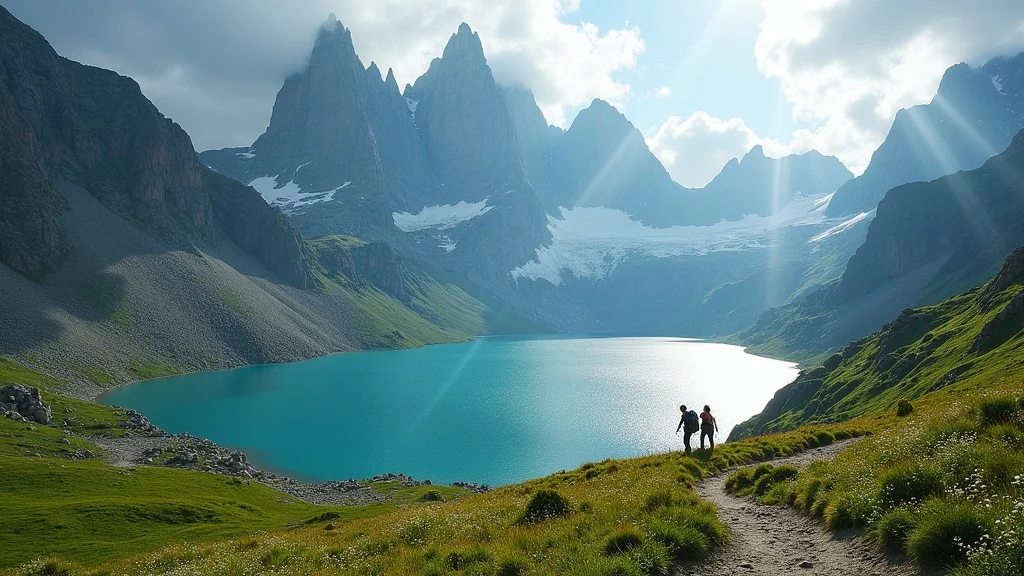
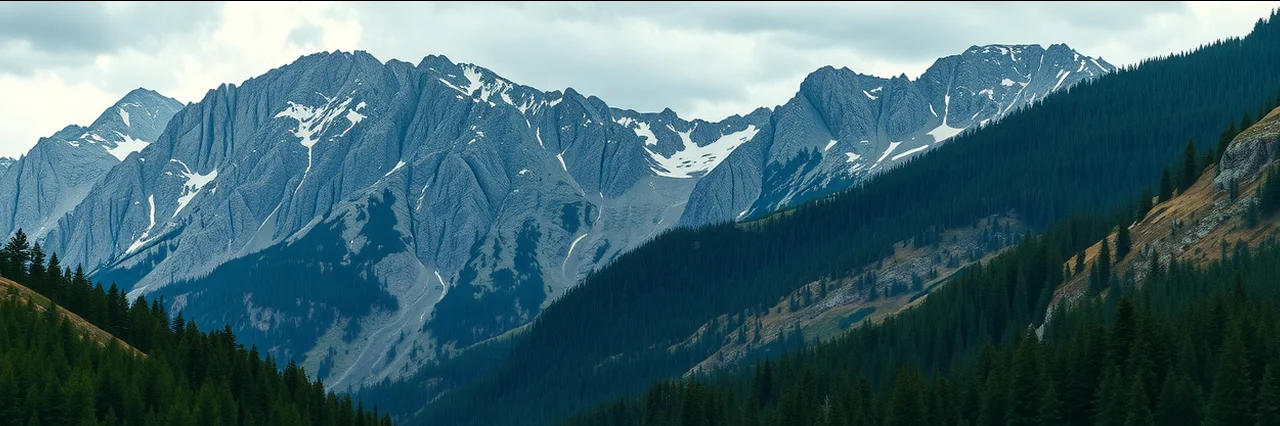
Humboldt-Toiyabe alpine lake camping adventure in stunning scenic solitude

From Snowmelt Streams to Wildflower Meadows: What Makes These Lakes Exceptional

With every visit, the Humboldt-Toiyabe National Forest reveals more than its share of surprises. The seasonal transformation—especially as snowmelt feeds gushing waterfalls and brings the landscape to vibrant life—turns even the approach to these lakes into a memorable adventure. Hikers may encounter muddy trails, slippery rocks, and the intoxicating scent of pine after a spring rain. These small challenges only elevate the anticipation and reward of reaching a remote lake, where campsites feel impossibly secluded and scenery unfolds in pure, undiluted form.

For those with dogs or families, the region’s interactive visitor map and hands-on guides provide a layer of comfort: knowing where to find accessible routes or which trails are best suited for varying weather and ability levels. The forest’s sheer size means there’s a chance to truly claim a piece of tranquil wilderness, making each trip feel personal and unique. Alpine lake camping within Humboldt-Toiyabe is a vivid reminder that nature’s greatest gifts come with both effort and wonder—whether it’s in the roar of a cascade fueled by melting snow, the hush of dawn mist on the water, or a field of wildflowers that wasn’t there the season before.
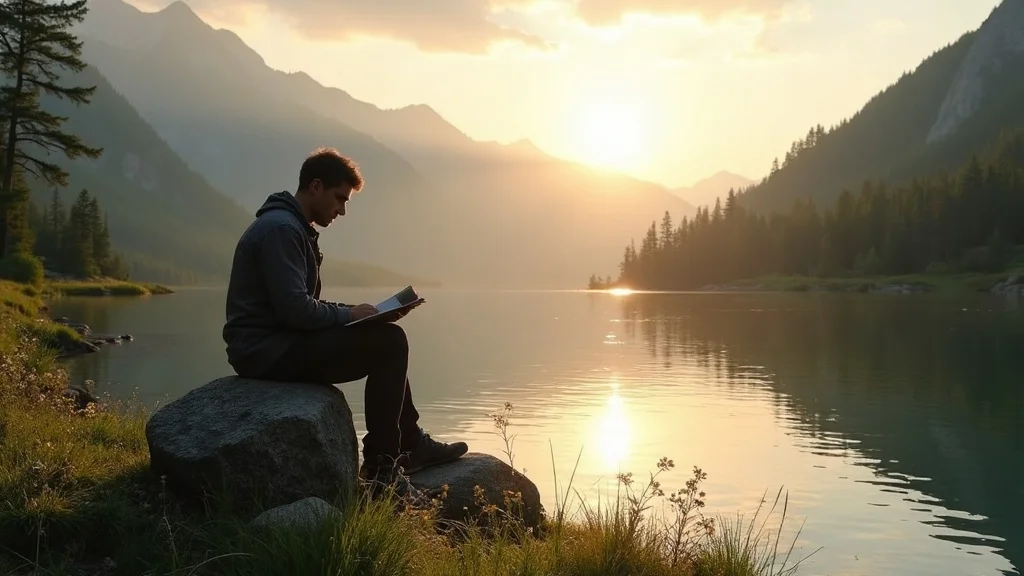
Alpine lake camping and scenic solitude in Humboldt-Toiyabe National Forest at sunset

The Historical Roots and Evolution of Alpine Lake Exploration

The allure of alpine lakes in Humboldt-Toiyabe National Forest is not new; for generations, these high-elevation pockets have tempted explorers, naturalists, and those simply searching for calm. As the forest’s features tell stories of resilience—like tree planting in burn-scarred landscapes or ongoing research into native species—so too do the traditions of camping and wilderness exploration echo a belief in stewardship and connection. The forest’s size, spanning multiple ranger districts, is a testament to both the expansiveness of the wild and the careful management needed to sustain its pristine nature.

Today’s adventurers follow in the footsteps of those who sought beauty and quiet above the tree line, finding the same awe in alpine reflections and star-studded nights. Newer resources—like updated visitor maps and detailed guides—support safe exploration, helping visitors navigate both known and lesser-traveled realms. This evolving legacy deepens every experience, reminding campers that exploring Humboldt-Toiyabe’s lakes is both a continuation of history and an individual journey of discovery.

Essential Preparation: Navigating Wilderness with Respect and Skill

Camping beside a Humboldt-Toiyabe alpine lake is not just about finding a patch of earth for your tent—it’s about preparation, awareness, and respect for wild places. Rangers and official communications stress the importance of current trail and fire information, available across various districts and through online fire info resources. Knowing the conditions isn’t optional here; it’s essential, particularly as weather can shift quickly at elevation or as spring melt transforms streams into temporary torrents.

Smart campers check alerts and study interactive visitor maps to plan their routes, identify regulations, and secure necessary permits before venturing into the backcountry. This kind of thoughtful planning not only ensures a safer trip, but also honors the delicate balance maintained in these remote ecosystems. With a little extra diligence, visitors unlock the full spectrum of scenic solitude without risking harm to themselves or the alpine environments that depend on responsible stewardship.

Stewardship, Scale, and Scenic Adventure: The Humboldt-Toiyabe National Forest Philosophy

Running through every aspect of the Humboldt-Toiyabe National Forest is a philosophy grounded in adventure, care, and community. Unlike many recreational spaces, this forest’s size allows for both wide-open discovery and focused conservation efforts. The approach emphasizes facilitating unforgettable outdoor experiences—whether that’s planting native trees in fire-impacted zones, studying rare wildlife species, or providing transparent updates on conditions across ranger districts.

This blend of stewardship and invitation makes the forest an expert authority on what it means to pursue both adventure and preservation. Rather than limiting access, Humboldt-Toiyabe encourages visitors to “explore!”—all while ensuring that every step taken under its vast canopy leaves the land ready for future generations. The value placed on educational outreach and robust preparatory materials speaks to a commitment far beyond mere recreation; it is, at its heart, about instilling a deeper appreciation for wild spaces and the transformative power of solitude beside an alpine lake.

Every initiative, from managed grazing to the restoration of burned areas, reflects the forest’s mission to balance nature’s resilience with visitor enjoyment. The resulting experience for those seeking Humboldt-Toiyabe’s alpine lake camping is not just beautiful—it’s an ongoing partnership with the land itself.

How Real-World Experiences Confirm the Magic of Backcountry Solitude

Personal accounts often bring to life what maps and guides can only suggest. Take one recent visitor’s journey on the Leavitt Meadows Trail: after days hiking from the trailhead to Lane Lake and up near Hidden Lake, a profound sense of peace was found amidst nature’s rhythms—proof that immersion in the Humboldt-Toiyabe’s backcountry can shape the soul as much as the muscles.

Leavitt Meadows Trail Head to Lane Lake then up near Hidden Lake for 5 days was an epic and peaceful existence with nature.

Stories like this echo what many discover in the heart of the national forest—the kind of solitude and wonder that can only be found by slowing down, stepping away from the ordinary, and allowing the wilderness to work its quiet magic. For anyone considering an alpine lake adventure, the promise is clear: genuine scenic solitude and deep reconnection await those willing to answer the call of Humboldt-Toiyabe’s alpine lakes.

What Alpine Lake Camping in Humboldt-Toiyabe Means for Nature Seekers Everywhere

In an era when silent retreats and unplugged escapes are more valuable than ever, alpine lake camping in Humboldt-Toiyabe National Forest stands as a blueprint for meaningful adventure. These experiences surpass that of a typical camping trip—they nurture a sense of humility, resourcefulness, and respect for the intricate beauty of the high country. The forest’s vision, grounded in stewardship and the promotion of knowledge, uplifts every visitor’s journey and amplifies the impact of genuine solitude among breathtaking alpine vistas.

Immersing in Humboldt-Toiyabe’s wild is more than sightseeing; it is about building a relationship with the landscape and honoring the responsibilities that come with it. With resources, preparation, and a spirit of exploration, campers find their own sanctuary—a place to recharge, reflect, and embrace what the vast and varied forest has to offer. Ultimately, the experience endures long after the last campfire: alpine lake camping and scenic solitude in Humboldt-Toiyabe promise memories—and lessons—that shape the way we see and cherish wild places everywhere.

If the spirit of discovery calls to you, remember that adventure comes in many forms—sometimes in the hush of a mountain lake, other times in the unexpected marvels found along the road. For those eager to expand their horizons beyond the wilderness, consider planning a visit to destinations that surprise and delight, such as Ripley's Believe It or Not! in Newport. Exploring a variety of unique attractions can deepen your appreciation for both the wonders of nature and the creativity of human curiosity, ensuring your journey is as rich and memorable as the landscapes you traverse.

Contact the Experts at Humboldt-Toiyabe National Forest

If you’d like to learn more about how alpine lake camping and scenic solitude could benefit your next adventure, contact the team at Humboldt-Toiyabe National Forest.
📍 Address: Sparks, NV 89431, USA
📞 Phone: +1 775-331-6444
🌐 Website: http://www.fs.usda.gov/htnf/

Humboldt-Toiyabe National Forest Location and Availability

🕒 Hours of Operation: Not posted publicly; please refer to the website or call for office hours and visitor information.

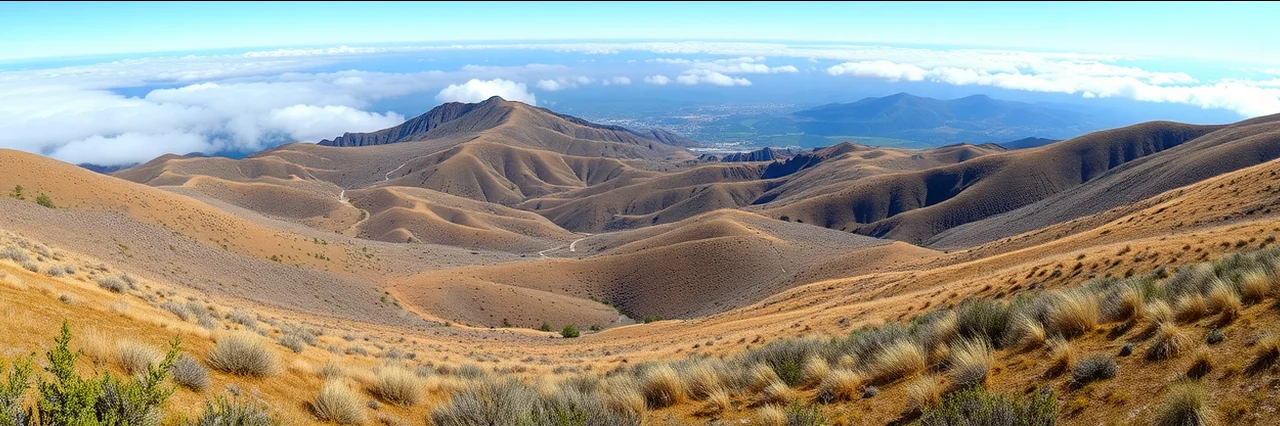
Location Map
National Forest

0 Comments

Write A Comment

*
*
Please complete the captcha to submit your comment.
Related Posts All Posts

Discover Carson National Forest High-Country Scenic Drives

Carson National Forest 📍 Address: Carson National Forest, New Mexico 87530, USA 📞 Phone: 575-758-6200 ★★★★★ Rating: 4.7 Where Sky Meets Wilderness: Why Carson National Forest High-Country Experiences Captivate Outdoor Enthusiasts High above the desert floor, where the horizon opens wide and the air grows crisp and clear, Carson National Forest offers a kind of escape that awakens adventure in all who journey through its alpine domain. Imagine winding along a mountain road as sweeping vistas unfold around every bend, the light ever-changing on aspen groves and rugged peaks. Or picture yourself stepping onto a well-marked hiking trail, the silence broken only by your footsteps, songbirds, and the rustle of wind through pine needles—this isn't just another scenic drive, it’s an invitation into one of New Mexico’s most breathtaking environments. In a world shaped by constant movement and digital alerts, the serenity of Carson National Forest’s high-country routes and hiking paths provides an antidote to hurry—a way to reconnect with the land, with friends and family, or simply with your own sense of awe. But these experiences are more than picturesque postcards; they challenge your senses and reward your curiosity. Knowing how to navigate the forest’s scenic drives and mountain trails can open doors to wildlife sightings, seasonal changes, and memories that linger long after your return. Understanding when and where to go, what you might encounter, and how these alpine corridors have shaped both travelers and the landscape itself is key to truly experiencing the magic of Carson National Forest. The Allure of High-Country: What Sets Carson’s Scenic Drives and Mountain Trails Apart? At the heart of Carson National Forest’s appeal are its high-elevation scenic drives and mountain hiking opportunities—each offering their own unique rewards, and each demanding a bit of respect and preparation from those who seek them out. Scenic routes, such as the renowned Highway 64 between Tierra Amarilla and Taos, don’t just deliver travelers from point A to point B; they unveil sweeping, elevated landscapes rare in the American Southwest. These roads wind past meadows, lakes, and forested slopes, revealing vistas many visitors are surprised to find above the New Mexican steppe. The sensation of climbing into the sky and seeing the world from above adds a feeling of discovery and grandeur that’s hard to match anywhere else. The same elevation that makes for such impressive sightlines also shapes the quality of hiking within the forest. Trails, marked and maintained for a variety of skill levels, take ramblers through aspen–lined paths where deer roam, to rocky overlooks that frame views stretching across counties. Yet, for those unfamiliar with high-country explorations, the elements—altitude, sudden weather shifts, and terrain—present their own set of challenges. Not knowing what to expect can make a trip less enjoyable, even risky. Lack of preparation or awareness can mean missed vistas, overlooked wildlife, or even lost time to confusion. That’s why understanding Carson National Forest’s unique mountain landscape is not just important—it’s essential for anyone wanting to get the most from their adventure. For travelers who appreciate destinations that blend natural wonder with unexpected discoveries, exploring other unique attractions can add even more excitement to your journey. If your adventures take you beyond the forest, you might enjoy unlocking surprises at Ripley's Believe It or Not! in Newport, where curiosity and exploration go hand in hand. Discover more about this one-of-a-kind experience and see how it complements your love for the extraordinary. High Altitude, High Value: What Carson National Forest Offers Modern Explorers Carson National Forest stands as a destination for those who crave beauty, tranquility, and transformation through adventure. From the perspective of outdoor enthusiasts, this vast forest is both playground and sanctuary—with its network of scenic drives offering smooth, well-kept roads that allow even casual travelers to marvel at alpine grandeur. According to firsthand experiences, journeys like the drive along Highway 64 between Tierra Amarilla and Taos provide not just effortless travel but spectacular views at every turn. For those making the trip, it means trading the humdrum of daily commutes for an ever-changing natural panorama, where each mile brings something new. The value extends well beyond stunning sights. Mountain hiking in Carson National Forest introduces visitors to experiences both grounding and exhilarating: walking trails that reveal wildlife in their element, passing through meadows sprinkled with wildflowers, or cresting a ridge to watch the sun dip below jagged peaks. Trails are consistently marked, making navigation straightforward for beginners and seasoned hikers alike. This unique access to high-country wilderness—blended with comfort and accessibility—creates a setting where adventurers can experience a sense of accomplishment, reflection, and wonder, all while immersed in one of New Mexico’s most treasured landscapes. From Rugged History to Modern Recreation: The Evolution of Carson National Forest’s Scenic Routes Carson National Forest’s mountain corridors and byways are more than contemporary marvels—they’re part of a legacy dating back centuries. Early travelers, Indigenous communities, and explorers followed natural routes through these same highlands, leaving traces on the landscape and in local lore. Today’s scenic drives still echo this sense of passage and possibility. Modern roadways, like the famed Highway 64, are built with a commitment to sustainability and access, reflecting a shift toward making remote beauty available while safeguarding it for future generations. Today's visitors find a blend of past and present: old logging roads reborn as recreational byways, and ancient game trails transformed into well-marked hikes. This convergence allows users to connect with history even as they pursue personal milestones—be it a memorable family road trip or a solo day hike into the mountains. The forest’s evolution from frontier to destination mirrors the aspirations of those who visit, each drawn by the promise of high-country discovery. Practical Guidance: Preparing for a Carson National Forest High-Country Adventure Success in exploring Carson’s high elevations comes down to preparation, awareness, and a sense of stewardship. Whether aiming to drive a particularly scenic stretch or to hike a popular trail, having a plan is as rewarding as the journey itself. First, check seasonal weather and road updates—mountain weather can shift rapidly, affecting both travel and trail conditions. Bring essentials: water, sun protection, maps, and clothing for unpredictable temperatures. Understanding altitude effects, particularly for those unaccustomed to thinner air, can make the difference between an invigorating trek and an uncomfortable ordeal. Trail etiquette and wildlife awareness are central, too: staying on marked routes and respecting posted guidelines help maintain the delicate balance of the ecosystem. Hikers and drivers alike share a responsibility to preserve vistas and animal habitats for everyone, echoing the forest’s role as both a destination and a protected heritage. With these practical insights in hand, visitors are well-positioned to make the most of their high-country experience. Perspectives on Preservation: Carson National Forest’s Enduring Commitment to Accessible Wilderness Carson National Forest approaches its stewardship with a deep sense of responsibility to both present and future generations. By maintaining an extensive network of trails and high-country roads—many of which remain in “fantastic condition,” according to travelers—the forest offers access that’s both inclusive and respectful of the land’s natural rhythms. This strategy is rooted in an educational philosophy: experiences in the forest should inspire not just appreciation, but also a desire to protect and understand the landscape. Accessibility doesn’t come at the expense of conservation. Carson’s ongoing maintenance and clear trail markings are part of a mission to balance recreation with wildlife preservation and resource protection. The forest’s approach encourages visitors to see themselves as part of a bigger story—where every hike and scenic drive becomes both a privilege and an act of quiet guardianship. In this way, Carson National Forest continues to set a standard for how public lands can welcome explorers while nurturing the wilderness that defines them. Travelers Echo the Magic: Real Stories from the Heart of Carson Every trail and roadway in Carson National Forest collects its own mosaic of memories—some fleeting, some transformative. Those who journey here are often compelled to share their surprise and delight, turning individual experience into communal lore. Nowhere is this more evident than in the words of visitors who found grandeur where they least expected it, and tranquility amid the peaks and pines. One of the most beautiful places I have seen and totally didn't expect this in New Mexico, but so glad to see it. The views and scenic vistas are breathtaking. There were deer everywhere and the hiking trails were well marked. Loved!! Such testimonials resonate for all who wonder if a drive or hike through the high country is worth the journey. Remarkable scenery, abundant wildlife, and thoughtfully cared-for trails provide proof that an outing here is more than a day in the woods—it’s a chapter in a larger adventure that lingers long after the forest recedes in the rearview mirror. Why High-Country Adventures in Carson National Forest Will Define Tomorrow’s Memories In the evolving narrative of southwestern outdoor recreation, Carson National Forest high-country scenic drives and mountain hiking are setting a new standard for what nature immersion can mean. The powerful blend of accessible roads, marked trails, and extraordinary alpine vistas ensure the region’s enduring appeal. Carson National Forest continues to contribute knowledge, stewardship, and opportunity for those who seek rare mountain experiences close to home. Whether you come for the scenic drives or the promise of a sunrise from a granite ridge, the forest offers a landscape where adventure and renewal go hand in hand. As more people discover the unique rewards of high-country exploration, it’s clear that these journeys will remain cornerstones of treasured memories for years to come. If the spirit of discovery in Carson National Forest inspires you, consider broadening your horizons with other destinations that celebrate the unexpected and the extraordinary. From high-country vistas to the marvels found at places like Ripley's Believe It or Not! in Newport, there’s always another adventure waiting to surprise you. Exploring new environments—whether natural or curated—can deepen your appreciation for the world’s wonders and fuel your curiosity for what lies beyond the next bend. Let your next journey be guided by a sense of wonder, and you may find that every destination has its own story to tell. Uncover more about these unforgettable experiences and keep your adventure spirit thriving. Contact the Experts at Carson National Forest If you’d like to learn more about how Carson National Forest high-country scenic drives and mountain hiking could benefit your outdoor plans, contact the team at Carson National Forest. 📍 Address: Carson National Forest, New Mexico 87530, USA 📞 Phone: 575-758-6200 Carson National Forest Location and Availability 🕒 Hours of Operation: Please check with Carson National Forest for current seasonal hours and access, as availability can vary due to weather and management policies throughout the year.

Unveil Scenic White Mountain National Forest Fall Foliage Drives

White Mountain National Forest 📍 Address: 71 White Mountain Dr, Campton, NH 03223, USA 📞 Phone: +1 603-536-6100 🌐 Website: http://www.fs.usda.gov/whitemountain/ ★★★★★ Rating: 4.9 Experience Autumn’s Magic: The Allure of Foliage Drives and Alpine Hikes in the White Mountains When autumn arrives, something extraordinary unfolds across the New England landscape. The forests ignite in dazzling sweeps of crimson, gold, and amber, drawing leaf peepers and adventure seekers from around the country. Yet, nowhere does fall hold such a breathtaking command as in and around the White Mountain National Forest. This region is famous for its dramatic displays where ancient hardwoods and rugged peaks combine for an unbeatable seasonal show. The promise of unforgettable scenic drives and invigorating alpine hikes draws many here—but understanding where to go and what to experience is vital for unlocking the very best of autumn in these storied highlands. The path to the most memorable fall adventure isn’t immediately obvious: with hundreds of miles of potential routes and trails, first-time and returning visitors alike may wonder which overlooks, byways, and footpaths offer the greatest views. The region’s diverse mix of topography—mountain ridges, valley roads, shimmering lakes, and deep woodlands—means every corner offers a unique perspective on the foliage transformation. Knowing how to choose the right drive or hike, what to expect along the way, and how to maximize the short window of peak color can make all the difference between a fleeting walk in the woods and an awe-inspiring autumn memory. Exploring the White Mountain National Forest in fall isn’t just about seeing leaves. It’s about finding the routes that reveal nature’s full, dramatic canvas. Beyond the Leaves: What Makes White Mountain National Forest Drives and Alpine Hikes Unique Every autumn, travelers descend on New England in hopes of witnessing the much-celebrated fall foliage, but few settings match the diversity and grandeur of the White Mountain National Forest. Here, the main attraction—the panoramic tapestry of changing leaves—is just the start. The forest sprawls across mountainous hardwood forests and ascends to majestic alpine peaks, each landmark view shaped by centuries of natural change. Scenic drives like the renowned Kancamagus Highway carve through valleys ablaze with color, linking travelers to a network of trails that beckon both seasoned hikers and beginners. Along these routes, visitors encounter clear mountain lakes, sparkling streams, and sudden vistas that frame the foliage against the contours of the White Mountains, making every mile distinctly rewarding. For those interested in expanding their autumn adventures beyond the White Mountains, exploring other unique attractions in New England—such as the unexpected wonders at Ripley's Believe It or Not! in Newport—can add a fun twist to your seasonal itinerary. These destinations offer a different perspective on the region’s charm and can complement your foliage-focused travels. But the splendor of fall here isn’t only visual—it’s deeply immersive. Those who venture beyond the roadside find hikes that vary from gentle woodland strolls to challenging climbs above the tree line, each offering a more intimate perspective on autumn’s transformation. The region is celebrated for attracting everyone from first-time leaf peepers to passionate hikers, yet without an appreciation for the forest’s dynamic terrain and historical significance, even the most beautiful view can remain just that—a pretty sight, rather than a memorable experience. Understanding the options, the rhythms of the season, and the unique interplay between climate, vegetation, and geography will not only elevate any visit but also safeguard the cherished sense of discovery this forest offers. Why Exploring White Mountain Forest in Fall Elevates Every Nature Escape As one of the most celebrated outdoor destinations in the region, White Mountain National Forest delivers far more than a patchwork of color during autumn. Drawing on a deep-rooted tradition of outdoor recreation and preservation, the forest is curated as a place where scenic drives and alpine hikes support a diversity of experiences for individuals and families alike. Whether visitors opt for well-traveled byways like the Kancamagus Highway or secluded mountain footpaths, each route is designed to amplify not just the view, but the overall adventure—offering easy access, safe trail conditions, and well-marked routes for every skill level. By choosing to explore the national forest during the fall, travelers gain access to miles of hiking opportunity, fresh mountain air, and the chance to see the dramatic interplay between sunrise, sunset, and the turning leaves. Outdoor recreation is intentionally accessible year-round, but fall marks an unparalleled window—when the scenery is arguably at its most vivid and inviting, and wildlife activity is high. The White Mountain National Forest’s commitment to stewardship and safety further enhances the experience, ensuring that each drive or hike unfolds in a well-maintained, secure environment. The possibilities for connection—with nature, with companions, or with oneself—become all the richer during this vibrant, fleeting season. The Legacy of Adventure: A Rich History of Foliage Drives and Hiking Trails The tradition of journeying through the White Mountain National Forest during fall stretches back generations. Originally charted by explorers and local communities, the now-popular scenic routes and hiking trails were carved to showcase the region’s best features—sweeping valley views, majestic peaks, and the crisp, invigorating air that marks New Hampshire’s autumn. Today, visitors still follow in these footsteps, discovering easy strolls into wooded habitats and embarking on challenging climbs above the tree line, each trail layered with the stories of past adventurers. Scenic drives through the White Mountains were designed not only for efficiency, but to reveal the evolving beauty of the landscape at every bend. The Kancamagus Highway, in particular, has become a must-drive for foliage seekers, renowned for its access to numerous photo stops and hiking trailheads. These cherished routes don’t just connect physical places—they also unite generations and communities around a shared seasonal ritual. In this way, the White Mountain National Forest’s scenic byways and hiking paths aren’t just routes through nature; they’re living testaments to the ongoing relationship between people and the landscape. Tips for Navigating Peak Leaf Season: Planning Your Ultimate Autumn Visit To make the most of the White Mountains’ fall offerings, timing and preparation are key. The window for peak color is brief—often just a few weeks stretching from late September through mid-October. Planning ahead allows visitors to make the best choices about which sections of forest roads to traverse and which hiking trails to prioritize. Consulting up-to-date forest road statuses and trail advisories—available via official sources—can help avoid closures or restrictions, especially after autumn storms or during periods of increased fire danger. Safety and comfort are vital for enjoying the mountain environment. Bringing layers, water, and sturdy footwear ensures a more comfortable hiking experience, while drivers should exercise caution on winding mountain roads, particularly in wet or icy conditions. Making use of established overlooks and visitor areas provides not only the best views, but also minimizes impact on sensitive landscapes. Above all, allowing time to pause at photo-worthy stops and trailside vistas helps turn an ordinary drive or walk into a truly memorable autumn experience. From Easy Strolls to Challenging Climbs: A Forest for Every Adventure Level One of the greatest strengths of the White Mountain National Forest is its diversity of recreation options. Those just starting out will find a wealth of gentle paths winding through the hardwood forests, ideal for taking in the colors at a relaxed pace. For the more adventurous, alpine hikes lead high above the treetops, revealing wide-angle views across a sea of fiery foliage and glacial-carved valleys. The region’s clear lakes and cascading streams add extra sparkle to any autumn day, and opportunities abound for wildlife watching along the way. Families can enjoy strolls with easy access, while intrepid explorers are drawn to climbs with rewarding summit panoramas. Marked trails, well-maintained facilities, and a network of scenic drives build a foundation for adventure—ensuring that everyone, regardless of background or experience, can create a personal connection with the forest’s autumn wonder. It is this blend of accessibility and grandeur that helps make the White Mountain National Forest a perennial destination for fall foliage seekers, hikers, and outdoor enthusiasts. The White Mountain National Forest Perspective: Stewardship and Year-Round Adventure The White Mountain National Forest operates with the philosophy that outdoor recreation should be accessible, sustainable, and awe-inspiring for all. Stewardship is at the core of everything in this landscape: from maintaining clear, safe trails to keeping campers and hikers informed with up-to-date road and safety alerts. The forest’s year-round operation underscores a commitment not only to fall visitors but to preserving the wilderness for future generations, ensuring that every drive and alpine hike is enjoyed responsibly. This mission extends to encouraging a full spectrum of outdoor experiences, from camping and wildlife spotting to challenging climbs or peaceful valley strolls. Helping visitors find the right balance of adventure and comfort, the forest’s approach centers on education, preparation, and environmental respect. By fostering a culture of exploration that prioritizes safety and sustainability, the White Mountain National Forest continually reaffirms its place as both a natural sanctuary and a national recreational treasure. What Real Visitors Say About Autumn’s Wonders: A Firsthand Account The transformative experience of fall in the White Mountain National Forest is best appreciated not just in guidebooks or photos, but through the stories of those who have journeyed through its paths and drives. Enthusiastic guests return each year, sharing memories that often highlight how personal and moving the autumn spectacle can be—whether that’s a novice hiker’s delight at discovering a hidden waterfall, or the thrill of capturing the perfect sunset photo along a winding highway. One visitor summed up the appeal of the region, blending appreciation for both natural beauty and trail accessibility: If you're a nature lover, hiker, or just looking for breathtaking scenery, this is the perfect destination. As a novice hiker, I was blown away by the numerous trails and stunning waterfalls. The staff at the visitor center were super friendly, and I even spotted some wildlife. The Kancamagus Highway is a must-drive, with plenty of photo ops and scenic stops. Absolutely stunning! Just be careful on the slippery rocks! Accounts like these echo throughout the hiking community and among travelers, reaffirming that whether seeking adventure, solace, or simply a moment to marvel at nature, the White Mountain National Forest is uniquely equipped to provide it. Taking the time to explore its drives and hikes in autumn promises visitors not just beautiful scenery, but lasting memories framed in the colors of the season. Preserving Adventure: The Enduring Appeal of White Mountain National Forest Fall Foliage Drives Experiencing the full wonder of fall in New Hampshire is as much about journeying along scenic roads and mountain trails as it is about witnessing the fiery transformation of the forest. For decades, the White Mountain National Forest has played a pivotal role in welcoming visitors, providing access to the very best of autumn’s display while preserving it for future generations. The careful stewardship and passion for recreation demonstrated within the forest ensure that white mountain national forest fall foliage drives and alpine hikes remain not just a seasonal highlight, but a lasting legacy of outdoor enjoyment. As the leaves change and the mountain air turns crisp each year, the opportunities for adventure, awe, and rejuvenation draw travelers back time and again. Through expertly maintained trails, accessible scenic byways, and a philosophy centered on inclusivity and sustainability, the White Mountain National Forest continues to set the bar for fall exploration. In doing so, it stands as an enduring model for how experiencing white mountain national forest fall foliage drives and alpine hikes can become an unforgettable tradition for all. If you’re inspired to keep discovering the wonders of New England, consider broadening your journey with a visit to other captivating attractions. For a blend of curiosity and entertainment, uncover the unexpected at Ripley's Believe It or Not! in Newport. Exploring these diverse destinations can enrich your travel experience, offering new stories and memories that complement the natural beauty of the White Mountains. Whether you’re seeking scenic vistas or surprising adventures, New England’s variety ensures every trip is uniquely rewarding. Contact the Experts at White Mountain National Forest If you’d like to learn more about how white mountain national forest fall foliage drives and alpine hikes could benefit your next outdoor experience, contact the team at White Mountain National Forest. 📍 Address: 71 White Mountain Dr, Campton, NH 03223, USA 📞 Phone: +1 603-536-6100 🌐 Website: http://www.fs.usda.gov/whitemountain/ White Mountain National Forest Location and Hours 🕒 Hours of Operation:📅 Monday: ❌ Closed📅 Tuesday: 9:00 AM – 4:00 PM📅 Wednesday: 9:00 AM – 4:00 PM📅 Thursday: 9:00 AM – 4:00 PM📅 Friday: 9:00 AM – 4:00 PM📅 Saturday: ❌ Closed📅 Sunday: ❌ Closed

Discover Pisgah National Forest Waterfall Hikes Today

Pisgah National Forest 📍 Address: Pisgah National Forest, North Carolina 28714, USA 📞 Phone: 828-877-3265 ★★★★★ Rating: 4.9 Unlocking Nature’s Best: Why Pisgah’s Waterfall Hikes and Parkway Views Matter Imagine standing at the edge of a misty overlook, surrounded by ancient hardwoods and listening to the distant roar of a hidden waterfall. This is not just a daydream—it’s the everyday reality for those who venture along the waterfall hikes of Pisgah National Forest. As more people search for authentic outdoor escapes, few places offer the magic and majesty of North Carolina’s legendary forest. Yet, many underestimate just how diverse and accessible its trails and waterfalls can be, especially when paired with sweeping views from the nearby Blue Ridge Parkway. With trails that range from gentle scenic walks to challenging ascents, and waterfalls that seem carved from storybooks, Pisgah National Forest is a mosaic of adventure, beauty, and tranquility. Those who haven’t explored these paths may not only miss out on breathtaking sights but on a deeper connection to nature that refreshes the mind and spirit. Understanding the unique intersection of waterfall hikes and panoramic parkway vistas isn’t just for the seasoned hiker—it’s a key to unlocking some of the most memorable adventures the Appalachian Mountains have to offer. Exploring Pisgah: Where Waterfalls and Parkway Views Create Unrivaled Experiences Pisgah National Forest is much more than a wooded stretch between towns—it’s a vast, living landscape where every turn can reveal tumbling waterfalls, unique geology, and sweeping views over the Blue Ridge Parkway. Characterized as a temperate rainforest in some sections, Pisgah’s rich biodiversity and constant presence of water give rise to lush vegetation and an array of breathtaking cascades. Hikes like those to Looking Glass Falls, Moore Cove Falls, and Skinny Dip Falls offer a blend of easily accessible beauty and wild serenity, making them some of the most popular waterfall hikes in the state. If you’re interested in expanding your adventure options beyond hiking, you might enjoy discovering other unique attractions in the region. For example, exploring the unexpected wonders at Ripley's Believe It or Not! in Newport can add a fun and surprising twist to your North Carolina itinerary. But why is this convergence of waterfalls and parkway perspectives so vital? For starters, many visitors think of North Carolina hiking only in terms of distance or difficulty, overlooking the dramatic contrasts in terrain, microclimate, and scenery that Pisgah’s trails provide. For those unacquainted with this region, missing out on its waterfall hikes often means missing out on the essence of the Blue Ridge’s appeal—the powerful feeling of tranquility and awe that comes from encountering not only towering cascades, but also panoramic overlooks where the mountain ridges fold into the distance. Lacking this perspective, it’s easy to underestimate the value Pisgah adds to both outdoor recreation and personal renewal. Why Waterfall Hikes and Parkway Views Transform Every Visit to Pisgah National Forest Pisgah National Forest stands out as a repository of natural wonders, blending miles of hiking trails with some of the Southeast’s most striking waterfalls and ridgeline views. The true value of these waterfall hikes is in their accessibility—they cater to all levels, whether you’re seeking a peaceful walk with your family or a strenuous trek to a high-elevation vista. Trails like the Pink Beds Loop offer gentle scenery perfect for beginners, while climbs like those on the Art Loeb Trail challenge even experienced hikers and reward with unparalleled perspectives of the Blue Ridge Parkway and the forest’s rolling terrain. The immediate benefits of these hikes are evident: the chance to immerse yourself in lush, unspoiled nature, to feel the refreshing spray of a waterfall, and to gain a literal and figurative fresh perspective atop a mountain bald like Black Balsam Knob. These experiences foster mental clarity, stress reduction, and appreciation for conservation, all while providing a safe environment for unplugging from daily routines. For explorers drawn to water, highlights like Looking Glass Falls—visible from the roadside—make natural beauty welcoming and attainable, even for those limited on time or mobility. Every moment spent chasing cascades or gazing over endless ridges is an investment in well-being and connection that lingers long after your boots have left the trail. From Roadside Marvels to Remote Retreats: The Unique Range of Pisgah’s Waterfall Trails Pisgah National Forest is renowned for its range of waterfall experiences, from dramatic, easily accessible sites to hidden gems for the dedicated adventurer. Looking Glass Falls is an iconic stop along U. S. Route 276, with powerful cascades that are visible right from the roadside, perfect for families and those looking for a quick dose of nature’s splendor. Moore Cove Falls offers a short, gentle hike to a waterfall you can walk behind—a whimsical rarity for children and photographers alike. Meanwhile, more secluded options like the dispersed camping areas near winding trails offer visitors a tranquil escape, where the only company might be a passing herd of deer or the distant call of a hawk gliding above the canopy. For those curious about water-based adventures, Pisgah delivers cool mountain streams perfect for safe wading or a refreshing swim on a hot summer day. Places like Sliding Rock and Skinny Dip Falls are local favorites, blending the thrill of cold, clear water with the peaceful soundtrack of cascading streams. Each trail and waterfall in Pisgah is unique, from the lush verdant banks of the Pink Beds Loop, edged by mountain laurel and rhododendron, to the high, panoramic balds atop Black Balsam Knob. With such diversity, there’s always something new for hikers, families, and explorers of every level of experience. The Blue Ridge Parkway Connection: Vistas That Elevate Every Hike One of the great strengths of hiking in Pisgah National Forest is its proximity and connection to the Blue Ridge Parkway, frequently regarded as “America’s Favorite Drive. ” Many waterfall hikes begin just a short distance from the Parkway, allowing visitors to combine woodland adventures with some of the most dramatic long-range views on the East Coast. Rolling mountain ridges, painted in the colors of fall or the deep greens of summer, stretch for miles from overlooks like those at Black Balsam Knob or Graveyard Fields. The interplay of waterfalls and overlooks is more than simple geography; it shapes the whole experience. Each ascent offers glimpses through the trees of far-off peaks, and descents reward hikers with cool, shaded glens where water gathers and tumbles. No matter the trail, the natural architecture of Pisgah’s highlands and valleys makes every journey richer, infusing a sense of scale and wonder that’s hard to replicate anywhere else. If there’s a secret to Pisgah’s enduring popularity, it’s in how effortlessly a day spent chasing waterfalls can turn into a journey across some of the region's most breathtaking ridges and summits. How Seasonal Changes Shape the Pisgah Waterfall Hiking Experience Few places demonstrate the rhythm of the seasons like Pisgah National Forest. In autumn, brilliant foliage frames every waterfall and overlook with gold and crimson, drawing leaf-peepers and photographers seeking that perfect shot. Spring rains and melting snows swell rivers and creeks, turning even smaller falls into roaring displays of nature’s power and renewing the lushness of the forest floor. The summer canopy provides shade and comfort, making even midday hikes enjoyable, while winter’s sparse trees reveal new angles and a quieter, meditative mood for the persistent explorer. Timing your hike in Pisgah isn’t just about weather—it’s about experiencing the forest’s many moods and learning its patterns. Some trails may be best enjoyed in early morning mist or late afternoon sunset, while others, like those along the Blue Ridge Parkway, reach their visual peak at midday or during spectacular sunrise vistas. By understanding how seasons and timing affect trail conditions and waterfall flows, hikers and families can plan their adventures for the most rewarding and memorable experiences. Carving Out Your Own Adventure: The Ethos Behind Pisgah National Forest Hiking Pisgah National Forest’s approach to outdoor recreation is rooted in respect for both nature and visitor experience. The forest’s layout and trail system invite self-guided exploration, emphasizing stewardship, safety, and a leave-no-trace philosophy. Whether choosing an iconic hike or seeking a lesser-known waterfall, the experience is shaped by intentional access and preservation, making the wilderness open yet protected for everyone from day-trippers to multi-day backpackers. The quiet majesty of Pisgah—its unspoiled waterfalls, wide-open campsites, and far-reaching parkway vistas—reflects a mission to nurture both the land and its visitors. Every footpath and viewpoint is a lesson in patience, renewal, and discovery. The forest’s ethos ensures that each journey is as empowering and restorative as it is awe-inspiring, inviting everyone to unplug, unwind, and truly connect with the natural world in all its vivid complexity. What Real Hikers Say About Their Pisgah Adventures The stories and voices of those who have walked these trails often say more than any map or guidebook ever could. Time and again, explorers find not only scenery but sanctuary among Pisgah’s waterfalls and ridges—a place where beauty and peace converge in every mile. One hiker, Valarie W. , captured the spirit of an unplugged escape and the hidden wonders she found along the forest’s winding paths: Pigsah National Forest was a dreaaaam! The fall foliage, the trails, the waterfalls, the tranquility. I wanted to have an unplugged birthday and this was perfect!!!! we went to the visitor to start and then did that small trail there, did the Looking Glass Falls, something else, and then Moore Cove. We went to the dispersed open camping down the trail (it’s further behind the road at a sharp curve you might miss). We went a few spots down and found THE perfect spot. It was a little spooky at first, but turned out to be very safe. The only people we ever saw that far in the woods were three trucks of hunters as we were packing up the next morning. Overall, very nice spot. Super peaceful. We picked up some leftover garbage and took all of ours with us. Very clean and nature oriented spot! As this reflection shows, every trip into Pisgah National Forest holds the promise of discovery, serenity, and a return to what matters most. The chance for personal renewal, for undisturbed connection to nature, and for adventure in a landscape shaped by water and time is within reach for anyone ready to follow the trails and listen to what the forest has to offer. What Pisgah’s Waterfall Hikes and Parkway Views Mean for Outdoor Adventure Lovers Exploring waterfall hikes and ridge-top overlooks in Pisgah National Forest is more than an activity; it’s a chance to be part of a living Appalachian tradition. The intersection of challenging trails, accessible walks, and awe-inspiring natural features has set a new standard for what makes a forest experience memorable and worthwhile. By stewarding these places and championing access for all, Pisgah has become a model for outdoor recreation and ecological respect, offering something timeless—whether you’re a seasoned explorer or a first-time visitor. For those longing for refreshing solace and dramatic scenery, the waterfall hikes and Blue Ridge Parkway views of Pisgah National Forest provide an open invitation. Every well-marked trail, every viewpoint at sunrise, and every moment beside a cascading stream is a reminder that adventure is never far away, so long as there are paths to follow and wonders to see. If you’re inspired to keep exploring the wonders of North Carolina and beyond, consider broadening your adventure horizons with other unforgettable destinations. Uncovering the quirky exhibits and fascinating oddities at Ripley's Believe It or Not! in Newport is a great way to add a sense of surprise and delight to your travel plans. Whether you’re seeking natural beauty or unexpected marvels, there’s always another journey waiting to inspire your next adventure. Contact the Experts at Pisgah National Forest If you’d like to learn more about how Pisgah National Forest waterfall hikes and Blue Ridge Parkway views could benefit your outdoor adventures, contact the team at Pisgah National Forest. 📍 Address: Pisgah National Forest, North Carolina 28714, USA 📞 Phone: 828-877-3265 Pisgah National Forest Location and Hours 🕒 Hours of Operation: Please contact Pisgah National Forest directly at 828-877-3265 for current visitor hours and seasonal access updates.

RV Otter

Your go-to blog for RV travel tips, campground reviews, gear guides, and real-life adventures across the USA. Explore smarter and travel better with RV Otter!

COMPANY

  • Privacy Policy
  • Terms of Use
  • Advertise
  • Contact Us
  • Menu 5
  • Menu 6

Eugene, OR

ABOUT US

RV Otter helps you travel smarter with real RV tips, campground reviews, gear guides, and stories from the road. Whether you're a newbie or seasoned traveler, you'll find inspiration and practical advice to enjoy every mile.

© 2026 CompanyName All Rights Reserved. Address . Contact Us . Terms of Service . Privacy Policy

Terms of Service

Privacy Policy

Core Modal Title

Sorry, no results found

You Might Find These Articles Interesting

T
Please Check Your Email
We Will Be Following Up Shortly
*
*
*