



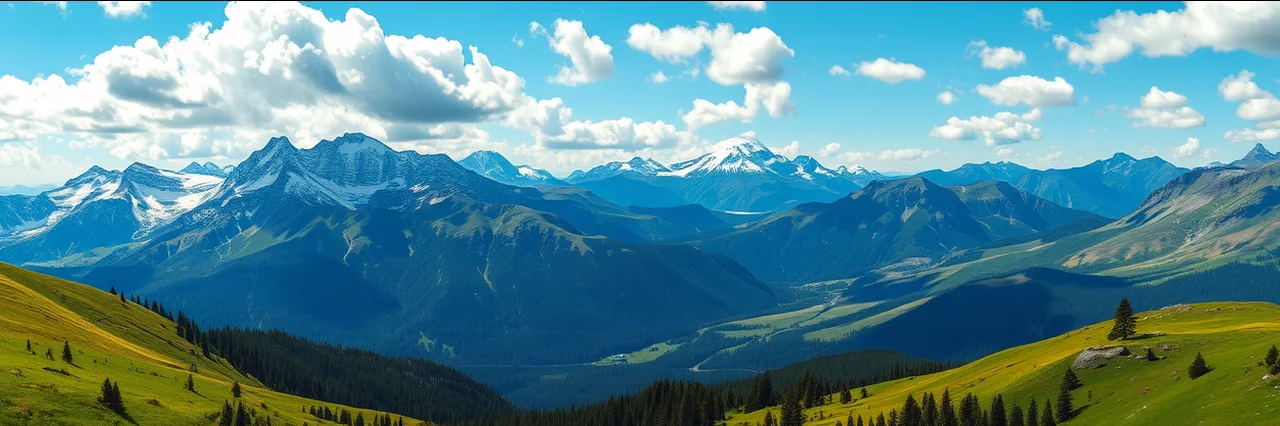
Vast Peaks, Hidden Lakes, and Snake River Gorges: Nature’s Untapped Adventure Awaits
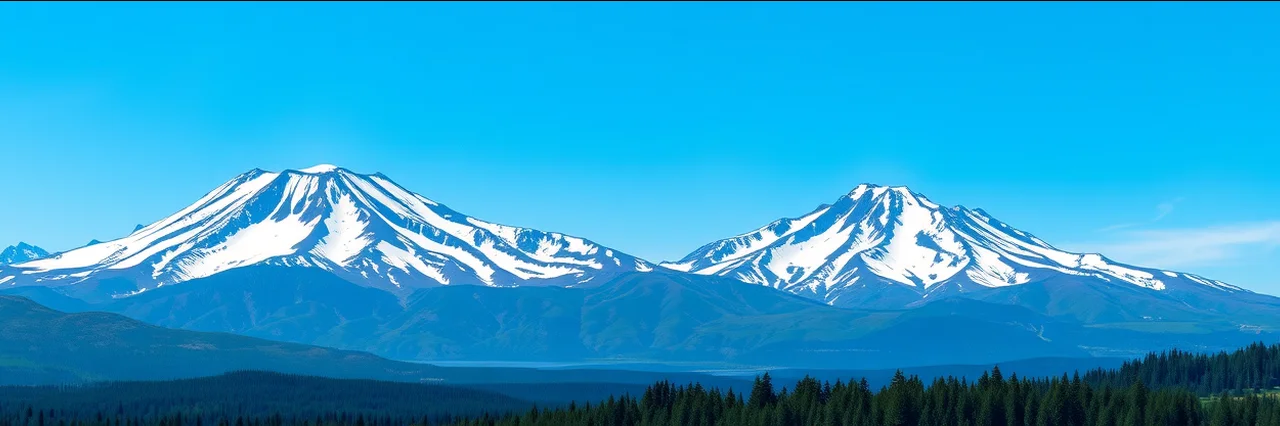
Imagine tracing winding cliffside roads, the world dropping away into North America’s deepest gorge on one side, while distant snow-capped mountains beckon on the horizon. Now picture yourself stepping out, boots sinking into dew-damp meadows before ascending toward sapphire alpine lakes surrounded by wildflowers and mountain silence. The promise of such experiences is exactly what draws adventurers and serenity-seekers to wallowa-whitman national forest hells canyon drives and alpine lake hikes—a region known for awe-inspiring variety, untouched wilderness, and immersive beauty.
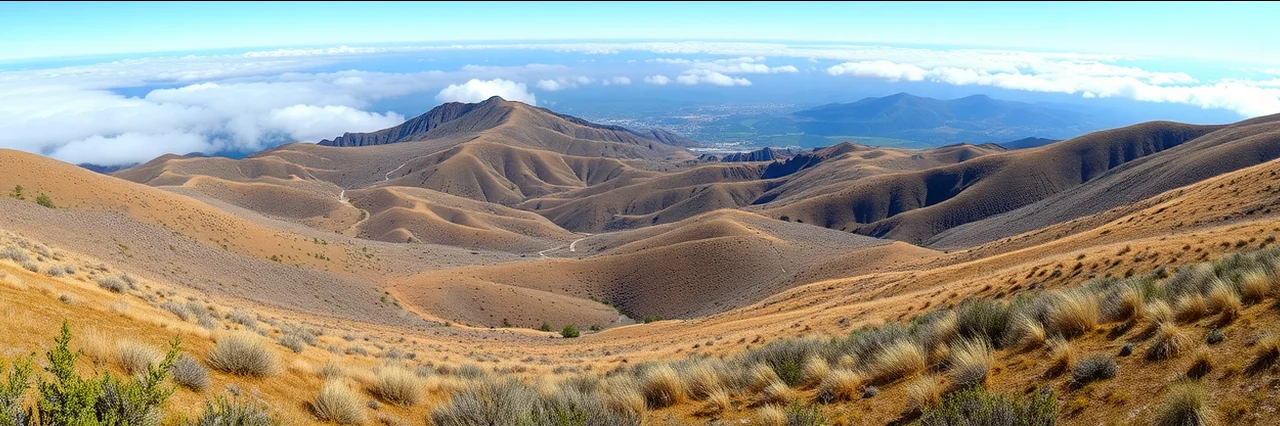
This part of Oregon and western Idaho is where dramatic landscapes transition from wind-swept grasslands and forested ridges to wild rivers and sawtooth summits, offering both pulse-quickening scenic drives and deeply restorative hiking journeys, often all within a day’s reach. Yet, many visitors only scratch the surface or rush past, never realizing the depth of exploration available—from panoramic ridgelines that reveal the Snake River’s dizzying plunge, to serene lakes reflecting the “Alps of Oregon. ” Understanding the nuances, routes, and subtle wonders is crucial for anyone determined to make the most of their wanderings here.
Whether you crave window-down road trips through sweeping canyons or long treks into hidden basins, knowing how to unlock the very best of Hells Canyon drives and alpine hikes can change not just your travel plans, but your perspective on wild places. This article reveals what makes these routes and trails unforgettable, what you risk missing if you don’t look closely, and why this forest remains one of the region’s best-kept secrets for adventure and solitude.
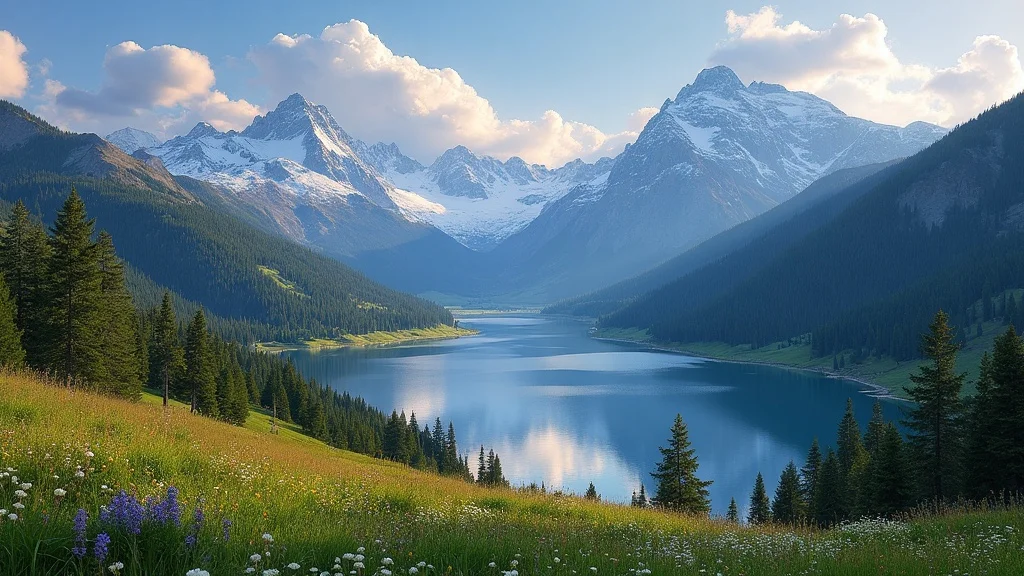
Why Hells Canyon Drives and Alpine Hikes Matter: Experiencing the Wilderness at Its Fullest
To say that wallowa-whitman national forest hells canyon drives and alpine lake hikes are significant barely scratches the surface; these journeys are an invitation into one of America’s most remarkable wild spaces. Not only is Hells Canyon National Recreation Area famed for being the continent’s deepest river gorge—plunging nearly 8,000 feet from rim to river—but it’s surrounded by 2. 4 million acres of protected forest, sweeping grasslands, and soaring mountain ranges such as the Seven Devils and the Wallowas, often called the “Alps of Oregon. ” Here, ten Wild and Scenic Rivers cut through remote corridors, and trails wind through four federally-designated wilderness areas. For travelers and hikers alike, these features create a natural playground both exhilarating and humbling.
Too often, adventure seekers drive past or stick to the familiar, missing out on the transformative experience of stepping truly off the beaten path. Hells Canyon’s scenic byways reveal views that seem to drop away forever, while alpine lake hikes—especially in places like Eagle Cap Wilderness—guide visitors to high country where the only sounds are birds, wind, and distant waterfalls. Failing to dive deeper into these areas can mean overlooking raw moments of solitude, rare wildlife encounters, and the rare kind of stillness that refreshes both body and spirit. Those unfamiliar with the unique geography and ecosystem diversity not only risk missing amazing vistas but also the emotional connection that comes from witnessing nature at its most pristine.
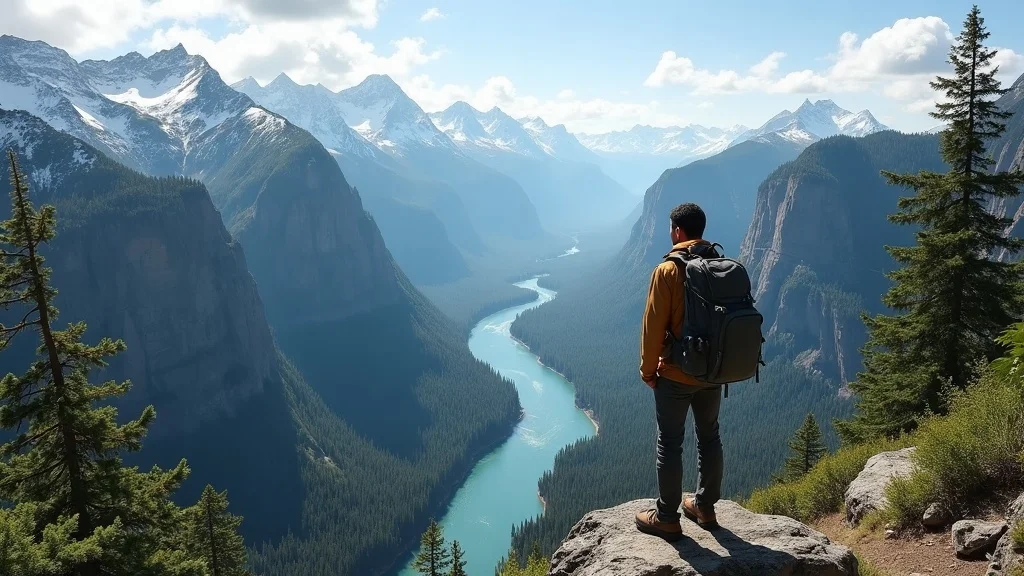
The value of exploring these places with curiosity and respect is increasingly clear; these are conservation lands, shaped by a mission to sustain their beauty for both present thrill-seekers and future dreamers. Approaching wallowa-whitman national forest hells canyon drives and alpine lake hikes as more than just a checklist activity opens the door to moments of surprise, meaning, and lasting memory.
How Hells Canyon Byways and Alpine Trails Transform Journeys Into Lifelong Memories
Wallowa-Whitman National Forest is renowned as a living example of stewardship and continuity. This vast landscape is carved by monumental forces—ancient geology, shifting rivers, and untamed weather—and these features have created a region where driving or hiking quickly shifts from mere recreation to something profoundly personal. Scenic drives through Hells Canyon National Recreation Area offer not only jaw-dropping views over the Snake River, but also the chance to witness elk herds, soaring eagles, and ever-changing light reflecting off basalt cliffs. The solitude and calm that comes from these roads are often cited by visitors as unmatched for reflection and peace-of-mind.
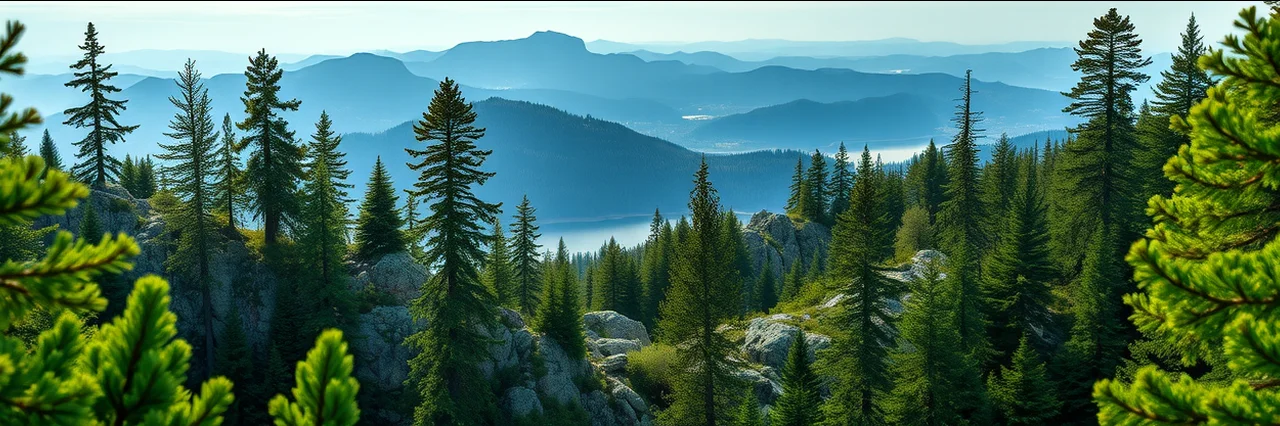
In the forest’s higher reaches, alpine lake hikes such as those in the Eagle Cap Wilderness are a draw for anyone eager to chase waterfalls, cross flower-bursting meadows, and reach aquamarine tarns ringed by granite peaks. With each step, hikers not only gain breathtaking vistas but also the satisfaction of discovery—sometimes encountering herds of elk, flurries of butterflies, or the simple delight of a quiet sunrise mirrored on a calm mountain lake. These adventures offer a tangible escape from noise and routine, rewarding those who seek them with a renewed sense of scale, possibility, and renewal.
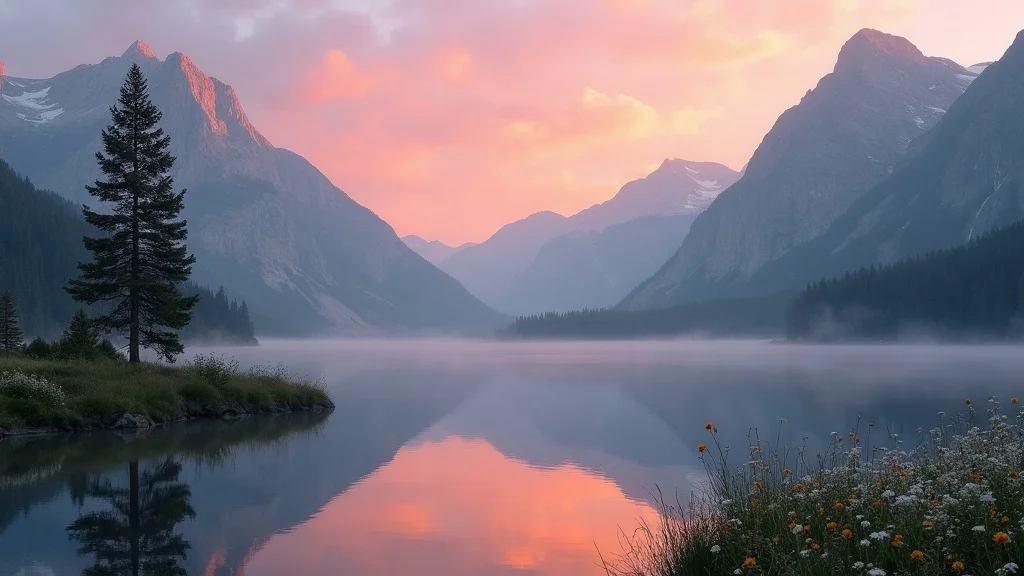
Both the scenic drives and hiking experiences in wallowa-whitman national forest serve a crucial role in connecting people to land, history, and self. Whether journeying by car through Hells Canyon’s ridgelines or traversing deep into wilderness on foot, these experiences bring the profound reward of feeling both small and connected in landscapes that remain as wild as ever.
For travelers who appreciate destinations that blend natural wonder with a sense of the unexpected, exploring other unique attractions in Oregon—such as the fascinating exhibits at Ripley's Believe It or Not! in Newport—can add a playful twist to your adventure itinerary, offering a contrast to the serene grandeur of Wallowa-Whitman’s wild spaces.
Beyond the Map: Interpreting the Quiet, Preserved Beauty of Hells Canyon Trails and Byways
For newcomers, the first impression of Wallowa-Whitman’s landscapes is often visual: deep gorges, rugged ridges, and the endless interplay of forest and sky. Yet what sets these drives and hikes apart is an unspoken ethos powered by decades of careful stewardship. Every vista and switchback winding through the National Recreation Area or climbing toward a tarn carries signs of thoughtful management—the result of a Forest Service mission to “sustain the health, diversity, and productivity of the nation’s forests and grasslands to meet the needs of present and future generations. ” Years of protected status have allowed wildlife to thrive and the ecosystem to rebound, offering rare glimpses of both resilience and harmony.
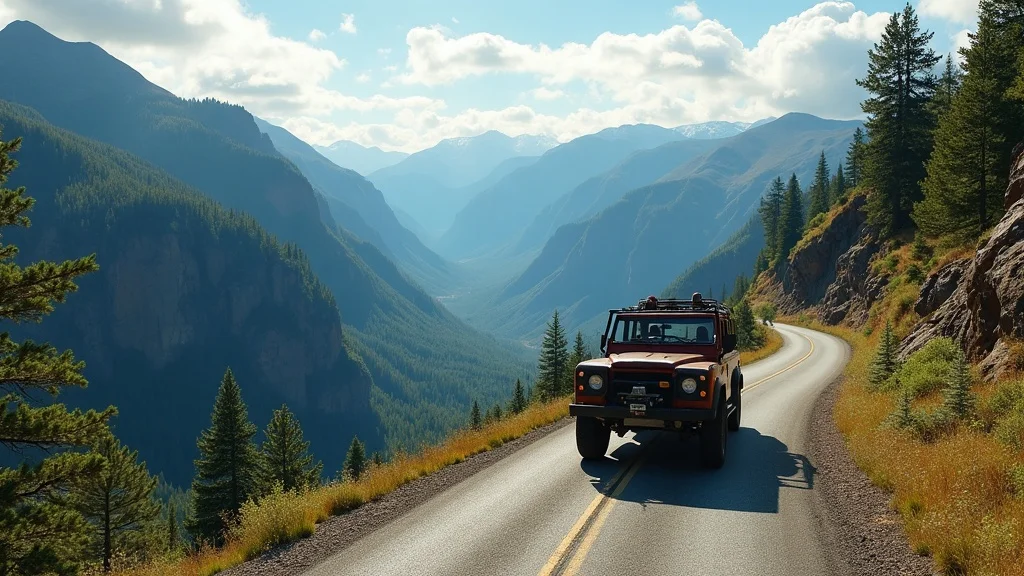
Choosing to explore this network of drives and trails means stepping into the land as it was meant to be: wild, unpredictable, and unmistakably quiet. Unlike more commercialized destinations, Hells Canyon and the alpine trails of the Wallowas are known for what they lack: crowds, unnecessary noise, and distractions from the real experience. The opportunity to enjoy pristine scenery, observe wildlife in its natural setting, and encounter the land’s unchanged character is what keeps adventurers returning season after season.
Five Ways to Make the Most of Your Wallowa-Whitman Hells Canyon Adventure
1. Begin Early, Travel Far: The vastness of the Wallowa-Whitman National Forest means that sunrise offers unique, golden light and the best wildlife viewing. Make the most of both the highland hikes and canyon overlooks by starting your trips at dawn.
2. Pack for Altitude and Variety: With elevations ranging from 875 feet in Snake River grasslands to nearly 10,000 atop the Wallowa Mountains, prepare for abrupt weather changes. Layered clothing and plenty of water are essential, as is mapping your route to mix drives with short walks or all-day summit treks.
3. Let Curiosity Lead: Don’t just seek the famous viewpoints—ask rangers about lesser-known trailheads, and explore side roads or trails that pique your interest. Often, the uncrowded stretches hold the best surprises.
4. Embrace the Quiet: At the heart of every wallowa-whitman national forest hells canyon drive or alpine hike is a rare kind of silence. One that refreshes, grounds, and inspires reflection. Take time to stop, breathe, and connect.
5. Leave No Trace: Part of what makes this region so special is its pristine quality. Practice responsible recreation, pack out your trash, and treat both trails and roadsides with respect to ensure future generations can experience the same sense of wonder.
The Living History of Wallowa-Whitman: From Ancient Peaks to Modern Preservation
The mountain ranges and river canyons that define this region are more than just geographic features—they are generational landmarks, shaped by natural forces and stewarded carefully by those who call this place home. The region’s roots stretch far deeper than recreational access. Indigenous peoples have long considered these lands sacred, and the ongoing work of conservation ensures that such connections endure. Today, visitors benefit not only from the work of federal agencies and local communities, but from the enduring legacy of guardianship extending back centuries.
Every drive along Hells Canyon or hike above alpine lakes is a walk through both ancient and contemporary history—a living reminder of the intertwined fates of land, wildlife, and people who foster renewal. The sense of awe and responsibility these trails inspire is as much about those who walked before as it is about those still to come.
Stewardship in Practice: The Wallowa-Whitman Mission and Its Impact on Recreation
At the core of Wallowa-Whitman National Forest’s approach to public access is a deep commitment to maintaining the area’s delicate balance between recreation, wildlife conservation, and ecosystem health. The forest is actively managed as part of the Pacific Northwest Region of the Forest Service, balancing the needs of present-day visitors with a mandate to protect landscapes, rare species, and the interconnected watersheds that anchor the region.
Initiatives such as road improvements, fire danger monitoring, and habitat restoration support safe access to both iconic drives and hidden trails. Partnerships with local communities and volunteers amplify these efforts, making it possible for today’s travelers to experience everything from eagle sightings to pristine wildflower meadows without sacrificing future opportunity. The result is a place where adventure and reverence go hand in hand—a philosophy evident in every open trail and sweeping canyon vista.
The mission of sustaining “the health, diversity, and productivity” of this forest landscape infuses every aspect of visitor life here, whether you are chasing solitude on a winding byway or finding wonder beside a still alpine lake.
What Real People Say When They Experience the Power of Pristine Wilderness
The true test of a destination’s magic is not in brochures or awards, but the unfiltered awe of those who experience it firsthand. One visitor’s memories capture the impact that wallowa-whitman national forest hells canyon drives and alpine lake hikes can have on the heart and spirit:
I recently spent a few unforgettable days in Wallowa-Whitman National Forest, and honestly, I still can't believe places like this exist. It felt like nature had thrown open her gates and said, “Here, see what I really look like. ”
Stories like this are not uncommon—many who walk the trails and drive through canyons of Wallowa-Whitman feel changed: quieter, more connected, deeply refreshed. For anyone longing to experience such magic, taking the next step—whether along a scenic byway or up a wildflower-draped ridge—offers not just adventure, but an invitation into something larger and more lasting than any snapshot can convey.
What Wallowa-Whitman’s Drives and Hikes Mean for the Future of Wild Places
The continuing availability of Hells Canyon drives and alpine lake hikes in Wallowa-Whitman National Forest represents not only a triumph of conservation but a compelling opportunity for personal renewal. In a time when overcrowding and overdevelopment threaten many beloved locations, the forest’s commitment to maintaining both access and wildness stands as a model for the region and the nation. The blend of accessible adventure, quiet grandeur, and living stewardship ensures that today’s explorers—and future generations—can always find both daring and peace here. From every winding drive to every reflective lakeshore, wallowa-whitman national forest hells canyon drives and alpine lake hikes offer a blueprint for adventure that honors the land and the traveler alike.
If you’re inspired to keep exploring Oregon’s most intriguing destinations, consider broadening your journey with a visit to places that celebrate the state’s spirit of wonder and discovery. From the wild grandeur of Wallowa-Whitman to the quirky marvels at Ripley’s Believe It or Not! in Newport, each adventure reveals a new layer of Oregon’s character. Dive deeper into the unexpected and let your travels spark curiosity—there’s always another story waiting just around the bend.
Contact the Experts at Wallowa-Whitman National Forest
If you’d like to learn more about how wallowa-whitman national forest hells canyon drives and alpine lake hikes could benefit your outdoor experiences, contact the team at Wallowa-Whitman National Forest.
📍 Address: Baker City, OR 97814, USA
📞 Phone: +1 541-523-6391
🌐 Website: https://www.fs.usda.gov/wallowa-whitman/
Wallowa-Whitman National Forest Location and Hours
🕒 Hours of Operation:📅 Monday: Open 24 hours📅 Tuesday: Open 24 hours📅 Wednesday: Open 24 hours📅 Thursday: Open 24 hours📅 Friday: Open 24 hours📅 Saturday: Open 24 hours📅 Sunday: Open 24 hours



Write A Comment