RV Otter
update

Ride With RV Otter

update
  • Home
  • Categories
    • Destinations & Routes
    • Campground Reviews
    • RV Tips & Lifestyle
    • Gear & Essentials
    • On-the-Road Living
    • Traveling with Pets
    • Stories & Adventures
    • RVing on a Budget
    • Boondocking
    • Campground Reviews
    • RV Lifestyle News
    • National Parks
    • State Parks
    • Extra News
    • Central Oregon Coast
    • National Forest
    • Shopping
    • Rentals
    • RV Resorts
    • Business Directory
    • RV Sales & Rentals
    • Destinations
    • Campgrounds & Stays
    • Gear & Rentals
    • RV News & Resources
    • RV Dealerships
    • Destinations 2
  • Businesses
  • Wildlife Refuges
  • update
  • update
  • update
  • update
  • update
  • update
  • update
April 26.2026
1 Minute Read

Discover What Makes Guadalupe Mountains National Park Unforgettable

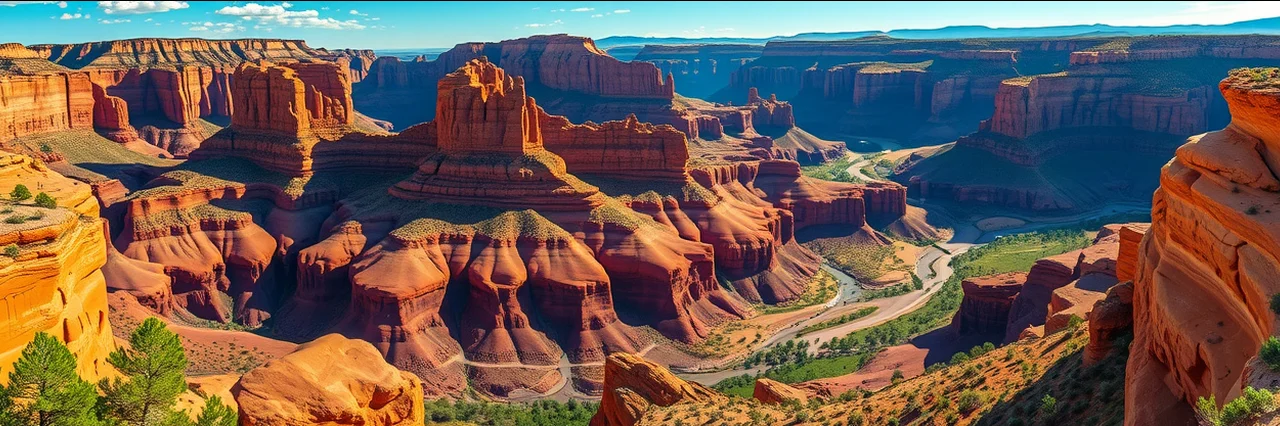
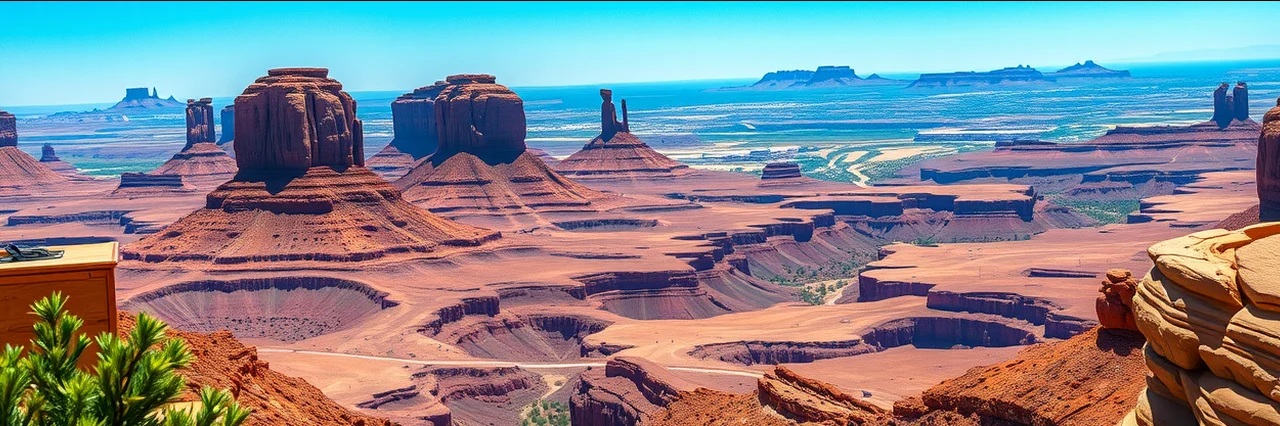
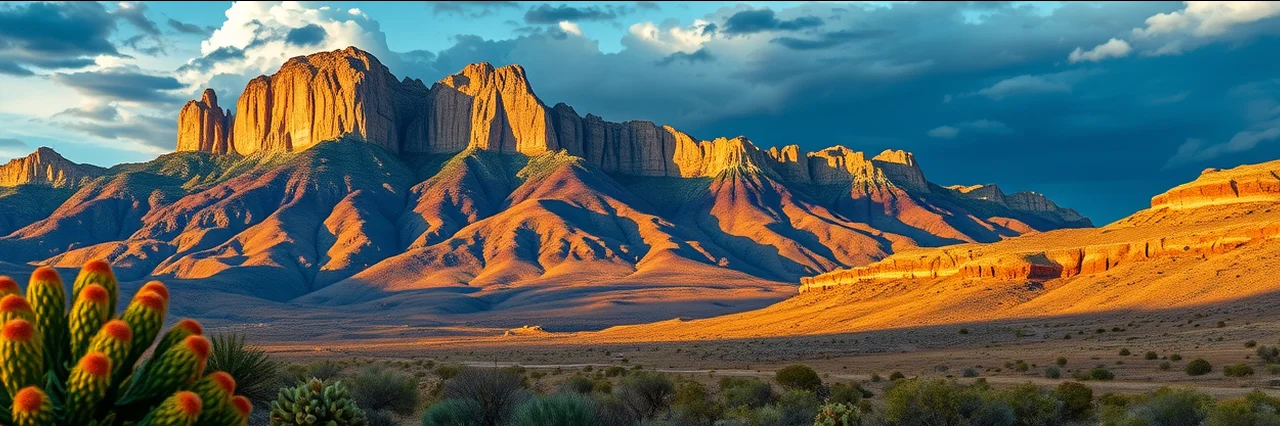
Guadalupe Mountains National Park Guadalupe Peak hike and desert trails scenic view.

Guadalupe Mountains National Park

📍 Address: Dell City, TX 79847, USA

📞 Phone: +1 915-828-3251

🌐 Website: https://www.nps.gov/gumo/

★★★★★
Rating: 4.7

Unlocking the Secrets of Guadalupe Mountains National Park’s Guadalupe Peak Hike and Desert Trails

In a world where wild places are becoming ever rarer, the call of untouched landscapes rings louder than ever. What compels adventurers, families, and nature lovers to leave the comfort of pavement behind and venture out onto the rugged trails? Guadalupe Mountains National Park—sprawled across the northern edge of West Texas—offers a compelling answer. With its combination of captivating mountain vistas, desert expanses, and deeply rooted cultural stories, this park beckons explorers to discover more than just scenery; it offers an immersive journey through time, geology, and human resilience.

For many, the pinnacle of this journey is the Guadalupe Peak hike—a challenging, rewarding ascent to the highest point in Texas. Yet, the allure of this national park extends far beyond a single destination. Its vast network of desert trails, limestone peaks, and sprawling canyons presents not just a physical challenge, but an opportunity to witness the world’s most extensive Permian fossil reef and the rich tapestry of flora and fauna adapted to survive here. Every step, every switchback, and every panoramic overlook fuels a sense of connection—not only to the land, but also to those who shaped and were shaped by it.
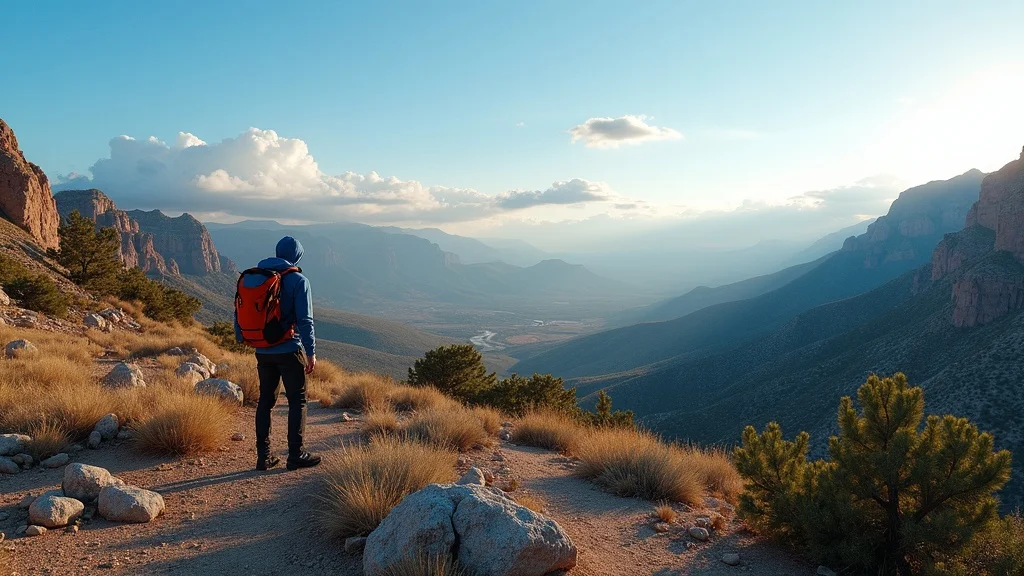
Hiker views Guadalupe Peak and desert trails at Guadalupe Mountains National Park

As you read on, you’ll discover why venturing into Guadalupe Mountains National Park, tackling the Guadalupe Peak hike, and exploring its desert trails have become transformative experiences for so many. Understanding what makes these trails special is not simply about checking off a bucket-list item, but appreciating a landscape that reveals both the beauty and the challenge of wild Texas.

Guadalupe Peak Hike: Texas’s Top Trail and the Power of Desert Landscapes

The Guadalupe Peak hike stands as a signature trek—not just for Texas, but for the entire American Southwest. Rising to 8,751 feet above sea level, Guadalupe Peak is the “Top of Texas,” offering brave hikers a 360-degree view that sweeps over arid desert basins, the jagged slopes of the Guadalupes, and endless horizons beneath the famed West Texas sky. The journey to the summit is more than a physical climb: it’s an exploration of ancient limestone laid down over 250 million years ago, now thrust up to dominate the skyline—a living classroom in geologic history.

Desert trails within the national park deliver an experience as subtle as it is striking. Life here adapts in intricate ways, from resilient cacti and hidden springs to the unique birds and mammals that make the wilderness their home. Trails wind through yucca flats and alligator juniper groves, inviting hikers to observe the quiet drama of survival. Yet, for those unfamiliar with the realities of hiking at altitude in a desert environment, the risks can be real. Unpredictable weather, sudden temperature swings, and a scarcity of water demand thorough planning—highlighting the necessity of essentials, preparation, and respect for the environment.
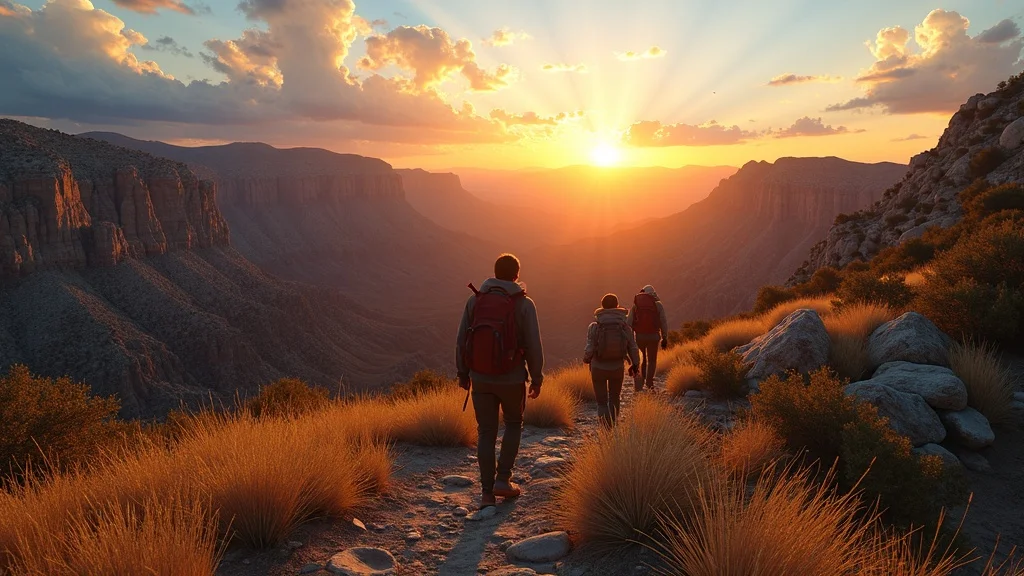
Hiking Guadalupe Peak trail at sunset in Guadalupe Mountains National Park

For RV travelers and nomads seeking to explore remote parks like Guadalupe Mountains, having a reliable power source can make all the difference in comfort and safety. Discover how the Bluei Elite 200 V2 Power Station can support your off-grid adventures, ensuring you stay connected and prepared during your journey through Texas’s wildest landscapes.

Too often, visitors underestimate the challenge and beauty of these landscapes, missing both the awe and the lessons they impart. This is a place where nature, history, and human ingenuity intersect, reminding us that to truly benefit from the Guadalupe Peak hike and the desert trails, one must come not just ready to conquer, but willing to listen and learn.

Why Hiking Guadalupe Peak and Desert Trails Offers Much More Than a Challenge

No visit to Guadalupe Mountains National Park is complete without embracing the trails that traverse its vast wilderness. The park’s role as the steward of the world's largest Permian fossil reef, as well as the site of the four highest peaks in Texas, creates a setting that is both challenging and awe-inspiring. These trails, carefully maintained and marked, unlock access to environments rarely experienced elsewhere: winding through high elevations, sprawling deserts, and canyons that hold both natural marvels and human stories.
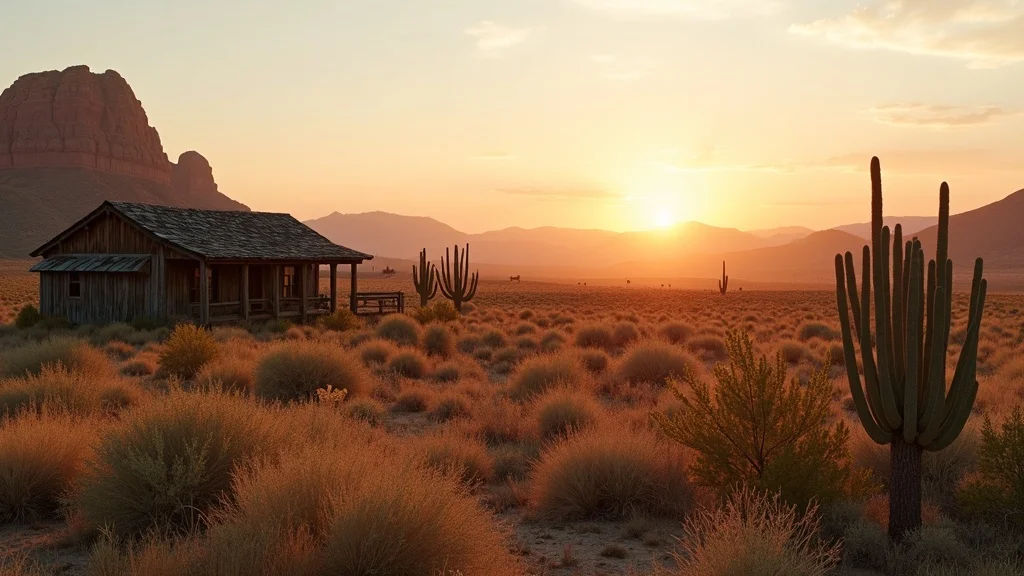
Frijole Ranch and desert trails at sunrise in Guadalupe Mountains National Park

Embarking on the Guadalupe Peak hike, or tackling any of the 80-plus miles of trails, enhances physical health and fosters a deep sense of mental tranquility. The absence of urban noise and the embrace of wide-open skies encourage reflection and escapism—attributes increasingly hard to find in modern life. For photographers, bird watchers, and families, these walks deliver unspoiled vistas, opportunities for discovery, and the joyful quietude found only in the heart of protected wilderness. The tangible result? A memory bank of breathtaking sunrises, unexpected wildlife sightings, and the sense of accomplishment that comes from overcoming both physical and mental terrain.

From Prehistoric Landscapes to Living History: The Deeper Story of the Guadalupes

One of the most remarkable aspects of exploring Guadalupe Mountains National Park is the opportunity to witness a narrative that stretches back millions of years. The park preserves the world’s most extensive Permian fossil reef—a remnant of an ancient underwater world—embedded in the rugged mountains that hikers cross. Every limestone crag and rocky outcrop connects today’s visitors to epochs long gone, providing context for the harsh beauty of the modern desert.

Yet the human story runs equally deep. Hiking trails lead not only through wild terrain, but also past storied sites like Williams Ranch and Frijole Ranch, where echoes of early settlement, conflict, and cooperation are preserved. Following these routes is to move through history itself, tracking the footsteps of those who made the Guadalupes their home. For many, this living landscape delivers more than scenic views; it becomes a way to better understand the intertwined destinies of people and place.
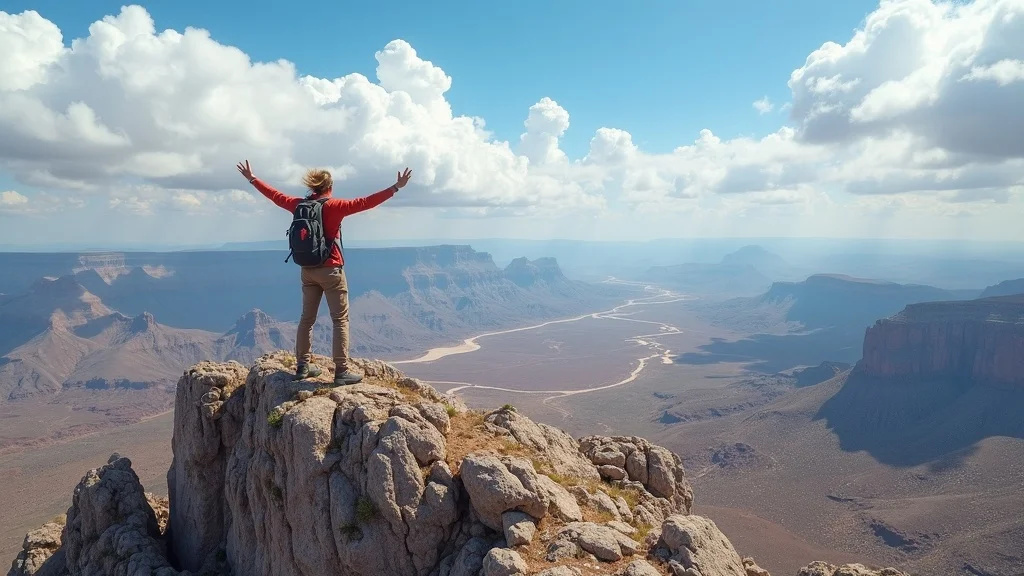
Backpacker celebrates summit of Guadalupe Peak with expansive park views

Planning and Preparation: What Every Adventurer Needs to Know

Successfully navigating the Guadalupe Peak hike or exploring lesser-known desert trails requires more than just enthusiasm—it demands preparation and respect. The National Park Service emphasizes the importance of carrying “The Ten Essentials Plus One”: water, food, extra layers, navigation, first-aid kit, headlamp, sun protection, repair tools, fire, emergency shelter, and an extra. These are not hypothetical recommendations; the park’s extreme weather and altitude shifts can catch unprepared hikers off guard.

Additionally, the park’s remote location places a premium on logistical readiness. With limited camping amenities and primitive sites, hikers need to plan meticulously: there is no on-site gas, cell service may be unreliable, and support is often hours away. The payoff for this diligence is clear. Adventurers experience unmatched solitude, a profound sense of self-reliance, and the freedom that comes from embracing both the beauty and the demands of true wilderness.

Guadalupe Mountains National Park’s Commitment to Preservation and Experience

Central to the philosophy of Guadalupe Mountains National Park is the belief that exceptional natural beauty and ecological diversity should be protected, not just for today’s explorers, but for generations to come. The park’s stewardship extends from safeguarding the Permian fossil reef to meticulously maintaining the largest wilderness area in Texas—a sanctuary for threatened habitats, endemic plants, and the cultural stories woven into its fabric.

Visitor experience here is shaped by a commitment to preparation, education, and safety. Rules such as prohibiting pets on most trails, encouraging flexibility during busy seasons, and informing guests about weather and terrain ensure that adventure remains possible without sacrificing the landscape’s integrity. The park also offers digital resources, such as the NPS app, to help visitors plan responsibly and get the most out of their experience. These measures underscore a core mission: creating access while fostering respect, so every trailhead marks the start of a safe and memorable journey.

Real-World Experiences: Visitors Reflect on the Magic of Guadalupe Mountains National Park

When it comes to understanding the true impact of hiking Guadalupe Peak and the surrounding desert trails, the words of visitors often say it best. First-hand accounts vividly express the awe and transformation sparked by time spent in these wild spaces.

This visit was one of the absolute highlights of my USA tour. Guadalupe Mountains National Park offers an incredible network of well-marked hiking trails that wind through some of the most beautiful and unspoiled desert–mountain landscapes in the country. Every hike revealed something new—dramatic limestone peaks, wide-open skies, desert flora, and a profound sense of quiet that’s increasingly rare. Exploring Williams Ranch and Frijole Ranch was especially memorable. These historic sites add depth and storytelling to the experience, grounding the natural beauty in the human history of the region. Walking the trails around them felt like stepping back in time, with scenery that changes constantly with the light. As a photographer, this park is a dream. The contrast of rugged mountains, historic ranch structures, and expansive horizons allowed me to capture some of the best photographs of my entire USA tour. Sunrise and late afternoon light were particularly spectacular, painting the landscape with texture and color. If you love hiking, history, wide-open spaces, and photography, Guadalupe Mountains National Park is an absolute must-visit. It’s powerful, peaceful, and unforgettable.

These experiences echo one another: the trails of Guadalupe Mountains National Park leave an indelible mark, offering not only adventure and beauty, but also perspective far removed from everyday distractions. For those ready to take the step—whether to the summit of Guadalupe Peak or along the gentler valley deserts—the reward is a trip both exhilarating and deeply rewarding. There’s every reason to believe that future adventurers will find their own powerful stories here, just as others have before them.

Why Guadalupe Mountains National Park’s Trails Deserve a Place on Every Adventurer’s List

The enduring appeal of Guadalupe Mountains National Park, with its challenging Guadalupe Peak hike and intricate desert trails, comes down to more than just impressive scenery. This is a place where natural wonder, geological significance, and living history come together, managed with an unwavering commitment to preserving both resource and experience. Those who visit carry away more than photographs—they leave with a deep-seated respect for wilderness, a sense of accomplishment, and memories shaped by the unique contours of Texas’s wildest mountain range.

For anyone seeking a journey that pushes limits while rewarding every step with meaning and discovery, the Guadalupe Peak hike and desert trails embody what is best about public land. Guadalupe Mountains National Park stands as an expert example of conservation and adventure balanced, inspiring past, present, and future visitors to both enjoy and protect these exceptional spaces.

If you’re inspired to elevate your outdoor experiences even further, consider exploring the latest innovations that support life on the road. From portable power solutions to essential gear for extended stays, learning about the best power stations for RVers and nomads can help you stay prepared for any adventure. Embracing these advancements not only enhances your comfort and safety but also empowers you to venture deeper into the wild, making every journey through places like Guadalupe Mountains National Park even more memorable.

Contact the Experts at Guadalupe Mountains National Park

If you’d like to learn more about how Guadalupe Mountains National Park’s famed Guadalupe Peak hike and desert trails could benefit your outdoor adventures, contact the team at Guadalupe Mountains National Park. 📍 Address: Dell City, TX 79847, USA 📞 Phone: +1 915-828-3251 🌐 Website: https://www. nps. gov/gumo/

Guadalupe Mountains National Park Location and Visitor Information

For detailed visitor hours, trail conditions, and seasonal alerts, refer to the National Park Service’s official website or contact the park directly.
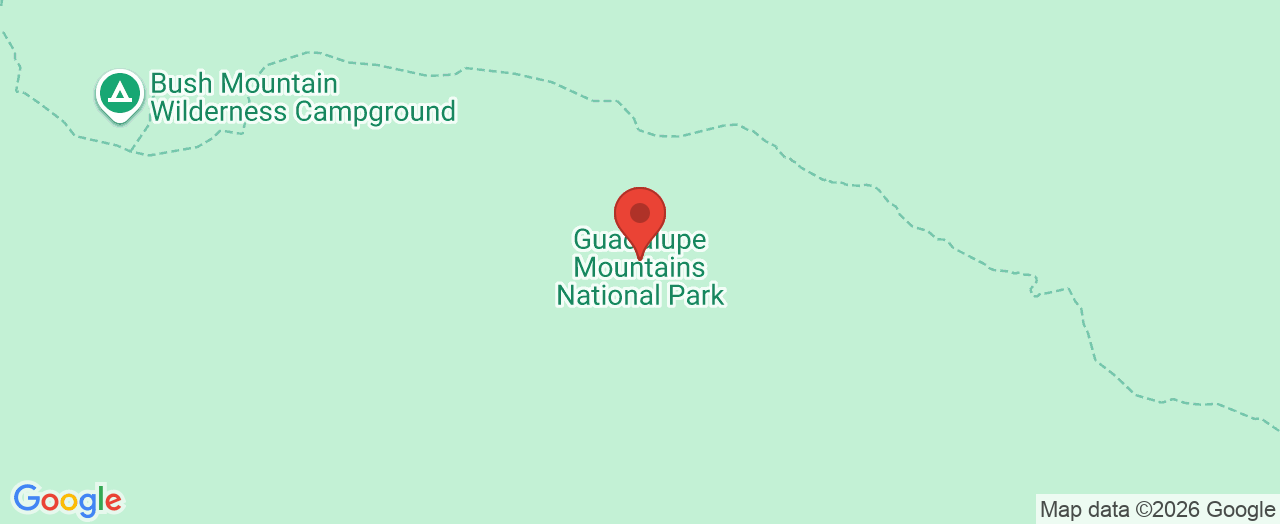
Location Map
National Parks

0 Comments

Write A Comment

*
*
Please complete the captcha to submit your comment.
Related Posts All Posts

Discover Great Basin National Park's Lehman Caves & Stargazing Magic

Great Basin National Park 📍 Address: Nevada, USA 📞 Phone: +1 775-234-7331 🌐 Website: https://www.nps.gov/grba/index.htm ★★★★★ Rating: 4.7 An Unforgettable Journey Awaits: Nature’s Secrets Beneath and Beyond the Surface What if you could stand among trees nearly 5,000 years old, crawl through mysterious marble chambers deep below the earth, and gaze up at a night sky so dark and dazzling that you forget what a city skyline even looks like? In a world tangled with distractions, the opportunity to disconnect and witness true, unspoiled wilderness is increasingly rare. That's exactly what Great Basin National Park offers—an unexpected wonderland that combines geological marvels, unmatched solitude, and a celestial spectacle that rivals any in North America. Great Basin National Park, tucked away in the rugged heart of Nevada, beckons with the promise of discovery for the curious, the adventurous, and the contemplative. Recognized for its ancient bristlecone pines, legendary Lehman Caves, and status as a premier dark sky destination, the park presents a delicate dance of earth and cosmos. Here, the landscape is both a teacher and a playground, inviting visitors to consider how time, geology, and silence can coalesce into something unforgettable. Exploring these environments isn’t just recreation—it’s a deep encounter with nature’s oldest stories and the kind of clear-sky stargazing that many have never dreamed was possible. Stepping into a World Apart: Exploring Lehman Caves and Stargazing the Dark Skies Great Basin National Park’s Lehman Caves and renowned dark sky stargazing stand as two of the park’s most spellbinding features, drawing both first-time explorers and seasoned naturalists. Lehman Caves, a limestone and marble wonder carved over millennia, stir the imagination with their intricate formations: delicate stalactites, stout stalagmites, shimmering “cave popcorn,” and enigmatic cave shields that defy expectation. Every tour is a journey back through the ages, as guides illuminate both the science and stories behind these underground cathedrals. But it's not just the hidden world below the surface that captivates; above ground, Great Basin boasts some of the darkest night skies in the continental U. S. For visitors unaccustomed to such pure darkness, the park’s nighttime spectacle can be both inspiring and humbling. Free from urban light pollution, the Milky Way gleams brightly, its countless stars and distant galaxies visible to the naked eye. Astronomical events, from meteor showers to the annual Great Basin Astronomy Festival, transform stargazing here into a moment of collective awe and discovery. Yet, many overlook the true value of such experiences, failing to realize that rare dark sky destinations are vanishing fast. Missing out on the park’s immersive cave tours or the profound quiet under a sea of stars is to forgo not just an activity, but a new way of engaging with nature’s power and mystery. If you’re planning an extended stay to fully experience the park’s remote beauty and nighttime wonders, having a reliable power source can make your adventure more comfortable and self-sufficient. Many RV travelers find that investing in a portable power station, such as those highlighted in this guide to the Bluei Elite 200 V2 Power Station for RVers, helps ensure you’re prepared for off-grid exploration without sacrificing convenience. The Transformative Benefits of Immersive Cave Exploration and Stargazing in Great Basin National Park Great Basin National Park, an expert in nature’s diversity and resiliency, offers transformative experiences through its Lehman Caves and dark sky stargazing programming. The caves, formed over millions of years and adorned with rare formations like shields and “popcorn,” present more than just a sightseeing opportunity. Touring these caves means gaining insight into earth’s geologic history and discovering the delicate balance of subterranean ecosystems. The accessible tours appeal to a broad spectrum of visitors, providing an easy yet high-yield adventure suitable for families, nature buffs, and anyone seeking inspiration just beneath the surface. Stargazing at Great Basin, meanwhile, is more than a pastime—it becomes a portal to the cosmos. With free ranger-led astronomy programs and an annual Astronomy Festival comprising more than 40 events, guests learn from experts about planets, constellations, and the park’s unique position as a haven for astronomical wonders. The result is a memorable blend of education and pure wonder. Many leave with a deeper appreciation not only for the stars but for the critical need to protect dark sky environments for future generations. This combination of enrichment, accessibility, and rare natural conditions sets Great Basin’s caves and stargazing opportunities in a league of their own, making each visit valuable and profound. Tracing Ancient Stories: The Bristlecone Pines and The Science Beneath the Surface Within the park, centuries come alive in the rustling needles of bristlecone pines, some of the world’s oldest living trees. These ancients stand as silent witnesses to eons, their resilience a living testament to the park’s evolutionary richness. Hikers on trails winding past bristlecone groves are often struck by a sense of humility and awe—few other places offer such tangible connections to distant epochs. This blend of living history and geological education deepens any visit, underscoring how Great Basin’s ecosystem is unlike any other, thriving in spite of—and often because of—its seeming harshness. Beneath the ground, Lehman Caves give voice to equally ancient processes. From the slow drip of mineral-rich water forming a stalactite over centuries, to the unexpected appearance of cave-dwelling species, caves foster environments that both challenge and reward scientific curiosity. The park foregrounds conservation and education, using guided cave tours not just for enjoyment but to foster stewardship and understanding. Visitors leave not only with memories but with a new lens through which to see both themselves and the landscape. Navigating Seasons: What to Expect at Different Times of Year Seasonality shapes every Great Basin encounter. Visiting in summer rewards explorers with accessible hiking, comfortable conditions, and the most reliable opportunities for both cave tours and stargazing. Trails to Wheeler Peak open up to challenging but breathtaking summit experiences, while bristlecone pine forests are within easy reach. Stargazing becomes magical as warm, clear nights create a canvas for the galaxy above. By contrast, those arriving in autumn or winter may find a quieter experience, with certain scenic drives or high-elevation trails closed due to snow or maintenance. Yet, even with some limitations, the lower-elevation hikes showcase stark beauty and solitude, and the caves remain an accessible draw. The park emphasizes planning and flexibility, encouraging visitors to check conditions and make the most of every available adventure. Whether in peak summer or off-season, Great Basin offers a sense of discovery tailored to each guest’s curiosity and timing. Unlocking Wonder: Family Programs and Opportunities for Connection Educational programs such as the Junior Ranger badge initiative empower families to explore together, blending fun and learning. Children and adults alike discover the secrets of the park through hands-on activities—whether it’s deciphering animal tracks, charting stars at night, or delving into cave geology. These programs embody the park’s commitment to inclusivity and accessibility, ensuring that guests of all ages and abilities can participate in meaningful ways. Special events, including the Astronomy Festival and ranger-led programming, offer gateways to deeper involvement. By fostering community, curiosity, and environmental stewardship, Great Basin transforms from a distant park to a personal and memorable destination. These shared experiences often become the highlight of a family vacation or an individual’s journey, sparking lifelong appreciation for natural wonders. Great Basin’s Commitment to Wild Solitude, Education, and Preservation Great Basin National Park’s philosophy stems from a deep respect for wilderness, solitude, and the enduring stories of the land. Through its robust event calendar, cave conservation efforts, and stellar astronomy programs, the park’s mission is both to protect precious resources and to make them accessible through education. Every visitor is encouraged to immerse in both the solitude of silent forests and the vibrancy of group stargazing, forging an emotional connection with nature’s cycles. The park’s approach is characterized by stewardship, offering unique learning experiences set against dramatic backdrops. Guided cave tours do more than showcase natural formations—they illuminate the fragile balance of the karst ecosystem, promoting a sense of responsibility among guests. Similarly, ranger-led astronomy programs invite all to marvel at the vastness above while fostering an understanding of light pollution’s impact and the urgent need for conservation. Great Basin National Park stands as a guiding voice in preserving both the natural world and the quiet joys of discovery. Authentic Adventures: A Visitor’s Experience of Summer Exploration With each visit, guests add their voices to Great Basin’s ongoing story. One reviewer described an especially memorable adventure that encapsulates what makes the park unique, particularly during summer and early fall. Unique park to visit in the summer/early fall. It’s out of the way but well-worth it. The summer night sky from the wheeler scenic drive pullouts is the best I’ve ever seen. Wheeler peak summit is a tough but rewarding trail. The bristlecones are neat, given their age and rarity. The caves are an easy and high-yield activity. This firsthand account underscores the reward awaiting those willing to journey "out of the way": breathtaking stargazing, challenging yet fulfilling trails, and rare encounters with ancient lifeforms. For any prospective visitor ready to immerse themselves in discovery, reviews like this speak to the transformative power of connecting with both the land and the sky at Great Basin National Park. The Enduring Appeal of Lehman Caves and Stargazing in Great Basin National Park Great Basin National Park’s Lehman Caves and world-class stargazing offer more than fleeting thrills—they provide long-lasting inspiration and a renewed sense of wonder. Every visit grants access to a living classroom, where ancient geology and the infinite universe coexist in harmony. Through excellence in programming, commitment to conservation, and an open invitation to explorers of all ages, the park continues to shape unforgettable journeys and safeguard vanishing treasures. The value of experiencing both the depths of Lehman Caves and the brilliance of a star-filled sky cannot be overstated. With each tour, hike, and stargazing session, Great Basin helps visitors rediscover not just natural beauty but their own place in a much grander story. For anyone seeking natural marvels and profound silence, the park remains a beacon for adventure, reflection, and learning. As you plan your journey to Great Basin National Park, consider how the right preparation can elevate your experience from memorable to extraordinary. Embracing the park’s remote setting means being ready for both adventure and self-sufficiency—qualities that seasoned RVers and explorers value deeply. For those interested in optimizing their travels, exploring resources on essential gear like portable power stations can help you stay connected and comfortable while off the grid. Dive deeper into the world of RV travel and discover how thoughtful planning can unlock even more freedom and flexibility on your next national park adventure by visiting this comprehensive guide to RV power solutions. Your next great discovery could be just a well-charged battery away. Contact the Experts at Great Basin National Park If you’d like to learn more about how exploring Lehman Caves and experiencing world-class dark sky stargazing could enrich your next adventure, contact the team at Great Basin National Park. 📍 Address: Nevada, USA 📞 Phone: +1 775-234-7331 🌐 Website: https://www. nps. gov/grba/index. htm Great Basin National Park Location and Visitor Hours 🕒 Hours of Operation:📅 Monday: Open 24 hours📅 Tuesday: Open 24 hours📅 Wednesday: Open 24 hours📅 Thursday: Open 24 hours📅 Friday: Open 24 hours📅 Saturday: Open 24 hours📅 Sunday: Open 24 hours

Discover Why Grand Teton National Park Sunrise Is Unforgettable

Grand Teton National Park 📍 Address: Wyoming, USA 📞 Phone: +1 307-739-3399 🌐 Website: https://www.nps.gov/grte/index.htm ★★★★★ Rating: 4.9 The Transformative Power of a Grand Teton Sunrise Have you ever wondered what it's like to stand quietly in the shadow of jagged, snow-dipped peaks as the very first light of dawn breaks over a wild landscape? Grand Teton National Park is famous not just for its dramatic mountains, but for the mesmerizing moments at sunrise—when wildlife stirs, alpine lakes shimmer, and the world seems to hold its breath. For travelers chasing awe, photographers in search of perfect light, or anyone craving connection with wild places, these early morning hours offer experiences rarely matched elsewhere. The anticipation builds with each minute, as shadows retreat and colors paint the valley into life. Yet, for those unfamiliar with this iconic park at sunrise, it’s easy to underestimate the impact of a morning spent among its wildlife and waterways. The park’s ecosystem comes alive as day breaks: moose graze near willow thickets, elk move through golden meadows, and songbirds call across pristine lakes. The phenomenon isn’t just visual—it's sensory. It’s the crisp air, the distant bugle of an elk, the hush and pulse of an ancient landscape unchanged by centuries. This isn’t only about sightseeing, but about entering a fleeting window each day when Grand Teton reveals its soul. Understanding the unique value of sunrise wildlife drives and alpine lake exploration means discovering why so many visitors call their experiences here “unforgettable. ” Understanding the Magic of Grand Teton's Sunrise: Wildlife, Drives, and Alpine Lakes Grand Teton National Park sunrise wildlife drives and alpine lakes are far more than a collection of scenic opportunities—they are immersive encounters in a living landscape sculpted by eons and preserved by generations. As the sun lifts above the skyline of the Teton Range, the interplay of light and shadow casts a spell across Jackson Hole valley and the renowned alpine lakes that mirror these towering mountains. It’s during these early hours that the park unveils an intricate web of life: mule deer migrating, moose wandering through willows, waterfowl gliding over glassy lakes, and predators on the move in the cool dawn. Failing to recognize the significance of this sunrise window can mean missing out on some of the rarest wildlife encounters and photographic moments to be found in North America. Many visitors are surprised to learn that animal behavior and atmospheric conditions at sunrise are dramatically different from midday. For wildlife enthusiasts, this is the prime time for sightings, as creatures are most active before heat and crowds descend. For lake lovers, the air is still and reflective, amplifying the serenity and natural beauty that give Grand Teton its legendary reputation. This daily resurrection of light—framing mountains, wildlife, and endless alpine lakes—delivers not just memories, but a deeper appreciation for the extraordinary rhythms of this protected place. For those planning an early morning adventure in the Tetons, having reliable power for your RV can make all the difference in comfort and convenience. Exploring the benefits of portable power solutions, such as the Bluei Elite 200 V2 Power Station, can help ensure your sunrise excursions are supported by dependable energy—especially for photographers and travelers who rely on charged devices. Learn more about why every RV nomad needs the Bluei Elite 200 V2 Power Station for their journeys. Discover the advantages of portable power for RVers. How Sunrise Wildlife Drives and Alpine Lakes Redefine the Grand Teton Experience Experts from the National Park Service highlight that Grand Teton’s sunrise hours unlock layers of the landscape most visitors never see. Starting the day with a wildlife drive along routes like Moose Wilson Road or the areas around Oxbow Bend increases the chances of witnessing moose, deer, elk, and occasionally even bears in their natural routines. The park’s guidance stresses not only respectful distance and safety considerations but reveals that witnessing migrations or animal interactions at dawn often leaves a lasting impact—connecting visitors with nature’s cycles in a way midday observation rarely matches. Beyond wildlife, the park’s celebrated alpine lakes—such as Jenny Lake, Delta Lake, or String Lake—become extraordinary at sunrise. Reflections are at their clearest, winds are typically gentler, and the soundscape brims with the bustle of birds and aquatic life. Hikers and paddlers who start early can enjoy tranquil solitude and views that seem untouched by time. These sunrise moments boost physical well-being, mental calm, and a deep-rooted sense of wonder, as described in the park’s resources and grounded in generations of human connection with these wild, beautiful spaces. Early Morning Wildlife Encounters: Why Timing Matters in the Tetons The hours just after dawn represent a fleeting chance to observe the Grand Teton’s elusive residents in action. The park’s official wildlife pages underscore that migrations and animal behaviors reach their peak in the early morning. Mule deer, for instance, are known to travel great distances, crossing mountain passes and rivers before sunrise in search of food and shelter. Early wildlife drives—especially on less-trafficked park roads—offer these rare sightings, often framed by the golden glow of the rising sun. For those with patience and a sense of respect for the environment, it’s these moments that bring the park’s reputation for living wilderness fully to life. Missing the sunrise means missing the park at its wildest and most dynamic. Instead of the scattered midday glimpses of distant animals, visitors in the early light may watch moose browse by shimmering lakes or spot flocks of waterfowl taking flight. These experiences foster a deeper awareness and stewardship, encouraging travelers to not only observe wildlife but also consider the ecological threads—like migration and conservation—that hold this landscape together. The park urges responsible observation, but rewards those who arrive early with encounters few others get to witness. Alpine Lakes at Dawn: Reflections, Peace, and Accessible Adventure Grand Teton’s alpine lakes are legendary, but their magic multiplies as sunrise touches their shores. Official park information showcases lakes such as Jenny, Delta, Taggart, and String as focal points for both reflection—literally and figuratively—and exploration. The stillness of morning brings vivid mirror images of the peaks, at times so sharp it’s hard to tell where mountain ends and water begins. For photographers, these are world-class opportunities, best captured before breezes ripple the surface or crowds arrive. Easy-access lake trails allow families and beginners to take part in these sunrise journeys as well. The transformation at dawn is immediate: colors shift, wildlife visits the water’s edge, and visitors experience a peacefulness that remains with them long after they leave. Many hikers are drawn to Delta Lake for its challenging ascent, rewarded with views that merge turquoise waters and the rugged grandeur of the Teton Range. Whether looking for ambition or serenity, the park’s alpine lakes at sunrise provide an unmatched blend of adventure and tranquility, appealing to all levels and aspirations. Generations of Wonder: The Human and Natural Legacy of Sunrise in the Tetons For more than 11,000 years, the landscapes of Grand Teton have inspired those who pass through—tribes, pioneers, naturalists, and modern visitors alike. The park’s interpretive materials emphasize how the sunrise has always marked a promise: of sustenance, survival, and imagination. Today, watching sunrise over the Tetons offers continuity with these long traditions. The experience encourages present-day visitors to reflect on their role as stewards in an ongoing legacy of conservation and care. This rich intersection of human history, mountain ecology, and personal discovery is rightfully preserved and shared with millions each year. Visiting at dawn is not just a recommendation; it is an invitation to engage with the deepest values that the National Park Service upholds—protection, connection, and transformative beauty. As each new visitor steps onto the shores of an alpine lake or watches elk move across sun-drenched meadows, they participate in a story centuries in the making. Grand Teton’s Stewardship Philosophy: Protecting Sunrise Wonders for the Future The philosophy underpinning Grand Teton National Park’s stewardship is one of deep respect and enduring responsibility. The park is not just set aside for preservation, but for the active, ongoing engagement of visitors as partners in its care. Park materials stress that the Tetons “stand as a testament to generations of stewards,” encapsulating how each visitor has a role in keeping wildlife, alpine lakes, and dawn experiences as vivid for future generations as they are today. The National Park Service’s mission here is strongly educational: to foster understanding of wildlife migration, alpine ecology, and the subtle balances that sunrise brings into focus. Guests are encouraged, through signage and ranger advice, to maintain safe distances, respect closures designed for animals’ protection, and practice “leave no trace” ethics at all hours—especially during sensitive early morning activity windows. This approach extends beyond simple rules, empowering every sunrise observer to become a participant in one of North America’s most enduring natural and cultural legacies. Real Stories from the Sunrise: A Visitor’s Perspective First-hand experiences truly capture the impact of Grand Teton National Park sunrise wildlife drives and alpine lakes. One review, written by a returning visitor who describes the park as their “favorite place on earth,” provides a vivid, relatable glimpse into these early morning moments: My favorite place on earth, have gone the past two years, just no words to describe this heaven. My wife is a photographer so early mornings for sunrise is a must for everyone. We’ve been able to check out moose Wilson road early morning, day time and evening, we say a black bear and a few elk there, no moose but definitely moose territory. Also checked out xbow bend area and saw woodland ducks. For hiking we tackled delta lake honor which took us just under seven hours to do, that’s including an hour break at the lake, and it’s a very serious climb including boulder climbing and pretty much straight up at the end. It’s not an easy hike by any means but extremely well worth it. It’s going to be hard to beat that view of the lake and main peak of the Tetons above. We also hiking lake taggart, it was ok but our least favorite hike. We liked the aspen grove you walk through on the north end of the trail (we go in the fall, absolutely gorgeous colors). But we liked other lakes more. Other than delta our favorite hike was cascade canyon. Left from string lakes, went to hidden falls then up to inspiration lake then back into the canyon itself about half way. On the way back we took horse trail bypassing inspiration point and hidden falls which was another pretty view. Easy hike though and saw moose! We carry bear spray on all hikes. Such accounts are echoed time and again by those who make the effort to start their day at first light. Creating space for awe, adventure, and profound appreciation, sunrise at Grand Teton National Park delivers a wealth of memories—and underscores why these moments are universally described as transformative. For both first-time visitors and passionate returnees, embracing early mornings unlocks the best the Tetons have to offer. The Enduring Allure of Grand Teton’s Sunrise Encounters The sunrise hours in Grand Teton National Park are much more than an item on a travel checklist—they are a gateway into the heart of the American wilderness. Each morning brings opportunities for rare wildlife observations and the serene beauty of alpine lakes, enveloping every visitor in a tradition of wonder and stewardship. Supported by National Park Service expertise and generations of local wisdom, exploring this landscape at dawn delivers both immediate rewards and an abiding respect for conservation. Whether you’re a photographer, an adventurer, or simply someone seeking renewal, experiencing a Grand Teton sunrise—among wildlife, across shimmering lakes, and beneath the sentinel peaks—redefines what it means to encounter wild America. With each new dawn, the park’s sunrise wildlife drives and alpine lakes inspire awe, reflection, and a commitment to ensuring these experiences endure for future generations. As you plan your next sunrise adventure in Grand Teton National Park, consider how the right preparation can elevate your entire experience. From ensuring your RV is equipped with reliable power to embracing the park’s stewardship values, every thoughtful choice enhances your connection to this remarkable landscape. If you’re interested in optimizing your travels with advanced gear and practical tips, exploring the best deals on portable power stations for RVers can be a game-changer for extended stays and early morning excursions. Take your journey further by discovering how innovative solutions can support your wildest adventures and deepen your appreciation for the natural world. Explore essential RV power solutions for your next national park trip. Contact the Experts at Grand Teton National Park If you’d like to learn more about how sunrise wildlife drives and alpine lake adventures could benefit your next visit, contact the team at Grand Teton National Park. 📍 Address: Wyoming, USA 📞 Phone: +1 307-739-3399 🌐 Website: https://www. nps. gov/grte/index. htm Grand Teton National Park Location and Availability 🕒 Hours of Operation:📅 Monday: Open 24 hours📅 Tuesday: Open 24 hours📅 Wednesday: Open 24 hours📅 Thursday: Open 24 hours📅 Friday: Open 24 hours📅 Saturday: Open 24 hours📅 Sunday: Open 24 hours

Discover Glacier Bay National Park's Untouched Wonders

Glacier Bay National Park and Preserve 📍 Address: Alaska, USA 📞 Phone: +1 907-697-2230 🌐 Website: https://www.nps.gov/glba/index.htm ★★★★★ Rating: 4.9 Nature’s Last Frontiers: Why Glacier Bay’s Majesty Captivates Every Explorer Imagine a place where thunderous glaciers calve into icy fjords, humpback whales surface alongside your boat, and the wild, primeval silence is broken only by the calls of seabirds. For many, the reality of such a wilderness seems beyond reach, but Glacier Bay National Park bridges the gap between imagination and experience. Glacier Bay is no ordinary destination—it’s a living canvas painted with millions of years of geological drama, dynamic glaciers, and undisturbed ecosystems. Each year, awe-struck adventurers and scientists alike journey to this remote corner of Alaska, seeking the raw thrill of glacier cruises and whale watching adventures that feel truly untouched by modernity. But what makes this realm so spellbinding? The draw goes beyond scenic beauty—it’s the sense of connection to something vast, ancient, and alive. At a time when natural wonders are increasingly rare and fragile, the opportunities within Glacier Bay National Park become immeasurably valuable. Whether it’s witnessing glaciers shift before your eyes, spotting breaching whales, or hearing the haunting echo of sea lions, these experiences aren’t just recreational—they’re vital reminders of our planet’s changing story. Exploring Glacier Bay National Park glacier cruises and whale watching adventures means coming face-to-face with natural history in motion. The next sections will unlock why venturing into these wild waters could change the way you look at nature forever. Glacier Bay’s Dynamic Legacy: The Art and Science of Alaska’s Glaciers and Whales Glacier Bay National Park and Preserve covers a sweeping 3. 3 million acres of Southeast Alaskan wilderness, forging a complex tapestry of mountains, glaciers, temperate rainforests, fjords, and rugged coastline. This living laboratory is a destination where natural phenomena are magnified and nature’s cycles are visible on a grand scale. Glacier cruises carve through deep, sheltered inlets, allowing visitors to witness ice calving events off massive tidewater glaciers and catch glimpses of orca and humpback whales in their native habitat—all against the ever-shifting backdrop of the bay. For those interested in the science behind the spectacle, each journey offers unparalleled insight into ongoing geological evolution and the interconnected web of marine and terrestrial life. For travelers who want to make the most of their time in remote destinations like Glacier Bay, having reliable power on the go can be essential. Many RVers exploring Alaska’s wild landscapes have found that investing in a portable power station, such as the Bluei Elite 200 V2 Power Station, ensures comfort and convenience while immersed in nature’s grandeur. Yet, not everyone may grasp the full significance of these shifting glaciers or seasonal whale migrations. Without understanding, travelers risk missing how climate change and shifting landscapes transform what might seem to be static wonders. The glaciers of Glacier Bay, for instance, are dynamic—some retreating rapidly, with visible differences even over a single decade. Failing to appreciate this interplay robs visitors of the deeper narrative at work: a park that tells the story of Earth’s past, present, and uncertain future, all playfully revealed during every glacier cruise or thrilling moment of whale watching. By delving beyond surface impressions, those who visit discover not just amazing scenery, but a powerful education about resilience, adaptation, and the urgency of conservation. Why Glacier Bay National Park Glacier Cruises and Whale Watching Adventures Are Unforgettable Turning to Glacier Bay National Park and Preserve as an authority on glacier cruises and whale watching yields a wealth of real benefits and transformative experiences. The park stands out for more than its breathtaking vistas—it invites discovery at every scale, from epic geological dramas to moments of serene connection with wildlife. Participating in glacier cruises means more than sitting back and watching the scenery drift by. Guests are immersed in an ever-changing landscape, listening as glaciers groan and splinter, observing sea otters and harbor seals at play, and learning about the life cycles that govern Alaska’s ecosystems. Every voyage is grounded in education, conservation, and a profound respect for nature’s power. The benefits resonate well after the journey ends. Visitors gain not just stunning photographs, but a richer appreciation of environmental stewardship and the intricate dance of life in Glacier Bay. Whale watching adds a visceral thrill as massive whales breach or feed alongside vessels, underscoring the region’s wildness and vitality. Both experiences deliver more than fleeting entertainment—they cultivate awe, curiosity, and a sharpened sense of our role in protecting natural spaces. With every whale spotted and glacier observed, participants witness the results of centuries of change and affirm the enduring value of preserving places like Glacier Bay for future generations. Tracing the Ice: Glacier Bay’s Evolving Landscape Through Time Glacier Bay stands as a testament to change, illustrating what centuries of geological forces can achieve. Not long ago, the area was entirely covered by a colossal sheet of ice—up to 4,000 feet thick—stretching far into what is now open water and forested land. Since the late 1700s, the region has transformed dramatically, with glaciers receding more than sixty miles, unveiling fjords, beaches, and vibrant new ecosystems. Each glacier cruise is a journey across a living timeline, revealing not only the monumental power of ice, but also the relentless processes of renewal and adaptation that shape the land. This everchanging nature makes every visit unique. Passengers often remark on visible shifts even within a span of years—a retreating glacier here, new silt bars forming there—highlighting both the natural rhythms and broader changes impacting Alaska’s wilderness. Understanding the region’s geological narrative turns a simple adventure into a deeper exploration of our Earth’s resilience and fragility. For those who value context, Glacier Bay offers a compelling lesson on time, transition, and the continuing dance between ice and sea. Alaska’s Living Laboratory: Wildlife Encounters Beyond the Extraordinary Wildlife is at the heart of every Glacier Bay cruise and whale watching adventure. The park’s fjords and forests provide habitat for a stunning variety of animals—bald eagles perched above the treeline, sea lions barking from rocky outcrops, and black bears glimpsed along secluded shorelines. The marine environment, rich with life, supports huge gatherings of humpback whales, which migrate here seasonally to feed and rear their young. Each sighting emphasizes the interconnectedness of land, sea, and sky, uniting every traveler in moments of genuine wonder. These encounters are more than a checklist for wildlife watchers—they are vivid reminders of nature’s intricacy and unpredictability. Spotting a whale breach or witnessing a pod of orcas in formation instills humility and leaves a lasting impression that speaks to the uniqueness of Glacier Bay. It’s a place where visitors have a real stake in ongoing conservation, making each whale watching experience a personal testament to the value of protected wilderness. Cultural and Environmental Stewardship: The Glacier Bay Approach Glacier Bay National Park and Preserve approaches its mission with a balance of reverence for cultural history and a firm commitment to environmental stewardship. As the ancestral homeland of the Huna and Yakutat Lingít, the area is imbued with significance far deeper than its scenic appeal. Efforts such as the establishment of the Xunaa Shuká Hít (Huna Tribal House) underline ongoing collaborations between the National Park Service and Indigenous organizations, seeking both healing and mutual respect. For visitors, this means a chance to engage with a living heritage, learning not only about glacial processes but also the people whose destinies have long been intertwined with these lands and waters. On the conservation front, Glacier Bay promotes a philosophy of research, education, and active preservation. Guided by principles of sustainability and scientific inquiry, the park enables both casual visitors and researchers to interact responsibly with a dynamic, fragile environment. This holistic view sets Glacier Bay apart, transforming each glacier cruise and whale watching outing into opportunities for mindful engagement, inspiration, and advocacy for wild places that belong to both present and future generations. Visitors in Their Own Words: Transformative Journeys in Glacier Bay Every year, thousands seek out Glacier Bay’s remoteness for personal reasons, but the impact of seeing its glaciers and wildlife firsthand often exceeds expectations. Among such powerful testimonies, the words of real travelers provide a vivid illustration of why glacier cruises and whale watching adventures leave indelible marks on all who experience them. This was a once in a lifetime experience, I am so grateful to have been able to come here. I’m curious to know if the icebergs are melting at a rapid rate, because I saw pictures from my aunts trip 10 years ago compared to now. It is significantly different in regard to scenery. However, it was still nice to be able to see the glaciers in person. I highly recommend this to anybody who is a nature enthusiast. As this visitor’s reflection reveals, there is both joy and gravity in witnessing Glacier Bay’s grandeur. The changes observed over time underscore the urgency of seeing these wonders while they endure, and reinforce the deep appreciation visitors take with them. For anyone seeking authentic adventure and a renewed sense of wonder, taking the step to explore Glacier Bay can be not just memorable, but truly transformative. Experiencing Glacier Bay: A Reminder of Nature’s Value and Vulnerability Glacier Bay National Park glacier cruises and whale watching adventures don’t just offer entertainment—they provide a front-row seat to nature’s ongoing story. Every journey into these fjords and icy waters exposes visitors to the park’s unparalleled wildness, profound beauty, and the delicate balance it represents. The contribution of the National Park Service in preserving and interpreting Glacier Bay’s treasures ensures that each visit delivers not just an escape, but a meaningful connection to global conservation efforts. For those compelled by wild places and the stories they tell, Glacier Bay National Park glacier cruises and whale watching adventures are more than bucket-list experiences. They’re opportunities to learn, reflect, and carry forward a commitment to protecting the world’s last great wildernesses. The transformative power of these adventures lies in their ability to awaken awe and foster stewardship—ensuring Glacier Bay’s wonders will endure for generations to come. If your passion for exploring the wild is matched by a desire for comfort and self-sufficiency, consider how the right gear can enhance your journey. Discovering the advantages of portable power solutions, like those highlighted in the best deals on the Bluei Elite 200 V2 Power Station for RVers, can help you stay connected and prepared during your next adventure. Whether you’re planning a trip to Glacier Bay or another remote destination, equipping yourself with reliable technology ensures you can fully immerse in nature’s wonders while maintaining the comforts that make your travels memorable. Contact the Experts at Glacier Bay National Park and Preserve If you’d like to learn more about how glacier cruises and whale watching adventures could enrich your understanding of Alaska’s untamed beauty, contact the team at Glacier Bay National Park and Preserve. 📍 Address: Alaska, USA 📞 Phone: +1 907-697-2230 🌐 Website: https://www. nps. gov/glba/index. htm Glacier Bay National Park and Preserve Location and Availability 🕒 Hours of Operation: For detailed hours and seasonal schedules, visitors should check directly via the official Glacier Bay National Park website or by calling +1 907-697-2230.

Terms of Service

Privacy Policy

Core Modal Title

Sorry, no results found

You Might Find These Articles Interesting

T
Please Check Your Email
We Will Be Following Up Shortly
*
*
*