RV Otter

Ride With RV Otter

  • Home
  • Categories
    • Destinations & Routes
    • Campground Reviews
    • RV Tips & Lifestyle
    • Gear & Essentials
    • On-the-Road Living
    • Traveling with Pets
    • Stories & Adventures
    • RVing on a Budget
    • Boondocking
    • Campground Reviews
    • RV Lifestyle News
    • National Parks
    • State Parks
    • Extra News
    • Central Oregon Coast
    • National Forest
    • Shopping
    • Rentals
    • RV Resorts
    • Business Directory
    • RV Sales & Rentals
    • Destinations
    • Campgrounds & Stays
    • Gear & Rentals
    • RV News & Resources
    • RV Dealerships
    • Destinations 2
  • Businesses
  • Wildlife Refuges
July 03.2026
1 Minute Read

Discover White River National Forest’s Hidden Wonders Today

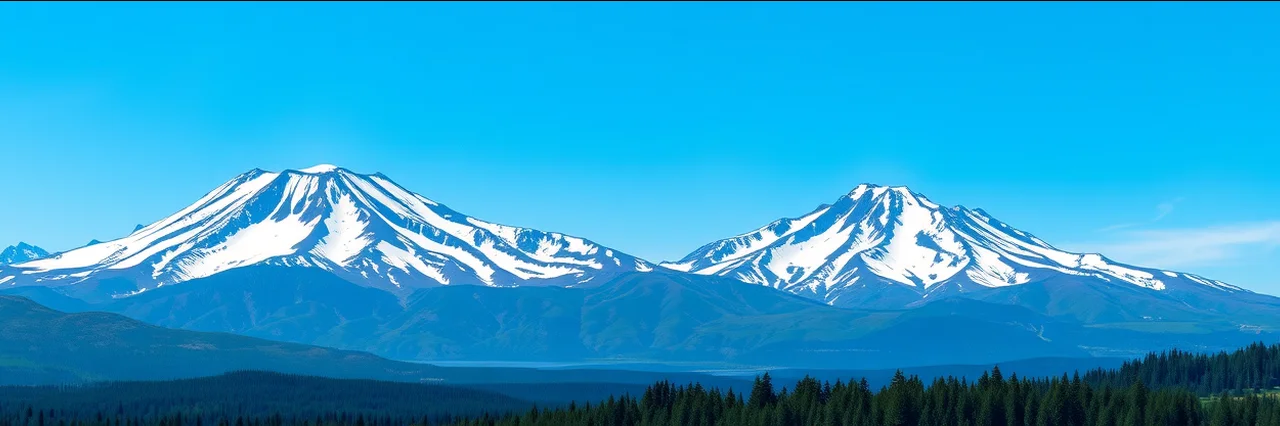
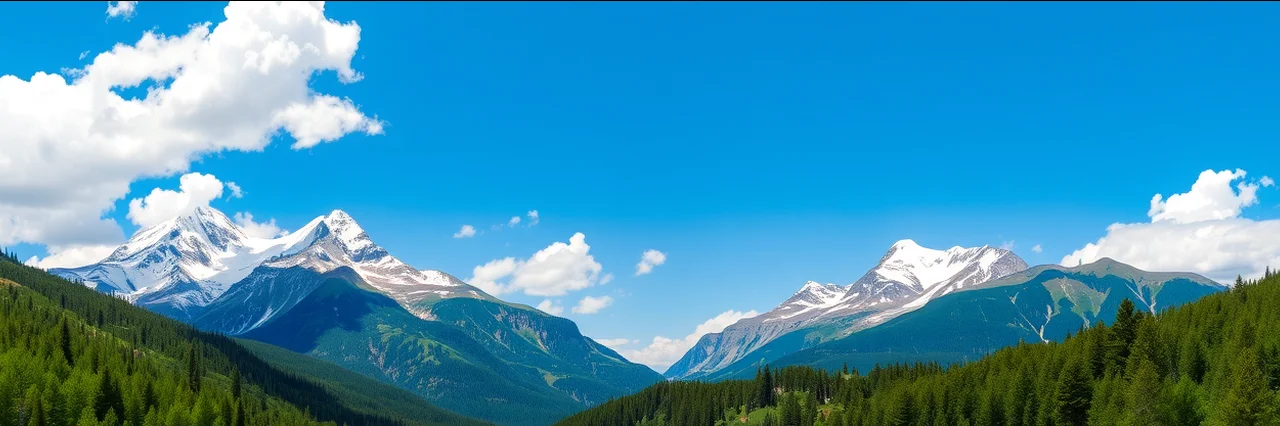
White River National Forest Maroon Bells scenic mountain view with snowy peaks and blue sky

White River National Forest

📍 Address: White River National Forest, Colorado 81637, USA

📞 Phone: 970-319-2670

★★★★★
Rating: 4.9

Untouched Wilderness Awaits: Why Exploring White River National Forest Should Be On Your List

Imagine stepping into a landscape where snow-capped peaks meet endless forests, where every turn on the trail reveals a new vista more breathtaking than the last. In an age when more of our world feels discovered and mapped, there remain rare places that challenge your sense of wonder and adventure—White River National Forest is one of them. Home to the iconic Maroon Bells, whose reflection shimmers in clear lakes at sunrise, this vast expanse not only invites you in but urges you to lose yourself in its beauty, if only for a day.

Whether you’re a seasoned hiker or simply someone seeking a restorative drive through nature, uncovering the hiking routes and scenic drives of White River National Forest offers a kind of renewal that’s difficult to match elsewhere. The importance of understanding how to navigate and appreciate these wild spaces cannot be overstated; beyond pretty pictures, it’s about forging deeper connections—to nature, to solitude, and even to our own capability to explore. This article will walk you through the must-see sights, the practical tips, and the real impact this iconic forest has on those who venture into its heart.
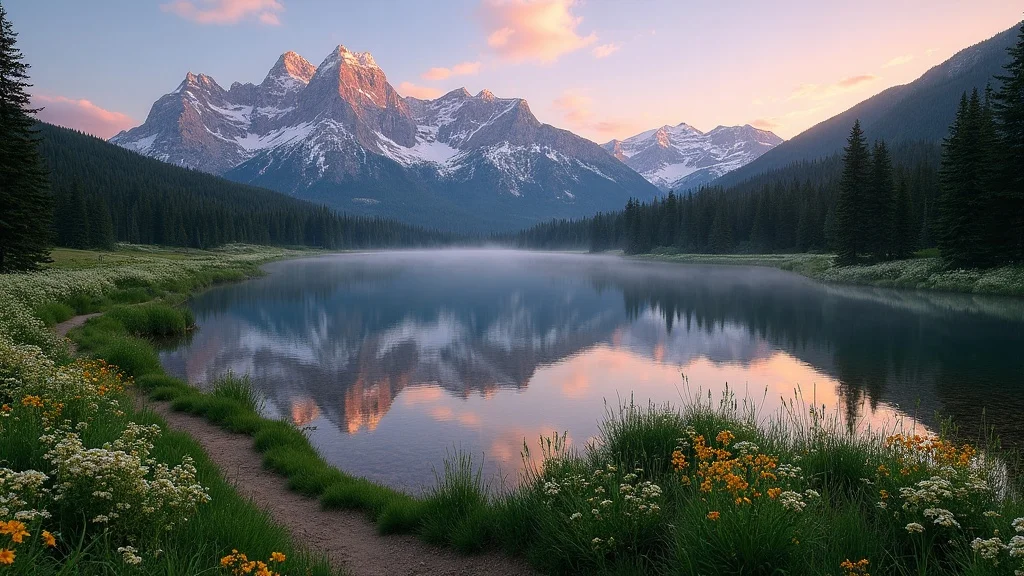
Maroon Bells reflected in lake at sunrise, White River National Forest hiking

Beyond the Postcard: The Essential Guide to Maroon Bells Hiking and Scenic Drives

Spanning roughly 2. 3 million acres, White River National Forest is a crown jewel of Colorado’s high country, and within its borders lies one of the most photographed landscapes in North America—the Maroon Bells. These twin peaks rise dramatically over Maroon Lake and are accessible by both hikers and those who prefer the comfort of their vehicles. The range of trails impresses both newcomers and returning adventurers, offering everything from gentle lakeside strolls to heart-pumping ascents above the tree line. But these hills aren't just for the elite trekker; there are countless accessible routes for families and casual walkers alike.

Scenic drives in the White River National Forest rank among the most picturesque road trips in the United States. Well-maintained roads meander through wildflower meadows, dense forests, and the awe-inspiring heights of the Continental Divide. Each season paints the mountains and valleys with a new palette, from carpets of summer green punctuated by alpine blooms to the snow-draped silence of winter’s embrace. Failing to appreciate how varied this experience can be may mean missing out on the best times and ways to explore—so understanding what these environments offer, and respecting their variety, is essential to a rewarding adventure.
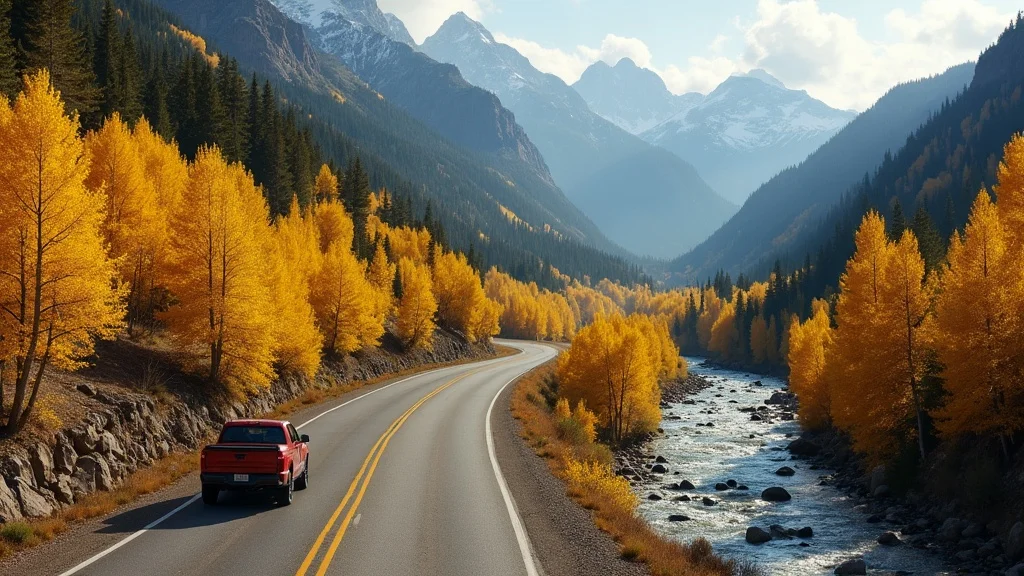
White River National Forest scenic drive amid autumn aspens and river

For those who enjoy discovering unique destinations and hidden gems, exploring other attractions that blend natural beauty with unexpected surprises can add even more excitement to your travels. If you’re interested in broadening your adventure horizons, consider reading about the fascinating experiences awaiting at Ripley's Believe It or Not! in Newport, where curiosity and wonder take center stage.

Why White River National Forest Maroon Bells Hiking and Scenic Drives Transform Your Experience

The expert stewardship of White River National Forest ensures that every visitor can find something special. Exploring the Maroon Bells, whether by foot or car, opens access not just to stunning sights, but also to a network of over 2,500 miles of trails and an extensive system of campgrounds, both paid and primitive. This makes it possible for outdoor enthusiasts to tailor experiences—be it a tranquil day beside a river or a multi-day backpacking journey immersed in wilderness. For anglers, swimmers, or families searching for river-side fun on hot summer days, numerous access points provide easy entry to some of Colorado’s cleanest water.

Time here equals more than just breathtaking views. Along these scenic routes and hiking trails, you’re presented with moments for discovery: spotting a burst of wildflowers just off the trail, seeing wildlife at dawn, or witnessing an alpine meadow swaying in the crisp mountain wind. The forest’s extensive range allows for solitude and space, a rarity in our fast-paced world, while the infrastructure—well-marked highways and maintained byways—takes the guesswork out of reaching your next adventure. These features mean that every journey, from the easiest to the most challenging, can be approached with confidence and a sense of wonder, turning a simple outing into a memory.
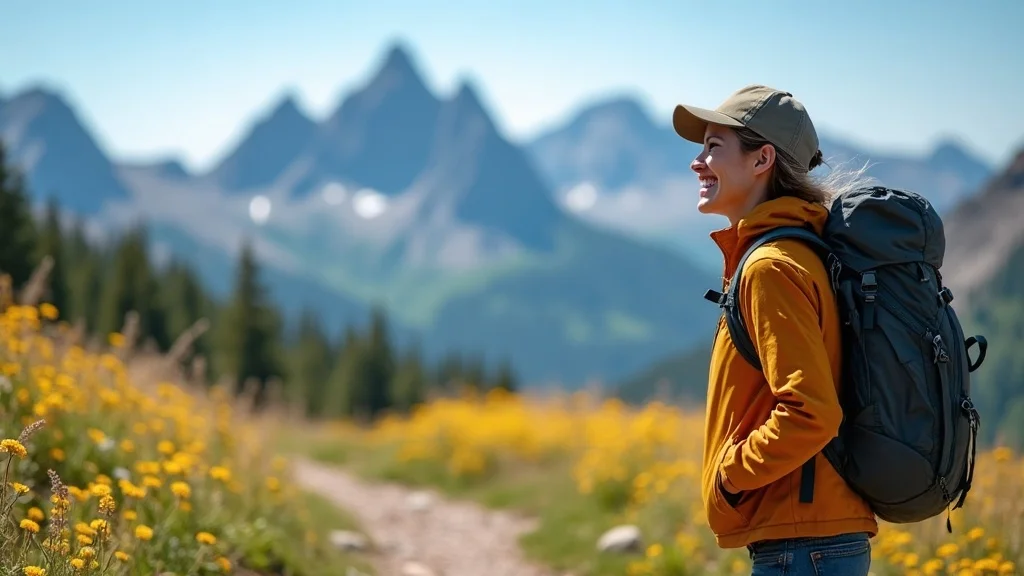
Hiker on Maroon Bells trail with wildflowers, White River National Forest

Discovering the Majesty of Maroon Bells: Best Seasons, Hidden Spots, and Planning Advice

The Maroon Bells are spectacular year-round, but smart planning helps maximize your visit. Summer and early fall are peak seasons, with wildflowers blanketing the meadows and golden aspens setting the landscape ablaze in September. Trail networks range from short, accessible walks around Maroon Lake to longer routes, like the challenging trek to Crater Lake, offering options for all skill levels. For those wanting the iconic ‘mirror lake’ photo or vibrant wildflower fields, early mornings provide unbeatable light and tranquility before the day’s crowd arrives.

Off the main path, experienced hikes and drives can yield surprising serenity—look for lesser-known viewpoints or take a detour on side roads maintained for a more private experience of this vast wilderness. Seasonal weather changes, like sudden mountain storms or strong winds, call for simple preparedness: layered clothing, extra water, and a flexible itinerary. By researching ahead and being adaptable, every visit can reveal a new secret of the White River National Forest, leaving you eager to return in a different season or explore a different trail.

From Scenic Drives to River Relaxation: How the Forest Caters to Diverse Interests

Not everyone comes to White River National Forest for strenuous hikes—many simply want to absorb the untamed beauty at their own pace. The area’s numerous scenic byways allow for flexible itineraries, including stops at overlooks, picnic spots, and gentle riverside walks. These roads provide safe, reliable access to some of the state’s most iconic landscapes without the need for technical experience. River access points, mentioned by visitors as a highlight, invite cooling dips or quiet afternoons fishing, and spacious picnic sites pepper the forest, making it easy to spend a relaxed day reconnecting with loved ones or nature.
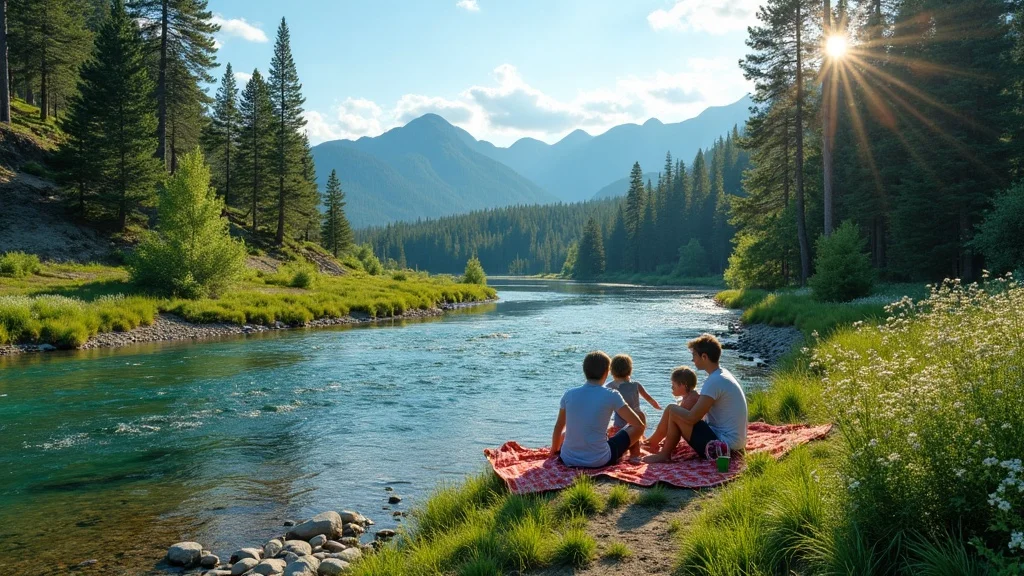
Family picnic by river, wildflowers and mountains, White River National Forest

Whether you prefer the rush of reaching a mountain summit or the peace of watching sunlight filter through forest canopies, White River National Forest adapts to your style of exploration. Its accessible wonders are a testament to sustained conservation: these aren’t fragile showpieces to glance at and leave behind, but living spaces designed to invite deeper interaction on your terms.

Understanding and Respecting the Ecosystem: What Makes White River National Forest Unique

White River National Forest is more than just a destination; it’s an intricate ecosystem where recreation and conservation work in tandem. Spanning millions of acres, the land supports countless plant and animal species and acts as a vital watershed for surrounding communities. When visitors heed marked trails, obey usage rules, and leave areas undisturbed, they’re actively participating in the ongoing health of this extraordinary landscape. Each thoughtfully planned hike or scenic drive becomes part of a bigger narrative—one that balances awe-inspiring adventure with a commitment to stewardship.

Understanding this responsibility enhances every experience, as visitors learn to spot signs of changing seasons, identify native wildflowers, or simply appreciate the mountain wind that shapes the valley. The forest’s mission isn’t just about providing recreational opportunities; it’s about nurturing an appreciation for wild places that can last a lifetime. That’s why every hike, every drive, and every riverside pause, is more than recreation—it’s a chance to be part of something enduring.

White River National Forest’s Thoughtful Approach to Access and Enjoyment

At its core, the management philosophy of White River National Forest is guided by accessibility, diversity, and sustainability. Offering both primitive and paid camping options, as well as maintaining an extensive network of trails and scenic roads, the forest demonstrates its commitment to serving all levels of adventurers. Careful upkeep of roads and public spaces—consistently noted in feedback—ensures safe journeys no matter the season or weather conditions. This dedication allows visitors to focus on experiencing the landscape, secure in the knowledge they’ll encounter both beauty and thoughtful care at every turn.

With adaptive infrastructure and conservation-minded policies, White River National Forest invites those of every age and ability to build connections with the land. Campgrounds, river access points, and easy trails are just as important as the region’s more rigorous challenges, underscoring a philosophy that wildness should be both protected and shared. This balanced approach ensures future generations will continue to be inspired by the same mountain vistas and wildflower meadows that awe today’s explorers.

Real Experiences: Visitors Celebrate the Forest’s Expansive Beauty and Adventure

Reading firsthand accounts often reveals the true value and impact of a place, and the White River National Forest receives no shortage of glowing stories. One review, in particular, captures the forest’s scale, diversity, and accessibility, offering a glimpse into what new visitors can expect—from miles of trails to stunning wildflower displays and well-kept roads that invite exploration.

There are many different campsites (paid and primitive) and trails to explore in the White River National Forest. This is a very large and scenic national forest (~2. 3 million acres)! There are many river access points for cooling off or fishing in the warmer months. The roads to get to the trails are well maintained. I love the wildflowers and scenic views!

—Stormy C.

Such enthusiastic accounts illuminate why so many return again and again, eager to discover a new trail, spot another patch of wildflowers, or simply relax beside a mountain stream. The possibilities are nearly endless, shaped only by how much you’re willing to explore—assuring that the discoveries you make in White River National Forest are likely to be as memorable and varied as the landscape itself.

What White River National Forest Maroon Bells Hiking and Scenic Drives Mean for Your Next Adventure

Immersing yourself in the hiking and scenic drives among the Maroon Bells within White River National Forest presents more than just sightseeing—it’s an opportunity to find renewal, inspiration, and a personal stake in the preservation of Colorado’s wild heart. With expertly maintained access, thoughtful stewardship, and a commitment to visitor enjoyment across all ability levels, the region invites everyone to step into its stunning vistas and vibrant ecosystems. For those searching for a truly impactful adventure, understanding both the practical details and the deeper story behind every trail and byway makes all the difference. It’s these experiences, woven into the landscape, that set White River National Forest apart as a must-visit destination for hikers, drivers, and nature lovers alike.

If the thrill of discovering hidden wonders in White River National Forest has sparked your curiosity, there’s a whole world of extraordinary attractions waiting to be explored. For travelers who appreciate the unexpected and enjoy weaving unique stops into their journeys, uncovering the marvels at Ripley's Believe It or Not! in Newport offers a fresh perspective on adventure. Whether you’re planning your next road trip or seeking inspiration for memorable detours, exploring diverse destinations can transform your travels into unforgettable stories. Let your sense of wonder guide you—there’s always another surprise just around the corner.

Contact the Experts at White River National Forest

If you’d like to learn more about how hiking and scenic drives in White River National Forest could benefit your next outdoor adventure, contact the team at White River National Forest. 📍 Address: White River National Forest, Colorado 81637, USA 📞 Phone: 970-319-2670

White River National Forest Location and Availability

🕒 Hours of Operation: Please contact the team at White River National Forest or visit the official website for up-to-date hours, as times may vary seasonally and by activity.

Location Map
National Forest

0 Comments

Write A Comment

*
*
Please complete the captcha to submit your comment.
Related Posts All Posts

Discover Bighorn National Forest Scenic Byways—Your Next Adventure Awaits

Bighorn National Forest 📍 Address: Bighorn National Forest, Wyoming 82834, USA 📞 Phone: (307) 674-2600 ★★★★★ Rating: 4.9 Unlock the Hidden Wonders of Bighorn National Forest’s Scenic Byways, Waterfalls, and Mountain Lakes Have you ever felt the restless urge to escape the ordinary and find yourself deep within a landscape that feels untouched by time? Travelers crossing the American West often search for spots where giant peaks cradle silent lakes, cascading waterfalls tumble from rugged cliffs, and scenic byways offer every turn as a new invitation to wonder. In the heart of Wyoming, Bighorn National Forest beckons to the adventurer and the dreamer alike, promising an experience rich in natural beauty and quiet discovery. Today’s outdoors enthusiasts are redefining what it means to connect with nature. Instead of crowded attractions, many are seeking panoramic drives, secluded mountain lakes, and the gentle roar of waterfalls tucked in forested canyons. The Bighorn National Forest’s scenic byways, waterfalls, and mountain lakes offer just that—an immersive journey through wild terrain where solitude and awe go hand in hand. But understanding the full value of this landscape involves more than just plotting points on a map. It requires peeling back the layers of history, ecology, and adventure that make each mile traveled a singular adventure worth remembering. Why Bighorn National Forest’s Landscapes Are a Must-Explore Destination for Nature Lovers Bighorn National Forest stands apart in the tapestry of Wyoming’s wilderness, famous for its expansive 189,000 acres carved by ancient geological forces and the legacy of settlers and Native tribes. The byways crossing this immense forest are much more than ribbons of pavement—they are living pathways that reveal the dramatic topography the region is known for. Every mile holds the echo of centuries: mountain ridges that rival the grandeur of their Rocky Mountain sisters, waterfalls descending in hidden veils, and remote alpine lakes reflecting endless sky. The significance of these scenic byways, waterfalls, and mountain lakes reaches beyond their aesthetics. They are crucial habitats for wildlife, anchor points for outdoor recreation, and guardians of a fragile ecosystem. For many, the risk of ignoring these places is missing out not only on adventure, but on a rare chance for restoration of mind and spirit. As those who have ventured into Bighorn will attest, the lack of crowds—paired with breathtaking views and challenging terrain—creates a distinctive atmosphere. Failing to understand or experience this environment first-hand means missing valuable lessons in stewardship and self-discovery, which only a vast and wild place like Bighorn can teach. How Exploring Scenic Byways, Waterfalls, and Mountain Lakes Creates Lasting Rewards Bighorn National Forest’s reputation as an expert steward of Wyoming’s mountain wonderland comes from its conscious preservation of large, wild landscapes and its provision for every type of explorer. Visitors travel these scenic byways to cross mountain passes, witness awe-inspiring vistas, and discover a mosaic of flora and fauna often unseen in more traveled parks. Waterfalls hidden in lush canyons offer cool solitude, while mountain lakes provide moments of utter stillness—perfect for reflection or casting a line. Experience here transcends simple sightseeing. Whether you’re treading the miles of scenic trails, relaxing at a lakeside picnic area, or embarking on a longer trek, you encounter the gentle balance between challenge and tranquility that only remote mountain environments provide. With options ranging from drive-up lookouts to multi-day backcountry expeditions, the byways and trails boast outcomes suited to families, solo travelers, and seasoned adventurers alike. The comfort gained from serene lake shores, the excitement felt conquering winding roads, and the confidence built climbing to waterfalls—these are the tangible benefits awaiting those who venture into Bighorn’s heart. For travelers who appreciate destinations that blend natural beauty with a sense of wonder, exploring unique attractions can add another layer to your journey. If you’re interested in discovering more unexpected experiences beyond the wilderness, consider reading about the surprises that await at Ripley's Believe It or Not! in Newport, where curiosity and adventure go hand in hand. From Ancient Pathways to Modern Adventure: The Living History of Bighorn National Forest While the scenic byways entice road trippers with their dramatic switchbacks and cliffside vistas, they follow much older corridors defined by geological upheaval and Native American migration. The Bighorn Mountains’ relationship to the Rockies tells of an ancient land shaped by volcanic force and eons of water and wind. Waterfalls, having carved their own niches over millennia, showcase the ongoing evolution of the landscape—each drop reflecting a timeline written in stone. The mountain lakes that punctuate the forest’s upper elevations also hold stories of glacial retreat and ecological succession. Each is a testament to endurance—cold, clear waters fed by snowmelt, fringed by wildflowers and evergreens, and home to creatures that have adapted over centuries. For today’s traveler, understanding these histories transforms a simple hike or drive into a living lesson on the resilience and continuity of wild America. Essential Planning Tips: Navigating the Wonders and Challenges of Bighorn’s Remote Terrain First-time adventurers often underestimate the vastness and remote character of Bighorn National Forest. Roads wind unpredictably, elevations soar, and amenities are few and far between. Successful explorers approach their journeys with an understanding of the wilderness: always check weather conditions, carry extra water and food, and never assume fuel is readily available. With no admission fee and open access, the sense of freedom is matched only by the responsibility to prepare properly. There are over 30 campgrounds, numerous lodges, and picnic areas to anchor your experience, but distances—and cell coverage—can be deceiving. The best visits are those taken with a sense of awareness and respect for the terrain, as well as an openness to discovering the unpredictable beauty revealed at every turn. Hiking or cruising the byways during late evening rewards with sunset glows on red cliffs and cooling breezes off alpine lakes, making each moment feel earned and unforgettable. Bighorn National Forest’s Lasting Commitment to Wilderness Conservation and Visitor Experience At its core, Bighorn National Forest’s mission is rooted in stewardship—maintaining large, healthy habitats that host not only adventure but biodiversity and tranquility. Prioritizing the preservation of natural processes, the forest sees itself as a guardian of both public access and ecological integrity, ensuring places like remote waterfalls and pristine lakes remain untouched for future generations. The presence of well-maintained campgrounds, extensive trail systems, and opportunities for low-impact recreation highlights the forest’s commitment to balancing enjoyment with responsibility. This philosophy shapes every aspect of the visitor experience, encouraging exploration while fostering an ethic of care for fragile environments. The emphasis is on allowing nature’s rhythms, rather than human preferences, to lead—and in doing so, Bighorn National Forest sets itself apart as a haven for those seeking an authentic connection with the wild. Unforgettable Encounters: What Real Visitors Say About Bighorn’s Beauty and Adventure Every journey through Bighorn National Forest is unique, but the most resonant transformations come through the eyes of those who experience it first-hand. The words of travelers offer an unfiltered glimpse into the wonder, challenge, and joy that define time spent among these mountains, lakes, and waterfalls. My visit to Bighorn National Forest was astonishing. The remote nature and higher elevation of this park was truly captivating. Along with it's scenic views, Bighorn did not disappoint and I would argue that it was much more impressive than the "iconic" Yellowstone National Park, which is another place to the west that I visited shortly afterwards. The rugged canyons of Bighorn and the dry, desert environment surrounding it was something that I was not familiar with coming from the green and very humid Midwest. There is absolutely no admission fee to enter this national forest and the best time to visit is around the late evening when the sun sets on the red mountains. While traveling through the area by car, you can definitely expect a lot of curves on the road, making this voyage a little more challenging than expected. Regardless of its steep cliffs, Bighorn National Forest was by far my favorite part of the state of Wyoming. Just keep in mind that this forest is very large and it is located in a very uninhabited part of the country. Make sure to always have enough gas in the tank, otherwise you'll definitely be on the side of the road. (No gas stations within 200+ miles. ) These insights remind every potential explorer that Bighorn National Forest’s scenic byways, waterfalls, and mountain lakes leave lasting impressions—transforming expectations and forging lifelong memories in the heart of the Wyoming wilderness. Taking the step to plan and embark on this adventure is the first move toward experiencing natural grandeur in its purest form. What Bighorn National Forest’s Scenic Byways, Waterfalls, and Mountain Lakes Mean for Your Next Wilderness Experience The quiet grandeur of Bighorn National Forest’s scenic byways, waterfalls, and mountain lakes represents more than a destination—it is a journey into the very heart of wilderness. Through a combination of accessibility and remoteness, structured recreation and authentic wildness, Bighorn stands as a living classroom for anyone seeking meaning in nature’s wonders. Its careful balance of conservation and access has earned it a reputation as not only a gateway to adventure but also a model for public stewardship. For anyone eager to explore, understand, and be inspired by the American landscape, Bighorn National Forest’s scenic byways, waterfalls, and mountain lakes are an essential chapter in the story of the West—one that rewards curiosity, preparation, and an open heart. If you’re inspired to keep exploring the extraordinary, there’s a world of unique destinations waiting to be discovered. Dive deeper into the unexpected by uncovering the fascinating exhibits and curiosities at Ripley's Believe It or Not! in Newport. Whether you’re drawn to natural wonders or human-made marvels, expanding your travel horizons can lead to even more memorable adventures and stories to share. Contact the Experts at Bighorn National Forest If you’d like to learn more about how exploring Bighorn National Forest’s scenic byways, waterfalls, and mountain lakes could benefit your next adventure, contact the team at Bighorn National Forest. 📍 Address: Bighorn National Forest, Wyoming 82834, USA 📞 Phone: (307) 674-2600 Bighorn National Forest Location and Availability 🕒 Hours of Operation: Please call (307) 674-2600 for current hours and visits.

Discover Black Hills National Forest Scenic Drives You Can’t Miss

Black Hills National Forest 📍 Address: Black Hills National Forest, West Pennington, SD 57745, USA 📞 Phone: (605) 673-9200 ★★★★★ Rating: 4.7 Unraveling the Mysteries and Marvels of Black Hills National Forest Imagine yourself gliding through winding mountain roads, framed on either side by majestic pines and granite spires, the air crisp and scented with pine needles. Black Hills National Forest is a place where every mile traveled seems to reveal a new wonder, whether it's a cave that delves into the earth’s mysteries or a scenic overlook that takes your breath away. For those seeking experiences that connect nature’s beauty with its ancient secrets, the scenic drives, caves, and granite peaks of the Black Hills offer an unparalleled mix of discovery and awe. The allure of Black Hills National Forest goes far beyond postcard beauty. Stretching over parts of South Dakota and Wyoming, this forest holds some of the oldest mountains in North America and a landscape carved by time and hidden forces. Millions of visitors are drawn to its enchanting mix of open prairies, dense forests, and towering granite formations, often not realizing the depth and diversity of adventure that waits beyond the forest’s well-trodden paths. As you trace the routes through this landscape, each turn in the road can be an entry point not simply to a new view, but to a story as old as the land itself. Yet, even with its global reputation, many travelers aren’t prepared for the sense of both familiarity and mystery they encounter in the Black Hills. Here, moments of wonder sit alongside the uncanny, as quiet roads invite both reflection and surprise. Unveiling the secrets of these scenic drives, along with the caves and granite peaks they reveal, isn’t only a way to appreciate natural beauty—it’s a chance to deepen your relationship with the wild, and your own place within it. Beneath the Pines: Why Scenic Drives, Caves, and Granite Peaks Matter in The Black Hills Black Hills National Forest isn’t just another collection of pretty roads and popular landmarks. Classic scenic drives—such as Needles Highway and Iron Mountain Road—wind through ancient terrain dotted with towering granite pillars, providing one of the most immersive ways to experience the land. These routes lead to an assortment of natural wonders: from rugged granite peaks that command the sky, to deep caves like Jewel Cave and Wind Cave that stretch thousands of feet beneath the surface. Following these paths, visitors discover the intricate dance of geology, time, and the steadfast presence of trees that have witnessed countless generations. For the uninitiated, these scenic drives can be both exhilarating and overwhelming. The Black Hills’ unique combination of dramatic vistas and geological wonders offers more than visual delight—it teaches essential lessons about the delicate balance of natural systems and the forces that shape landscapes. Failing to appreciate the complexity of caves and granite spires, or the historical role scenic drives have played in opening up remote areas, means missing out on some of nature’s best-kept secrets. Furthermore, visitors unaware of the subtle cues of this environment may overlook opportunities for learning and adventure that only become clear to those who travel here with open eyes and curiosity. In a world where convenience often overshadows curiosity, the true value of Black Hills National Forest’s scenic drives lies in their ability to challenge, inspire, and educate. Driving these routes is an invitation to understand not just the land’s beauty, but its profound stories—stories etched in stone, sung in the wind, and whispered through the yawning depths of its caves. This region’s scenic byways compel you to slow down, look deeper, and engage with nature beyond the surface, making each journey as much of an inner discovery as an external exploration. If you’re fascinated by destinations that blend natural wonders with a sense of the unexpected, you might also enjoy exploring unique attractions like Ripley's Believe It or Not! in Newport, where curiosity and discovery go hand in hand. Experiences like these can add a playful twist to your travel itinerary, complementing the awe-inspiring landscapes of the Black Hills. How Black Hills Scenic Drives, Caves, and Granite Peaks Transform Every Visit The Black Hills National Forest anchors itself as a rare destination where scenic drives, subterranean exploration, and granite summits intermingle to create a one-of-a-kind experience. While renowned for its sweeping pine forests and distinctive stone outcrops, the area stands apart for the way its roads guide travelers through a living museum of natural history and adventure. Each drive offers a window into nature’s artistry, revealing breathtaking views and surprising moments—like glimpses of bighorn sheep cresting a ridge or sunbeams illuminating the mysterious depths of limestone caves. What sets the Black Hills apart is the way these elements—roads, caves, and granite peaks—bring about real benefits for adventurers and those seeking tranquility. The scenic routes provide accessible entry points for families and solo explorers alike, allowing anyone to witness the changing play of light across granite spires from their car or at a handy lookout. Meanwhile, hidden caves not only spark a sense of wonder but also educate about underground ecosystems and conservation. Climbing the forest’s granite peaks or simply appreciating their grandeur from below encourages people to connect with the outdoors, challenge their comfort zones, and find peace in nature’s quiet power. All these experiences culminate in memorable stories, personal growth, and a renewed commitment to appreciating—and protecting—wild places. For those who seek more than a fleeting snapshot, Black Hills National Forest’s iconic drives and peaks offer meaningful ways to deepen knowledge, forge lasting memories, and see the world anew. The forest doesn’t just attract casual sightseers; it inspires guardianship, curiosity, and a collective respect for the mysteries held in its stones and shadows. In short, a journey here is not merely a scenic tour, but a profound encounter with America’s wild heart. From Ancient Landscapes to Modern-Day Adventure: Embracing the Black Hills’ Story Driving through the Black Hills isn’t just about enjoying the scenery—it’s about moving through a timeline of earth and culture. The granite that rises from the hills is as old as the dawn of the continent, their shapes formed by millennia of shifting earth and ancient waters. Caves like Wind Cave and Jewel Cave are among the longest and most complex in the world, preserving delicate structures formed drop by drop over thousands of years. Each mile of scenic highway, every turn into shadowy forest or sunlit meadow, connects the visitor to a larger tapestry where geology, Indigenous histories, and the lives of wildlife all intersect. Understanding this context transforms a simple drive into a journey of discovery. Knowing how the land’s features were shaped—by volcanoes, glaciers, and weather—invites a sense of gratitude and wonder. Visitors who dig a little deeper find that the Black Hills have inspired both awe and responsibility for generations, laying the groundwork for present-day efforts to conserve, interpret, and enjoy the forest’s treasures. Whether cresting a granite peak or pausing at a cave’s entrance, every experience is richer when filled with knowledge of the land’s ancient origins and enduring spirit. Insider Tips: Making the Most of Your Black Hills Scenic Drive and Exploration To get the full impact from your Black Hills journey, start by planning for both flexibility and focus. Scenic drives can change in mood and appearance with the light of day—early morning often brings misty landscapes and quiet roads, while late afternoon lights up the granite peaks in vibrant color. Keep your camera ready, but make time to step out, breathe in the pine-fragrant air, and listen for the sounds of wildlife. Short hikes or rambles from pullouts can dramatically deepen your experience, revealing hidden viewpoints or wildflower meadows just out of sight from the main road. For cave adventurers, remember that these environments are delicate and often regulated to protect rare formations. Always wear sturdy shoes and follow guides’ instructions, as this not only preserves the natural beauty for others but might uncover fascinating facts about the interconnectedness of surface and subterranean worlds. Many travelers find that keeping a journal or sketchbook helps them capture the more subtle moments—like the gentle echo of water drops in a vast underground chamber or the shifting moods of the forest around sunset. The Black Hills reward those who move slowly, observe keenly, and let the land’s stories unfold at their own pace. The Emotional Power of Granite Peaks and Underground Wonders There’s something both humbling and uplifting in standing among the Black Hills’ granite towers or venturing into the cool silence of a cave. The landscape stirs emotions that are at once ancient and fresh—reminding visitors of the planet’s long memory and their own small but meaningful place in it. Many find that scenic drives through the Hills spark inspiration, creativity, or a renewed sense of purpose, as unexpected views lead to new thoughts and connections. Granite pillars seem to invite courage and perspective, challenging climbers and contemplatives alike to see the world from a higher vantage point. Caves, on the other hand, offer a journey within—both physically, as you descend into darkness, and emotionally, as you embrace wonder and curiosity. For families, couples, or solo explorers, these features serve as catalysts for connection: sharing a quiet moment at a windswept overlook, or marveling at ancient cave formations together, often becomes a cherished memory that resonates long after the return home. The emotional impact of the Black Hills isn’t merely fleeting delight; it’s the beginning of a longer relationship with the wilder parts of the world and ourselves. The Black Hills Approach to Stewardship, Wonder, and Shared Responsibility Within Black Hills National Forest, the philosophy governing land management goes beyond recreation or visual enjoyment. There is a strong commitment to stewardship—an understanding that the forest is not only a place to visit, but a legacy to protect. The region’s mission focuses on balancing the needs of plant and animal communities, supporting healthy ecosystems, and maintaining scenic values for generations to come. This long-term thinking is evident in the careful maintenance of scenic byways, sensitive management of caverns, and the respect paid to ancient granite formations, ensuring that every visitor can experience the quiet magic and remarkable diversity of the forest. This ethos centers on connection: between past and present, people and place, and every traveler who comes seeking wonder in the Black Hills. There is an unspoken invitation to observe, to listen, and to contribute—both by following guidelines that protect fragile landscapes and by sharing stories that honor the soul of the hills. Visitors are reminded not only to enjoy, but also to embrace the responsibility that comes with loving a wild place. In honoring this balance, the Black Hills remain both a playground for adventure and a sanctuary for mystery, beauty, and reflection. Every initiative within the forest echoes a belief in education and shared guardianship. By weaving together the experiences of scenic drives, the intrigue of caves, and the drama of granite peaks, the forest sustains its legacy as a living classroom—one where each traveler becomes part of the ongoing stewardship story. Travelers Reflect: The Heartfelt Impact of Black Hills Scenic Drives Many visitors find themselves returning not just for the sights, but for the powerful emotions and lasting memories that the Black Hills National Forest stirs within them. From tales of childhood wonder to contemplative moments shared with friends or family, the reviews of those who’ve traveled the byways and wandered the hills speak volumes about the forest’s unique draw. One especially evocative review captures not just the experiences, but the soul-deep attachment many feel to these landscapes: Lord knows how I love the Hills. Oldest mountains in North America (yes even older than the Appalachians). They have a soul that's hard to put into words. It's like the feeling inside when an animal trusts you and your friends completely. You'll have great times and have fun stories to tell but you also now have a responsibility to that animal. To protect it from those that would wish to do it harm. We have that responsibility, that obligation, to protect the Hills. It's a magical place, truly it is. There is a strangeness to the soul too. If you spend enough time in the Hills you'll end up with some stories that may be better left untold when little kids are present. Stories of that time things very quickly got far too quiet, when you felt watched, when you swear that was not like that an hour ago, when you hear a sound that couldn't have possibly been natural, when you hear your friend calling from just over the ridge in front of you but he's about 20 feet behind you. This may sound negative but I truly mean it when I say I wouldn't have it any other way. She is beautiful and mysterious and she gives and she takes and I love her all the same. Such testimonials highlight a central truth: journeys through the Black Hills National Forest don’t just enrich, they transform. The stories told and the emotions felt in these wild spaces become a shared bond—between travelers and the land, and between all who care deeply about preserving its wonders for the next generation. The Black Hills National Forest: A Living Chronicle of Wonder and Responsibility The experience of exploring Black Hills National Forest scenic drives, caves, and granite peaks is one that echoes long after the last overlook. Whether marveling at expansive views, descending into labyrinthine caves, or simply pausing beneath the shadow of ancient stone, each visitor becomes part of the land’s ongoing story. The careful stewardship embedded in the forest’s management ensures that these awe-inspiring places will continue to inspire and educate, fostering both enjoyment and responsibility. In a world hungry for meaning and real connection, Black Hills National Forest stands as both a natural marvel and a testament to thoughtful guardianship. Every journey along its scenic drives or explorations of its caves is more than a trip—it’s a renewal of curiosity and respect for what wild places offer. As more visitors search for deeper experiences, the lessons of the Black Hills—about beauty, duty, and shared wonder—remain timeless. The scenic drives, caves, and granite peaks of the forest are not just remarkable destinations; they’re touchstones in America’s relationship with the natural world. If your passion for discovery extends beyond the Black Hills, consider broadening your horizons with other destinations that celebrate the extraordinary. For example, Ripley's Believe It or Not! in Newport offers a playful and thought-provoking journey into the world’s oddities and marvels, reminding us that wonder can be found in both nature and human creativity. Exploring such attractions can deepen your appreciation for the unexpected and inspire new adventures. Whether you’re drawn to the wild beauty of national forests or the surprises of curated exhibits, each journey adds a new chapter to your travel story. Let your curiosity lead the way and uncover the remarkable wherever you roam. Contact the Experts at Black Hills National Forest If you’d like to learn more about how Black Hills National Forest scenic drives, caves, and granite peaks could enrich your journey, contact the team at Black Hills National Forest. 📍 Address: Black Hills National Forest, West Pennington, SD 57745, USA 📞 Phone: (605) 673-9200 Location and Hours for Black Hills National Forest 🕒 Hours of Operation: Please contact Black Hills National Forest at (605) 673-9200 for the most current hours and access information, as they may vary by season and activity areas.

Discover Bridger-Teton National Forest's Hidden Wonders

Bridger-Teton National Forest 📍 Address: Jackson, WY 83001, USA 📞 Phone: +1 307-739-5500 🌐 Website: https://www.fs.usda.gov/r04/bridger-teton ★★★★★ Rating: 4.8 Where Adventure Begins: The Allure and Challenge of Exploring Jackson-Area Hikes and Wildlife Imagine stepping into a vast wilderness, where more than 3. 4 million acres of untamed land beckon with endless trails, breathtaking scenery, and a symphony of wildlife. For many adventurers, the promise of discovering something unknown in the wild is both thrilling and daunting. Whether it’s the rush of sighting a moose by a sparkling river or the suspense of winding through thick forest, the Bridger-Teton National Forest delivers an experience ripe for exploration—and sometimes, for the unexpected. With so much territory to navigate, from serene valleys to rugged mountains and winding rivers, every hike and wildlife encounter in this area carries a story waiting to unfold. But what makes the Jackson-area portion of Bridger-Teton National Forest a magnet for curiosity seekers and nature lovers? Hikers and wildlife enthusiasts alike demand not only awe-inspiring vistas but also reliable safety, up-to-date information, and access to responsibly managed public land. As interest in outdoor recreation climbs, understanding how to navigate these backcountry opportunities is vital—not just for personal satisfaction, but also for ensuring safety and conservation for future generations. This guide cuts through the confusion, offering clarity on how the forest’s policies, trail options, and wildlife protection efforts create an environment where natural wonders thrive and visitors return with memories to last a lifetime. What Makes Bridger-Teton’s Trails and Wildlife Viewing Essential for Nature Lovers? The Bridger-Teton National Forest, snugly nestled in western Wyoming and spanning over 3. 4 million acres, is a stronghold within the Greater Yellowstone Ecosystem—one of the largest and most intact ecosystems in the contiguous United States. The forest’s Jackson-area trails wind through sweeping wildlands, pristine watersheds, and wilderness that together create an untouched canvas for discovery. Hikers in this region are treated to more than 3,000 miles of roads and trails, while wildlife viewers find themselves in the midst of diverse habitats alive with everything from elk and pronghorn to bears and eagles. Missing out on learning the distinct features and seasonal dynamics of these trails can limit one’s adventure. Trail closures, bear safety measures, fire status updates, and even seasonal restrictions on camping are part of a dynamic ecosystem that requires active understanding. Without this knowledge, visitors may encounter unexpected hazards or inadvertently harm the landscape they came to enjoy. For those who value both safety and preservation, there’s much to gain from decoding the forest’s signs, from fire danger levels to bear-wise pledges, highlighting why an informed approach is as essential as sturdy hiking boots. Exploring unique destinations can add a layer of excitement to your travels, much like the surprises that await at Ripley's Believe It or Not! in Newport. While vastly different from the wilds of Bridger-Teton, both experiences remind us that adventure often lies in the unexpected details and hidden gems along the journey. Why Jackson-Area Hikes and Wildlife Viewing Deliver Unmatched Value in the Wild As a gateway to the Greater Yellowstone Ecosystem, the Jackson area of Bridger-Teton National Forest exemplifies the balance between recreational enjoyment and environmental responsibility. The Forest Service maintains a comprehensive network of accessible trails and carefully managed public lands, inviting visitors to experience scenic wonders without sacrificing safety or sustainability. Each maintained trail is a testament to years of thoughtful stewardship, translating directly into memorable hikes set against backdrops of soaring peaks, wildflower meadows, and crystal-clear rivers teeming with life. Wildlife viewing in this region is defined by its abundance and diversity, but also by active conservation policies. Forest authorities emphasize the importance of responsible recreation, with initiatives such as food storage regulations and educational campaigns to minimize conflicts with bears and other wildlife. By following these guidelines, visitors participate in keeping the forest vibrant—for themselves and for future explorers. Those seeking solitude can venture onto less-traveled paths for a deeper connection with nature, while families and newer hikers benefit from developed campgrounds and detailed maps that demystify the terrain. All of these efforts combine to create an inclusive environment, where adventure and stewardship go hand in hand. Unraveling the Seasonal Pulse: How Fire Status and Trail Conditions Shape the Experience One of the intricacies of the Jackson-area experience lies in adapting to ever-changing fire status and trail conditions. Forest managers keep hikers alert to the current fire danger—which recently increased to “moderate”—a critical factor during Wyoming’s dry, windy seasons. Prescribed burns and managed fires are a regular feature, helping maintain ecological balance while reducing the risk of devastating wildfires. Visitors benefit from these efforts through safer trails and thriving habitats, but only if they heed posted alerts and stay attuned to evolving restrictions. Project updates, such as the planned Green River Lakes Road reconstruction or temporary camping restrictions, can also affect trip planning. The Forest Service’s open communication, with regularly updated press releases and online alerts, empowers adventurers to make informed decisions and maximize both safety and enjoyment. Staying proactive—checking recent press releases or reviewing food storage guidance—isn’t just good practice; it’s the defining trait of a responsible outdoor enthusiast in this majestic, ever-changing wilderness. The Power of Preparation: Tips to Get the Most from Your Jackson-Area Adventure Preparation is key to a successful and rewarding experience in Bridger-Teton National Forest near Jackson. The landscape demands respect and awareness of both natural challenges and rules set in place for everyone’s benefit. Traveling with up-to-date knowledge, whether it’s understanding prescribed burn areas or knowing which campgrounds require reservations, can mean the difference between a memorable journey and a cut-short excursion. Food storage rules, in particular, are crucial for preventing negative encounters with bears—protecting both people and wildlife. For hikers, choosing the right trail is another step in preparation. Developed trailheads offer straightforward access and amenities, while dispersed campsites invite seasoned explorers to step off the beaten path (with required 5-day stay limits). The Forest’s digital resources—like kiosks for permits or detailed online maps—make modern planning straightforward, giving hikers and wildlife photographers the tools to get the most from every visit. Embracing both adventure and accountability enhances the Jackson-area experience, ensuring the natural wonders remain accessible in seasons to come. From Stewardship to Shared Enjoyment: The Forest’s Commitment to Responsible Adventure At the heart of Bridger-Teton National Forest’s philosophy is a drive to provide unparalleled public enjoyment while prioritizing sustainability and resource protection. The Forest Service is deeply committed to fostering a culture of stewardship through active land management, ongoing forest plan revisions, and transparent public communication. Each year, comprehensive reports highlight the successes of staff and partners in balancing ecological health with recreational opportunity—a reflection of the strategic focus and dedication shaping the Forest for the next generation. Education is a cornerstone of this approach. Initiatives like the “Be Bear Wise” pledge empower visitors with the knowledge needed to minimize negative wildlife interactions and act as responsible guests on these lands. Through planning, outreach, and partnerships—such as working with schools on environmental programs—the Forest builds a bridge between the wild, the expert managers, and the visitor, creating a shared investment in keeping the Jackson-area a destination where wonder and safety meet. How Real Visitors Experience the Magic: A Memorable Encounter For many, the true value of Bridger-Teton National Forest’s Jackson-area lies in the sense of awe and discovery it inspires—an experience that stays with you long after the journey ends. Visitors time and again find themselves reflecting on moments where the landscape surpassed their expectations, offering beauty, excitement, and serenity all at once. One recent traveler captured this sentiment perfectly in their words: This is in my top three national parks to visit and hike in the US! We saw many amazing things during our last visit! Pets are not allowed on the trails so make sure you're not hiking in the heat of the day leaving them in the vehicle. Such firsthand accounts reinforce the richness and accessibility of what the Forest has to offer, while also reminding future visitors about vital details such as pet regulations. Those who prepare and follow guidance report transformative experiences, encouraging others to embrace both the adventure and the responsibilities that come with exploring this unparalleled wilderness. What Jackson-Area Hikes and Wildlife Viewing Mean for Your Next Wilderness Escape When it comes to unforgettable outdoor experiences, few places match the energy and authenticity of Bridger-Teton National Forest’s Jackson-area hikes and wildlife viewing. Here, the convergence of expertly managed trails, educational resources, and active stewardship ensures that everyone—from first-time visitors to seasoned naturalists—can find their path and make meaningful discoveries. The Forest Service’s unwavering dedication to responsible management solidifies this region’s reputation as a standard-bearer for sustainable adventure. For those plotting their next wilderness escape, Bridger-Teton National Forest offers a rare opportunity to step into a thriving landscape, where curiosity and care work hand in hand and every journey leaves a legacy worth preserving. If the thrill of uncovering hidden wonders in Bridger-Teton National Forest has sparked your sense of adventure, consider broadening your horizons with other unexpected destinations. Exploring places that blend curiosity, education, and awe—like the fascinating exhibits at Ripley's Believe It or Not! in Newport—can add a new dimension to your travel experiences. Each journey, whether through wild landscapes or intriguing museums, offers its own set of surprises and stories to share. Let your next adventure be guided by a spirit of discovery, and you may find that the most memorable moments come from venturing just beyond the familiar. For more inspiration on unique attractions that captivate and delight, discover what awaits at Ripley's Believe It or Not! in Newport. Contact the Experts at Bridger-Teton National Forest If you’d like to learn more about how Jackson-area hikes and wildlife viewing could benefit your outdoor adventure, contact the team at Bridger-Teton National Forest. 📍 Address: Jackson, WY 83001, USA 📞 Phone: +1 307-739-5500 🌐 Website: https://www.fs.usda.gov/r04/bridger-teton Bridger-Teton National Forest Location and Operating Hours 🕒 Hours of Operation:📅 Monday: 8:00 AM – 4:30 PM📅 Tuesday: 8:00 AM – 4:30 PM📅 Wednesday: 8:00 AM – 4:30 PM📅 Thursday: 8:00 AM – 4:30 PM📅 Friday: 8:00 AM – 4:30 PM📅 Saturday: ❌ Closed📅 Sunday: ❌ Closed

RV Otter

Your go-to blog for RV travel tips, campground reviews, gear guides, and real-life adventures across the USA. Explore smarter and travel better with RV Otter!

COMPANY

  • Privacy Policy
  • Terms of Use
  • Advertise
  • Contact Us
  • Menu 5
  • Menu 6

Eugene, OR

ABOUT US

RV Otter helps you travel smarter with real RV tips, campground reviews, gear guides, and stories from the road. Whether you're a newbie or seasoned traveler, you'll find inspiration and practical advice to enjoy every mile.

© 2026 CompanyName All Rights Reserved. Address . Contact Us . Terms of Service . Privacy Policy

Terms of Service

Privacy Policy

Core Modal Title

Sorry, no results found

You Might Find These Articles Interesting

T
Please Check Your Email
We Will Be Following Up Shortly
*
*
*