



Did you know? Nearly 80% of pet emergencies during RV travel stem from improper winter preparation—underscoring that winter RV pet safety tips are not optional but essential.
Winter RV adventures with your furry family members can create lifelong memories, but the cold brings unique challenges. Without the right precautions, even the most exciting rv trip can turn risky for pets. Whether you’re a seasoned winter RVer or planning your first December journey, knowing how to protect your dogs and cats from the cold makes all the difference. In this comprehensive guide, you’ll find actionable safety tips, essential gear checklists, and insider insights for keeping your pets warm, healthy, and happy all season long.
Unveiling the Importance of Winter RV Pet Safety Tips: Why Preparation Matters for Every RV Trip
When the temperature drops, your beloved rv pet faces dangers beyond mere discomfort—frostbite, hypothermia, and dehydration are real concerns for dogs and cats on the road. Each year, countless RVers underestimate winter’s risks, only to face preventable emergencies. The reality is: RV pet safety requires proactive preparation. Insulating your travel trailer, packing pet-specific supplies, and knowing how to adapt your routine are not just good ideas—they are lifesavers. Since your pet is a family member, their safety should be a top priority, just like yours.
Proper planning for winter RVing with pets means equipping your rig to withstand cold snaps and ensuring your furry friends stay warm, nourished, and comfortable. Taking time to winterize your RV with pets in mind will help you create a cozy retreat, even as temperatures plummet outside. By following the essential safety tips outlined in this guide, you’ll dramatically reduce the risk of emergencies, keep your animals (and yourself) stress-free, and ensure your next winter rv trip is memorable—for all the right reasons.
“Nearly 80% of pet emergencies during RV travel stem from improper winter preparation—underscoring that winter rv pet safety tips are not optional but essential.”
What You'll Learn: Mastering Winter RV Pet Safety Tips for Your Next RV Trip
- How to winterize your RV with pets in mind
- Essential RV pet safety tips for cold weather
- Gear and supplies for keeping pets cozy
- Recognizing and addressing pet health risks
- Planning routes and stops for optimal safety
As you prepare your RV for winter with your pets’ comfort in mind, it’s also helpful to explore how other RVers manage pet safety and comfort during colder months. For a deeper dive into practical strategies and gear recommendations, check out this guide on traveling with pets in varying climates and environments, which offers additional insights that can be adapted for winter RV adventures.
Critical Winter RV Pet Safety Tips Before Hitting the Road
Prepare Your RV Pet Environment: Cold Weather Requirements
- Insulation and draft control
- Securing a cozy pet bed and heating pad
- Maintaining safe interior rv temperatures
Before embarking on any winter rv trip, it’s crucial to evaluate and adapt your rv pet environment for the cold. First, check every window, door, and storage compartment for drafts. RV insulation is your front-line defense in ensuring your dogs and cats stay warm and cozy inside the rv. Use thermal curtains, weather stripping, and foam panels to seal up cold spots, focusing especially on low-lying areas where pets sleep. This also helps retain warmth generated from safe RV heaters.
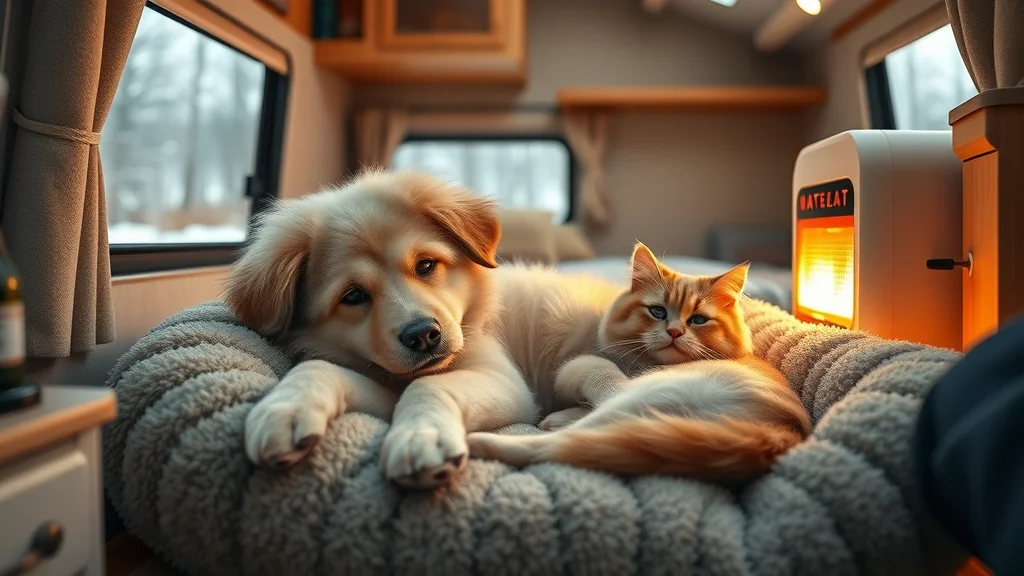
Next, prioritize your pet’s resting place. A high-quality, insulated pet bed, paired with a low-watt heating pad designed for animals, creates a snug haven amidst winter weather. Place pet beds away from exterior walls and near interior heat sources, monitoring for signs of overheating. For RVers with smaller breeds or older pets, an additional blanket or pet-safe self-warming mat can make all the difference. To maintain safe interior temperatures, always use a reliable RV thermostat or portable thermometer. For longer spells inside the RV, dogs love designated ‘quiet zones’—softly lit, away from heavy foot traffic, yet still within your view.
Winter RV Pet Safety Tip: First Aid Kit and Emergency Essentials
- Stocking a pet-specific aid kit
- Emergency contacts and winter rv resources
A well-stocked aid kit for your pets goes beyond bandages and antibiotic ointment. Your kit should include species-specific pain relievers (never use human meds unless prescribed), tweezers, saline solution, and an extra supply of your pet’s medications. Don’t forget a pet thermometer and disposable gloves. For cold weather travel, add items such as paw balm for ice protection, thermal emergency blankets, and a spare leash in case the first one gets lost in snowy conditions.
Equally vital is having up-to-date emergency contacts—local veterinarians along your route, the nearest 24-hour animal hospital at every major stop, and numbers for poison control. Some RVers highly recommend printing these contacts and taping them inside a kitchen cabinet or by the main door. Lastly, download or bookmark winter rv resources for rv parks that welcome pets and offer emergency shelter in case of a breakdown. By organizing these essentials in advance, you ensure you’re ready for life’s curveballs, and your pets enjoy seamless, comfortable RV life—even during frosty nights.
Hydration, Nutrition, and Winterizing Your RV for Pets
- Access to unfrozen water
- Cold weather-appropriate diet
- Preventing water lines from freezing
Pets require plenty of fresh, unfrozen water during winter rving, as central heating and cold air can both lead to dehydration. Consider using an insulated or heated water bowl to prevent water from freezing—or simply replace water more often on chilly mornings and nights. For nutrition, consult your vet about switching to a high-calorie, cold weather diet for especially active or thin pets—extra calories help fuel their bodies’ natural efforts to stay warm. Avoid overfeeding sedentary pets, however, as excess weight isn’t an insulator.
It’s also critical to keep water lines from freezing inside the RV. Use heat tape and insulation for exposed pipes, particularly if your water supply lines run through exterior compartments. Plan to fill your freshwater tank before entering subfreezing conditions, limiting reliance on campground lines, and be sure to drain and bypass exterior hoses when not in use. A frozen water system can spell disaster—not just for your family, but for the well-being of every furry friend traveling with you.
| Item | Best Use | Winter RV Pros | Potential Drawbacks |
|---|---|---|---|
| Heating Pad | Keeping pets warm in bed/crate | Consistent warmth, great for small dogs & older cats | Requires electricity, monitor for overheating |
| Insulated Pet Bed | Rest zone, day & night | Retains heat, soft, portable, cozy for rv pet | Bulky for small RVs, may require frequent cleaning |
| Pet Jacket/Sweater | Outdoor exercise, short walks | Guards against wind chill, ideal for small dogs | Not always tolerated by pets, sizing required |
| Paw Protectors/Booties | Outdoor, icy, or salted areas | Prevents frostbite, protects from de-icers | Can slip off, some pets dislike wearing |
| Insulated Water Bowl | All day hydration | Prevents freezing, easy access for furry friends | Needs daily check, some are not spill-proof |
Winter RV Pet Safety Tips While On the Road: Safe RV Travel with Furry Friends
Monitoring Your RV Pet: Temperature, Comfort, and Behavior
- Digital thermometers and temp alarms
- Behavioral signs of discomfort
- Quiet zones with pet beds
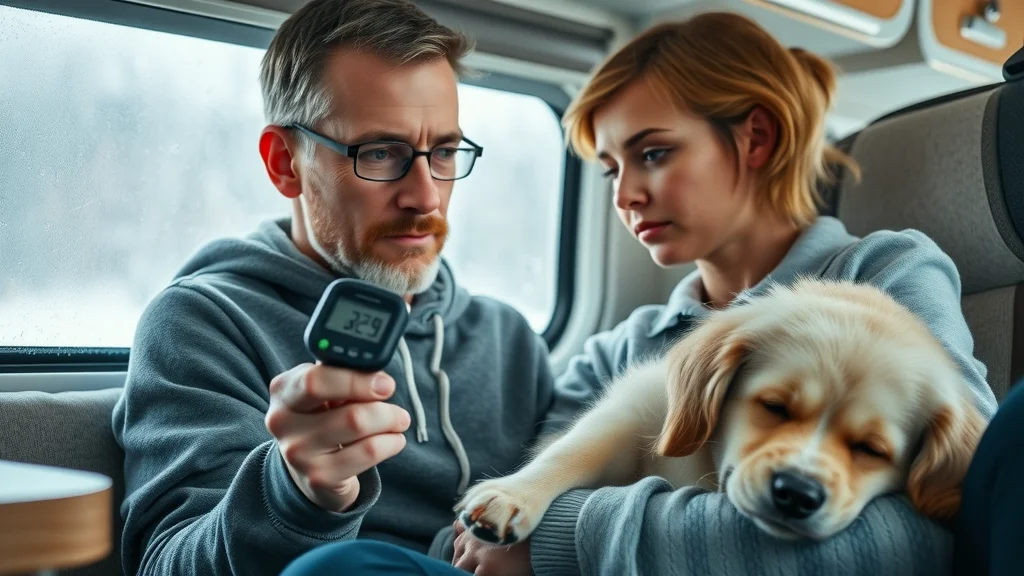
Constant vigilance is key during RV travel in winter. Start by installing a digital thermometer with a temperature alarm in your RV—set to alert you if the interior dips below a pet-safe threshold (typically 60°F for most dogs and cats). This proactive safety tip empowers you to act fast should your heating ever fail. Observe your pets’ behavior: shivering, curling into a tight ball, or seeking your lap are subtle cues that they might be too cold. Panting or restlessness, however, could signal overheating if you’re running space heaters.
Arrange quiet zones with pet beds in warm corners away from drafts and busy walkways inside the rv. Use soft lighting and limit noise to keep nervous pets comfortable and secure, especially when outside weather gets wild. During road hours, check pets at every rest stop for signs of thirst, soreness, or anxiety. Making your rv life comfortable and safe for your furry friends is all about staying alert, flexible, and attuned to their needs.
Safety Tips for RV Pet Exercise and Outdoor Walks in Cold Weather
- Limiting time outside during extreme cold
- Using insulated jackets and paw protectors
- Choosing safe, pet-friendly rest areas
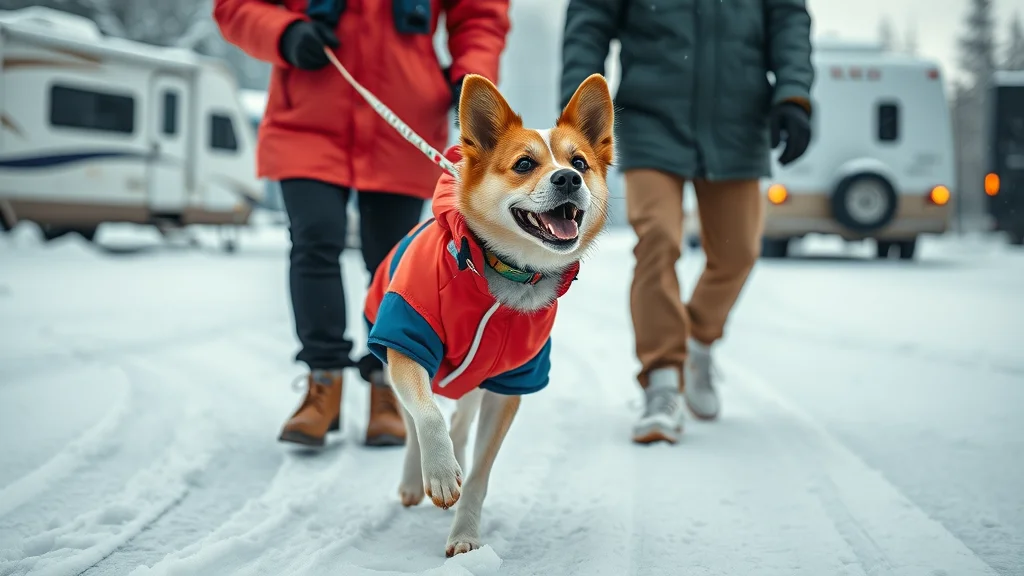
Exercise is essential, but winter conditions turn everyday walks into potential hazards. Always check the weather before heading out, avoiding walks when the wind chill is extreme or ice threatens your route. If your rv pet must go outside, limit time to 10–15 minutes for small dogs or short-haired breeds, slightly longer for large, thick-coated dogs. Invest in a well-fitted insulated jacket for colder outings—small dogs, seniors, and light-coated pets benefit most.
Paw protectors or booties are a good idea to guard against freezing surfaces and de-icing chemicals often used in rv parks. After every walk, check for cracks, redness, or ice buildup, and wipe paws carefully to avoid ingestion of road salt. Exercise in pet-friendly rest areas, steering clear of hidden dangers like antifreeze, which can be fatal even in small amounts. Remember: happy, healthy pets make for the best travel companions on every winter rv trip.
Maintaining Indoor Air Quality and Ventilation
- Balancing ventilation with heat retention
- Portable air purifiers
- Moisture control to prevent condensation
Keeping your RV sealed against the cold is important, but fresh air is equally critical for your family member’s health. Stale air and moisture build-up can encourage mold growth, irritate sensitive noses, and spike respiratory risks for both humans and pets. Use roof vents or slightly cracked windows (safeguarded with weatherstripping) to promote airflow without losing heat. Consider a portable air purifier with a HEPA filter—these trap allergens, pet dander, and airborne bacteria, contributing to a safe, cozy indoor environment.
Manage condensation using RV-safe dehumidifiers or moisture-absorbing packets. Keep an eye on window glass and pet sleeping areas—dampness can sneak in and reduce the warmth of even the best pet bed. For every winter rving trip, balance heat, humidity, and ventilation to give your pets the same quality of life inside the rv that you enjoy at home.
Step-by-step demonstration: Preparing an RV interior for winter pet comfort. Learn how to set up pet beds, organize safe heating zones, and ensure good air quality for your dogs and cats on the road.
Winter RV Pet Safety Tips for Overnight Stays and Campsite Selection
Site Selection: Avoiding Wind Exposure and Ensuring Optimal RV Protection
- Sheltered campsite selection strategies
- Using RV skirts and windblocks
- Checking for hazards at pet-level
Where you park for the night significantly impacts your pets’ comfort and safety. Choose campsites shielded from prevailing winds, using natural barriers like trees or rock formations when available. An RV skirt—a fitted barrier around the base of your travel trailer—insulates the floor against biting winter winds and helps your rv pet stay warm. Windblocks, whether portable or homemade with snow, block cold gusts and contribute to a stable interior climate.
Do a thorough sweep at pet level—look for hidden hazards like exposed cables, antifreeze puddles, or sharp ice. Avoid parking near busy rv park roads, opting instead for the quietest, safest spots. Each winter rv trip presents its own challenges, but a little reconnaissance keeps every member of your family, furry or human, comfortable and safe.
Nighttime Safety Tips: Heating Pad Use & Monitoring for Cold Snaps
- Safe operation of pet heating pads
- Temperature checks through the night
Nighttime brings the coldest temperatures and the highest risks for pets inside RVs. Use heating pads specifically designed for animals with automatic shut-off features, always placing them under a thick, padded covers to avoid direct contact burns. Position their pet bed close to your own sleeping area if possible—proximity enables you to monitor for shivers, restlessness, or distress without getting up repeatedly.
Regularly check the temperature throughout the night, especially during sudden winter cold snaps. Invest in a wireless thermometer with remote monitoring so you can receive alerts on your phone if the temperature falls. For long, frigid nights, layer your pet’s bed with cozy blankets and ensure backup heating options are easily accessible. Many dogs and cats will seek comfort close to their human family members, sharing warmth and peace of mind.
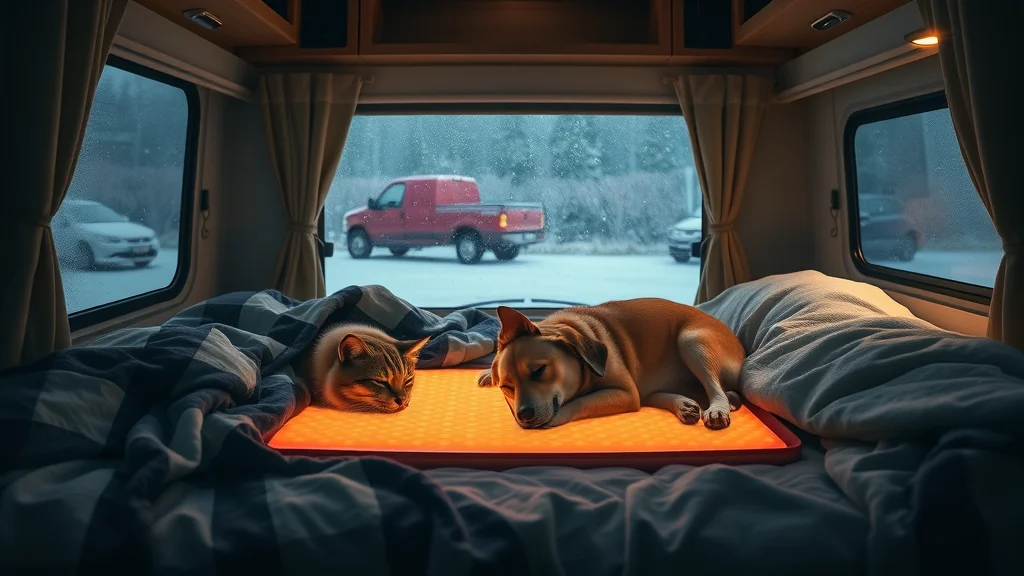
“A warm, insulated pet bed close to your sleeping area can prevent cold weather incidents that are common during winter rving.”
In this gear show-and-tell video, see the must-have products, from self-warming beds to heated water bowls, for keeping your furry friend comfortable and safe during any winter rv trip.
People Also Ask: Expert Answers on Winter RV Pet Safety Tips
How to keep pets safe in RV?
To keep pets safe in your RV, winterize with added insulation, use reliable temperature monitoring devices, and outfit your space with a cozy pet bed and heating pad. Always supervise dogs and cats in cold weather, limit outdoor time, and make sure they have unfrozen water at all times. Vet visits before long trips, pet identification tags, and a stocked aid kit further boost your rv pet safety on every rv trip.
What is the 7 second rule for dogs?
The 7 second rule helps protect your pet’s paws from extreme hot or cold surfaces. Press your hand or the back of your fingers firmly against the pavement or ice for seven seconds; if you can’t comfortably hold it there, it’s too harsh for your pet to walk on. Use this rule before walks in parking lots or rv parks, and outfit pets with booties or paw wax as needed during winter rv trips.
What temperature is too cold for pets?
Most dogs and cats begin to feel cold at temperatures below 45°F (7°C), and risk for frostbite or hypothermia increases as temperatures drop below freezing. Breed, age, coat type, and health also impact cold tolerance. As a safety tip, never leave pets outside unsupervised or in unheated RV zones when the temperature dips below 32°F (0°C). Always err on the side of caution, especially during winter rving.
What not to leave in an RV over winter?
Never leave pets, electronics, batteries, canned foods, or anything susceptible to freezing inside the RV during unmonitored winter months. Remove valuables and pantry items, and safely store all chemicals (like antifreeze) out of pet reach. When rving with pets, an empty, winterized RV is the only safe environment during extended absences or extreme weather.
Checklists and Safety Tips Recap for Comfortable Winter RVing with Pets
- Confirm RV insulation and heating systems
- Prepare winter pet emergency aid kit
- Use temperature monitoring devices
- Plan pet-friendly stops
- Pack weather-appropriate pet clothes
- Double-check campsite safety
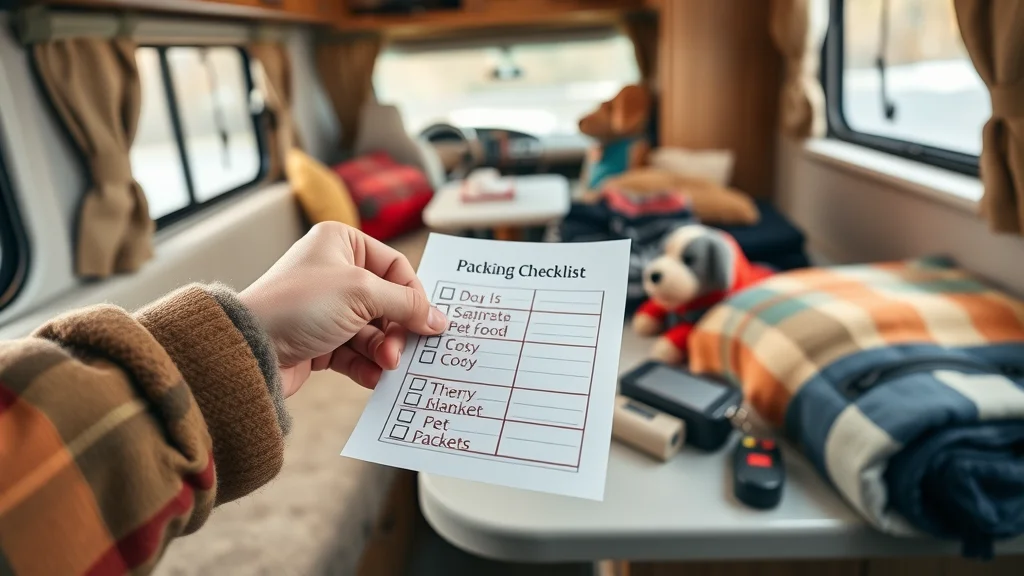
“Winter RV pet safety tips are about constant vigilance—proactive effort keeps every rv trip safe and enjoyable.”
Frequently Asked Questions on Winter RV Pet Safety Tips
-
How do you insulate a pet bed for winter RV use?
Use a thermal self-warming insert, reflective foil blankets beneath the bed, and add a plush blanket on top. Elevate the bed off cold floors and position away from drafts for maximum comfort. -
Are there portable heaters safe for indoor RV use with pets?
Yes—select tip-over and overheat-protected heaters labeled safe for RV or indoor use. Never leave pets alone with heaters, and always use in a well-ventilated, monitored space. -
What emergency items should you keep for pets during winter RV travel?
Include a pet-specific aid kit, extra food, bottled water, thermal blankets, paw balm, backup leashes, and updated emergency contact info. -
How can you tell if your pet is cold during RV camping?
Watch for shivering, whimpering, reluctance to move, or curling up tightly. If in doubt, add warmth with blankets, a heating pad, or gently relocate the pet to a cozier area inside the rv.
Key Takeaways: Mastering Winter RV Pet Safety for Your Next RV Trip
- Plan every rv trip with detailed winter rv pet safety tips
- Prepare pets with the best gear—pet bed, heating pad, jackets
- Check temperatures and conditions frequently
- Keep safety tip checklists easily accessible
Prepare for Safe and Happy Winter RVing with Your Pets
With the right preparation and constant vigilance, every winter rv trip can be cozy, safe, and full of adventure for you and your furry friends. Keep these tips and checklists handy—and enjoy bringing your pet on the journey wherever RV life takes you!
If you’re inspired to make the most of your RV lifestyle year-round, consider expanding your travel horizons beyond winter. Exploring new destinations in different seasons can offer fresh experiences for both you and your pets. For those planning ahead, discover expert advice and hidden gems in this resource on the best national parks to visit in May. You’ll find tips from a former ranger that can help you plan safe, memorable adventures—no matter the weather. Embrace every season on the road and keep your journeys rewarding for the whole family.



Write A Comment