RV Otter
update

Ride With RV Otter

update
  • Home
  • Categories
    • Destinations & Routes
    • Campground Reviews
    • RV Tips & Lifestyle
    • Gear & Essentials
    • On-the-Road Living
    • Traveling with Pets
    • Stories & Adventures
    • RVing on a Budget
    • Boondocking
    • Campground Reviews
    • RV Lifestyle News
    • National Parks
    • State Parks
    • Extra News
    • Central Oregon Coast
    • National Forest
    • Shopping
    • Rentals
    • RV Resorts
    • Business Directory
    • RV Sales & Rentals
    • Destinations
    • Campgrounds & Stays
    • Gear & Rentals
    • RV News & Resources
    • RV Dealerships
    • Destinations 2
  • Businesses
  • Wildlife Refuges
  • update
  • update
  • update
  • update
  • update
  • update
  • update
May 15.2026
1 Minute Read

Master White Sands National Park Dune Sledding Today!

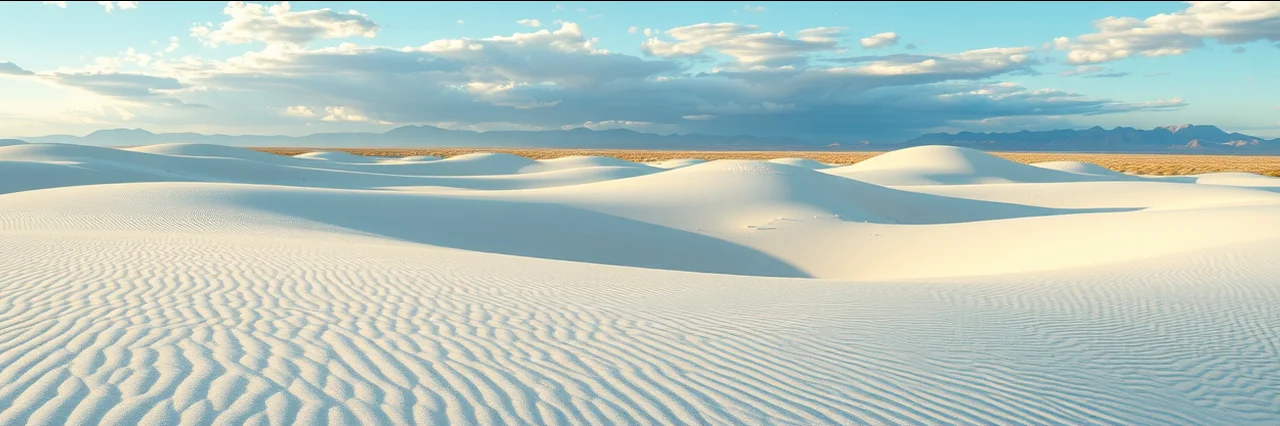
White Sands National Park dunes at sunset with scattered grasses and soft light

White Sands National Park

📍 Address: New Mexico, USA

📞 Phone: +1 575-479-6124

🌐 Website: https://www.nps.gov/whsa/index.htm

★★★★★
Rating: 4.8

Unlock the Magic: Why Dune Sledding and Sunset Photography at White Sands Captivate All Who Visit

Have you ever felt the pull of a place so distinct, so otherworldly, that it seemed to exist outside time? White Sands National Park in New Mexico has that power, with its 275 square miles of pure, shimmering gypsum dunes—creating breathtaking vistas that fuel the imaginations of nature-seekers and thrill-lovers alike. Whether you’re looking for the thrill of gliding down sparkling white slopes or the quiet awe of capturing a sunset that transforms the sands into gold and rose, this natural wonder delivers a unique, accessible introduction to adventure and artistry. For many visitors, White Sands National Park dune sledding and sunset photography aren’t just activities—they are transformative rituals that connect you deeply with the land and its ancient rhythms.

But to simply show up and expect an extraordinary experience is to overlook the delicate balance of planning, knowledge, and respect this environment demands. Do you know how gypsum sand differs from beach sand? When is the right time of day to sled, and how does the shifting sunlight transform each photo into a one-of-a-kind memento? Beyond the thrill and the lens, understanding the natural and historic nuances of White Sands is key to having a safe, memorable, and deeply satisfying visit. As we journey through this guide, you’ll discover the insider essentials and inspiration needed to make the most of every dune and every golden hour. Let’s explore what makes White Sands National Park dune sledding and sunset photography a must-experience event for adventurers, families, and photographers of all levels.
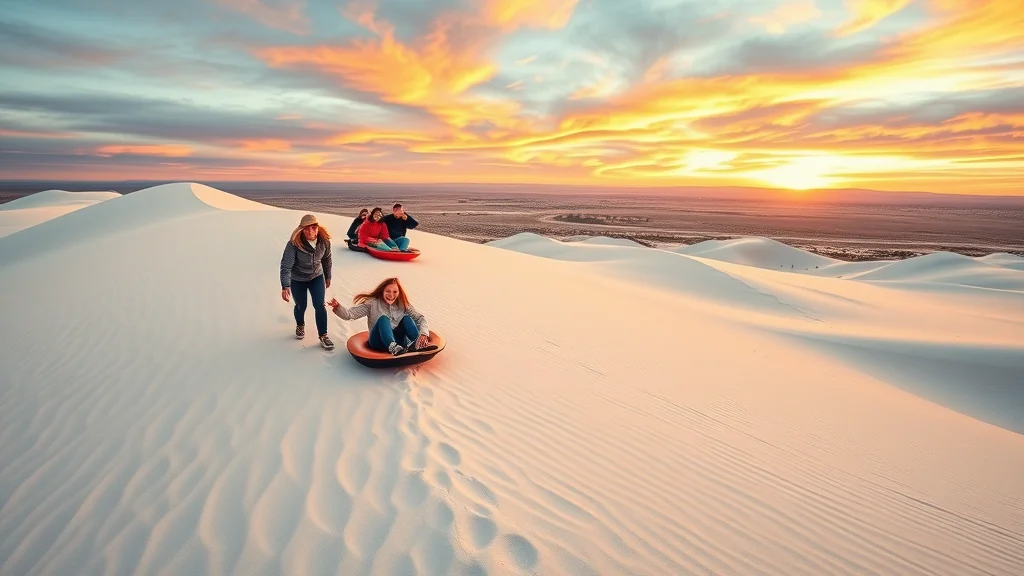
White Sands National Park dune sledding at sunset with vibrant skies

The Science and Spirit Behind White Sands: What Makes Dune Sledding and Sunset Photography Unforgettable

White Sands National Park isn’t your average sandscape—it’s the world’s largest gypsum dunefield, creating a geography both scientifically rare and visually stunning. Unlike quartz-based desert sands, gypsum reflects sunlight, giving the dunes their iconic brilliant-white appearance and a cool, powdery softness, even on the hottest days. This unique composition means that you can sled barefoot without burning your feet, and walk for miles with less exertion than in more conventional sandy deserts. This unusual sensation underfoot is just one of countless details that set White Sands National Park apart, infusing every outdoor activity with an addictive sense of wonder and comfort.

However, a lack of understanding about the park’s environment and the practicalities of visiting can lead to less-than-ideal experiences. If you haven’t considered the swift temperature changes, the need for specialized gear, or the slate of natural hazards inherent to any desert, you might not capture those dreamlike sunset photos or enjoy sledding to the fullest. The magic of White Sands is accessible, but only when you respect its strengths and challenges. Failing to plan for the park’s specifics—like possible closures due to military testing or the important safety protocols in place—can mean missing out on the highlights that bring thousands of visitors back year after year. Why risk a hurried or hazardous outing when a little forethought transforms the experience?
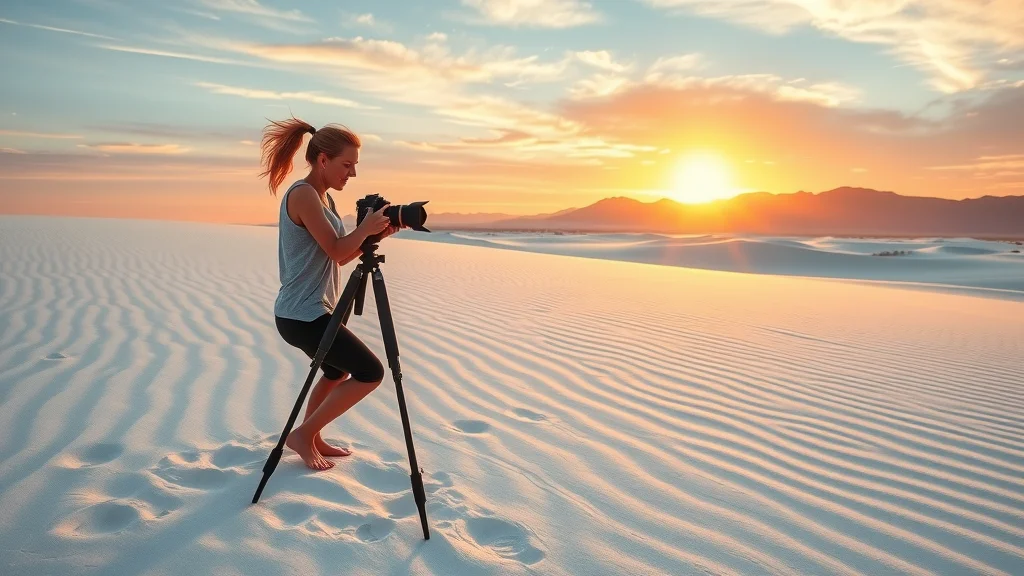
Sunset photography at White Sands National Park on pristine white dunes

For those planning an extended adventure or seeking to enhance their comfort while exploring remote destinations like White Sands, having a reliable portable power source can make all the difference. Discover how the Bluei Elite 200 V2 Power Station offers practical solutions for RVers and outdoor enthusiasts who want to stay powered up during their travels.

How Dune Sledding and Sunset Photography at White Sands National Park Redefine Adventure and Artistry

Drawing on insights from the National Park Service, White Sands National Park stands out not only for its landscape but for its thoughtful curation of visitor experience. Dune sledding here isn’t merely sliding on sand; it’s about harnessing the unique characteristics of gypsum dunes to create a safe and accessible activity for people of all ages and abilities. The park’s soft, cool sand means that even those with mobility concerns or knee problems, as shared by many visitors, often find the activity surprisingly gentle and easy to enjoy. It’s this accessibility and inclusivity that makes dune sledding at White Sands a memory-maker for families, solo travelers, and those seeking not just a thrill, but a sense of belonging and accomplishment.

As the sun begins its dramatic descent over the Tularosa Basin, the transformation is palpable for sunset photographers. Unlike other desert parks, White Sands’ gypsum composition acts as a giant reflector, intensifying and scattering hues that range from fiery orange to delicate lavender. Capturing these moments requires not just the right equipment, but an appreciation for the park’s rhythms and the rarity of its visual effects. Photographers from novice to professional find endless opportunities for creativity and inspiration amid the shifting light and shadows. Mastering both sledding and sunset photography at White Sands is less about technical prowess and more about being present, prepared, and attuned to nature’s cues—a lesson in patience and awe that lingers long after the journey ends.

Historical Footprints and the Ancient Allure of White Sands’ Dunes

The appeal of the dunes goes far beyond their modern-day recreational uses. White Sands National Park preserves not only geological marvels but valuable glimpses into the ancient world. Fossilized footprints, or trackways, have been uncovered across the dunes, providing insight into the lives of Ice Age animals and the people who coexisted with them in the Tularosa Basin. These ancient tracks capture stories of survival, movement, and coexistence—a humbling reminder that each visit is a temporary marking upon an ever-shifting landscape that has inspired awe for millennia. This historical dimension infuses every climb and descent, every click of the camera shutter, with a legacy of discovery and connection.

Adapting to Nature’s Whim: Safety, Weather, and Successful Planning

Adventure at White Sands is as much about respecting the elements as it is about enjoying them. Weather at the park is variable and can be extreme—temperatures may soar during the day but cool off rapidly at sunset, which is a crucial consideration for visitors planning to stay after hours for the evening glow. Wind, though infrequent, can whip the loose sand into a blinding flurry. Official recommendations stress the importance of bringing layers for comfort, plenty of water, and appropriate equipment for both sledding and sunset photography. Furthermore, because park access can occasionally be limited due to scheduled military testing, checking up-to-date alerts and operating hours before your visit is a must. Preparedness is not only about comfort—it’s about maximizing the joy and safety of an adventure that can otherwise change in an instant.

Family dune sledding and sunset at White Sands National Park

An Inclusive Space: Accessibility, Flexibility, and Personal Discovery

White Sands distinguishes itself as an inclusive and accessible destination. Park staff and programs focus on providing everyone—from young children to older adults, and even visitors with mobility issues—the tools and advice needed for safe participation in all activities. For those seeking a personalized adventure, marked trails offer structure, while open-dune policies welcome off-trail exploration and self-determined fun. Interpretive ranger programs and accessible infrastructure further support those eager to learn deeply and connect personally with the unique ecological and cultural tapestry of the park. This blend of freedom and guidance ensures that every visitor can create their own memorable experience, whether through the thrill of sledding or the quiet focus of sunset photography.

White Sands National Park’s Philosophy: Preserving Wonder, Fostering Connection

At the heart of White Sands National Park is a mission to preserve not only the largest gypsum dunefield on Earth but also the unique network of life it supports. The park’s approach is rooted in stewardship, education, and facilitating safe discovery for all. The National Park Service emphasizes the importance of balanced enjoyment—encouraging visitors to immerse themselves in the natural wonders while remaining mindful of safety and environmental impact. Educational initiatives, from ranger-led programs to the renowned Junior Ranger activities, invite guests to become active participants in ongoing preservation and storytelling. This ethos ensures that every moment—whether gliding down a dune or capturing a fleeting sunset—serves a greater purpose: forging lasting bonds between people and the natural world.
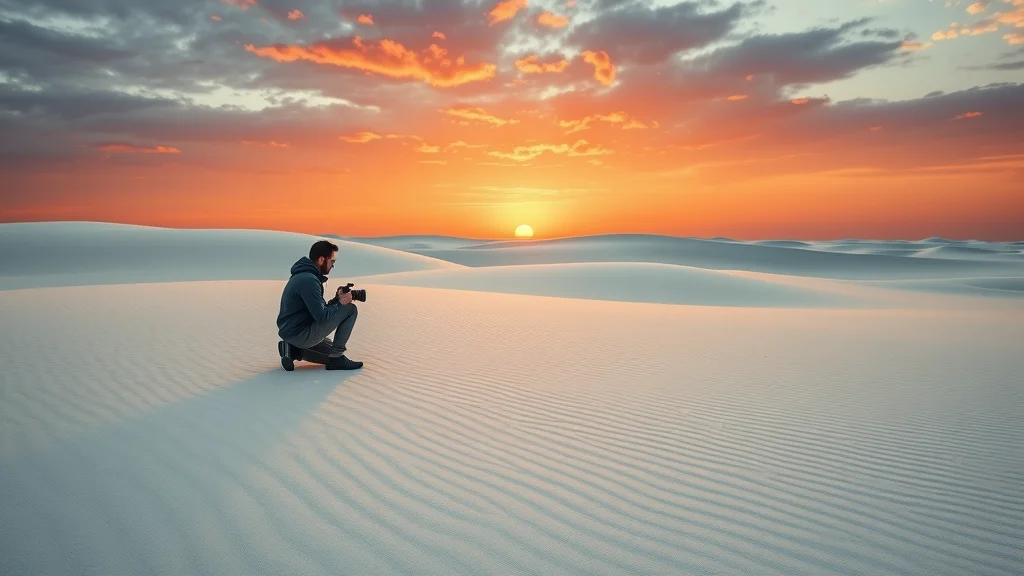
Photographer taking sunset shots at White Sands National Park dunes

White Sands National Park’s dedication to accessibility, safety, and education reflects a broader commitment to inclusivity and public good. By providing up-to-date information on closures, weather, and safety guidelines, the park cultivates a culture of responsibility and proactive enjoyment. Every adventure, then, becomes a partnership between visitor and landscape, a shared endeavor to honor, protect, and celebrate one of the world’s true natural treasures.

Real Visitors Reflect: Sunset Awe and Dune Sledding Delight

For those unsure whether White Sands National Park dune sledding and sunset photography truly measure up to the hype, there is perhaps no better validation than words straight from visitors who have made the journey. Their experiences confirm both the ease of access and the unforgettable beauty of this place, often exceeding the expectations of even seasoned travelers.

Too beautiful! The place is fantastic, and the alkali flat hike was the easiest, most pleasant, (and barefoot!) hike we have ever done! We started at 3. 15 pm and while the sun was hot, the sand was cool, soft on the feet, and very easy to walk on. Surprisingly easy to climb the dunes, we both have knee problems and we felt zero stress while doing this hike. It seems indeed suitable for most people. We waited for the spectacular sunset, and it did not disappoint. We were super lucky that there was zero wind this afternoon, and the temperature was unusually hot for this time of year. Cannot recommend enough.

Countless visitors echo these sentiments—marveling at the soft sand underfoot, the accessible trails, and the breathtaking transformation at sunset. Their reflections affirm that preparedness leads to enjoyment, and that the moments shared atop the dunes, camera or sled in hand, leave lasting impressions that linger long after leaving the park.

Why White Sands National Park Dune Sledding and Sunset Photography Write Their Own Legacy

White Sands National Park dune sledding and sunset photography have secured their place as hallmarks of the American adventure experience. Each visit, framed by the glistening dunefield and amplified by the artistry of the setting sun, renews a sense of play and presence that’s too often lost in ordinary life. Thanks to the stewardship and guidance of the National Park Service, visitors are empowered to create meaningful, safe, and inclusive adventures that balance thrill with mindfulness and artistry with accessibility.

Through its commitment to education, stewardship, and guest experience, White Sands National Park continually raises the bar for what a public landscape can offer. The treasure of mastering dune sledding and sunset photography here is not just in the photos or memories—but in the knowledge, respect, and inspiration taken home as part of the story. White Sands National Park dune sledding and sunset photography are not just activities; they are invitations to see and experience the world anew, one glide and one golden hour at a time.

If you’re inspired to elevate your outdoor adventures even further, consider how the right gear and preparation can transform your experience at White Sands and beyond. Exploring innovative solutions like portable power stations not only enhances comfort but also ensures you’re ready for any challenge the wild may present. For a deeper dive into essential equipment that supports extended journeys and off-grid exploration, check out the comprehensive guide to the best deals on the Bluei Elite 200 V2 Power Station for RVers. Embracing these advanced tools can help you capture every moment, stay connected, and make the most of every adventure—wherever your travels take you next.

Contact the Experts at White Sands National Park

If you’d like to learn more about how White Sands National Park dune sledding and sunset photography could benefit your next outdoor excursion, contact the team at White Sands National Park. 📍 Address: New Mexico, USA 📞 Phone: +1 575-479-6124 🌐 Website: https://www. nps. gov/whsa/index. htm

White Sands National Park Location and Availability

🕒 Hours of Operation: Visit the official website or call +1 575-479-6124 for current park hours and possible closures due to military testing. Hours may vary by season and event.

Location Map
National Parks

0 Comments

Write A Comment

*
*
Please complete the captcha to submit your comment.
Related Posts All Posts

Discover Voyageurs National Park Houseboat Trips Today

Voyageurs National Park 📍 Address: Minnesota, USA 📞 Phone: +1 218-283-6600 🌐 Website: https://www.nps.gov/voya/ ★★★★★ Rating: 4.8 Where Adventure and Wonder Meet: Why Voyageurs National Park Captivates the Explorer’s Imagination Imagine yourself gliding through a maze of water, the quiet lapping against the hull the only sound for miles. In a world saturated with digital distractions and hectic schedules, few places allow for a genuine retreat like the expansive wilds of northern Minnesota. Here, the promise of true adventure still beckons, especially to those prepared to sleep on the water, paddle into secluded coves, or let their worries drift away beneath a sky ablaze with stars. Houseboat trips and paddling routes in Voyageurs National Park do more than just break the routine—they awaken senses dulled by routine and invite travelers to experience landscapes rich in history and beauty. The dark skies, celebrated for their clarity and rarity, offer celestial displays rarely glimpsed by urban dwellers. To recognize Voyageurs for its wild, watery embrace and its soul-stirring night skies is to understand why so many come here not just for recreation, but for renewal. If you think you know what a national park can offer, Voyageurs will upend those expectations, inviting you to trade landlocked viewpoints for sprawling horizons and the infinite above. Exploring Voyageurs National Park: Water Highways, Paddling Trails, and Dark Sky Wonders Voyageurs National Park is unique among America’s wild spaces. Spanning 218,000 acres of interconnected lakes, remote islands, and dense forest, it’s a park shaped and defined by water. Established in 1975 and named after the French-Canadian voyageur fur traders who first mapped its shores, the park lures curious travelers with its intricate system of houseboat-legal waterways and trails designed for both canoes and kayaks. A visit here isn’t just a vacation—it's an immersion, with guests required to leave solid ground and travel in ways echoing the area’s earliest explorers. Houseboating in Voyageurs transforms the park’s vast expanse into an intimate world, letting you anchor at countless secluded spots, camp on islands reachable only by boat, and paddle misty morning channels before anyone else stirs. Paddling routes crisscross interconnected lakes—Rainy, Kabetogama, Namakan, and Sand Point—offering challenges for experienced canoeists as well as tranquil passages for first-timers. And after sunset, the storybook setting shifts—the park’s remote location and lack of urban light pollution makes it a premier destination for dark sky viewing, with the aurora borealis an almost magical bonus on clear nights. Not grasping the depth of Voyageurs’ houseboat and paddling culture is to miss out on one of Minnesota’s most compelling outdoor experiences—a literal gateway to wilderness, both above and below the water’s surface. Houseboat Journeys, Paddling Opportunities, and Stargazing: How Water-Based Adventure Reimagines the National Park Experience As a national park dedicated to exploration, Voyageurs stands out not only for its size but for its accessibility to those ready for something different. With houseboat trips, visitors can pursue a floating vacation: homes on the water equipped for days or weeks of discovery. This method allows complete flexibility, letting explorers create their own itineraries and wake each morning with a front-row seat to sunrise on glassy lakes, greetings from loons, and the solace of unbroken treelines. Many local guides and rental services make houseboat logistics accessible, and houseboats serve as comfortable launching points for daytime paddling, fishing, or shoreline hikes. Paddling routes carve through the heart of the park, allowing for up-close interaction with hidden coves, ancient rock formations, and sometimes-exuberant wildlife. Even a few hours on the water can yield glimpses of bald eagles, beavers, otters, and the occasional moose, while fishing rods frequently yield walleye or northern pike. By night, those choosing to camp on islands or linger late on the water find themselves beneath a sky declared one of the darkest in the Midwest—a stargazer’s paradise where constellations leap into view and, if conditions allow, the northern lights sweep overhead in waves of eerie green and purple. For many, embracing the water-based lifestyle of Voyageurs is transformative; it reconnects people to nature and each other, bringing newfound appreciation for the simple brilliance of wild places untamed by roads or crowds. For those planning extended houseboat or paddling adventures, having a reliable portable power source can make a significant difference in comfort and safety. Many RVers and outdoor enthusiasts have found that investing in a versatile power station, such as the Bluei Elite 200 V2 Power Station, ensures essential devices stay charged while off-grid, enhancing the overall experience on the water. Paddling Routes Past and Present: Connecting with Indigenous, Voyageur, and Modern Traditions The paddling culture of Voyageurs National Park isn’t a contemporary invention—it’s a thread woven throughout centuries of history. Long before the area became a national park, Ojibwe people and other indigenous groups navigated its waters for sustenance and trade, followed by the intrepid French-Canadian voyageurs who lent the park its name. Their birchbark canoes, expertly crafted and nimble, traversed the same routes now blazed by modern paddlers in aluminum or Kevlar boats. Each dip of the paddle links today’s adventurers to a past marked by grit, resilience, and a deep respect for nature’s dynamics. Exploring these paddling trails is to touch a living museum—a journey through time where forested points, ancient pictographs, and abandoned trading posts stand as silent witnesses. For visitors, understanding this cultural continuum adds dimension to every venture across the park’s shimmering lakes and forested shorelines. It transforms recreation into a living tribute, connecting modern exploration to traditions older than the country itself. The Rise of Dark Sky Tourism: Why Voyageurs Shines as a Stargazer’s Haven In an era when most people live beneath a permanent haze of city glow, places like Voyageurs National Park are rare sanctuaries for darkness. Officially recognized for its low levels of light pollution, the park entices amateur astronomers and casual night-sky watchers alike. After a day on the water, guests can spread blankets on the deck of a houseboat or a rocky outcrop, gazing up as thousands of stars puncture the silence overhead. The Milky Way arches in breathtaking clarity, meteor showers dazzle without competition, and the aurora borealis sometimes dances along the horizon. Stargazing here isn’t just a side activity—it’s an essential part of the park’s draw, with ranger-led night sky programs and countless opportunities for personal discovery. For families and solo travelers alike, the sight of stars—often invisible in day-to-day life—is deeply moving. It’s a reminder of the vast beauty that still exists in the world, waiting for those willing to seek it out in the right place at the right time. Voyageurs National Park’s Commitment to Exploration, Education, and Preservation Voyageurs National Park extends far beyond its role as a recreational playground—it serves as both steward and storyteller of one of North America’s most distinctive environments. The park’s mission, as seen throughout its services and interpretive programs, is to promote both access and understanding. By offering opportunities for houseboat trips and paddling, it invites people to forge their own connections to the wild, yet always anchors these experiences in the broader responsibilities of conservation. The park’s philosophy is rooted in balance: facilitating awe-inspiring adventure while maintaining the delicate balance of its ecosystem. Volunteers and staff work to protect wildlife, monitor changing conditions, and educate visitors on safe, respectful recreation practices. Whether participating in a ranger-led hike, learning about bear safety, or discussing local geology, guests are encouraged to view themselves as caretakers of a living resource. The commitment to dark sky preservation—limiting light pollution and offering educational programming—emphasizes the park’s forward-thinking approach and its recognition that wilderness values, once lost, cannot be easily reclaimed. A Houseboat Adventure Through a Visitor’s Eyes: Unforgettable Waterways, Wildlife, and Relaxation There’s no substitute for hearing directly from those who’ve charted these waters by houseboat and paddle. One recent visitor shares an experience that crystallizes the wonder and accessibility of Voyageurs’ unique offerings. For this group, combining hiking, boating, and wildlife-spotting created a rich tapestry of memory that endures well beyond a single season. We had a great time here. We hike 1 day and visited all the visitor centers. Then we spent the 2nd day exploring by boat. Used a local. Oat rental and was really easy to then get to Kettle falls and explore the water ways, swim, see wildlife, fishing, relax on the water. House boats common here, as another easy way to explore the park. Such first-hand experiences demonstrate the park’s wide appeal, from ease of access to the variety of ways one can connect with its landscapes. For those considering their own journey—whether for adventure, family time, or peaceful solitude—the message is clear: time spent on Voyageurs’ lakes is unforgettable, and the chance to write your own story here awaits. Voyageurs National Park Houseboat Trips: Why Water-Based Adventure is the Future of Wilderness Travel In many ways, Voyageurs National Park stands as a testament to both the enduring lure of real wilderness and the evolving ways people choose to explore it. With its water-centric geography, intricate paddling routes, and dark sky treasures, the park pushes the boundaries of what a national park visit can mean. Houseboat trips and paddling journeys don’t just facilitate access; they create lasting change in how visitors relate to nature—building skills, confidence, and a reverence that can be hard to come by elsewhere. As the demand for meaningful, restorative, and sustainable travel grows, few public lands are as well-positioned as Voyageurs to deliver true adventure and serenity in equal measure. Its thoughtful stewardship, deep commitment to history, and ongoing focus on educational programming keep it at the forefront of wilderness destinations. For those pondering their next great escape, the answer may just lie on the lakes, under the stars, and within the remarkable story that Voyageurs continues to write—one houseboat trip and paddling route at a time. Contact the Experts at Voyageurs National Park If you’d like to learn more about how houseboat trips, paddling routes, or dark sky viewing could benefit your next outdoor adventure, contact the team at Voyageurs National Park. 📍 Address: Minnesota, USA 📞 Phone: +1 218-283-6600 🌐 Website: https://www. nps. gov/voya/ Voyageurs National Park Location and Availability For current hours of operation, including visitor center availability and seasonal information, it is best to consult the official park website or contact park headquarters directly, as hours may vary throughout the year based on weather or other factors. If you’re interested in elevating your next outdoor journey with reliable off-grid power, consider exploring the advantages of portable power solutions designed for RVers and adventurers. Discover how the right equipment can enhance your comfort and independence by reading about the best deals and features of the Bluei Elite 200 V2 Power Station for RVers, and see how technology can complement your wilderness experience.

Discover Virgin Islands National Park Snorkeling Secrets

Virgin Islands National Park 📍 Address: St John, USVI 📞 Phone: +1 340-776-6201 🌐 Website: https://www.nps.gov/viis/index.htm ★★★★★ Rating: 4.8 Unveiling the Underwater World: Why Virgin Islands National Park Snorkeling is Unforgettable What draws thousands each year to the secluded shores of St. John? It’s the lure of what lies beneath—the magic of snorkeling in the protected paradise of Virgin Islands National Park, where underwater secrets are waiting to be discovered at every turn. With two-thirds of the island preserved as parkland, visitors are offered rare access to coral reefs brimming with vibrant marine life, entwined with a tapestry of history and natural wonder. Yet, many are unaware of how ancient cultures, scenic beach trails, and environmental stewardship all thread into an experience far richer than a simple swim. The allure of Trunk Bay’s powdery white sands and turquoise waters isn’t just in postcard beauty—it's in its living reef trail, where every stroke introduces a story told by schooling fish and silent sea turtles. Virgin Islands National Park snorkeling at Trunk Bay is often labeled one of the world’s top aquatic adventures, but hidden challenges, like seasonal weather shifts and fragile coral, set the stage for preservation and learning. For those considering this adventure, it’s not just about knowing where to go—it's also about understanding why these waters matter, why tread here is light and conscious, and what one gains by stepping off the sand and into the wild blue. Beneath the Surface: The Significance of Snorkeling Trunk Bay and Exploring Island Trails Snorkeling in Virgin Islands National Park, especially at Trunk Bay, is more than a fleeting thrill—it's a window into the Caribbean’s natural and cultural legacy. The underwater snorkeling trail at Trunk Bay is not only accessible but interpretive: submerged markers identify coral, fish, and marine organisms, creating an immersive and educational experience that captures the imagination. This adventure blends seamlessly with the park’s beach trails, where stories of Indigenous Taino petroglyphs and the island’s complex plantation history echo through the wilderness. Failing to recognize the gravity of this area means missing both its ecological richness and its pressing fragility. Overlooking the park’s guidelines—such as responsible snorkeling, staying off coral, or keeping beaches pristine—jeopardizes critical habitats and undermines over 3,000 years of history shaped by both people and nature. Visitors often plan for sun and serenity, but understanding the park’s layered past and delicate aquatic systems is the key to truly appreciating Virgin Islands National Park snorkeling at Trunk Bay and the interconnected web of trails and stories. Those who ignore this context risk not just their own enjoyment but the very ecosystems and stories that make St. John a global treasure. For those new to beach trails or marine exploration, this can feel overwhelming. Yet, the rewards for even basic understanding are immense: the ability to spot a hawksbill turtle gliding by, to interpret ancient symbols along a trail, or to respect the rhythms of a living island. Knowledge is as essential as fins and mask—without it, the beauty is only half-seen, and potential dangers, from rough surf to fragile environments, can be easily overlooked. If you're planning to extend your adventure beyond the shoreline, having reliable gear can make all the difference—especially for those who enjoy off-grid exploration or need to keep devices charged during long days outdoors. For RVers and nomads seeking dependable power solutions, exploring the benefits of the Bluei Elite 200 V2 Power Station can help ensure your travels remain comfortable and connected, whether you're parked near the beach or venturing into the park's wilder trails. How Snorkeling Trunk Bay and Its Trails Transform Visitors and Protect Paradise Virgin Islands National Park stands as both steward and storyteller, shaping every visitor’s trip into a life-changing encounter. The carefully maintained snorkeling experience at Trunk Bay offers more than just scenic views; it turns curiosity into connection. With every glide past clustered coral and each interpretive marker, snorkelers glean not just scientific facts but a sense of responsibility to protect the delicate ecosystems that thrive beneath the waves. Accessible hiking trails, curated by a network of park rangers, invite exploration of the island’s rugged heart, guiding visitors from sandy coves to high overlooks and remnants of plantation sites. These routes aren’t simply recreational—they’re lessons in resilience, showing how the land, people, and sea unite in a shared history and future. Whether navigating a self-guided beach walk or following in the footsteps of Taino people, every trail deepens appreciation for the diversity of life—human and otherwise—on St John. By immersing in these experiences, visitors gain more than breathtaking photos—they leave with a transformative awareness of conservation, culture, and the real stakes of environmental stewardship. It’s not just about enjoying the reefs today, but ensuring future generations, of locals and travelers alike, can experience the same wonder tomorrow. From Ancient Footsteps to Modern Trails: Walking Through History on St. John Every beach trail within Virgin Islands National Park is a living timeline. Paths wind through lush forests and past sugar plantation ruins, offering tangible markers of the island’s layered narrative—from the ancient petroglyphs left by the Taino people to stories of African resilience in the face of colonial hardship. Hiking here means more than exercise; it’s a journey back in time. Each trail and overlook connects visitors to the intricate dance of cultures, nature, and survival central to St. John’s identity. Explorers often pause at these historic points not only for the view but for the gravity of the land’s memory. The stories etched into old stones and the names of long-gone estates remind today’s adventurers that every step shapes the legacy of this island. Such an encounter transforms an ordinary hike into a preservation act—a way of honoring both past and ongoing efforts to protect not just landscapes, but identities. Your Role in Protecting Paradise: Tips for Responsible Snorkeling and Beach Exploration Being a steward of Virgin Islands National Park is not reserved for rangers and researchers; every visitor is a vital link in a delicate chain. Snorkeling at Trunk Bay, for instance, comes with an unspoken promise: to admire without disturbing. Simple acts—like refraining from touching or stepping on coral, avoiding chemical sunscreens, and carrying out all trash—have far-reaching impacts, ensuring that these reefs remain alive and thriving. Beach walkers and trail hikers can join sea turtle monitoring, contribute to citizen science efforts, or just respect posted guidelines that protect nesting sites and historic relics. Even choosing the quieter path, as some guests suggest, can help alleviate crowding and further support the park’s fragile balance. Learning before exploring—by downloading the park app or studying up on regulations—empowers smarter, more responsible adventures where enjoyment and protection go hand in hand. The Ever-Changing Beauty of Trunk Bay: Weather, Conditions, and When to Visit Mother Nature sets her own schedule in the Virgin Islands, meaning that every snorkeling trip or hike promises something a little different. While Trunk Bay is famed for reliably calm turquoise waters, changing seasons can bring heightened surf or occasional closures. November, for example, might see ideal weather one day and rough seas the next, reminding visitors that patience and flexibility are essential parts of this journey. Connecting with up-to-date beach conditions, especially during sea turtle nesting or after storms, not only enhances safety but ensures everyone gets the richest possible experience. Even if a particular cove isn’t swimmable, the surrounding network of trails and alternative beaches offers backup options for exploration and discovery. Tuning in to the rhythms of the island—its weather, tides, and wildlife—means every visit holds its own special story, tailor-made by nature. Guiding Principles and Preservation: Virgin Islands National Park’s Approach to Exploration As a guardian of both natural wonders and cultural memory, Virgin Islands National Park emphasizes a philosophy where exploration and preservation walk side by side. The park’s comprehensive programming does not just show off the white sands and turquoise shallows—it sets high standards for education, stewardship, and respect for the land. Guests are encouraged to become active participants in conservation, from joining sea turtle surveys to learning about native flora and ancient artifacts. With tailored resources such as detailed maps, a robust park app, and frequent ranger-led walks, the park cultivates informed adventurers who see themselves as caretakers, not just consumers. Virgin Islands National Park demonstrates that protected areas flourish when history, science, and recreation are woven together. Every action—from following marked snorkeling trails to hiking with awareness—reflects a broader vision: to ensure the park’s treasures are as bountiful tomorrow as they are today. The park’s mission reverberates beyond recreation, fostering a public who values both the hard facts of conservation and the softer echoes of past generations whose lives remain tied to these shores. This holistic outlook continuously sets Virgin Islands National Park apart, making each visitor’s journey one piece in a much larger, evolving story of protection and awe. The Transformative Moments: Visitors Reflect on the Park’s Unique Magic Many who explore the shores and reefs of the park come away with memories that linger for years—a powerful testament to the place’s lasting effect. As one recent visitor shared, despite minor travel hurdles and learning to adapt to the unique rhythms of island life, the Virgin Islands National Park left a powerful impression: Awesome place. One of top national park sites of the 425 I have been to. Great beaches, amazing snorkeling, great views, a historical angle, and expensive food! Went in mid November and had no significant weather issues (except didnt get to snorkel trunk bay due to surf conditions both days I tried). Island is not big and while the roads are winding and steep lots of times, pretty easy to get around. Stayed in Coral Bay to have a more peaceful and less crowded experience compared to Cruz Bay. I will be returning for sure. Reviews like this remind all would-be adventurers that even challenges—changing surf, unfamiliar roads, the unpredictability of nature—are part of the voyage. Those who take the leap will find a park capable of leaving indelible marks on both spirit and memory. As each guest discovers their own favorite cove, view, or trail, the story of the Virgin Islands National Park grows that much richer for all who follow. Virgin Islands National Park Snorkeling: Protecting Beauty, Deepening Connection The lasting power of Virgin Islands National Park snorkeling at Trunk Bay goes far beyond postcard images or fleeting moments in the water. It is found in the responsibility, learning, and wonder experienced by every visitor dedicated to both enjoyment and respect. By weaving together outdoor adventure, historic discovery, and mindful protection, the park sets a standard for both travel and stewardship. With ongoing guidance and thoughtful management, Virgin Islands National Park continues to serve as a beacon for those who seek to both explore and preserve. The shared dedication of park leaders and guests alike ensures that the promise of snorkeling, hiking, and discovery at Trunk Bay and beyond will endure for generations, keeping the spirit of this Caribbean paradise alive in every encounter. As you plan your next journey to the Virgin Islands National Park, consider how the right preparation can elevate your entire experience—whether you're snorkeling vibrant reefs or trekking historic trails. Embracing innovative travel solutions, such as portable power stations, can help you stay connected and comfortable while exploring remote corners of paradise. For those interested in optimizing their adventures and ensuring peace of mind on the road, learning about the latest advancements in RV power technology can be a game-changer. Discover how integrating smart gear into your travel routine can unlock new levels of freedom and flexibility by exploring the best deals and features of the Bluei Elite 200 V2 Power Station for RVers. Your next adventure awaits—make it both memorable and effortless. Contact the Experts at Virgin Islands National Park If you’d like to learn more about how Virgin Islands National Park snorkeling at Trunk Bay and beach trails could benefit your next adventure, contact the team at Virgin Islands National Park. 📍 Address: St John, USVI 📞 Phone: +1 340-776-6201 🌐 Website: https://www. nps. gov/viis/index. htm Virgin Islands National Park Location and Visitor Information 🕒 Hours of Operation: For current visitor center hours and park access, please visit the official website or call the park directly. As of the latest available info, Visitor Center hours are:📅 Monday: 8:15 AM – 4:00 PM📅 Tuesday: 8:15 AM – 4:00 PM📅 Wednesday: 8:15 AM – 4:00 PM📅 Thursday: 8:15 AM – 4:00 PM📅 Friday: 8:15 AM – 1:30 PM📅 Saturday: ❌ Closed📅 Sunday: ❌ Closed

Discover Why Sequoia National Park Giant Sequoias Awe Visitors

Sequoia National Park 📍 Address: California, USA 📞 Phone: +1 559-565-3341 🌐 Website: https://www.nps.gov/seki/index.htm ★★★★★ Rating: 4.8 Nature’s Towering Marvels: Why Sequoia’s Giants Inspire Endless Curiosity Standing in the shadow of ancient, towering giants, it’s impossible not to feel humbled by nature’s incredible scale. For generations, the sequoia trees of California have drawn adventurers and dreamers with their sheer size, silence, and the cathedral-like awe they inspire. Sequoia National Park is home to the world’s largest trees, offering a living testament to resilience and diversity in a landscape that stretches from warm foothills to rugged peaks. When visitors enter this realm, a blend of excitement and reverence hangs in the air—the question isn’t just how these colossal trees came to be, but how they endure, and what stories they silently tell. Witnessing the giant sequoias—some of which are thousands of years old—reminds anyone of just how small and young humans are compared to Earth’s living history. The allure isn’t merely about size, but about survival: these trees have weathered storms, fires, and more, quietly dominating the landscape through the ages. Layer upon this the panoramic views from Moro Rock and the meandering scenic drives that connect visitors with the changing moods of the park, and it’s clear why Sequoia National Park is regarded as a destination unlike any other. Understanding the significance of these experiences not only deepens appreciation but also calls for respect and curiosity—qualities every explorer should cultivate. More Than Trees: The Fascinating World of Giant Sequoias, Scenic Vistas, and Iconic Landmarks When most people think of Sequoia National Park, gargantuan trees stretching skyward immediately leap to mind. Yet, the park is a tapestry of complex narratives, from its namesake giant sequoias to geological wonders like Moro Rock and its famed scenic drives. The sequoias themselves are not simply old or large; they are symbols of longevity, adaptation, and natural history, thriving in a specialized ecosystem found nowhere else. Visitors walk trails lined with these elders, realizing that every ring in their trunks marks a century passed, every scar a fire survived. Sequoia National Park's landscapes, which also include dramatic canyons and vaulting mountains, serve as a living classroom for those eager to unlock the mysteries of the natural world. For RV travelers seeking to maximize their time exploring the park’s vast landscapes, having a reliable power source can make all the difference. Many seasoned nomads recommend equipping your rig with a portable power station, such as the Bluei Elite 200 V2, which is designed to support off-grid adventures and keep your devices charged while you immerse yourself in Sequoia’s wonders. If you’re interested in learning more about how this power solution can enhance your journey, check out this guide to the best deals on the Bluei Elite 200 V2 Power Station for RVers. Why Encounters with Sequoia’s Giant Trees, Moro Rock, and Scenic Drives Are Unforgettable Sequoia National Park stands apart as a place where visitors can truly immerse themselves in nature’s grandeur and complexity. The experience begins with the awe of seeing the largest living things on Earth—giant sequoias that have endured for millennia. These iconic trees are not just stunning to behold, but they also play a crucial role in supporting the park’s diverse ecology, providing shelter and shaping the land in remarkable ways. For those who walk among them, the opportunity to witness such history and resilience prompts deeper reflection on their own connection to the environment. Experiencing Moro Rock, meanwhile, adds an exhilarating layer, as the climb rewards adventurers with breathtaking, 360-degree views across vast forests and jagged peaks. Traversing the park on scenic drives enhances the journey further, offering an unfolding showcase of California’s spectacularly varied landscapes without ever leaving the comfort of a vehicle. Whether it is a quick visit or a longer stay, these elements combine to create a sense of wonder and discovery that lingers long after leaving. The park’s commitment to accessibility and visitor safety ensures that explorers of all backgrounds and abilities can find their own moment of inspiration at Sequoia National Park. Scenic Drives: The Gateway to Sequoia’s Icons and Hidden Corners Navigating Sequoia National Park by road is touted as one of the best ways to experience its shifting moods and iconic sights. The Generals Highway, which weaves between Sequoia and Kings Canyon National Parks, stands as a scenic drive that unites mountain vistas, old-growth forests, and unique geological features into a single breathtaking journey. Each bend in the road offers new vistas—sometimes the glimpse of a distant snow-capped peak, other times the sudden appearance of a tree whose girth defies belief. During winter, these routes become especially serene, blanketed in quiet and snow, underscoring the park’s year-round beauty and accessibility. For many, these drives transform mere transit into an experience all its own. Pull-out stops allow visitors to step out and soak in panoramic viewpoints or walk short trails that reveal even more of the park’s hidden wonders. Driving through tree tunnels, passing fields where wildflowers burst in spring, or watching wildlife cross the road, it is easy to see why these scenic corridors are celebrated. The opportunity to see so much in such a breathtaking setting—whether in warm summer sun or amidst winter’s hush—makes every journey through the park something to reminisce about. Moro Rock: A Summit Like No Other Climbing Moro Rock is an essential rite of passage for many who visit Sequoia National Park. Rising just over 6,700 feet, the granite outcrop’s staircase delivers a manageable, thrilling ascent accessible to most able hikers. The sense of accomplishment upon reaching the summit is matched only by the spectacular views stretching over the park—mountain ridges, forested valleys, and, on clear days, the distant Sierra Nevada peaks. The vantage point connects the park’s sprawling geography in a single sweeping glance, providing a sense of scale hard to achieve from the forest floor. For those unable to ascend the rock, simply standing at its base offers a dramatic reminder of how dynamic and dramatic the park’s geology is. During certain weather conditions, as noted by visitors, the trail may close for safety, reinforcing Sequoia’s dedication to preserving not just the landscape but also the well-being of its explorers. Whether reached by foot or admired from afar, Moro Rock serves as both a literal and metaphorical high point, uniting visitors in a shared appreciation of grandeur and perspective. The Enduring Importance of Protecting Sequoia’s Natural Marvels The presence of the world’s largest trees within a national park is a reminder of both their ecological importance and their vulnerability. The park’s educational approach illuminates not only the immense age and beauty of the sequoias but also the need to protect them from human-caused threats like pollution, fire, and climate change. As part of their mission, Sequoia National Park integrates messages of stewardship, promoting responsible recreation and awareness of how fragile these ecosystems are despite their monumental size. Visitors are encouraged to plan ahead, respect wildlife, and leave no trace, underlining that every guest has a role in preserving this land of giants. This philosophy extends to all aspects of the visitor experience. Whether hiking a secluded trail, camping beneath sequoia canopies, or simply enjoying a leisurely drive, the park’s ethos—balancing public enjoyment with stringent protection—sets an example for parks worldwide. Through education about fire management, trail safety, and limited access during sensitive periods, the park demonstrates leadership in conservation. The collective actions of each visitor help ensure that future generations will stand in awe, just as those who came before did, in the presence of living giants and dramatic landscapes. What Visitors Experience: Lasting Impressions from Sequoia’s Wonders The real measure of Sequoia National Park’s impact can often be found in the words of those who have explored its many wonders. For some, visits are marked by quiet moments in the presence of the trees, for others, by the exhilaration of new discoveries—whether hiking trails are open or blanketed in winter snow. These firsthand accounts reveal the emotional resonance of the park, emphasizing not only its beauty but the sense of peace and fulfillment it offers to those who enter. Visiting Sequoia National Park for the first time was an unforgettable experience that exceeded every expectation. From the moment I entered the park, the sheer scale and beauty of the landscape set the tone for an incredible day immersed in nature. Seeing the giant sequoias in person was truly awe-inspiring. Photographs do not come close to capturing their immense size or the sense of history they convey. Standing among these ancient trees was both humbling and peaceful, offering a powerful reminder of the natural world’s grandeur and resilience. Hiking Moro Rock was another highlight of the visit. The climb was invigorating, and the panoramic views from the top were nothing short of spectacular. From the summit, the sweeping vistas of the surrounding mountains and forest made the effort well worth it and provided a unique perspective of the park’s vastness. Adding to the experience was the unexpected joy of finding leftover snow from a storm that had passed through the week prior. Being able to play in the snow while surrounded by towering sequoias and clear mountain air was a rare and memorable contrast, especially for a first-time visit. Overall, Sequoia National Park delivered an extraordinary introduction to its natural wonders. The combination of iconic scenery, rewarding hikes, and small moments of surprise made the visit both enriching and memorable. It is a destination that leaves a lasting impression and one that I look forward to returning to in the future. These reflections showcase how deeply the park can move visitors—through awe, discovery, and memorable contrasts. The sense of fulfillment, from peaceful walks among giants to invigorating ascents up Moro Rock, demonstrates the unique value Sequoia holds for anyone who seeks connection with the natural world. Others who embark on their own journey here can expect meaningful experiences that linger long after departure. A Land Where Giants Endure—Sequoia National Park’s Living Legacy The giant sequoias, Moro Rock, and winding scenic drives form the heart of the Sequoia National Park experience, uniting adventure and sanctuary in a single expanse. Within this protected landscape, every trail, viewpoint, and tree adds to a narrative that has captivated visitors for over a century. The park’s balanced approach—emphasizing stewardship, accessibility, and education—establishes it as a model for conservation and thoughtful exploration. By choosing to learn about and respect these wonders, visitors contribute to the ongoing story of a land where ancient giants still stand tall. Sequoia National Park’s enduring appeal lies in its ability to move people—whether through a quiet moment under mammoth branches or a vista that seems to stretch to infinity. As more people seek meaningful connections with nature and history, the giant sequoias, Moro Rock, and the park’s scenic drives remain a source of awe, inspiration, and learning. Their continued presence is testament to both natural resilience and human responsibility. For those inspired by these living monuments and unforgettable landscapes, the park represents not just an escape, but a powerful reminder of what makes our planet remarkable. If you’re eager to deepen your appreciation for the outdoors and discover more ways to enhance your adventures, exploring innovative gear and travel strategies can open up new possibilities. From optimizing your RV setup to finding the best tools for off-grid exploration, there’s always another layer to uncover in the world of outdoor travel. For a broader perspective on how technology and thoughtful preparation can elevate your next journey, consider delving into resources that spotlight the latest advancements for nomads and nature lovers alike. Each new insight brings you closer to making every national park visit as memorable and rewarding as possible. Contact the Experts at Sequoia National Park If you’d like to learn more about how sequoia national park giant sequoias moro rock and scenic drives could benefit your outdoor adventures, contact the team at Sequoia National Park. 📍 Address: California, USA 📞 Phone: +1 559-565-3341 🌐 Website: https://www. nps. gov/seki/index. htm Sequoia National Park Location and Hours 🕒 Hours of Operation:📅 Monday: Open 24 hours📅 Tuesday: Open 24 hours📅 Wednesday: Open 24 hours📅 Thursday: Open 24 hours📅 Friday: Open 24 hours📅 Saturday: Open 24 hours📅 Sunday: Open 24 hours

Terms of Service

Privacy Policy

Core Modal Title

Sorry, no results found

You Might Find These Articles Interesting

T
Please Check Your Email
We Will Be Following Up Shortly
*
*
*