



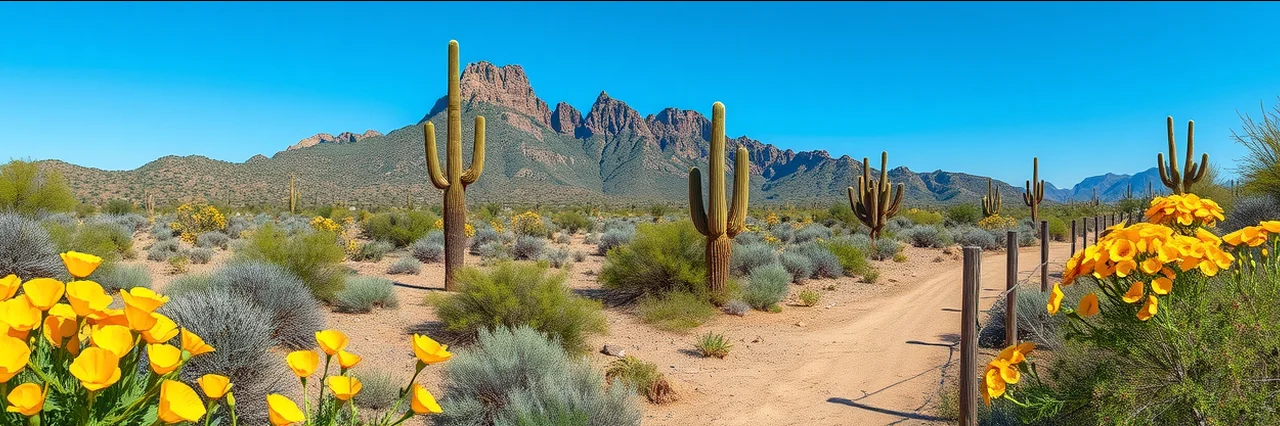
Challenge and Beauty: Why Picacho Peak Hiking is More Than Just Another Desert Trek
Rising dramatically above the desert floor, Picacho Peak is an unmistakable sight for travelers passing through southern Arizona. But make no mistake—the allure of this singular formation extends well beyond roadside scenery. Every year, visitors set their sights on the serious challenge of hiking Picacho Peak, drawn by its rugged trails, striking wildflower blooms, and panoramic views that reward the effort. Yet, there’s a critical side to this adventure that deserves just as much attention as the scenery and Instagram-ready summits: preparation and awareness.
Embarking on a Picacho Peak hiking trip means much more than a quick jaunt up a hill. The park's trails demand mental focus, physical stamina, and a respect for desert conditions—especially for those aiming for the peak itself. Even experienced hikers have found themselves tested by its steep grades and exposed ridges; those underestimating the climb can quickly find themselves ill-equipped for the ascent. In recent years, visitor programs and guided hikes have aimed to educate and inspire, but the real story begins with understanding what makes Picacho Peak hiking unique, why safety (and smart planning) aren’t optional, and how this ancient landmark has shaped journeys across centuries. If you think hiking Picacho Peak is a walk in the park, read on—a safer, smarter adventure starts with the knowledge you bring to the trail.
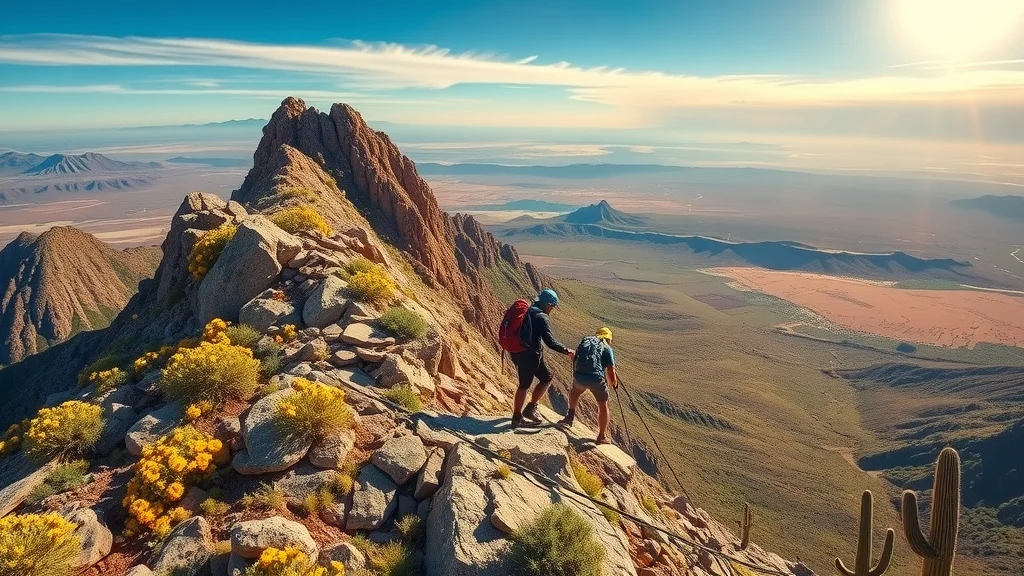
Picacho Peak Hiking: The Trail, the Challenge, and What Sets It Apart
Picacho Peak hiking isn’t just a day outdoors—it’s a test of resolve, offering dramatic elevation gains and technical challenges rare in Arizona’s lower deserts. Marked by its iconic 1,500-foot volcanic peak, the park’s trails wind through rugged Sonoran wilderness, culminating in opportunities for both casual strolls and adrenaline-pumping scrambles. Two of the most popular routes, the Hunter and Sunset Vista trails, embody everything that makes Picacho Peak hiking legendary: narrow ridgelines, hands-on climbing, and cables bolted into the rock to help hikers ascend the steeper faces. These unique infrastructural additions, while lending a sense of adventure, require comfort with heights and a head for careful footwork.
What distinguishes hiking here from more typical state park outings is not just the physical rigor—it’s the blend of geology, ecology, and history. The trail traverses a landscape shaped by centuries of volcanic activity, hosts an array of desert flora seen in brilliant springtime displays, and features interpretive markers pointing out the area’s cultural and Civil War significance. It’s not uncommon for guests to encounter reminders to hike wisely: bring extra water, plan for changing weather, and approach the mountain with respect. As challenging as the trail may be, those who underestimate the route or arrive underprepared put themselves at genuine risk of exhaustion or misadventure. Awareness and advance planning are essential tools on this mountain; overlooking them can turn a bucket-list climb into a cautionary tale.
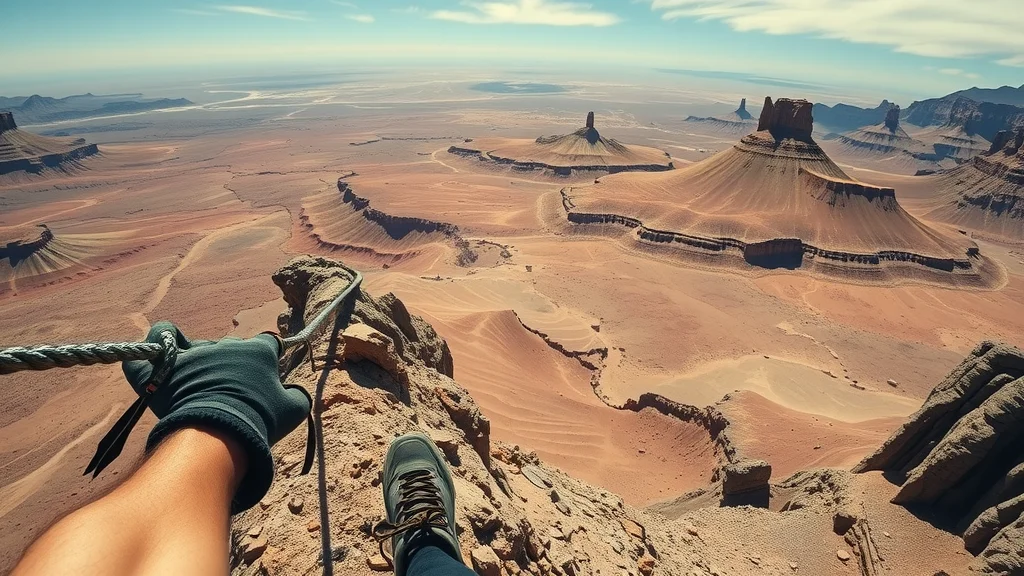
How Being Informed and Prepared Transforms Your Picacho Peak Hiking Experience
Experts at Picacho Peak State Park emphasize a “hike smart” philosophy that is central to a successful—and enjoyable—day on the mountain. This approach includes straightforward but non-negotiable advice: adequate hydration, appropriate footwear, and self-awareness about personal limits. The steep terrain and technical sections equipped with cables and planks aren’t just novel—they demand good preparation and physical readiness. Hikers who heed these guidelines frequently reach the summit comfortably and are able to truly appreciate sweeping views, vibrant wildflowers in the spring, and the feeling of accomplishment unique to this iconic peak.
The park enriches the hiking experience by providing a variety of guided programs and educational events. From ranger-led walks on the Calloway and Sunset Vista trails to the Junior Ranger programs designed for younger adventurers, everyone from beginners to seasoned outdoor enthusiasts finds a space to build their skills and confidence. By choosing guided hikes or attending a safety orientation, visitors gain local insights—such as knowing where to look for local flora and fauna, understanding the history beneath their feet, and learning how to navigate the infamous cable sections. The result is a hike that’s not just physically rewarding, but also deeply informed and personally meaningful.
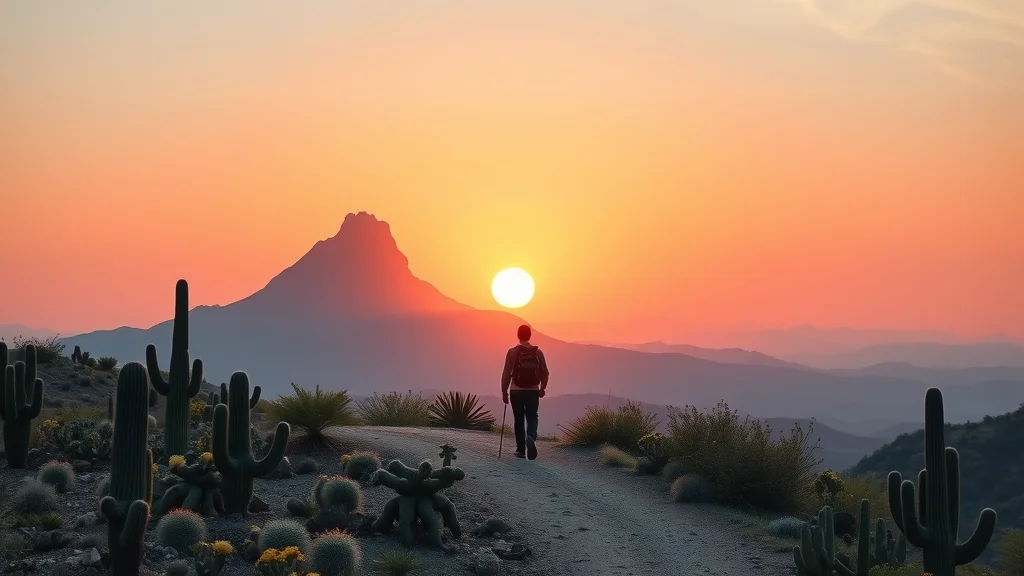
The Evolution of Picacho Peak Trails: From Ancient Landmark to Adventurer’s Rite of Passage
For centuries, Picacho Peak has served as a navigational marker, first for indigenous populations and later for Spanish explorers and pioneers. Its name and silhouette became part of travel lore as early as the 1700s with the Anza Expedition, and the surrounding land eventually became integral to the region's Western expansion and statehood. Today, the hiking experience is shaped not just by natural history, but also by years of stewardship and trail design dedicated to both safety and challenge.
Rangers carefully maintain a balance between preserving the raw, untamed character of the peak and providing supports—like cables and interpretive signage—to help hikers safely navigate tricky sections. Over time, the trails have evolved to meet changing visitor needs: infrastructure phases in and out with minimal impact to the hiking experience, preserving the sense of wildness that defines the park. As construction projects continue to improve access and facilities, the essence of Picacho Peak hiking endures—a blend of natural wonder, historical resonance, and just enough modern convenience to make it accessible without taming its spirit.
Tips for a Safer, Smarter Hike: What Every Picacho Peak Hiker Needs to Know
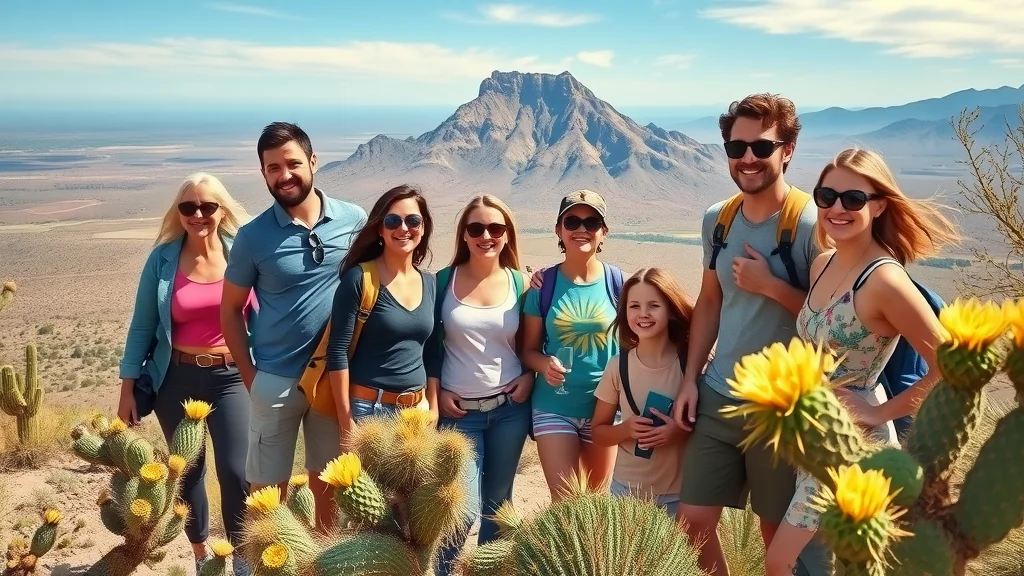
Hiking Picacho Peak comes with specific considerations that directly affect safety and enjoyment. The desert climate can be unforgiving; even in cooler seasons, dehydration and exhaustion loom for the unprepared. That’s why every expert recommendation starts with water—bring more than you think you’ll need, since there's a current water shortage in the park (no filling available). Begin your ascent early to avoid peak sun, plan your descent before sunset, and pack snacks to keep your energy up on longer climbs.
Proper footwear is critical due to the rocky and sometimes slick conditions, while gloves can offer better grip on the cable sections. Stay on designated trails and watch out for native wildlife, including snakes and scorpions, which are vital to the desert ecosystem but should be given space. Always check the park's current alerts, such as construction updates or altered facility hours, before heading out. And remember, it’s perfectly acceptable—and sometimes wise—to turn back before the summit if fatigue or conditions become challenging. Success on Picacho Peak is measured in respect for the terrain and for your own limits.
Trail Community and Learning: Programs that Make Picacho Peak Accessible for All
One of Picacho Peak State Park's strengths lies in its commitment to community and education. Through regularly scheduled guided hikes, educational talks, and themed events like Full Moon Hikes and Bird Walks, the park demystifies hiking for newcomers while enriching the experience for veterans. These programs create a welcoming entry point for families, young children, and visitors who might otherwise hesitate to tackle the peak’s more technical sections. Park rangers and guides emphasize not only ecological and cultural understanding but also practical safety and teamwork on the trail.
Special initiatives, such as the Junior Ranger Guided Hike and the Shelter Dog Walking Program, encourage stewardship and a deeper sense of connection with the landscape. Events focused on native flora and geology, or even the area’s role in Civil War history, transform a traditional hike into a living classroom. The result? Hikers leave with a sense of accomplishment not only from reaching the top, but from more fully understanding the complexities—natural, cultural, and personal—that are part of Picacho Peak hiking adventures.
Picacho Peak State Park’s Philosophy: Hiking with Respect for Desert, History, and Human Limits
At the heart of Picacho Peak State Park’s mission is the belief that access to Arizona’s natural wonders brings lifelong benefits—if pursued thoughtfully and with due care. Every aspect of the park’s management, from volunteer opportunities to infrastructure improvements, is guided by a philosophy of sustainability and stewardship. Visitors are encouraged to see themselves as temporary stewards of a resource that bridges past and future, human endeavor and wild landscape.
The park’s informed approach extends to both environmental protection and personal safety. “Hike prepared and know your limits” is a recurring theme in trail descriptions and ranger talks, underlining that reaching the summit is only one measure of success. Attention to visitor education, diverse programming, and easy-to-access resources fosters a sense of inclusivity. Whether attending a history walk, joining a Junior Ranger day, or simply taking in the view from a picnic area, everyone is invited to find their own connection to the mountain—always with an emphasis on mindfulness and mutual respect.
This commitment is evident in the park’s ongoing improvements and its active volunteer network. Even during times of water shortage or construction, the focus remains firmly on providing authentic, safe, and memorable experiences rooted in the park’s history and ecology. Through this lens, Picacho Peak hiking becomes an act of participation in something larger than oneself: a tradition, an education, and a stewardship for generations to come.
Voices from the Trail: Real-World Experiences at Picacho Peak
The value of firsthand experience cannot be overstated when it comes to considering any outdoor challenge. Reviews from previous hikers paint a vivid picture of what awaits, highlighting both the beauty and the realities of hiking Picacho Peak. One recent visitor shares a candid perspective on the demands and rewards of the climb:
A beautiful park. The trail up to the top of the mountain is nice. The hike is a bit difficult. There are ropes, and cables, and planks, and things to help pass some areas. Some people decide to not pass one point that is about 2/3 up. The view from the top is incredible.The Cogburn Ostrich Farm is another nice place to visit, and is right near there. and. DQ across the freeway.
This reflection underscores what can be gained by approaching the Picacho Peak trails with both ambition and respect: awe-inspiring views, physical accomplishment, and unexpected discoveries in the surrounding area. Those who challenge themselves thoughtfully and take advantage of the park’s supportive infrastructure and educational programs can look forward to an adventure that lingers long after the trek ends.
What Makes Picacho Peak Hiking a Must-Do on Arizona’s Outdoor Adventure Map
For hikers seeking a blend of natural drama, challenging climbs, and deep-rooted Arizona history, Picacho Peak delivers an experience that stands alone. The distinctive blend of geological wonders and practical trail features—complete with hands-on climbing sections, guided educational programs, and vigilant stewardship—make every ascent more than an achievement; it’s a rite of passage. Through careful groundwork, visitor education, and community programming, Picacho Peak State Park rises as a beacon for those who value adventure that balances endurance with insight.
In this context, Picacho Peak hiking is not only a highlight of Arizona’s recreation scene, but a model for sustainable, inclusive, and fulfilling outdoor experiences. With each visitor who respects the environment, prepares wisely, and learns from those who maintain the park, the story of the peak grows ever richer. For anyone setting out to conquer the climb, the wisdom of prior hikers and the support of dedicated rangers set a standard that ensures the adventure is safe, memorable, and always worth the journey.
Contact the Experts at Picacho Peak State Park
If you’d like to learn more about how Picacho Peak hiking could benefit your outdoor adventures, contact the team at Picacho Peak State Park.
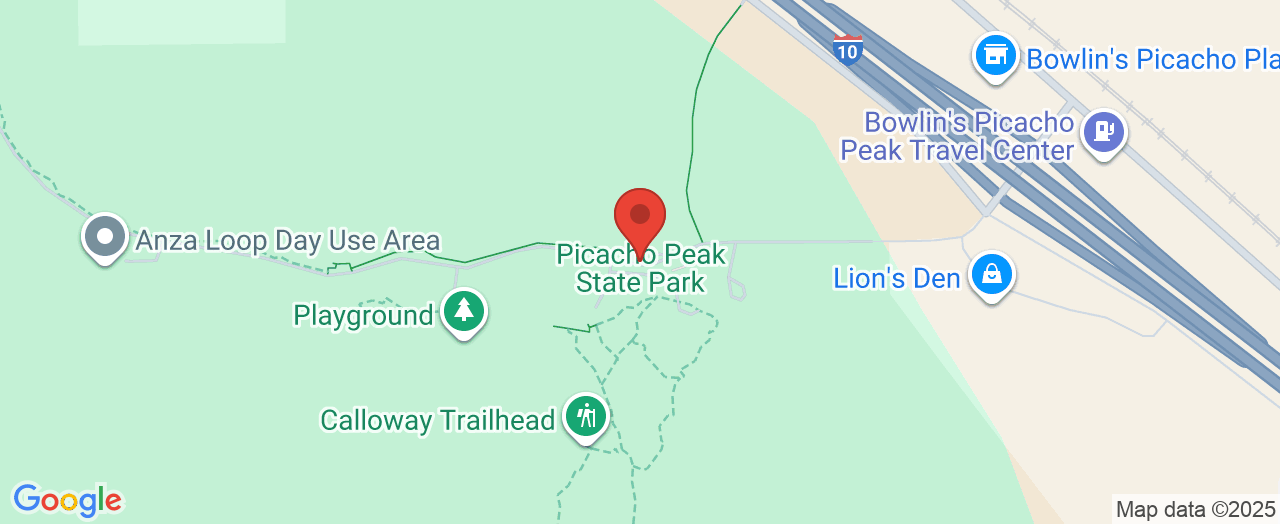
📍 Address: 15520 Picacho Peak Rd, Picacho, AZ 85141, USA
📞 Phone: +1 520-466-3183
🌐 Website: https://azstateparks.com/picacho/
Picacho Peak State Park Location and Hours
🕒 Hours of Operation:
📅 Monday: 5:00 AM – 8:00 PM
📅 Tuesday: 5:00 AM – 8:00 PM
📅 Wednesday: 5:00 AM – 8:00 PM
📅 Thursday: 5:00 AM – 8:00 PM
📅 Friday: 5:00 AM – 8:00 PM
📅 Saturday: 5:00 AM – 8:00 PM
📅 Sunday: 5:00 AM – 8:00 PM


Write A Comment