




The Forgotten Voices Echoed in Indian Wars Artifacts
Imagine standing inside an old army fort, surrounded by the original walls where soldiers and scouts once planned for uncertain tomorrows, unsure if peace or conflict awaited. The physical relics and everyday objects left behind from the Indian Wars aren’t just collections of metal, glass, and cloth—they are silent witnesses to a period that shaped the Southwest and the country at large. Each artifact is a preserved piece of history, offering small but powerful glimpses into the realities of life on the Arizona frontier during the late 1800s. Yet, many people aren’t aware of just how much hidden meaning and history these objects hold.
The value of exploring Indian Wars artifacts extends far beyond their immediate visual appeal. While some may see only weathered uniforms, faded photographs, or rusting tools, these items represent a critical era of American transformation, hardship, and cultural collision. By delving into the stories attached to these artifacts, one confronts complex narratives of cooperation and conflict, adaptation and survival. Understanding the real significance of Indian Wars artifacts brings to light the human experiences—sometimes heroic, sometimes tragic—that have often been overshadowed by broader historical narratives. For anyone interested in how we remember, interpret, and learn from the past, unraveling the stories behind these treasures is not just valuable—it’s essential.
Pieces of the Past: What Indian Wars Artifacts Really Reveal
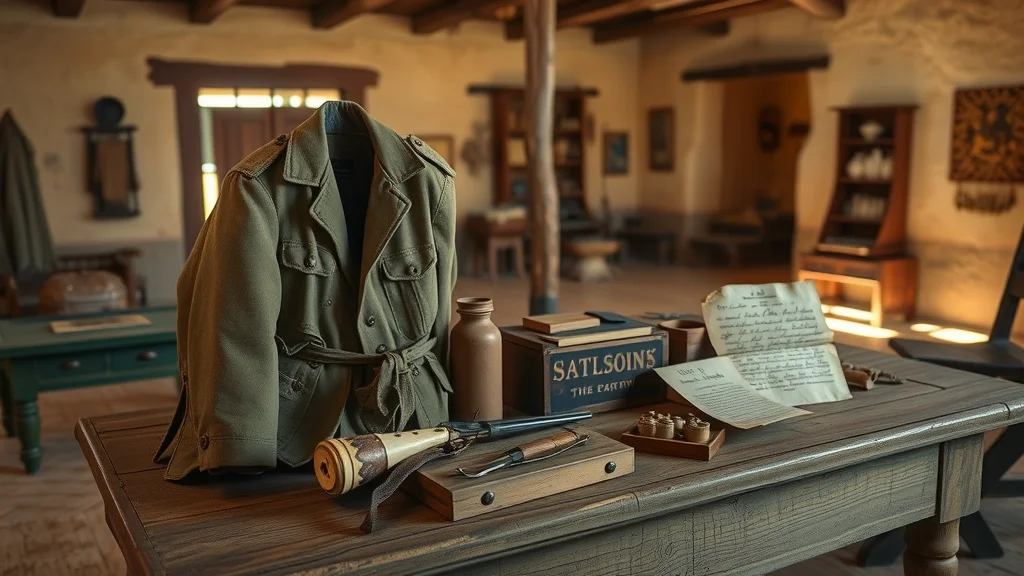
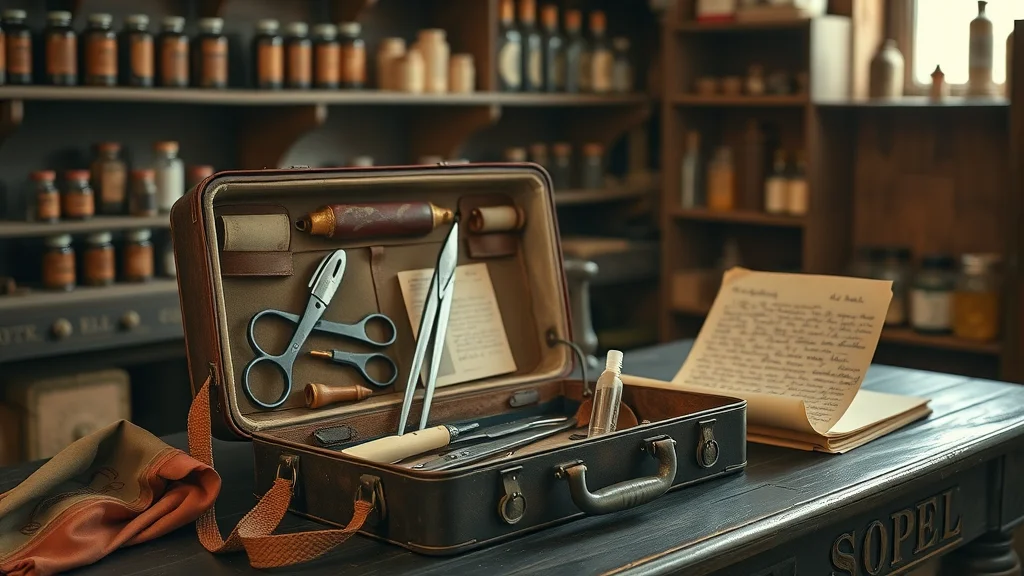
Indian Wars artifacts, preserved today in museums and historic parks, are more than relics from military skirmishes or bygone days; they are tangible links to the personal lives, struggles, and ingenuity of those who shaped the American West. Whether found in the form of a military jacket, a medical kit used by a fort physician, or a hand-written note from a scout, these items reveal an intricate tapestry of everyday life, survival skills, and cultural adaptation in a turbulent era. Each artifact can challenge or confirm what we know—or think we know—about the people who occupied the frontier, be they soldiers, scouts, doctors, or local families.
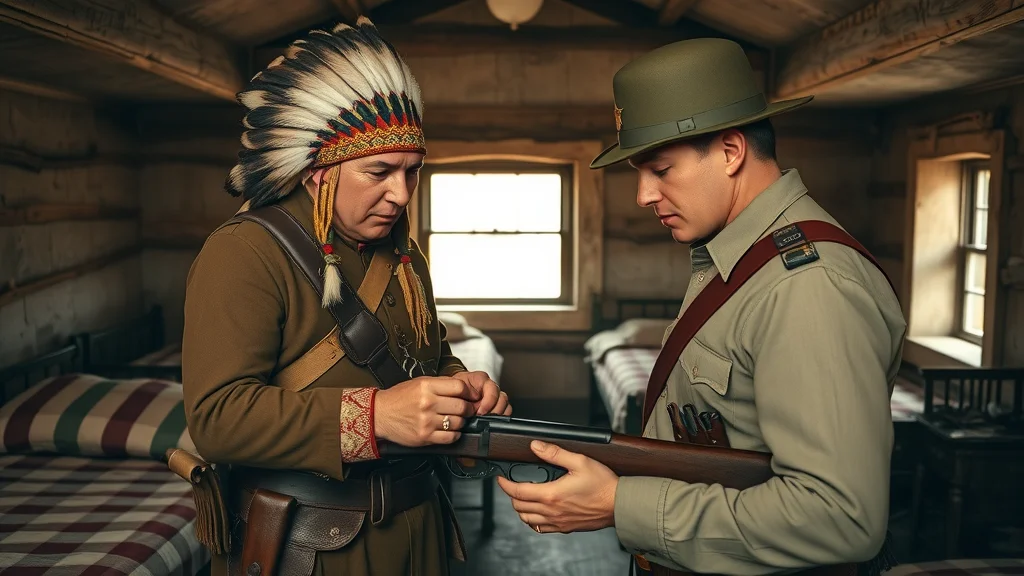
Many overlook the depth that lies beneath the surface of these artifacts, focusing solely on their age or rarity. Yet, an ivory-handled surgical tool may speak volumes about the advancements and limitations of battlefield medicine, while a battered bugle or tattered flag hints at the broader military strategies and emotional burdens carried by those stationed at remote outposts. Ignorance of the context behind Indian Wars artifacts can lead to misunderstandings, perpetuating stereotypes or glossing over the pivotal roles played by Native American scouts, civilian families, and support staff. In understanding these artifacts, visitors not only gain insight into military tactics and fort life but also confront narratives of collaboration, resilience, and cultural exchange often missing from textbook history.
How Examining Indian Wars Artifacts Breaths Life Into the Past
Through expertly curated displays, Fort Verde State Historic Park enables visitors to move beyond surface-level facts and engage with the lives once lived in these historic spaces. Hands-on events and immersive exhibits, spread across three original buildings, showcase Indian Wars artifacts in their truest context: not locked in glass cases, but as part of reconstructed rooms filled with period furniture and authentic tools of the trade. Here, artifacts become more than static museum pieces—they transform into storytelling vessels, helping to reimagine the human experiences of frontier Arizona.
By encountering everything from medical kits to soldiers' personal effects and crafts made by scouts, visitors come away with a clearer grasp of the daily realities faced by those on both sides of the Indian Wars. The fort’s focus on dynamic, living history—through tours, seminars, and special events—demonstrates the ongoing value of close engagement with the past. For anyone seeking a deeper connection to America’s frontier heritage or a nuanced perspective on the relationships between Native Americans, military personnel, and settlers, these artifacts offer not just answers but provocative questions, and the opportunity to empathize with individuals whose stories might otherwise remain unheard.
Why Live Demonstrations and Authentic Artifacts Make History Memorable
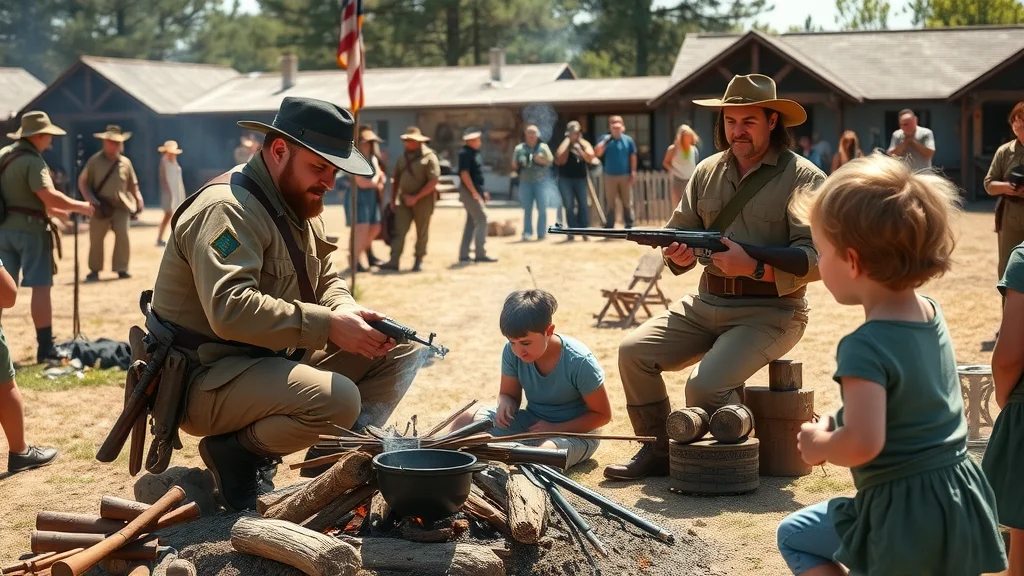
Unlike simple displays or static museum exhibits, the living history programs at Fort Verde State Historic Park breathe tangible life into the Indian Wars era. On select days, re-enactors dressed in accurate clothing demonstrate military drills, 19th-century cooking methods, and even the discipline and hardship of a post doctor’s rounds. During annual events like Fort Verde Days or Living History Day, guests witness artillery demonstrations and can even try their hand at Dutch oven cooking—a direct link to the skills of survival practiced by soldiers and scouts. Each artifact used or displayed in these events reinforces the authenticity and depth of learning, making abstract history immediate and memorable.
The value of these interactive experiences lies in their power to turn passive observation into active understanding. Seeing, touching, and sometimes even smelling the tools and clothing of the Indian Wars drives home the scale of challenges that shaped day-to-day life in Arizona’s Verde Valley. When history is anchored in the weight of real objects and the energy of present-day interpreters, its lessons become more accessible and meaningful. Anyone, whether a lifelong history enthusiast or a curious family on their first visit, can find themselves imagining what it might have felt like to stand guard at the fort, to heal the wounded, or to navigate shifting allegiances in a world forever on the edge of conflict and change.
From Forgotten Artifacts to Living Legacies: Connecting Arizona’s Past and Present
The transformation of everyday relics into rich sources of historical insight is a process that continues to unfold at Fort Verde State Historic Park. Exhibits that focus on the diverse backgrounds of Army scouts, including many Native Americans who played pivotal but often underrepresented roles, challenge assumptions and deepen collective memory. Historic house museums furnished with artifacts from the 1880s invite visitors to glimpse family life behind fort walls—shining a light on the resilience of women, children, and support staff, whose contributions are often overshadowed by battle accounts in history books.
This unique layering of military, medical, and domestic artifacts fosters a holistic understanding of Arizona’s transformation during the Indian Wars period. By exploring both the grand and the granular—the celebrated flag on the parade field and the humble doctor’s satchel—visitors gain a sense of continuity between yesterday’s challenges and today’s values of community and adaptation. In this way, what might once have seemed like isolated relics become part of a living legacy, connecting present-day Camp Verde to the broader patterns of American history.
How Interactive Exhibits Ignite Curiosity and Understanding
The interpretive approach adopted at Fort Verde State Historic Park ensures that visitors are not passive recipients of historical facts, but active participants in discovery. Immersive videos, informative signage, and authentic reconstructions guide guests through a range of experiences, from the barracks where soldiers prepared for patrol to the rooms where families weathered the anxieties of a remote posting. The park goes further by highlighting both cooperation and conflict between the U.S. Army and local tribes, contextualizing the complex roles played by Indian scouts in a period often oversimplified in popular narratives.
For younger visitors or those new to the subject, these interactive displays demystify the Indian Wars and provide relatable entry points—like the opportunity to “meet” historical figures through re-enactors or watch period-specific demonstrations of skills that were essential to survival. The use of artifacts as evidence and inspiration encourages guests not just to memorize dates, but to embark on their own investigations, fostering both historical empathy and critical thinking. Through this approach, the park exemplifies how education about the Indian Wars doesn’t have to be remote or difficult; it can be hands-on, emotional, and deeply relevant to anyone interested in Arizona’s past.
Fort Verde State Historic Park’s Enduring Contribution to Indian Wars Artifacts Interpretation
Fort Verde State Historic Park grounds its mission in preserving and interpreting the multi-faceted stories of the Indian Wars period with thoughtfulness and accuracy. Their dedication to maintaining original buildings, curating period-correct displays, and fostering community engagement through regular events elevates the park as a vital resource for historical learning. This commitment is evident in their use of authentic artifacts housed in three museum buildings and in their immersive programming that brings frontier history to life.
By focusing on both the heroics and hardships of daily life—from Army medical practices to the cultural contributions of Native scouts—Fort Verde models a comprehensive and inclusive approach to interpreting Indian Wars artifacts. Their programming doesn’t shy away from the difficult questions and realities of the past but instead invites visitors to reflect on the complexity of Arizona’s settlement and its ongoing relevance. The park stands as a testament to the value of preserving not just artifacts, but the stories and perspectives critical to a fuller understanding of local and national history.
Whether through seasonal celebrations like Victorian Christmas or engaging educational seminars, the park’s philosophy centers on the belief that history is best experienced up close, through direct interaction with the spaces and objects that shaped real lives. In this way, Fort Verde State Historic Park permanently enriches the broader conversation about Indian Wars artifacts and their enduring significance.
The Power of Experience: What Visitors Say About Indian Wars Artifacts
Firsthand accounts often reveal just how impactful a visit to Fort Verde State Historic Park can be for understanding Indian Wars artifacts. For many, the chance to engage with these objects—and the stories they represent—transforms abstract concepts into living memory, creating a bridge between past and present.
Fort Verde State Historic Park presents what life was like in Arizona, early in its history - including Indian wars.We spent about an hour in the main building, walking through a number of rooms and browsing the various exhibits depicting life, especially military life in Arizona in its early days.Many wartime artifacts are on display across many discipline from doctoring, to soldiering and more.In the last room of the main building, a video plays on a loop. The video is about Indians in Arizona and how they were involved in wars and especially how many of them helped the white man’s army.It was too hot to visit the other 2 buildings across the street today, as they are not air conditioned, so we’re not sure what’s in them.We did enjoy our visit.
This visitor’s experience highlights how accessible and meaningful the displays are, encompassing not only the variety of artifacts but also the broader cultural narratives at play. Their satisfaction underscores how history—when thoughtfully presented—can be both educational and deeply moving. For anyone seeking to engage more fully with the reality of Arizona’s Indian Wars and to see history made visible in the objects left behind, taking the time to explore these artifacts is an investment in appreciating and understanding the past.
Why Indian Wars Artifacts Remain Vital to Arizona’s Ongoing Story
As new generations seek to understand the roots of Arizona’s cultural landscape, Indian Wars artifacts serve as critical waypoints in building those connections. Through careful stewardship, Fort Verde State Historic Park ensures that the lessons and experiences tied to these objects remain accessible and significant, not just for history buffs, but for anyone curious about where we come from.
By situating Indian Wars artifacts within original spaces and anchoring their stories in both military and civilian life, the park affirms the power of relics to inspire reflection, inquiry, and dialogue. Their contribution to public education and preservation efforts cements their status as an authority in the thoughtful interpretation of Arizona’s frontier era. Ultimately, appreciating Indian Wars artifacts means understanding the past not as distant or finished, but as a living dialogue—still shaping the identities and values of Arizona’s communities today.
Contact the Experts at Fort Verde State Historic Park
If you’d like to learn more about how Indian Wars artifacts could benefit your understanding of Arizona’s history, contact the team at Fort Verde State Historic Park.
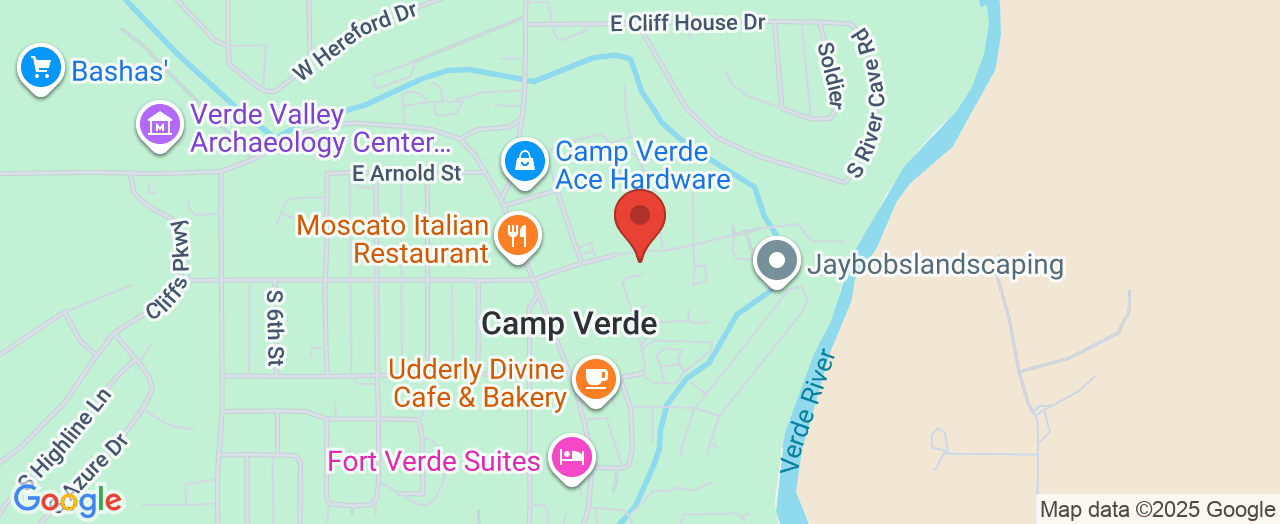
📍 Address: 125 E Hollamon St, Camp Verde, AZ 86322, USA
📞 Phone: +1 928-567-3275
🌐 Website: https://azstateparks.com/fort-verde
Fort Verde State Historic Park Location and Hours
📅 Monday: 9:00 AM – 4:30 PM
📅 Tuesday: 9:00 AM – 4:30 PM
📅 Wednesday: 9:00 AM – 4:30 PM
📅 Thursday: 9:00 AM – 4:30 PM
📅 Friday: 9:00 AM – 4:30 PM
📅 Saturday: 9:00 AM – 4:30 PM
📅 Sunday: 9:00 AM – 4:30 PM




Write A Comment