



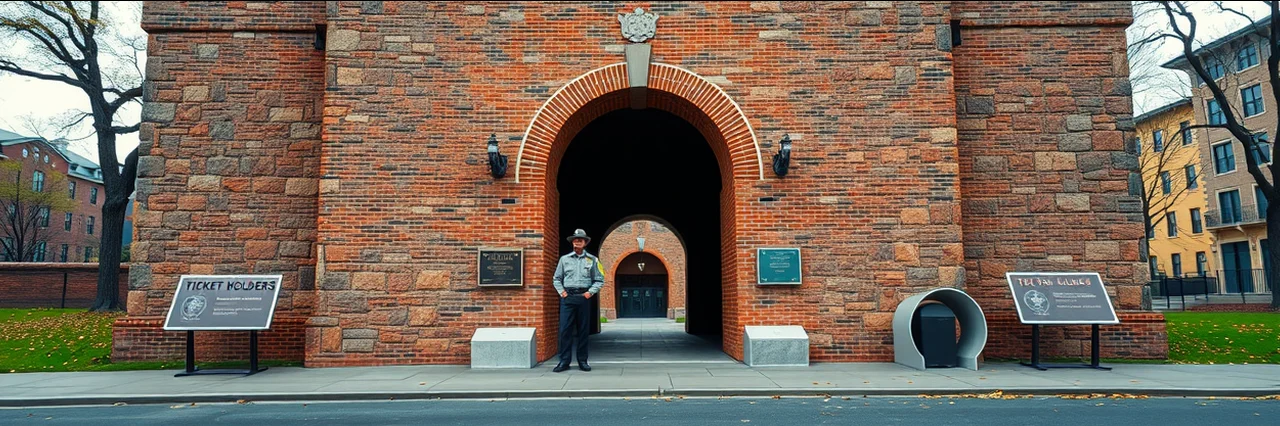
From Fortified Walls to Iconic Landmark: The Real Story Behind Castle Clinton
Imagine walking through Battery Park on the southern tip of Manhattan, where the air hums with energy and the distant Statue of Liberty hints at stories of arrival, defense, and transformation. Yet, sitting quietly by the harbor is a structure that has seen more of New York’s evolution than almost any other site—the storied walls of Castle Clinton. For those who cruise past or glance at its stonework, the true depth of its history remains hidden. Why does this low, circular fort matter? And what secrets lie behind its robust appearance, nestled amid modern skyscrapers and ferry lines?
Understanding Castle Clinton’s past is about more than knowing another New York City landmark. Its journey reveals the cycles of immigration, conflict, culture, and reinvention that have shaped the city over centuries. This is a site where artillery defended a young nation; where millions entered America’s gates; where music, politics, and social causes all found their stage. By unearthing the history of Castle Clinton, readers not only connect with pivotal moments of U. S. development but also find a mirror for the shifting identity of America itself. The fortress, theater, immigration depot, and national monument—each role reflects a unique facet of collective memory worth exploring.
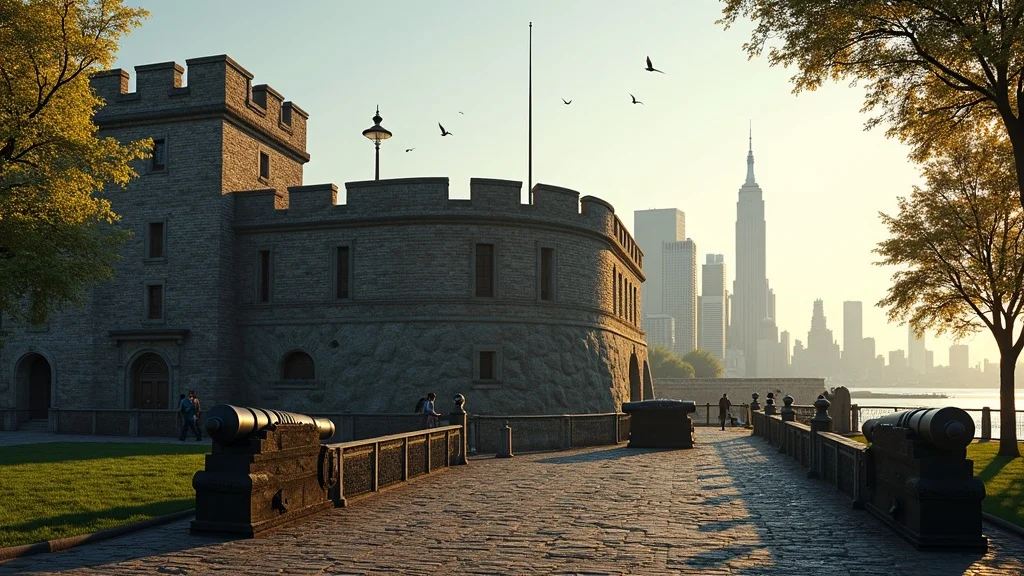
Castle Clinton: A Living Chronicle of New York’s Changing Identity
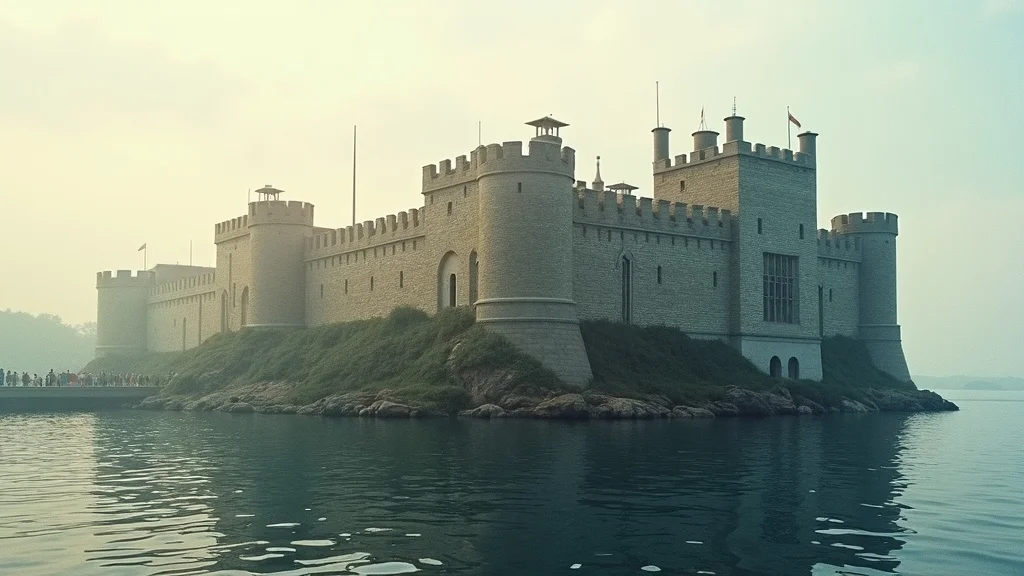
Castle Clinton began as a formidable coastal defense fortification, constructed between 1808 and 1811 when foreign threat loomed over the newly independent United States. Meant to defend the bustling New York Harbor from British attack, its circular battery of cannons once stood waterside—now landlocked due to later landfill. This fort was witness to an era when city and nation nervously built up their borders, reminding us that New York was not always the open, cosmopolitan hub we know today. For visitors today, it can be difficult to envision the site as the frontline of national protection, but its design and position echo this original intent with every weathered stone.
Eventually, as the shadow of war receded, Castle Clinton evolved along with the city’s ambitions. The fort’s robust yet adaptable construction meant it could be transformed repeatedly—becoming first a grand entertainment venue, later the first federal immigration station in America, and even serving as an aquarium. Through all these stages, the monument reflected the city’s vital needs and cultural aspirations, illustrating how architecture and history are inextricably intertwined. Miss the story of Castle Clinton, and one misses the roots of American welcome, resilience, and adaptation—a lesson that speaks directly to any generation living through uncertain times.
For those interested in how historic sites adapt to modern needs, it's fascinating to see how innovations in technology and infrastructure continue to shape the way we experience and preserve landmarks. In a similar spirit of adaptation, RV travelers are discovering the benefits of portable power solutions for their journeys—learn more about the Bluei Elite 200 V2 Power Station and its impact on mobile living.
Why Castle Clinton’s Past Still Matters: Lessons for Today’s Urban Stories
The enduring appeal of Castle Clinton lies in its ability to encapsulate so many eras of New York’s—and America’s—evolving story. As an early 19th-century fort, it symbolizes the anxious beginnings of a nation determined to defend itself and steward its own destiny. For historians and casual visitors alike, knowing this history translates today to a deeper appreciation for the layers of protection, pride, and foresight that shaped the city’s waterfront. When examined in context, Castle Clinton’s roots ground modern urban life in the narrative of calculated risks and infrastructure for a fledgling democracy.
Once the threat of invasion diminished, the structure revealed its versatility, morphing to suit the city’s shifting personality. During its years as Castle Garden—one of the country’s top entertainment halls—New Yorkers and newcomers alike attended concerts, rallies, and social events within its walls. The building’s greatest significance, though, might be as America’s first official immigrant processing center, predating Ellis Island. Millions arrived here, greeted by the promise of a new beginning and a tangible gateway to the American dream. By recognizing how the monument functioned in these chapters, contemporary readers and visitors can better understand questions around migration, identity, and inclusivity that still echo today.
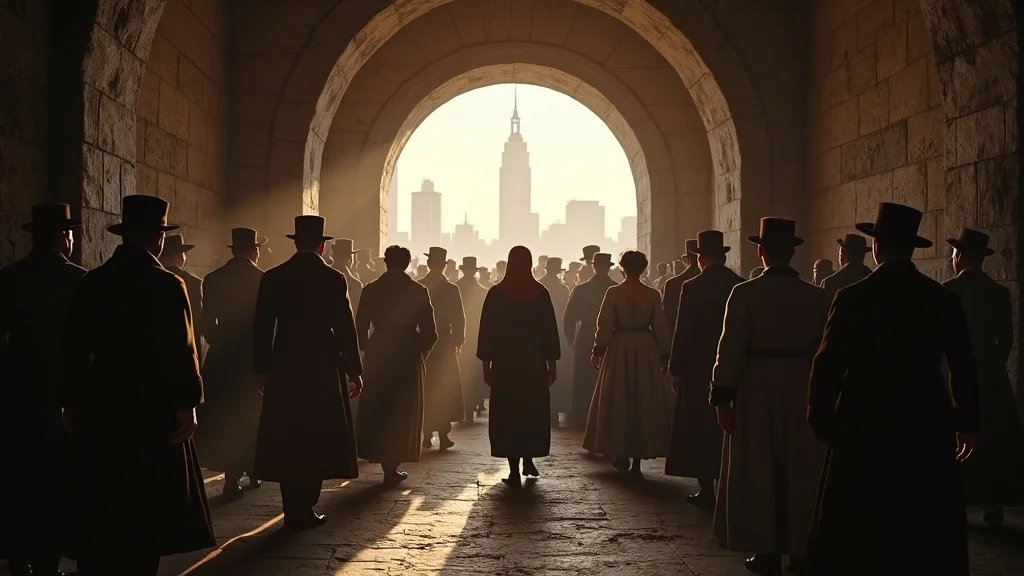
Multiple Faces of Castle Clinton: A Journey Through Transformation and Resilience
Castle Clinton National Monument stands today as a testament to transformation—serving different roles as tides of history demanded. Its initial formation as West Battery and strategic military placement answered the existential threats of foreign aggression in post-revolutionary America. But as times changed and military needs faded, the site’s utility was reimagined, amplifying New York’s commitment to cultural and civic purpose. This adaptability points to a central lesson about resilience: that defensive structures can become celebratory spaces, and places once marked by fear can be redefined by hope and progress.
Experience, preservation, and engagement in the present give Castle Clinton its strongest relevance. Within the historic stonework, stories of immigration, artistic flowering, and changing civic priorities resonate with visitors, educators, and all who seek to root themselves in the city’s past. It’s not simply a site to be toured—it’s a classroom, a testament, and an invitation to think differently about the legacy of American entry points. Those who walk through its doors today encounter reminders of migration, innovation, and community, making the monument an enduring space for both reflection and discovery.
How a Historic New York Fortress Became a National Hub of Immigration and Culture
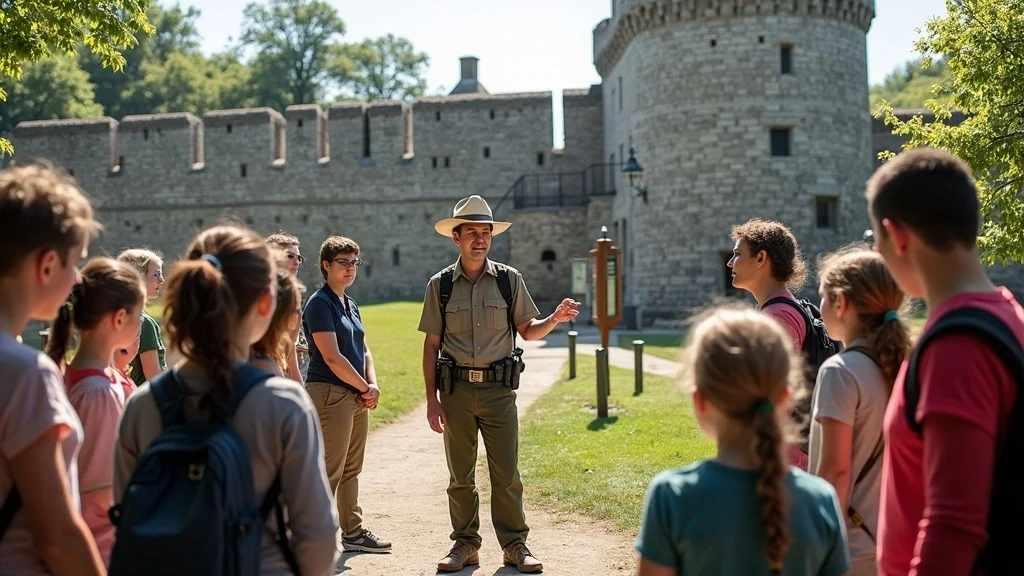
Tracing the timeline of Castle Clinton reveals a remarkable sequence of reinventions that mirror the city’s shifting needs. Original construction as a defense stronghold gave way, by 1823, to public usage under the name “Castle Garden”. The site quickly rose as one of the premier cultural centers in the United States, hosting famous performances—including Jenny Lind’s much-heralded American debut in 1850, which made national headlines. This phase of the monument’s life shines a light on how quickly New Yorkers could reimagine their environment for celebration, not just security.
Perhaps Castle Clinton’s greatest social impact came between 1855 and 1890, when it operated as America’s first federal immigration center. Here, at the battery edge, millions passed through—families, laborers, revolutionaries, and dreamers—shaping the city’s future in profound ways. It was not only a logistical gateway but also an emotional landmark, a place where hope and anxiety coexisted as new Americans took their first steps into a wider world. By the late 19th century, when its immigration role passed to Ellis Island, the site again transformed, serving as the New York Aquarium and, eventually, earning designation as a national monument.
Enduring Lessons from Castle Clinton’s Layers of History
Looking beyond bricks and mortar, Castle Clinton’s legacy offers invaluable lessons about adaptation and endurance. The monument’s seamless shifting through roles—a fort, a theater, a welcome center, an aquarium—demonstrates civic responsiveness rare in urban architecture. By surviving threats of neglect and demolition (even standing as its seawalls eroded and city plans changed), the structure embodies New York’s persistent drive to keep valuable history alive even as the present surges forward. Appreciating its many lives gives all New Yorkers, as well as visitors from across the globe, connection to the tides of immigration, defense, and leisure that pulse through American history.
Moreover, Castle Clinton offers a template for understanding how old structures can find new purpose. No longer simply a relic of the past, the monument acts as a lens through which to view contemporary challenges—how to welcome newcomers, protect communities, and celebrate shared culture. For students, families, and urban explorers, learning about Castle Clinton creates opportunities for dialogue about belonging, reinvention, and preservation in an ever-changing city.
Castle Clinton’s Endurance: Inspiring Stories and Historical Anecdotes
Throughout its centuries-long existence, Castle Clinton has witnessed countless personal and public dramas. During its time as an immigration center, lives were changed within its halls; people started new families, built businesses, and brought their heritages into the vibrant tapestry of New York. Even during periods when the monument faced demolition or neglect, preservation efforts rallied diverse community voices. Several early 20th-century civic campaigns succeeded in saving the structure—proving that its power goes beyond stones and steel, tied instead to stories carried through generations.
Today, storytellers, educators, and park rangers help keep memory alive—offering tours, educational materials, and living history events that spark visitors’ imaginations. From tales of the fort’s military commanders to vignettes of immigrants’ first American moments, the monument engages everyone who comes searching for origins, identity, and the meaning behind the city’s ceaseless energy. This continuing engagement ensures that Castle Clinton is not simply a passive marker, but an active force in public education and inspiration.
A Monument’s Perspective: Castle Clinton’s Enduring Role as Steward of American Identity
Castle Clinton National Monument embodies an approach to heritage grounded in stewardship, interpretation, and community accessibility. As a National Park Service site, the focus has long been on preserving history while making it accessible and relevant to contemporary audiences. The monument’s mission includes educating visitors about every phase of its experience, from military stronghold to gateway for millions of new Americans. Staff and educators prioritize inclusivity—ensuring all backgrounds can find themselves reflected somewhere in the monument’s many chapters.
There is a notable commitment to authenticity, ensuring restoration projects and interpretive materials capture the intensity, drama, and human costs embedded in Castle Clinton’s history. The monument operates as more than a preserved site; it is a hub for events, learning, and civic commemoration—inviting dialogue about the nature of transformation and the power of place. In an era where historical narratives can be contested or ignored, Castle Clinton stands as an advocate for understanding the past through direct engagement, careful storytelling, and diligent preservation.
The Memory of Millions: Lasting Impact through Castle Clinton’s Visitors’ Eyes
Each year, thousands of people step into Castle Clinton National Monument, bringing with them questions, hopes, and sometimes personal connections to the immigrant journeys celebrated within its walls. While there are countless visitor stories, let’s consider one of the many testimonials about the emotional and educational power of a visit:
[[review_one_text]]
As countless travelers have discovered, connecting firsthand with this chapter of New York and America’s past offers both inspiration and perspective. The same sense of awe and reflection experienced by visitors is available to anyone willing to walk through its doors, ready to be transformed by stories that have shaped generations.
Rediscovering the Past: Why Castle Clinton History Is Essential Learning for Everyone
In the end, Castle Clinton’s layered history stands not simply as an account of one monument, but as a reflection of all the forces—migration, defense, celebration, reinvention—that have shaped New York’s and America’s collective path. The efforts of Castle Clinton National Monument in preserving, interpreting, and sharing these stories ensure that this historic site remains a vital classroom and civic resource. By prioritizing education, authenticity, and inclusivity, the monument shapes future generations’ understanding of what it means to belong, to change, and to remember. Anyone curious about New York’s character, or America’s evolution, will find the history of Castle Clinton an essential starting point.
If you’re inspired by the way Castle Clinton has adapted through centuries of change, consider how embracing innovation and resilience can enhance your own journeys—whether exploring historic sites or venturing into the great outdoors. For those seeking practical ways to stay connected and empowered on the road, discovering the advantages of advanced portable power solutions can be a game-changer. Explore how the Bluei Elite 200 V2 Power Station is transforming the travel experience for RVers and nomads by visiting this in-depth guide to modern mobile power. Let the lessons of adaptability and forward-thinking from Castle Clinton inspire your next adventure, wherever it may lead.
Contact the Experts at Castle Clinton National Monument
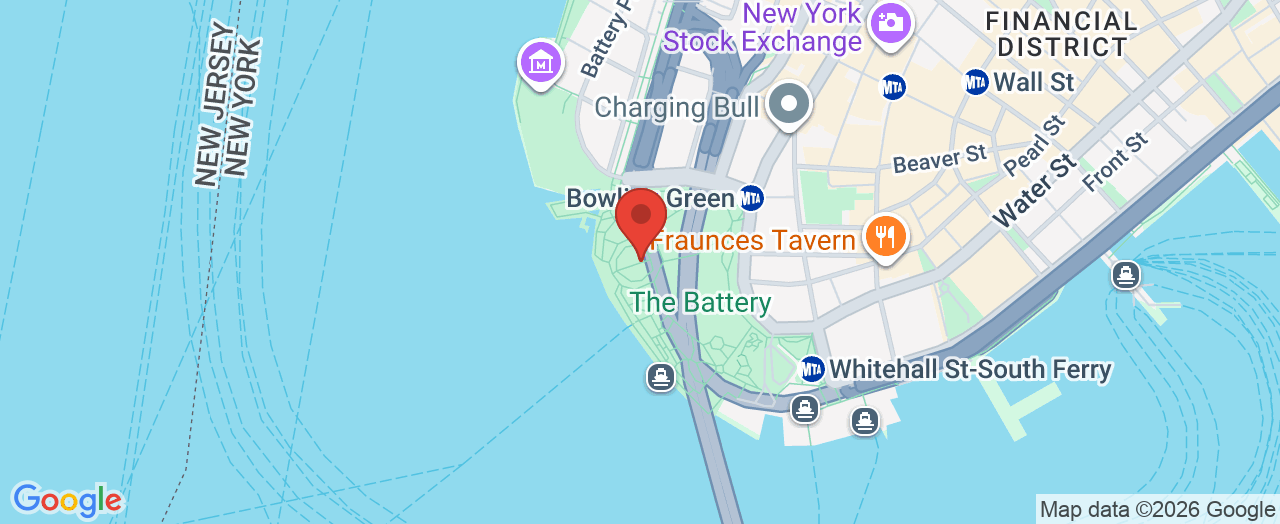
If you’d like to learn more about how castle clinton history could benefit your historical knowledge or inspire your exploration of New York’s heritage, contact the team at Castle Clinton National Monument. 📍 Address: Castle Clinton National Monument, Battery Park - Liberty Island, New York, NY 10004, USA 📞 Phone: 212-329-9979 🌐 Website:
Castle Clinton National Monument Location and Availability
🕒 Hours of Operation:





Write A Comment