



Why Rubicon Trail Access Matters More Than Ever in California
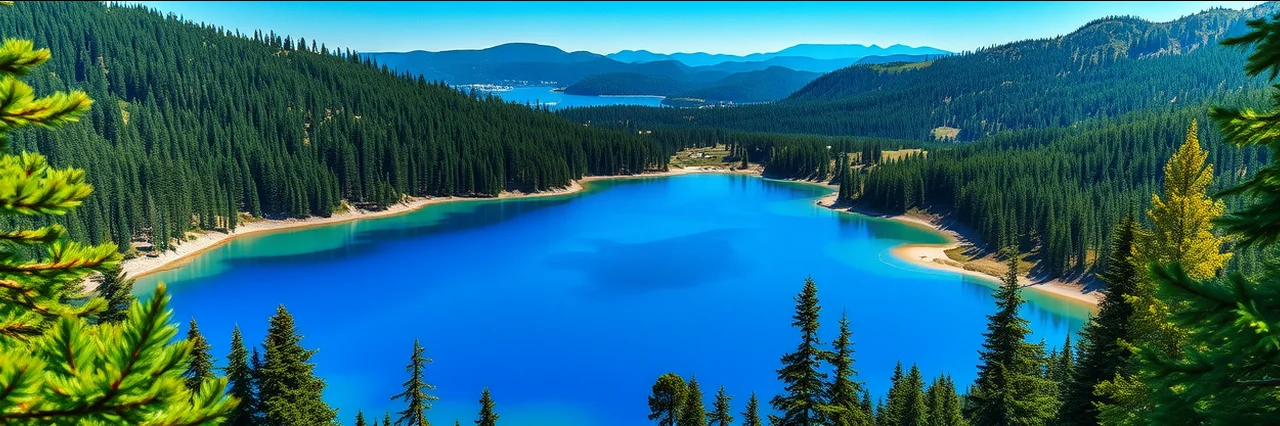
Tucked along the western edge of Lake Tahoe, the Rubicon Trail is more than just a legendary route for off-highway vehicles and hikers—it's a gateway to some of California's most treasured natural wonders. As outdoor recreation surges and wild landscapes become sanctuaries from rapid urbanization, understanding how to access the Rubicon Trail is vital for anyone who seeks adventure or simply values the state’s unique biodiversity. However, getting to and responsibly enjoying this iconic trail isn’t always as straightforward as it seems. Regulations, environmental considerations, and seasonal changes can all impact your plans, leaving both first-timers and seasoned trail users with important questions about access and stewardship.
The Rubicon Trail winds through forests, hugs stunning lakeside cliffs, and links adventurers with both natural beauty and vital California history. Yet, the increasing pressure on public lands, climate-related disruptions such as wildfires and drought, and evolving access rules demand more thoughtful preparation than ever before. How you access, experience, and preserve the Rubicon Trail today not only affects your own journey but also shapes the future of outdoor recreation for generations to come. This guide unpacks the essentials of Rubicon Trail access, empowering you with relevant information to explore safely while honoring the legacy and value of these California landscapes.
Rubicon Trail Access Demystified: What Every Explorer Should Understand
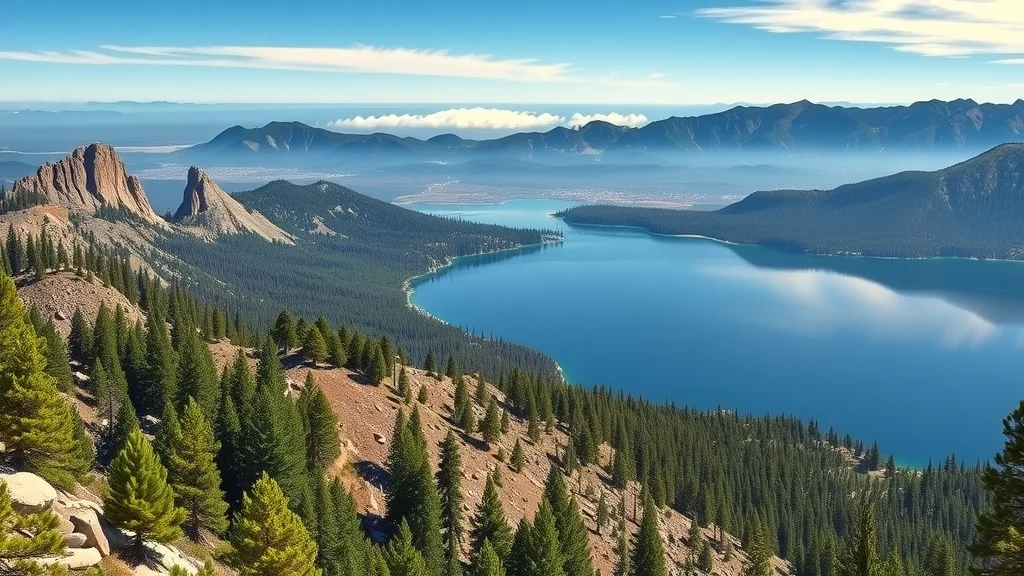
Rubicon Trail access has become a topic of intense interest—not just for adrenaline seekers piloting 4x4 vehicles, but also for hikers, families, and history enthusiasts looking to experience a slice of pristine California wilderness. The trail, famous for weaving through scenic forests and along rocky ridges, cuts across different land jurisdictions, with much of its route supported and maintained by California State Parks. Exploring this corridor means respecting both the rugged conditions of the path and the access protocols established to protect sensitive ecosystems. While the trail offers a rare chance to lose yourself in nature, the need for preparedness is critical. Lacking clear understanding of open hours, trail conditions, and environmental guidelines can derail even the most carefully planned outdoor excursions.
Access issues aren’t just logistical—they’re also tied to sustainability and inclusivity. For those unfamiliar with California’s mission to broaden “outdoor recreation offerings and better serve the diverse and growing population,” entry to places like the Rubicon Trail represents more than a personal challenge: it’s an opportunity to engage with the state’s commitment to stewardship, accessibility, and cultural diversity. However, with variable park hours, seasonal closures, and climate change threats on the horizon, failing to understand the realities of Rubicon Trail access can lead to missed experiences and unintentional harm to protected landscapes. By staying informed and making conscious choices, every visitor can play a role in preserving both the magic and the accessibility of this California icon.

How Responsible Rubicon Trail Access Benefits All Californians
Thoughtful access to the Rubicon Trail yields benefits that extend far beyond a single hike or off-highway adventure. Drawing from the expertise and stewardship philosophy that guides California State Parks, once you recognize how trail access fits into a larger mission of protecting natural and cultural resources, your visits become part of a bigger story. For example, day passes—such as the $10 entry cited by trail goers—are not only convenient for park hoppers but also fuel conservation, infrastructure improvement, and educational initiatives that ensure lasting enjoyment for all.
Enhanced trail access also means safer, more inclusive experiences. Recognizing that “everyone—including visitors with disabilities—has access to the natural and cultural wonders” of the parks, California has invested in technology and planning for changing landscapes. Whether you use apps like OuterSpatial to find the best trail segments, tap into interpretive events celebrating California’s rich heritage, or rely on clear signage and seasonal guidance from knowledgeable park personnel, responsible access turns your outing into a safer, more meaningful journey. These intentional efforts help create a welcoming environment where diverse communities can connect with nature, gain inspiration, and rediscover the value of California’s wild places.
The Journey of Rubicon Trail Access: From Rugged Origins to Statewide Inspiration

The Rubicon Trail’s reputation as a challenging overland route is steeped in adventure lore, but its evolving access story reveals much about California’s broader commitment to public land stewardship. Decades ago, rugged 4x4 pioneers braved the trail’s granite slabs, unknowingly setting a template for future recreational planning. Over time, cooperation among local agencies, nonprofits, and the California State Parks system has transformed mere access into a carefully balanced act: preserving ecological integrity while welcoming broader participation. The trail now stands as both a touchstone of history and an example of adaptability in the face of changing public needs and environmental realities.
Celebrating milestones like California’s 175th anniversary and leveraging contemporary tools—such as virtual and augmented reality apps or immersive park events—the trail’s evolving approach to access offers inspiration for those seeking connection with this storied landscape. Understanding the journey behind today’s Rubicon Trail access helps each visitor appreciate what it takes to keep such treasures open and meaningful for everyone.
Navigating Seasonal and Environmental Changes on the Rubicon Trail
Access to the Rubicon Trail is not static: it’s subject to natural cycles, weather disruptions, and ongoing land management. Drought, wildfire, and substantial snowfall all have a direct impact on trail conditions and open hours, sometimes leading to closures or restricted vehicle access for environmental restoration. Staying up to date is essential—using official channels, checking for real-time updates from California State Parks, and heeding any advice regarding fire risk or water use ensures not just personal safety but broader ecological balance.
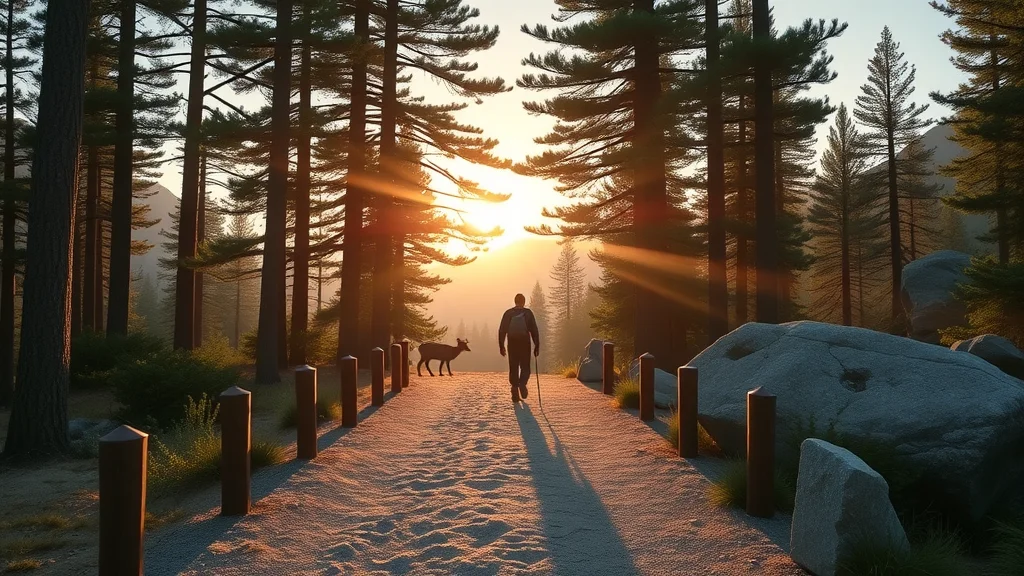
California State Parks’ transparent communication on climate challenges highlights how each visitor can play a part in sustainable recreation. Learning when (and when not) to travel the trail, packing in extra water as recent reviewers suggest, and following established leave-no-trace guidelines are tangible steps that both protect the trail and extend its life for future generations. Ultimately, adjusting your approach based on environmental realities is as much a part of the adventure as the journey itself.
Tips for Planning a Stress-Free and Rewarding Rubicon Trail Visit
Preparation is the key to unlocking a safe and satisfying Rubicon Trail experience. Begin by confirming park hours—such as those for D. L. Bliss State Park, which runs daily between 7:30 AM and 8:00 PM—and checking real-time alerts online or via reservation systems like ReserveCalifornia. Day passes provide flexible access, and using modern tools like interactive maps or mobile apps can help you choose appropriate trailheads, monitor crowd levels, and navigate to less congested parking options.
Bringing plenty of water, understanding what facilities are (and are not) available, and respecting posted guidelines all contribute to a rewarding and headache-free day. Whether you’re hiking to Emerald Bay or stopping by scenic viewpoints, your focus on preparedness and responsible recreation ultimately enriches both your visit and the trail itself.
California State Parks’ Commitment: Safeguarding Access for Today and Tomorrow
At the heart of California State Parks’ mission is a promise: to “provide for the health, inspiration and education of the people of California by helping to preserve the state's extraordinary biological diversity, protecting its most valued natural and cultural resources, and creating opportunities for high-quality outdoor recreation.” This perspective guides all efforts around Rubicon Trail access—balancing public use with careful oversight and an unwavering dedication to cultural and biological heritage. Innovative steps, from supporting accessibility initiatives to investments in new apps and interpretive events, reflect the state’s dedication to making outdoor experiences available and relevant to everyone, including future generations.
The approach goes beyond simple maintenance or regulation. California State Parks actively seeks solutions to complex challenges posed by wildfires and climate change, ensuring the Rubicon Trail remains both resilient and welcoming. From diverse grants that renovate and expand local parks to ongoing efforts toward reexamining the state’s historical narratives, the organization’s stewardship ensures that remarkable places like the Rubicon Trail can inspire both newcomers and seasoned explorers year after year.
What Visitors Are Saying: Real Experiences on the Rubicon Trail
Nothing illustrates the rewards of trail access better than firsthand stories from those who have experienced it. For many, the Rubicon Trail—and the broader park system that supports it—represents the pinnacle of California’s outdoor offerings. Here, one visitor shares an experience that highlights the value of planning ahead and embracing the area’s natural wonders:
This tops my list of state parks followed by Custer in South Dakota. The water is truly amazing and the opportunity for photos never ends. We hiked to emerald bay and back....took a good chunk of day. But the beautiful trail through the park was awesome the whole time. If you see the pictures of this park they are legit and worth a view in person. $10 to get in on a day pass which is good for all CA State Parks according to the guy we paid. One of the beaches had very few boulders in the water so that's the best for swimming but all of it is beautiful!!
The combination of natural beauty, well-managed access, and simple amenities like day passes makes the journey both attainable and memorable for all ages. As more visitors share their successful adventures, it becomes clear that responsible Rubicon Trail access opens the door to unforgettable sights, physical challenges, and lasting connections with California’s wild heritage.
Rubicon Trail Access: A Model for Recreation, Education, and Environmental Stewardship
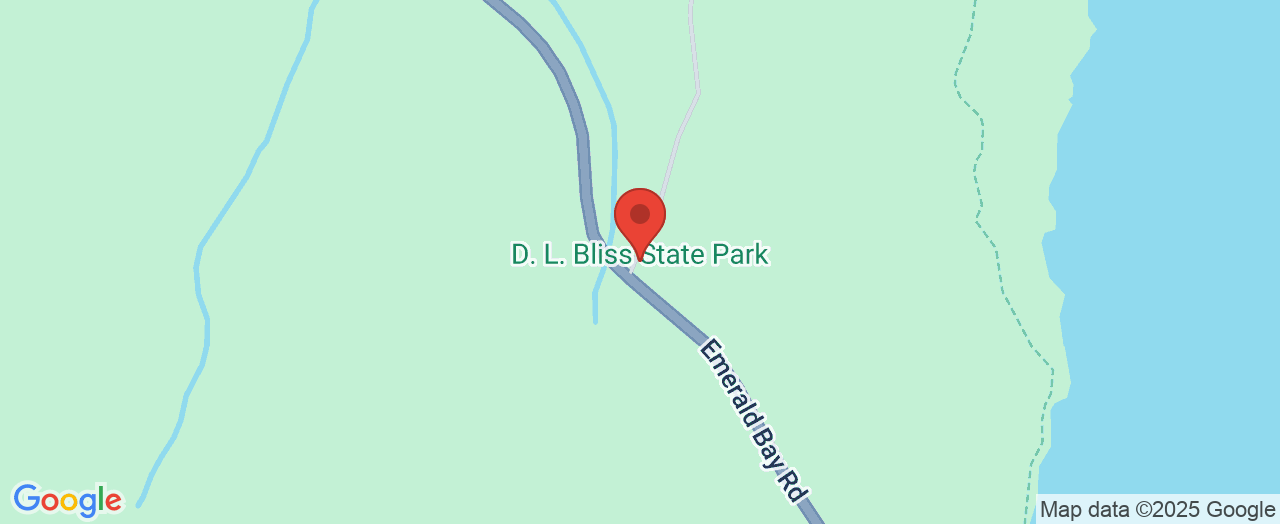
Ultimately, Rubicon Trail access stands for more than entry to an iconic pathway—it represents California’s evolving vision for public engagement with nature. By maintaining resilience in the face of environmental threats, prioritizing inclusive recreation, and channeling fees and resources into ongoing improvements, California State Parks set a standard for what responsible access can and should look like. Every trip onto the Rubicon, whether guided by tradition or fueled by modern technology, is a testament to the collaborative effort behind this singular outdoor experience. D. L. Bliss State Park’s proximity and stewardship, grounded in California State Parks’ mission, make it a valued gateway for discovering the wonders of the Rubicon Trail.
Embracing trail access as both a privilege and a responsibility ensures that future images, memories, and milestones along the Rubicon Trail remain as enduring as the granite beneath your feet. Every visitor’s experience adds to a living legacy of preservation, education, and adventure—anchored by the expert guidance and inclusive vision of California’s parks system.
Contact the Experts at D. L. Bliss State Park
If you’d like to learn more about how Rubicon Trail access could benefit your outdoor adventures, contact the team at D. L. Bliss State Park.
📍 Address: 9881 CA-89, South Lake Tahoe, CA 96150, USA
📞 Phone: +1 530-525-7277
🌐 Website: http://www.parks.ca.gov/
D. L. Bliss State Park: Location and Hours
🕒 Hours of Operation:
📅 Monday: 7:30 AM – 8:00 PM
📅 Tuesday: 7:30 AM – 8:00 PM
📅 Wednesday: 7:30 AM – 8:00 PM
📅 Thursday: 8:00 AM – 8:30 PM
📅 Friday: 7:30 AM – 8:00 PM
📅 Saturday: 7:30 AM – 8:00 PM
📅 Sunday: 7:30 AM – 8:00 PM



Write A Comment