



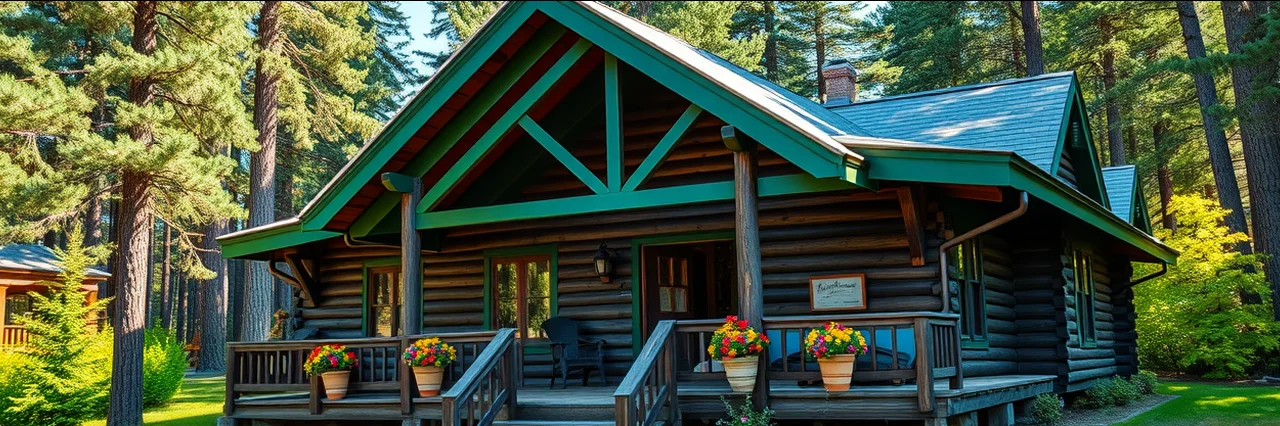
Why Travelers Still Flock to Historic Railroad Heritage Landscapes
The romance of America’s historic railroads is steeped in more than nostalgia; it’s tied to some of the nation’s greatest adventures, most breathtaking frontier landscapes, and the real-life stories of travel that shaped the West. For modern RVers and campers heading to places like Glacier National Park, following in those steel-tracked footsteps is an invitation to rediscover the spirit of exploration. Whether you’re a family on your first RV road trip, a railway history buff, or an outdoor enthusiast, immersing yourself in the region’s railroad legacy offers more than just a new place to park—it’s a way to connect to the very roots of cross-country travel.
Today’s RV journeys often follow historic routes carved by early trains, passing through thick forests, alpine passes, and bustling small towns. Staying in a campground with deep connections to railroad history not only puts you close to natural wonders but also offers a richer perspective on how entire regions, like the area surrounding West Glacier, Montana, were made accessible to travelers. These heritage-rich environments create a powerful backdrop: where whistle stops became vibrant communities, mountain lodges flourished, and scenic hikes now crisscross the unchanged wilds just as they did generations ago. Choosing a base with historic railroad ties means every step outside your camper can feel like a step back in time, adding layers of discovery to your trip.
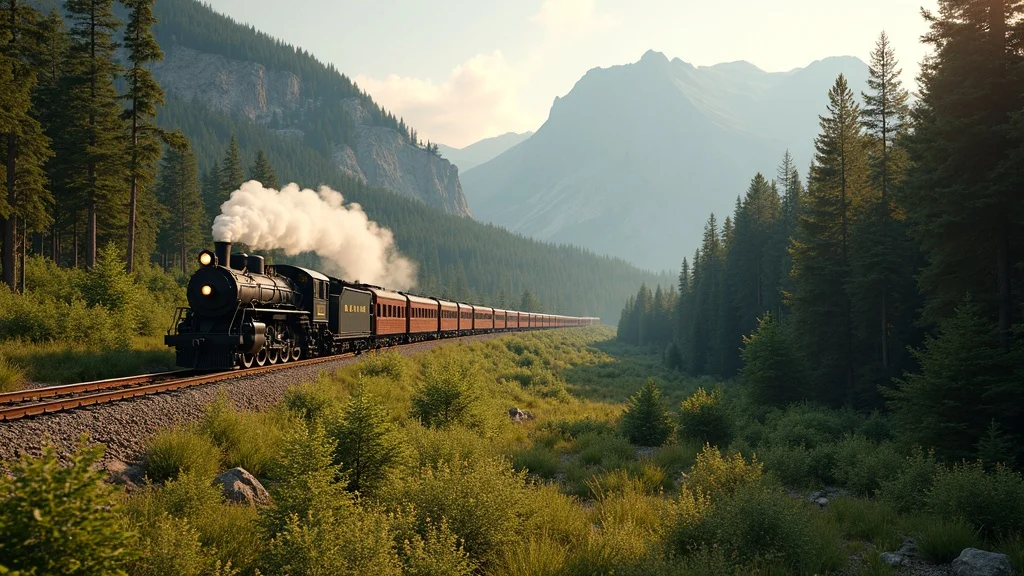
Rediscovering the Railroad: How Historic Lines Laid the Path for Adventure Travelers
Railroads built across the American West in the early 1900s transformed not only the economy but also the way people experienced the great outdoors. The intersection of railroad heritage and modern adventure is most visible in places like Glacier National Park, where the former Great Northern Railroad, now operated by BNSF, helped open the region to visitors. Railways weren’t just means of transportation—they were visionaries, constructing the iconic lodges, chalets, and park infrastructure that firmly established Glacier as a must-see destination. For today’s travelers, understanding this layered history adds a whole new level of appreciation when exploring the trails, forests, and charming towns around the park.
The value of historic railroad heritage extends beyond curiosity; it offers real, tangible experiences for the curious road-tripper. Many travelers don’t realize how closely their favorite scenic byways parallel the original train routes, or how many of the region’s most beloved campgrounds are located along historically significant lines. Those who overlook this narrative risk missing out on some of the most authentic ways to experience the landscape. Sites reclaimed by nature or preserved as part of local lore offer opportunities to blend recreation with meaningful education—a draw for families looking to add depth to their itinerary and for anyone who values a journey as much as the destination.
If you’re inspired by the blend of history and outdoor adventure, you might also enjoy exploring glacier hikes in other storied landscapes. For example, Chugach National Forest offers its own unique mix of glacial scenery and heritage trails, providing another perspective on how natural wonders and historic routes can shape unforgettable journeys.
Staying Near History: Why Glacier’s Railroad Roots Enhance Your RV Adventure
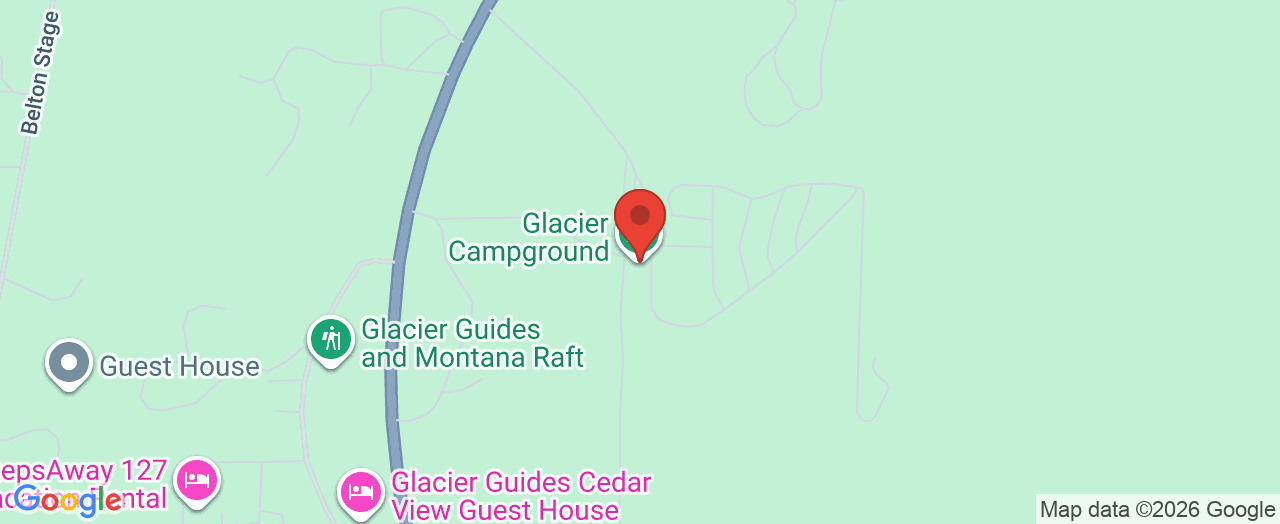
For RV travelers in search of an authentic slice of Americana, Glacier Campground near West Glacier is uniquely situated at the intersection of historic railroad heritage and world-famous natural attractions. The campground is located just a mile from Glacier National Park’s west entrance, placing you within reach of landscapes once traversed by Great Northern Railroad passenger trains. The presence of BNSF (formerly Great Northern Railroad) is more than a historical footnote here; it’s a living reminder of the area’s founding legacy and the early 20th-century vision that shaped the park’s lodges and trails.
Choosing a base with such deep roots in railroad history creates a connection to the stories of travelers who came before—from rugged rail-workers and early tourists to families seeking escape from city life. The enduring infrastructure and ambiance of Glacier Campground invite comparison to “the way camping used to be,” grounding new experiences in an atmosphere that values both adventure and tradition. Travelers benefit from an immersive context: every hike and local meal is shaped by the same spirit of exploration and durability instilled by those who built and rode the rails. This unique layering of history and recreation adds substance to your stay, whether you’re curious about the BNSF’s century-long presence or just eager to discover what drew explorers to the region in the first place.
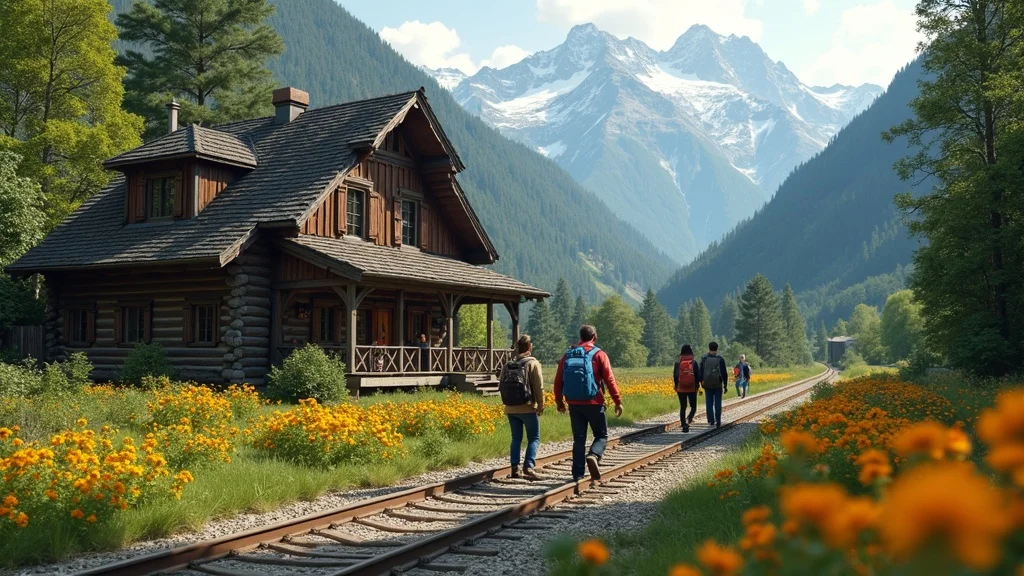
Not Just Tracks in the Woods: Exploring Attractions Shaped by the Railroad Era
The value of staying in a region shaped by railroad history is reflected in the diverse attractions still accessible to travelers. The Flathead National Forest, which surrounds campgrounds like Glacier Campground, once provided timber and access for railway construction, but now welcomes hikers and wildlife enthusiasts. Trails leading both inside and beyond Glacier National Park give visitors a direct link to routes that have seen generations of adventure-seekers and historians. The park’s historic lodges and chalets—originally built by the railroad to draw in tourists—stand today as architectural and cultural landmarks worth exploring in their own right.
Nearby, the charming hub of West Glacier offers cafes, local eateries, and small-town hospitality rooted in a century of serving rail passengers and road-trippers alike. Easy access to “downtown” West Glacier and the park itself can make for effortless day trips or spontaneous excursions. Whether it’s grabbing brisket from a local café, walking in the footsteps of pioneering travelers, or simply relaxing in a peaceful, wooded RV site, guests can absorb the blend of past and present that makes this region distinctive. For anyone passionate about integrating history with outdoor recreation, the heritage of the rails provides both a gateway and a guide.
Memories in Motion: Why Railroad Heritage Resonates With Every Camper
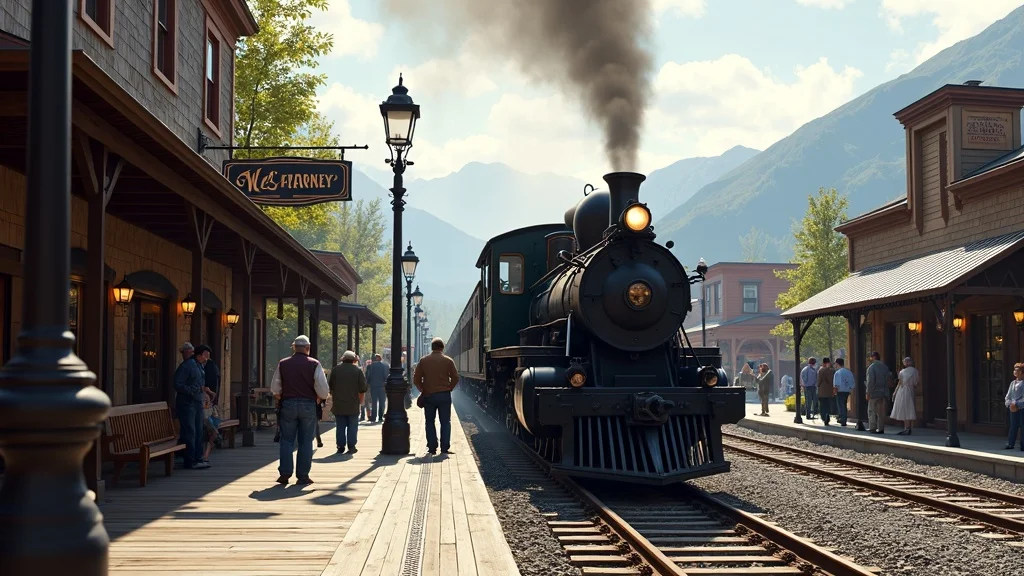
Railroad heritage isn’t just about locomotives and steel tracks—it’s about the collective memory of all travelers who’ve ventured through these storied landscapes. At communities like Glacier Campground, where “the way camping used to be” is celebrated, there’s a palpable appreciation for each unique journey, whether you’re rolling up in a state-of-the-art RV or bedding down in a classic tent. Everyone becomes part of the unfolding story, from longtime railway fans to first-time visitors soaking up the blend of tradition and spontaneity that defines the camping community.
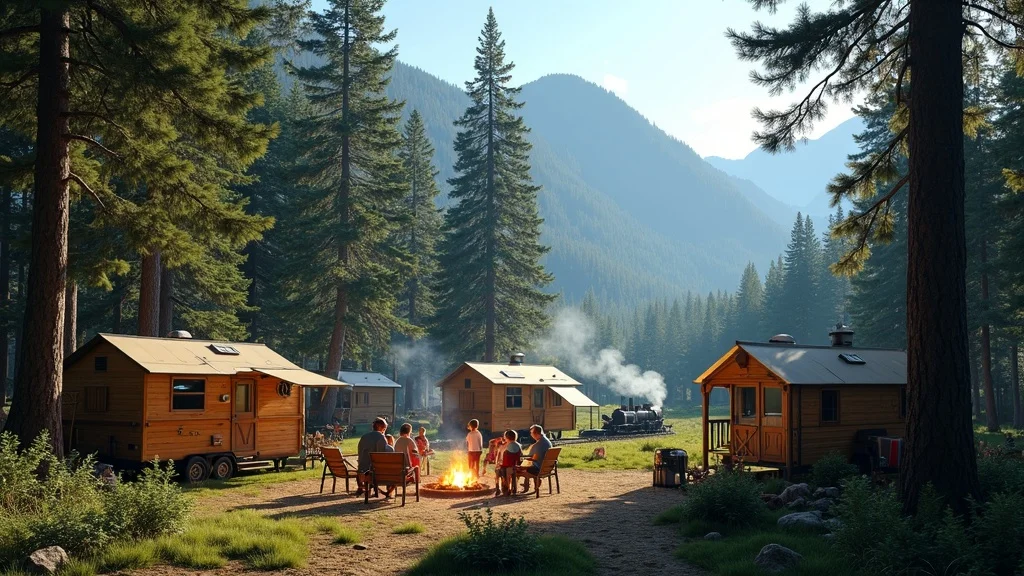
Adventurers of every stripe—families, solo travelers, and retirees—are invited to forget how they camp and focus on why: making memories, connecting with loved ones, and maximizing the wonder of their surroundings. The railroad history embedded here acts as both backdrop and inspiration, uniting people through shared experiences and echoes of past adventures. Whether you’re recounting stories beside a campfire or tracing the historical footprints left by rail pioneers, you’re embracing a tradition that continues to shape the region for new generations.
Planning Tips: How to Enjoy Historic Railroad Heritage and Glacier’s Great Outdoors
Making the most of a stay near historic railroad sites begins with a bit of curiosity and an openness to exploring beyond your campsite. Seasoned RV travelers know the value of researching local attractions—take the time to find trail recommendations, regional events, and hidden gems that bring the railway history to life. For families, weaving in stories about the early train travelers and the role the railroad played in founding Glacier National Park is a fun way to spark young imaginations and add depth to park hikes or wildlife watching.
Consider timing your trip to catch seasonal events or park activities that interpret the area’s railroad legacy. When setting up camp, appreciate the simple luxuries—wooded sites, community campfires, and even the proximity to the rail lines that still operate today. And if you’re meeting fellow campers at a place that has welcomed guests for decades, swap itineraries, trade tips, and share anecdotes. The personal stories you collect along the way seamlessly blend with those handed down by the rails.
Carrying Forward Tradition: A Campground’s Dedication to Authentic Experience
The philosophy behind many successful campgrounds near historic rail corridors is rooted in honoring both heritage and hospitality. Glacier Campground, for example, has championed the phrase “the way camping used to be” while maintaining a family-owned and operated environment for over four decades. This approach is more than branding—it shapes everything from the layout of wooded sites to the welcoming attitude extended to campers of all backgrounds and travel styles.
Emphasizing inclusivity, tradition, and a genuine love for the land, the campground’s environment mirrors the communal spirit of early railway travelers, who built bonds while journeying through the untamed wilds of Montana. The presence of historic rail companies like BNSF, with roots in the foundation of Glacier National Park and the construction of iconic lodges and chalets, provides a living connection to the region’s storied past. This intersection of history, setting, and deliberate hospitality transforms an overnight stay into an experience woven with both legacy and adventure.
Through a commitment to preserving a “camping as it used to be” experience, Glacier Campground and similar destinations ensure that new visitors can step into a tradition that values memory-making, shared adventures, and a love for both the story and the scenery. Travelers benefit not just from a place to park but from the feeling of being part of something bigger—a continuum of explorers shaped by both the landscape and the iron rails that helped define it.
What Guests Say: Authentic Memories Made in a Heritage Landscape
The enduring appeal of campgrounds rooted in historic railroad landscapes is often best voiced by those who have stayed there. Travelers frequently describe their experiences in both practical and emotional terms, emphasizing how heritage, hospitality, and a perfect setting come together to create something truly memorable. One camper, Maria O. , shared an especially evocative account of her visit, capturing the essence of why choosing such a destination enhances an RV adventure:
This was our first time staying at the campground. A relative had stayed prior and recommended it. We used a small Rv site for a pop-up with electric and water. We were very pleased all the way around. It is a nice old school family run campground. The sites are nice and surrounded by woods. The property in general is well maintained. Better than others we have been to. Staff was friendly and helpful. They have a cafe on site which was nice also. I ordered the beef brisket and it was excellent. The bathroom was close and had clean showers. The proximity to downtown west glacier and the park can’t be beat. We stayed at 4 different campgrounds on this trip and this was the best and surprisingly MUCH less $$ than a few others. I will return to this location and recommend it to others.
Moments like these remind travelers of the magic in finding a stay that ties together convenience, comfort, and a sense of belonging to a larger story. For those seeking adventure layered with meaning, choosing a site woven into the railroad heritage of the region can deliver more than just a place to sleep—it can provide the foundation for memories that last long after the road trip ends.
Is Historic Railroad Heritage the Secret Ingredient for an Unforgettable RV Journey?
Embracing historic railroad heritage while traveling transforms an ordinary RV adventure into an immersive story, connecting modern explorers to both wilderness and history in one unforgettable journey. Regions shaped by the iron tracks—like those surrounding West Glacier—offer unique opportunities to blend outdoor fun with a direct link to the nation’s adventurous past. The insight and atmosphere provided by destinations that honor this legacy help elevate any travel experience, turning a practical stay into an essential part of the narrative.
Travelers seeking to deepen their journey’s impact, especially when exploring epic regions near Glacier National Park, will find both practical benefits and rich storytelling woven into campgrounds rooted in the past. With family-run sites like Glacier Campground carrying the torch for “the way camping used to be” and the legacy of the railroads still evident in local culture, every guest is invited to become part of the ongoing adventure. There’s no denying—the magic of historic railroad heritage may just have you discovering a new favorite way to travel, one rail story at a time.
If you’re eager to expand your horizons beyond Montana’s legendary railways, consider how other destinations blend natural wonders with a sense of history. Exploring glacier hikes in places like Chugach National Forest can offer a fresh perspective on adventure travel, where every trail reveals new stories and breathtaking vistas. By seeking out regions that celebrate both their scenic beauty and their heritage, you’ll find even more ways to enrich your RV journeys. Let your curiosity lead you to new landscapes and experiences—there’s a whole world of magic waiting just beyond the next bend.
Contact the Experts at Glacier Campground
If you’d like to learn more about how historic railroad heritage could benefit your next RV or camping adventure near Glacier National Park, contact the team at Glacier Campground.
📍 Address: 12070 US-2 #447, West Glacier, MT 59936, USA
📞 Phone: +1 406-387-5689
🌐 Website: www.glaciercampground.com
Glacier Campground Location and Hours
🕒 Hours of Operation:📅 Monday: 8:00 AM – 8:00 PM📅 Tuesday: 8:00 AM – 8:00 PM📅 Wednesday: 8:00 AM – 8:00 PM📅 Thursday: 8:00 AM – 8:00 PM📅 Friday: 8:00 AM – 8:00 PM📅 Saturday: 8:00 AM – 8:00 PM📅 Sunday: 8:00 AM – 8:00 PM


Write A Comment