



Startling Fact: Did you know that over 70% of the nation's roads are located in snowy regions, dramatically raising the stakes for winter RV travelers? With winter weather and icy conditions posing unique safety challenges, mastering winter RV driving safety tips isn't just smart—it's essential for anyone hitting the road this December. In this comprehensive guide, you'll discover expert-backed strategies for preparing your RV, mastering mountain passes, and ensuring that your journey through snow and ice is as safe as it is memorable.
Startling Fact: Why Mastering Winter RV Driving Safety Tips is Essential
When winter weather sets in, the risks for RV drivers multiply rapidly. Unpredictable snow, icy roads, and plummeting temperatures can turn even routine trips into challenging adventures. Winter RV driving safety tips ensure you're equipped to handle the hazards of winter conditions, from sudden slippery patches on the highway to poor visibility during snowstorms. Many RVers underestimate just how quickly winter conditions can deteriorate, leading to emergencies on steep mountain passes or isolated stretches of road. By understanding the very real dangers and learning how to combat them, you not only protect your RV and its vital water systems, but also stay safe and keep your loved ones secure during your travels. Practical preparation, combined with cautious techniques, is your best line of defense—especially as weather conditions in December can change within minutes.
The Risks of Winter Weather and Winter Conditions on the Road
Winter weather presents a series of hazards for any vehicle, but the size and weight of an RV amplify these risks substantially. Issues such as black ice on roadways, icy road shoulders, and drifting snow can easily lead to loss of control or difficulty stopping, especially when traveling through mountainous or rural areas. In addition, the aftermath of a winter storm can leave tree branches, tire chains, and other debris scattered across roads, further complicating winter RV driving. Unlike smaller vehicles, RVs have longer stopping distances and require more caution when maneuvering on icy conditions. Preparing for the reduced control and visibility that accompany snowy roads is crucial—to reduce the chances of accidents and ensure your winter RV adventure doesn’t come to an abrupt end. Taking extra care, planning plenty of extra time, and keeping your RV in good working condition are non-negotiable steps for safely driving your RV in winter.
For those looking to further enhance their winter travel safety, understanding how to adapt your RV driving techniques for specific conditions—like mountain passes and icy stretches—can make a significant difference. You can find a detailed breakdown of practical strategies for navigating challenging winter roads in our guide on safe RV travel through variable terrain and weather, which offers actionable tips that complement the advice in this article.
"Over 70% of the nation’s roads are located in snowy regions, presenting unique winter RV driving safety challenges for travelers." – National Weather Service
What You'll Learn in This Guide
- The fundamentals of winter RV driving safety tips for December
- How to prepare your water tank and water system for subfreezing temperatures
- Best practices for navigating icy road conditions and winter weather
- Expert recommendations for mountain pass travel
Get Your RV Ready: Essential Winter RV Preparation Checklist
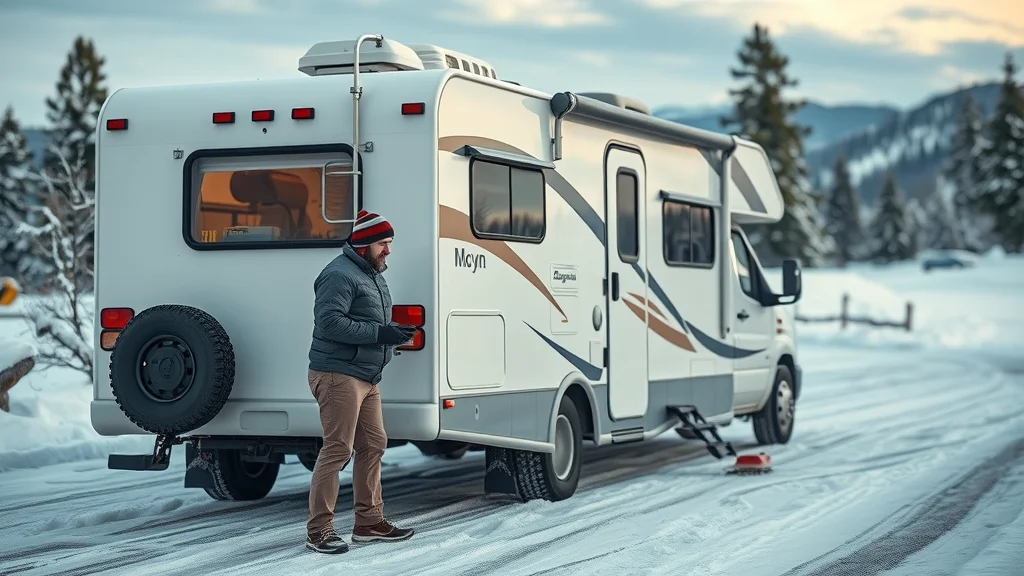
Before venturing onto icy highways or winding through frosty mountain passes, it’s crucial to outfit your RV for winter conditions. Use this checklist to ensure your rig is fully prepared for whatever December brings. First, inspect your tires and brakes. Make sure your tires have plenty of tread and are rated for winter driving. Brakes should be in good working condition—they’re your best defense on icy roads. Next, focus on your RV’s water systems. Winterize your water tank with heat tape and insulation, and check that your entire water system is protected from freezing. Stock up on emergency supplies like blankets, traction mats, sand, and emergency flares, all of which are crucial if you need to stay warm while waiting for assistance during a cold weather emergency. Finally, test your heating and insulation systems. Drafts or inefficient heaters can cause significant drops in temperature inside your RV—making for an uncomfortable or even dangerous journey.
- Inspecting tires and brakes for winter conditions
- Winterizing water systems, including protecting your water tank
- Stocking up on emergency supplies and gear
- Checking heating and insulation systems
Understanding the Impact of Winter Weather and Road Conditions
Snow, sleet, and ice don't just affect your comfort; they change the way your RV handles at every turn. Even the most seasoned RVers can be caught off-guard by sudden changes in road condition and winter weather. Knowing how winter conditions impact tire grip, stopping distance, and control helps you anticipate potential hazards long before they become a threat. Freezing temperatures can create patches of black ice, particularly dangerous because they’re nearly invisible and often form on bridges, overpasses, and shaded areas. Heavy snow, meanwhile, impairs visibility and can reduce driver reaction times, especially around bends and on mountain passes. With the right preparation and vigilance, you can respond safely, negotiating hazards confidently and avoiding the most common winter RV driving pitfalls.
How Snow, Ice, and Icy Road Hazards Affect Winter RV Driving Safety Tips
December’s winter roads can transform within moments, with rain turning to sleet and then solidifying as ice beneath your tires. The threat isn't limited to losing traction; snow and ice can also obstruct vital elements like headlights, mirrors, and even sensors. This reduces visibility and reaction time, making vigilance even more important. Using your low beams during snow or fog increases your visibility without creating glare, crucial for navigating winding routes or steep declines. Additionally, icy conditions demand deliberate, controlled movements—abrupt braking or steering can quickly cause your RV to slide. By respecting the realities of winter road conditions and employing time-tested winter rv driving safety tips, you’ll be better equipped to handle even the worst December weather.
| Hazard | Visibility | Road Condition | Response Strategy |
|---|---|---|---|
| Snowfall | Poor to Moderate | Slippery, slow traction | Use low beams, reduce speed, maintain extra distance |
| Black Ice | Clear, nearly invisible | Extremely slippery, sudden loss of traction | Drive slow, avoid sudden movements, no cruise control |
| Fog | Limited, low contrast | Variable, may conceal hazards | Use low beams, slow driving, increase following distance |
| Snow Drifts | Good until approaching drift | Obstructed, possible deep snow | Slow down, scan route, avoid driving through drifts |
Pro Tips for Safe RV Handling on Icy Road and Mountain Passes
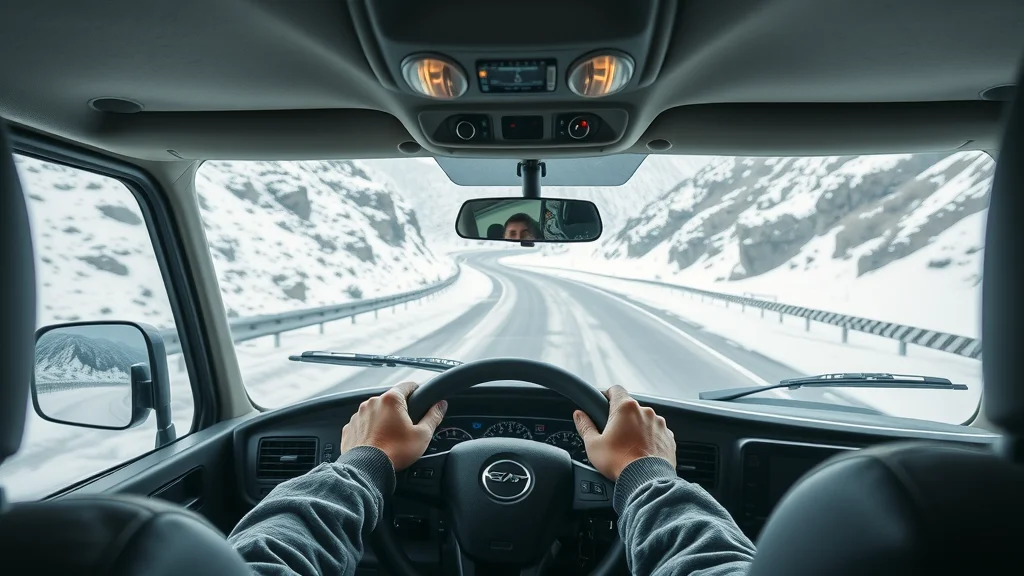
Traveling through mountainous terrain or on an icy road in an RV requires a heightened sense of caution. When visibility drops and the asphalt glistens with ice, keeping your wits—and your rig—about you is the only way to stay safe. Always use low beams in snowy or foggy conditions to enhance visibility both for yourself and for upcoming drivers. Your vehicle’s placement, braking, and acceleration require deliberate control, particularly as you navigate steep inclines and switchbacks that can become slick within minutes. If the situation calls for tire chains—typically when signage or local regulations require their use—stop in a safe spot and install them properly, making sure they’re fastened tightly around each drive axle. Most importantly, reduce your speed and increase following distances between your winter RV and the vehicle ahead to allow ample time to respond to the unexpected.
- The importance of using low beams in snowy or foggy conditions
- When and how to use tire chains for winter rv safety
- Best speeds and distances for safe winter driving
- Strategies to maintain traction on icy roads
Water Systems and Water Tank: Protecting Your RV’s Vital Components in Winter Conditions
Few things can derail a winter RV trip faster than a frozen or cracked water tank or water system. Not only does this affect your ability to access drinking water, but it can also lead to expensive repairs and long delays. Insulating your water tank and pipes is the single most effective measure for winter rv protection. Use heat tape and foam wraps around exposed pipes, and avoid leaving tanks partially full as this can encourage ice formation. Check water system pressure regularly—frozen pipes often indicate a pressure drop, which, if ignored, can damage your entire water systems network. Most importantly, never let water tanks get below half during extreme cold; this extra volume helps buffer against fast temperature swings and reduces the risk of cracking. A few careful steps ensure both your comfort and your wallet remain intact throughout the winter months.
- Insulating the water tank and pipes against freezing
- Monitoring and maintaining water system pressure
- Key tips to avoid water tank cracking in subzero temperatures
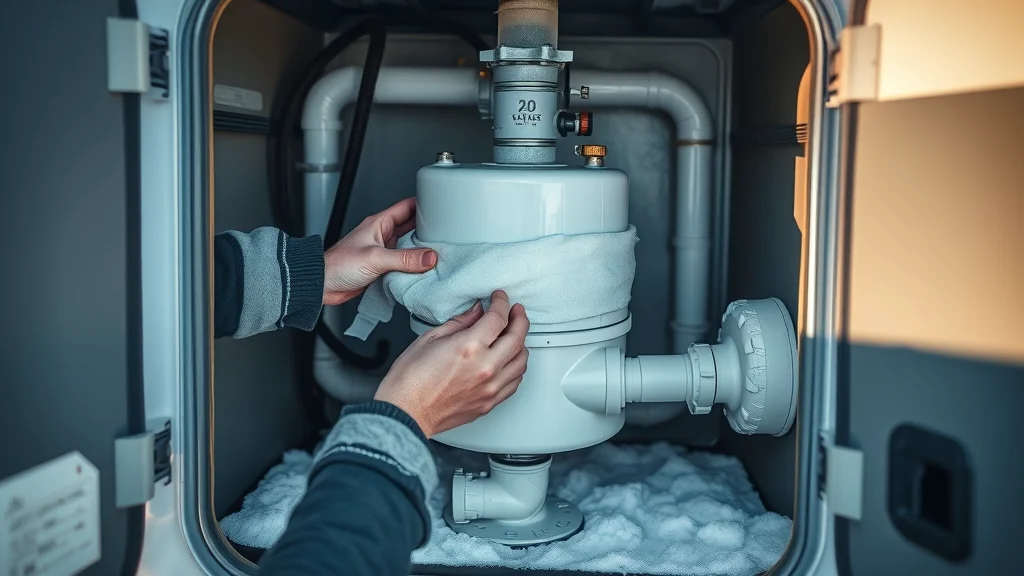
"Never underestimate the effect of a frozen water tank on your winter rv adventure. One night unprepared can lead to days of costly repairs." – RV Maintenance Expert
Vital Winter RV Driving Safety Tips for Staying Safe on December Roads
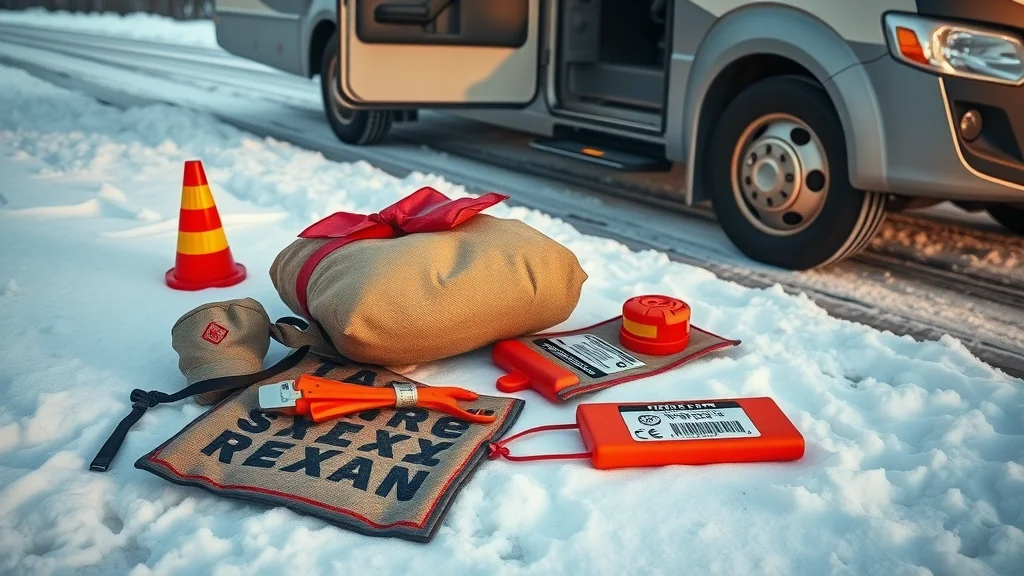
Preparation goes beyond your RV’s physical systems; it’s about maintaining situational awareness and anticipating the unexpected. Monitor road condition reports before each segment of your journey, and never hesitate to postpone travel or reroute if conditions look dangerous. Always carry traction mats, sand, and emergency flares to gain traction or signal for help if you become stranded. Keep your fuel tank above half full—a vital step since idling for warmth may be required and unexpected detours can quickly drain your supply. Finally, plan overnight stops with heated facilities or shore power so you can stay warm even if your RV’s heating system struggles in the coldest conditions. Being over-prepared is better than risking your safety, especially when unpredictable winter weather looms.
- Monitoring road condition reports and avoiding unnecessary risks
- Carrying traction mats, sand, and emergency flares
- Always keeping your fuel tank above half during cold spells
- Planning overnight stops with access to heated facilities
Utilizing Real-Time Road Conditions and Weather Apps
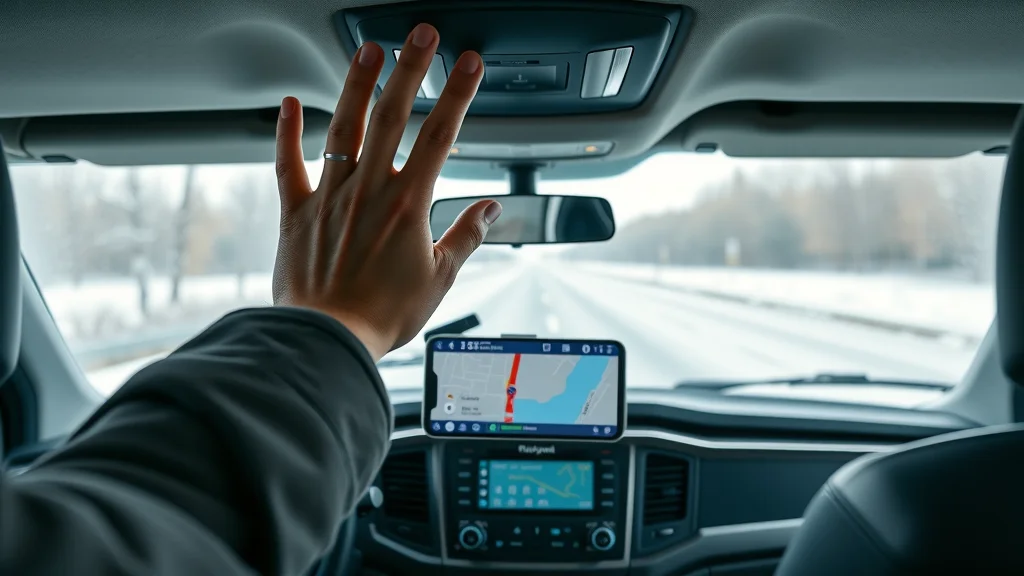
With rapid changes in road conditions and winter weather updates, having real-time information on hand can make all the difference for RV safety. Numerous weather and road condition apps provide push notifications, up-to-the-minute closures, and hazard warnings. Apps like Waze or state-sponsored 511 services are highly recommended for route planning, while dedicated weather alert apps can notify you of impending snowstorms or icy conditions along your projected route. By leveraging this technology, you can err on the side of caution and take alternate routes before reaching treacherous spots, ensuring you and your travel companions stay safe all winter long.
| App Name | Pros | Cons |
|---|---|---|
| Waze | Live road reports, traffic crowd-sourcing, route suggestions | Requires cell service, not always RV-specific |
| 511 App | Official state advisories, updated closures, weather alerts | Coverage varies by state, may lack detailed RV info |
| Weather Underground | Hyperlocal forecasts, alert notifications, storm tracking | Interface can be complex, may have app delays |
| Roadtrippers | Itinerary planning, integrates with weather apps | Some features require a subscription |
Expert Advice on Adapting Winter Driving Techniques
Adapting to winter driving means updating your driving technique for every icy bend and snowy incline. Always accelerate and brake gradually—hard starts or sudden stops create a major risk of sliding, especially on an icy road. When navigating curves or switches, reduce speed gently before the turn, and never steer or brake abruptly while in the curve. This approach helps keep the front wheels in control and significantly lowers your risk of skidding. Perhaps most importantly, cruise control should be avoided in slick conditions: its consistent throttle application can make it impossible to respond quickly to a loss of traction. Every winter RV journey requires focus, patience, and a willingness to reduce overall speed so your reactions stay ahead of changing road conditions.
- Gradual acceleration and braking
- Managing curves in snowy and icy road scenarios
- Why cruise control should not be used on slick roads
People Also Ask: Common Winter RV Driving Safety Tips Questions
What is the 3-3-3 RV rule?
The 3-3-3 RV rule is a popular guideline among RV travelers designed to make journeys safer and less stressful—especially in challenging winter conditions. It suggests you drive no more than 300 miles a day, arrive at your next stop no later than 3 PM, and stay at each location for at least 3 days. This rule helps RVers avoid driving when they're tired, ensures they reach destinations before dusk (which is even more important in winter weather), and encourages time for both rest and adjustments that might be needed for your RV’s water system and other essential components.
What are the 3 P's of winter driving?
The 3 P’s of winter driving are Prepare, Protect, and Prevent. Prepare your RV by winterizing your water systems and checking tire conditions. Protect yourself by staying aware of road condition reports and carrying emergency supplies. Prevent accidents with responsible driving—keep your speed down, avoid sudden braking, and maintain a safe following distance. These steps are essential for winter rv driving safety tips and dramatically increase your odds to stay safe on December roads.
What is the 2 2 2 rule for RV riding?
The 2 2 2 RV rule is another simple guideline: drive no more than 200 miles in a day, arrive by 2 PM, and stay at each destination for at least 2 nights. This approach is particularly useful for winter RV driving, as it provides extra daylight for setup, allows for flexible adjustment in case of bad weather conditions, and reduces overall travel fatigue so you can react calmly to surprises like black ice or snowdrifts.
What are the four P's of winter safety?
The four P’s of winter safety are People, Pets, Pipes, and Plants. In the context of winter RV driving safety tips, this means prioritizing human comfort and safety, safeguarding pets from cold weather, protecting water pipes and water tanks from freezing, and considering any plants or sensitive materials traveling with you. Keeping each "P" in mind ensures that every aspect of your trip is protected from the harshest winter conditions.
FAQs: Winter RV Driving Safety Tips
-
Is it safe to drive an RV in snow and ice?
While it’s possible to drive your RV in snow and ice with thorough preparation and the right winter rv driving safety tips, always check road condition reports first. Reduce your speed, increase your following distance, and always be ready to pull over if weather conditions become too severe. -
What RV features help most for winter driving?
Features like snow-rated tires, anti-lock brakes in good working condition, rearview cameras, heated mirrors, and robust insulation for the water tank and pipes are particularly valuable for winter RV trips. Stocking up on tire chains and carrying a well-prepared emergency kit adds extra security. -
How do I defrost my RV’s water system?
To defrost your water system, use a combination of heat tape on exposed pipes, turn on your RV’s internal heating, and run a small space heater (if safe) near stubborn blockages. Don’t use an open flame—electric options are safest for RVs. -
Are snow tires or chains better for RVs?
Both play critical roles in winter rv driving safety tips. Snow tires offer better grip for all-around use, but tire chains are mandatory—or even required by law—on certain mountain passes or during severe ice events. Carry both for ultimate preparedness.
Key Takeaways from Winter RV Driving Safety Tips
- Prepare your RV and water systems before every trip
- Adjust your winter driving habits for snow, ice, and mountain roads
- Monitor road conditions continually throughout your journey
- Use winter rv driving safety tips to ensure a safe and enjoyable winter adventure

Ready to Master Winter RV Driving Safety Tips? Download Our Essential Winter RV Preparation Checklist!
Take the next step toward a safer, more enjoyable journey—download our free checklist and start putting these essential winter RV driving safety tips into action for your December adventure.
If you’re eager to expand your RV travel expertise beyond winter safety, consider exploring how seasonal changes can impact your adventures year-round. Our in-depth feature on the best national parks to visit in May reveals insider tips from a former ranger, helping you plan unforgettable trips as the weather warms. By mastering both winter and spring travel strategies, you’ll be ready to make the most of every journey—no matter the season. Dive into these expert insights and elevate your RV experiences with knowledge that keeps you safe, inspired, and always prepared for the road ahead.


Write A Comment