RV Otter
update

Ride With RV Otter

update
  • Home
  • Categories
    • Destinations & Routes
    • Campground Reviews
    • RV Tips & Lifestyle
    • Gear & Essentials
    • On-the-Road Living
    • Traveling with Pets
    • Stories & Adventures
    • RVing on a Budget
    • Boondocking
    • Campground Reviews
    • RV Lifestyle News
    • National Parks
    • State Parks
    • Extra News
    • Central Oregon Coast
    • National Forest
    • Shopping
    • Rentals
    • RV Resorts
    • Business Directory
    • RV Sales & Rentals
    • Destinations
    • Campgrounds & Stays
    • Gear & Rentals
    • RV News & Resources
    • RV Dealerships
    • Destinations 2
  • Businesses
  • Wildlife Refuges
  • update
  • update
  • update
  • update
  • update
  • update
  • update
May 19.2026
1 Minute Read

Discover Badlands National Park Scenic Loop Overlooks: Fossils & Bison

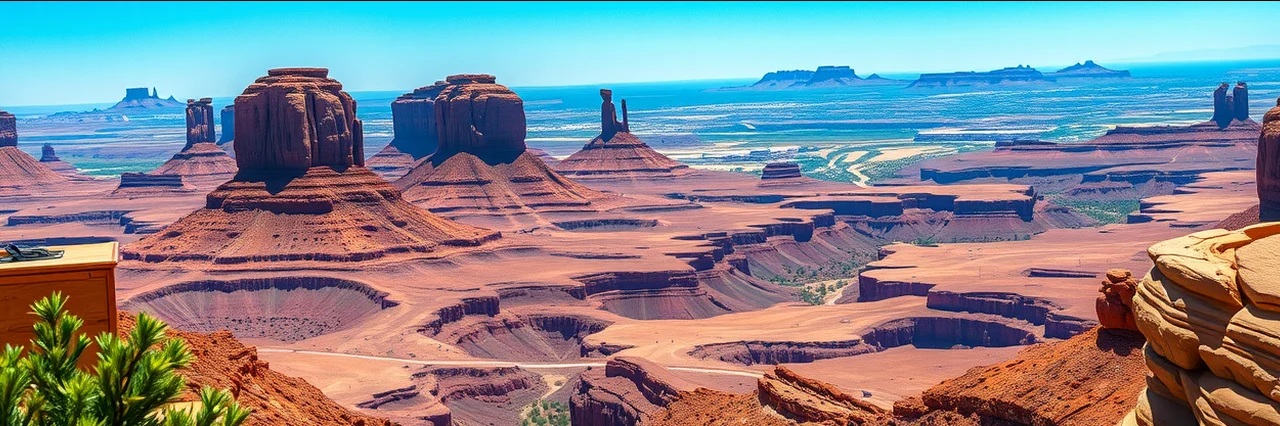
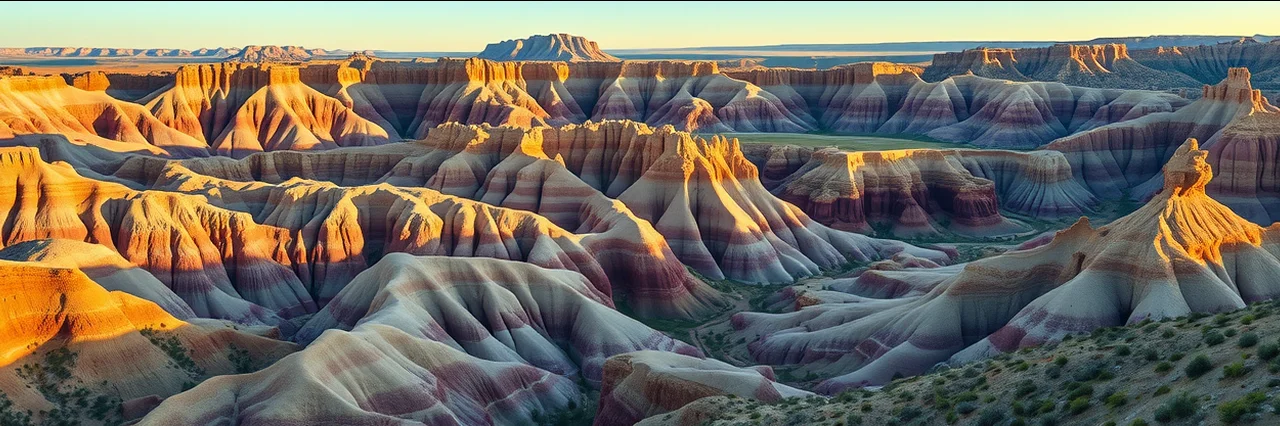
Badlands National Park scenic loop rugged overlooks with colorful rock formations

Badlands National Park

📍 Address: South Dakota, USA

📞 Phone: +1 605-433-5361

🌐 Website: https://www.nps.gov/badl/index.htm

★★★★★
Rating: 4.9

The Ultimate Road Trip: Badlands National Park’s Scenic Loop is Not Your Average Drive

Imagine a landscape so dramatic, so rich in history and wild adventure, that each curve of the road feels like stepping into another world. The Badlands National Park Scenic Loop isn’t just a route—it’s an invitation into a living museum, where ancient fossils lie hidden beneath rugged buttes and herds of bison graze freely on rolling grasslands. Yet, what truly sets this drive apart is the chance for everyday travelers to witness eons of natural history unfold, all from the comfort of a car or the edge of a scenic overlook.

Whether you’re a geology enthusiast, a wildlife lover, or simply in search of the most breathtaking views South Dakota has to offer, the Badlands National Park Scenic Loop delivers on every count. Yet, many visitors are surprised by just how much they miss if they speed through too quickly. The thrill isn’t only in the views—it’s in discovering fossil finds that date back millions of years, and spotting herds of bison whose ancestors once roamed alongside prehistoric beasts. Knowing what to look for—and understanding the deep stories etched in stone and prairie—is the key to making the most of this iconic experience.
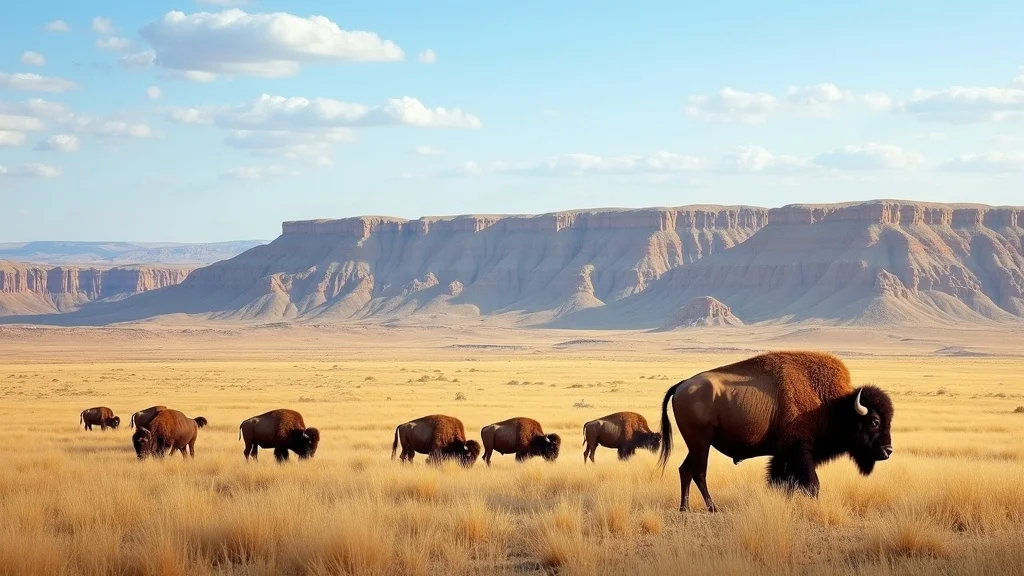
Badlands National Park Scenic Loop overlook with bison and dramatic canyons

What transforms the Badlands from a beautiful backdrop into a must-see destination is the interplay of geology, wildlife, and wide-open prairie that comes together in this loop. To truly appreciate the Badlands, a little knowledge goes a long way: the park is not just pretty to look at, but a dynamic landscape that speaks to the vast history of life on earth. Let’s explore why this singular place draws millions of visitors year after year—and how every stop along the route can surprise, delight, and inspire.

Why the Badlands Scenic Loop Rewrites the Rules for National Park Adventures

The Badlands National Park Scenic Loop isn’t just a road; it’s a journey through time and terrain. This route winds through 244,000 acres of protected mixed-grass prairie and otherworldly geologic formations, connecting some of the most striking overlooks, fossil hotspots, and wildlife habitats in the park. Standing at these overlooks, visitors are treated to a tableau that reveals both sudden beauty—jagged spires and undulating canyons—and subtle stories carved in stone. The park’s geologic deposits are among the world’s richest fossil beds, preserving relics of ancient horses, rhinos, and other long-lost species that once called this region home.

What makes this scenic loop so compelling is its accessibility: you don’t need to be an expert hiker or seasoned geologist to appreciate the wonders it offers, and yet there’s deep substance for those willing to look closer. Every overlook doubles as a window into epochs gone by, with interpretive signs and displays guiding your imagination from the age of dinosaurs to the present-day drama of bison herds and prairie dog towns. Missing this context means you might drive by what looks like a barren landscape, never realizing that each layer of rock or distant herd holds a story tens of millions of years in the making.

While some national park experiences require strenuous effort or insider knowledge, the Badlands Scenic Loop is designed for exploration at every level. Whether you want to simply gaze from a viewpoint or dig into the prehistoric past via fossil interpretive trails, this route offers something for all travelers. For those planning an extended adventure or seeking to power up devices for photography and navigation, exploring portable energy solutions like the Bluei Elite 200 V2 Power Station can make your Badlands journey even more convenient and enjoyable.

How Scenic Loop Overlooks, Fossil Finds, and Bison Encounters Change Your Perspective

Badlands National Park has developed a reputation for immersive, self-guided discovery—especially for anyone traversing the scenic loop. Every overlook along this stretch is thoughtfully placed, offering uninterrupted vistas ideal for both quiet reflection and active exploration. Not only do these spots reward visitors with rare chances to see wild bison, bighorn sheep, and the endangered black-footed ferret, but they also mark the park as a living, breathing ecosystem sprawled across vast mixed-grass prairie. People who take the time to step out and scan the landscape from these overlooks are often surprised by just how much wildlife reveals itself when the prairie stretches toward the horizon.
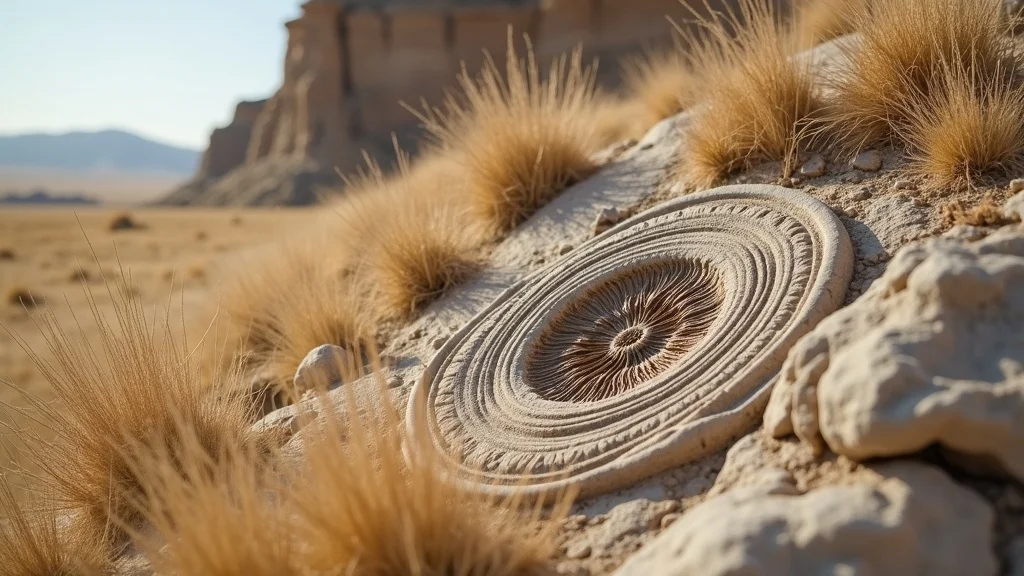
Badlands fossil find in rocky outcrop with scenic prairie background

The Badlands are also renowned for their world-class fossil beds—one of the richest on the planet. Trails and designated stops along the scenic loop invite visitors to discover the fossilized remains of ancient animals, from prehistoric horses to rhinos and more, all of which once roamed these plains. The interpretive displays enhance every stop with context, transforming a beautiful landscape into a prehistoric classroom. For many, it’s the combination of expansive vistas and fossil discovery that cements Badlands National Park as an indispensable American treasure.

For families, solo travelers, and science enthusiasts alike, the ability to encounter bison herds roaming free along the plains, discover fossils underfoot, and pause at overlooks that seem to extend forever offers more than just great photo ops. These real-world experiences create lasting memories and offer rare insight into the delicate balance of nature and history, reminding visitors that the present—and our role in it—is deeply intertwined with the past.

Understanding the Ancient Story: What Fossils Really Tell Us in the Badlands

Trace fossils and ancient remains visible along the Scenic Loop are more than tourist attractions; they’re the keys that unlock South Dakota’s prehistoric ecosystem. Geologists and paleontologists flock here for good reason: the Badlands are a living library of earth’s evolutionary history. As you pause at designated stops, it’s not uncommon to encounter interpretive panels describing how ancient creatures—horses, rhinos, and many now-extinct mammals—thrived and perished in this rugged landscape.
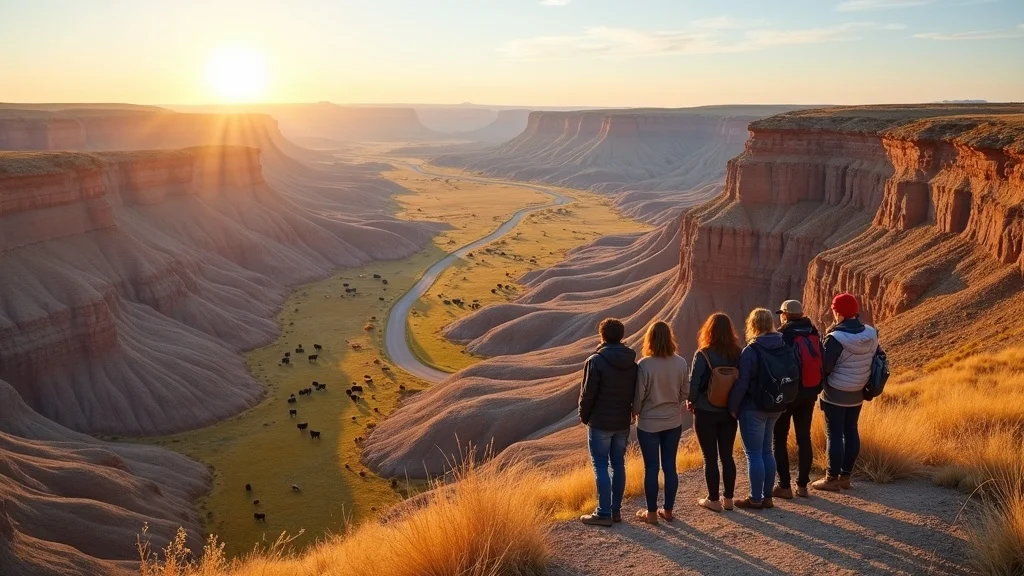
Visitors at Badlands Scenic Loop overlook with canyon view and bison

For the casual visitor, simply seeing fossils in their natural context can be transformative. These remnants aren’t just stones; they’re windows into a time when massive animals grazed side by side with now-vanished predators. Fossil finds here offer an accessible, tangible link to millions of years of dynamic change, making each stop along the loop not only beautiful, but genuinely educational.

Bison Viewing: A Living Connection to Prairie Legacy

Bison aren’t just an emblem of the American West; in the Badlands National Park, they’re an integral part of an evolving ecological drama. The park’s protected prairies sustain some of the last truly wild herds, reminding visitors of the continent’s rich natural heritage. Sightings from overlooks and along the roadside are common, especially during the early mornings and evenings, when bison are grazing or moving across open fields.

Watching these massive animals from a safe distance underscores the park’s mission to steward wildlife populations and the mixed-grass prairie they depend on. The presence of bison and other species—including black-footed ferrets and prairie dogs—is not just a highlight for visitors, but a living testament to successful conservation practices and the ongoing restoration of the Land of Stone and Light.

Ecology and Preservation: How Mixed-Grass Prairies Power the Diversity of the Badlands
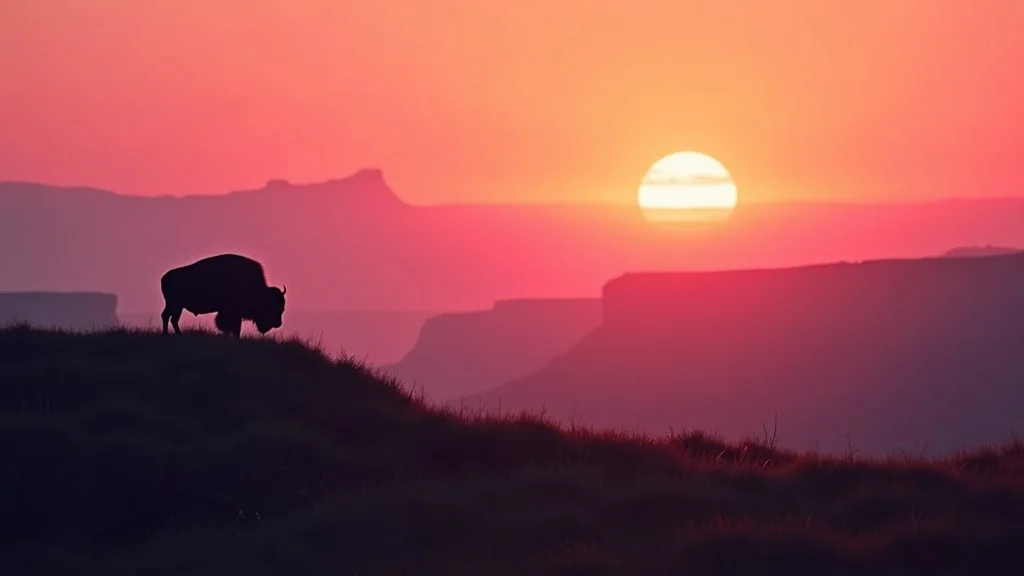
Bison at sunrise on Badlands overlook, colorful sky and layered cliffs

Badlands National Park protects vast expanses of mixed-grass prairie—an ecosystem that is much rarer today than many realize. This sea of grass is more than scenery; it’s a vital home to dozens of animal species and a delicate system that supports both fossils and modern wildlife. It’s this unique blend—where ancient bones are preserved just beneath the soil, and herds of bison still roam above—that distinguishes the Badlands among national parks.

The ongoing preservation of the park hinges on careful stewardship of these prairie habitats. Native grasses not only prevent erosion of the park’s signature geologic formations but also offer sustenance for bison and other large grazers. Experiencing the prairie up close along the Scenic Loop allows visitors to understand the challenging balance between nature, history, and modern conservation.

Badlands National Park: Expert Commitment to Education, Research, and Conservation

Badlands National Park’s approach to resource management is shaped by both a respect for deep time and a vision for the future. The park’s website and visitor resources underscore a unique blend of rigorous research, public education, and collaborative stewardship. Extensive museum collections—from paleontology archives to preserved fossils—highlight a commitment to sharing the park’s evolving scientific discoveries with the public.

Research initiatives in the park are ongoing and robust, fostering partnerships between scientists, educational institutions, and the public. With support from organizations like the Badlands Natural History Association, the park continually invests in both pioneering research and creative outreach, like ranger-led programs and interpretive displays along the Scenic Loop. In addition to preservation, the team recognizes the importance of engaging local tribal communities and honoring the area’s cultural richness and diverse history, making the park a leader in best practices for combining science and heritage.

This multifaceted mission ensures that every visitor can connect with the story of the Badlands—whether through the simple awe of a sunset at an overlook, the excitement of spotting a bison, or the wonder sparked by holding a fossil fragment. It’s a philosophy that invites everyone to join in protecting, exploring, and understanding one of America’s most remarkable landscapes.

Real Stories: How One Visitor Describes the Scenic Loop Experience

For many, the true power of Badlands National Park Scenic Loop overlooks is best summed up in the voices of those who have experienced its wonder firsthand. Standing at the rim of the canyon, surrounded by dramatic clouds and shifting light, travelers find themselves transported—sometimes even finding similarities to icons like the Grand Canyon.

This was one of the most beautiful spots of the country. It was like a small Grand Canyon. The clouds created the most dramatic ripples of shadows. The colors changed based on the sunlight. The formations looked fragile and otherworldly. The vistas and canyons were vast. The park itself was easy to navigate, following the rim of the canyon where there were many stop points. It can be confusing to find the entrance as GPS might take you a different route. The visitor's center has a nice display of the history and geology. The whole experience, for us, was around three hours. Of course, if we went on trails, it could be much longer. It's a must-see if you're in the area of Mount Rushmore.

Hearing the perspective of travelers like Chris exemplifies the draw of the Badlands and its Scenic Loop: easy access, educational depth, and an emotional resonance that lingers long after the visit. Many others could find their own unforgettable moments among the fossils, bison, and endless views—if they take the time to travel the loop with open eyes and curiosity.

Badlands National Park Scenic Loop: A Living Classroom and Wildlife Sanctuary

Traveling the Badlands National Park Scenic Loop Overlooks reveals that this route is more than a scenic detour—it's an immersive classroom and sanctuary for both fossils and bison. Every stop provides fresh perspectives, geological wonders, and living examples of the park’s commitment to preserving natural and cultural treasures. By approaching each overlook with curiosity, visitors bear witness to a living timeline of earth's history, the resurgence of bison herds, and an ecosystem teeming with resilience.

Badlands National Park’s steady investment in research, educational outreach, and conservation has made it a trusted leader in both preservation and visitor engagement. Those who drive, hike, or even pause at an overlook will come away with a deeper appreciation for the importance of Badlands National Park Scenic Loop overlooks, fossil finds, and bison viewing—reminding us all that America’s wild heart still beats strongest in places where the land tells the story.

If you’re inspired by the blend of adventure and discovery found along the Badlands Scenic Loop, you might also appreciate exploring how innovative gear and technology can enhance your travels. For RVers and road trip enthusiasts, learning about the latest portable power solutions—like those featured in our guide to the best deals on the Bluei Elite 200 V2 Power Station—can help you stay connected and comfortable on your next national park journey. Dive deeper into the world of travel tech and discover new ways to make every adventure more rewarding.

Contact the Experts at Badlands National Park

If you’d like to learn more about how Badlands National Park Scenic Loop overlooks, fossil discoveries, and bison viewing could enrich your appreciation for natural history and wildlife, contact the team at Badlands National Park. 📍 Address: South Dakota, USA 📞 Phone: +1 605-433-5361 🌐 Website: https://www. nps. gov/badl/index. htm

Badlands National Park Visitor Location and Hours

🕒 Hours of Operation:📅 Monday: Open 24 hours📅 Tuesday: Open 24 hours📅 Wednesday: Open 24 hours📅 Thursday: Open 24 hours📅 Friday: Open 24 hours📅 Saturday: Open 24 hours📅 Sunday: Open 24 hours

Location Map
National Parks

0 Comments

Write A Comment

*
*
Please complete the captcha to submit your comment.
Related Posts All Posts

Discover the Magic of Joshua Tree National Park Cholla Gardens

Joshua Tree National Park 📍 Address: California, USA 📞 Phone: +1 760-367-5500 🌐 Website: https://www.nps.gov/jotr/index.htm ★★★★★ Rating: 4.8 Introduction: Where Wild Landscapes Ignite Curiosity and Wonder Imagine standing between two vast deserts, surrounded by surreal rock formations and thousands of luminous cacti as the sky bursts with the colors of sunset. In Joshua Tree National Park, the Cholla Gardens and the famed bouldering and sunset viewpoints offer an encounter with the extraordinary—where the forces of nature have sculpted a playground for adventurers, photographers, and dreamers alike. Whether you come for the challenge of climbing ancient rock faces, the unique plant life, or the promise of a golden-hued sky at dusk, this destination exemplifies nature’s raw creativity and the profound sense of awe it can inspire. Exploring the Cholla Gardens and bouldering sites in Joshua Tree National Park is more than just a day outdoors; it’s an immersion into a world where two different ecosystems—the Mojave and Colorado deserts—collide in spectacular fashion. These crossroads of desert life produce a tapestry of flora, fauna, and geology seen nowhere else in North America. For those searching for memorable sunset viewpoints or the adrenaline of scrambling up timeworn boulders, this park offers moments that linger long after you leave. Understanding how to navigate and appreciate this unique environment is crucial, not only for maximizing your own adventure but for preserving these wild places for future explorers. From Cactus Gardens to Towering Boulders: Unveiling Joshua Tree’s Signature Experiences The Cholla Gardens, nestled within Joshua Tree National Park, stand out as a living gallery of prickly beauty. These “jumping” cacti, unique to the region, shimmer in the morning and evening light, creating a spectacle that draws both amateur and professional photographers from across the globe. But the Cholla Cactus Garden is not simply about aesthetics—it represents the convergence of two desert biomes, providing insights into biodiversity, adaptation, and the resilience of life under extreme conditions. Adding in the park’s famed boulder formations, which tower like natural sculptures against the arid landscape, you encounter a rare blend of flora and geology that fascinates climbers, hikers, and curious wanderers alike. However, missing out on the specialized areas within Joshua Tree—like its bouldering locations or prime sunset viewpoints—means overlooking some of its most significant natural marvels. Not knowing where to go or how to prepare can result in missed photo opportunities, unsafe hiking conditions, or simply a lackluster experience. The park’s variable weather, fragile plant communities, and popularity among outdoor enthusiasts especially during peak times, mean that preparation and knowledge are key. Without understanding the dynamic environments of the Cholla Gardens or the distinct challenges and joys of bouldering at Joshua Tree, visitors risk coming away with only a fraction of what the park has to offer—and potentially leaving a negative impact on these delicate desert systems. For those planning an extended adventure or seeking to enhance their outdoor experience, having reliable power on the road can make all the difference. Many RV travelers exploring Joshua Tree have found that investing in a portable power station, such as the Bluei Elite 200 V2, ensures comfort and convenience during remote stays. Discover how the right power solution can elevate your journey in this guide to essential gear for RV nomads. Why Cholla Gardens, Bouldering, and Sunset Viewpoints are Essential to Any Joshua Tree Visit As one delves into Joshua Tree National Park, a few experiences quickly become must-sees. First is the unforgettable walk among the Cholla Cactus Garden, where densely clustered “Teddy Bear” cholla cacti blanket the landscape, their golden spines backlit during sunrise and sunset for a near-magical effect. An official guide notes that these gardens provide a mesmerizing introduction to the diversity where two deserts meet, while offering insight into the park’s robust plant life and its tenacity in harsh environments. For visitors who crave a connection to nature at its most novel, this area prompts both silent awe and endless curiosity. Then there’s the park’s world-renowned bouldering and rock climbing, set against a dramatic geological backdrop. Unlike traditional mountain climbing, bouldering in Joshua Tree takes place on massive, sculpted rocks that both challenge the body and spark the imagination. This activity invites both seasoned climbers and first-time explorers to test their abilities on formations like Skull Rock or Heart Rock, celebrated for their complexity and accessibility. And as the day ends, the sunset viewpoints—whether atop a weathered boulder or near the silhouette of cholla cacti—offer one of the park’s most cherished rewards. Here, the sky unfurls in bands of orange, pink, and violet, transforming the desert into a glowing masterpiece that lingers in memory and in photographs. Beyond recreation, these sites also serve as living classrooms, imparting knowledge about desert ecology, geology, and the power of conservation. By experiencing the park’s signature features respectfully and with intention, visitors develop not just appreciation, but stewardship for this remarkable region—carrying its lessons and beauty far beyond the park boundaries. The Evolution of Adventure: How Joshua Tree Became a Hub for Climbing and Sunset Chasers The history behind Joshua Tree’s appeal is as multifaceted as its landscape. While the two deserts united here have hosted native peoples, miners, and ranchers for centuries, it was the park’s recognition as a national treasure that elevated its status among outdoor enthusiasts worldwide. Rock climbers and boulderers, drawn by the endless variety of granite monoliths and the forgiving climate, transformed the area into a training ground and playground for all skill levels. Alongside them, photographers and artists found endless inspiration in the odd juxtapositions of flora, fauna, and stone—nowhere more so than in the Cholla Gardens at golden hour. The ever-growing appreciation for sunrise and sunset experiences speaks to a wider cultural search for moments of stillness and connection within busy lives. Standing on a Joshua Tree boulder, watching sunlight ignite a sea of cactus spines, or tracing the last rays of the day across ancient rock faces, visitors become part of a tradition defined by reverence for the natural world. The park’s development and careful management reflect a commitment to maintaining these experiences for future generations, blending accessibility with a respect for the wild. Practical Tips for Maximizing Your Bouldering and Sunset Experience Making the most of a trip to the Cholla Gardens, the park’s bouldering areas, and the famed sunset viewpoints means paying attention to both adventure and safety. Seasoned visitors recommend arriving early—both to avoid crowds, especially on weekends and holidays, and to hike or climb in cooler morning temperatures. The desert’s beauty can mask real dangers, with extreme summer heat, unexpected weather shifts, and fragile plants that are easily damaged if hikers stray from marked trails. Being prepared with sturdy shoes, water, a hat, and sun protection isn’t just wise—it’s essential. For bouldering enthusiasts, bringing appropriate climbing gear and an understanding of local routes ensures a safe and exhilarating outing. Even those without climbing experience can enjoy scrambling on more approachable formations, taking time to appreciate sweeping views and unusual rock shapes. As sunset approaches, it’s worth scouting your chosen vantage point early, so you can settle in and savor the drama of the changing sky. The park offers a First-Time Visitor’s Guide and up-to-date alerts on its website—crucial resources for making the most of every moment amid Joshua Tree’s evolving light and landscape. Conservation in Action: What Sets Joshua Tree’s Approach Apart Joshua Tree National Park’s stewardship ethos is apparent in every aspect of its management, from preserving historical sites and natural features to educating visitors about desert survival and conservation. The park’s official resources emphasize patience, preparation, and respect for both the wildlife and the unique desert ecosystem. With a commitment to accommodating both solitude seekers and families on vacation, the park carefully balances access to high-traffic sites like the Cholla Cactus Garden, bouldering areas, and scenic overlooks with efforts to minimize human impact. Information on the National Park Service website encourages responsible adventuring: staying on trails, leaving no trace, and learning about the plants and animals with which visitors share the land. This philosophy extends further, offering in-depth educational materials, ranger-led programs, and virtual tours that invite anyone—from seasoned climbers to schoolchildren—to participate in the park’s ongoing story. Whether providing stargazing opportunities in an International Dark Sky Park or highlighting the resilience of native plants against the challenges of climate change, Joshua Tree positions itself as both guardian and storyteller for this exceptional desert intersection. Experiencing Authentic Splendor, Through the Eyes of Real Visitors Words often fall short when capturing the miraculous beauty of Joshua Tree’s Cholla Gardens, dramatic bouldering spots, and iconic sunsets. But the reflections of those who have witnessed these scenes firsthand offer a window into experiences that photographs can only hint at. One visitor shared the delight of exploring the Cholla Cactus Garden and hiking among fascinating rock formations, while appreciating the park’s pristine upkeep—proving that careful management enhances the sense of discovery. “A stunning place for a scenic drive and some light hiking. The rock formations are fascinating, and the Cholla Cactus Garden looks like something from a Dr. Seuss book (just don’t touch them!). It’s very well-maintained, but it gets crowded on weekends, especially Valentine’s Day (Heart Rock) so arrive early to beat the heat and the gate lines. ” Reviews like these reinforce the notion that Joshua Tree’s most celebrated features—the enchanting cacti, the inviting boulders, the painted skies at dusk—can transform an ordinary day into a lifelong memory. By arriving prepared and with a spirit of curiosity and respect, every visitor can experience the transformative power that has made this park a destination for millions. Why Joshua Tree’s Unique Blend of Cacti, Rock, and Light Captivates the World The allure of Joshua Tree National Park’s Cholla Gardens bouldering and sunset viewpoints lies in how they bring together the unexpected and unforgettable—otherworldly cacti, ancient granite monoliths, and sunsets that turn the sky into a living canvas. By weaving natural history, adventure, and conservation, the park offers a masterclass in wild beauty and thoughtful management. Joshua Tree’s official resources enable every explorer to connect more deeply with the landscape, fostering a sense of stewardship and mindfulness that enriches every visit. To experience Joshua Tree National Park Cholla Gardens bouldering and sunset viewpoints is to understand why this desert crossroads continues to inspire all who seek its wonders. If your journey through Joshua Tree has sparked a desire to elevate your outdoor adventures, consider how the right equipment can transform your experience—especially when venturing off-grid or extending your stay in remote locations. Exploring the advantages of portable power solutions not only enhances comfort but also supports your ability to capture those magical moments and stay connected in the wild. For a deeper dive into optimizing your RV lifestyle and ensuring you’re always prepared for the next adventure, explore the comprehensive insights on why every RV nomad needs a reliable power station. Let your next trip be as seamless and inspiring as the landscapes you discover. Contact the Experts at Joshua Tree National Park If you’d like to learn more about how Joshua Tree National Park Cholla Gardens bouldering and sunset viewpoints could benefit your next outdoor adventure, contact the team at Joshua Tree National Park. 📍 Address: California, USA 📞 Phone: +1 760-367-5500 🌐 Website: https://www. nps. gov/jotr/index. htm Joshua Tree National Park Location and Availability For current hours of operation, please check the National Park Service’s official website or call +1 760-367-5500 for up-to-date information before planning your visit.

Discover Hidden Wellness at Hot Springs National Park Bathhouse Row

Hot Springs National Park 📍 Address: Arkansas, USA 📞 Phone: +1 501-620-6715 🌐 Website: https://www.nps.gov/hosp/index.htm ★★★★★ Rating: 4.7 Where Wellness, History, and Mountain Views Transform the Park Experience Imagine stepping into a world where time seems to pause, and the gentle rise of steam signals ancient healing rituals still alive today. In the heart of Arkansas, a unique experience awaits: the famed hot springs national park bathhouse row soaks and mountain tower views. Here, centuries-old thermal springs continue to draw visitors searching for health, relaxation, and a strong connection with nature and history. The allure is not just the soothing waters, but also the way these historic bathhouses and scenic mountains merge to create a transformative sanctuary right in the middle of the city. Many people might think of national parks as reserved wilderness far from urban life. But at Hot Springs National Park, all the wonders are woven into the town itself. Walking amongst stunning architectural facades, soaking in naturally heated pools, or gazing from the mountaintop, every moment here challenges what you think a national park can be. For anyone who hasn’t experienced the intersection of historical opulence, wellness traditions, and breathtaking vistas, learning about these soaks and views is not just fascinating—it’s essential for those seeking a new kind of escape and rejuvenation. What Makes Hot Springs’ Bathhouse Row and Tower Views So Unforgettable? Hot Springs National Park is unlike any other park in the United States. While many parks boast vast wilderness, here the grandeur is found in beautifully preserved bathhouses lining the central Bathhouse Row, fed by the naturally occurring, steaming hot springs that have intrigued and healed visitors for generations. The ritual of soaking in these mineral-rich waters connects guests to a heritage older than the park itself; Native Americans once regarded these springs as a sacred healing ground long before the construction of today’s stately bathhouses. Today, exploring hot springs national park bathhouse row soaks and mountain tower views means dipping into both storied healing practices and Arkansas’ unique geology. Overlooking all of this stands the park’s mountain towers, offering skyline perspectives that stretch beyond the historic district and into the wild, forested horizons. It’s more than just a view; from these heights, visitors are reminded that nature’s artistry can knit together urban streets and misty peaks. Not understanding the cultural and ecological richness of this experience means missing out on a place where wellness, curiosity, and local tradition converge in a way found nowhere else in America. For visitors of all backgrounds, whether curious about history, searching for genuine relaxation, or eager for a scenic destination, this combination demands deeper exploration. For those planning an extended stay or seeking to enhance their comfort while exploring the park’s trails and scenic overlooks, having reliable portable power can make a significant difference. Many RV travelers have found that investing in a dependable power station, such as the Bluei Elite 200 V2 Power Station, ensures their adventures remain uninterrupted and enjoyable, especially when camping in more remote areas of Hot Springs National Park. Why Bathhouse Row Soaks with Mountain Tower Views Transform the Modern Getaway As a park recognized for both heritage and health, Hot Springs National Park expertly curates opportunities for visitors to unwind in thermal waters and reflect in mountain-inspired awe. The bathhouse row soaks are far more than soothing; they’re immersive experiences that dissolve everyday stress, offer muscle relief, and nurture mental calm. The sensory pleasure of slipping into these ancient mineral waters, surrounded by opulent architecture and whispers of storied history, creates a timeless connection hard to find in today’s fast-paced world. Climbing up to the mountain tower, every guest is greeted by panoramic views that stretch from city rooftops to wooded peaks and winding creeks. This high-altitude perspective is deeply restorative on its own: gazing out, the visitor finds space to clear their mind and reset their sense of place. With miles of forested hiking trails nearby, nature lovers can extend relaxation with gentle walks or vigorous treks, deepening the sense of wellness that begins with a soak and expands with every breath of crisp mountain air. In a single trip, guests can reclaim both body and spirit, reaping the layered benefits of this uniquely urban national park. Unraveling the Legacy: Hot Springs’ Architectural Beauty, Historic Baths, and Enduring Curiosity The allure of Hot Springs National Park’s bathhouse row isn’t just what happens inside the pools—it’s the story written into every stone and window. The park’s statement, “Where History and Nature Meet,” underscores how carefully preserved bathhouses invite visitors to step into the golden era of spa culture. Here, every façade and tiled archway is a testament to architectural splendor and the power of natural healing that was once reserved for world travelers and American presidents alike. Today, guests benefit from a rich cultural heritage, blending historical elegance with modern accessibility for everyone seeking relaxation. For those drawn by tales of the past, the park offers stories of bath attendants and colorful personalities who built its reputation as the nation’s “Health Capital. ” Plentiful educational displays and guided tours help guests uncover how the springs shaped local identity, well-being, and even contributed to the birth of the national park movement in America. All of this can be experienced while moving between sparkling pools and grand lobby halls, each echoing the enduring appeal of these legendary waters. Restorative Waters Meet Modern Recreation: Trails, Camping, and Outdoor Wellness Hot Springs National Park does not hold wellness inside its bathhouses alone. For visitors eager to extend their experience, over 26 miles of hiking trails wind through forested hills and valleys, offering another dimension of health and pleasure. Some trails promise secluded walks among creeks and wildflowers, while others scale ridgelines to reveal jaw-dropping mountain tower views. Here, recreation is as much about mindfulness as motion, with each route inviting introspection under shaded canopies or the delight of an unexpected vista. For those wanting to settle in longer, Gulpha Gorge Campground provides both a quiet retreat and access to picnicking or even swimming. In this setting, the mental benefits of fresh air and natural immersion join the physical restoration found in the thermal soaks. This blend of old-world spa tradition and outdoor adventure uniquely positions Hot Springs National Park as a holistic haven, where every guest can tailor a visit that balances rest, recreation, and renewal. Moments of Discovery: Exploring History, Education, and the Park’s Living Legacy The experience of hot springs national park bathhouse row soaks and mountain tower views isn’t static—there’s always something to learn or uncover. Ranger-led programs highlight the park’s unusual geothermal features and reveal secrets hidden below ground, while education initiatives welcome students to interact with real stories from the past. The park’s educational resources don’t merely inform; they inspire visitors to consider how natural wonders, historical stewardship, and public access are all part of a carefully maintained legacy. Guests are encouraged to plan like a ranger, taking advantage of suggested itineraries and essential facts that ensure a smooth and fulfilling visit. Whether earning a Junior Ranger badge, taking the Iron Ranger Challenge, or simply stopping by the NPS gift shop for a souvenir of time well spent, each moment in the park is framed to deepen the appreciation for the land’s rare and lasting gifts. Hot Springs National Park’s Philosophy: Wellness, Accessibility, and Enduring Stewardship At its core, Hot Springs National Park is committed to making both wellness and wonder accessible to all. The park’s approach balances reverence for its rich cultural and geological legacy with an emphasis on visitor experience, education, and inclusivity. Bathhouse Row's preservation and the open invitation to experience the ancient thermal springs show a dedication not just to history, but to ensuring every guest—regardless of background or ability—can benefit from these restorative landscapes. The park's mission is clearly reflected in its ongoing investment in ranger-led programs, historical exhibits, and trail maintenance. Safety, education, and enrichment are at the forefront, with every aspect of the visitor experience designed to resonate long after a trip ends. This guiding philosophy illustrates a vision where wellness is not only about the immediate pleasure of a soak or the thrill of a mountaintop view, but about creating lasting memories and a commitment to stewardship that preserves these wonders for future generations. In every interaction, from historic tours to educational outreach, Hot Springs National Park acts as both a gateway to healing and a living testament to the value of shared, protected natural spaces. The attention to accessibility—both physical and informational—reflects a broader mission: to bathe the world not just in water, but in the knowledge and experience that enriches and uplifts all who visit. Real-Life Reflections: A Visitor’s Experience on Bathhouse Row For many travelers, finding a space that combines beauty, relaxation, and accessibility is rare. Yet, first-hand accounts continue to capture what words alone struggle to convey about Hot Springs National Park’s unique environment. One visitor shared their experience, highlighting both the park’s inviting atmosphere and its seamless blend of history and comfort: Husband and I came here for a little getaway. It is such a great little park! Everything is super accessible and walkable. Very clean park. It is small, used to be the smallest National Park until 2018 when St. Lewis Gateway Arch took that place. The walkways are really relaxing and nice. They do a good job of posting all the historical information everywhere! Bathhouse Row has such gorgeous buildings and architecture. Of course it has the usual tourist trappings as well. Insights like these remind anyone considering a visit of the pleasures that await—restorative soaks, ease of access, clean and inviting grounds, and knowledge woven into every corner. The success of this guest’s rejuvenating escape is a testament to the calming power of both the springs and the thoughtfully preserved landscapes. Others seeking comfort and a sense of historical wonder are likely to find the same satisfaction and renewal with each step down Bathhouse Row and every gaze out over the mountain towers. Is Hot Springs’ Blend of History, Wellness, and Scenic Beauty the National Park’s Best Kept Secret? The harmonious convergence of hot springs national park bathhouse row soaks and mountain tower views presents more than an exciting destination—it offers a blueprint for holistic well-being rooted in history, nature, and community care. Through architectural beauty, accessible relaxation, and unforgettable mountain landscapes, the park continually redefines what it means to cultivate wellness in a modern world. These features do not simply make Hot Springs National Park a place to see, but a place to feel, learn, and reconnect. Whether exploring hidden trails, absorbing local legends, or quietly soaking in centuries-old waters, every visitor contributes to and benefits from a living legacy protected for all. Hot Springs National Park’s thoughtful stewardship and commitment to sharing its healing wonders ensure its standing as a national model for accessible parks and community wellness. Ultimately, the blend of hot springs national park bathhouse row soaks and mountain tower views could be one of the best-kept secrets in American travel—ready for those seeking renewal of body and spirit alike. If you’re inspired to elevate your next adventure with even more comfort and convenience, consider exploring how the right gear can transform your journey. Discover the advantages of portable power solutions for RVers and outdoor enthusiasts by reading about the best deals on the Bluei Elite 200 V2 Power Station. This resource can help you plan a seamless, well-equipped trip—whether you’re soaking in historic baths or setting up camp beneath the Arkansas stars. Learn more about optimizing your RV experience with reliable power and take your Hot Springs National Park visit to the next level. Contact the Experts at Hot Springs National Park If you’d like to learn more about how the experience of hot springs national park bathhouse row soaks and mountain tower views could benefit your sense of wellness and adventure, contact the team at Hot Springs National Park. 📍 Address: Arkansas, USA 📞 Phone: +1 501-620-6715 🌐 Website: https://www. nps. gov/hosp/index. htm Hot Springs National Park Location and Hours 🕒 Hours of Operation:📅 Monday: 5:00 AM – 10:00 PM📅 Tuesday: 5:00 AM – 10:00 PM📅 Wednesday: 5:00 AM – 10:00 PM📅 Thursday: 5:00 AM – 10:00 PM📅 Friday: 5:00 AM – 10:00 PM📅 Saturday: 5:00 AM – 10:00 PM📅 Sunday: 5:00 AM – 10:00 PM

Discover Hidden Gems in Great Smoky Mountains National Park

Great Smoky Mountains National Park 📍 Address: United States 📞 Phone: +1 865-436-1200 🌐 Website: https://www.nps.gov/grsm/index.htm ★★★★★ Rating: 4.9 Unveiling Nature’s Best-Kept Secrets: Step Into a World of Wild Beauty and History Imagine rounding a gentle mountain bend, sunlight flickering through ancient trees, and spotting a herd of elk grazing in the misty distance. For many, the Great Smoky Mountains National Park is more than just a place—it's an experience where wild encounters, hidden waterfalls, and echoes of Appalachian history shape every visit. This corner of North America, straddling the border of Tennessee and North Carolina, welcomes more than 10 million visitors each year, making it America’s most visited national park. Yet, even amid its popularity, it keeps many of its secrets tucked beneath forest canopies or just around the next trail bend. At the heart of this legendary park lies a triad of experiences—Cades Cove, wildlife loops, and waterfalls—that transform even the shortest getaway into a journey of discovery. These spots offer far more than photo ops; they inspire with stories of early settlers, rare wildlife sightings, and the rush of pure mountain streams. For families, road-trippers, hikers, or casual explorers, knowing how to witness these hidden gems can mean the difference between a pleasant visit and a truly unforgettable adventure. But what exactly makes these features so magnetic? How do they shape the park’s distinct identity and why should they top your must-see list? Let’s pull back the curtain on some of the park’s most alluring experiences—and why understanding them is essential for anyone pondering their next outdoor escape. Why the Smokies Are a Living Tapestry: Understanding Wildlife Loops and Waterfalls The Great Smoky Mountains National Park stands apart for its remarkable biodiversity and the way it intertwines history, culture, and nature. Specifically, Cades Cove is a scenic valley encircled by mountains, accessible through an 11-mile, one-way loop that brings motorists close to open meadows, cranky black bears, and historic buildings—all from the comfort of their car or a bike. Wildlife loops like this, carved thoughtfully through preserved landscapes, are more than a drive—they are immersive corridors offering fleeting glimpses of elusive creatures and connections to a world shaped by time, weather, and wildness. Not fully understanding the depth of these loops can mean missing prime wildlife watching times or skipping over trails that lead to tranquil groves, away from the busy crowds. Waterfalls are another keystone of the Smokies’ charm. Fed by the region’s mist-clad peaks and rainfall, these cascades range from gentle streamside trickles to thunderous, plunging displays hidden deep in ancient forests. The sensation of “feeling the cool spray of a waterfall,” as the park describes, is a hallmark of Smokies exploration—invoking not just awe, but also a sense of renewal and adventure. If you’re unaware of the best access points, seasonal flows, or lesser-known falls worth the trek, many of these treasures can remain hidden in plain sight. By unlocking the park’s loops and waterfall secrets, visitors unlock the spirit of wild Appalachia itself—a place of beautiful unpredictability, and endless wonder, waiting just beyond the next bend. For those planning an extended stay or seeking to maximize comfort while exploring the park’s scenic drives and remote trails, having a reliable power source can make all the difference. Many RV travelers have found that equipping their vehicles with a portable power station, such as the Bluei Elite 200 V2, enhances their experience by ensuring access to essential amenities even in the heart of the wilderness. Learn more about the advantages of the Bluei Elite 200 V2 power station for RVers and how it supports off-grid adventures in national parks. How the Smokies’ Wildlife Loops and Waterfalls Transform Every Visit: Real Value for Outdoor Explorers Drawing from the heart of Appalachian mountain culture and the park’s commitment to preserving a “wondrous diversity of life,” the experience of traversing Cades Cove and the famed wildlife loops is nothing short of magical. Visitors gain the unique opportunity to spot anything from elk, strolling gracefully in the valleys, to black bears making an appearance along the heavily wooded pine forests. The design of the 11-mile scenic Cades Cove loop provides a one-of-a-kind interface between human curiosity and the unpredictable rhythms of wild nature, accessible to both those seeking immersive auto tours and those preferring to pedal quietly through dawn-lit fog. Waterfalls, accessible by hikes suited for all skill levels, deliver more than visual splendor. They offer cool relief in the summer heat, the meditative pulse of falling water, and moments of shared awe that connect families and friends. Several of these waterfalls remain less traveled by crowds, their access points and trails lying just off main routes—rewarding those who plan ahead and who are eager to step beyond the obvious. Together, the wildlife, loop roads, and whispering cascades offer entry into an ecosystem that constantly changes with each visit, encouraging deeper exploration, patience, and respect for nature’s untamed side. Cades Cove: Where Living History and Wildlife Encounters Coexist Cades Cove is widely recognized as one of the park’s most beloved destinations, and for good reason. Here, a gentle valley surrounded completely by mountains invites visitors to traverse its 11-mile loop and encounter the relics of pioneer settlements—including mills, churches, and preserved cabins. But what truly sets Cades Cove apart is the abundance of wildlife that routinely crosses open meadows or lingers in forested corners. On early mornings or just before dusk, sightings of deer, turkeys, and the elusive black bear are common, making it both a historical and natural wonderland. The loop format of Cades Cove has been thoughtfully maintained, allowing for both vehicular and bicycle access and ensuring accessibility for visitors of all ages and abilities. Those willing to stop at one of the many pull-offs or to explore short walking trails will be rewarded by closer views of both history and habitats. The valley embodies the spirit of the Great Smoky Mountains by blending preservation, education, and the thrill of wild discovery. Waterfall Adventures: Exploring the Smokies’ Most Refreshing Trails Hiking in the Great Smoky Mountains National Park is synonymous with chasing waterfalls. From family-friendly paved pathways to more challenging backcountry routes, waterfall exploration can be tailored to any level of experience. The park, with its abundant rainfall and tumbling mountain streams, supports countless cascades that provide critical habitat for native plants and wildlife—while also refreshing the spirits of every hiker and camper. For those hoping to deepen their connection with nature, few experiences rival the simple act of feeling the cool spray of a hidden falls or pausing to listen to the rhythmic rush in tranquil seclusion. Whether you seek the convenience of easily accessible overlooks or the satisfaction of discovering an unmarked trail, the park’s wide range of waterfalls ensures there is always a new adventure waiting, no matter how many times you visit. These moments underline the Smokies’ enduring appeal as a place to both recharge and reconnect. A Place for Every Explorer: Accessibility, Lookouts, and Seasonal Surprises The Smokies strive to ensure that all visitors—regardless of age or mobility—can enjoy breathtaking views and memorable journeys. Several accessible trails and roadside lookouts allow guests to fully appreciate the vistas, even if hiking isn’t their preferred activity. The park’s design includes paved paths, lookout points, and carefully maintained roads that support a range of experiences, from slow scenic drives to active, immersive wanderings. Seasons bring ever-changing beauty and challenges, from snow-dusted valleys in winter to the dusky gold of autumn leaves. Knowing when and where to go—especially considering road closures or varying weather conditions—heightens the enjoyment and safety of every trip. For those who plan ahead and remain flexible, each season in the Smokies has its own unique wildlife encounters, waterfall spectacles, and historic nuances just waiting to be explored. The Smokies’ Enduring Philosophy: Preserving Diversity and Inviting Discovery Great Smoky Mountains National Park is often described as a “wondrous diversity of life,” a phrase that has become central to its mission. The park’s approach is rooted in protecting both the rich biodiversity of its forests—home to over 19,000 documented species—and the cultural legacy of the Southern Appalachian people. Every loop, trail, and interpretive sign is a testament to this dual mission: celebrating nature’s complexity while sharing the human stories that have woven through these mountains for centuries. The park’s stewardship emphasizes accessibility, safety, and environmental care. Alerts on road conditions, camping options from developed campgrounds to backcountry sites, and an extensive FAQ all reflect a philosophy dedicated to helping visitors enjoy the park while preserving its fragile ecosystems. Encouraging self-guided learning, the park fosters a sense of responsibility and wonder, whether one comes for a casual drive, an ambitious hike, or simply to sit beside a rushing waterfall and let the mountain air clear the mind. By sustaining a model of education and access—always honoring the natural rhythms and unpredictability of wilderness—the Smokies continue to inspire generations. Every visit is not just a retreat into nature, but a journey into ongoing discovery, where the beauty of protected landscapes meets a deep respect for the complexities of the wild. Visitors Share the Magic of the Smoky Mountains: A Glimpse Into Real Experiences Among the many voices that echo appreciation for the Smokies, some stories stand out for capturing the essence of discovery and delight. One visitor reflects on the sheer joy found in unexpected moments—quiet roads, winter’s touch of snow, and the personal significance of their time in the park: Beautiful, breathtaking, the cold crisp air was amazing. We can’t wait to come back. We got very lucky for the off season to not deal with too many people or bad weather. 441 was closed for a day and open the next so we were able to travel that the day before we had to leave and it just ended up being the best vacation ever for me personally. The little bit of snow was perfect. Roads are well kept This reflection showcases the level of care and unpredictability that make each visit rewarding. Whether the draw is solitude, wildlife, or breathtaking views, it is clear that taking the time to plan and embrace the park’s unique rhythm brings reward after reward. Countless others would find similar joy by venturing into Cades Cove, exploring the wildlife loops, or seeking out the waterfalls—each visit adding a new chapter to their story. Reimagining Your Next Adventure: The Lasting Impact of Wildlife Loops and Waterfalls in the Smokies As America’s most visited national park, the Great Smoky Mountains effortlessly blends accessibility with a deep immersion in wild, ever-changing beauty. Experiencing Cades Cove, the wildlife loops, and trail-accessible waterfalls doesn’t just offer scenery—it leaves visitors more connected to the wonders of the natural world and the stories that shaped it. From witness to herds of elk at dawn, to feeling the cool spray of a secluded waterfall, each discovery in the park cements its reputation as a destination for inspiration and renewal. Through ongoing stewardship and a philosophy rooted in diversity and preservation, Great Smoky Mountains National Park remains a vital space where every adventurer—or curious first-timer—can find something new along the wildlife loops and waterfalls that make its landscape truly unforgettable. If you’re inspired to elevate your next journey through the Smokies, consider how the right gear and preparation can transform your experience from memorable to extraordinary. Exploring the benefits of advanced portable power solutions, like the Bluei Elite 200 V2, can help you stay connected and comfortable while venturing off the beaten path. Whether you’re planning a family road trip or a solo retreat into nature, discovering the best power station options for RVers opens up new possibilities for adventure, convenience, and peace of mind. Take your exploration to the next level by equipping yourself for every twist and turn the Smokies have to offer. Contact the Experts at Great Smoky Mountains National Park If you’d like to learn more about how exploring wildlife loops, waterfalls, and Cades Cove could benefit your next adventure, contact the team at Great Smoky Mountains National Park. 📍 Address: United States 📞 Phone: +1 865-436-1200 🌐 Website: https://www. nps. gov/grsm/index. htm Great Smoky Mountains National Park Location and Hours 🕒 Hours of Operation:📅 Monday: Open 24 hours📅 Tuesday: Open 24 hours📅 Wednesday: Open 24 hours📅 Thursday: Open 24 hours📅 Friday: Open 24 hours📅 Saturday: Open 24 hours📅 Sunday: Open 24 hours
Terms of Service

Privacy Policy

Core Modal Title

Sorry, no results found

You Might Find These Articles Interesting

T
Please Check Your Email
We Will Be Following Up Shortly
*
*
*