Add Row
Add Element
RV Otter
update

Ride With RV Otter

update
Add Element
  • Home
  • Categories
    • Destinations & Routes
    • Campground Reviews
    • RV Tips & Lifestyle
    • Gear & Essentials
    • On-the-Road Living
    • Traveling with Pets
    • Stories & Adventures
    • RVing on a Budget
    • Boondocking
    • Campground Reviews
    • RV Lifestyle News
    • National Parks
    • State Parks
    • Extra News
    • Central Oregon Coast
    • National Forest
    • Shopping
    • Rentals
    • RV Resorts
    • Business Directory
    • RV Sales & Rentals
    • Destinations
    • Campgrounds & Stays
    • Gear & Rentals
    • RV News & Resources
    • RV Dealerships
    • Destinations 2
  • Businesses
  • Wildlife Refuges
Add Element
  • update
  • update
  • update
  • update
  • update
  • update
  • update
April 10.2026
1 Minute Read

Discover Black Canyon of the Gunnison National Park Rim Drives and Overlooks

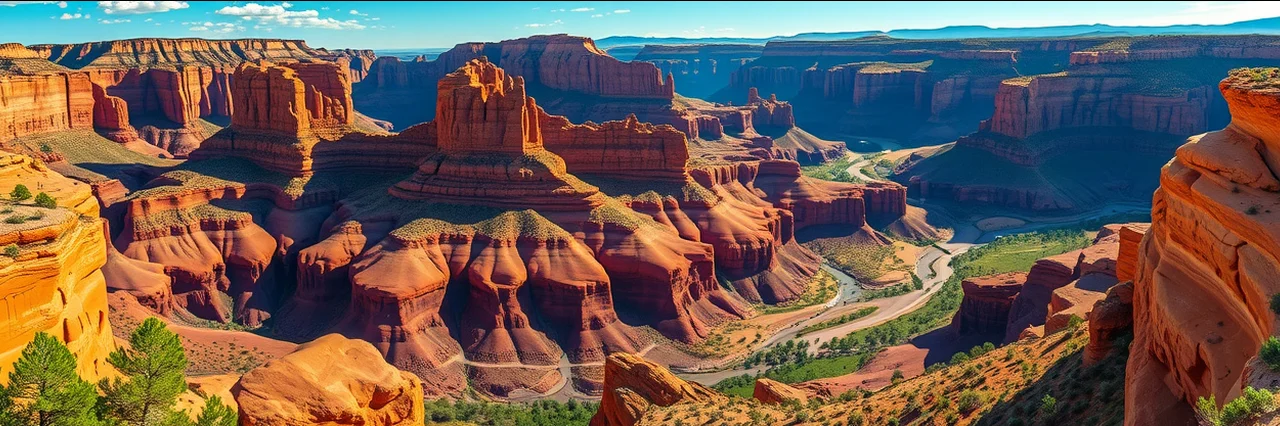
Black Canyon of the Gunnison National Park rim drives and overlooks showing dramatic canyon cliffs at sunset.

Black Canyon of the Gunnison National Park

📍 Address: Colorado, USA

📞 Phone: +1 970-641-2337

🌐 Website: https://www.nps.gov/blca/index.htm

★★★★★
Rating: 4.8

Unlocking the Vertical Wilderness: Why Black Canyon Rim Drives and Overlooks Captivate Every Visitor

Imagine standing at the edge of a canyon so deep and narrow that sunlight only briefly touches its floor. Black Canyon of the Gunnison National Park, renowned for its dizzying cliffs and ancient rock formations, delivers precisely this experience—offering rim drives and overlooks that provide a front-row seat to some of the Continent’s steepest and most dramatic geology. But why are these rim drives and overlooks regarded as essential stops for every visitor? For those seeking beauty, adventure, or a window into the forces that shaped North America, the park’s rim routes offer an unparalleled encounter with the wild pulse of time.

The value of exploring Black Canyon through its rim drives and overlooks isn’t just visual; it’s immersive. These routes do more than grant sweeping views—they invite you to witness the relentless work of the Gunnison River, which has sculpted this vertical wilderness over two million years. The overlooks are easy to access, yet the scope of the scenery conjures feelings of intimacy and awe, connecting visitors with the primordial forces of nature. Before planning your journey, understanding the unique experience these drives offer is crucial—because, as any seasoned explorer will tell you, the Black Canyon rewards those who take the time to truly see it.
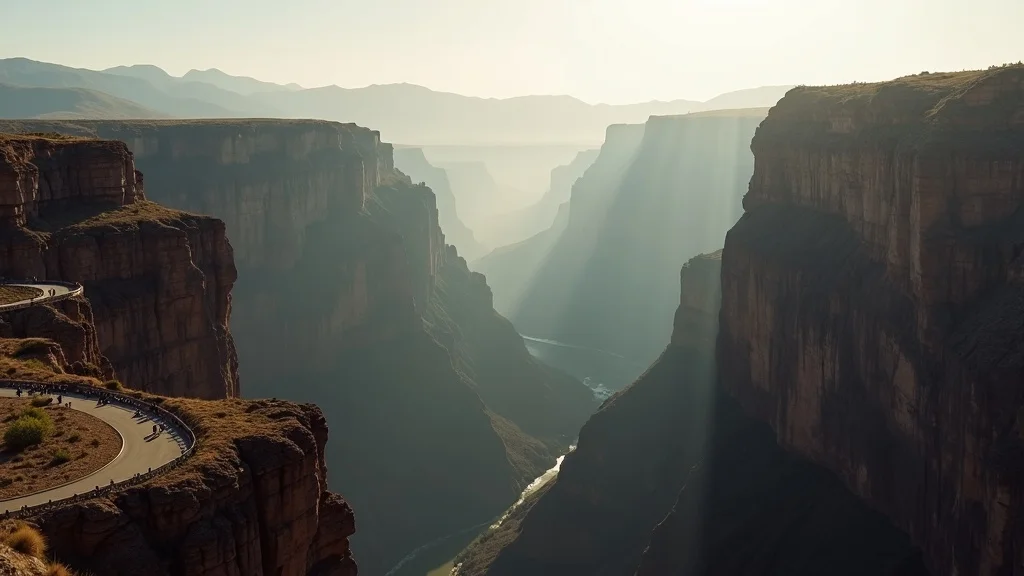
Panoramic overlook of Black Canyon rim drives in morning light

A Natural Spectacle: The Story and Purpose of Black Canyon Rim Drives and Overlooks

Rim drives and overlooks at Black Canyon of the Gunnison National Park are not simply roads and viewpoints; they are thoughtfully designed invitations to explore the heart of a landscape carved by uplift, volcanism, and water. Traversing these rim routes, visitors come face-to-face with jaw-dropping drops and rugged rock spires. These features allow anyone—from casual sightseer to passionate geologist—to appreciate the silent interplay of earth and river that has defined this terrain for millennia. The South Rim and North Rim each offer a distinct perspective; together, they provide an education in both natural history and raw beauty.

The experience is accessible, but that doesn’t mean it’s without challenges. Some trails that lead from overlooks may have steep drop-offs or rocky steps, emphasizing the importance of preparation and attentiveness. Yet even those who stay close to their vehicles can grasp the grandeur through strategically placed overlooks that require only a short walk. Missing out on these rim drives and overlooks isn’t a minor omission—it means forfeiting a chance to witness some of North America’s most pristine vertical wilderness. Black Canyon’s rim drives are not just beautiful routes—they are essential for anyone who truly wants to feel the pulse and power of the park’s geology and history.
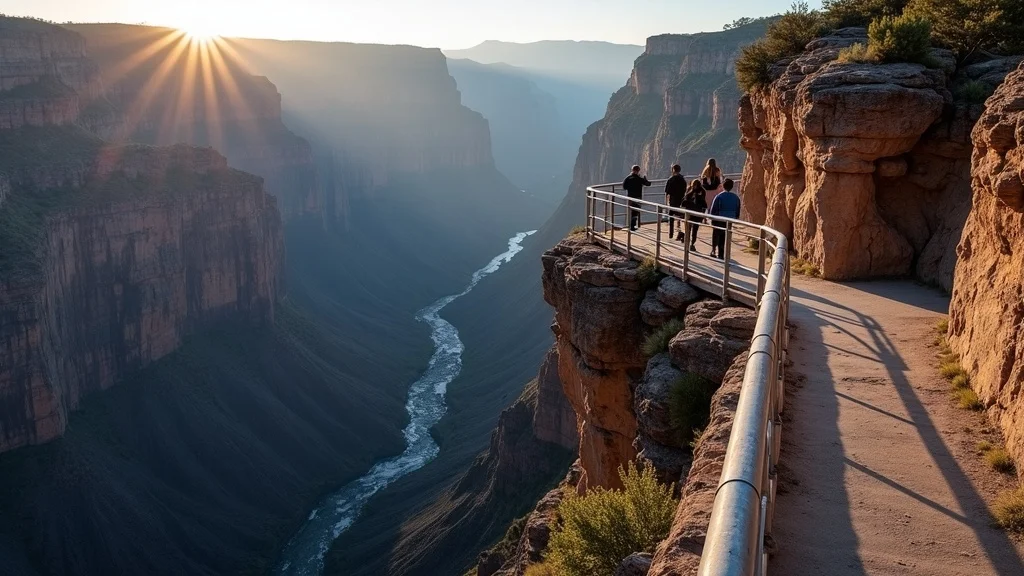
Visitors at Black Canyon overlook admiring dramatic canyon cliffs

For those planning an extended adventure along the rim drives, having reliable power on the road can make your visit even more comfortable and convenient. Many RV travelers have found that equipping their vehicles with a portable power station, such as the Bluei Elite 200 V2, enhances their experience by ensuring access to essential amenities during their stay. Learn more about the benefits and features of this power solution for RVers in this detailed guide to the Bluei Elite 200 V2 Power Station.

Why the Overlooks and Rim Drives of Black Canyon Offer Much More Than a View

Black Canyon of the Gunnison National Park stands as an example of how the right infrastructure—rim drives and overlooks—can turn a geologic wonder into an experience accessible to everyone. With numerous overlooks located along both the South Rim and the less-traveled North Rim, visitors can appreciate the full drama of the canyon without demanding hikes or technical gear. Each overlook is carefully placed to maximize safety as well as views, allowing for moments of stillness, awe, and, for many, inspiration. Whether it’s the morning light casting shadows across sheer cliff faces or the evening sun lighting up ancient spires, these vantage points deliver spectacular—and ever-changing—visual rewards.
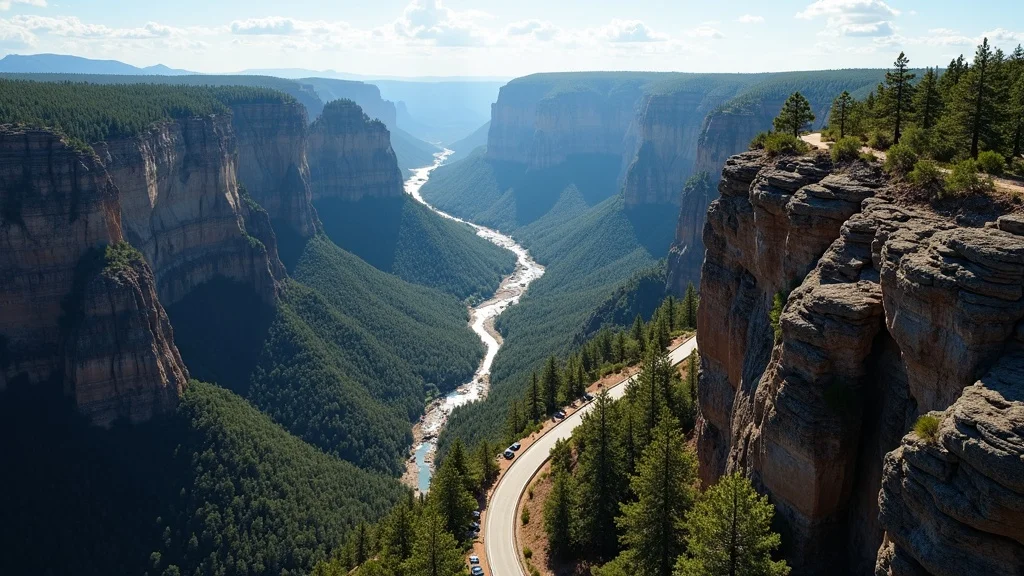
South Rim drive with scenic overlooks at Black Canyon National Park

The park’s approach showcases a deep respect for both preservation and accessibility. Short, easy walks mean that families, older adults, and anyone with less mobility can still experience the “steepest cliffs, oldest rock, and craggiest spires in North America. ” For photography lovers, the unique light conditions created by the canyon’s depth provide rare opportunities to capture images seen nowhere else. The accessibility and range of the rim drives mean that you can truly take in the whole park within a day or two, maximizing both the sense of discovery and connection to natural history. In short, these features reverse the usual narrative of remote wilderness—they welcome you in, on your own terms.

From Ancient Origins to Modern Access: Tracing the Canyon’s Geological Timeline

The stunning scenery visible from Black Canyon’s rim overlooks is defined by more than its height—it’s also a window into deep time. The canyon itself began taking shape over two million years ago, with the Gunnison River persistently carving rock that has stood for nearly two billion years. This geological tapestry is further enriched by episodes of uplift and volcanism, combining to create the “vertical wilderness” that now draws scientists and sightseers alike. The rim drives trace this dynamic history, moving visitors from one eon to another with every stop.
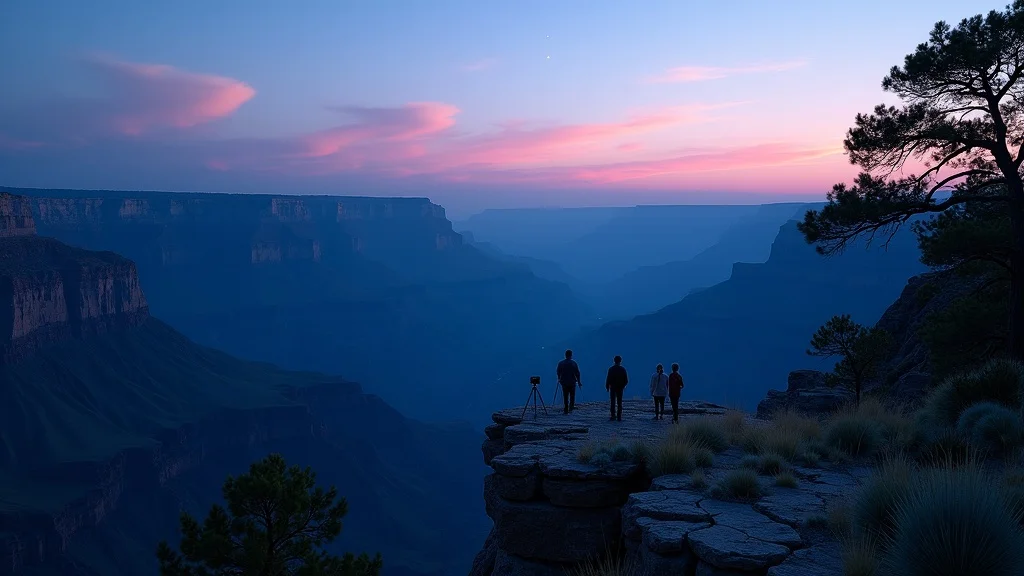
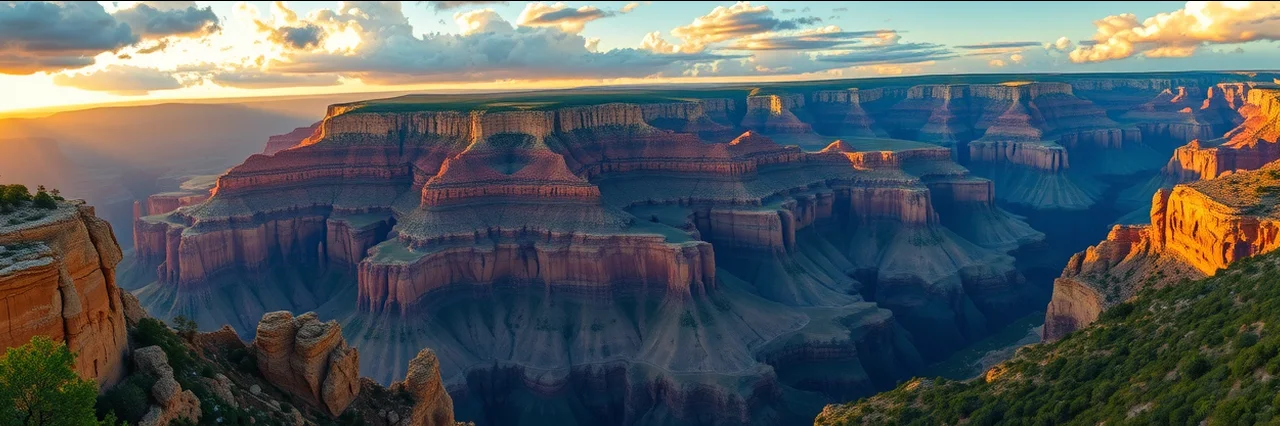
Black Canyon rim overlook at dusk with photographers capturing twilight

With each overlook, you get more than just a view; you gain a lesson in how relentless natural processes—tectonic shifts, ancient lava flows, and ceaseless water erosion—can create features that inspire generations. The park’s balance between ruggedness and accessibility is itself the result of thoughtful management, ensuring that today’s visitors can enjoy the canyon without damaging it for tomorrow’s explorers.

How Wildlife and Plant Life Thrive Along the Rim

Black Canyon is not just a monument to geology; it is home to a vibrant ecosystem stretching from rim to river. Animals and plants have adapted to distinct habitats along the canyon walls, with some requiring a “specific lifestyle to be successful. ” From the rim overlooks, sharp-eyed visitors may spot hawks circling on thermals or mule deer moving through sparse juniper and piñon pine forests. The overlooks, therefore, serve as quiet theaters where the drama of survival unfolds daily—reminding us that vertical spaces can be just as full of life as any broad valley.

By structuring access with overlooks and rim drives, the park not only provides exceptional sightseeing opportunities but also educates the public about the importance of habitat preservation. Observing the canyon from above reveals patterns you might miss up close—how vegetation clings to rocky shelves, or how water flow supports diverse species all the way from the rim to the canyon floor. This holistic view is vital for anyone passionate about conservation or simply curious about the resilience of life in demanding environments.

Night Skies and Changing Light: Why Timing Your Visit Matters

Part of the magic of Black Canyon’s rim drives and overlooks comes from their changing atmosphere throughout the day—and night. Early mornings and late evenings are prized times for photographers, when the light plays dramatically on steep cliffs. Shadows move quickly across the chasm, highlighting features that remain invisible at midday. As the sun sets, the park transitions into one of the nation’s most celebrated venues for stargazing; its dark skies invite both experienced astronomers and casual sky-watchers to witness constellations, meteors, and the slow dance of planets.

This unique interplay of light and dark ensures that no two visits to the overlooks are ever the same. Careful timing and observation can transform a casual drive into an unforgettable encounter with both the canyon and the cosmos. The park’s educational programs and resources encourage visitors to “stay connected” with these stories—an open invitation to return and see the landscape in every possible mood.

Black Canyon of the Gunnison’s Vision: Preserving Access and Awe Through Rim Drives and Overlooks

Black Canyon of the Gunnison National Park’s philosophy is rooted in making a landscape that is “big enough to be overwhelming, yet still intimate enough to feel the pulse of time” accessible to all. The park’s dedication to offering year-round, 24-hour access to the rim drives and overlooks reflects a commitment to inclusivity and stewardship. Even as the park protects some of the continent’s wildest, most untamed terrain, it ensures that even short walks or a simple drive can reveal the canyon’s grandeur to everyone—from first-time visitors to passionate naturalists.

By maintaining overlooks and roads that bring people to breathtaking vantage points with minimal environmental impact, the park demonstrates a careful balancing act. Park management is deeply aware of the need to preserve the integrity of the canyon’s ecology, while also recognizing the importance of direct, sensory experiences for visitors. The result is an evolving model in the national park system, where immersion, accessibility, and awe go hand in hand.

Visitors Find Meaning in the Overlooks: A Visitor Reflects

For many, the impact of standing on the rim is best described by those who have experienced it firsthand. One visitor recalled how the park’s accessibility and scenic beauty left them with both awe and inspiration, thanks to the carefully designed overlooks and rim drives that made the experience possible:

It definitely wasn't very crowded when we went. But it was a very beautiful place. I definitely would recommend seeing a lot of it in the morning or evening if you're into photography. Everything is pretty easy to get to. It’s just a short walk to any of the overlooks. You can definitely see all the park in a day or two no problem.

Firsthand experiences like these reinforce why Black Canyon’s rim drives and overlooks remain so popular—combining ease, safety, and world-class scenery into a visit that is rewarding and memorable. Visitors who explore these features discover what it means to connect with the land’s history, beauty, and enduring sense of wonder. For those considering a trip, these stories affirm that discovering the Black Canyon rim drives may leave you with lasting memories—and perhaps, a new sense of what wildness can be.

Why Exploring Black Canyon’s Rim Drives Can Transform Your Perspective on Wilderness

Black Canyon of the Gunnison National Park’s rim drives and overlooks are not simply highlights on a travel itinerary—they are immersive journeys into one of North America’s most powerful natural stories. These routes empower visitors to safely and easily witness forces of geology and time in action, while granting moments of stillness and wonder. By prioritizing both access and preservation, the park stands as an authority in making the beauty of wild places accessible to all without sacrificing their fundamental character.

Exploring the rim drives and overlooks isn’t just about checking off a landmark—it’s about learning how vertical wilderness, light, and landscape intersect to create unforgettable moments. The park’s ongoing commitment to education and stewardship ensures that these perspectives endure for future generations. In a world where wild places grow ever rarer, the rim drives at Black Canyon of the Gunnison remain a testament to the enduring value of perspective—on both nature and ourselves.

If you’re inspired to make the most of your journey through Black Canyon’s rim drives, consider how the right gear can elevate your adventure—especially for those traveling by RV. Exploring the advantages of portable power solutions, like the Bluei Elite 200 V2 Power Station, can help you stay connected and comfortable while immersing yourself in the park’s wild beauty. For a deeper dive into how this technology supports RV nomads and enhances the overall travel experience, visit the comprehensive overview on why every RV nomad needs the Bluei Elite 200 V2 Power Station. Taking this next step ensures your time at Black Canyon is not only memorable but also seamlessly supported, allowing you to focus on discovery and awe.

Contact the Experts at Black Canyon of the Gunnison National Park

If you’d like to learn more about how black canyon of the gunnison national park rim drives and overlooks could benefit your adventure or deepen your appreciation of the American landscape, contact the team at Black Canyon of the Gunnison National Park. 📍 Address: Colorado, USA 📞 Phone: +1 970-641-2337 🌐 Website: https://www. nps. gov/blca/index. htm

Location and Hours for Black Canyon of the Gunnison National Park

🕒 Hours of Operation: The park is open year-round, 24 hours a day. South Rim Visitor Center is open daily from 8 am to 5 pm.
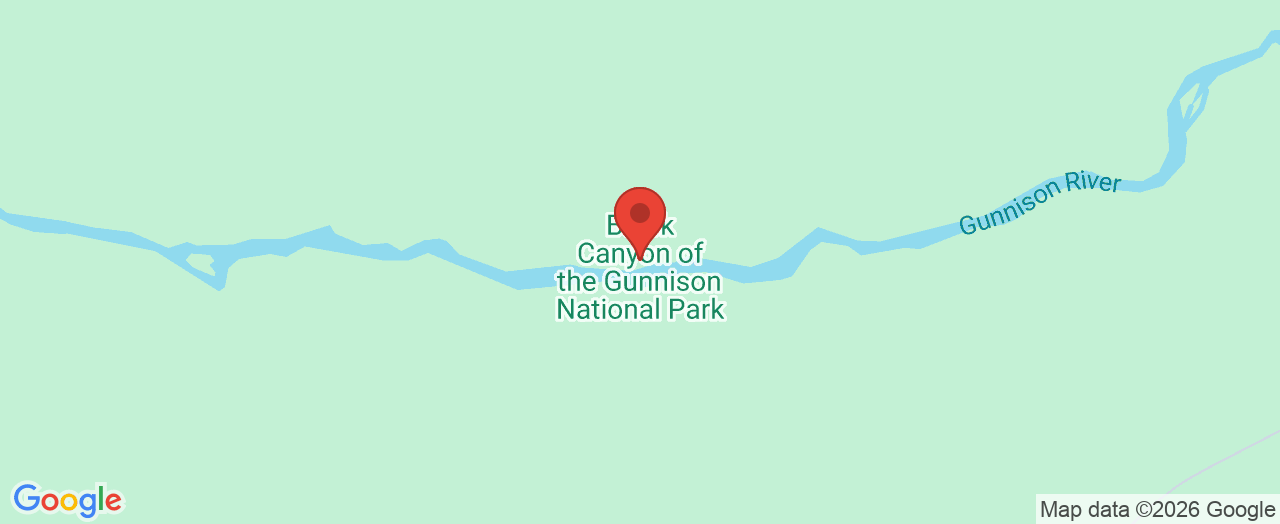
Location Map
National Parks

0 Comments

Write A Comment

*
*
Please complete the captcha to submit your comment.
Related Posts All Posts

Explore Biscayne National Park Snorkeling Shipwrecks and Coral Reefs by Boat!

Biscayne National Park - Dante Fascell Visitor Center 📍 Address: 9700 SW 328th St, Homestead, FL 33033, USA 📞 Phone: +1 786-335-3620 🌐 Website: https://www.nps.gov/bisc/planyourvisit/hours.htm ★★★★★ Rating: 4.7 Dive Into Adventure: Why Exploring Underwater Treasures at Biscayne National Park Matters Have you ever wondered what secrets lie beneath the clear, shimmering waters just off the coast of South Florida? Every year, thousands of curious adventurers flock to one of the nation's most remarkable marine parks, eager to experience the magic of exploring shipwrecks and vibrant coral reefs by boat at Biscayne National Park. The park itself spans over 172,000 acres, with 95% covered by water, offering some of the greatest underwater sites accessible only by watercraft. There’s something undeniably thrilling about slipping into these waters—where history, nature, and adventure meet beneath the gentle waves. The allure of snorkeling shipwrecks and coral reefs goes beyond just another day at the beach. This is an opportunity to witness living tropical reefs, teeming with colorful marine life, and to explore sunken ships that whisper tales of exploration and sometimes tragedy. Yet, despite its proximity to metropolitan Miami, few realize how accessible and diverse the Biscayne underwater experience can be, especially when explored by boat. Whether you’re a novice wanting to dip your mask into paradise for the first time, or an experienced snorkeler searching for unique aquatic landscapes, understanding what makes Biscayne National Park’s underwater world so special is the first step toward an unforgettable journey. Unlocking the Mysteries: What Makes Biscayne’s Coral Reefs and Shipwrecks Must-See Wonders? Snorkeling shipwrecks and coral reefs by boat in Biscayne National Park isn’t just a recreational outing—it’s a passport into a thriving underwater universe brimming with stories and surprises. Imagine snorkeling over the remains of ships that met their fates hundreds of years ago; these time capsules offer a window to the past, now claimed by schools of tropical fish and vibrant corals. Such shipwrecks not only intrigue history buffs, but they also provide essential refuge for marine life, making each site both a living museum and a biological hotspot. The park’s extensive coral reefs are ecological marvels—dynamic havens for nurse sharks, angelfish, sea turtles, and a kaleidoscope of reef dwellers. Without understanding the fragility and complexity of these underwater ecosystems, it’s easy to underestimate their importance or overlook their vulnerability in the face of pollution and climate change. For those who don’t seize the chance to see them—especially by the unique vantage point of boat-accessed snorkeling—the missed educational, emotional, and sensory experiences can be profound. Gaining this perspective doesn’t just make for a great story, it fosters the kind of appreciation that can lead to lifelong memories and inspire future conservation. For adventurers who love exploring remote destinations, having reliable power on the go can make your Biscayne National Park trip even more comfortable. If you're planning to extend your stay or travel by RV, you might find it helpful to learn about the Bluei Elite 200 V2 Power Station, a practical solution for keeping your devices charged and your journey uninterrupted. Why Exploring Biscayne National Park’s Shipwrecks and Reefs by Boat Changes Everything Biscayne National Park’s unique landscape—almost entirely underwater—means that getting off the beaten path truly requires a boat. The park is home to a stunning collection of shipwrecks and coral reefs that come alive just beneath the surface, inaccessible from land. Exploring these areas by boat gives snorkelers the chance to reach pristine, less-traveled spots where corals flourish and marine life thrives with minimal crowds. The boat ride itself becomes part of the adventure, providing sweeping views of the bay and keys, as well as the anticipation that builds as you approach each snorkeling site. Guests often report how visiting multiple locations during a single outing maximizes the variety of underwater scenery they encounter—from teeming coral gardens to the mysterious outlines of century-old shipwrecks. This mobile approach means every trip can be customized by weather, tide, and interest, ensuring safe, optimal viewing conditions and a tailored experience that simply isn’t possible from the shore. With expert guides and knowledgeable naturalists leading the way, a boat-based excursion delivers a sense of discovery, safety, and deeper learning that transforms an ordinary snorkeling outing into a meaningful journey through Florida’s unparalleled marine heritage. The Evolution of Marine Exploration: From Barrier Reefs to Sunken Treasures Beneath the surface of Biscayne Bay lies a tapestry of history and nature that has evolved over centuries. The reefs within Biscayne National Park have long served as both guardians and hazards; they nurture new marine life and once challenged mariners trying to safely navigate the shallow waters. Many of the park’s most famous shipwrecks—including the remains of 19th-century sailing vessels—tell stories of trade, exploration, and peril, now transformed into ecological sanctuaries. Visiting these wrecks by boat provides a direct connection to the area’s maritime past, with each sunken hull and coral encrustation offering a clue about humans’ relationship with the ocean. Over time, boat-based snorkeling excursions have become essential for both recreation and education. Today’s park visitors not only marvel at the intricate coral formations and playful marine creatures but also learn about conservation and the historical significance of the park’s submerged resources. As eco-tourism becomes increasingly popular, Biscayne’s approach ensures that discovery is hands-on and that every outing is a lesson in sustainability, appreciation, and shared history. Practical Tips: Making the Most of Your Biscayne Snorkeling Adventure To truly enjoy Biscayne National Park’s underwater wonders, planning is key. The Dante Fascell Visitor Center serves as an indispensable starting point, offering orientation, safety briefings, and current information on snorkeling conditions. Boat-based adventures allow for guided tours led by experienced naturalists, who can select sites tailored to the day’s weather and visibility, increasing both safety and enjoyment. Those eager to maximize their exploration should bring reef-safe sunscreen, a reusable water bottle, and a curiosity for learning. Not only do the guides share fascinating facts about shipwrecks and coral formations, but they also emphasize responsible interactions with the fragile environment. By following established best practices, visitors can help conserve these resources for future generations, making every snorkeling trip as sustainable as it is memorable. Biscayne National Park’s Educational Mission: Connecting Visitors to Natural and Cultural Heritage As an official site of the U. S. National Park Service, Biscayne National Park - Dante Fascell Visitor Center embodies a commitment to education and preservation. Its mission is clear: to provide a safe, accessible gateway for people of all backgrounds to learn about the park’s rich marine ecosystems and historical heritage. This philosophy is carried out through carefully managed access to shipwrecks and reefs, expert interpretation, and an ongoing dedication to fostering environmental stewardship among all visitors. The park offers many paths to understanding its unique marine world—a place where family-friendly adventures coexist with powerful conservation messages. By making information readily available, offering guided educational programs, and upholding high standards for ecological protection, the park plays a leading role in demonstrating how public spaces can be enjoyed responsibly while leaving their treasures intact for future generations. Real Experiences: The Transformative Power of Snorkeling Biscayne’s Underwater Landscapes For many visitors, the true value of a Biscayne National Park snorkeling trip emerges in those quiet moments gliding over a living reef or floating above a shipwreck, surrounded by a chorus of darting fish and the gentle sway of sea fans. Visitors from all over share their stories of adventure, connection, and awe at what they have discovered just beneath the water’s surface. One recent explorer captures the essence of the experience in this way: We booked the morning snorkeling 3. 5 hour tour, two snorkeling locations plus the boat ride. Casey and Hermes were excellent captain and first mate naturalists and all around good people. Small group; We had a great time. —Bonnie V. This feedback reflects the gratitude and wonder felt by so many who venture out to explore Biscayne’s treasures. Each positive review reinforces just how vital these experiences can be in forging personal connections with nature and history. By seizing the chance to snorkel Biscayne’s shipwrecks and reefs by boat, others can enjoy the same transformative encounters—immersing themselves in one of America's most unique and inspiring national parks. Biscayne’s Living Legacy: Why Protecting and Experiencing the Underwater World Matters Exploring Biscayne National Park by snorkeling shipwrecks and coral reefs via boat isn’t just a day trip—it’s an education in the delicate balance that sustains these vibrant ecosystems while connecting us to history. Through its expertly managed visitor center and thoughtful programming, Biscayne National Park not only invites adventure but also fosters deep respect for its aquatic wonders. The park stands as a model of how public lands can provide recreation, inspiration, and stewardship all at once. The continued care, accessibility, and interpretation offered by Biscayne National Park - Dante Fascell Visitor Center mean that future generations will have the chance to unlock the same secrets hiding below the surface. In a rapidly changing world, making the choice to explore these shipwrecks and coral reefs is a step not just toward personal discovery, but toward lasting preservation of our shared natural and cultural legacy. As you plan your next adventure to Biscayne National Park, consider how the right gear and preparation can elevate your experience—especially if you’re traveling by RV or seeking off-grid comfort. Exploring the benefits of portable power solutions like the Bluei Elite 200 V2 Power Station can help you stay connected and energized throughout your journey. Whether you’re recharging after a day of snorkeling or powering up your devices for the next leg of your trip, having dependable energy on hand ensures you never miss a moment of discovery. For more insights on how to enhance your outdoor adventures with smart technology, take a look at the best deals and features of the Bluei Elite 200 V2 Power Station for RVers and see how it can transform your travels. Contact the Experts at Biscayne National Park - Dante Fascell Visitor Center If you’d like to learn more about how snorkeling shipwrecks and coral reefs by boat could benefit your outdoor experience, contact the team at Biscayne National Park - Dante Fascell Visitor Center. 📍 Address: 9700 SW 328th St, Homestead, FL 33033, USA 📞 Phone: +1 786-335-3620 🌐 Website: https://www. nps. gov/bisc/planyourvisit/hours. htm Biscayne National Park - Dante Fascell Visitor Center Location and Hours 🕒 Hours of Operation:📅 Monday: 9:00 AM – 5:00 PM📅 Tuesday: 9:00 AM – 5:00 PM📅 Wednesday: 9:00 AM – 5:00 PM📅 Thursday: 9:00 AM – 5:00 PM📅 Friday: 9:00 AM – 5:00 PM📅 Saturday: 9:00 AM – 5:00 PM📅 Sunday: 9:00 AM – 5:00 PM

Quiet Trails & Snowy Peaks: Planning a Winter National Parks RV Road Trip in December

Imagine waking up to a silent, snow-dusted forest and realizing you have miles of iconic national park trails virtually to yourself. It’s not just a dream—winter is the secret season for explorers, and a well-planned winter national parks RV road trip puts you in the heart of it all, trading crowds for solitude, and heat for the crisp beauty of December.Start Your Winter National Parks RV Road Trip: An Eye-Opening StatisticDid you know that only 13% of annual national park visits happen between December and February? This means that during winter months, you can experience the grandeur of national parks without the hustle and bustle. Popular hiking trails and scenic drives transform into peaceful sanctuaries under a blanket of snow. A winter national parks RV road trip ushers in a time when wildlife emerges, sunrise glows softly on snowy peaks, and you can grab a premium campsite without booking six months ahead of time. December is truly a magical time of year—the shoulder season that savvy road trippers quietly covet.Why December is the Secret Season for National Park RV Trips"Only 13% of annual national park visits happen between December and February—meaning you’ll have iconic trails almost to yourself."Winter is one of the best times to visit national parks if you crave tranquility and a deeper connection with nature. As crowds thin, the wilderness regains its serenity. Geysers steam against frosty air in Yellowstone, red rocks in Arches National Park starkly contrast with fresh snow, and December’s shorter days gift you with some of the clearest stargazing in the country. Even iconic destinations like Grand Canyon and Zion National Park are reborn under a layer of snow—offering bucket-list photo opportunities and moments of stillness that are almost impossible in sunnier seasons. Embrace the cold, and you’ll discover winter travel magic unique to this special time of year.If you’re interested in how seasonal changes can dramatically affect your national park experience, you might also enjoy exploring insider tips for visiting national parks in May. Comparing winter solitude to the vibrant spring months can help you plan the perfect trip for your travel style.What You'll Learn from This Winter National Parks RV Road Trip GuideHow to plan the ultimate winter national parks RV road tripTop national parks for winter RV travelersMust-know winter travel tips for road tripsRanking best campgrounds and RV sites in national parksWeather essentials and gear for December adventuresTop 10 Parks for Your Winter National Parks RV Road TripIf you’re searching for the ultimate winter national parks RV road trip, these ten parks offer exceptional landscapes, abundant wildlife, and unforgettable scenic drives during December. Each location provides unique charms—from thermal wonders and snowshoeing meadows, to star-filled nights and inviting desert warmth. Carefully curated, these destinations balance accessibility, convenience for RVers, and that once-in-a-lifetime winter magic.1. Yellowstone National Park: Geysers, Wildlife, and SolitudeYellowstone National Park transforms into a wild winter spectacle where geysers erupt through steam, bison huddle near hot springs, and trails lie pristine and undisturbed. While the park closes most roads in winter months, the famous Lamar Valley and Mammoth area remain open to RVs. Cross-country skiing and wildlife watching are top activities—imagine spotting a wolf pack in the frosty dawn or catching a glimpse of elk amid steaming rivers. Bring your warmest gear as daytime highs can hover around 28°F, and be ready for snowy drives.2. Zion National Park: Snow-Dusted Sandstone and Quiet TrailsZion National Park offers one of the most breathtaking contrasts—crimson sandstone cliffs draped in fresh snow. With much lighter traffic, even the famous Scenic Drive is open to private vehicles (a rarity compared to peak season). Hike serene winter trails like the Riverside Walk or see the Emerald Pools with a frosty touch. The Watchman Campground is open year-round and provides full RV hookups. December’s cool but mild climate (around 54°/30°F) makes for enjoyable exploring without summer’s scorching heat or big crowds.3. Death Valley National Park: Warm Desert EscapesIf you'd rather avoid snow, Death Valley National Park is your winter national park oasis. December temps average a pleasant 65°F by day, making for comfortable hikes across golden dunes, salt flats, or Badwater Basin. Winter months see the fewest visitors compared to spring wildflower season, so you’ll have panoramic views and stargazing nights all to yourself. Furnace Creek Campground offers partial hookups and is centrally located for access to all the park’s dramatic landscapes.4. Big Bend National Park: Majestic Desert PeaksIn Southwest Texas, Big Bend National Park offers dramatic canyons, rugged peaks, and the Rio Grande’s winding embrace. December is the perfect time to enjoy daytime highs around 63°F—ideal for tackling hikes in the Chisos Mountains or taking a scenic drive through the Ross Maxwell corridor. RVers flock to Rio Grande Village for full hookups and the prime location. Big Bend is spacious, remote, and a true paradise for those who crave solitude and enormous starry skies.5. Joshua Tree National Park: Star-Filled Winter NightsFamous for its unbelievable rock formations and twisted Joshua trees, Joshua Tree National Park in winter offers cool days and mesmerizing starry skies at night. With daytime highs averaging 60°F, you can hike, climb, or photograph to your heart’s content. Nights plummet to the mid-30s, so bring extra thermal layers. The Black Rock Campground is a top RV basecamp, and December’s celestial displays make this a premier destination for astrophotography and quiet campfire nights.6. Everglades National Park: Subtropical Scenery Without MosquitoesEverglades National Park is a unique escape unlike anything else on a winter national parks RV road trip. December means almost no bugs, far fewer storms, and abundant wildlife viewing—from alligators to roseate spoonbills. Explore the park’s watery trails, enjoy guided boat trips, and pitch camp at Long Pine Key or Flamingo Campground (bring bug spray, anyway, just in case). Mild temperatures and open skies make this a surprisingly serene winter travel destination.7. Saguaro National Park: Cacti in the SnowWhere else can you see towering cacti dusted in snow? Saguaro National Park near Tucson delivers just that—when rare storms sweep through, the park’s namesake giants stand out against bright white backdrops. Winter months are cool, rarely freezing, and perfect for hiking the park’s numerous scenic drives and nature trails. Take advantage of quieter campgrounds and photograph saguaro silhouettes at sunrise for memories you’ll never forget.8. Arches National Park: Red Rock Vistas in Winter WhiteThose iconic red rock arches become even more dramatic in winter when topped with fresh snow. Arches National Park has limited crowds in December, feeling like a private red rock kingdom. Enjoy world-famous landmarks—like Delicate Arch or Landscape Arch—without summer’s wait times or blazing sun. Snowshoeing and winter hiking offer a new kind of adventure, while the quiet amplifies the beauty of every view.9. Rocky Mountain National Park: Winter Wildlife and SnowshoeingThose seeking a classic snowy adventure should point their RV toward Rocky Mountain National Park. Winter travel is all about snowshoe hikes, spotting elk and moose, and crisp air that makes every vista pop. While some roads close due to snow, Hidden Valley is open for sledding, and Moraine Park is ideal for winter camping. Bring chains and be ready for cold—December means daytime highs in the 30s and magical snowy photo ops everywhere.10. Grand Canyon National Park: Silent SplendorTourists pour into the Grand Canyon every summer—but in winter, the park is transformed. The South Rim stays open with easy RV access, and you might find yourself alone beneath the snow-frosted rim at sunrise. Panoramic overlooks are peaceful, hiking trails are less crowded, and the entire canyon glows in soft winter light. Watch for elk wandering near the campgrounds and savor the silence you’ll only find this time of year.Park NameBest RV SitesAverage December TempNotable Winter ActivitiesYellowstone National ParkFishing Bridge RV ParkHigh 28°F / Low 2°FWildlife watching, cross-country skiingZion National ParkWatchman CampgroundHigh 54°F / Low 30°FHiking, scenic driveDeath Valley National ParkFurnace Creek CampgroundHigh 65°F / Low 38°FStargazing, sand dunesBig Bend National ParkRio Grande Village RVHigh 63°F / Low 41°FDesert hiking, Geology toursJoshua Tree National ParkBlack Rock CampgroundHigh 60°F / Low 35°FRock climbing, stargazingWatch: Epic Winter National Parks RV Road Trip HighlightsPlanning Your Winter National Parks RV Road Trip ItineraryCareful planning is the secret to a successful winter national parks RV road trip. Start by researching routes, checking real-time weather, and securing campground reservations ahead of time. Factor in park elevation, road closures, and potential winter storms—a flexible itinerary helps! Use winter-specific road trip apps, and always have backup scenic drives or alternate campgrounds in case snow or icy conditions close certain roads. Remember to plan for limited daylight and make sure you have power, food, and water reserved for longer stretches between services. The best trips combine preparedness with spontaneity in these vast and beautiful winter landscapes.Key Factors: Winter Travel Routes, Scenic Drives, and SafetyWhen planning your winter road trip, consider main highways that receive regular snow removal, and avoid remote roads prone to closure. Prioritize national parks like Big Bend National Park, Death Valley National Park, and Everglades for milder winter months, or seek out Zion National Park and Rocky Mountain for a full snowy adventure. Always check the National Park Service website for real-time updates about road conditions and trail status—especially after big snowstorms. Make safety your top priority by scheduling short drive days, keeping emergency gear on hand, and watching for black ice while exploring scenic park roads. This time of year, preparedness is the best way to keep your winter travels magical and worry-free.Mapping Your Road Trip Across National Parks: Essential Tools and AppsReservation timelines for national park RV campgroundsChoosing the best route for snow and weather conditionsAlternate scenic drives if roads close due to snowModern trip-planning apps like Roadtrippers, Campendium, and AllTrails can help you map out your route, browse campground reviews, and find alternate scenic drives if needed. Be sure to download offline maps and track campground reservation windows—many popular parks fill up quickly, even in winter months. With a little digital legwork, you’ll secure the best spots, be ready for weather changes, and enjoy a seamless blend of adventure and comfort.Must-Have RV Gear for a Successful Winter National Parks RV Road TripA well-equipped RV is your ticket to a warm, comfortable basecamp—even when camping in national parks known for their challenging weather. Smart winter RV travelers invest in heated water hoses, thermal blankets, and extra insulation. Make sure your RV’s heating system is in top shape and your water tanks are protected from freezing. Bring snow chains for mountain roads, and always have a backup power source (like a generator or portable lithium battery) for long, chilly nights. By staying warm and self-sufficient, you’ll turn potential winter obstacles into highlights of your road trip adventure.Winterizing Your RV: Heat, Water & Power EssentialsPreparing your rig for winter travel is a must—insulate exposed pipes, apply RV skirting to keep out drafts, and plug any air leaks around windows and doors. Propane heaters are highly recommended, as they’re reliable even off-grid. Prevent frozen water lines with heated hoses and always keep an eye on your propane usage. Don’t forget to test smoke and carbon monoxide alarms—safe winter travel means double-checking all your RV’s life-support systems before hitting the road.Top Gear Picks: Keeping Cozy and Safe During December National Park VisitsHeated water hoseRV skirtingPropane heaterSnow tires or chainsThermal blanketsAlongside these essentials, pack backup flashlights, a jump starter, and a portable power bank. Even the best national parks trips can be unpredictable—extra preparation ensures you stay warm, healthy, and ready to enjoy the outdoors regardless of what winter throws your way."Preparation is the difference between a magical winter road trip and an uncomfortable one," says full-time RV traveler Michelle Lee.Best RV Campgrounds Inside National Parks for Winter TravelNot all campgrounds stay open year-round, and even fewer offer full hookups during the winter months. Before planning your winter national parks RV road trip, research which parks have winterized camping, electricity, dump stations, and water on tap. Booking as soon as reservation windows open is extra important in December, as top sites go fast due to limited capacity.National Parks with Year-Round RV FacilitiesCertain favorites—like Zion, Death Valley, Big Bend, and Joshua Tree—offer year-round access and dedicated RV spaces, complete with power and water. Facilities like Watchman Campground or Furnace Creek Campground are designed with winter campers in mind. These sites are usually situated near popular winter hikes and scenic drives, ensuring you’re never far from adventure.Finding Full Hookups and Dump Stations in WinterWinterized RV amenities can be limited, and not every campground has open dump stations when temperatures dip. Seek out campgrounds advertising full or partial hookups—even a simple 15-amp outlet can make a world of difference. Use resources like Campendium or the National Park Service campground status page to confirm what’s available in December.Reservation Tips for Popular Winter National ParksAlways book as far ahead of time as reservation systems allow, as desirable winter RV sites go first—particularly in parks close to major cities or with unique natural attractions. Stay flexible; if your top choice is full, have a list of backup campgrounds just outside park boundaries. Also, double-check each park’s maximum RV length requirements to prevent surprise restrictions.CampgroundNational ParkRV HookupsWinter AccessFishing BridgeYellowstoneElectric OnlyRestrictedWatchmanZionFullOpenFurnace CreekDeath ValleyPartialOpenRio Grande VillageBig BendFullOpenLong Pine KeyEvergladesNoOpenWinter National Parks RV Road Trip Safety TipsSafety comes first when you’re exploring remote or icy destinations on a winter national parks RV road trip. Always check road conditions before heading out, and allow for extra stopping distance on icy roads. Stay aware of local weather—heavy snow or sudden temperature drops can quickly change your plans. Keep emergency gear in your rig, maintain full water and propane tanks, and let someone know your itinerary, especially in parks with limited cell service.Staying Safe on Icy Roads and Remote National ParksDrive cautiously; even the best-maintained park road can turn slick with little warning. Install snow tires or use chains where required (especially for parks like Rocky Mountain or Big Bend National Park). Pack extra blankets, food, and a battery-powered radio in case winter storms strand you for a day or two. Tune into park alerts and obey all posted closures—they’re for your safety and that of park rangers.Dealing with Extreme Weather: What to Pack and Emergency ProtocolsPrepare go-bags with warm clothing, emergency food rations, water, first-aid kits, and basic tools. Communication is key: carry a satellite messenger or two-way radio if you plan to head off-grid into lesser-trafficked parks. If extreme weather hits, don’t hesitate to wait it out; safe, warm rigs are worth more than risking a drive on icy mountain passes. With proper gear and awareness, you’ll find that winter mishaps are rare—and often just another story in your road trip adventure.Packing Guide: What to Bring for Your Winter National Parks RV Road TripCold-weather clothingFood and water storagePower backup sourcesNavigation and GPS devicesSmart packing ensures a smooth journey through winter month uncertainties. Layer up with merino, fleece, and waterproof shells. Food and water storage is crucial as some national park areas may be remote; stock up ahead of time, especially for longer scenic drives. Solar chargers and backup batteries keep your navigation and communication devices running, and always download local park maps ahead of time in case cell service drops.Wildlife Watching: Unique December Encounters on Your Road TripWinter is an incredible time to visit if you’re a wildlife fan. National parks are full of animals taking advantage of quieter landscapes—bison gather in Yellowstone, deer graze peacefully in Zion, and you might even spot a bobcat while hiking in Joshua Tree or Big Bend National Park. December’s thin crowds mean better chances for safe, private wildlife viewing experiences.Best National Parks for Winter Wildlife SightingsYellowstone (for wolves, bison, and elk), Big Bend National Park (for javelinas and birds), and Everglades National Park (alligator sightings galore) are winter wildlife hotspots. Carry binoculars and a camera with zoom for best results.Tips for Ethical and Safe Wildlife Viewing in National ParksAlways observe wildlife from a safe distance, never feed or approach animals, and remain on designated trails. Winter is a vulnerable time for many species, so giving them space ensures you see animals behaving naturally and preserves park habitats for years to come.Scenic Drives: Not-to-Miss Road Trip Routes Through National ParksNo winter national parks RV road trip is complete without a few iconic scenic drives. Many routes—like Skyline Drive (Shenandoah National Park) or the partial Going-to-the-Sun Road (Glacier)—offer unrivaled views of snowy peaks and valleys. Check seasonal status before departing, as some high-elevation roads may be closed after big storms. Scenic drives are often less busy in winter, so you’ll have photo stops nearly to yourself.Top Scenic Drives for Winter National Parks RV Road TripsGoing-to-the-Sun Road (partial, Glacier National Park)Scenic Drive at Zion National ParkSkyline Drive, Shenandoah National ParkDesert Drive, Joshua Tree National ParkPlan your drives for daylight; winter sun can be brief and shadows fall early. Have your camera or phone ready for wildlife encounters or magical snowy vistas, and keep an eye on road conditions for a safe, picturesque journey.Photo Opportunities: Capturing Snowy Peaks and Hidden WondersFrom frost-laden Joshua trees to bison in the mist—or red arches outlined in powder—winter months offer once-in-a-lifetime shots. Make the most of golden hour, keep lens wipes handy for damp conditions, and don’t hesitate to ask park rangers for tips on secret viewpoints.Winter Fun: Activities for All Ages During a National Parks RV Road TripWinter travel isn’t just about scenic drives—it’s about embracing the season! Snowshoeing, cross-country skiing, sledding, and snowball battles are all on the menu in snowier parks. Milder destinations like Death Valley National Park or Everglades reward you with comfortable hiking, wildlife tours, and ranger-led programs perfect for families and solo explorers alike.Snowshoeing, Cross-Country Skiing, and Family ActivitiesYellowstone, Rocky Mountain, and even parts of Zion National Park have marked snowshoe and ski trails for all ability levels. Look for national park events or guided outings that introduce beginners to snowy landscapes safely. Families will love building snowmen, ice skating (in parks that permit it), or enjoying ranger story times around the campfire.Stargazing in National Parks: The Clear Winter Sky AdvantageThe long, cold nights of December result in some of the country’s best stargazing. Parks like Joshua Tree National Park and Big Bend National Park are certified International Dark Sky Parks—look for astronomy programs or just step outside your RV campsite to witness the Milky Way blaze overhead. Bring a telescope or zoom lens, but even the naked eye is treated to dazzling constellations without summer haze or bugs.People Also Ask: Winter National Parks RV Road Trip QuestionsWhat is the best national park to visit in the winter?Answer: Yellowstone and Zion National Parks stand out for their winter beauty, accessibility, and exceptional wildlife, making them top picks for a winter national parks RV road trip.What length RV can go in national parks?Answer: Most national parks allow RVs up to 25–40 feet, but it varies—check each park’s guidelines before planning your winter national parks RV road trip.Where to take RV in winter?Answer: Head to parks like Death Valley, Joshua Tree, Big Bend, and Everglades for milder climates, or embrace the snow in Yellowstone or Rocky Mountain National Park on your winter national parks RV road trip.Do any national parks have RV hookups?Answer: Some national parks offer partial or full RV hookups, including Watchman (Zion), Furnace Creek (Death Valley), and Rio Grande Village (Big Bend). Reserve early for your winter national parks RV road trip.Frequently Asked Questions: Winter National Parks RV Road TripCan I access national park visitor centers in December?Are pets allowed during winter national parks RV trips?How early should I book RV sites for December?Is cell service reliable in national parks during winter?Key Takeaways for Your Winter National Parks RV Road TripDecember offers low crowds and unique landscapes across many national parks.Proper planning and gear are essential for winter RV travel.Not all campsites provide full hookups in winter—research and book early.Winter road trip offers unique wildlife, solitude, and picture-perfect scenery.Final Tips for a Memorable Winter National Parks RV Road TripEmbrace the Magic of Cold-Season National Parks"Winter transforms the familiar into the extraordinary. The silence, the snow, the wildlife—there’s nothing like a national park in December."Research park-specific winter regulations.Double-check RV winterization steps.Pack for variable weather.Start your winter national parks RV road trip early for the best sunlight.Ready to Begin Your Adventure?Start Planning Your Next Winter National Parks RV Road Trip Today!Begin researching routes, securing bookings, and gathering your gear
 and savor the once-in-a-lifetime stillness of a winter national parks RV road trip.If you’re inspired by the magic of winter in the national parks, consider broadening your adventure by learning how different seasons can transform your favorite destinations. For a fresh perspective and even more expert advice, check out the best national parks to visit in May, with insights from a former ranger. Whether you’re chasing snowy solitude or springtime blooms, each season offers its own unforgettable experiences—so keep exploring, keep planning, and let every road trip reveal a new side of America’s wild places.

Exploring the Magic of a Winter National Parks Road Trip

Update Embarking on a Winter National Parks Road Trip If you’ve ever yearned to experience the breathtaking beauty of the national parks during winter, you’re in for a treat! A winter national parks road trip offers stunning landscapes transformed by snow, fewer crowds, and an invigorating sense of adventure. Whether you’re a seasoned nature lover or a casual explorer, wintertime in the parks presents a unique charm that can leave you awestruck.In 'Must-Do Winter National Parks Road Trip!', the discussion dives into exciting travel opportunities during winter months, inspiring us to explore the beauty of nature in colder climates. What to Expect in Winter National Parks Imagine walking through icy trails framed by towering pines dusted with glistening snow. Many parks, such as Yosemite and Yellowstone, become serene winter wonderlands where the air is crisp and the silence is profound. Wildlife is also more visible during these months—the stark backdrop of snow often makes spotting animals easier. Curious about some of the specific parks? Let’s dive in! The Best Parks to Visit During Winter Some must-visit parks include: Yosemite National Park: Known for its stunning cliffs and waterfalls, Yosemite offers beautiful winter scenery and fewer crowds. The valley is particularly enchanting with snow-covered landscapes. Yellowstone National Park: Home to geothermal features, dense forests, and a variety of wildlife, seeing the park in winter is like stepping into a postcard. Snowshoeing and cross-country skiing are popular activities here. Rocky Mountain National Park: With its majestic peaks and tranquil valleys, enjoying a scenic drive or winter hike here is unforgettable. Don’t forget to snap a photo of the snow-laden peaks as they look truly magnificent under the winter sun! Planning Your Trip: Tips and Tricks When preparing for your winter adventure, consider these helpful tips: Check the Weather and Road Conditions: Winter weather can be unpredictable. Always check the forecast and park road closures before heading out. Dress for the Elements: Layering is essential. Keep warm by wearing moisture-wicking bases, insulating mid-layers, and waterproof outer shells. Bring the Right Gear: Whether it’s snowshoes or skis, having the right equipment is crucial for an enjoyable experience. Plan to rent or pack gear specialized for winter outings. Encouraging Exploration and Adventure For those planning a winter trip to national parks, it’s time to embrace the chill and exploration that comes with it! Nothing quite compares to a night under the stars with the peacefulness of a winter eve. Make your way to these beautiful parks, soak in their natural wonders, and create memories to last a lifetime. Whether it’s snowshoeing through a winter trail or sipping hot cocoa by a fire, there’s unmatched joy in discovering nature’s beauty during the season. Join the Community of Outdoors Enthusiasts As you plan your winter road trip, consider following inspiring channels that delve deeper into national park visits. Check out @DirtInMyShoes for engaging tips and visuals that will light the spark for your next adventure. Having a community that fosters exploration and conservation can provide the encouragement needed to make the trip a reality. So grab your gear and be ready to explore all that winter has to offer at your favorite national parks!

Terms of Service

Privacy Policy

Core Modal Title

Sorry, no results found

You Might Find These Articles Interesting

T
Please Check Your Email
We Will Be Following Up Shortly
*
*
*