RV Otter
update

Ride With RV Otter

update
  • Home
  • Categories
    • Destinations & Routes
    • Campground Reviews
    • RV Tips & Lifestyle
    • Gear & Essentials
    • On-the-Road Living
    • Traveling with Pets
    • Stories & Adventures
    • RVing on a Budget
    • Boondocking
    • Campground Reviews
    • RV Lifestyle News
    • National Parks
    • State Parks
    • Extra News
    • Central Oregon Coast
    • National Forest
    • Shopping
    • Rentals
    • RV Resorts
    • Business Directory
    • RV Sales & Rentals
    • Destinations
    • Campgrounds & Stays
    • Gear & Rentals
    • RV News & Resources
    • RV Dealerships
    • Destinations 2
  • Businesses
  • Wildlife Refuges
  • update
  • update
  • update
  • update
  • update
  • update
  • update
April 17.2026
1 Minute Read

Discover Crater Lake National Park Rim Drives’ Stunning Views

Crater Lake National Park rim drives and deep blue views with Wizard Island.

Crater Lake National Park

📍 Address: Oregon, USA

📞 Phone: +1 541-594-3000

🌐 Website: https://www.nps.gov/crla/index.htm

★★★★★
Rating: 4.9

Witness Nature’s Canvas: Why Crater Lake’s Rim Drives and Deep Blue Views Matter

Picture standing on the edge of a vast volcanic caldera, your eyes drawn to a deep blue that defies description—clear, pure, and shocking in its brilliance. Crater Lake National Park is not just another stop on a nature lover’s itinerary; it’s a rare natural phenomenon vying for your attention and wonder, carved by fire and preserved by time. With every trip around the park’s iconic rim drives, visitors are confronted not only with panoramic vistas but with a profound sense of awe that has captivated people for millennia. Yet, for all the postcards and online galleries, nothing fully prepares you for the complexity and depth of this place or the responsibility that comes with visiting such a fragile ecosystem.

The allure of Crater Lake lies not only in its breathtaking views but also in the journey to reach them—a journey that is as unpredictable as it is rewarding. From dramatic weather shifts to the challenge of forecasting visibility, travelers are encouraged to plan, adapt, and respect the forces that shape this extraordinary site. The rim drives wrap around fragile terrain atop the Cascade Mountain Range, offering more than sightseeing; they represent a dialogue with natural history, volcanic power, and conservation efforts. Understanding what makes Crater Lake’s rim drives unique doesn’t just enhance your trip; it helps you walk away with a deeper appreciation for geologic time, natural purity, and the careful stewardship that protects these blue waters for future generations.
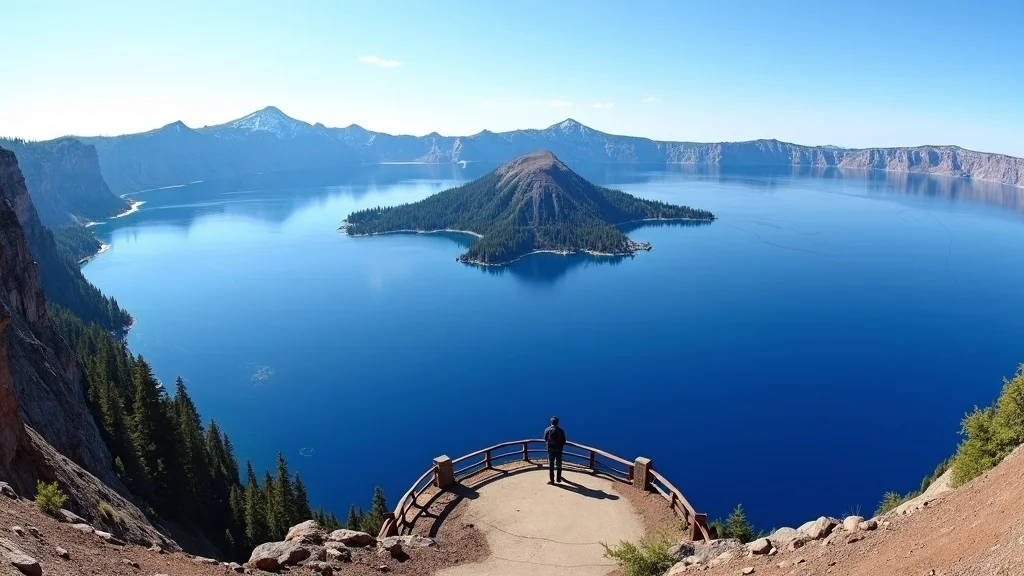
Crater Lake National Park rim drive with deep blue lake and stunning panoramic views

Peering into the Abyss: The Power and Purity of Crater Lake’s Rim Drives

Crater Lake National Park rim drives and deep blue views stand as one of America’s most sublime natural experiences, inviting visitors into a landscape formed more than 7,700 years ago by the catastrophic eruption and collapse of Mount Mazama. Unlike most lakes worldwide, Crater Lake is fed entirely by rain and snow, making its waters among the purest and deepest found anywhere on Earth. This geological marvel provides visitors with a chance to see nature’s handiwork on a dramatic scale while traveling the rim—an engineering feat that allows for discovery without disturbing the park’s delicate ecosystem.

Yet, experiencing the rim drives is about more than scenery. It is a lesson in geologic dynamism, unpredictable weather, and the fleeting beauty of high-altitude ecosystems. The rim roads often open and close with the seasons, affected by snowpack and stormy conditions that can shroud the lake’s famous blue beneath clouds in moments. For those unprepared, the disappointment of a hidden view can be sharp, and the risks of volcanic cliffs are real. Travel here demands respect and a willingness to learn—attributes that not only safeguard your adventure but protect the fragile balance of Crater Lake’s environment.
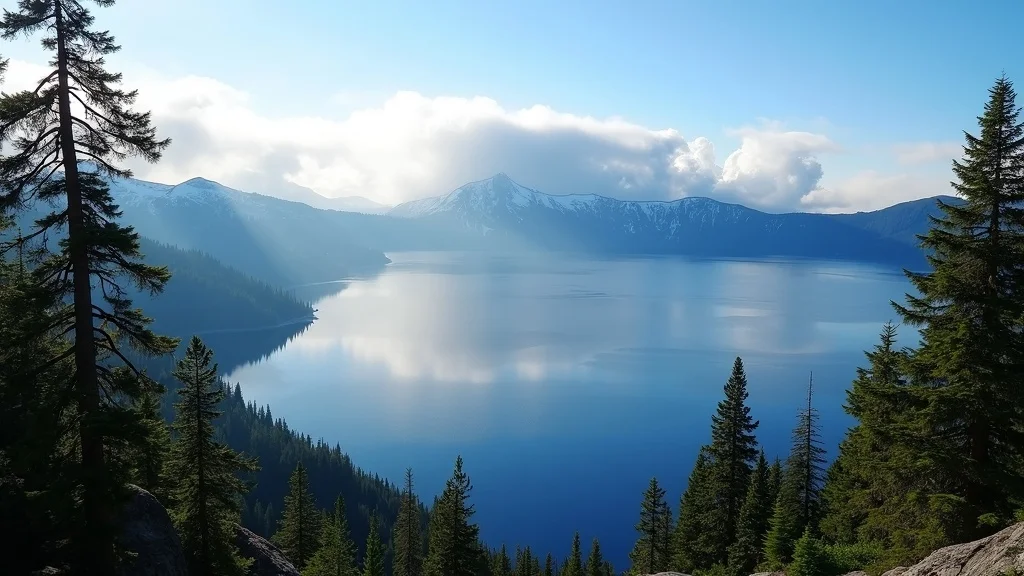
Tranquil Crater Lake rim drive at sunrise with deep blue water and forested views

How Rim Drives and Deep Blue Views at Crater Lake Enhance Every Visitor’s Journey

Crater Lake National Park, recognized for its awe-inspiring visual experiences, curates the rim drive experience with a deliberate respect for the land’s past and future. Every turn along these historic routes offers a dynamic perspective of the lake’s indigo depths and surrounding Cascade scenery. The park’s commitment to conservation ensures that, even for large crowds, moments of personal reflection and solitude are possible—especially for those willing to traverse beyond the main viewpoints and onto the park’s many trails. For countless visitors, the rim drives have transformed ordinary trips into lifelong memories, offering a unique encounter with nature’s unrestrained creativity.

The practical benefits of exploring Crater Lake’s rim drive reach beyond mere sightseeing. Not only do these drives provide structured access to otherwise remote overlooks and trails, but they foster an appreciation for how geological events shape our world. Travelers learn firsthand how snow and rain maintain this natural wonder’s clarity, how the steep cliffs present both danger and wonder, and how the heritage of Native Americans who first witnessed the lake still echoes in the park’s protected landscapes. The experience does more than impress—it cultivates stewardship and a sense of awe for the deep blue beauty preserved here.
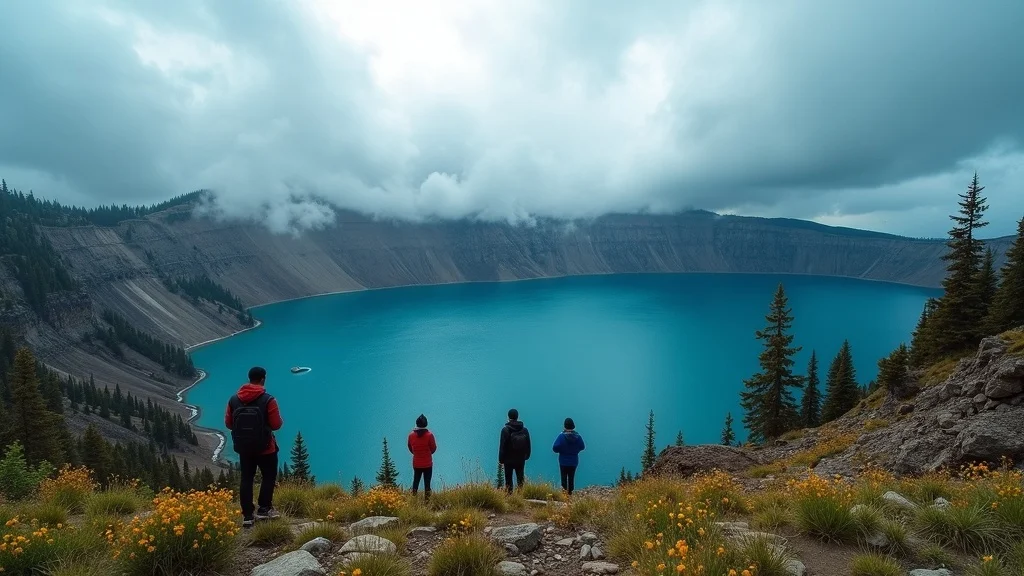
Crater Lake rim drive under stormy skies with deep blue views and rugged landscape

For those planning an extended adventure around Crater Lake or seeking to maximize comfort during their journey, having reliable power on the road can make all the difference. Exploring the advantages of portable power solutions, such as the Bluei Elite 200 V2 Power Station for RVers, can help ensure your trip remains smooth and enjoyable, especially when venturing into remote areas with limited amenities.

Seasonal Transitions: What You Need to Know Before Embarking on the Rim

One of the most distinctive aspects of the Crater Lake rim drive is how weather, seasons, and unpredictability are built into the experience by design. Visitors quickly learn that clear skies and panoramic blues are not guaranteed; dense fog, sudden snow, and shifting light transform the landscape by the hour. From winter’s icy silence to summer’s energetic crowds, each season brings both opportunity and challenge. Understanding current park conditions, weather forecasts, and recent alerts is crucial for safe and rewarding travel—especially since many routes are subject to closure due to snowfall or maintenance.

To maximize the trip, it is essential to monitor everything from park webcams and alerts to descriptions of seasonal road closures and transportation options mentioned in official communications. These resources offer invaluable, up-to-date information and underscore the necessity of adapting to this landscape. There’s real wisdom in the park’s advisory: “Regardless of the time of year, check the forecast multiple times in advance. Conditions can change quickly. ” Such guidance reflects not only the park’s expertise but its responsibility in protecting visitors and preserving the land for those who follow.
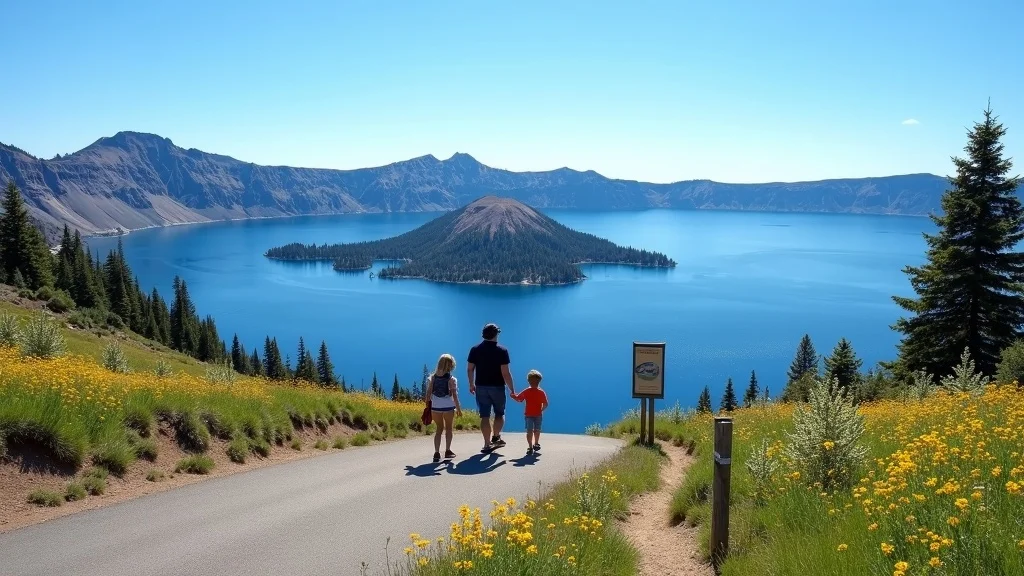
Crater Lake National Park rim drive with family enjoying deep blue lake views and Wizard Island

Discovering the Spirit of Solitude: Trails, Vistas, and the Search for Quiet Wonder

Beyond the panoramic pullouts and iconic photographs, Crater Lake’s rim drives offer another gift: the chance to encounter pockets of solitude amid the grandeur. While summer crowds cluster around key viewpoints, the network of trails radiating from the rim draws explorers deeper into the park’s secret spaces. Whether seeking the steady muscle-burn of the Cleetwood Cove Trail—descending steeply to the water’s edge—or following gentler routes for glimpses of rare wildflowers and wildlife, the rim drive serves as a launching pad for those who wish to trade bustle for stillness.

For artists, photographers, and contemplative travelers, even a brief detour can yield profound moments—a sudden clearing in the clouds, a reflection of ancient pines on sapphire water, or the hush of snowfall beneath a volcanic ledge. The park’s thoughtful design honors both the casual visitor and the determined adventurer. Each path, viewpoint, and interpretive overlook is an invitation to pause, reflect, and reconnect with something elemental and enduring.

Protecting a Prehistoric Lake: Conservation Is Everyone’s Role

The purity and clarity for which Crater Lake is globally renowned do not happen by accident. Rigorous conservation protocols govern everything from access roads to visitor behaviors—a necessity when protecting a resource considered one of the cleanest and deepest lakes on Earth. The rim drive system stands as a model for balancing access with protection, carefully designed to mitigate erosion, prevent pollution, and minimize the impact of large numbers of visitors on this delicate volcanic terrain.

The park’s educational outreach emphasizes a shared responsibility, inviting all who journey here to become stewards of the land. Whether it’s information on safe pet practices, fire awareness, or honoring cultural landscapes and geologic history, the park’s foundational mission is to foster not just admiration but accountability. By following guidelines and respecting closures, visitors become part of a legacy that reaches back to the ancestors who marveled at the lake’s birth and forward to the generations that will inherit its beauty and scientific mystery.

Stewardship at Scale: Crater Lake National Park’s Ongoing Commitment to Preservation and Access

The philosophy guiding Crater Lake National Park’s approach is rooted in reverence for natural history and innovation in public engagement. By providing uninterrupted access to rim drives, educational signage, and ranger-led experiences, the park bridges the gap between visitor enjoyment and long-term ecological health. The park’s mission goes beyond awe-inspiring vistas; it is a carefully maintained dialogue between access and protection, constantly adapting to new environmental data, visitor needs, and cultural histories.

The park’s commitment can be seen in practical details: seasonally adjusted operations, daily safety advisories, and a range of activities designed for all ages, from ranger-guided snowshoe walks to interpretive trolley and boat tours staffed by experts. Resources dedicated to Native American history, local flora and fauna, fire management, and conservation connect every rim drive journey to a larger narrative of scientific wonder and resilience. Crater Lake’s stewardship model doesn’t just preserve a view; it preserves an evolving relationship between people and a landscape forged by volcanic fire and renewed by snowmelt and rain. The result is a living classroom, a place where travelers can marvel, learn, and become impassioned caretakers of one of the planet’s most extraordinary places.

What Visitors Experience: Awe-Inspiring Moments on Crater Lake’s Rim

For many, words are not enough to capture what it’s like to set foot at the edge of Crater Lake’s rim—the experience is visceral, emotional, and unforgettable. One reviewer, Nadia P. , described her reaction:

This is one of those places where, even though I'd seen tons of gorgeous images of it before I ever visited. . . actually being there was still shocking in its beauty. I don't know if there's any way to properly represent just how amazing it is to witness this place in person. Yes, the water really is that blue (MORE blue, in fact). Yes, standing on the rim does feel incredibly grand. And yes, the weather is super fickle and you may end up caught in a storm you didn't expect (but it's worth it anyway). I photographed an elopement here a couple years back, and it's still one of the most memorable I've ever been lucky enough to be a part of. The couple ended up with unexpected snow (in mid-September!), and dark, stormy skies with intense winds. But even in those conditions, this place was magnificent. And my goodness, the sunset we got! Not a place to be missed if you're visiting the area, and a really incredible place to consider if you want a truly grandiose setting for your elopement or other intimate moment. And more than anything, a really special place to connect with nature. The trails are magical, and even though it can be a busy park, if you're willing to walk/hike far enough, you can find pockets of solitude. Love this place and can't wait for my next visit.

Experiences like this underscore why visitors from around the world travel great distances to experience Crater Lake National Park rim drives and deep blue views firsthand. Whether seeking adventure, solitude, or simply a chance to feel small beneath endless skies, travelers routinely find that these landscapes exceed expectations in ways words and pictures rarely capture.

Looking Ahead: Crater Lake Rim Drives Offer New Perspectives on Natural Wonder

As more people seek meaningful escapes and moments of reconnection with nature, Crater Lake National Park rim drives and deep blue views continue to offer an unmatched pilgrimage into geological history and unspoiled wilderness. The park’s role as steward and guide ensures that each visitor not only discovers stunning vistas but also learns the value of balance between immersion and protection. By shaping both landscape and human experience with intention, Crater Lake transforms simple sightseeing into a richer journey—one that calls travelers to engage, learn, and return with a deeper sense of responsibility.

The beauty of Crater Lake’s rim drives is not simply in their views, but in their power to inspire, educate, and evoke stewardship in everyone fortunate enough to make the journey. With every visit, the park’s legacy as a center for conservation, education, and awe deepens, ensuring that these deep blue views remain as grand and shocking for future generations as they were for those who first beheld them centuries ago.

If the journey around Crater Lake’s rim has sparked your curiosity for more immersive outdoor experiences, consider how the right gear and preparation can elevate every adventure. Exploring innovative solutions for comfort and self-sufficiency—like portable power stations—can open up new possibilities for extended stays and off-grid exploration. For RV travelers and nomads, discovering the best deals on the Bluei Elite 200 V2 Power Station is a smart next step toward making every national park visit more convenient and memorable. Embrace the freedom to roam, recharge, and experience nature’s wonders with confidence, knowing you’re equipped for whatever the road—and the rim—may bring.

Contact the Experts at Crater Lake National Park

If you’d like to learn more about how crater lake national park rim drives and deep blue views could benefit your understanding of natural history and conservation, contact the team at Crater Lake National Park. 📍 Address: Oregon, USA 📞 Phone: +1 541-594-3000 🌐 Website: https://www. nps. gov/crla/index. htm

Crater Lake National Park Location and Hours

🕒 Hours of Operation:📅 Monday: Open 24 hours📅 Tuesday: Open 24 hours📅 Wednesday: Open 24 hours📅 Thursday: Open 24 hours📅 Friday: Open 24 hours📅 Saturday: Open 24 hours📅 Sunday: Open 24 hours

Location Map
National Parks

0 Comments

Write A Comment

*
*
Please complete the captcha to submit your comment.
Related Posts All Posts

Unlock Shenandoah National Park Skyline Drive Overlooks Magic

Shenandoah National Park 📍 Address: Virginia, USA 📞 Phone: +1 540-999-3500 🌐 Website: https://www.nps.gov/shen/index.htm ★★★★★ Rating: 4.8 Experience Awe at Every Turn: The Allure of Shenandoah’s Skyline Drive and Old Rag Have you ever wondered what it feels like to stand above endless valleys painted with wildflowers or to gaze out from a mountain summit under an ocean of sky? In an age where digital screens dominate our attention, nature’s silent grandeur can seem elusive, yet invaluable. For many, finding these moments of wonder starts with a drive—specifically, the legendary Skyline Drive that threads through Shenandoah National Park. Here, every overlook is a front-row seat to weather, wildlife, and the pulse of ancient Appalachia, while iconic hiking destinations like Old Rag offer a level of adventure that has forged Appalachian Trail legends. The combination of Skyline Drive’s overlooks and the challenging Old Rag hike is more than a scenic trip—it’s an invitation into one of America’s most celebrated wild spaces. Travelers searching for breathtaking panoramas, peaceful woodland retreats, and rewarding hikes are increasingly drawn to Shenandoah National Park for these very reasons. Understanding what makes these locations so remarkable is not only a matter of knowing maps and mileage; it’s grasping why millions of visitors each year make the journey, and how the mountains leave a lasting impression long after the roads and trails have faded from view. As you read on, you’ll discover why Shenandoah’s most famed drive and hiking peak continue to inspire generations in a world that craves connection to the wild. Beyond the Postcard: Why Skyline Drive Overlooks and Old Rag Hikes Are Unmissable At its core, Shenandoah National Park is defined by contrast—gentle wooded hollows set against the raw drama of open ridgelines, and quiet moments of reflection punctuated by heart-pounding climbs. The 105-mile Skyline Drive runs the length of the park, dotted with more than 70 designated scenic overlooks. Each vista reveals a new face of the Blue Ridge, with sweeping views of lush valleys, distant ridges, and the ever-changing colors of season: fiery autumns, blooming springs, and the green surge of summer. Yet, it’s not just the sights that captivate. Here, the symphony of birdsong, the wind’s sweep across tall grass, and the subtle hush of dawn or dusk all combine to create an experience that transcends mere sightseeing. For those planning an extended adventure or road trip through Shenandoah, having reliable power on the go can make all the difference—especially for RV travelers who want to capture every overlook and trail moment. Exploring the benefits of portable power solutions, such as the Bluei Elite 200 V2 Power Station, can help ensure your journey remains comfortable and connected, no matter how remote your chosen vista. For the truly adventurous, trails like Old Rag provide a deeply immersive challenge. Widely regarded as one of the most rewarding—and strenuous—hikes in the Mid-Atlantic, Old Rag presents hikers with rock scrambles, exposed summits, and a sense of achievement that can only be earned. With over 500 miles of trails within Shenandoah, this park isn’t just for seasoned trek veterans. It’s a haven where families, solo travelers, and experienced athletes each find their own pace and path. Neglecting the breadth and beauty on offer risks missing not just scenery, but meaningful moments of insight and connection that can only be found in America’s wild places. Why Skyline Drive and Old Rag Deliver More Than Just a Pretty View Shenandoah National Park serves as more than just a protected landscape; it acts as a living, breathing classroom of natural wonder. As highlighted by the park’s own philosophy, this land is “bursting with cascading waterfalls, spectacular vistas, fields of wildflowers, and quiet wooded hollows. ” The carefully preserved overlooks along Skyline Drive are designed to maximize both the sweeping visual impact and visitor safety, offering accessible moments of awe for all ages and abilities. Each outlook is a new opportunity to witness roaming deer, soaring songbirds, and, with luck, the slow amble of a black bear—all reminders that, in this space, humans are guests in a thriving ecosystem. The impact on visitors goes beyond relaxation or adventure. By presenting more than 200,000 acres of protected wilderness, Shenandoah National Park elevates everyday recreation into profound experiences—whether it’s a first hike, a family picnic with panoramic valley views, or a multi-day backcountry trek. For many, the act of traveling Skyline Drive and summiting Old Rag is transformative, providing not only physical accomplishment but a reconnection with nature’s rhythms and resilience. These benefits—mental clarity, renewed wonder, and a sense of stewardship for the land—are why national parks like Shenandoah continue to hold a special place in the American imagination. More Than Scenic: Trail Diversity and Cultural History Enrich Every Shenandoah Visit While the drive and the hike garner well-earned reputations, it’s the diversity of experiences that often surprises visitors. Shenandoah boasts over 500 miles of trails, catering to all skill and motivation levels. From peaceful woodland strolls framed by seasonal wildflowers to strenuous rocky ascents on Old Rag, there’s a pathway for every kind of explorer. This diversity ensures that no one is left out. Families can revel in a short walk to a gentle overlook while serious hikers tackle exhaustive climbs or multi-day journeys along the Appalachian Trail—each rewarded with unique perspectives of the park’s vast topography. The park’s commitment to interpretation enriches the journey further. Visitors interested in the human story can learn about centuries of history, including the experience of African Americans during segregation, through on-site and virtual exhibits. Shenandoah doesn’t just preserve nature; it conserves memory, hardship, achievement, and the evolving story of American conservation. This historical layer offers depth: as travelers breathe in mountain air, they’re also invited to reflect on those who came before, how the land shaped them, and how its preservation continues to shape society today. Seasonal Splendor: How Weather, Wildlife, and Blooms Transform the Park Each season in Shenandoah brings its own unique flavor to Skyline Drive and Old Rag. Spring is especially magical, with wildflowers carpeting the park and birdsong echoing through budding forests. As temperatures rise, wildlife becomes more active; deer graze trailsides while black bears roam in their natural habitat. Summer visits reveal lush, green canopies and dramatic thunderclouds rolling over the valleys, painting the mountainsides with shadow and light. Autumn, meanwhile, is the park’s most celebrated season—a riot of reds, golds, and oranges enveloping the ridges and hollows. Preparing for changing conditions is part of the adventure. Weather can turn swiftly in the mountains, and glimpsing a sunrise after a dawn fog or catching the last golden rays at an overlook rewards those who plan ahead. Shenandoah’s official resources, including up-to-date alerts and trip planning guidance, help visitors make the most of each visit, ensuring both safety and satisfaction. These shifting scenes are more than background; they’re roles in a living tapestry that makes every visit to Skyline Drive’s overlooks or Old Rag’s summit completely unique. The Power of Preparation: Making the Most of Your Shenandoah Adventure While beauty and challenge await every visitor, the most meaningful experiences come with mindful preparation. Shenandoah National Park’s official resources emphasize the importance of planning—whether that means checking on current conditions, selecting the right trails for your experience level, or packing essential supplies. Preparation isn’t just a matter of safety; it’s key to maximizing enjoyment and minimizing stress. With dedicated books, maps, and guides available through park associations, even first-time visitors can approach the journey with confidence. Being prepared also extends to etiquette and stewardship. The park’s team continually reminds guests to “obey the speed limit and be aware & courteous of wildlife. ” As guardians of a protected ecosystem, everyone who enters is encouraged to tread lightly, respect boundaries, and appreciate the privilege of access. In this way, each hike, overlook, and drive is part of a larger ethos of conservation—a promise to leave Shenandoah as stunning and wild for future generations as it is today. Expertise in Action: Shenandoah National Park’s Commitment to Discovery and Conservation Shenandoah National Park stands as a model of protected public lands, embodying a mission of both accessibility and preservation. The park’s philosophy—inviting visitors to “start your journey here” and reminding them of their role as respectful guests—reflects a deep-rooted belief in responsible recreation. The maintenance of Skyline Drive, extensive trail systems including Old Rag, and a robust schedule of educational programming are all part of an ongoing commitment to fostering meaningful connections between people and the wild. This approach isn’t passive; it actively draws on history, natural sciences, and visitor engagement to create a holistic experience. Shenandoah offers not just a landscape to enjoy, but a story to participate in—one shaped by generations of visitors, conservationists, and local communities. The park’s dedication is further reinforced through partnerships, community projects, and interactive history exhibits, ensuring that future generations can experience Shenandoah’s magic in their own way. By blending stewardship, education, and inspiration, Shenandoah National Park sets a benchmark for how public lands can be both sanctuary and classroom—a place where discovery and protection go hand in hand. What Real People Say About the Wonders of Skyline Drive and Shenandoah Trails The true measure of any remarkable place is found in the memories and words of those who have experienced it firsthand. Whether travelers journey long distances or embark on a weekend escape, Shenandoah’s Skyline Drive and hiking trails continually earn high praise for their unforgettable scenery, well-maintained amenities, and sense of escape. The reviews of real park visitors resonate with admiration, adventure, and genuine appreciation for how these landscapes change perspectives and nurture a deeper connection to nature. Skyline drive, in Shenandoah National Park, is a well maintained road along the mountain. There is a lodge, gift shops, and supplies for backpacking on the Appalachian Trail. There are many turnouts with exceptional views of the valleys and vistas below. Many opportunities to see wildlife. But while driving, please obey the speed limit and be aware & courteous of wildlife. This is their home…you are a guest! Experiences like these remind visitors that respect and wonder go hand in hand. The value of Shenandoah, explored through every curve of Skyline Drive and every rocky ascent of Old Rag, lives on in stories shared and memories made. For those ready to seek out adventure or quiet contemplation, Shenandoah’s vistas are waiting—the journey to something unforgettable begins with each visitor taking that first step, and a commitment to experiencing nature with care. What Shenandoah National Park’s Iconic Overlooks and Trails Mean for Future Explorers Shenandoah National Park’s Skyline Drive overlooks and Old Rag hiking adventures are more than travel bucket-list items—they’re gateways to lasting inspiration, stewardship, and discovery. These routes and vistas stand as testaments to America’s enduring relationship with its wild spaces, and showcase how access, education, and respect bring out the best in both lands and visitors. As Shenandoah continues to welcome new generations, its trails and overlooks remain touchstones for those seeking awe, challenge, and harmony with nature. By experiencing and respecting the park’s wonders, every explorer plays a part in ensuring the legacy of these magnificent landscapes endures. Thanks to the thoughtful stewardship and philosophy guiding park management, the journey along Skyline Drive and the trek up Old Rag are destined to inspire for years to come. Whether it’s your first visit or your fiftieth, Shenandoah National Park’s overlooks and trails await—ready to reveal the magic that only wild places can provide. If you’re inspired by the freedom and flexibility of exploring Shenandoah’s scenic routes, you may also appreciate how innovative gear can elevate your adventures. Discover how the right portable power station can transform your next road trip or camping experience by reading about the best deals on the Bluei Elite 200 V2 Power Station for RVers. This resource offers practical insights for those who want to stay powered up and prepared, whether you’re chasing sunrise views or embarking on multi-day hikes. Exploring new tools and strategies can help you make the most of every journey, ensuring your time in the wild is as comfortable and memorable as possible. Contact the Experts at Shenandoah National Park If you’d like to learn more about how Shenandoah National Park’s Skyline Drive overlooks and Old Rag hiking could benefit your outdoor adventures, contact the team at Shenandoah National Park. 📍 Address: Virginia, USA 📞 Phone: +1 540-999-3500 🌐 Website: https://www. nps. gov/shen/index. htm Location and Hours for Shenandoah National Park 🕒 Hours of Operation: For the most up-to-date information on park operating hours and seasonal access, please refer to official park resources or contact the park directly at +1 540-999-3500.

Discover Stunning Saguaro National Park Cactus Forest Drives

Saguaro National Park 📍 Address: Arizona, USA 📞 Phone: +1 520-733-5153 🌐 Website: https://www.nps.gov/sagu/index.htm ★★★★★ Rating: 4.8 A Desert Wonder Waiting to Be Explored: Why the Saguaro Experience Captivates Visitors Imagine winding through a forest where the trees are centuries-old cacti, standing tall as sentinels under the vast Arizona sky. The unique beauty of Saguaro National Park draws travelers not just for its famed foliage, but for the immersive, almost cinematic quality of its cactus forests and sunsets. In a world increasingly shaped by concrete, these rare landscapes offer a living reminder of the ancient, enduring power of the desert. But Saguaro is more than a backdrop—it's an interactive, ever-changing stage for discovery, adventure, and reflection. The opportunity to take a cactus forest drive or embark on a sunset hike in Saguaro National Park is unlike any other outdoor journey in the United States. These experiences allow you to witness the iconic saguaro cacti silhouetted against fiery skies, listen to the whispers of the wilderness, and explore landscapes that have been protected and celebrated for generations. Yet, many visitors underestimate the transformative power of these drives and hikes, or miss out by not preparing for the unique conditions of the desert. Understanding what to expect, how to get the most from your visit, and why these moments matter could shape not only your journey but your view of the wild Southwest itself. Cactus Forest Drives and Sunset Hikes: Why These Journeys Matter Beyond the Spectacle The phrase "cactus forest drives and sunset desert hikes" evokes images of adventure, serenity, and dramatic natural beauty—yet the true story of these experiences goes deeper than a pretty postcard scene. Saguaro National Park hosts the nation’s largest cacti, the mighty saguaro, which serves as both a universal symbol of the American West and an ecological keystone for the Sonoran Desert. Driving through these cactus forests puts you at the intersection of Arizona’s history, biology, and culture, offering a rare chance to learn how these landscapes support not only wildlife, but human communities and traditions that span centuries. There’s a significant gap in how people approach these natural wonders. Many see only the surface—the towering green columns, the fiery sunsets—without realizing the harsh, beautiful complexity of the desert ecosystem. Unprepared visitors may struggle with high temperatures, unpredictable conditions, or the realities of sharing space with protected plants and animals. Lacking deeper awareness, travelers risk missing the educational value, environmental context, and emotional resonance that makes the saguaro landscape so unforgettable. For those who take the time to learn, however, the cactus forest drives and sunset hikes become transformative—wonder and responsibility growing in tandem with every step or mile. For RV travelers planning to explore Saguaro National Park, having reliable power on the road can make your desert adventure even more comfortable and convenient. Discover how the Bluei Elite 200 V2 Power Station can enhance your journey, especially when venturing into remote areas where amenities are limited. Why Saguaro’s Cactus Forest Drives and Sunset Desert Hikes Leave a Lasting Impression Saguaro National Park stands as a steward of this remarkable environment, maintaining both East and West districts as sanctuaries for giant saguaro cacti and the ecosystems that surround them. Visitors who take the time to drive the scenic loops or set out on sunset hikes experience more than just sightseeing—they participate in a dialogue between landscape and self, learning about adaptation, endurance, and renewal. Park information, available through their official channels, underscores the vital importance of preparation: monitoring weather, understanding current conditions, and knowing the best times for safe exploration are essential steps to a rewarding journey. The practical benefits of these experiences are many. Cactus forest drives allow for accessible immersion into the heart of the desert, opening the landscape to all ages and mobility levels. Strategic overlooks and trailheads give visitors the chance to park, pause, and appreciate the endless silhouettes of saguaro against the sky—particularly striking during sunset, when dramatic colors bathe the entire vista. For hikers, marked trails range from gentle strolls to more ambitious treks, inviting everyone to deepen their connection to nature’s rhythms. Saguaro’s commitment to safety, signage, and up-to-date information ensures that the transformative power of these landscapes is protected for both people and wildlife. Ultimately, engaging with the cactus forest, whether from a car or on foot, instills a sense of awe and respect. It can renew an appreciation for public lands, inspire stewardship of fragile habitats, and create lasting family memories. By blending accessibility with ecological education, Saguaro National Park offers a uniquely American experience—one that transcends the ordinary and becomes a part of each visitor’s personal story. Desert Skies and Storied Land: The History and Symbolism of Saguaro Landscapes The landscape of Saguaro National Park is not only unique for its living giants but also rich in history and meaning. The giant saguaro cactus, only found in select regions of the United States, has long been recognized as an icon of the Southwest—a symbol depicted in stories, films, and folklore. Yet, this familiar emblem is intimately tied to the land’s indigenous and environmental history. Generations of people, from early Native American communities to present-day Tucson residents and visitors, have revered and relied on these resilient plants for both practical and spiritual reasons. The park’s dual districts, flanking the city to the east and west, serve as living testaments to this blend of natural and cultural heritage. Cactus forest drives and sunset desert hikes offer modern travelers entry into this narrative. Every drive and trail route winds over ground shaped by centuries of adaptation and survival. As the sun sets, the desert comes alive with shadows and stories—birds calling in the fading light, plants conserving water for the day ahead, the sky shifting through colors as if honoring every generation that has gazed at its horizon. The park’s carefully maintained roads and trails, supported by ongoing research and thoughtful stewardship, make it possible to witness all of these elements in a single visit, connecting personal adventure to a much broader tapestry of history. Practical Tips for Safe and Enjoyable Desert Exploration While the beauty and thrill of Saguaro National Park are undeniable, the desert demands smart preparation and respect. The park’s resources emphasize essential steps: bringing plenty of water, wearing sun-protective clothing, and checking trail and road conditions before setting out. Daytime temperatures can soar, even in early spring or fall, and the desert sun can be intense—underscoring the need for closed-toe shoes, sunscreen, and a wide-brimmed hat. It’s also wise to check for any alerts, such as trail closures due to weather or wildlife activity, available through official channels before your visit. For those wishing to extend their stay, Saguaro offers year-round, back-country camping with sites reserved through official platforms. Whether driving or hiking, visitors are encouraged to use established routes and follow Leave No Trace principles to protect this fragile environment. With nightfall, the park transforms: certified as an Urban Night Sky Place, Saguaro provides spectacular stargazing opportunities—so bringing a flashlight or headlamp, and knowing when to be off the trails, can expand your adventure beyond sunset. Connecting with Desert Nights: Saguaro’s Commitment to Preservation and Wonder The philosophy behind Saguaro National Park’s mission is deeply rooted in conservation, public education, and the celebration of natural beauty. As highlighted in their resources, the park serves as both a living laboratory and a cultural landmark. Its role goes beyond protecting saguaro cacti; it strives to inspire responsible engagement and a deeper curiosity about Arizona’s unique desert landscapes. Every cactus forest drive and sunset hike is shaped by this commitment, balancing access with an emphasis on awareness and protection—so that future generations can also encounter these remarkable scenes. By providing up-to-date weather information, clear directions, and guidance on seasonal conditions, Saguaro fosters not just visitation but true learning. Stories and resources explore the interconnectedness of the land: from birds and wildlife, to cultural landscapes, to the night sky under which these timeless giants grow. With every visit, the park encourages travelers to become stewards of the wilderness, inviting all to reflect on how simple choices—like staying on trails, or respecting closure alerts—contribute to a legacy that is both natural and national in scope. What Real People Say about the Saguaro Experience—A Visitor’s Reflection Firsthand experiences reveal the impact that Saguaro National Park’s landscapes have on travelers from all walks of life. Among the many stories shared by visitors, one review stands out for its blend of personal discovery and genuine appreciation: As a cactus fan, this has been one of my favorite national parks so far! We just drove the loop and stopped for pictures along the way. If I had more time, I would’ve loved to hike. —Meg S. Experiences like these highlight the accessibility, beauty, and sense of possibility that Saguaro’s cactus forest drives and sunset hikes provide. Many find themselves wanting to return, to explore trails they missed or revisit favorite spots, and to deepen their connection to the desert. For anyone considering this adventure, the stories of others create a sense of shared community and lasting inspiration. Why Every Visitor Leaves Changed by Saguaro’s Cactus Drives and Desert Hikes Saguaro National Park’s cactus forest drives and sunset desert hikes stand as a testament to the enduring allure of the Southwest—offering education, transformation, and wonder to all who venture within its borders. These journeys aren’t merely picturesque; they foster an authentic connection to the land, bridging past and future, solitude and shared discovery. As a recognized authority in conservation and public engagement, Saguaro National Park remains pivotal in shaping Arizona’s—and America’s—understanding of desert beauty. For travelers seeking awe, reflection, and adventure, the iconic cactus forests and sunsets of Saguaro represent much more than a destination—they are an invitation to see our world anew. If your passion for exploring Saguaro’s cactus forests and desert sunsets has sparked a desire for even greater freedom on the road, consider how the right gear can elevate your journey. Learning about innovative solutions for RVers, such as portable power stations, can help you stay connected and comfortable while embracing the wild beauty of the Southwest. For a deeper dive into essential tools that support extended adventures, explore the advantages of the Bluei Elite 200 V2 Power Station for RV nomads. Empower your next trip with knowledge and resources that let you experience the desert on your own terms. Contact the Experts at Saguaro National Park If you’d like to learn more about how cactus forest drives and sunset hikes could enrich your understanding of the desert Southwest, contact the dedicated team at Saguaro National Park. 📍 Address: Arizona, USA 📞 Phone: +1 520-733-5153 🌐 Website: https://www. nps. gov/sagu/index. htm Saguaro National Park Location and Hours For details on current hours and operations, visit the official park website or call for the most up-to-date information.

Discover Rocky Mountain National Park Trail Ridge Road’s Hidden Wonders

Rocky Mountain National Park 📍 Address: Colorado, USA 📞 Phone: +1 970-586-1206 🌐 Website: https://www.nps.gov/romo/index.htm ★★★★★ Rating: 4.9 Unlocking the Secrets of Rocky Mountain’s Trail Ridge Road and Alpine Lake Hikes Imagine standing on a road that soars above the treeline, unveiling endless vistas of snow-dusted peaks, undisturbed meadows, and shimmering lakes nestled in rugged basins. The world-famous Trail Ridge Road in Rocky Mountain National Park is more than just a passage—it's a living gallery of geological drama and a gateway to wild, peaceful places rarely seen by most travelers. With over 415 square miles of breathtaking terrain and more than 300 miles of hiking trails, every mile brings a new perspective and invites curiosity. But even the most diligent adventurers might overlook the intricate stories and delicate balances that make this park a true natural wonder. Alpine lake hikes, especially those accessed from Trail Ridge Road, offer more than postcard moments. They are windows into ancient landscapes shaped by ice and water, venues for close encounters with wildlife, and laboratories of ecological survival. Whether the weather rolls in brisk from November to May, or the sun bathes alpine meadows with summer warmth, every visit teases with the promise of discovery—if you know where to look and how to prepare. For families plotting their first adventure, seasoned trekkers chasing solitude, or lifelong Coloradans craving another layer of awe, understanding the unique opportunities and subtle challenges of these trails becomes essential. The trails and high roads of Rocky are not just wild escapes—they are where stories and stewardship intersect, awaiting those ready to explore with intention. Why Trail Ridge Road and Alpine Lake Hikes Define the Rocky Mountain Experience Towering over the landscape, Trail Ridge Road is famed as the “highway to the sky,” peaking at over 12,000 feet above sea level and traversing the heart of Rocky Mountain National Park. But it’s more than a stunning drive; it's a dynamic journey through the park’s most dramatic environments—ascending from lush montane valleys to the wind-battered alpine tundra and cresting into views few places on earth can rival. Along this corridor, alpine lake hikes beckon the curious with trails that descend into peaceful basins, where crystal-clear waters reflect spires and sky, and each step tells a tale of ice, resilience, and renewal. These hikes aren’t just about the scenery, either. Venturing above treeline exposes both the fragility and endurance of high-altitude ecosystems. Changing weather and elevation shifts pose real challenges: trails can transition from sun-baked to snow-dusted in the span of an hour, and conditions fluctuate rapidly, demanding respect and preparation. Those unaccustomed to thinner air or sudden temperature drops may find the experience both thrilling and humbling, with potential safety concerns that make planning imperative. There is genuine risk in underestimating Rocky Mountain National Park’s wild complexity—but immense reward for those who step forward with curiosity and care. For those planning extended adventures along Trail Ridge Road or seeking to enhance their outdoor experience, having reliable power on the go can make a significant difference. Exploring the benefits of the Bluei Elite 200 V2 Power Station for RVers can help ensure your devices stay charged and your journey remains comfortable, especially in remote areas of the park. How Trail Ridge Road and Alpine Lake Hikes Inspire Deeper Adventure and Appreciation Rocky Mountain National Park has earned its place as a crown jewel of the National Park Service for good reason. Its unique approach lies not just in preserving vast tracts of wilderness, but in encouraging visitors to become active stewards of the landscape. Educational resources, such as ranger-led programs and real-time webcams, empower hikers and motorists alike to engage with the park thoughtfully, making each visit safer and more meaningful. The sheer diversity offered—from introductory meadows to challenging ascents and hidden lakes—means both beginners and experts find paths suited to their capabilities and interests. These trails aren’t just escapes; they’re journeys that cultivate environmental awareness and personal wonder. Experiences along Trail Ridge Road connect people of all backgrounds to the evolutionary story of the Rockies—exposing them to rare plant communities, essential wildlife habitats, and some of the purest natural vistas in the lower 48 states. Whether wandering the boardwalks at Sprague Lake with family or tackling a vigorous hike to Chasm Lake, visitors often leave with a deeper appreciation for delicate alpine ecosystems and a renewed commitment to conservation. From Ancient Peaks to Modern Trails: The Fascinating Evolution of Rocky’s Pathways The paths weaving through Rocky Mountain National Park trace centuries of natural and human history. Trail Ridge Road itself is an engineering marvel, honoring earlier Native American routes across the Continental Divide. These routes once connected distant peoples and fostered an intimate knowledge of the land. Today, the modern highway lets travelers experience swift transitions between ecological zones in a single journey, while alpine hikes reveal landscapes shaped by glaciers and the relentless forces of wind and water. Hiking to an alpine lake—perhaps in the shadow of Longs Peak or above the cirques near Hidden Valley—invites reflection on the continuity of nature’s processes. Glacial runoff has carved out deep bowls and birthed the lakes that remain silent witnesses to changing climates and migrating species. Exploring these environments with respect, aided by up-to-date trail condition reports and ranger insights, ensures that visitors experience both adventure and preservation in harmonious balance. Seasonal Perspectives: Why Timing Matters for Trail Ridge Road Explorers Timing is everything in the Rockies. From late November through May, Trail Ridge Road often transforms into a winter wonderland with sections closed due to snow, creating opportunities for unique winter recreation but requiring caution and flexible planning. Even in warmer months, rapid shifts in weather can affect trail conditions and accessibility, especially at higher altitudes. Summer offers the most extensive access, with wildflowers carpeting valleys and alpine lakes thawed to pristine clarity—but timed entry reservations may be required to manage crowds and protect sensitive habitats. The variance in seasons means every trip is distinct, and preparation is key to making the most of each visit. Whether aiming for a vigorous hike, seeking tranquil lake views, or simply reveling in panoramic overlooks, visitors are encouraged to check real-time trail reports and road status updates. This informed approach not only keeps hikers safe but enhances their experience, ensuring that moments spent atop the “highway to the sky” are both memorable and well-earned. Navigating Rocky Mountain National Park’s Trails with Safety and Respect Safety is a cornerstone of exploring Rocky Mountain National Park. The park’s resources guide visitors on weather preparedness, wildlife encounters, and hiking etiquette, reinforcing the idea that each guest plays a vital role in preserving the park’s wonders. Current trail conditions, accessible through official reports, offer essential information for navigating challenging terrain and making informed decisions, especially where elevation and weather can create rapid changes in difficulty and risk. Awareness of park regulations—particularly when traveling with pets, backpacking overnight, or joining ranger-led educational programs—helps maintain the balance between public enjoyment and ecological protection. By adhering to guidelines and respecting posted signs, visitors contribute to the long-term health of the park’s landscapes and leave with a sense of shared responsibility for its beauty and wildness. Rocky Mountain National Park: A Commitment to Preservation, Education, and Awe At the heart of Rocky Mountain National Park’s mission is a promise to steward 415 square miles of precious landscapes for generations to come. The park’s philosophy centers on balancing human enjoyment with scientific responsibility, using up-to-date information and community engagement to foster sustainable exploration. Tools such as real-time webcams, ranger-led adventures, and comprehensive planning resources mean that every visitor is empowered to journey wisely and responsibly—whether motoring along Trail Ridge Road or trekking to a remote alpine lake. This commitment shapes every aspect of the Rocky Mountain experience: from accessible entry points to the array of carefully maintained trails, the park enables deep connection with some of the continent’s most iconic scenery. The result is an environment where discovery is always accompanied by learning, wonder supports protection, and each guest is invited to become a caretaker of the high country’s enduring treasures. Real Experiences: Visitors Reflect on their Trail Ridge Road Adventures The best way to understand the magic and majesty of Rocky Mountain National Park is often through the eyes of those who return, again and again, to discover something new. In the words of one recent visitor, the combination of astonishing vistas, convenient amenities, and moments of humble gratitude highlight what makes this park so enduringly special: Just breathtaking! I’m native to Colorado but was surprised by how pretty it was. First time we visited, the top area was closed, but most recent visit I could see it and it was amazing! My nature-loving aunt always insists upon visiting the park when she’s in town! Rest area and gift shop had food which was convenient but main bathroom was shut down and had to use the one with no running water and long line. I’ve also come here for church retreats at the y and never disappointed! So grateful to have such a beautiful park in our state! Stories like this reinforce the enduring appeal of Rocky Mountain National Park. Every visit, no matter the season or circumstance, offers a fresh mix of challenge, beauty, and personal meaning. Exploring Trail Ridge Road and the alpine lakes doesn’t just offer scenic rewards—it builds cherished memories and forges a lasting bond between people and this extraordinary landscape. Why Trail Ridge Road and Alpine Lake Hikes Will Shape Lifelong Memories The adventure of traveling Rocky Mountain National Park’s Trail Ridge Road and hiking to its alpine lakes is about much more than ticking off another scenic locale. It’s a transformative journey that fuses natural beauty with personal challenge, bringing each visitor into a living classroom of geology, wildlife, and weather. The official resources and thoughtful stewardship modeled by Rocky Mountain National Park ensure that every step, every vista, and every moment of awe is underpinned by careful planning and unwavering protection. For those who seek adventure and insight, these experiences are more than just trips—they’re chapters in the ongoing story of a landscape forged over millennia and loved by millions. As the park continues to lead by example in education and preservation, the legacy of Trail Ridge Road and the alpine lake hikes will inspire and shape the memories of all who set foot on these remarkable paths. If you’re inspired to elevate your Rocky Mountain adventures even further, consider how the right gear and preparation can transform your journey. Exploring innovative solutions like portable power stations not only enhances comfort but also supports longer, more immersive stays in the wild. For a deeper dive into how technology can empower your next road trip or hiking expedition, discover the advantages of the Bluei Elite 200 V2 Power Station for RVers and outdoor enthusiasts. Embracing these advanced tools ensures you’re ready for every breathtaking moment the Rockies have to offer, while staying connected and prepared for whatever nature brings your way. Contact the Experts at Rocky Mountain National Park If you’d like to learn more about how exploring Trail Ridge Road and alpine lake hikes could benefit your outdoor adventures, contact the team at Rocky Mountain National Park. 📍 Address: Colorado, USA 📞 Phone: +1 970-586-1206 🌐 Website: https://www. nps. gov/romo/index. htm Rocky Mountain National Park Location and Availability For more information, visitors can contact the park at +1 970-586-1206 or visit the official website linked above for seasonal operation details and planning resources. Information Office Hours (all year): - Summer: 8:00 a. m. - 4:00 p. m. daily - Winter: 8:00 a. m. - 4:00 p. m. Mondays - Fridays; 8:00 a. m. - 12:00 p. m. Saturdays - Sundays Recorded Trail Ridge Road status: (970) 586-1222

Terms of Service

Privacy Policy

Core Modal Title

Sorry, no results found

You Might Find These Articles Interesting

T
Please Check Your Email
We Will Be Following Up Shortly
*
*
*