Add Row
Add Element
RV Otter
update

Ride With RV Otter

update
Add Element
  • Home
  • Categories
    • Destinations & Routes
    • Campground Reviews
    • RV Tips & Lifestyle
    • Gear & Essentials
    • On-the-Road Living
    • Traveling with Pets
    • Stories & Adventures
    • RVing on a Budget
    • Boondocking
    • Campground Reviews
    • RV Lifestyle News
    • National Parks
    • State Parks
    • Extra News
    • Central Oregon Coast
    • National Forest
    • Shopping
    • Rentals
    • RV Resorts
    • Business Directory
    • RV Sales & Rentals
    • Destinations
    • Campgrounds & Stays
    • Gear & Rentals
    • RV News & Resources
    • RV Dealerships
    • Destinations 2
  • Businesses
  • Wildlife Refuges
Add Element
  • update
  • update
  • update
  • update
  • update
  • update
  • update
April 18.2026
1 Minute Read

Discover Cuyahoga Valley National Park Waterfalls Hidden Gems

Scenic Cuyahoga Valley National Park waterfall surrounded by lush greenery

Cuyahoga Valley National Park

📍 Address: Ohio, USA

📞 Phone: +1 440-717-3890

🌐 Website: https://www.nps.gov/cuva/index.htm

★★★★★
Rating: 4.8

Unlocking the Secrets: Why Cuyahoga Valley’s Waterfalls, Towpath Biking, and Scenic Railroad Fascinate Adventurers

Every year, millions of Americans search for places that blend rugged beauty, accessible trails, and a breath of fresh air just outside the city. Cuyahoga Valley National Park delivers all this and more—a place where nature’s artistry is on display, where waterfalls carve secret havens, and a historic towpath winds alongside the Cuyahoga River’s revived flow. But what most visitors miss are the deeper stories: Hidden cascades tucked away from the main view, bike routes offering glimpses into the park’s rich past, and railroad journeys that let you see it all without breaking a sweat. In a world quickly forgetting the gifts of the outdoors, these experiences are more vital—and more healing—than ever.

The connection between people and wild places grows ever more important as urban areas expand and digital lives consume more hours of the day. Easy access to scenic beauty and recreational opportunities can make all the difference, not just for weekend warriors but also for families, history buffs, and birdwatchers alike. This is where Cuyahoga Valley’s unique tapestry unfolds: a blend of waterfalls glistening after a rain, the rhythmic hum of bicycles along a historic towpath, and the nostalgic whistle of a scenic railroad gliding through rolling hills. For anyone seeking the restorative power of nature—without traveling to the distant wilderness—understanding how to explore these gems could redefine what a perfect day outdoors truly means.
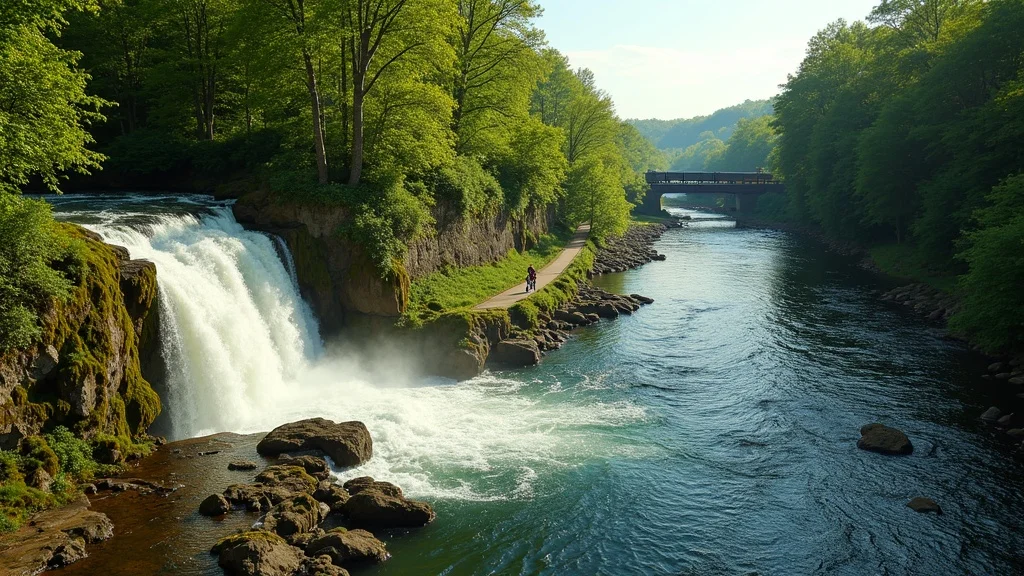
Cuyahoga Valley National Park waterfalls and towpath biking with scenic railroad in lush landscape

Nature’s Masterpieces and Storied Trails: The Allure of Cuyahoga Valley’s Waterfalls, Bike Paths, and Railroad

At the heart of Cuyahoga Valley National Park are its waterfalls—dynamic symbols of renewal and patient artistry. Though nestled just beyond the reach of Akron and Cleveland, these falls have witnessed centuries of change. Brandywine Falls, Blue Hen Falls, and other lesser-known cascades not only attract photographers and hikers, but also serve as windows into millennia of geological transformation. Each visit brings new moods, from roaring spring melt to delicate icicles in winter. For those unacquainted with the land’s dramatic past and present, these waterfalls are more than postcard moments; they represent why the park became a sanctuary for both wildlife and people seeking escape from the everyday.

The Ohio & Erie Canal Towpath Trail links these natural wonders with a palpable sense of history. Stretching for miles, it lets you ride or stroll the very path where canal boats once charted a revolutionary course for commerce and migration. Today, the towpath is a haven for bikers, joggers, and families who long for movement amid leafy canopies. Meanwhile, the Cuyahoga Valley Scenic Railroad offers a no-effort panorama, curving alongside the river, waterfalls, and fields alive with native wildflowers. Missing out on these layered experiences means skipping a vital connection to Ohio’s past and missing easy access to the uplifting power of the present.
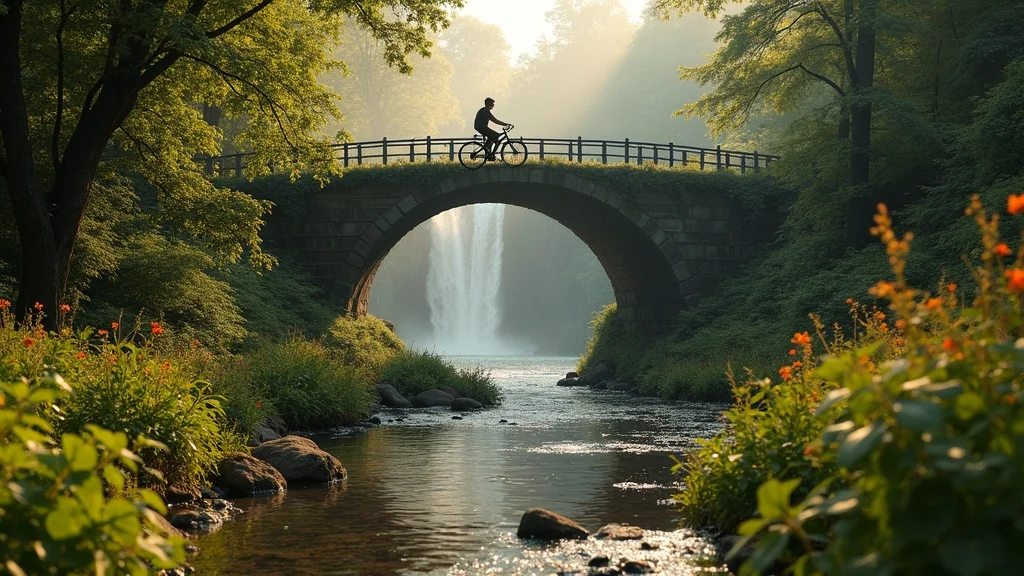
Cyclist admires hidden falls along Cuyahoga Valley towpath with railroad in background

For those planning extended outdoor adventures in the park, having reliable portable power can make a significant difference—especially for RV travelers or anyone looking to stay connected while exploring. Discover how the Bluei Elite 200 V2 Power Station can enhance your Cuyahoga Valley experience by providing dependable energy for your devices and gear, ensuring your journey remains comfortable and convenient. Learn more about the benefits for RVers and outdoor enthusiasts at this comprehensive guide to the Bluei Elite 200 V2 Power Station.

Why Cuyahoga Valley’s Scenic Adventures Transform the Way You Experience Nature

The team behind Cuyahoga Valley National Park has long emphasized the park as a living canvas—both a refuge for native species and a gateway for human discovery. Trails wind through forests and old farmlands, inviting anyone to embark at their own pace. The abundance of hiking routes, coupled with the seamlessly maintained towpath, empowers every visitor to craft their own adventure—whether that’s chasing waterfalls beneath towering trees or pedaling quietly past fields and marshes. From beginners taking their first steps outside to seasoned naturalists spotting elusive birds, these offerings bridge the divide between accessibility and authentic natural immersion.

As park information highlights, the Cuyahoga River’s rebirth—from once-polluted channel to vital lifeline—mirrors the transformative experience available to visitors. The cultural and historical layers accessible along the towpath and through railroad rides speak to a broader shift: Here, learning, recreation, and wellness intersect. The park’s commitment to preserving diverse habitats means guests have front-row seats to seasonal wildflowers, wetlands teeming with life, and centuries-old canal relics all in one place. This diversity of experience is both an invitation and a promise—what you discover here can inspire a new commitment to wellness, conservation, and community engagement.
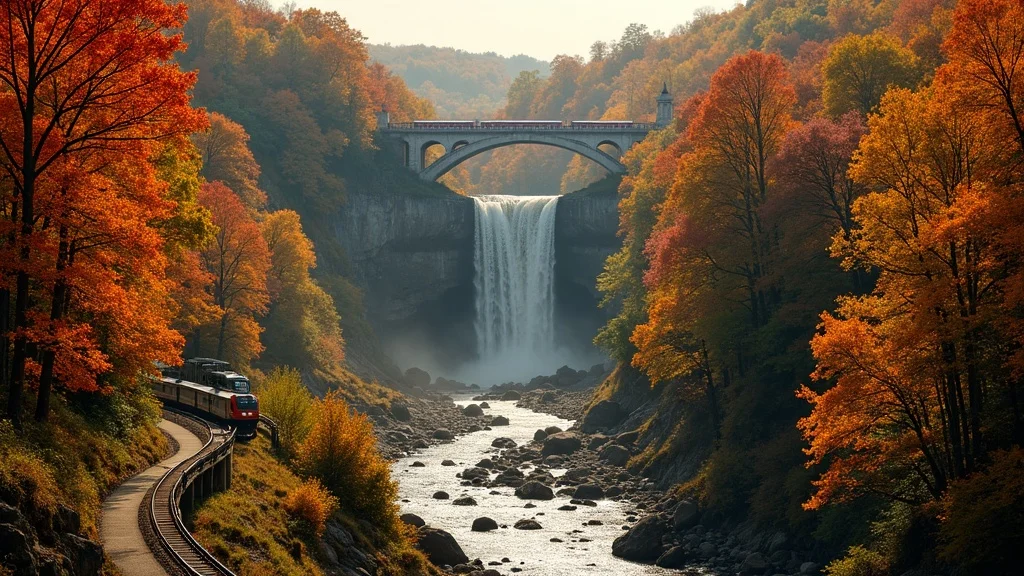
Brandywine Falls autumn colors, towpath trail, and scenic railroad at Cuyahoga Valley

From Cascading Waterfalls to Historic Trails: Encountering the Unexpected in Cuyahoga Valley

It isn’t just the size or sound of waterfalls that make them unforgettable within Cuyahoga Valley National Park—it’s the sense of discovery woven into every visit. Waterfalls large and small, some hidden along side trails and some splashing openly, create a dynamic landscape that changes with the seasons. Explorers are treated not just to the natural spectacle, but also to a sense of accomplishment in uncovering something few others may have seen that day. This layers an element of personal connection into each adventure, urging guests to look beyond the obvious and appreciate the untouched, living heart of the park.

The historic towpath trail adds even more depth, transforming a bike ride or walk into a journey across eras. Remnants of the Ohio & Erie Canal are visible beside stretches of gently rolling trail, reminding cyclists and hikers that every mile is shared with history. Meanwhile, those who opt for the scenic railroad gain a unique perspective not available from any overlook or footpath—sweeping views, effortless travel, and an immersion in local storytelling as the landscape unfolds beyond train windows. Together, these options let every visitor customize their adventure, blending exertion, curiosity, and restoration.
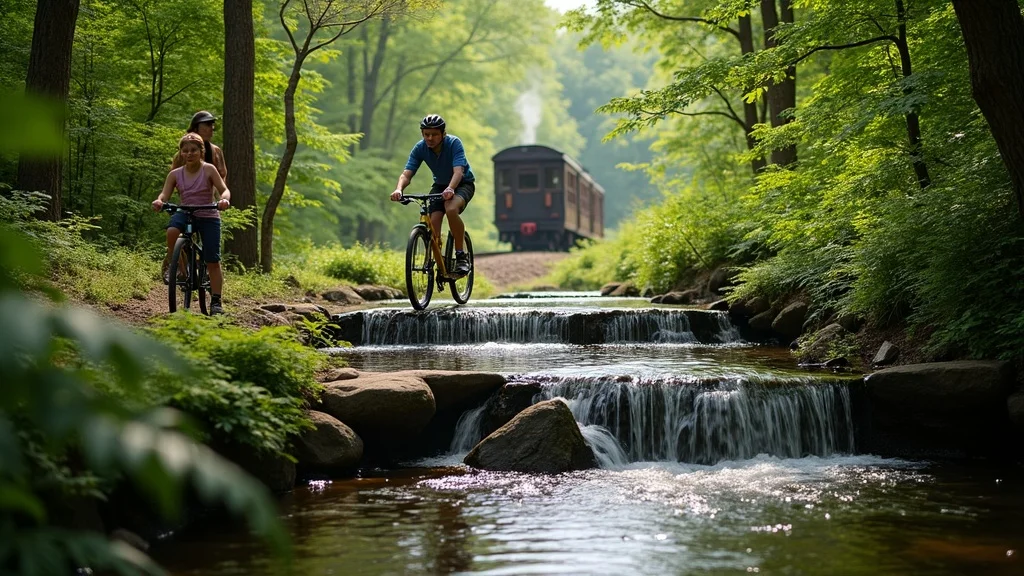
Families biking by hidden waterfall and railroad in Cuyahoga Valley National Park

Making Every Visit Different: Trail Variety, Wildlife, and All-Season Enjoyment

One of the park’s greatest strengths is its adaptability—over 125 miles of hiking trails, plus year-round accessibility, mean that every visit can offer something new. Spring arrives with a festival of wildflowers highlighted in park programming, while autumn cloaks the hills in fiery reds and golds. Winter transforms the waterfalls into icy sculptures and quiets the trails for peaceful reflection. The ever-changing landscape, paired with a vibrant wildlife population from marshes buzzing with birdlife to quiet forests echoing with deer tracks, ensures that each trip can be tailored to mood, weather, or curiosity.

With such richness, the park becomes more than just a destination for a one-time sightseeing trip; it encourages frequent return and deeper connection. Whether following the recommendations in the park’s helpful “Top 10 Tips” for visitors, or spontaneously heading out for an afternoon on the towpath, the combination of waterfalls, trails, and the scenic railroad proves endlessly rewarding. For families, solo adventurers, and groups of all ages, this means true flexibility—embracing both physical activity and contemplative rest, all against Ohio’s unfolding natural tapestry.

The Power of Preservation: Connecting Past and Present in Every Step

Cuyahoga Valley National Park owes much of its character to intentional conservation and a practical commitment to education. The park’s approach is grounded in maintaining habitats for native species, designing trails that protect wetlands and cultural landscapes, and making information easily accessible. Every path, from waterfall overlooks to the historic towpath, is maintained not just for aesthetics but to foster learning and stewardship. Signage and accessible programming connect visitors to layers of local history spanning from Native American inhabitation through the industrial era, and into present-day restoration efforts.

This purpose-driven management ensures that visitors interact with more than just scenery—they experience a living narrative. The presence of historic canal locks, 1800s relics, and old farmlands are reminders that the park sits at a unique intersection of natural renewal and human endeavor. The National Park Service’s dedication to creating a safe, welcoming environment for self-directed exploration means that personal discovery is at the core of every visit, whether you are marveling at Brandywine Falls or riding the scenic railroad along the river’s path.

Cuyahoga Valley’s Vision: Protecting Nature, Inviting Discovery Across All Generations

The stewardship guiding Cuyahoga Valley National Park runs deeper than simply maintaining trails and waterfalls. As a living remnant between two urban centers, the park serves as both protector and storyteller—preserving wetlands, historic routes, and biodiversity while extending an open invitation for all to connect with nature. The central philosophy is clear: Conservation, recreation, and education are not separate threads but vital, interwoven elements.

This mission is reflected in the park’s focus on accessibility, its year-round programs for families and volunteers, and the thoughtful preservation of historical features alongside vibrant habitats. The emphasis isn’t just on seeing nature, but on fostering a collective sense of belonging and responsibility. With tools, resources, and guided tips available, every visit becomes an opportunity for learning and inspiration—turning a walk to a waterfall or a ride on the scenic railroad into a personal connection with Ohio’s living heritage.

Experiencing Wonder: What Visitors Say About Uncovering Waterfalls and Trails

Hearing directly from those who’ve journeyed through the park provides the clearest lens on its real impact. Visitors often share stories of rediscovery—both of natural beauty and of themselves—after stepping onto a hidden trail or rounding a bend to a lesser-known waterfall. For many, these moments turn a simple hike or bike ride into a memorable adventure, surprising even seasoned outdoor enthusiasts with the park’s variety and allure. One visitor, J. M. , describes how the park’s subtle wonders and accessible routes continue to draw newcomers and returning guests alike:

Beautiful park with lots of hidden wonders. No admission fees. Great park to hike all seasons and the towpath makes riding bikes or just walking an ease. Historic items from early 1800’s to today are visible from the trails along with years and years of geological features. These pics are from 01/12/26 at a “hidden” waterfall trail. This is truly a gem in the National Parks system and everyone I’ve brought here from out of town always want to come back as it has so much to offer, except camping, sadly.

The excitement voiced by those who’ve stepped off the main path is telling: Waterfalls, wildlife, and miles of accessible trails aren’t just amenities but invitations to explore deeper. Those willing to set aside a day—or even a few hours—often find an experience that outlasts the visit itself. Every step, pedal, or ride along the railroad becomes a story waiting to unfold, ensuring that the sense of wonder felt by today’s visitors is only the beginning.

“A Living Legacy: Why Exploring Cuyahoga Valley Waterfalls, Trails, and Railroad Matters Now More Than Ever”

Cuyahoga Valley National Park stands apart for those seeking waterfalls, towpath biking, and unique scenic railroad perspectives. Each of these elements—whether it’s the serenity of Blue Hen Falls after a rain or the thrill of exploring canal relics by bike—offers more than a recreational break. They frame a narrative of renewal, accessibility, and ongoing stewardship that redefines the relationship between people and public lands. Guided by an ethos of preservation and discovery, the park exemplifies what modern outdoor adventure should be: inclusive, educational, and endlessly rewarding.

As an authority in resource management and public engagement, Cuyahoga Valley National Park contributes to both local heritage and the national park community at large. For those drawn to the tranquility of waterfalls, the heritage of canal paths, or the storybook scenery of a vintage railroad, the invitation stands: There is something here for everyone, every season, and every pace. Exploring these features is more than a checklist item—it’s a way to reconnect with places that matter, in ways that matter. In the rush of life outside, taking the time to know the park’s treasures today guarantees their presence for future generations.

If you’re inspired by the hidden gems and restorative escapes found in Cuyahoga Valley National Park, consider expanding your outdoor toolkit with innovative solutions that support longer, more comfortable adventures. Exploring advancements in portable power, such as those highlighted in the Bluei Elite 200 V2 Power Station guide, can help you stay connected and prepared for any journey. For more ideas on maximizing your time in nature and discovering the best gear for RVers and explorers, visit the in-depth resource at RV Otter’s expert review of the Bluei Elite 200 V2 Power Station. Let your next adventure be both memorable and effortlessly equipped.

Contact the Experts at Cuyahoga Valley National Park

If you’d like to learn more about how Cuyahoga Valley National Park waterfalls, towpath biking and scenic railroad could benefit your outdoor adventures, contact the team at Cuyahoga Valley National Park. 📍 Address: Ohio, USA 📞 Phone: +1 440-717-3890 🌐 Website: https://www. nps. gov/cuva/index. htm

Cuyahoga Valley National Park Location and Hours

🕒 Hours of Operation:📅 Monday: Open 24 hours📅 Tuesday: Open 24 hours📅 Wednesday: Open 24 hours📅 Thursday: Open 24 hours📅 Friday: Open 24 hours📅 Saturday: Open 24 hours📅 Sunday: Open 24 hours
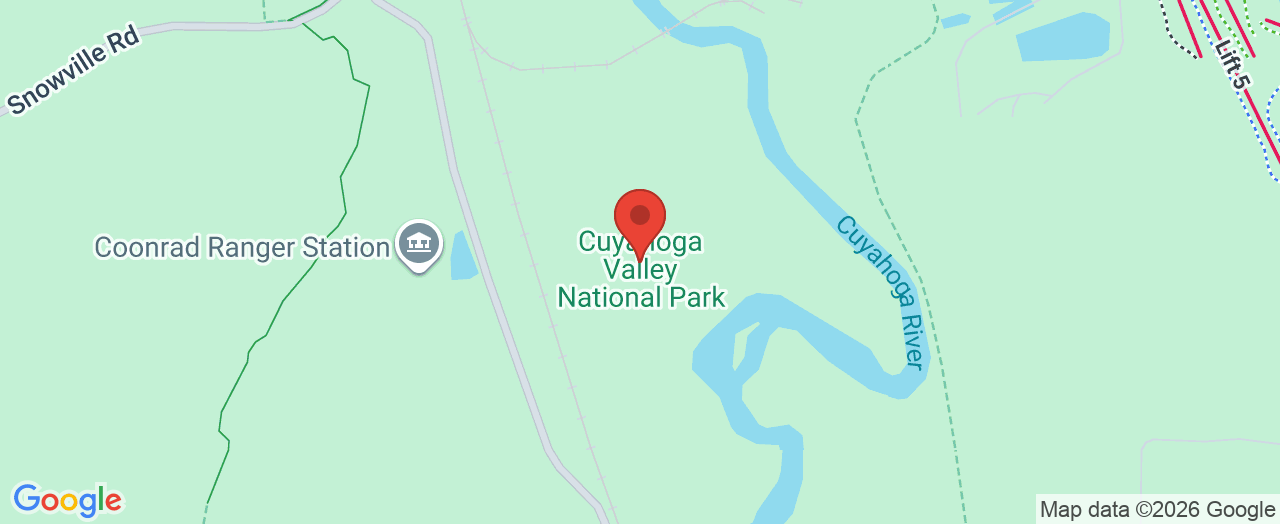
Location Map
National Parks

0 Comments

Write A Comment

*
*
Please complete the captcha to submit your comment.
Related Posts All Posts

Discover Crater Lake National Park Rim Drives’ Stunning Views

Crater Lake National Park 📍 Address: Oregon, USA 📞 Phone: +1 541-594-3000 🌐 Website: https://www.nps.gov/crla/index.htm ★★★★★ Rating: 4.9 Witness Nature’s Canvas: Why Crater Lake’s Rim Drives and Deep Blue Views Matter Picture standing on the edge of a vast volcanic caldera, your eyes drawn to a deep blue that defies description—clear, pure, and shocking in its brilliance. Crater Lake National Park is not just another stop on a nature lover’s itinerary; it’s a rare natural phenomenon vying for your attention and wonder, carved by fire and preserved by time. With every trip around the park’s iconic rim drives, visitors are confronted not only with panoramic vistas but with a profound sense of awe that has captivated people for millennia. Yet, for all the postcards and online galleries, nothing fully prepares you for the complexity and depth of this place or the responsibility that comes with visiting such a fragile ecosystem. The allure of Crater Lake lies not only in its breathtaking views but also in the journey to reach them—a journey that is as unpredictable as it is rewarding. From dramatic weather shifts to the challenge of forecasting visibility, travelers are encouraged to plan, adapt, and respect the forces that shape this extraordinary site. The rim drives wrap around fragile terrain atop the Cascade Mountain Range, offering more than sightseeing; they represent a dialogue with natural history, volcanic power, and conservation efforts. Understanding what makes Crater Lake’s rim drives unique doesn’t just enhance your trip; it helps you walk away with a deeper appreciation for geologic time, natural purity, and the careful stewardship that protects these blue waters for future generations. Peering into the Abyss: The Power and Purity of Crater Lake’s Rim Drives Crater Lake National Park rim drives and deep blue views stand as one of America’s most sublime natural experiences, inviting visitors into a landscape formed more than 7,700 years ago by the catastrophic eruption and collapse of Mount Mazama. Unlike most lakes worldwide, Crater Lake is fed entirely by rain and snow, making its waters among the purest and deepest found anywhere on Earth. This geological marvel provides visitors with a chance to see nature’s handiwork on a dramatic scale while traveling the rim—an engineering feat that allows for discovery without disturbing the park’s delicate ecosystem. Yet, experiencing the rim drives is about more than scenery. It is a lesson in geologic dynamism, unpredictable weather, and the fleeting beauty of high-altitude ecosystems. The rim roads often open and close with the seasons, affected by snowpack and stormy conditions that can shroud the lake’s famous blue beneath clouds in moments. For those unprepared, the disappointment of a hidden view can be sharp, and the risks of volcanic cliffs are real. Travel here demands respect and a willingness to learn—attributes that not only safeguard your adventure but protect the fragile balance of Crater Lake’s environment. How Rim Drives and Deep Blue Views at Crater Lake Enhance Every Visitor’s Journey Crater Lake National Park, recognized for its awe-inspiring visual experiences, curates the rim drive experience with a deliberate respect for the land’s past and future. Every turn along these historic routes offers a dynamic perspective of the lake’s indigo depths and surrounding Cascade scenery. The park’s commitment to conservation ensures that, even for large crowds, moments of personal reflection and solitude are possible—especially for those willing to traverse beyond the main viewpoints and onto the park’s many trails. For countless visitors, the rim drives have transformed ordinary trips into lifelong memories, offering a unique encounter with nature’s unrestrained creativity. The practical benefits of exploring Crater Lake’s rim drive reach beyond mere sightseeing. Not only do these drives provide structured access to otherwise remote overlooks and trails, but they foster an appreciation for how geological events shape our world. Travelers learn firsthand how snow and rain maintain this natural wonder’s clarity, how the steep cliffs present both danger and wonder, and how the heritage of Native Americans who first witnessed the lake still echoes in the park’s protected landscapes. The experience does more than impress—it cultivates stewardship and a sense of awe for the deep blue beauty preserved here. For those planning an extended adventure around Crater Lake or seeking to maximize comfort during their journey, having reliable power on the road can make all the difference. Exploring the advantages of portable power solutions, such as the Bluei Elite 200 V2 Power Station for RVers, can help ensure your trip remains smooth and enjoyable, especially when venturing into remote areas with limited amenities. Seasonal Transitions: What You Need to Know Before Embarking on the Rim One of the most distinctive aspects of the Crater Lake rim drive is how weather, seasons, and unpredictability are built into the experience by design. Visitors quickly learn that clear skies and panoramic blues are not guaranteed; dense fog, sudden snow, and shifting light transform the landscape by the hour. From winter’s icy silence to summer’s energetic crowds, each season brings both opportunity and challenge. Understanding current park conditions, weather forecasts, and recent alerts is crucial for safe and rewarding travel—especially since many routes are subject to closure due to snowfall or maintenance. To maximize the trip, it is essential to monitor everything from park webcams and alerts to descriptions of seasonal road closures and transportation options mentioned in official communications. These resources offer invaluable, up-to-date information and underscore the necessity of adapting to this landscape. There’s real wisdom in the park’s advisory: “Regardless of the time of year, check the forecast multiple times in advance. Conditions can change quickly. ” Such guidance reflects not only the park’s expertise but its responsibility in protecting visitors and preserving the land for those who follow. Discovering the Spirit of Solitude: Trails, Vistas, and the Search for Quiet Wonder Beyond the panoramic pullouts and iconic photographs, Crater Lake’s rim drives offer another gift: the chance to encounter pockets of solitude amid the grandeur. While summer crowds cluster around key viewpoints, the network of trails radiating from the rim draws explorers deeper into the park’s secret spaces. Whether seeking the steady muscle-burn of the Cleetwood Cove Trail—descending steeply to the water’s edge—or following gentler routes for glimpses of rare wildflowers and wildlife, the rim drive serves as a launching pad for those who wish to trade bustle for stillness. For artists, photographers, and contemplative travelers, even a brief detour can yield profound moments—a sudden clearing in the clouds, a reflection of ancient pines on sapphire water, or the hush of snowfall beneath a volcanic ledge. The park’s thoughtful design honors both the casual visitor and the determined adventurer. Each path, viewpoint, and interpretive overlook is an invitation to pause, reflect, and reconnect with something elemental and enduring. Protecting a Prehistoric Lake: Conservation Is Everyone’s Role The purity and clarity for which Crater Lake is globally renowned do not happen by accident. Rigorous conservation protocols govern everything from access roads to visitor behaviors—a necessity when protecting a resource considered one of the cleanest and deepest lakes on Earth. The rim drive system stands as a model for balancing access with protection, carefully designed to mitigate erosion, prevent pollution, and minimize the impact of large numbers of visitors on this delicate volcanic terrain. The park’s educational outreach emphasizes a shared responsibility, inviting all who journey here to become stewards of the land. Whether it’s information on safe pet practices, fire awareness, or honoring cultural landscapes and geologic history, the park’s foundational mission is to foster not just admiration but accountability. By following guidelines and respecting closures, visitors become part of a legacy that reaches back to the ancestors who marveled at the lake’s birth and forward to the generations that will inherit its beauty and scientific mystery. Stewardship at Scale: Crater Lake National Park’s Ongoing Commitment to Preservation and Access The philosophy guiding Crater Lake National Park’s approach is rooted in reverence for natural history and innovation in public engagement. By providing uninterrupted access to rim drives, educational signage, and ranger-led experiences, the park bridges the gap between visitor enjoyment and long-term ecological health. The park’s mission goes beyond awe-inspiring vistas; it is a carefully maintained dialogue between access and protection, constantly adapting to new environmental data, visitor needs, and cultural histories. The park’s commitment can be seen in practical details: seasonally adjusted operations, daily safety advisories, and a range of activities designed for all ages, from ranger-guided snowshoe walks to interpretive trolley and boat tours staffed by experts. Resources dedicated to Native American history, local flora and fauna, fire management, and conservation connect every rim drive journey to a larger narrative of scientific wonder and resilience. Crater Lake’s stewardship model doesn’t just preserve a view; it preserves an evolving relationship between people and a landscape forged by volcanic fire and renewed by snowmelt and rain. The result is a living classroom, a place where travelers can marvel, learn, and become impassioned caretakers of one of the planet’s most extraordinary places. What Visitors Experience: Awe-Inspiring Moments on Crater Lake’s Rim For many, words are not enough to capture what it’s like to set foot at the edge of Crater Lake’s rim—the experience is visceral, emotional, and unforgettable. One reviewer, Nadia P. , described her reaction: This is one of those places where, even though I'd seen tons of gorgeous images of it before I ever visited. . . actually being there was still shocking in its beauty. I don't know if there's any way to properly represent just how amazing it is to witness this place in person. Yes, the water really is that blue (MORE blue, in fact). Yes, standing on the rim does feel incredibly grand. And yes, the weather is super fickle and you may end up caught in a storm you didn't expect (but it's worth it anyway). I photographed an elopement here a couple years back, and it's still one of the most memorable I've ever been lucky enough to be a part of. The couple ended up with unexpected snow (in mid-September!), and dark, stormy skies with intense winds. But even in those conditions, this place was magnificent. And my goodness, the sunset we got! Not a place to be missed if you're visiting the area, and a really incredible place to consider if you want a truly grandiose setting for your elopement or other intimate moment. And more than anything, a really special place to connect with nature. The trails are magical, and even though it can be a busy park, if you're willing to walk/hike far enough, you can find pockets of solitude. Love this place and can't wait for my next visit. Experiences like this underscore why visitors from around the world travel great distances to experience Crater Lake National Park rim drives and deep blue views firsthand. Whether seeking adventure, solitude, or simply a chance to feel small beneath endless skies, travelers routinely find that these landscapes exceed expectations in ways words and pictures rarely capture. Looking Ahead: Crater Lake Rim Drives Offer New Perspectives on Natural Wonder As more people seek meaningful escapes and moments of reconnection with nature, Crater Lake National Park rim drives and deep blue views continue to offer an unmatched pilgrimage into geological history and unspoiled wilderness. The park’s role as steward and guide ensures that each visitor not only discovers stunning vistas but also learns the value of balance between immersion and protection. By shaping both landscape and human experience with intention, Crater Lake transforms simple sightseeing into a richer journey—one that calls travelers to engage, learn, and return with a deeper sense of responsibility. The beauty of Crater Lake’s rim drives is not simply in their views, but in their power to inspire, educate, and evoke stewardship in everyone fortunate enough to make the journey. With every visit, the park’s legacy as a center for conservation, education, and awe deepens, ensuring that these deep blue views remain as grand and shocking for future generations as they were for those who first beheld them centuries ago. If the journey around Crater Lake’s rim has sparked your curiosity for more immersive outdoor experiences, consider how the right gear and preparation can elevate every adventure. Exploring innovative solutions for comfort and self-sufficiency—like portable power stations—can open up new possibilities for extended stays and off-grid exploration. For RV travelers and nomads, discovering the best deals on the Bluei Elite 200 V2 Power Station is a smart next step toward making every national park visit more convenient and memorable. Embrace the freedom to roam, recharge, and experience nature’s wonders with confidence, knowing you’re equipped for whatever the road—and the rim—may bring. Contact the Experts at Crater Lake National Park If you’d like to learn more about how crater lake national park rim drives and deep blue views could benefit your understanding of natural history and conservation, contact the team at Crater Lake National Park. 📍 Address: Oregon, USA 📞 Phone: +1 541-594-3000 🌐 Website: https://www. nps. gov/crla/index. htm Crater Lake National Park Location and Hours 🕒 Hours of Operation:📅 Monday: Open 24 hours📅 Tuesday: Open 24 hours📅 Wednesday: Open 24 hours📅 Thursday: Open 24 hours📅 Friday: Open 24 hours📅 Saturday: Open 24 hours📅 Sunday: Open 24 hours
Discover Hidden Gems on Congaree National Park Boardwalk Hikes

Congaree National Park 📍 Address: South Carolina, USA 📞 Phone: +1 803-776-4396 🌐 Website: https://www.nps.gov/cong/index.htm ★★★★★ Rating: 4.7 Beneath Towering Trees: Why Congaree’s Boardwalk Hikes and Creek Trails Are Unmissable Imagine wandering through an ancient forest where the tallest hardwoods in the southeastern United States soar overhead, their trunks thick with age and history. Below your feet, a winding boardwalk hovers above wetlands teeming with life—a rare glimpse into a primeval wilderness barely touched by modern development. For those who crave the tranquility of nature but also seek adventure, Congaree National Park boardwalk hikes and Cedar Creek paddling offer an extraordinary blend of accessibility, biodiversity, and quiet exploration. Yet, many travelers pass through South Carolina unaware that such a wild, biologically rich landscape even exists just a short drive away. The combination of elevated walkways and paddle trails means there’s more than one way to travel through this living museum of trees and wetlands. Those not venturing beyond the ordinary risk missing out on the silent beauty of sun filtering through champion trees or the hush of water slipping beneath your kayak on Cedar Creek. Understanding the unique experiences these boardwalk hikes and paddling trails offer turns a day in the park into an adventure that lingers in memory and spirit. Unlocking the Secrets of Congaree’s Wilderness: Trails, Habitats, and Ancient Forests Congaree National Park preserves the largest tract of old growth bottomland hardwood forest left in the southeastern United States—a distinction that gives its boardwalk hikes a significance far beyond a simple stroll in the woods. The Congaree and Wateree Rivers regularly flood the forest, nourishing soils that support “champion trees”—some of the tallest and oldest of their kind. Walking the boardwalk trail is not only a journey through stunning scenery, but an educational glimpse at a thriving, interdependent ecosystem. The park’s easy-to-navigate boardwalk trail takes visitors through hushed swamplands, deep forest, and dappled sunlight, revealing hidden wildlife and surprisingly diverse plant life at every turn. For those drawn to water, Cedar Creek offers a parallel adventure. Canoe and kayak routes wind through the heart of Congaree, threading beneath a green cathedral of ancient trees and across gentle, reflective waters. This journey provides an unparalleled opportunity to see the park’s ecosystems in action—wading birds, turtles, and perhaps even the rhythmic motion of a river otter. Lacking an understanding of this special habitat deprives visitors of the context that makes each boardwalk hike or paddle on Cedar Creek not just recreational, but also a powerful lesson in conservation, balance, and renewal. If you’re planning an extended visit to Congaree or any national park, having reliable power for your RV can make your adventure even more comfortable. For insights on portable energy solutions that keep your devices charged while you explore, check out this guide on essential power stations for RV nomads. Why Boardwalk Hikes and Cedar Creek Paddling Reveal Nature Like Never Before With Congaree National Park recognized for its astonishing biodiversity and well-preserved wilderness, boardwalk hikes offer a rare chance to explore an intact ecosystem without disturbing its delicate balance. Elevated walkways keep the forest floor and wetlands undisturbed, allowing visitors to immerse themselves in the sights and sounds of an old-growth forest while minimizing environmental impact. The easy grade and accessibility of the boardwalk make it inviting for all ages and abilities, transforming even first-time visitors into keen observers of nature. Cedar Creek paddling provides a complementary perspective—gliding quietly through the water opens up vistas inaccessible from the land, where every bend of the creek reveals new sights: herons stalking the shallows, ancient cypress knees, and shadows playing across the slow current. Coupled with opportunities for birdwatching and nature photography, these experiences nurture a deeper understanding of South Carolina’s wildest heart. In both cases, the main takeaways are a renewed appreciation for nature’s resilience and a profound sense of wonder that only such well-preserved places can provide. From Old Growth to New Adventure: Exploring Trails and Timelines The history of Congaree is visible in every twist of a giant tree trunk and every silent pool beneath the canopy. Humans have inhabited this landscape for at least 10,000 years, with the park’s diverse habitats supporting both ancient cultures and present-day adventurers. Boardwalk hikes allow visitors not only to witness this living history but to trace the environmental timeline, from untouched bottomland forests to carefully managed recreational areas. Each step is a walk through South Carolina’s ecological and human past, as preserved in the park’s 26,000 acres. As the park continues to evolve—with ongoing boardwalk upgrades and efforts to maintain trail accessibility—visitors are both witnesses and participants in the story of conservation. Future plans for trail improvements and the careful management of sensitive ecosystems signal that Congaree will remain a haven for both people and wildlife. Those who experience these trails and waters now become part of a tradition of wilderness appreciation and stewardship that will endure for generations. How to Maximize Your Congaree Adventure: Practical Tips for Boardwalks and Paddling Before setting out, visitors are encouraged to check current boardwalk conditions, as large sections may occasionally close for essential repairs and conservation work. Such closures reflect the park’s commitment to sustainability—a reminder that protecting the ecosystem sometimes means adjusting plans. The Sims Trail often provides alternate routes; hikers can still enjoy the forest’s wonders even when a main section is under restoration. For those choosing to paddle Cedar Creek, planning is essential. Water levels can fluctuate based on rainfall and river conditions, affecting paddling ease and safety. Equip yourself with safety guidelines, maps, and permits if necessary, and consult park staff or the official website for up-to-date information. Early mornings or late afternoons are often the most peaceful times to hit the water or walk the boardwalks, as wildlife is most active and the light creates unforgettable scenery for photographs or simply quiet reflection. Congaree National Park’s Philosophy: Preservation, Education, and Community Engagement Congaree National Park’s mission is as much about education and stewardship as it is about recreation. By design, the park’s resources—including boardwalk hikes and paddling on Cedar Creek—invite visitors to learn, reflect, and become engaged guardians of wilderness areas. The park positions itself as a place of active research and outreach, partnering with conservation groups, educational institutions, and local communities to protect the rare old-growth bottomland hardwood forest ecosystem. This philosophy is reflected in the park’s abundant ranger-led programs, the Research and Education Center, and a commitment to accessibility—ensuring everyone has the chance to experience and learn from this unique biosphere. Whether volunteering, attending a field trip, or joining events that highlight fire management and historical significance, visitors find that Congaree is more than just a pretty place; it is a living classroom for environmental consciousness. Visitors Reflect: Tranquility and Discovery on Every Trail The real measure of a park’s impact can often be found in the genuine experiences of those who traverse its paths and paddle its creeks. Visitors consistently describe moments of serenity and awe as they encounter the beauty and quietude of Congaree. The boardwalk trails, in particular, garner praise for their ease, safety, and accessibility for all ages. Congaree National Park is a beautiful and peaceful place to explore nature. The boardwalk trail is easy to walk and takes you through stunning tall trees and quiet swamp scenery. It’s a perfect spot for hiking, birdwatching, or just enjoying the calm environment. A great destination for anyone who loves the outdoors! Such first-hand accounts capture what words alone cannot: the profound and lasting effect of immersing oneself in Congaree’s unique landscapes. Time and again, visitors emerge with not just photographs but memories—moments of discovery, relaxation, and renewed wonder at the natural world. These experiences underscore the value of making time for both boardwalk hikes and paddling excursions, promising rewards that go far beyond the physical journey. Why Congaree’s Boardwalk Hikes and Paddle Trails Remain a Southern Treasure Exploring the boardwalk hikes and Cedar Creek paddling at Congaree National Park goes beyond ordinary outdoor recreation. These experiences are immersive journeys into a rare ecosystem filled with towering champion trees, vibrant wildlife, and stories as old as the land itself. The National Park’s ongoing commitment to accessibility, education, and thoughtful conservation means every visit deepens your connection to the wild—and to the enduring importance of preservation. For those seeking beauty, solitude, and adventure, the boardwalk hikes and quiet paddle trails of Congaree offer endless inspiration and stand as a testament to what can be protected when people and wilderness work in harmony. Congaree National Park’s leadership in conservation and public engagement ensures that the treasures found on its hikes and waterways continue to benefit both newcomers and returning nature lovers alike. If you’re inspired to elevate your outdoor experiences even further, consider how the right gear and preparation can transform your next adventure. Exploring innovative solutions for off-grid power, such as those highlighted in the best power stations for RVers, can help you stay connected and comfortable while immersing yourself in nature’s wonders. Whether you’re planning a multi-day journey or simply want to enhance your day trips, investing in reliable equipment ensures you’re ready for whatever the wild has in store. Let your curiosity lead you to new discoveries—both on the trails and in the tools that support your adventures. Contact the Experts at Congaree National Park If you’d like to learn more about how Congaree National Park boardwalk hikes and Cedar Creek paddling could benefit your outdoor adventures, contact the team at Congaree National Park. 📍 Address: South Carolina, USA 📞 Phone: +1 803-776-4396 🌐 Website: https://www. nps. gov/cong/index. htm Congaree National Park Location and Hours For the most current information on park hours and any seasonal changes, please see the official website or call the listed phone number. The park’s main entrance is at 100 National Park Road, Hopkins, SC 29061.

Discover Channel Islands National Park Sea Cave Kayaking Secrets

The Robert J. Lagomarsino Visitor Center at Channel Islands National Park 📍 Address: 1901 Spinnaker Dr, Ventura, CA 93001, USA 📞 Phone: +1 805-658-5730 🌐 Website: http://www.nps.gov/chis/planyourvisit/visitorcenters.htm ★★★★★ Rating: 4.8 Why Sea Cave Kayaking in Channel Islands National Park is an Adventure Unlike Any Other Imagine gliding over crystal-clear waters, only the sound of your paddle cutting through the gentle surf, as you approach a rugged sea cave sculpted by centuries of tides and wind. Sea cave kayaking at Channel Islands National Park offers more than just breathtaking scenery—it presents an immersive journey where adventure collides with the wild rhythms of nature. Many adventurers seek escapes that promise both thrill and tranquility, but few places provide such an intimate encounter with both geologic wonders and thriving marine life as the Channel Islands. Yet, for countless visitors and adventure-seekers, the true potential of this extraordinary national park remains untapped. How do you safely kayak into sea caves? What unique island wildlife will you discover along the way? These questions linger, especially for those eager to experience both challenge and awe. This article will unlock the secrets of Channel Islands National Park sea cave kayaking and introduce you to the world of coastal wildlife that defines the character of these exceptional islands. Whether you are a newcomer or already enthralled by ocean kayaking, understanding what awaits you here can transform how you see outdoor adventures—and deepen your appreciation for one of California’s greatest coastal treasures. The Allure of Sea Caves and Island Ecosystems: An In-Depth Look at Channel Islands’ Kayaking Experience The Channel Islands, positioned just off the California coast, are often dubbed “the Galapagos of North America” for a reason: these islands harbor rare wildlife, dramatic rock formations, and hundreds of sea caves ready to be explored by paddle. Sea cave kayaking is more than a sport; it’s a gateway into a landscape where every cove holds a new story. Navigating these caves requires care and a sense of adventure, as visitors can witness dazzling displays of light, unique geological formations, and the soundscape of waves echoing within chambers. For many, the act of gliding into a cathedral-like sea cave blurs the line between recreation and revelation. This untouched archipelago is also a haven for wildlife not found elsewhere. Kayakers often spot dolphins, sea lions, and—if lucky—glimpses of migrating whales alongside their journey. The sea’s surface offers only a hint of the life teeming below, while the islands themselves shelter rare plant species and birds, each evolved to thrive in the park’s isolated conditions. Not understanding the complex interplay of ecosystems and the practical know-how of safe sea cave kayaking can mean missing out on transformative, even once-in-a-lifetime, encounters with nature. Without the right information and appreciation, visitors risk not only their own safety but also the fragile balances that make these islands so remarkable. For those planning extended kayaking trips or overnight stays on the islands, having a reliable portable power source can make a significant difference in comfort and safety. Exploring options like the Bluei Elite 200 V2 Power Station can help ensure your devices stay charged and your adventure remains uninterrupted, especially in remote areas where amenities are limited. The Real Benefits of Exploring Channel Islands by Kayak: Thrills, Wildlife, and Unforgettable Memories The Robert J. Lagomarsino Visitor Center at Channel Islands National Park stands as a hub for visitors eager to experience the best of sea cave kayaking and wildlife spotting. Guided by detailed exhibits, a captivating park film, and expert park staff, visitors glean the insights needed to make the most of their kayaking adventure. Stepping beyond the visitor center’s doors, the real reward lies in experiencing the Channel Islands firsthand—from paddling into echoing grottoes to marveling at playful dolphins or the majestic breach of a whale offshore. Sea cave kayaking allows for a truly hands-on encounter with nature. Unlike distant boat views or shoreline hikes, every paddle stroke in a kayak provides a new perspective on island geology and wildlife. It’s an activity that fosters both adrenaline and awe, as you navigate through narrow passages, study marine life up close, and absorb the raw elements of the Pacific. Beyond simple thrill-seeking, this experience cultivates respect for natural forces and inspiration drawn from wild spaces. The park’s commitment to education, safety, and resource protection means each visitor can confidently undertake this adventure, maximizing both excitement and stewardship of one of California’s most precious natural laboratories. From Geologic Marvels to Living History: What Makes Channel Islands’ Sea Caves and Wildlife Unique No two sea caves in Channel Islands National Park are exactly alike. Over millennia, volcanic activity and oceanic erosion have carved out elaborate networks of arches, tunnels, and hidden chambers along the islands’ rugged coastlines. Each cave carries evidence of powerful forces at work—sometimes delicate and sometimes violent—shaped by tides, earthquakes, and wind. Kayakers become direct witnesses to this ongoing artistry, guided by natural light refracting in blues and greens through split rocks, and the distant sound of surf pulsing within. Equally fascinating is the wildlife that animates the islands and surrounding waters. The Channel Islands serve as vital nesting grounds for seabirds such as the Island Scrub-Jay, and their kelp forests provide habitat for sea otters, Garibaldi fish, and other coastal species. On the water, visitors may be accompanied by sleek seals or playful sea lions, while overhead, pelicans soar in formation. Seasonal highlights—like the migration of gray whales—add to the spectacle, reminding kayakers that this is not only a place of adventure, but also of ongoing ecological miracles. Practical Tips to Make the Most of Your Channel Islands Kayaking Adventure Preparation is key to enjoying a safe and memorable sea cave kayaking experience. Before setting out, it’s crucial to review up-to-date information at the visitor center, including current ocean conditions, safety guidelines, and wildlife viewing tips. The Robert J. Lagomarsino Visitor Center offers practical exhibits and resource guides that can help answer specific questions, from ideal launch sites to recommended gear. Attending ranger-led public programs can provide insights into local geology and responsible wildlife observation—empowering visitors to leave a positive impact on the park ecosystem. For those unfamiliar with ocean kayaking or the potential hazards of navigating sea caves, starting with a guided group or ranger-led outing is advisable. Conditions inside caves can change quickly with tides and weather, making on-site expertise invaluable. Checking visitor center hours and planning for ferry schedules, especially for early launches to sites like Scorpion Cove, can streamline the experience and ensure you do not miss out on available resources or last-minute advice before heading out onto the water. The Robert J. Lagomarsino Visitor Center’s Vital Role in Channel Islands Outdoor Discovery Guided by a mission to educate and inspire, the Robert J. Lagomarsino Visitor Center at Channel Islands National Park operates as far more than just a stopover. Its fully accessible facility houses a diverse array of marine aquatic displays and island-specific exhibits, providing essential context for explorers preparing to embark on sea cave kayaking adventures. Ranger-led programs and a regular schedule of public presentations ensure visitors not only understand the physical challenges of island exploration but also grasp the deeper narratives of conservation and wildlife stewardship. The philosophy underpinning the visitor center’s work is rooted in sharing up-to-date, accurate information that enables safe and sustainable recreation. Rather than simply showcasing the islands’ features, their approach encourages an ethic of responsibility and curiosity. By fostering both knowledgeable preparation and a sense of wonder, the center stands as a model for how national parks can bridge the gap between adventure and education—ensuring that encounters with wildlife and wild places remain respectful, enriching, and available for future generations. Real Encounters: How One Visitor Was Inspired by a Day at Channel Islands National Park For many, a trip to the Channel Islands is as much about discovering new perspectives as it is about collecting memories. The voices of those who have experienced the park’s richness bring to life the magic of sea cave kayaking and wildlife sightings, revealing the impact these adventures can have on the curious and the bold alike. Consider the insight from a recent visitor, who detailed not only the natural wonders observed, but the seamless support from park staff and the serendipity of wildlife encounters: We always enjoy visiting the National Parks. This one did not disappoint. From watching the very informative short video to the helpful staff. We also took the boat trip out to the Channel Islands. On the way, we got to see Dolphins and Whales. The islands and their history were just amazing. Such first-hand experiences illustrate the connection that can bloom through direct engagement with nature and knowledgeable guides. When visitors are met with both breathtaking opportunity and expert support, each adventure becomes not just a fleeting moment, but a lasting source of inspiration—proof that the secrets of Channel Islands National Park are best revealed through exploration, curiosity, and care. Channel Islands Sea Cave Kayaking: Your Gateway to Coastal Adventure and Conservation Channel Islands National Park sea cave kayaking is far more than a sport or hobby; it is a journey into the heart of California’s wildest shorelines and most vibrant marine habitats. Every visitor who steps into a kayak and slips beneath rocky arches becomes part of a story woven from geology, biology, and stewardship. With resources like the Robert J. Lagomarsino Visitor Center guiding preparation and understanding, these adventures become safer, richer, and more attuned to the subtle rhythms of island life. As crowds seek deeper meaning in their outdoor experiences, sea cave kayaking at Channel Islands National Park stands ready to deliver the rare combination of exhilaration and education—shaping not only memorable journeys, but lifelong respect for coastal wonders. If you’re inspired to elevate your outdoor adventures even further, consider how the right gear can enhance both your safety and enjoyment on the water or at camp. Learning about innovative solutions such as portable power stations can help you stay connected and prepared, whether you’re kayaking remote sea caves or exploring new destinations by RV. For a deeper dive into how technology can support your nomadic lifestyle and outdoor pursuits, explore the advantages of the Bluei Elite 200 V2 Power Station for RVers and adventurers alike. Contact the Experts at The Robert J. Lagomarsino Visitor Center at Channel Islands National Park If you’d like to learn more about how channel islands national park sea cave kayaking and island wildlife could benefit your next outdoor exploration, contact the team at The Robert J. Lagomarsino Visitor Center at Channel Islands National Park. 📍 Address: 1901 Spinnaker Dr, Ventura, CA 93001, USA 📞 Phone: +1 805-658-5730 🌐 Website: http://www. nps. gov/chis/planyourvisit/visitorcenters. htm The Robert J. Lagomarsino Visitor Center Location and Hours 🕒 Hours of Operation:📅 Monday: 8:30 AM – 5:00 PM📅 Tuesday: 8:30 AM – 5:00 PM📅 Wednesday: 8:30 AM – 5:00 PM📅 Thursday: 8:30 AM – 5:00 PM📅 Friday: 8:30 AM – 5:00 PM📅 Saturday: 8:30 AM – 5:00 PM📅 Sunday: 8:30 AM – 5:00 PM

Terms of Service

Privacy Policy

Core Modal Title

Sorry, no results found

You Might Find These Articles Interesting

T
Please Check Your Email
We Will Be Following Up Shortly
*
*
*