



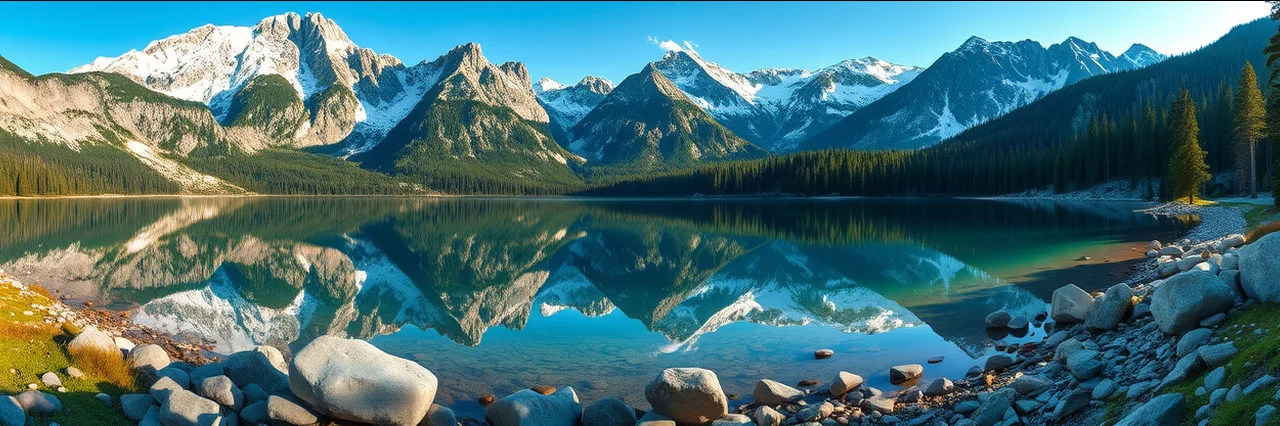
Unlocking the Secrets of Rocky Mountain’s Trail Ridge Road and Alpine Lake Hikes
Imagine standing on a road that soars above the treeline, unveiling endless vistas of snow-dusted peaks, undisturbed meadows, and shimmering lakes nestled in rugged basins. The world-famous Trail Ridge Road in Rocky Mountain National Park is more than just a passage—it's a living gallery of geological drama and a gateway to wild, peaceful places rarely seen by most travelers. With over 415 square miles of breathtaking terrain and more than 300 miles of hiking trails, every mile brings a new perspective and invites curiosity. But even the most diligent adventurers might overlook the intricate stories and delicate balances that make this park a true natural wonder.
Alpine lake hikes, especially those accessed from Trail Ridge Road, offer more than postcard moments. They are windows into ancient landscapes shaped by ice and water, venues for close encounters with wildlife, and laboratories of ecological survival. Whether the weather rolls in brisk from November to May, or the sun bathes alpine meadows with summer warmth, every visit teases with the promise of discovery—if you know where to look and how to prepare. For families plotting their first adventure, seasoned trekkers chasing solitude, or lifelong Coloradans craving another layer of awe, understanding the unique opportunities and subtle challenges of these trails becomes essential. The trails and high roads of Rocky are not just wild escapes—they are where stories and stewardship intersect, awaiting those ready to explore with intention.
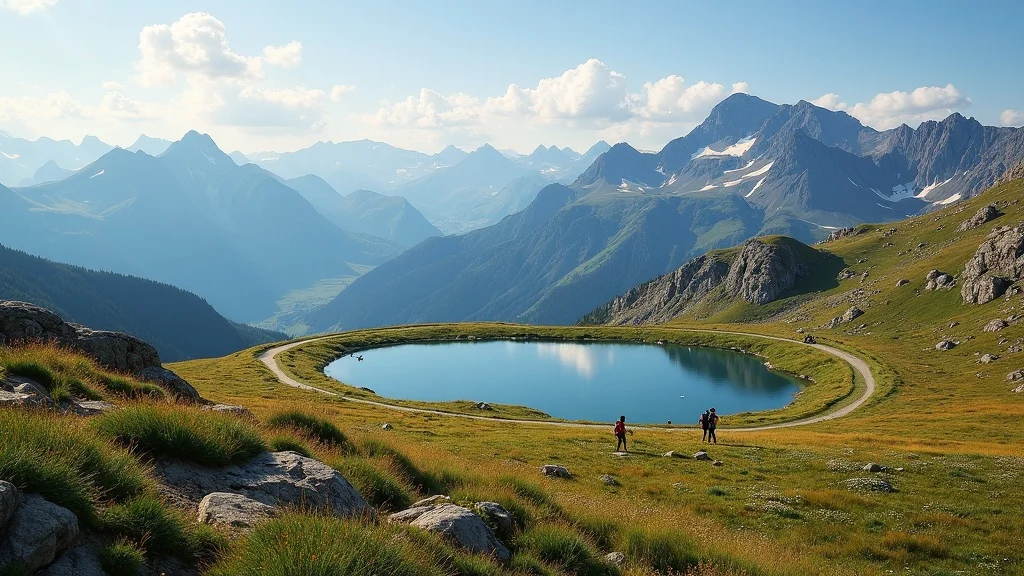
Why Trail Ridge Road and Alpine Lake Hikes Define the Rocky Mountain Experience
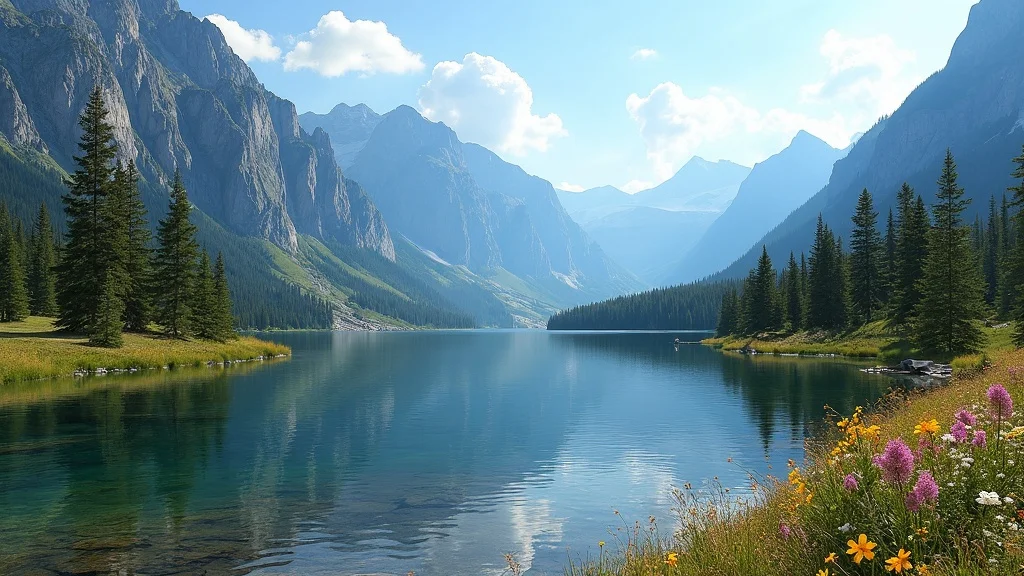
Towering over the landscape, Trail Ridge Road is famed as the “highway to the sky,” peaking at over 12,000 feet above sea level and traversing the heart of Rocky Mountain National Park. But it’s more than a stunning drive; it's a dynamic journey through the park’s most dramatic environments—ascending from lush montane valleys to the wind-battered alpine tundra and cresting into views few places on earth can rival. Along this corridor, alpine lake hikes beckon the curious with trails that descend into peaceful basins, where crystal-clear waters reflect spires and sky, and each step tells a tale of ice, resilience, and renewal.
These hikes aren’t just about the scenery, either. Venturing above treeline exposes both the fragility and endurance of high-altitude ecosystems. Changing weather and elevation shifts pose real challenges: trails can transition from sun-baked to snow-dusted in the span of an hour, and conditions fluctuate rapidly, demanding respect and preparation. Those unaccustomed to thinner air or sudden temperature drops may find the experience both thrilling and humbling, with potential safety concerns that make planning imperative. There is genuine risk in underestimating Rocky Mountain National Park’s wild complexity—but immense reward for those who step forward with curiosity and care.
For those planning extended adventures along Trail Ridge Road or seeking to enhance their outdoor experience, having reliable power on the go can make a significant difference. Exploring the benefits of the Bluei Elite 200 V2 Power Station for RVers can help ensure your devices stay charged and your journey remains comfortable, especially in remote areas of the park.
How Trail Ridge Road and Alpine Lake Hikes Inspire Deeper Adventure and Appreciation
Rocky Mountain National Park has earned its place as a crown jewel of the National Park Service for good reason. Its unique approach lies not just in preserving vast tracts of wilderness, but in encouraging visitors to become active stewards of the landscape. Educational resources, such as ranger-led programs and real-time webcams, empower hikers and motorists alike to engage with the park thoughtfully, making each visit safer and more meaningful. The sheer diversity offered—from introductory meadows to challenging ascents and hidden lakes—means both beginners and experts find paths suited to their capabilities and interests.
These trails aren’t just escapes; they’re journeys that cultivate environmental awareness and personal wonder. Experiences along Trail Ridge Road connect people of all backgrounds to the evolutionary story of the Rockies—exposing them to rare plant communities, essential wildlife habitats, and some of the purest natural vistas in the lower 48 states. Whether wandering the boardwalks at Sprague Lake with family or tackling a vigorous hike to Chasm Lake, visitors often leave with a deeper appreciation for delicate alpine ecosystems and a renewed commitment to conservation.
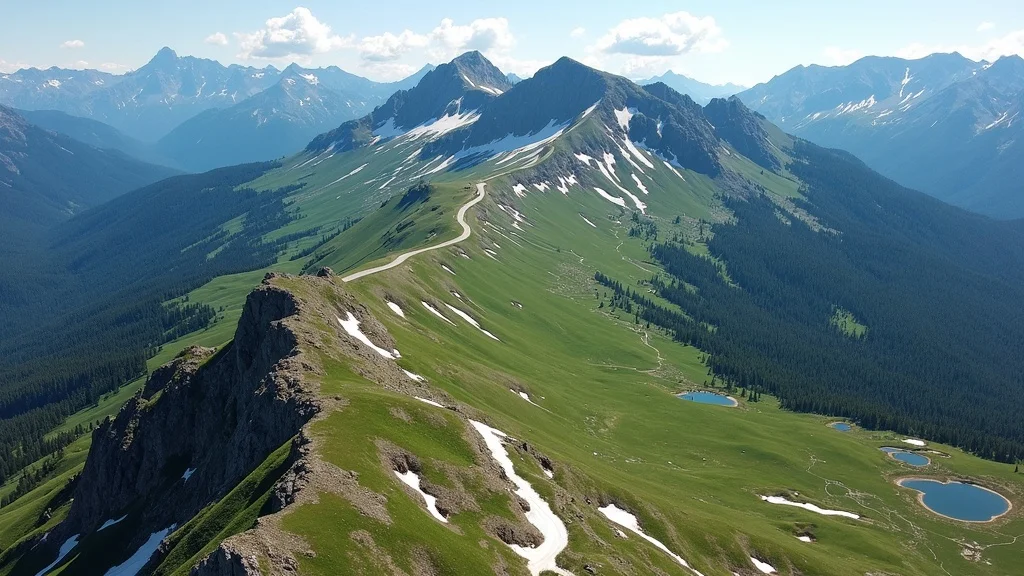
From Ancient Peaks to Modern Trails: The Fascinating Evolution of Rocky’s Pathways
The paths weaving through Rocky Mountain National Park trace centuries of natural and human history. Trail Ridge Road itself is an engineering marvel, honoring earlier Native American routes across the Continental Divide. These routes once connected distant peoples and fostered an intimate knowledge of the land. Today, the modern highway lets travelers experience swift transitions between ecological zones in a single journey, while alpine hikes reveal landscapes shaped by glaciers and the relentless forces of wind and water.
Hiking to an alpine lake—perhaps in the shadow of Longs Peak or above the cirques near Hidden Valley—invites reflection on the continuity of nature’s processes. Glacial runoff has carved out deep bowls and birthed the lakes that remain silent witnesses to changing climates and migrating species. Exploring these environments with respect, aided by up-to-date trail condition reports and ranger insights, ensures that visitors experience both adventure and preservation in harmonious balance.
Seasonal Perspectives: Why Timing Matters for Trail Ridge Road Explorers
Timing is everything in the Rockies. From late November through May, Trail Ridge Road often transforms into a winter wonderland with sections closed due to snow, creating opportunities for unique winter recreation but requiring caution and flexible planning. Even in warmer months, rapid shifts in weather can affect trail conditions and accessibility, especially at higher altitudes. Summer offers the most extensive access, with wildflowers carpeting valleys and alpine lakes thawed to pristine clarity—but timed entry reservations may be required to manage crowds and protect sensitive habitats.
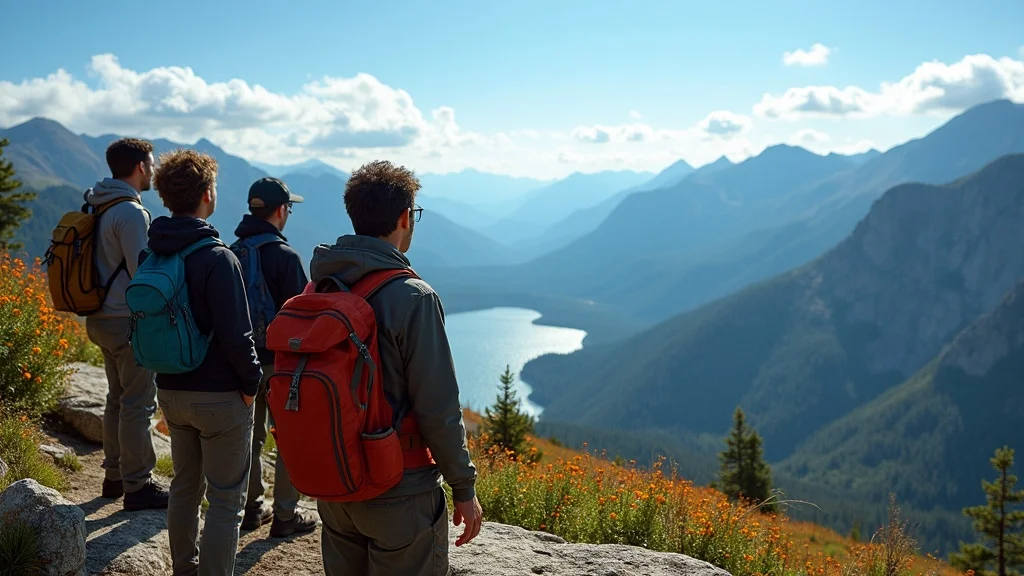
The variance in seasons means every trip is distinct, and preparation is key to making the most of each visit. Whether aiming for a vigorous hike, seeking tranquil lake views, or simply reveling in panoramic overlooks, visitors are encouraged to check real-time trail reports and road status updates. This informed approach not only keeps hikers safe but enhances their experience, ensuring that moments spent atop the “highway to the sky” are both memorable and well-earned.
Navigating Rocky Mountain National Park’s Trails with Safety and Respect
Safety is a cornerstone of exploring Rocky Mountain National Park. The park’s resources guide visitors on weather preparedness, wildlife encounters, and hiking etiquette, reinforcing the idea that each guest plays a vital role in preserving the park’s wonders. Current trail conditions, accessible through official reports, offer essential information for navigating challenging terrain and making informed decisions, especially where elevation and weather can create rapid changes in difficulty and risk.
Awareness of park regulations—particularly when traveling with pets, backpacking overnight, or joining ranger-led educational programs—helps maintain the balance between public enjoyment and ecological protection. By adhering to guidelines and respecting posted signs, visitors contribute to the long-term health of the park’s landscapes and leave with a sense of shared responsibility for its beauty and wildness.
Rocky Mountain National Park: A Commitment to Preservation, Education, and Awe
At the heart of Rocky Mountain National Park’s mission is a promise to steward 415 square miles of precious landscapes for generations to come. The park’s philosophy centers on balancing human enjoyment with scientific responsibility, using up-to-date information and community engagement to foster sustainable exploration. Tools such as real-time webcams, ranger-led adventures, and comprehensive planning resources mean that every visitor is empowered to journey wisely and responsibly—whether motoring along Trail Ridge Road or trekking to a remote alpine lake.
This commitment shapes every aspect of the Rocky Mountain experience: from accessible entry points to the array of carefully maintained trails, the park enables deep connection with some of the continent’s most iconic scenery. The result is an environment where discovery is always accompanied by learning, wonder supports protection, and each guest is invited to become a caretaker of the high country’s enduring treasures.
Real Experiences: Visitors Reflect on their Trail Ridge Road Adventures
The best way to understand the magic and majesty of Rocky Mountain National Park is often through the eyes of those who return, again and again, to discover something new. In the words of one recent visitor, the combination of astonishing vistas, convenient amenities, and moments of humble gratitude highlight what makes this park so enduringly special:
Just breathtaking! I’m native to Colorado but was surprised by how pretty it was. First time we visited, the top area was closed, but most recent visit I could see it and it was amazing! My nature-loving aunt always insists upon visiting the park when she’s in town! Rest area and gift shop had food which was convenient but main bathroom was shut down and had to use the one with no running water and long line.
Stories like this reinforce the enduring appeal of Rocky Mountain National Park. Every visit, no matter the season or circumstance, offers a fresh mix of challenge, beauty, and personal meaning. Exploring Trail Ridge Road and the alpine lakes doesn’t just offer scenic rewards—it builds cherished memories and forges a lasting bond between people and this extraordinary landscape.
Why Trail Ridge Road and Alpine Lake Hikes Will Shape Lifelong Memories
The adventure of traveling Rocky Mountain National Park’s Trail Ridge Road and hiking to its alpine lakes is about much more than ticking off another scenic locale. It’s a transformative journey that fuses natural beauty with personal challenge, bringing each visitor into a living classroom of geology, wildlife, and weather. The official resources and thoughtful stewardship modeled by Rocky Mountain National Park ensure that every step, every vista, and every moment of awe is underpinned by careful planning and unwavering protection.
For those who seek adventure and insight, these experiences are more than just trips—they’re chapters in the ongoing story of a landscape forged over millennia and loved by millions. As the park continues to lead by example in education and preservation, the legacy of Trail Ridge Road and the alpine lake hikes will inspire and shape the memories of all who set foot on these remarkable paths.
If you’re inspired to elevate your Rocky Mountain adventures even further, consider how the right gear and preparation can transform your journey. Exploring innovative solutions like portable power stations not only enhances comfort but also supports longer, more immersive stays in the wild. For a deeper dive into how technology can empower your next road trip or hiking expedition, discover the advantages of the Bluei Elite 200 V2 Power Station for RVers and outdoor enthusiasts. Embracing these advanced tools ensures you’re ready for every breathtaking moment the Rockies have to offer, while staying connected and prepared for whatever nature brings your way.
Contact the Experts at Rocky Mountain National Park
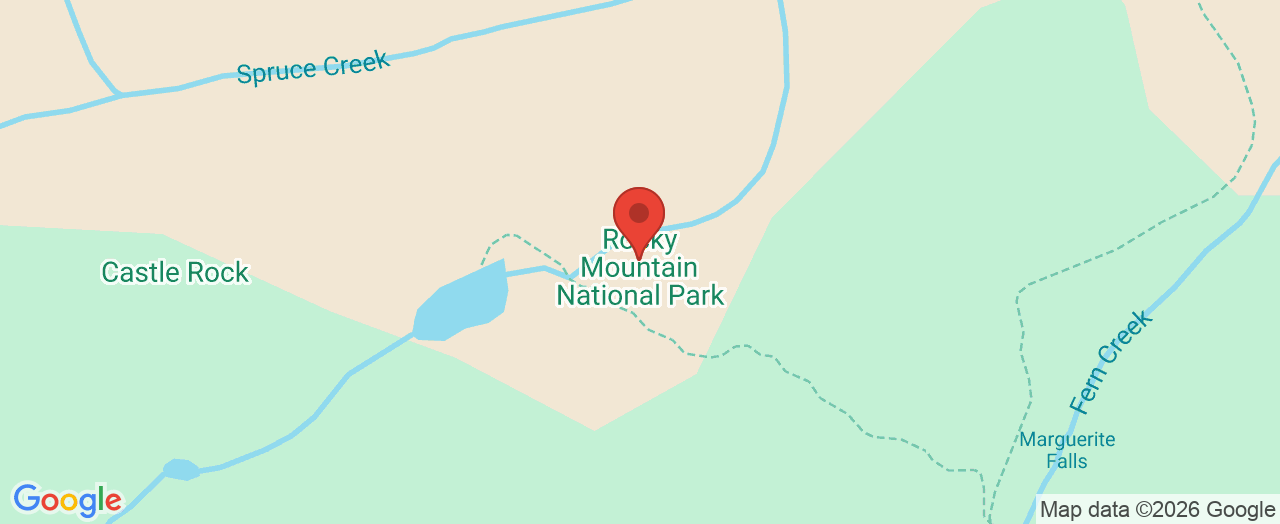
If you’d like to learn more about how exploring Trail Ridge Road and alpine lake hikes could benefit your outdoor adventures, contact the team at Rocky Mountain National Park. 📍 Address: Colorado, USA 📞 Phone: +1 970-586-1206 🌐 Website: https://www. nps. gov/romo/index. htm
Rocky Mountain National Park Location and Availability
For more information, visitors can contact the park at +1 970-586-1206 or visit the official website linked above for seasonal operation details and planning resources. Information Office Hours (all year): - Summer: 8:00 a. m. - 4:00 p. m. daily - Winter: 8:00 a. m. - 4:00 p. m. Mondays - Fridays; 8:00 a. m. - 12:00 p. m. Saturdays - Sundays Recorded Trail Ridge Road status: (970) 586-1222


Write A Comment