



Where Wilderness Still Rules: Unmasking the Secrets of the Everglades’ Hidden Heart
What does it feel like to slip silently across a watery wilderness that stretches for more than a million acres—where ancient mangrove roots filter the tides and the gleam of an alligator’s eye can signal both awe and survival? For many, the untamed beauty of Everglades National Park represents the wild heart of Florida, where marshlands, boardwalks, and winding kayak trails converge into a timeless tableau of life thriving at the edge of land and water. The park’s labyrinth of habitats invites explorers to uncover mysteries that have endured for centuries, revealing new worlds at every trail bend and bend in the estuary.
Yet, for all its alluring vistas and elusive species, the Everglades are often misunderstood—a landscape dismissed as little more than swampland from the highway. In reality, this is the largest subtropical wilderness in the United States, home to an astonishing diversity of creatures and plant life. Those who arrive for hiking, mangrove kayaking, wildlife boardwalks, and alligator spotting are not simply seeking recreation; they are entering a living classroom and an intricate ecosystem, where each experience—whether on a quiet morning paddle or a thrilling wildlife sighting—teaches us something about resilience, adaptation, and the web of life itself. Understanding what truly awaits in the Everglades isn't just valuable—it's essential for anyone drawn to the wild, or to the simple act of discovery.
Everglades Ecosystems Explained: From Mangrove Kayaking to Alligator Encounters
The allure of Everglades National Park goes far beyond its size or its scenic reputation. This vast reserve was established in 1947, not only for its beauty but as the first national park dedicated to preserving biological diversity on this scale. Everglades National Park encompasses 1. 5 million acres of wetland, forest, and marine environments, hosting habitats that range from sawgrass marshes and pinelands to tidal mangrove forests and coastal lowlands. Exploring by foot, boardwalk, or kayak reveals a shifting mosaic of environments, each teeming with species both familiar and rare.
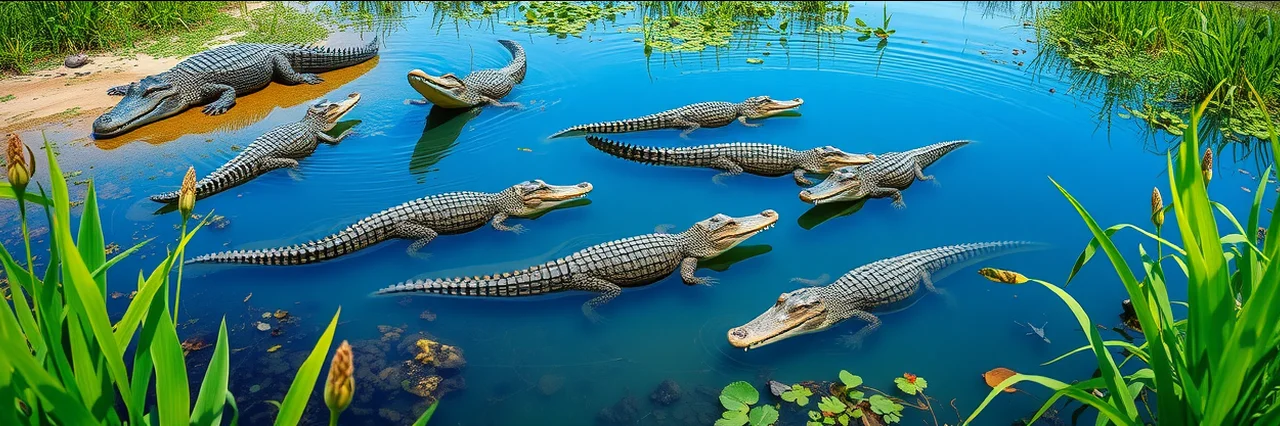
The park’s mangrove forests are living barricades against storm surge and serve as nurseries for countless marine creatures. Winding through these thick-rooted passageways by kayak feels almost primeval—an experience amplified by the presence of hidden wildlife like herons, spoonbills, turtles, and, of course, the iconic American alligator lurking just beneath the mirrored surface. Boardwalk trails such as the popular Royal Palm Trail provide a safe way to witness the ballet of predator and prey, from sunbathing alligators to great flocks of wading birds. Lacking a deeper understanding of this interconnected system, visitors risk missing the interplay of water, wildlife, and flora that defines the park’s unique identity—and may fail to grasp why conservation is so critical here.
For those planning extended adventures in the Everglades or other remote destinations, having reliable power on the go can make a significant difference in comfort and safety. Exploring portable solutions like the Bluei Elite 200 V2 Power Station can help ensure your devices stay charged, whether you're navigating mangrove tunnels or setting up camp after a day on the trails.
Why Exploring the Everglades by Trail or Kayak is Transformative for Curious Adventurers
Everglades National Park stands out as a haven for those eager to engage with nature in its purest form. Guided by an emphasis on diversity, sustainability, and environmental stewardship, the park offers countless opportunities for meaningful exploration. Kayaking through the mangroves lends a front-row seat to the Everglades’ dynamic tidal cycles and the subtle drama of daily survival among its residents, from alligators gliding in silence to fish darting between roots. Beyond the thrill, there’s a deeper benefit: each journey deepens understanding of fragile habitats, the forces that threaten them, and the urgent need for conservation.
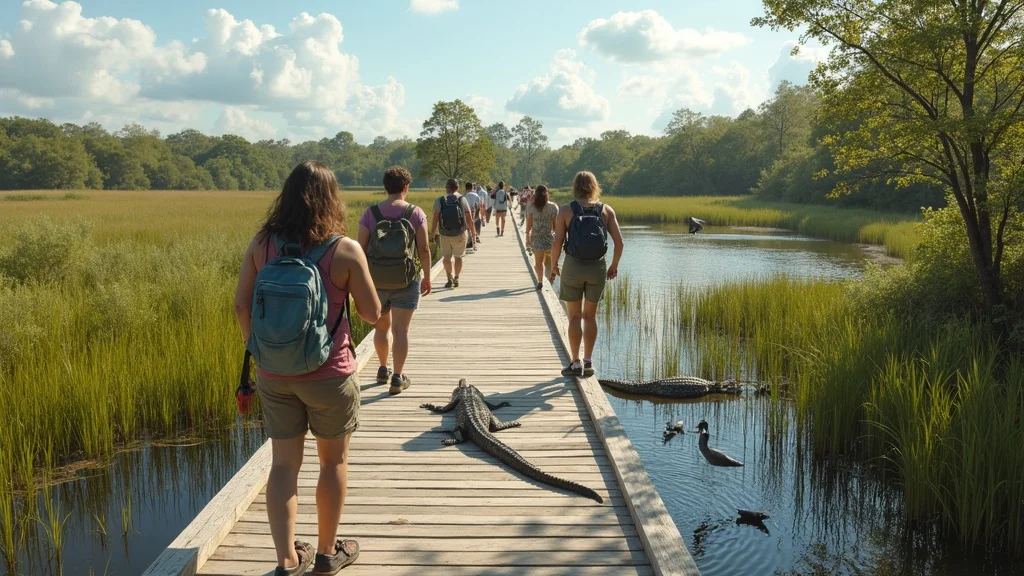
For many, boardwalks and hiking trails like Royal Palm or Anhinga Trail open windows into the park’s remarkable wildlife and vegetation, making close encounters accessible to all skill levels. These well-designed routes transform passive spectating into immersive experience, allowing visitors to listen for distant birdcalls, spot alligators sunning just feet away, or observe the sweep of a swallow-tailed kite overhead. The park’s educational focus means every trail and kayak route comes with the promise of discovery—sparking curiosity and, often, a lifelong respect for the interconnectedness of the natural world.
How the Dry Season Shifts the Everglades Experience for Hikers and Wildlife Seekers
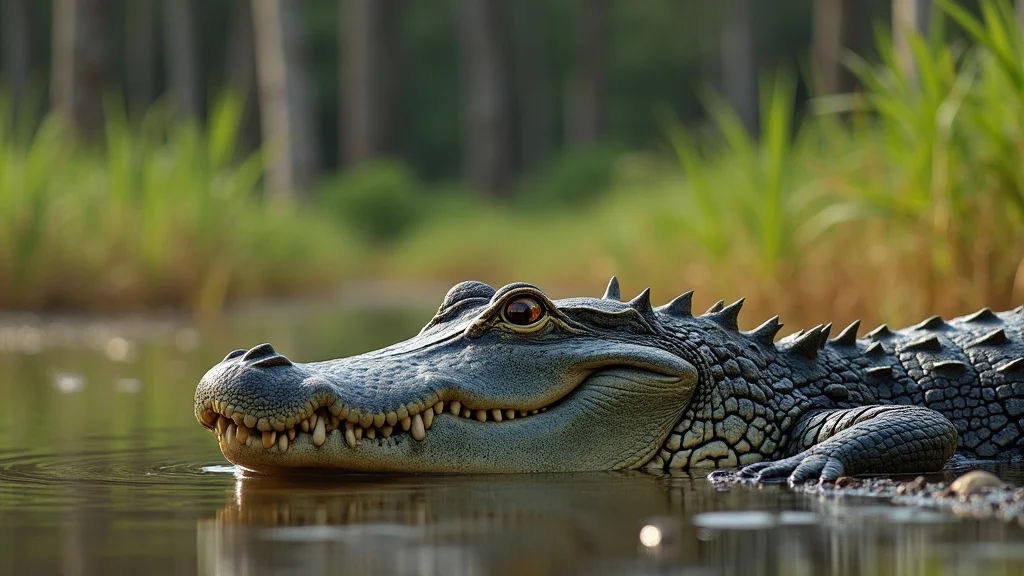
Timing a visit to the Everglades can dramatically affect what guests see, hear, and feel. The park’s most popular window, from December through April, is known as the dry season—when lower water levels cause wildlife to concentrate near sloughs, ponds, and boardwalks, making alligator spotting and birdwatching more rewarding. During these months, hiking trails and kayaking routes are less likely to be flooded, mosquitoes are kept at bay, and the clarity of the air brings distant horizons into sharp relief.
Exploring during the dry season also increases chances of encountering rare or migratory birds, from roseate spoonbills to majestic wood storks, all while enjoying a cooler, less humid climate. For both first-time visitors and seasoned adventurers, understanding the rhythms of the Everglades is part of the appeal—each season reveals hidden facets, new challenges, and shifting patterns in animal behavior and plant bloom. Preparation, planning, and timing transform the experience from a simple outing to an unforgettable expedition.
The Last Sanctuary: Biodiversity, Bird Life, and Why Every Step Matters
Everglades National Park is not only famous for its alligators; it is a recognized international treasure for its unparalleled biodiversity. Over 360 species of birds have been recorded here, making it a global destination for birdwatchers and researchers alike. The wetland environment functions as a living filter, sustaining endangered animals such as the Florida panther and West Indian manatee alongside more familiar denizens like otters, turtles, and wading birds.
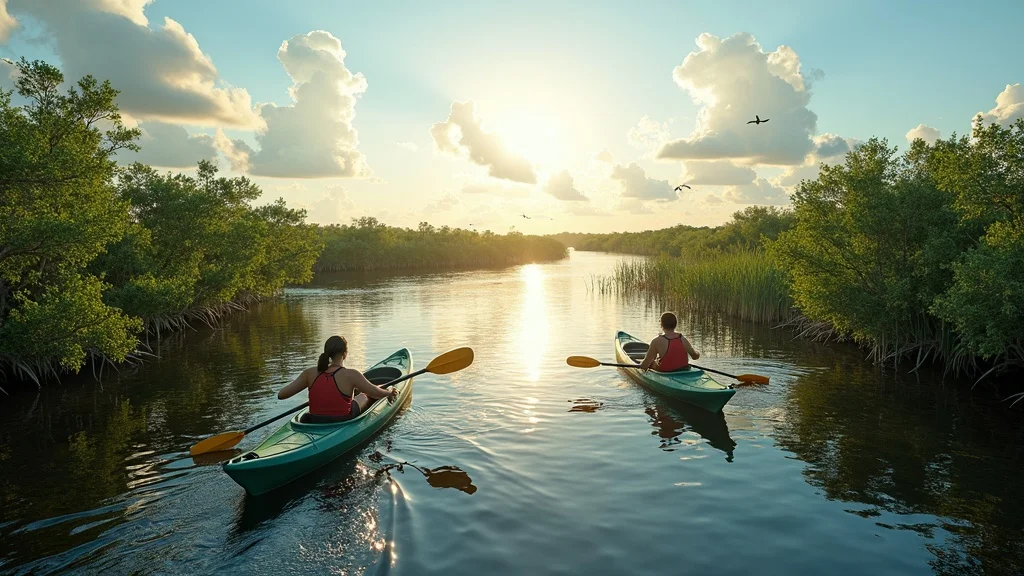
Walking the park’s boardwalks or paddling its tidal creeks makes it clear how every creature and every patch of vegetation plays a part in this living network. Conscientious exploration—whether quietly observing from a kayak or hiking mindfully along a trail—supports both personal enrichment and conservation efforts. Everglades National Park stands as a testament to resilience in the face of change, urging every visitor to consider their impact and cherish the ecosystem that sustains so much life.
Staying Safe: Preparing for Adventure in the Land of Marsh and Mangrove
Adventure in the Everglades demands both excitement and respect. The park’s official guidance stresses the importance of safety, with changing conditions requiring different preparation from season to season. Visitors are encouraged to plan ahead for extreme heat, sudden storms, and clouds of mosquitoes—especially outside the dry season. Choosing appropriate clothing, carrying ample water, and remaining aware of local fauna ensures every day on the trail or water brings wonder, not worry.
The park provides a network of visitor centers, including the updated Marjory Stoneman Douglas Visitor Center near Everglades City, where travelers can access up-to-date alerts, maps, and advice. Guided tours—sometimes led by partners and park concessions—offer another layer of safety and expertise, helping guests maximize enjoyment while minimizing risk. The careful balance between immersion and caution is what allows visitors to leave with new knowledge and lasting memories.
Everglades National Park’s Enduring Mission: Conservation, Education, and Stewardship
Everglades National Park approaches conservation with the gravity it deserves. From its inception, the park’s foundational purpose has been to protect the delicate mosaic of wetlands, forests, and marine habitats—and the unbroken chain of native species that depend upon them. Rather than managing solely for visitors, the park places environmental health and biodiversity at the center of every decision, ensuring resources remain for generations to come.
Education is entwined with every aspect of the experience, from clear trail signage to ranger-led programs and digital resources. The overarching philosophy is to foster curiosity while arming visitors with the context to appreciate—and help preserve—the region’s complexity. The park’s mission echoes through every guided kayak trip, family nature walk, and interpretive display, nurturing both respect and responsibility for wild places. In many ways, Everglades National Park is not just a destination; it’s a living legacy of stewardship and reverence for one of America’s last great wildernesses.
Real Explorers Weigh In: Memories That Last from Mangroves to Trails
When travelers describe their time in the Everglades, it’s often the moments of awe and wonder that remain long after they’ve returned home. Guest reviews capture not only the thrill of wildlife spotting, but also the sense of peace found in nature’s untouched corners and the enduring knowledge gained with every mile covered.
Everglades National Park is truly a one-of-a-kind experience! The park’s unique ecosystem with its vast marshlands, mangroves, and wildlife like alligators makes it unlike any other national park in the U. S. The landscapes are stunningly serene yet wild, giving you a real sense of nature’s raw beauty. If you’re aiming to explore the southernmost point of the U. S. mainland, Flamingo Point is a must-visit. The views of the water, wildlife spotting opportunities, and peaceful surroundings make it a perfect spot for photography, birdwatching, or just soaking in the tranquility.
The magic described above is echoed by countless visitors who found new appreciation for Florida’s natural wonders through firsthand experience. Such testimonials remind us that the rewards of exploring the Everglades are available to anyone willing to take the first step—be it by trail, boardwalk, or kayak—revealing lessons and memories as timeless as the wilderness itself.
What Mangrove Kayaking and Boardwalk Trails Reveal About Florida’s Wild Soul
The story of Everglades National Park is ultimately about discovery—not just the discovery of alligators, birds, or scenic views, but a deeper examination of how wilderness shapes us in return. Through hiking, mangrove kayaking, and wildlife-rich boardwalks, every visitor becomes part of a much larger tapestry, learning, growing, and coming to recognize the importance of stewardship in an evolving world. With its commitment to biodiversity, education, and access for all, Everglades National Park’s example is one that makes every adventure an education and every encounter a chance to build a legacy of respect for the wild places around us.
Everglades hiking, mangrove kayaking, wildlife boardwalks, and alligator spotting represent more than thrill—they are invitations to witness beauty, understand science, and join a community committed to the resilient spirit of America’s subtropical wilderness. In every moment spent exploring these treasures, the park offers a silent reminder: here, discovery truly never ends.
If your passion for exploration extends beyond the Everglades, consider how the right gear and preparation can elevate every journey into the wild. Whether you’re planning a multi-day adventure or simply want peace of mind while off the grid, learning about innovative solutions like portable power stations can help you stay connected and comfortable wherever you roam. For RVers and nomads seeking the best in reliability and convenience, discover how the Bluei Elite 200 V2 Power Station can transform your travel experience by visiting this comprehensive guide for RVers. Embracing new technology alongside your love for nature ensures every expedition is both memorable and worry-free—empowering you to explore further, stay longer, and truly savor the wonders of the wild.
Contact the Experts at Everglades National Park
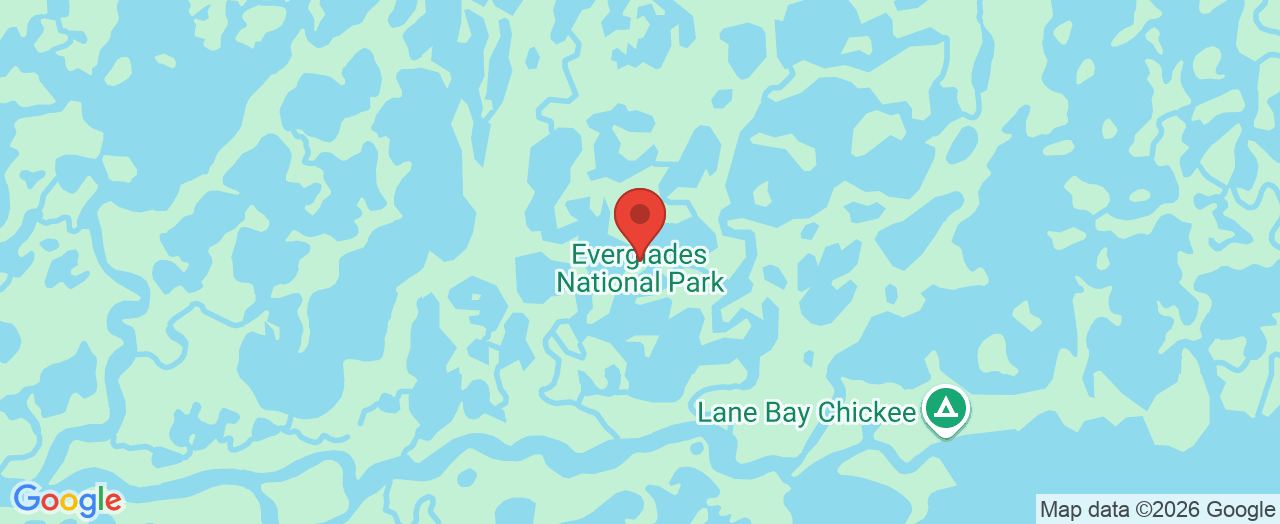
If you’d like to learn more about how hiking, mangrove kayaking, and wildlife adventures could benefit your understanding and appreciation of the natural world, contact the team at Everglades National Park. 📍 Address: Florida, USA 📞 Phone: +1 305-242-7700 🌐 Website: https://www. nps. gov/ever/index. htm
Everglades National Park Location and Availability
For the most up-to-date hours of operation and visitor information, please consult the official park website or contact the Everglades National Park visitor center.



Write A Comment