



Step Back in Time with a Ferry Ride That Unveils Adventure, History, and Wild Florida
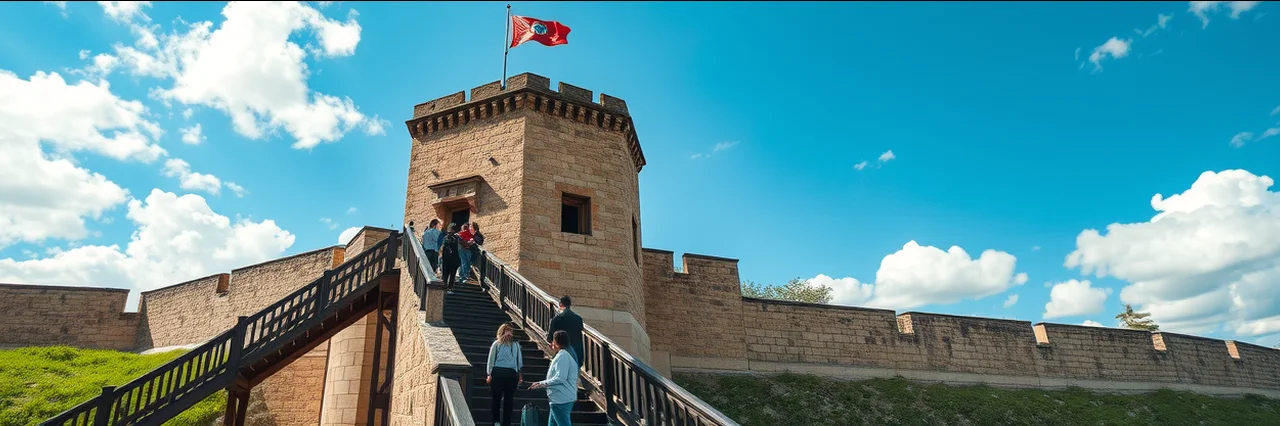
Imagine gliding across glistening waters, sunlight reflecting off the marsh as an ancient stone fort slowly emerges on the horizon. This isn’t just another day in Florida–it’s a journey back to the early 18th century, where history and untamed nature intertwine. Fort Matanzas National Monument ferry ride fort tour and marsh wildlife offer visitors a rare combination: access to a perfectly preserved colonial watchtower, views of windswept dunes, and glimpses of the thriving flora and fauna that define the state’s coastal wildlands. The experience begins not at the fort itself, but with the anticipation of boarding a National Park Service ferry that’s more than simple transportation—it’s a portal to the past.
Today, it’s increasingly uncommon for family outings or educational trips to deliver a blend of meaningful history, hands-on exploration, and direct contact with an ecologically significant landscape. Yet at Fort Matanzas, every step—from ticket line to dock, from ferry deck to fortress walls—provides a fresh perspective. Whether you’re a history buff, a curious student, or a nature lover hoping to spot rare birds, the opportunity to explore by ferry and foot opens the senses to the full story of Florida’s first line of defense. What draws both visitors and locals alike, time after time, is the seamless connection between human heritage and wild habitat—a relationship revealed with every tide and rustle of grass. Understanding this journey is crucial, not just for the adventure, but for preserving and appreciating the larger narrative of the region’s past and present.
Why the Fort Matanzas Ferry Ride and Wildlife Tour Reveal Florida’s Untold Stories
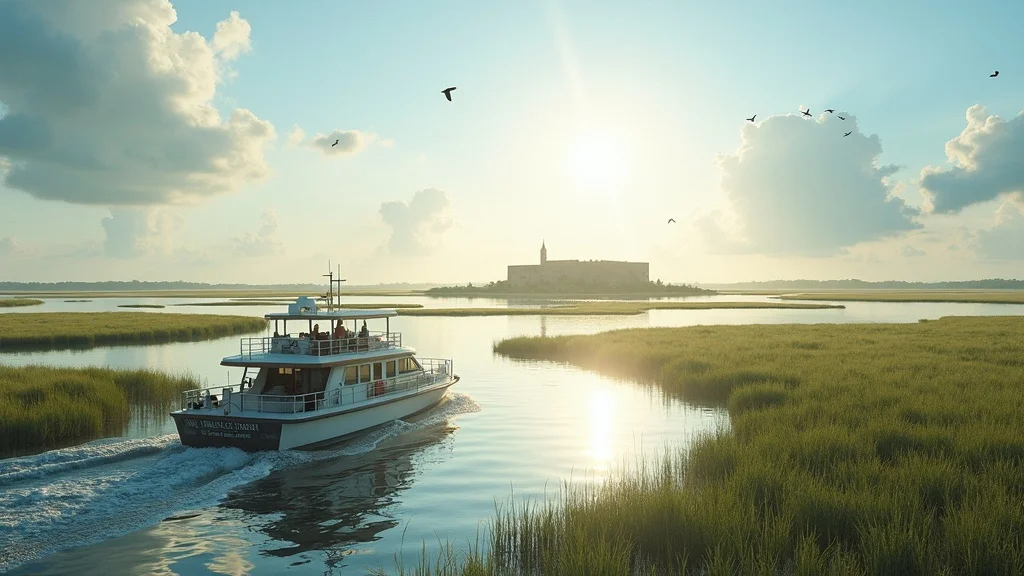
The Fort Matanzas ferry ride isn’t merely a means of crossing water. It’s a guided path through centuries of persistence—where a humble coquina watchtower built in 1742 stands as the gateway to American and Spanish colonial history. As passengers cross the Matanzas River, the sweep of marshes—teeming with life—anchors the story not only in stone walls, but also in the living, breathing landscape that fortified and protected those early settlements. This protected environment is home to over 250 identified plant species as well as a host of native and migratory wildlife, making each crossing a voyage through one of the most dynamic coastal habitats in the state.
Missing out on these experiences means missing part of Florida’s heart. A lack of awareness about the region’s interconnected human and natural history can mean overlooking the resilience that shaped both its people and its wild spaces. While many visitors may expect simple sightseeing, Fort Matanzas delivers historical insight woven tightly with environmental education. Not every national monument offers daily lessons on threatened species or lets visitors walk the same dunes encountered by soldiers centuries ago. For those who never step foot on the ferry or along the easy-access boardwalks, there’s a lost chance not just to witness history, but to immerse oneself in the delicate, ongoing balance of preservation and change.
For those planning a day of exploration at Fort Matanzas or any remote natural site, having reliable portable power can make your adventure more comfortable and convenient. RV travelers and outdoor enthusiasts may find it helpful to review the best deals on the Bluei Elite 200 V2 Power Station for RVers, which offers practical solutions for staying powered up during extended visits to national monuments and parks.
How the Fort Matanzas National Monument Experience Transforms Curiosity into Connection
As an official steward of both history and nature, Fort Matanzas National Monument functions as more than a site for sightseeing. The approach here is layered: education, conservation, and exploration converge, offering visitors pathways to participate in the story through every aspect of the fort tour and marsh wildlife walk. By preserving approximately 300 acres of precious coastal habitats—encompassing dunes, salt marsh, and maritime forest—the monument assures that every ferry ride isn’t just scenic, but rich with potential for discovery.
A visit to Fort Matanzas means direct engagement. The ferry ride, staffed by knowledgeable park rangers and volunteers, becomes an educational voyage: explanations on local flora, history lessons about the construction and defense tactics of 18th-century Spain, and stories of the plants and animals that thrive against the odds. Trails and walkways, designed with accessibility in mind, allow everyone to encounter thriving native plant life and perhaps sight endangered species along the marsh edge. This level of thoughtful access turns a day trip into a dynamic classroom and playground, especially for students and families seeking real-life adventure beyond textbooks or screen time.
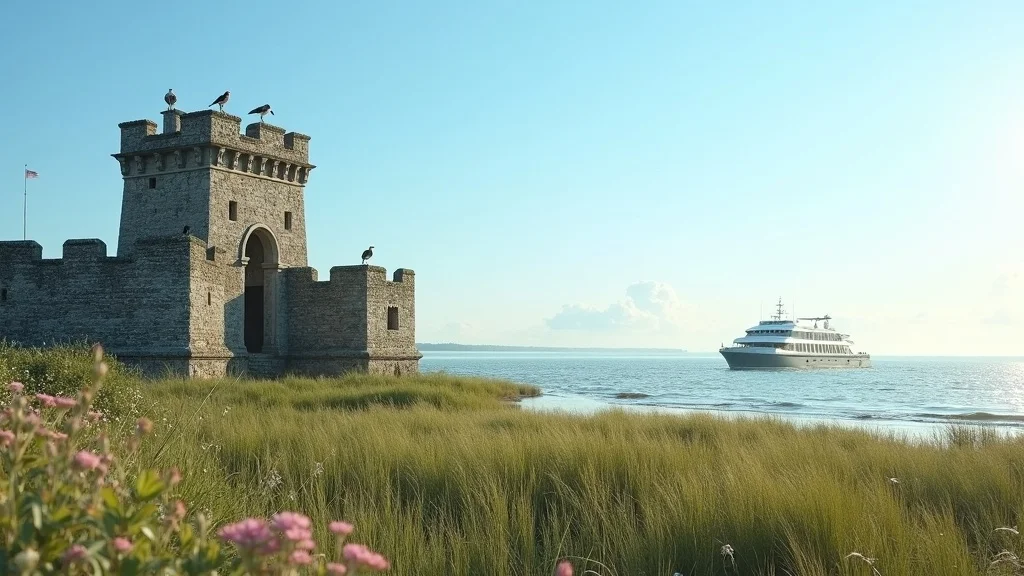
What sets this experience apart is that it doesn’t ask visitors to choose—between learning and fun, between history and habitat, or between old and new. The Fort Matanzas ferry, fort tour, and marsh wildlife immersion cultivate understanding and appreciation, connecting guests not just to stories of conflict and survival, but to the living legacy of the coastal Southeast.
From Colonial Outpost to Living Sanctuary: What Sets Fort Matanzas Apart
Standing at the confluence of cultural history and environmental stewardship, Fort Matanzas offers a rare glimpse into America’s earliest defense strategies alongside a sanctuary for biodiversity. The stone coquina watchtower—completed in 1742—sits as silent witness to centuries of change, defending not only Spanish St. Augustine but the tapestry of habitats surrounding it. Visitors walking up to this structure experience the tactile reality of layered history—its scars, adaptations, and resilience apparent in every block and parapet. This isn’t just about bricks and mortar; it’s about understanding the choices and consequences that shaped present-day Florida.
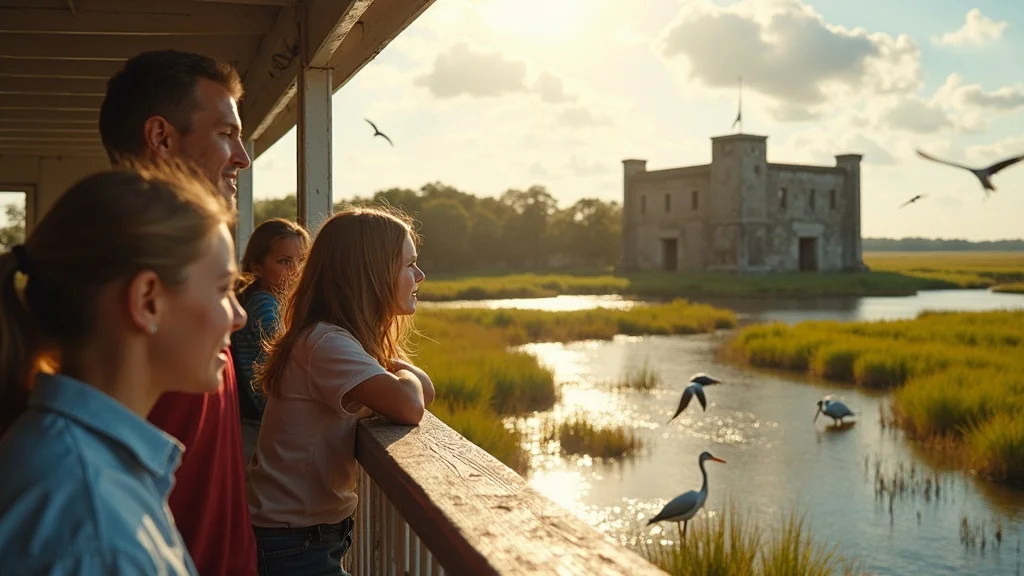
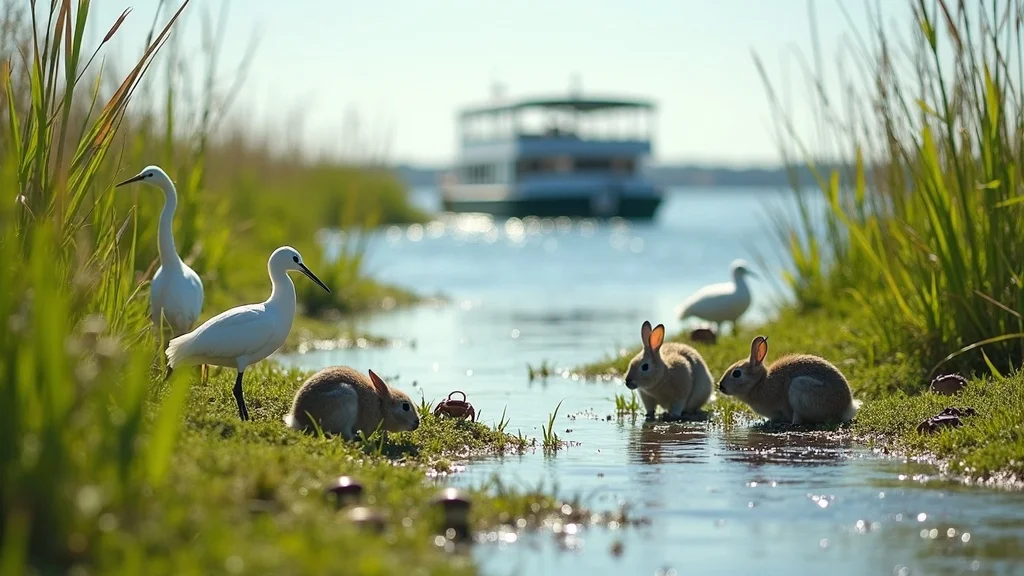
The surrounding lands, meanwhile, are a showcase for coastal ecology. The marsh and forest are alive with movement: herons hunt the shallows, fiddler crabs scuttle around mangroves, and an ever-changing cast of birds fill the air with bursts of color. For many, this chance to see native wildlife just feet from historic ruins is a transformative moment—a reminder that history and nature are never separate, but always in dialogue. The fort and its ferry connection provide an accessible window into this entwined past and present, making every visit a unique blend of discovery.
Coastal Wildlands, Endangered Species, and the Education Mission at the Heart of Every Visit
What makes Fort Matanzas exceptional is its devotion to active protection of the land and its living treasures. With more than 250 plant species and critical habitats for threatened and endangered wildlife, the monument’s extensive grounds are far more than a backdrop—they are a living laboratory. Programs for field trips, youth camps, and junior rangers are designed to inspire curiosity and responsibility for the next generation, while digital resources and videos extend learning far beyond the trip itself.
This educational mission is not just for students. For every explorer—young or old—interpretive signage, accessible boardwalks, and knowledgeable staff foster awareness and appreciation of unique coastal ecosystems. Nature trails wind through maritime forests and along dune ridges, each step revealing new details: rare wildflowers in bloom, the secretive motion of a marsh rabbit, or the distant call of an osprey. In raising awareness of these fragile environments, Fort Matanzas encourages everyone to become stewards of the wild, understanding that today’s choices shape tomorrow’s possibilities.
From Ferries to Forest Trails: How Preparation Turns a Good Visit Into an Unforgettable One
While anticipation makes every ferry ride exciting, preparation ensures the journey is safe and rewarding. The monument emphasizes readiness for both natural environments and variability in Florida weather, providing up-to-date park alerts and safety tips to guarantee a smooth experience. Limited parking and ferry capacities underscore the value of early arrival—a detail reinforced by both visitors and the fort’s clear communication. Amenities like benches, picnic tables, and well-maintained trails add comfort, enabling visitors to focus on the fort, marsh, and wildlife rather than logistics.
These touches reflect a commitment not just to preservation, but to hospitality. Whether embarking on a 40-minute tour of the fort, strolling a wooden walkway, or participating in a ranger-led program, every guest is encouraged to explore at their own pace, soaking in history and habitat alike. The absence of modern distractions at the fort itself focuses attention on architecture, scenery, and the collective experience of discovering how past meets present—an approach that makes the story of Fort Matanzas personal as well as shared.
The National Park Service Approach: Why Fort Matanzas Stands as a Model of Accessible Heritage and Conservation
Fort Matanzas National Monument operates with a unique blend of reverence for history and bold stewardship of the land. Central to its mission is the protection not just of the 1742 watchtower, but of the 300 coastal acres that cradle it—a home for maritime forests, salt marshes, dunes, and the many creatures that rely on them. This commitment is evident in the park’s accessible design, with boardwalks and signage enabling people of all ages and abilities to engage with both cultural and natural treasures.
The philosophy of the monument reflects a deep belief in hands-on education. Field trips, volunteer opportunities, and interpretive programs draw on expertise as well as passion, fostering a new generation of curious, informed stewards. The tone is inclusive, welcoming every visitor into the ongoing story of St. Augustine’s defense, coastal resilience, and shared responsibility for the future. By weaving together past and present, the park elevates both the visitor experience and the wider conversation about heritage, community, and conservation.
Stories from the Dock: Real Visitor Experiences of the Ferry and Fort Tour
Few sources are more compelling than those who have taken the journey themselves. One guest captured the essence of the adventure, from securing a ferry ticket to encountering wildlife among the marshes, helping future visitors appreciate the depth of the experience. This firsthand account perfectly illustrates what makes the monument special and memorable.
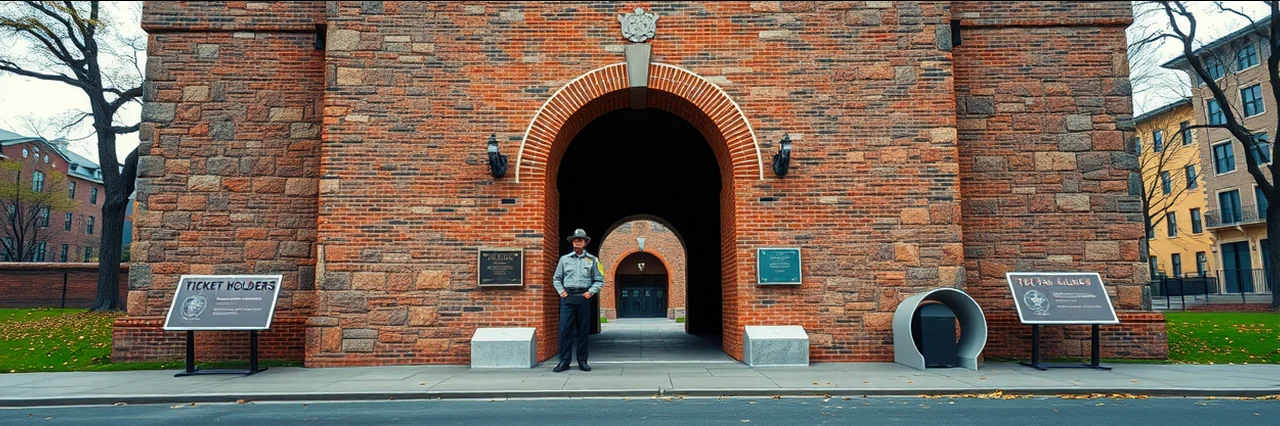
A very well kept historical fort to spend few hours. Arrive early to secure your free tickets to a short ferry ride to this historical fort. Parking spots are few but overflow parking is at the entrance, a short walk to the office. Trails are accessible and easy to walk with well maintained wooden walkways. The area is rich in biodiversity and on some lucky days can get a chance to see more than just the local birds that are perennially present in abundance. If you are in the area, please do visit and don’t forget to bless the donation box.
For travelers and locals alike, these stories underscore the value of planning ahead and venturing into the wild and historic spaces preserved for everyone. The outcomes—memories built with family, surprising animal encounters, and the living lessons of conservation—await every visitor preparing to cross the river and explore the past, present, and future of Fort Matanzas.
What the Fort Matanzas Experience Means for the Future of Florida’s Heritage
In a state where modern distractions are plentiful, the Fort Matanzas National Monument ferry ride fort tour and marsh wildlife experiences serve as an essential reminder of what endures. The site’s careful preservation of history, dedication to educational outreach, and ongoing stewardship of critical habitats provide a template for combining public enjoyment with respect for fragile resources. By championing access through free ferry rides, accessible trails, and hands-on learning, the National Park Service demonstrates how the past can be celebrated—not as static memory, but as vibrant, living history.
As the layers of colonial conflict, ecological diversity, and community engagement continue to shape visitors’ experiences, Fort Matanzas stands as both a guardian of stories and an innovator in inclusive public lands management. The ongoing collaboration between nature, history, and education at this monument ensures that every ferry ride is an invitation—to learn, connect, and conserve. For anyone seeking to understand the heart of Florida’s Atlantic coast, there is perhaps no better journey than the one that begins with a ticket to ride and a willingness to explore.
Exploring Fort Matanzas is just the beginning of what’s possible when you combine curiosity with preparation. If you’re inspired to extend your adventures—whether through longer road trips, off-grid camping, or simply ensuring you have the comforts of home while immersed in nature—consider how the right gear can elevate your experience. Discovering the advantages of portable power solutions, like those highlighted in the Bluei Elite 200 V2 Power Station guide for RVers, can help you stay connected and comfortable wherever your travels take you. Embrace the freedom to explore deeper, knowing you’re equipped for both the wonders of the wild and the stories of the past. Your next unforgettable journey could be just a power-up away.
Contact the Experts at Fort Matanzas National Monument
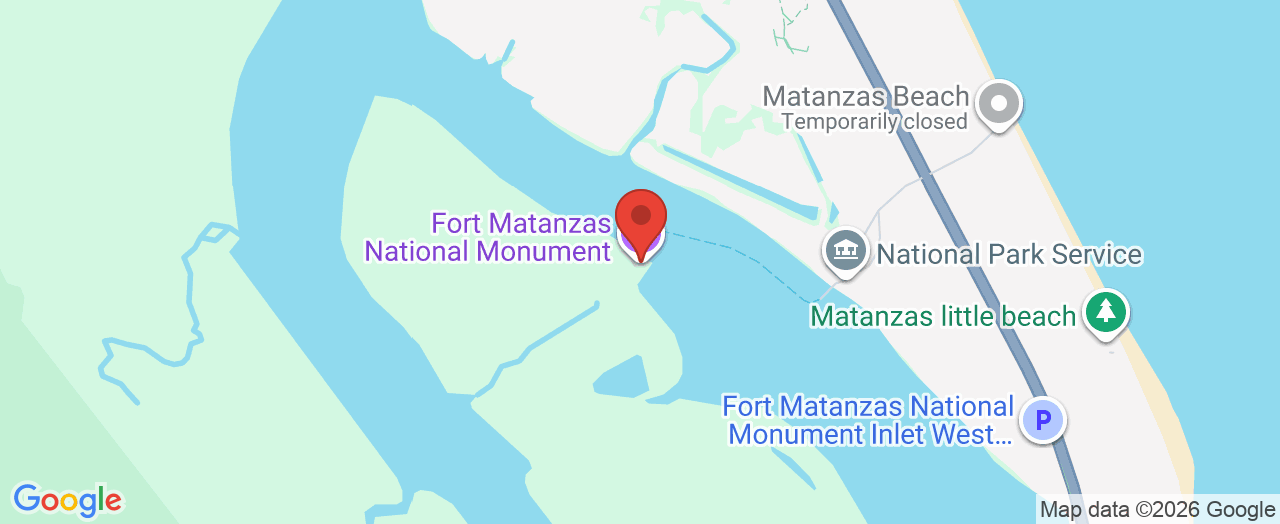
If you’d like to learn more about how the Fort Matanzas National Monument ferry ride fort tour and marsh wildlife could benefit your educational, recreational, or travel plans, contact the team at Fort Matanzas National Monument. 📍 Address: 8635 A1A S, St. Augustine, FL 32080, USA 📞 Phone: +1 904-471-0116 🌐 Website: www. nps. gov/foma/index. htm
Fort Matanzas National Monument Location and Availability
🕒 Hours of Operation:📅 Monday: 9:00 AM – 5:30 PM📅 Tuesday: 9:00 AM – 5:30 PM📅 Wednesday: 9:00 AM – 5:30 PM📅 Thursday: 9:00 AM – 5:30 PM📅 Friday: 9:00 AM – 5:30 PM📅 Saturday: 9:00 AM – 5:30 PM📅 Sunday: 9:00 AM – 5:30 PM




Write A Comment