



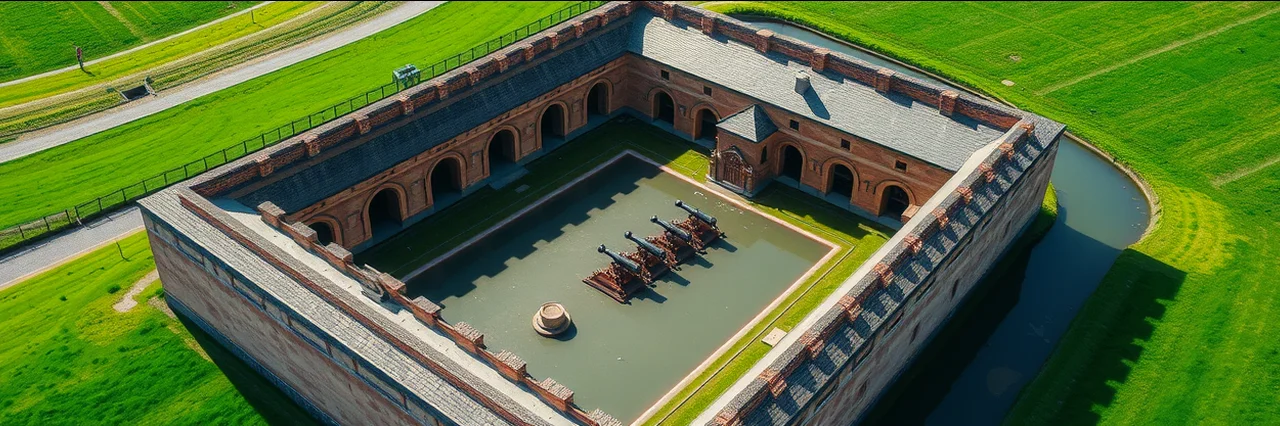
Unveiling the Layers of Fort Pulaski: History, Nature, and Adventure Await
When you step onto the grounds of Fort Pulaski National Monument, a powerful sense of curiosity often takes over. Why did this massive 19th-century fort end up here, on an island marsh between Savannah and the Atlantic beach? What secrets lie behind its thick brick walls and along the winding marsh trails that surround it? The allure of Fort Pulaski isn’t just rooted in its impressive military architecture—it’s also in the stories etched into both artillery-scarred masonry and the wild, ever-changing landscapes that frame Cockspur Island. Many visitors arrive with a singular goal—see the famous fort—but quickly realize they're entering a vibrant world where history and nature collide in memorable ways.
Fort Pulaski isn’t merely a relic to observe; it’s a living museum, where each visit offers a chance to explore, discover, and even lose yourself in the sights and sounds of Georgia’s coast. From the echo of footsteps through dark tunnels to the cries of herons across the marshes, there’s a thread of adventure woven throughout the monument’s sprawling trails and evocative exhibits. For bird watchers, history enthusiasts, or families eager for an educational day outdoors, the monument is a mosaic of experiences. The deep value of exploring this national monument is understanding how natural wonder and American heritage can coexist—and what’s at risk if we forget to look beyond the surface.
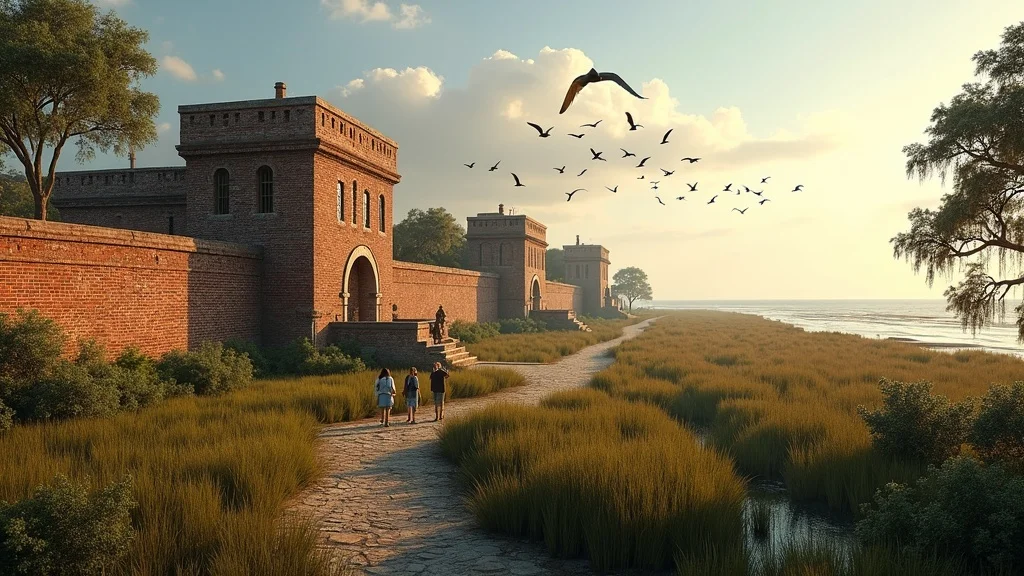
Between Cannons and Canopies: The Allure and Importance of Fort, Birding, and Trail Exploration
To fully appreciate Fort Pulaski National Monument is to embrace the intersection of military history and ecological diversity. Situated on Cockspur Island, the fort’s daunting exterior tells stories of Civil War sieges and technological innovation, while the natural landscape teems with wildlife, rare birds, and verdant trails. Birding enthusiasts flock here, hopeful for glimpses of migrating shorebirds or the regal sweep of a bald eagle’s wings along the marshes. The Cockspur Island trails are more than simple footpaths—they are gateways into a dynamic environment where history and hydrology shape each other each season.
Many visitors come unaware that ignoring these layers means missing out on a richer, more authentic experience. By simply skimming through the fort or staying close to the parking lot, you leave behind rare opportunities for discovery: the hidden artillery marks in the brickwork, the sudden silence of a cypress-filled pond, the panoramic vantage points perfect for wildlife photography. Without this deeper exploration, both the lessons of the past and the marvels of the present might remain invisible. That tension—the possibility that we might overlook something extraordinary—makes exploring every corner of Fort Pulaski and Cockspur Island’s trails all the more essential.
For those planning a day of exploration at Fort Pulaski, ensuring you have reliable power for your devices can make your visit even more enjoyable—especially if you’re capturing photos, navigating trails, or spending extended time outdoors. RV travelers and outdoor enthusiasts may find it helpful to learn about the benefits of the Bluei Elite 200 V2 power station for keeping gear charged and ready during adventures like these.
Why Fort Pulaski’s Historic Grounds and Marsh Trails Leave a Lasting Impact
As a site managed by the National Park Service, Fort Pulaski National Monument offers more than a lesson in American military engineering. Walking its massive, brick fortifications—the very walls that famously withstood Civil War bombardments—visitors are greeted with artifacts, cannons, and carefully curated displays that make those distant events tangible. But the value of visiting goes beyond history. The winding trails of Cockspur Island immerse you in a natural world alive with herons, egrets, and fiddler crabs, blending learning with recreation in a way few destinations can match.
For families and solo adventurers alike, these interconnected experiences foster a sense of connection: not just to the soldiers who once patrolled the ramparts, but to the living ecosystems that now thrive under their shadows. Whether it’s standing beside a shell lodged in the fort’s battered wall or pausing to spot a painted bunting along the shaded trails, every discovery enriches the visit. This is a testament to how the preservation of sites like Fort Pulaski, with its suite of engaging exhibits and accessible outdoor spaces, shapes understanding, appreciation, and stewardship for generations to come.
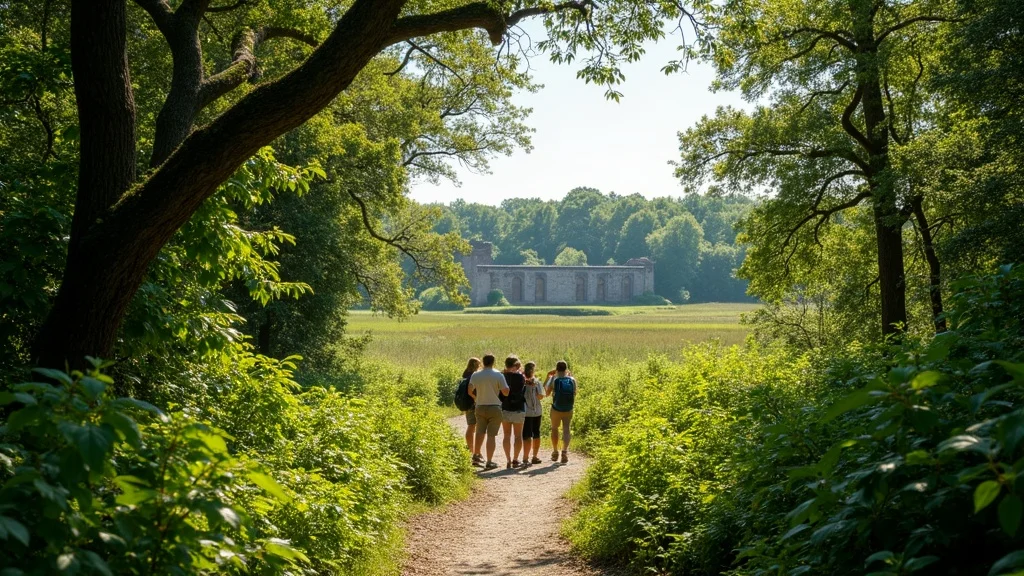
The Tapestry of Cockspur Island: Where Every Trail Tells a Story
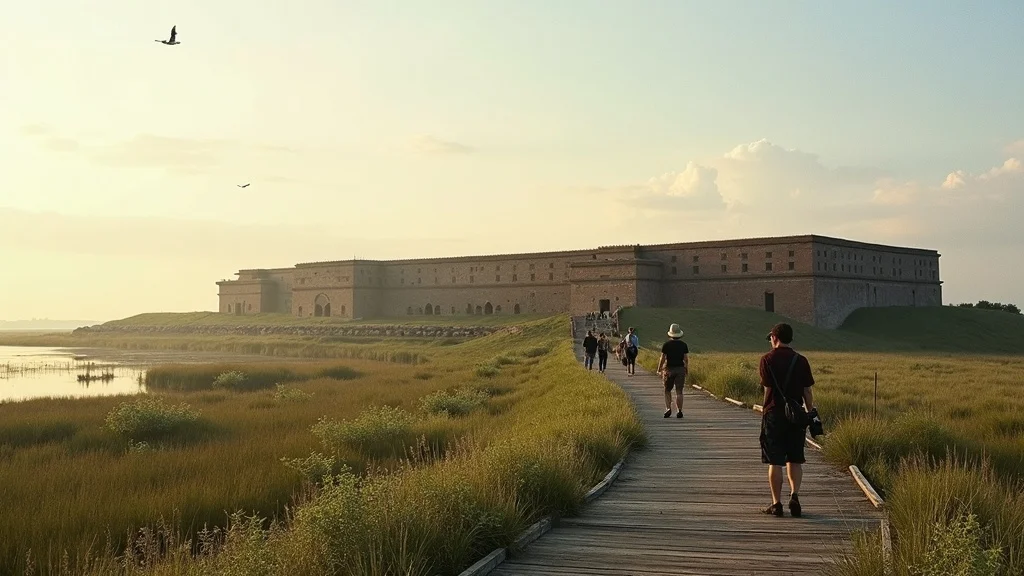
Cockspur Island itself, the foundation for both fort and forest, serves as a microcosm of Georgia’s coastal heritage. The trails that lace this landscape aren’t just convenient walking loops—they’re curated journeys through maritime habitats, salt marshes, and thickets where native figs and pecans thrive beside old military outposts. Exploring these paths opens up a world of sensory markers: salt air breezes, the distant call of gulls, and the steadfast silhouette of the fort rising above tidal flats. Seasonal shifts also bring new focus—migratory birds in the spring and fall, wildflowers awakening in summer, or the haunting quiet of a winter stroll.
The restorative nature of these walks can’t be overstated. A well-maintained network of trails ensures visitors of all ages and mobility levels can experience the magic of the monument, whether for a brief nature walk or a daylong immersion in the region’s ecology. The educational impact is profound: interpretive signage, ranger-led programs, and self-guided resources allow newcomers and seasoned hikers alike to build their understanding of both the complicated history and complex biology of this unique island.
Stepping Back Through Time: Everyday Life and Enduring Artifacts of the Fort
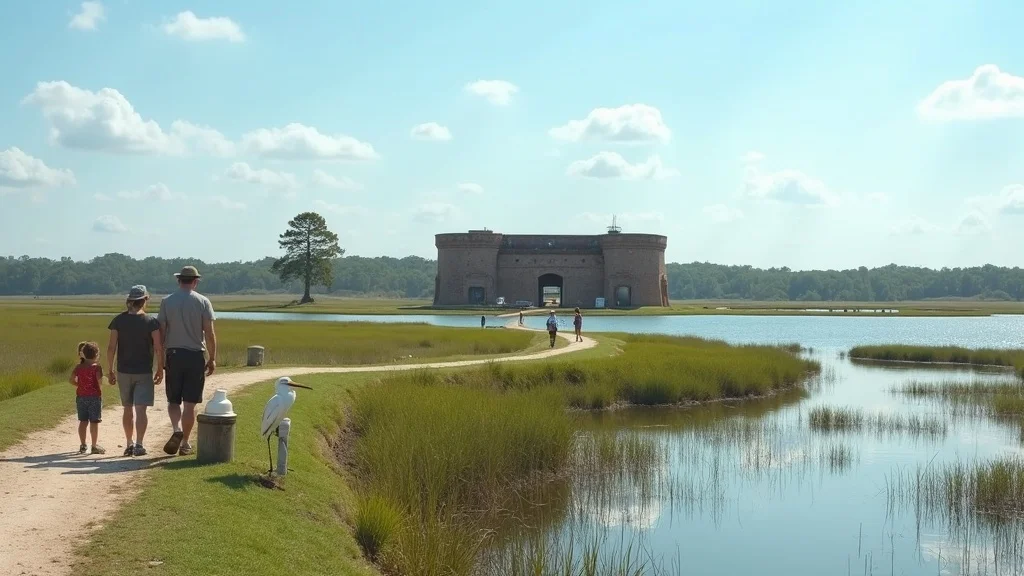
The story of Fort Pulaski isn’t sealed within its red brick walls—it’s made evident in the details: the parade grounds where soldiers drilled, the quarters furnished to mirror 19th-century life, and the carefully preserved armaments that showcase the turning points of American fortification design. Today’s visitors witness room recreations, collections of genuine Civil War cannons, and even artillery shells left embedded in the walls since the legendary 1862 siege. Every step inside the fort is a trip through time, offering tactile connections to the very real people who endured the hardship and monotony of military postings in this coastal outpost.
The educational design of the exhibits goes beyond static observation—interactive elements, informative videos, and expert-led tours encourage questions and spark imagination. Those curious about daily routines, technologies in use, or even the culinary choices of the garrison receive vivid answers through artifacts and commentary. The fort experience is thus an evolving dialogue—each visitor joins a long line of explorers, all seeking to draw new meaning from old stones and untold stories.
Connecting Modern Exploration with Conservation and Stewardship
Beyond adventure and education, Fort Pulaski National Monument nourishes a culture of stewardship and conservation. The park’s philosophy, rooted in its affiliation with the National Park Service, is to provide safe, responsible, and inclusive access to all who arrive. The preservation of both historical infrastructure and ecologically sensitive habitats is not an afterthought—it is core to the mission. By keeping trails in excellent condition and balancing the interpretation of history with environmental protection, the park demonstrates a belief in ongoing education and resource management as essential duties.
This commitment to preservation ensures that future generations will inherit not only the stories of the past but the living beauty of the salt marshes, tidal flats, and forested trails. The monument’s approachable, informative tone—evident in on-site programming and online resources—reflects a dedication to inviting new voices, questions, and perspectives into the ongoing story of Cockspur Island. Every visit thus becomes both a remembrance and a promise: that these landscapes and legacies will endure through responsible exploration and shared appreciation.
What Visitors Are Saying: A Journey Through History and Nature
The transformative experience of exploring Fort Pulaski National Monument is best illustrated in the voices of those who have traversed its grounds. When newcomers share personal stories, they reflect not just on what they saw, but on how the fort and its surrounding environments made the past come alive. These testimonials highlight both the educational value and the emotional resonance of the site, encouraging others to embark on their own journeys of learning and discovery.
We went on an overcast day that turned out the best perfect. Highly recommend watching the video in the visitor center and then listening to the amazing talk by Andrew given at 11am or 2pm. It was so interesting and informative. If history class was presented in these ways, I would have paid more attention! The grounds are well kept, the history is visible and palpable around you - from the fig and pecan trees, the room recreations, the cannons, to the 1862 shells still stuck in the outer walls.
When visitors recount the vivid combinations of guided interpretation and immersive, hands-on discovery, the impact of this monument is clear: history is made memorable and accessible, not just through artifacts, but through the stories, sights, and even the sensations encountered on Cockspur Island. Those who engage with both the fort’s exhibits and its marshland trails are rewarded with lasting knowledge, inspiration, and a sense of participation in keeping this legacy alive.
Exploring Fort Pulaski Today: Where Curiosity and Preservation Meet
In today’s busy world, finding a place that delivers genuine adventure, education, and tranquility is rare. Fort Pulaski National Monument stands as such a destination, where the mysteries of military history and dynamic marshland ecology intertwine on Cockspur Island. By offering access to well-preserved fortifications and scenic trails rich with birdlife, the monument empowers visitors to appreciate, question, and connect with centuries’ worth of stories and natural wonders. As a steward of these resources, Fort Pulaski provides an evolving platform for cultural reflection and environmental awareness. For anyone seeking to delve into America’s coastal heritage, fort exploration and birding along the Cockspur Island trails deliver experiences that expand the mind and nourish the spirit—reminding us what it means to belong to a shared history and a living, breathing landscape.
If your adventures at Fort Pulaski inspire you to explore further or enhance your outdoor experiences, consider how the right gear can elevate your journey. For RVers and nomads who value both independence and comfort while traveling to historic sites and natural wonders, discovering the top-rated portable power solutions for RV travel can open up new possibilities for extended stays and off-grid exploration. Embracing innovative tools not only supports your curiosity but also ensures you’re prepared for every moment, whether you’re capturing the perfect marshland sunrise or recharging after a day of discovery. Let your next adventure be powered by both history and technology, and see how thoughtful preparation can make every destination even more memorable.
Contact the Experts at Fort Pulaski National Monument
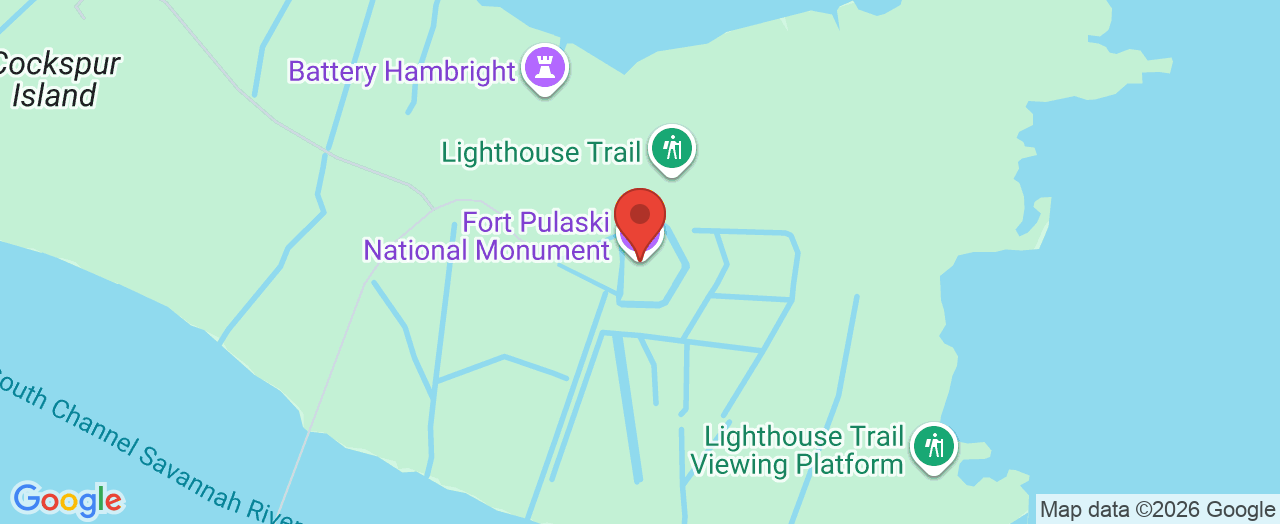
If you’d like to learn more about how fort exploration, birding, and Cockspur Island trails could benefit your understanding of American history and Georgia’s natural wonders, contact the team at Fort Pulaski National Monument. 📍 Address: 101 Fort Pulaski Rd, Savannah, GA, USA 📞 Phone: +1 912-226-4908 🌐 Website: http://www. nps. gov/fopu/planyourvisit/hours. htm
Fort Pulaski National Monument Location and Hours of Operation
🕒 Hours of Operation:📅 Monday: 9:00 AM – 4:30 PM📅 Tuesday: 9:00 AM – 4:30 PM📅 Wednesday: 9:00 AM – 4:30 PM📅 Thursday: 9:00 AM – 4:30 PM📅 Friday: 9:00 AM – 4:30 PM📅 Saturday: 9:00 AM – 4:30 PM📅 Sunday: 9:00 AM – 4:30 PM




Write A Comment