RV Otter

Ride With RV Otter

  • Home
  • Categories
    • Destinations & Routes
    • Campground Reviews
    • RV Tips & Lifestyle
    • Gear & Essentials
    • On-the-Road Living
    • Traveling with Pets
    • Stories & Adventures
    • RVing on a Budget
    • Boondocking
    • Campground Reviews
    • RV Lifestyle News
    • National Parks
    • State Parks
    • Extra News
    • Central Oregon Coast
    • National Forest
    • Shopping
    • Rentals
    • RV Resorts
    • Business Directory
    • RV Sales & Rentals
    • Destinations
    • Campgrounds & Stays
    • Gear & Rentals
    • RV News & Resources
    • RV Dealerships
    • Destinations 2
  • Businesses
  • Wildlife Refuges
July 08.2026
1 Minute Read

Discover Hoosier National Forest Fall Color Drives Now

Hoosier National Forest fall color drives and scenic hiking, panoramic forest view

Hoosier National Forest

📍 Address: 811 Constitution Ave, Bedford, IN 47421, USA

📞 Phone: +1 812-275-5987

🌐 Website: http://www.fs.usda.gov/hoosier/

★★★★★
Rating: 4.7

When Fall Transforms Indiana: Why Hoosier National Forest Fall Color Drives Are Unmissable

Every autumn, a transformation sweeps through southern Indiana’s forests. The rolling hills and rugged bluffs of Hoosier National Forest reveal a tapestry of dazzling reds, vibrant oranges, and deep golds. Imagine yourself winding along backcountry roads, each turn revealing another panoramic view, or hiking beneath canopies lit by nature’s own stained glass. The season’s fleeting brilliance stirs something universal—the impulse to get outside before the colors fade and winter claims the land.

Hoosier National Forest fall color drives and scenic hiking offer more than beauty. Each year, families, photographers, and outdoor devotees search for the perfect leaf-peeping path or overlook. But with over 260 miles of hiking trails and a network of rural roads weaving through 205,000 acres, finding your ideal autumn experience can feel overwhelming. What is it about this particular forest that draws visitors from across the Midwest in search of fiery maples and tranquil walks? This is your guide to understanding why Hoosier National Forest is one of Indiana's signature fall destinations—how it captivates, revitalizes, and connects everyone who visits in autumn.

Indiana’s Autumn Showcase: The Education and Allure of Hoosier National Forest Scenic Trails
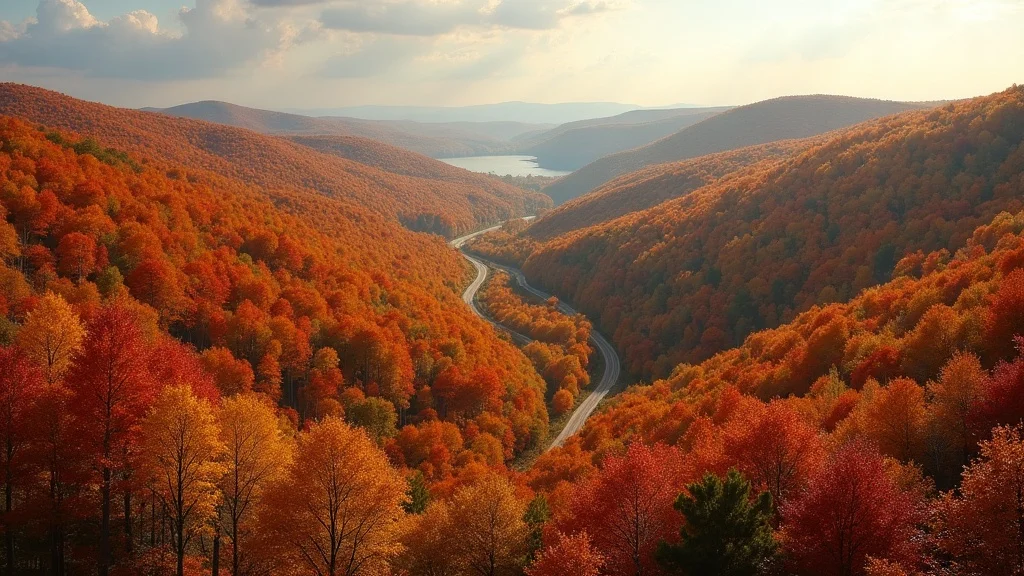
Spectacular Hoosier National Forest fall color drive with vibrant autumn foliage.

Hoosier National Forest stands as a living lesson in ecological change, especially evident when the season turns. More than just pretty scenery, these fall color drives and hiking routes highlight the powerful relationship between climate, geography, and the native species that thrive here. While many travelers chase fall foliage in more famous mountain destinations, they often overlook the drama waiting in Indiana’s undulating terrain. The forest serves as one of the state's last expanses of contiguous woodland, sheltering hardwoods like maple, oak, hickory, and more—each contributing its piece to the glorious patchwork visible from the crest of a trail or window of a passing car.

Neglecting to truly understand these environments can mean missing out on their educational richness. Each leaf’s hue signals underlying changes—chlorophyll retreating, sugars surging, carotenoids and anthocyanins painting the forest in scientific and visual marvel. The specific network of trails and roads within Hoosier National Forest also tells another story: of generations seeking relaxation, of ancient geological formations, and of ongoing stewardship that balances recreation with preservation. For those unfamiliar, simply skipping a thoughtful visit risks losing a chance to appreciate a unique intersection of beauty, history, and environmental insight—one uniquely offered by a fall season in Hoosier.

Couple hiking Hoosier National Forest trail surrounded by vibrant fall colors.

If you’re interested in pairing your outdoor adventures with unexpected discoveries, you might enjoy exploring other unique attractions in the region. For example, Ripley's Believe It or Not! in Newport offers a fascinating detour filled with curiosities and interactive exhibits, making it a memorable addition to your Indiana itinerary.

Why Exploring Hoosier National Forest in the Fall Enhances Your Wellbeing and Perspective

These autumn experiences impart far more than photos or souvenirs. Fall color drives and hiking through Hoosier National Forest provide tangible benefits tied to both mental health and physical wellbeing. Immersing yourself in the forest during this vibrant season has been shown to reduce stress, sharpen focus, and nurture a sense of awe. For families, these outings become deeply memorable—a chance for children to interact with nature’s cycles and for adults to disconnect from fast-paced routines. Each overlook, each trailhead, becomes a starting point for discovery, introspection, and connection.

Hoosier National Forest’s trail system, with its miles of clearly marked paths, accommodates all ages and abilities. Whether you choose a gentle meander along creek beds or a more challenging hike through bluff country, the forest offers diverse options within easy reach of Indiana communities. These natural amenities support not only recreational hiking but the broader movement of eco-tourism—drawing visitors whose respect and curiosity help fund conservation and shape collective vision for public land stewardship. The blend of visual splendor and accessible adventure makes Hoosier National Forest not just a sightseeing destination but a wellspring for renewal, learning, and enduring memories.
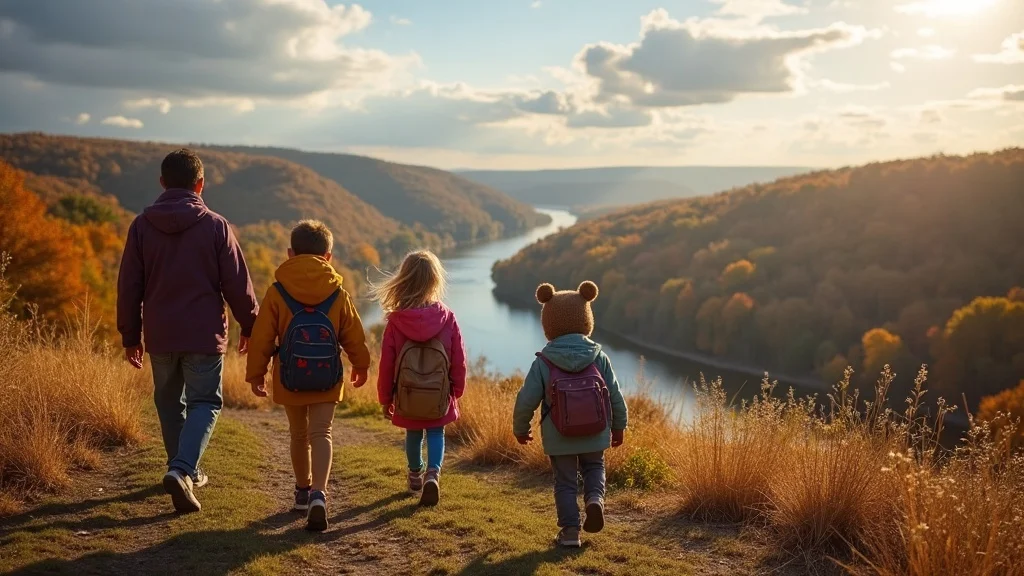
Family admiring Hoosier National Forest fall scenery from a scenic overlook.

How to Plan Your Perfect Scenic Drive: Routes, Tips, and Peak Color Timing

Planning a fall color drive through Hoosier National Forest is easier when you know where to begin. The forest is interlaced with rural roads like Tower Ridge Road and Skyline Drive, each passing through varied landscapes. Some routes thread alongside rocky outcrops, others skirt quiet lakes or reveal hidden picnic spots amid flame-colored woodlands. Checking alerts for temporary closures, such as those occasionally on Tower Ridge Road, can ensure your trip is smooth from start to finish.

The timing of your visit matters: peak color typically appears in mid-to-late October, but early explorers may catch blooming wildflowers or latecomers might enjoy warm autumn light on bare branches. To maximize your experience, bring along a map—and consider exploring cross-country on designated hiking trails for a more immersive look at the foliage. For those eager to combine driving with walking, areas such as Hemlock Cliffs or the Buffalo Springs Restoration corridor offer rewarding detours where footpaths reveal intimate views that roadside overlooks can’t match.

Making the Most of Hoosier’s Trails: Hiking Paths for Every Level and Interest

With over 260 miles of maintained trails and even greater freedom for cross-country trekking, Hoosier National Forest accommodates hikers ranging from the casual stroller to the ambitious backpacker. Families often gravitate toward accessible routes near parking areas, while avid explorers may tackle backcountry sections winding through challenging terrain and secluded valleys. The forest's variety means you can find a path shaded by towering hardwoods, skirt small waterfalls, or pause beside sandstone formations etched by time.
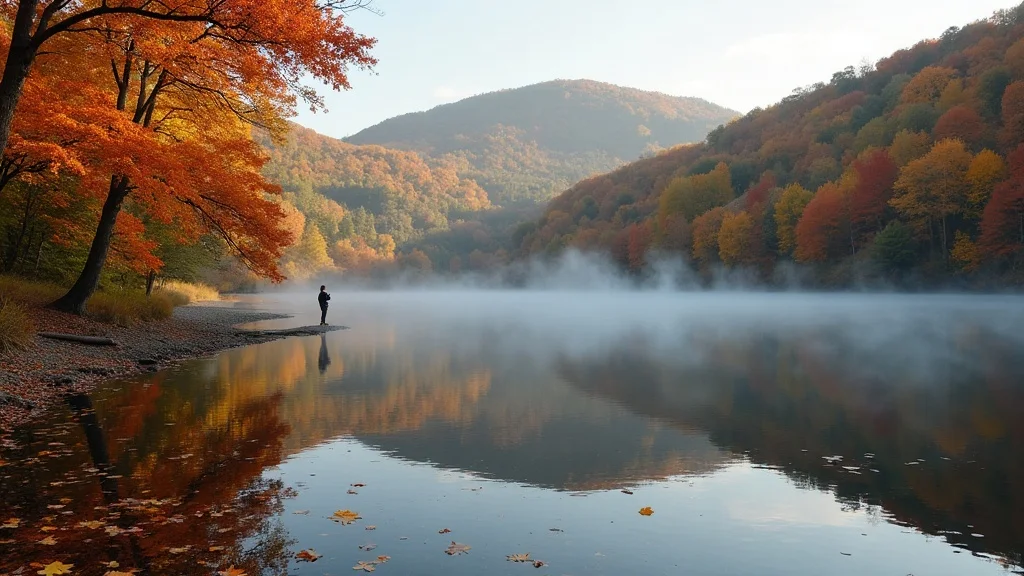
Hoosier National Forest lake mirroring brilliant fall foliage and autumn colors.

One highlight is the region’s network of interpretive trails—routes marked with educational signage about local ecology, wildlife, and conservation history. These walks deepen understanding for visitors of all ages. Additionally, joining special autumn events like moonlit treks or guided hikes can reveal even more of the subtle wonders that make Hoosier National Forest unforgettable in the fall. For those seeking a multisensory adventure, every hike during this season is different—the scent of damp leaves, the crunch underfoot, and the hush that settles as light fades.

Protecting Beauty: Stewardship and Community Involvement in Hoosier National Forest

Hoosier National Forest is managed with a philosophy centered on stewardship and community engagement. The Forest Service collaborates with visitors, local organizations, and residents to develop a shared approach to preservation. This partnership is evident in ongoing initiatives, such as ecological restoration projects and volunteer opportunities, that keep trails and scenic drives inviting year after year. The result is a forest that remains accessible, educational, and beautiful for both current and future generations.

Restoration efforts, such as the Buffalo Springs and Pollinator Habitat projects, showcase a commitment to long-term ecological health—ensuring the landscapes that dazzle visitors every autumn are also habitats supporting wildlife and clean water. The forest’s management fosters not just awe for natural beauty, but a sense of responsibility and practical involvement. Through events, educational features, and transparency in decision-making, Hoosier National Forest invites every visitor to become a part of its ongoing story of care and conservation.

What Real People Say: Firsthand Adventures in Hoosier’s Autumn Glory

Visitors are often the best storytellers when it comes to capturing the true magic of Hoosier National Forest in the fall. Their descriptions of rugged scenery, unexpected discoveries, and peaceful moments provide living proof of the forest's impact. For example, one recent guest shared these thoughts:

Beautiful and expansive nature Park with lots of topography and natural features like hoodoos, caverns, and waterfalls. I visited in the spring and it was quite beautiful with lots of pink flowering trees everywhere. I highly recommend checking out the Hemlock Cliffs area as well as the Jug Rock Hoodoo formation and the adjacent Spring Mill State Park.

These personal accounts reinforce the exceptional diversity found within Hoosier’s boundaries. Whether it's a solitary autumn walk or a family drive beneath fiery maples, the opportunities for inspiration and discovery are nearly endless—for anyone willing to seek them out at just the right time of year.

Hoosier National Forest Fall Color Drives: A Season to Experience and Remember

Each October, the landscape of southern Indiana offers a living lesson in the power and beauty of seasonal transformation. Following one of Hoosier National Forest’s fall color drives or hiking its well-loved trails, visitors come away with more than snapshots—they return home with a heightened appreciation for Indiana's natural heritage. Thanks to thoughtful stewardship and community involvement, these experiences are preserved for the enjoyment of all.

Planning your own journey through Hoosier National Forest fall color drives and scenic hiking routes means embracing adventure, education, and reflection in equal measure. Few destinations combine such accessibility with unspoiled beauty. By exploring responsibly and learning from each winding road or wooded trail, every visitor supports the forest’s mission—a mission devoted to conservation and shared wonder, season after season.

If the vibrant landscapes and immersive trails of Hoosier National Forest have sparked your curiosity for more one-of-a-kind experiences, consider broadening your adventure with attractions that surprise and delight. Exploring places like Ripley's Believe It or Not! in Newport can add a playful twist to your travels, offering a blend of wonder and discovery that complements the natural beauty of Indiana’s outdoors. Whether you’re seeking the serenity of autumn forests or the intrigue of the unexpected, each destination enriches your journey in its own way. Let your next outing be a celebration of both nature’s artistry and the marvels that await just off the beaten path. For those who crave memorable stories and new perspectives, the region’s diverse offerings promise endless inspiration.

Contact the Experts at Hoosier National Forest

If you’d like to learn more about how Hoosier National Forest fall color drives and scenic hiking could benefit your outdoor adventures, contact the team at Hoosier National Forest.
📍 Address: 811 Constitution Ave, Bedford, IN 47421, USA
📞 Phone: +1 812-275-5987
🌐 Website: http://www.fs.usda.gov/hoosier/

Hoosier National Forest Location and Hours

🕒 Hours of Operation:📅 Monday: ❌ Closed📅 Tuesday: 8:00 AM – 12:00 PM, 1:00 – 4:30 PM📅 Wednesday: 8:00 AM – 12:00 PM, 1:00 – 4:30 PM📅 Thursday: 8:00 AM – 12:00 PM, 1:00 – 4:30 PM📅 Friday: ❌ Closed📅 Saturday: ❌ Closed📅 Sunday: ❌ Closed
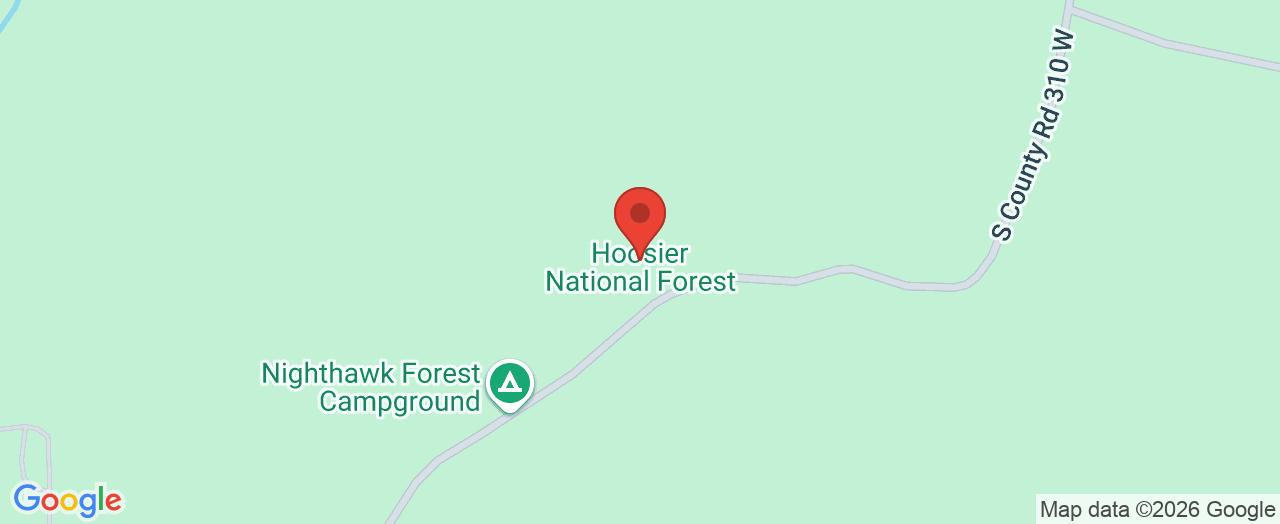
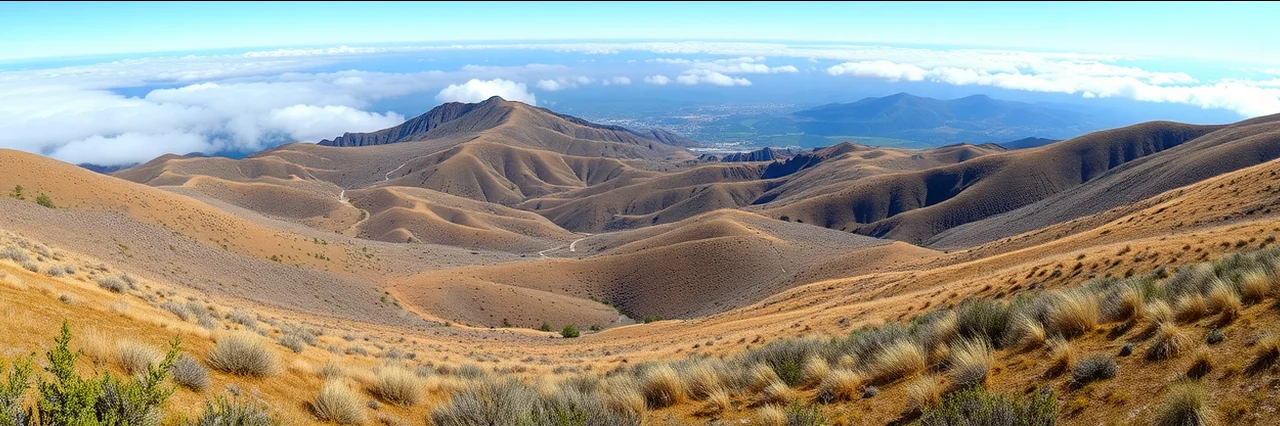
Location Map
National Forest

0 Comments

Write A Comment

*
*
Please complete the captcha to submit your comment.
Related Posts All Posts

Discover Hidden Gems in Mt. Baker-Snoqualmie National Forest

Mount Baker-Snoqualmie National Forest 📍 Address: Marblemount, WA 98267, USA 📞 Phone: +1 425-783-6000 🌐 Website: https://www.fs.usda.gov/mbs ★★★★★ Rating: 4.8 Introduction: Unveiling the Untamed Majesty of the North Cascades Imagine a place where its wilderness stretches for more than 140 miles—a tapestry of glacier-cloaked peaks, serene alpine lakes, and ancient forests draped in green. At a time when escapes from daily routine feel rarer than ever, the siren call of the wild grows louder. Yet, even within the Pacific Northwest’s famed mountain ranges, only a lucky few truly experience the full breadth of wonder hiding in the shadow of Mount Baker and the Snoqualmie Pass. Mt. Baker-Snoqualmie National Forest north cascades hikes and alpine lakes aren’t just trails or bodies of water; they are gateways into a restorative calm and an adventure into the heart of raw, unfiltered nature. The urgency of reconnecting with the outdoors becomes clear when considering the costly toll of constant hustle—both mental and physical. Within the national forest, every step down a winding path, every reflection off an icy blue lake, is a reminder of what the natural world can give back: peace, awe, invigoration, and perspective. Exploring these trails isn’t only about exploring the land—it’s about rediscovering what it means to pause and truly breathe. If venturing off the beaten path, away from crowds, and toward genuine solitude and wonder is a desire stirring within you, understanding what makes these hidden corners essential is more important than ever. Why the North Cascades Captivate: Rugged Peaks and Pristine Alpine Lakes In the heart of Washington’s mountainous backbone, the north Cascades cut a formidable silhouette against the horizon. This region within the Mt. Baker-Snoqualmie National Forest is legendary for its rugged, glacier-shrouded summits and untouched alpine lakes tucked between wildflower meadows. Hikers and nature lovers flock here seeking more than scenic views—there’s a unique stillness, a quiet that pulses with the wind in the trees and the distant call of birds wheeling high above the valleys. The forest’s proximity to major cities may surprise some, yet stepping onto any one of its remote trails instantly erases that sense of closeness; here, wildness reigns. But here’s the challenge: many people simply don’t know how accessible and transformative these experiences can be. Without exploring the breadth of trails or finding those lesser-trodden routes to pristine lakes, would-be adventurers risk missing out on an accessible refuge brimming with ecological beauty and personal renewal. The difference between a casual day trip and a soul-stirring hike comes down to knowing where to start and what possibilities unfold just beyond the next ridge. It’s this hidden world—where snow-capped peaks meet crystal waters—that can elude the uninitiated, making it vital to dig deeper into these north Cascades hikes and hidden alpine gems. For those interested in uncovering even more unique destinations and unexpected adventures, exploring attractions like Ripley's Believe It or Not! in Newport can offer a different kind of wonder, blending curiosity and discovery in the Pacific Northwest. These experiences complement the natural marvels of the North Cascades, providing a well-rounded perspective on the region's diverse offerings. How North Cascades Hikes and Alpine Lakes Enrich the Spirit and Senses The Mount Baker-Snoqualmie National Forest stands out as an expert resource for those seeking restorative immersion in the wild. Venturing onto hikes in the north Cascades, where alpine lakes glint in the sunlight and glaciers loom on distant ridges, brings a rush of sensory awakening. The forest’s abundant recreation opportunities invite visitors to traverse an ever-changing landscape: spring’s vivid greenery, the crashing cascades of early summer meltwater, and autumn’s blazing foliage displays. Benefits go beyond scenery. The marked difference between these trails—often less crowded than those of the adjacent national parks—and more familiar spots is the depth of connection felt. Experiencing this forest means breathing air filtered by ancient trees, hearing rivers roar in untouched valleys, and soaking in the awe of destinations where human presence is a quiet visitor and not the main act. For families, solo backpackers, or seasoned hikers, the outcome is always a reconnection: with the self, with the wild Pacific Northwest, and with the calm only solitude in nature can grant. The Mt. Baker-Snoqualmie area provides unique value as a launch pad for adventure, endless exploration, and moments when nothing matters except the scenery and peace surrounding you. Uncrowded Paths: Accessing Solitude Among Towering Peaks One of the defining characteristics of Mt. Baker-Snoqualmie’s north Cascades region is its alternative to park crowding. While nearby destinations often draw heavy seasonal numbers, trails within this federal forest offer a different rhythm—where encounters with wildlife outnumber encounters with other people, and the hush of the forest can be genuinely heard. Hikers routinely discover peace not just along quiet trails, but also beside hidden alpine lakes, which serve as still mirrors to the dramatic high country. These experiences are often described as a “true escape” and a rarity for those searching for tranquility, even in popular outdoor regions. This solitude is more than a scenic perk; it’s a catalyst for deeper engagement with the landscape. The immense, layered vistas give a sense of scale that urban environments rarely offer, restoring a lasting sense of perspective. For individuals who crave a genuine wilderness setting—far from traffic, noise, and the heavy footprint of modern tourism—the north Cascades and their high-altitude lakes deliver on every promise. Year-Round Recreation: From Summer Green to Winter White The Mt. Baker-Snoqualmie National Forest is remarkable for its invitation to adventure in every season. In spring and summer, wildflowers paint the high meadows beside alpine lakes and dense forests cool the heat of an afternoon hike. Waterfalls surge with snowmelt, and migratory birds create pockets of fluttering color along the hillsides. Fall brings a riot of gold and amber as larches transform the scenery, while clear mountain air offers breathtaking sharpness for photography and quiet reflection. In winter, the offerings transform again: guided snowshoe walks allow novice and experienced visitors to immerse themselves in the frosted quiet. With low fire danger and winter safety in mind, select trails and recreation areas offer controlled experiences even as snow stacks high on the ridges. Whether it’s hiking, camping, photographing alpine lakes, or participating in seasonal programs, year-round access means there’s always a reason—and a way—to explore. Stewardship and Heritage: A Land of Collaboration and Conservation Decades of responsible stewardship have shaped the Mt. Baker-Snoqualmie National Forest into more than a destination: it’s a living example of how ecological integrity and human enjoyment can coexist. Partnerships like the recent agreement with the Nooksack Indian Tribe underscore a deep respect for traditional wisdom and a commitment to shared stewardship. This collaborative spirit ensures that the forest remains vibrant for generations—by protecting threatened species, restoring habitats, and adapting to new ecological and social realities. Visitors become partners in this larger mission by simply treading lightly, respecting seasonal closures, and honoring the natural rhythms of the land. Those who travel to see the north Cascades’ alpine lakes or scale its highest peaks emerge not just changed but connected to a living story—one that values preservation as much as recreation. This context, rooted in guidance and innovation, sets the tone for how every hike and exploration unfolds within the forest’s embrace. Guidance and Safety: Practical Wisdom for Navigating the Wild Understanding the Mt. Baker-Snoqualmie region also means respecting its potential hazards and preparing accordingly. Alerts regarding river road washouts, seasonal road delays, and fire safety are vital signals, keeping both adventurers and ecosystems safe. The forest’s official resources—continuously updated and accessible—equip every visitor with the latest guidance, from bear safety practices to responsible campfire behavior. This attention to safety and preparation does more than prevent mishaps; it fosters a culture of care and awareness essential to sustainable recreation. By maintaining up-to-date alerts and practicing sound judgment, hikers and campers are empowered to turn each adventure into a positive memory, not just for themselves, but for the landscape and its generations of future explorers. Rooted in Respect: The Forest’s Philosophy of Care and Welcome The Mount Baker-Snoqualmie National Forest conveys a mission grounded in stewardship, partnership, and inclusive access to wild beauty. This philosophy is evident in both large-scale initiatives—such as the Northwest Forest Plan, designed to restore and preserve 24. 5 million acres across three states—and in the daily details that shape every trailhead and ranger interaction. Emphasizing collaboration with native tribes and community organizations, the forest sets a standard for land management rooted in respect for both cultural heritage and the needs of present-day explorers. This ethos extends to their approach to recreation: maintaining clear trails, protecting habitats, and making sure guidance about safe travel is always within reach. The atmosphere that emerges is one where every visitor, from seasoned backpacker to wide-eyed first-timer, feels both welcomed and responsible. In this way, journeys through the north Cascades—especially the pursuit of alpine lakes and climbs—reflect a legacy of care that’s as enduring as the rugged peaks themselves. A Forest Through the Eyes of Its Visitors: Finding Solitude and Renewal There are few testaments to the impact of the Mt. Baker-Snoqualmie National Forest that speak louder than the firsthand words of those who walk its trails. Reflecting on the region’s unique serenity and expansive wildness, one visitor shared: Mt. Baker–Snoqualmie National Forest felt like a true escape into untouched nature. The moment I entered the forest, the fresh mountain air, towering evergreens, and dramatic views instantly slowed everything down. Whether driving along scenic roads, stopping near rivers and waterfalls, or walking quiet trails, every part of the forest felt peaceful and awe-inspiring. The contrast of snow-capped peaks with lush green valleys is absolutely stunning, and it never feels overcrowded. It’s the kind of place where you can disconnect, breathe deeply, and genuinely appreciate the beauty of the Pacific Northwest. A perfect destination for anyone who loves nature, photography, or simply being surrounded by calm and wilderness. This reflection captures what countless others experience: that venturing into these woods is less a visit and more a renewal. By taking the step to plan a hike, picnic, or overnight in the Mt. Baker-Snoqualmie National Forest, adventurers open the door to the same peace and awe—an invitation to disconnect, reset, and rediscover the transformational power of wild places. The Irreplaceable Value of Exploring Mt. Baker-Snoqualmie’s Alpine Lakes and Trails In a world demanding constant connection and productivity, the enduring beauty of the Mt. Baker-Snoqualmie National Forest north cascades hikes and alpine lakes stands as a crucial counterbalance. Time spent navigating these ancient forests and sparkling lakes does more than fill a weekend; it shifts perspective, deepens appreciation for protected wilderness, and roots visitors in a sense of something larger than themselves. Those in search of authentic Pacific Northwest adventure—and the profound calm it awakens—will find this region’s value only continues to grow. The stewardship and community partnerships guiding its preservation ensure these wild gems remain accessible and inspiring for generations to come. For those ready to move beyond the well-known into the truly memorable, north Cascades hikes and alpine lakes within Mt. Baker-Snoqualmie National Forest offer a rare blend of challenge, beauty, and tranquility—proving that sometimes the most lasting adventures start with a single step into the unknown. If your curiosity for the Pacific Northwest’s wonders is just beginning, consider broadening your adventure horizons by seeking out other remarkable attractions and experiences that the region has to offer. From the mysterious exhibits at Ripley’s Believe It or Not! in Newport to the awe-inspiring landscapes of the North Cascades, each destination adds a new layer to your journey of discovery. Embracing both natural and cultural marvels can deepen your appreciation for the diversity and richness of this corner of the world. Let your next exploration be guided by a spirit of wonder—there’s always another hidden gem waiting to be found, just beyond the trail or around the next bend. Contact the Experts at Mount Baker-Snoqualmie National Forest If you’d like to learn more about how Mt. Baker-Snoqualmie National Forest north cascades hikes and alpine lakes could benefit your outdoor adventures, contact the team at Mount Baker-Snoqualmie National Forest. 📍 Address: Marblemount, WA 98267, USA 📞 Phone: +1 425-783-6000 🌐 Website: https://www.fs.usda.gov/mbs Mount Baker-Snoqualmie National Forest Location and Hours 🕒 Hours of Operation: Please refer to the official Forest Service website for current hours of operation and seasonal updates, as hours may vary by ranger district and season.

Discover Colville National Forest Scenic Drives You Can’t Miss

Colville National Forest 📍 Address: Colville National Forest, Washington 99118, USA 📞 Phone: (509) 684-7000 ★★★★★ Rating: 3.7 Unlocking the Wild Beauty: Why Colville National Forest Calls Adventurers and Nature Lovers Have you ever craved the feeling of endless green landscapes rolling past your window, or the quiet power of paddling a reflective mountain lake at sunrise? For countless adventurers and families, finding the perfect wilderness escape means more than just a change of scenery—it’s about discovering a place where freedom and exploration feel limitless. Colville National Forest offers this refuge, boasting some of the region’s most celebrated scenic drives, pristine paddling routes, and forest camping options that provide access to unspoiled environments and unforgettable experiences. The search for tranquility and natural wonder often leads people far from crowded tourist destinations. Yet, there’s a unique tension between the desire to connect deeply with wild places and the challenge of knowing where to start, especially for those new to forest adventures or unsure which hidden gems deserve their attention. Scenic drives in Colville National Forest open up remote vistas and wildlife sightings at every turn. Paddling and camping in its embrace promise a rich experience for outdoor fans, whether journeying solo or with friends. This comprehensive guide will demystify these opportunities, showing how Colville National Forest’s landscapes offer more than just a way to pass time—they represent a gateway to adventure and rejuvenation. More Than A Drive: Understanding the Allure and Diversity of Colville National Forest’s Outdoor Experiences Colville National Forest, spanning the remote and rugged northeast corner of Washington State, isn’t just another patch of greenery—it’s a living mosaic of mountains, rivers, forests, and meadows. Scenic drives wind past panoramic viewpoints, dense evergreens, and rushing waterways, offering visitors ever-changing vistas that sparkle in all seasons. The forest’s road network gives day-trippers and seasoned explorers alike the chance to immerse themselves in Northwest wilderness without straying too far from civilization. Along the way, various routes—and their associated paddling and camping opportunities—invite you to trade the ordinary for the extraordinary, making each visit a journey of discovery and relaxation. For those unfamiliar with the area, a lack of local insight could mean missing out on the secret spots where wildlife thrives or where perfect picnic pullouts reveal distant snow-capped peaks. Moreover, trying to experience the park without understanding its unique backdrops—be it by car, canoe, or trail—may mean missing the transformative effect this forest can have on the mind and spirit. Camping beneath the stars, launching a kayak into a mirror-calm lake, or finding serenity on an overlooked forest road: these moments become priceless memories. Without a knowledgeable approach, travelers might rush through, never realizing what sets Colville National Forest apart from every other outdoor destination. That’s why understanding its scenic drives, paddling possibilities, and camping gems is essential for anyone seeking more than just another day outdoors. Why Exploring Colville National Forest Scenic Drives, Paddling, and Forest Camping Elevates Every Outdoor Adventure As an expert source committed to connecting people with Washington’s wildest corners, Colville National Forest’s approach to recreation emphasizes both accessibility and deep immersion. The forest is designed for those who want to see more from behind the wheel—twisting drives reveal rich wildlife habitats and ever-shifting landscapes—while also encouraging visitors to step outside their cars for hands-on experiences. Embarking on a scenic drive here means you can spot turkey, deer, bear, and even cougar along your route; in fact, the area’s hunting and wildlife watching opportunities consistently draw nature enthusiasts. Beyond the road, the network of streams, rivers, and lakes scattered throughout Colville National Forest welcomes paddlers of all skill levels. Quiet mornings on the water allow for up-close experiences with birds, fish, and the forest itself—an essential reset for busy lives. For camping fans, the range of forest campgrounds and dispersed sites provides not only a tranquil retreat but also a true immersion in the forest’s rhythm, with campfire crackle and wind in the evergreens as your soundtrack. These combined experiences—driving, paddling, and forest camping—give visitors the opportunity to design a journey filled with both comfort and discovery, making each trip uniquely rewarding. If you’re inspired by the idea of discovering the unexpected during your travels, you might also enjoy exploring unique roadside attractions and offbeat destinations. For a different kind of adventure, consider reading about the surprises that await at Ripley's Believe It or Not! in Newport, where curiosity and wonder take center stage. Tracing the Legacy: How Colville National Forest Became a Haven for Outdoor Exploration Few places in the Pacific Northwest hold the depth of history that Colville National Forest brings to every mile of road and trail. The landscape carries the imprint of early explorers, indigenous communities, pioneers, and outdoor visionaries who recognized the land’s vitality and abundance. Over the decades, the forest became a critical habitat for countless animals and a beloved spot for hunting and fishing—a reputation preserved in local lore and reflected in present-day visitor stories. This legacy makes every scenic drive more than a trip from point A to B; it becomes a drive through living history, where each bend in the road is shaped by generations who loved and preserved these wild spaces. For paddlers and campers, understanding this living history adds a meaningful dimension to each paddle stroke or night under the stars. The land and water support a delicate balance of recreation and conservation, nurturing both natural wildlife and the people drawn to its beauty. As interest in sustainable travel grows, Colville National Forest’s long-standing stewardship serves as a model for thoughtful adventure, emphasizing respect for land, animals, and future explorers. Outdoor Tips: Making the Most of Your Scenic Drive, Paddle, or Forest Camping Stay Planning a Colville National Forest journey is about more than just plotting destinations; it requires practical preparation and the right mindset to fully appreciate what the area has to offer. When embarking on scenic drives, it’s important to pack essentials—plenty of water, snacks, and binoculars for wildlife spotting enhance the roadside experience. Take time to stop at overlooks, as these spots often yield the most breathtaking photos and memories. For those venturing onto the water, remember that local lakes and streams can change with the seasons. Early summer promises quiet paddling and clear water, while later months might mean planning around water levels. For campers, choosing the right site makes all the difference: some enjoy established campgrounds with amenities, while others prefer dispersed camping for greater privacy and immersion. Always follow Leave No Trace principles to protect the forest’s fragile beauty and keep it welcoming for future generations. Whether you’re a solo traveler or planning a group getaway, thoughtfully prepared visits yield not only comfort but a deeper connection to the pulse of the land. Colville National Forest offers the flexibility to shape your adventure, ensuring that every visitor can experience their own version of wilderness wonder. Wildlife Encounters and Responsible Recreation in Colville National Forest One of the forest’s most celebrated features is its thriving wildlife population, presenting a rare opportunity for animal encounters in their natural environment. For many, catching a glimpse of turkey or deer, observing cougars from a safe distance, or hearing the call of a grouse is the highlight of any visit. These encounters transform ordinary drives, paddling excursions, and camping stays into remarkable wildlife-watching experiences. The key to making the most of this opportunity lies in a respectful approach—observing animals quietly from afar and maintaining a safe distance ensures both personal safety and animal well-being. Embracing responsible recreation means adhering to posted guidelines, keeping pets leashed on trails, and refraining from feeding or approaching wildlife. By fostering a respectful relationship with the land and its creatures, visitors help preserve the delicate balance that makes Colville National Forest special. Wild beauty thrives here not just through nature’s resilience, but through the mindful actions of each visitor who walks, drives, or paddles within its boundaries. Colville National Forest’s Approach: Fostering Immersive Experiences in Nature Colville National Forest’s mission centers on providing broad access to outdoor recreation while maintaining its ecological health for both people and wildlife. The forest’s policy of blending scenic drives, water access, and varied camping options reflects a philosophy of inclusion—welcoming everyone from first-time explorers to seasoned backcountry campers. This vision encourages families, school groups, and individuals to discover the joys of outdoor learning and stewardship, reinforcing the message that wild spaces belong to all who respect them. With the landscape as both a classroom and a playground, Colville National Forest cultivates curiosity and care among its visitors. By prioritizing responsible recreation and facilitating experiences that combine comfort with adventure, the forest fulfills its larger purpose: to inspire a sense of wonder and responsibility in each newcomer and returning guest. This unique approach ensures that the joys and benefits of forest exploration endure for generations to come. Firsthand Accounts: How Real Visitors Discover Colville National Forest’s Rich Wildlife and Adventure The powerful impact of a visit is often best described by those who have experienced it. For instance, the wildlife viewing, hunting, and quiet moments by the lake are frequently praised by visitors. These personal accounts highlight the real outcomes that Colville National Forest provides—memories forged in remote corners, surrounded by natural beauty and excitement. Incredible turkey, deer, bear, cougar, and grouse hunting —Carter R. For many, these adventures are more than just outings—they serve as inspiration to reconnect with the wider world and find a place of rejuvenation. Visitors can expect not just scenic drives or paddling trips, but genuine adventures that bring them closer to nature’s wonders, echoing the positive experiences shared by those who have already explored this spectacular forest. How Scenic Drives and Forest Camping Redefine Outdoor Travel in Colville National Forest As travel preferences shift away from crowded attractions toward immersive, self-paced experiences, scenic drives, paddling, and forest camping in Colville National Forest are becoming the standard for meaningful adventure. The legacy and philosophy of the forest as an open, inclusive space serve as a beacon for those seeking authentic exploration and connection. With every new visitor, the story of the forest expands, enriched by shared discoveries and renewed appreciation for Washington’s wildest places. Colville National Forest has shown that taking time for a scenic drive, venturing out on a paddleboat, or setting up camp beneath ancient trees can change how we see the world and our place within it. The exceptional access to nature, wildlife encounters, and tranquil retreats help ensure these adventures remain an essential part of the outdoor experience. For those seeking transformation and inspiration, Colville National Forest scenic drives, paddling, and forest camping deliver it in abundance. If the spirit of discovery in Colville National Forest has sparked your curiosity, there’s a whole world of unconventional adventures waiting to be explored. From scenic byways to quirky museums, each journey offers a new perspective on what it means to travel with wonder and openness. For those eager to expand their horizons beyond the forest, uncovering the unexpected at places like Ripley's Believe It or Not! in Newport can add a playful twist to your travel repertoire. Embrace the thrill of the unknown and let each destination—whether wild or whimsical—enrich your sense of adventure. Your next unforgettable experience could be just around the corner. Contact the Experts at Colville National Forest If you’d like to learn more about how Colville National Forest scenic drives, paddling, and forest camping could benefit your next outdoor experience, contact the team at Colville National Forest. 📍 Address: Colville National Forest, Washington 99118, USA 📞 Phone: (509) 684-7000 Colville National Forest Location and Availability 🕒 Hours of Operation: Please call (509) 684-7000 for current hours and seasonal access.

Discover Bighorn National Forest Scenic Byways—Your Next Adventure Awaits

Bighorn National Forest 📍 Address: Bighorn National Forest, Wyoming 82834, USA 📞 Phone: (307) 674-2600 ★★★★★ Rating: 4.9 Unlock the Hidden Wonders of Bighorn National Forest’s Scenic Byways, Waterfalls, and Mountain Lakes Have you ever felt the restless urge to escape the ordinary and find yourself deep within a landscape that feels untouched by time? Travelers crossing the American West often search for spots where giant peaks cradle silent lakes, cascading waterfalls tumble from rugged cliffs, and scenic byways offer every turn as a new invitation to wonder. In the heart of Wyoming, Bighorn National Forest beckons to the adventurer and the dreamer alike, promising an experience rich in natural beauty and quiet discovery. Today’s outdoors enthusiasts are redefining what it means to connect with nature. Instead of crowded attractions, many are seeking panoramic drives, secluded mountain lakes, and the gentle roar of waterfalls tucked in forested canyons. The Bighorn National Forest’s scenic byways, waterfalls, and mountain lakes offer just that—an immersive journey through wild terrain where solitude and awe go hand in hand. But understanding the full value of this landscape involves more than just plotting points on a map. It requires peeling back the layers of history, ecology, and adventure that make each mile traveled a singular adventure worth remembering. Why Bighorn National Forest’s Landscapes Are a Must-Explore Destination for Nature Lovers Bighorn National Forest stands apart in the tapestry of Wyoming’s wilderness, famous for its expansive 189,000 acres carved by ancient geological forces and the legacy of settlers and Native tribes. The byways crossing this immense forest are much more than ribbons of pavement—they are living pathways that reveal the dramatic topography the region is known for. Every mile holds the echo of centuries: mountain ridges that rival the grandeur of their Rocky Mountain sisters, waterfalls descending in hidden veils, and remote alpine lakes reflecting endless sky. The significance of these scenic byways, waterfalls, and mountain lakes reaches beyond their aesthetics. They are crucial habitats for wildlife, anchor points for outdoor recreation, and guardians of a fragile ecosystem. For many, the risk of ignoring these places is missing out not only on adventure, but on a rare chance for restoration of mind and spirit. As those who have ventured into Bighorn will attest, the lack of crowds—paired with breathtaking views and challenging terrain—creates a distinctive atmosphere. Failing to understand or experience this environment first-hand means missing valuable lessons in stewardship and self-discovery, which only a vast and wild place like Bighorn can teach. How Exploring Scenic Byways, Waterfalls, and Mountain Lakes Creates Lasting Rewards Bighorn National Forest’s reputation as an expert steward of Wyoming’s mountain wonderland comes from its conscious preservation of large, wild landscapes and its provision for every type of explorer. Visitors travel these scenic byways to cross mountain passes, witness awe-inspiring vistas, and discover a mosaic of flora and fauna often unseen in more traveled parks. Waterfalls hidden in lush canyons offer cool solitude, while mountain lakes provide moments of utter stillness—perfect for reflection or casting a line. Experience here transcends simple sightseeing. Whether you’re treading the miles of scenic trails, relaxing at a lakeside picnic area, or embarking on a longer trek, you encounter the gentle balance between challenge and tranquility that only remote mountain environments provide. With options ranging from drive-up lookouts to multi-day backcountry expeditions, the byways and trails boast outcomes suited to families, solo travelers, and seasoned adventurers alike. The comfort gained from serene lake shores, the excitement felt conquering winding roads, and the confidence built climbing to waterfalls—these are the tangible benefits awaiting those who venture into Bighorn’s heart. For travelers who appreciate destinations that blend natural beauty with a sense of wonder, exploring unique attractions can add another layer to your journey. If you’re interested in discovering more unexpected experiences beyond the wilderness, consider reading about the surprises that await at Ripley's Believe It or Not! in Newport, where curiosity and adventure go hand in hand. From Ancient Pathways to Modern Adventure: The Living History of Bighorn National Forest While the scenic byways entice road trippers with their dramatic switchbacks and cliffside vistas, they follow much older corridors defined by geological upheaval and Native American migration. The Bighorn Mountains’ relationship to the Rockies tells of an ancient land shaped by volcanic force and eons of water and wind. Waterfalls, having carved their own niches over millennia, showcase the ongoing evolution of the landscape—each drop reflecting a timeline written in stone. The mountain lakes that punctuate the forest’s upper elevations also hold stories of glacial retreat and ecological succession. Each is a testament to endurance—cold, clear waters fed by snowmelt, fringed by wildflowers and evergreens, and home to creatures that have adapted over centuries. For today’s traveler, understanding these histories transforms a simple hike or drive into a living lesson on the resilience and continuity of wild America. Essential Planning Tips: Navigating the Wonders and Challenges of Bighorn’s Remote Terrain First-time adventurers often underestimate the vastness and remote character of Bighorn National Forest. Roads wind unpredictably, elevations soar, and amenities are few and far between. Successful explorers approach their journeys with an understanding of the wilderness: always check weather conditions, carry extra water and food, and never assume fuel is readily available. With no admission fee and open access, the sense of freedom is matched only by the responsibility to prepare properly. There are over 30 campgrounds, numerous lodges, and picnic areas to anchor your experience, but distances—and cell coverage—can be deceiving. The best visits are those taken with a sense of awareness and respect for the terrain, as well as an openness to discovering the unpredictable beauty revealed at every turn. Hiking or cruising the byways during late evening rewards with sunset glows on red cliffs and cooling breezes off alpine lakes, making each moment feel earned and unforgettable. Bighorn National Forest’s Lasting Commitment to Wilderness Conservation and Visitor Experience At its core, Bighorn National Forest’s mission is rooted in stewardship—maintaining large, healthy habitats that host not only adventure but biodiversity and tranquility. Prioritizing the preservation of natural processes, the forest sees itself as a guardian of both public access and ecological integrity, ensuring places like remote waterfalls and pristine lakes remain untouched for future generations. The presence of well-maintained campgrounds, extensive trail systems, and opportunities for low-impact recreation highlights the forest’s commitment to balancing enjoyment with responsibility. This philosophy shapes every aspect of the visitor experience, encouraging exploration while fostering an ethic of care for fragile environments. The emphasis is on allowing nature’s rhythms, rather than human preferences, to lead—and in doing so, Bighorn National Forest sets itself apart as a haven for those seeking an authentic connection with the wild. Unforgettable Encounters: What Real Visitors Say About Bighorn’s Beauty and Adventure Every journey through Bighorn National Forest is unique, but the most resonant transformations come through the eyes of those who experience it first-hand. The words of travelers offer an unfiltered glimpse into the wonder, challenge, and joy that define time spent among these mountains, lakes, and waterfalls. My visit to Bighorn National Forest was astonishing. The remote nature and higher elevation of this park was truly captivating. Along with it's scenic views, Bighorn did not disappoint and I would argue that it was much more impressive than the "iconic" Yellowstone National Park, which is another place to the west that I visited shortly afterwards. The rugged canyons of Bighorn and the dry, desert environment surrounding it was something that I was not familiar with coming from the green and very humid Midwest. There is absolutely no admission fee to enter this national forest and the best time to visit is around the late evening when the sun sets on the red mountains. While traveling through the area by car, you can definitely expect a lot of curves on the road, making this voyage a little more challenging than expected. Regardless of its steep cliffs, Bighorn National Forest was by far my favorite part of the state of Wyoming. Just keep in mind that this forest is very large and it is located in a very uninhabited part of the country. Make sure to always have enough gas in the tank, otherwise you'll definitely be on the side of the road. (No gas stations within 200+ miles. ) These insights remind every potential explorer that Bighorn National Forest’s scenic byways, waterfalls, and mountain lakes leave lasting impressions—transforming expectations and forging lifelong memories in the heart of the Wyoming wilderness. Taking the step to plan and embark on this adventure is the first move toward experiencing natural grandeur in its purest form. What Bighorn National Forest’s Scenic Byways, Waterfalls, and Mountain Lakes Mean for Your Next Wilderness Experience The quiet grandeur of Bighorn National Forest’s scenic byways, waterfalls, and mountain lakes represents more than a destination—it is a journey into the very heart of wilderness. Through a combination of accessibility and remoteness, structured recreation and authentic wildness, Bighorn stands as a living classroom for anyone seeking meaning in nature’s wonders. Its careful balance of conservation and access has earned it a reputation as not only a gateway to adventure but also a model for public stewardship. For anyone eager to explore, understand, and be inspired by the American landscape, Bighorn National Forest’s scenic byways, waterfalls, and mountain lakes are an essential chapter in the story of the West—one that rewards curiosity, preparation, and an open heart. If you’re inspired to keep exploring the extraordinary, there’s a world of unique destinations waiting to be discovered. Dive deeper into the unexpected by uncovering the fascinating exhibits and curiosities at Ripley's Believe It or Not! in Newport. Whether you’re drawn to natural wonders or human-made marvels, expanding your travel horizons can lead to even more memorable adventures and stories to share. Contact the Experts at Bighorn National Forest If you’d like to learn more about how exploring Bighorn National Forest’s scenic byways, waterfalls, and mountain lakes could benefit your next adventure, contact the team at Bighorn National Forest. 📍 Address: Bighorn National Forest, Wyoming 82834, USA 📞 Phone: (307) 674-2600 Bighorn National Forest Location and Availability 🕒 Hours of Operation: Please call (307) 674-2600 for current hours and visits.

RV Otter

Your go-to blog for RV travel tips, campground reviews, gear guides, and real-life adventures across the USA. Explore smarter and travel better with RV Otter!

COMPANY

  • Privacy Policy
  • Terms of Use
  • Advertise
  • Contact Us
  • Menu 5
  • Menu 6

Eugene, OR

ABOUT US

RV Otter helps you travel smarter with real RV tips, campground reviews, gear guides, and stories from the road. Whether you're a newbie or seasoned traveler, you'll find inspiration and practical advice to enjoy every mile.

© 2026 CompanyName All Rights Reserved. Address . Contact Us . Terms of Service . Privacy Policy

Terms of Service

Privacy Policy

Core Modal Title

Sorry, no results found

You Might Find These Articles Interesting

T
Please Check Your Email
We Will Be Following Up Shortly
*
*
*