
RV Otter
update

Ride With RV Otter

update
  • Home
  • Categories
    • Destinations & Routes
    • Campground Reviews
    • RV Tips & Lifestyle
    • Gear & Essentials
    • On-the-Road Living
    • Traveling with Pets
    • Stories & Adventures
    • RVing on a Budget
    • Boondocking
    • Campground Reviews
    • RV Lifestyle News
    • National Parks
    • State Parks
    • Extra News
    • Central Oregon Coast
    • National Forest
    • Shopping
    • Rentals
    • RV Resorts
    • Business Directory
    • RV Sales & Rentals
    • Destinations
    • Campgrounds & Stays
    • Gear & Rentals
    • RV News & Resources
    • RV Dealerships
    • Destinations 2
  • Businesses
  • Wildlife Refuges
  • update
  • update
  • update
  • update
  • update
  • update
  • update
April 29.2026
1 Minute Read

Discover Indiana Dunes National Park Beaches You Must Visit

Indiana Dunes National Park beaches dunes and Lake Michigan hikes at sunset.

Indiana Dunes National Park

📍 Address: Porter, IN 46304, USA

📞 Phone: +1 219-395-1882

🌐 Website: https://www.nps.gov/indu/index.htm

★★★★★
Rating: 4.6

Where Lake Michigan’s Wonders and Endless Trails Ignite a Sense of Adventure

Imagine standing on windswept sand, feeling the might of Lake Michigan’s waves as they sculpt the coastline. For thousands of years, this natural force has shaped what is now one of the Midwest's most intriguing landscapes: Indiana Dunes National Park. Stretching across 15 miles of shoreline and 16,000 acres of protected land, this remarkable destination offers more than just a day at the beach—it provides a transformative experience where sand dunes, pristine beaches, and extensive hiking trails converge to create a living mosaic of natural marvels.

Indiana Dunes isn’t just another stop on a road trip. It’s a place where humans and nature have forged a unique relationship, offering serenity, excitement, and discovery all year round. Whether you’re seeking solitude on quiet trails, chasing migratory birds through sunlit prairies, or braving the winds on the lakeshore, every turn uncovers a new horizon. For families, adventurers, and contemplative wanderers alike, exploring the Indiana Dunes National Park beaches, dunes, and Lake Michigan hikes unlocks opportunities to connect with both the environment and your own sense of wonder. As the changing seasons continuously reinvent the park, there’s always another reason to return or linger a little longer on the sands.
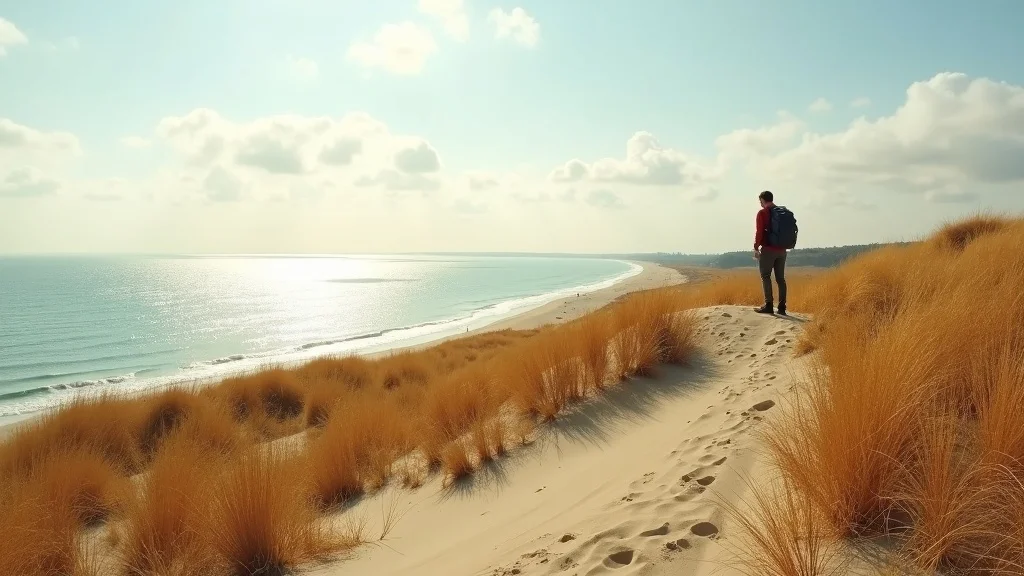
Scenic Indiana Dunes National Park beach dunes and Lake Michigan hikes at sunset

From Rolling Dunes to Lakeshore Trails: Why Indiana Dunes Is a Natural Marvel

Indiana Dunes National Park stands apart from many parks in the Midwest due to its surprising range of natural habitats. The signature sand dunes—towering and shifting under the relentless influence of wind and water—are more than just a backdrop for beachgoers. These unique geological features invite visitors to witness firsthand the ongoing story of nature’s power, as Lake Michigan’s currents and storms continue to sculpt and rearrange the land. The park’s beaches provide an essential escape, but they are only one fragment of a much larger ecosystem that includes quiet woodlands, sun-bathed prairies, and lush wetlands. You don’t have to be an ecologist to sense the significance: this patchwork diversity makes Indiana Dunes one of America’s most botanically and ornithologically vibrant national parks.

For hikers and explorers, more than 50 miles of trails interlace these habitats, many following the dramatic rise and fall of the dunes before leading to tranquil lakeshores or deep into forested canopies. Each step along these paths offers the unexpected, whether it’s the distant silhouette of Chicago shimmering across Lake Michigan, or the sudden flash of rare migratory birds darting between grasses. Yet, while the beauty is immediate, those unfamiliar with the park’s geography or safety considerations may miss essential details. Conditions can change quickly here, from sudden shifts in weather to strong rip currents along the shoreline. Preparation and respect for the landscape are imperative to truly enjoy all the Indiana Dunes National Park beaches, dunes, and Lake Michigan hikes have to offer—and to do so safely.

Family hiking Indiana Dunes National Park beaches, dunes, and Lake Michigan trails

If you’re planning an extended adventure at Indiana Dunes or any other national park, having reliable power on the go can make your experience more comfortable and convenient. Many RV travelers have found that investing in a portable power station, such as the Bluei Elite 200 V2 Power Station, helps ensure you stay connected and prepared during your outdoor explorations.

Why Exploring Diverse Indiana Dunes Beaches and Trails Can Redefine Your Next Adventure

Drawing on decades of stewardship, Indiana Dunes National Park brings an expert perspective to preserving this breathtaking region and making it accessible to all who seek adventure. The variety of beaches found here—from bustling family-friendly sites to secluded paths kissed by prairie winds—means there’s space for quiet contemplation as well as spirited outdoor fun. Hikers marvel at the range of environments they can traverse in a single day, starting from windswept shorelines to humming wetlands and onto silent woodlands, each offering a distinct sensory palette.

Visitors are encouraged to plan ahead, as outlined on the park’s official resources, like the Dorothy Buell Memorial Visitor Center. Updates on trail conditions, hazards such as rip currents, and weather advisories allow everyone to recreate responsibly and make the most of their time. By distributing readily accessible trail maps and offering ranger-led tours, the park prioritizes both education and safety. This approach ensures guests, whether first-timers or returning nature lovers, can enjoy the full spectrum of Indiana Dunes National Park beaches, dunes, and Lake Michigan hikes with peace of mind, discovering new trails and hidden gems with every visit.
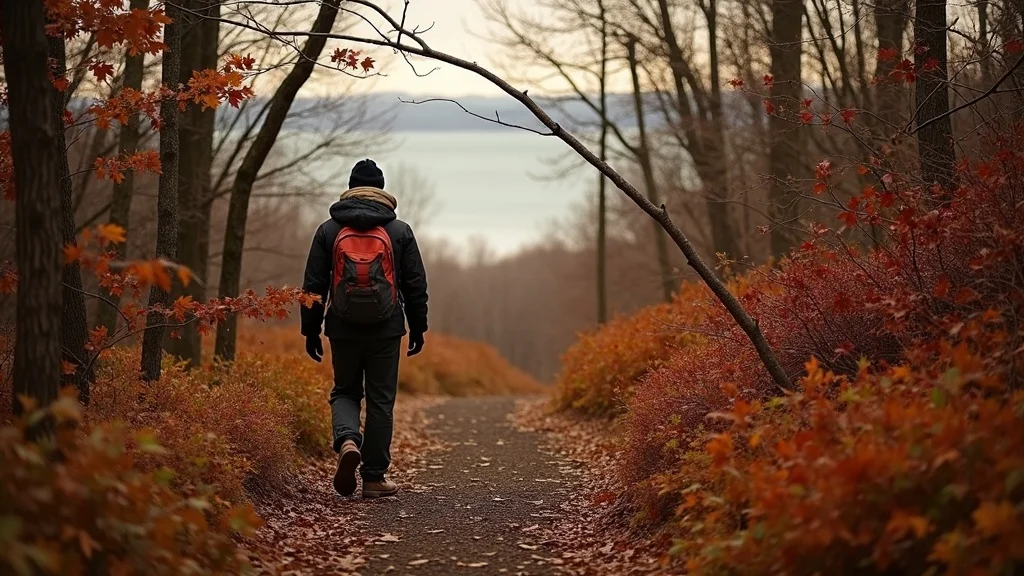
Autumn Indiana Dunes hike through wooded dunes near Lake Michigan shoreline

Shifting Sands and Stories: A Landscape Defined by Change

The story of Indiana Dunes National Park is one of perpetual motion. For thousands of years, powerful winds sweeping down from the north and crashing waves from Lake Michigan have been sculpting this singular environment. These natural forces continue to move the sand, creating and erasing dunes, altering habitats, and providing scientists with a living laboratory for observing geological and ecological change. Historically, the area has been a crossroads for both nature and people—a place where the shifting boundary between land and lake continuously reinvents itself.

Visitors walking the trails might stand in awe, recognizing that each dune is different from season to season, even from year to year. The ever-changing landforms mean every hike is unique, offering moments of reflection and discovery that cannot be replicated elsewhere. From meandering woodland trails to panoramic lakeshore walks, these dynamic features remind us of our place in a much larger natural story. Knowing this background not only deepens appreciation but encourages respect for the fragility and resilience of this exceptional park.

Navigating Safety: How to Enjoy the Dunes While Protecting Yourself and Nature

Safety and conservation go hand in hand at Indiana Dunes National Park. The official guidance emphasizes responsible recreation as a core part of the visitor experience. Guests are advised to check the latest trail maps and updates, especially since weather and water conditions along Lake Michigan can rapidly shift. The presence of strong rip currents in certain areas is a perennial concern, and park resources are dedicated to educating visitors about both avoiding and escaping these hazards. “Know before you go” is the rallying cry, with online resources and rangers ready to answer questions and offer tips.

Winter at Indiana Dunes National Park—snowy dunes and Lake Michigan hikes

Respecting the dunes and surrounding habitats also means treading lightly. Trails wind through sensitive areas where rare plants and wildlife make their home, some found nowhere else in the state. By learning and following best practices for low-impact exploration, guests help protect these treasures for future generations. Paying attention to posted advisories, staying on marked paths, and observing seasonal closures help keep both the visitor and the landscape safe—ensuring that Indiana Dunes National Park beaches, dunes, and Lake Michigan hikes remain pristine and inviting for all.

Seasonal Transformations: Why Every Visit to the Dunes Feels Brand New

No two visits to Indiana Dunes National Park are truly the same; the landscape, flora, and even the lake’s temperament shift with the seasons. In spring, wildflowers and migratory birds flood the dunes and prairies, painting the park in new colors and sounds. Summer brings broad, sunny beaches and bustling shorelines as visitors flock to swim and sunbathe. Autumn, with its brisk winds and golden foliage, uncovers a quieter, more reflective atmosphere—ideal for solitary hikes or family leaf-peeping. Even in winter, the dunes become otherworldly, transformed by snowdrifts and dramatic ice formations at the lakeshore.

Those who revisit throughout the year gain an appreciation for the park’s resilience and the rhythm of natural cycles. From ranger-led programs to self-guided explorations, there’s always a new story unfolding at Indiana Dunes. Each season’s unique character gives regulars and first-timers alike a powerful reason to return and discover fresh perspectives along the sprawling Indiana Dunes National Park beaches, dunes, and Lake Michigan hikes.

Indiana Dunes’ Philosophy: Stewardship, Education, and Shared Adventure

Indiana Dunes National Park operates with a clear mission: to protect diverse landscapes and foster an appreciation for the region’s natural and cultural history. The park’s philosophy emphasizes stewardship—balancing public enjoyment with careful conservation. This is visible in every aspect of the visitor experience, from comprehensive trail maps to educational programs offered at the Dorothy Buell Memorial Visitor Center. Rangers and staff prioritize outreach, making scientific knowledge accessible and adventure safe, allowing people of all ages and backgrounds to connect with the planet.

Education is a central pillar of this philosophy. Park initiatives encourage visitors to recreate responsibly and become active participants in conservation through volunteer opportunities, Junior Ranger programs, and guided tours. Creativity and curiosity are encouraged, with resources like interactive learning activities and news updates providing ongoing ways to stay engaged. Indiana Dunes National Park exemplifies a forward-thinking model where environmental education, resource protection, and public enjoyment reinforce each other, inviting everyone to become stewards of the land they love to explore.

Above all, the park’s approach is rooted in the belief that true appreciation comes from experience—walking the beaches, climbing the dunes, or tracing trails through woodlands. By fostering meaningful connections and shared adventure, Indiana Dunes National Park ensures its beaches, dunes, and Lake Michigan hikes will continue to inspire for generations to come.

Real Experiences: Finding Connection and Wonder at the Dunes

For many, words alone can’t capture the full effect the dunes have on visitors—sometimes only a first-hand story can convey the magic. Sandra’s experience at Indiana Dunes National Park illustrates just how powerful a connection with this environment can be, especially on a windy fall day where nature’s force is truly felt:

Dunes National Park is a special place to really feel connected to the Earth. We visited in mid-October—it was very windy, cool, but that just added to the experience. The park rangers were friendly and welcoming. Some areas were closed, so we couldn’t explore everything, but still enjoyed the trails and open spaces. From a distance, Chicago looked almost like the Emerald City.

Sandra’s encounter reflects the memorable experiences waiting for every visitor. Though weather or trail closures can alter a trip, openness to nature’s unpredictability leads to discovery and connection. Those who step into the dunes often return with their own stories of awe, reaffirming that exploring Indiana Dunes National Park beaches, dunes, and Lake Michigan hikes rewards not just the body, but the spirit.

Embracing a Journey: The Transformative Power of Indiana Dunes Exploration

Every adventure at Indiana Dunes National Park is shaped by curiosity, respect for nature, and an openness to discovery. Whether it’s the endless stretch of beach, the challenge of climbing living dunes, or the tranquility of woodland trails, each visit deepens our understanding of this special place and of ourselves. By supporting education and providing resources for safe exploration, Indiana Dunes National Park stands as a model for integrating recreation and conservation. As more people discover the park’s beaches, dunes, and Lake Michigan hikes, the ripple effects of stewardship and appreciation continue to shape a brighter future for America’s natural treasures.

With its dynamic landscapes and inclusive philosophy, Indiana Dunes National Park ensures the legacy of its beaches, dunes, and Lake Michigan hikes grows richer with every season and every story shared.

If you’re inspired to elevate your next outdoor journey, consider how the right gear and preparation can enhance your experience at Indiana Dunes and beyond. Exploring the advantages of portable power solutions, like those highlighted in the best power stations for RVers, can help you stay connected, safe, and ready for any adventure. Whether you’re planning a weekend escape or a cross-country trek, integrating smart technology and sustainable practices ensures your travels remain comfortable and eco-friendly. Dive deeper into the world of outdoor innovation and discover how thoughtful planning can transform every trip into a seamless, memorable adventure.

Contact the Experts at Indiana Dunes National Park

If you’d like to learn more about how Indiana Dunes National Park beaches, dunes, and Lake Michigan hikes could benefit your adventure and understanding of the natural world, contact the team at Indiana Dunes National Park. 📍 Address: Porter, IN 46304, USA 📞 Phone: +1 219-395-1882 🌐 Website: https://www. nps. gov/indu/index. htm

Indiana Dunes National Park Location and Hours

🕒 Hours of Operation:📅 Monday: 6:00 AM – 11:00 PM📅 Tuesday: 6:00 AM – 11:00 PM📅 Wednesday: 6:00 AM – 11:00 PM📅 Thursday: 6:00 AM – 11:00 PM📅 Friday: 6:00 AM – 11:00 PM📅 Saturday: 6:00 AM – 11:00 PM📅 Sunday: 6:00 AM – 11:00 PM
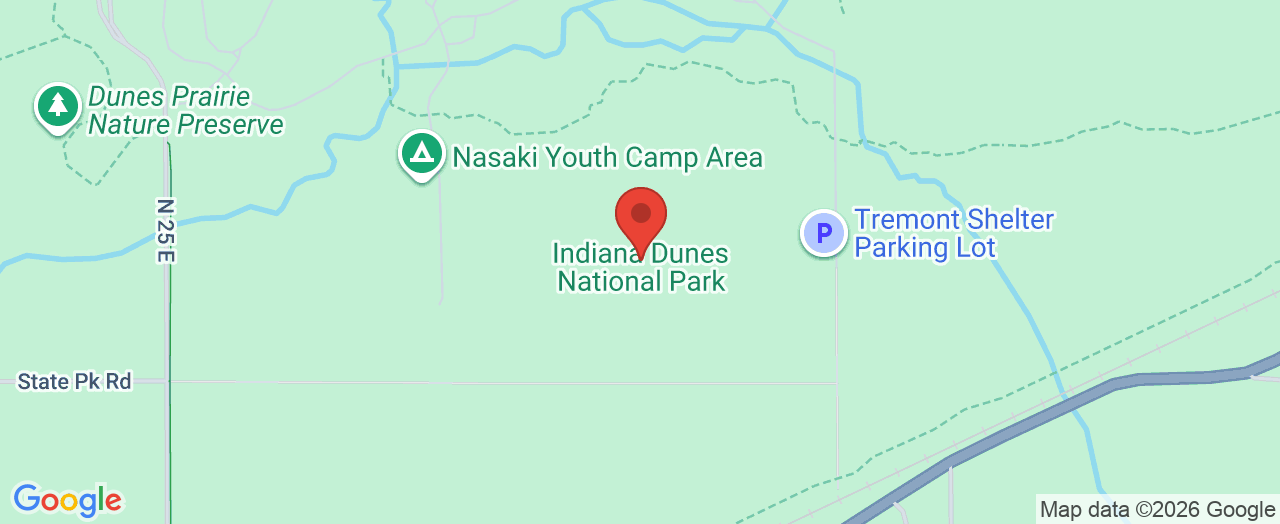
Location Map
National Parks

0 Comments

Write A Comment

*
*
Please complete the captcha to submit your comment.
Related Posts All Posts

Discover the Hidden Wonders of Coral Reef Marine Life

National Park of American Samoa 📍 Address: American Samoa 📞 Phone: +1 684-633-7082 🌐 Website: https://www.nps.gov/npsa/index.htm ★★★★★ Rating: 4.6 The Untold World Beneath the Surface: Why Coral Reef Marine Life Matters More Than We Think Most people imagine tropical getaways as stretches of white sand bordered by gentle blue waves, but far below the surface, a vibrant, living universe pulses with energy and color. Coral reef marine life is often overlooked, yet it sustains some of the most intricate webs of existence on the planet. What lies within these underwater ecosystems is not just a marvel of nature, but a world crucial to life both above and below sea level. Have you ever wondered what is at stake with each ripple of the tide? With coral reefs at risk worldwide, learning about their secret marvels is no longer just for scientists or adventurers, but for all who care about the future of our oceans. Understanding coral reef marine life is like unlocking a hidden chapter in the story of our planet. The reefs offer sanctuary to countless species, from minuscule shrimp to magnificent sea turtles, constructing a bold tapestry of existence where every creature plays a vital role. The balance and beauty of these ecosystems are breathtaking, but so is their fragility. Without knowing why coral reefs are important—or the hidden wonders they support—we risk losing not just an ecological treasure, but missing out on centuries of cultural heritage and natural wisdom etched in the currents of places like American Samoa. Only by peering beneath the dazzling surface can we truly appreciate the significance of coral reef marine life. Unveiling Coral Reef Marine Life: The Logic of Nature’s Greatest Underwater Community Coral reef marine life is more than just a collection of colorful fish and swaying coral; it is one of Earth's most complex natural systems, hosting nearly a quarter of all marine species despite occupying less than 1% of the ocean floor. These reefs are living cities under the sea, bustling with activity, mutual support, and intense competition. Each coral polyp, tiny and often unnoticed, teams up with algae in a remarkable partnership that forms the backbone of the entire ecosystem. From spiny starfish and graceful rays to elusive octopus and neon wrasses, the diversity on a healthy coral reef defies imagination and drives the ocean’s rhythms. For those who are passionate about sustainable travel and want to ensure their adventures have minimal impact, exploring innovative solutions for off-grid power can be just as important as learning about marine conservation. Many RVers and eco-conscious travelers are turning to portable power stations, such as the Bluei Elite 200 V2, to support their journeys while reducing their environmental footprint. If you're interested in how these devices can enhance your next trip, discover the best deals on the Bluei Elite 200 V2 Power Station for RVers and see how technology and nature can work hand in hand. Ignoring or misunderstanding the importance of coral reef marine life places vital ecological and community benefits at risk. Reefs aren’t just underwater kingdoms for the enjoyment of snorkelers; they serve as storm barriers, nutrient hubs, spawning grounds, and vital food sources for millions worldwide. When pollution, overfishing, or climate change disrupt the delicate balance, the resulting loss ripples through everything—altering cultures, economies, and the very landscapes of regions like American Samoa. If stewardship falters, entire generations may never experience the sense of awe or the tangible benefits that thriving reefs bring to both nature and humanity. True appreciation begins with education and an open mind to what these ecosystems contribute, far beyond what meets the eye. Why Exploring Coral Reef Marine Life Enriches the Mind and Spirit In the heart of the South Pacific, the National Park of American Samoa stands as a guardian to some of the most pristine coral reef environments left in the world. Drawing on its mission to protect natural beauty while honoring cultural heritage, this park offers an unparalleled opportunity to witness coral reef marine life in its fullness. Visitors can expect more than picturesque snorkeling spots or remote beaches—the real benefit is immersion in a living classroom, with every tide pool and underwater vista teaching lessons about biodiversity, resilience, and harmony within a delicate ecosystem. Encountering coral reef marine life here means being surrounded by a library of life forms, each adapted over millennia to survive, cooperate, or compete in extraordinary ways. The value for travelers, students, and local communities goes beyond recreation; it’s about connecting with an ecological story that shapes everything from food traditions to the rhythms of the islands themselves. Healthy reefs support fisheries, buffer storms, and inspire creativity, offering outcomes that echo through culture, science, and daily life. The rewards range from increased environmental awareness to a deep sense of belonging to something larger, proving that the well-being of coral reef ecosystems is directly connected to human joy, identity, and future possibilities. Cultural Connections: Coral Reefs and the Samoan Way of Life Coral reef marine life is interwoven with Samoan culture, reflecting a bond between people and nature that goes back countless generations. In American Samoa, the traditional Samoan way of life—Fa’asamoa—embraces an understanding that the ocean and the land are sacred, and that respect for both is a duty passed from elders to children. Reefs are not merely scenery or a place to harvest fish; they are woven into the very fabric of daily life, spiritual beliefs, and communal celebrations. The creative uses of natural resources, from fine mats to feast preparations, illustrate the deep-seated knowledge and reverence for the waters surrounding the islands. This connection is more than tradition—it’s active stewardship. The National Park of American Samoa works to protect both biodiversity and the ways in which people interact with the reef environment. Through education, community involvement, and preservation, the park elevates the value of coral reefs beyond tourism, highlighting how these vibrant marine habitats support not only ecological health but also the continuity of a cultural identity that is uniquely Samoan. Hidden Hazards and Ongoing Protection: The Fragility of Coral Reefs While coral reefs dazzle with their apparent vitality, they are extremely sensitive to environmental change. Rising ocean temperatures, storm surges, and pollution can quickly erode the complex balance that keeps this marine life flourishing. In the National Park of American Samoa, the commitment to protection is not just about conserving beauty but about confronting the real threats that endanger the reef’s future. The park’s educational outreach and management practices set a powerful example for how protected areas can buffer coral reefs against global and local threats. This ongoing work demonstrates that safeguarding coral reef marine life is not a static achievement but an evolving effort, requiring vigilance and adaptability. Communities, tourists, and scientists must all play a role, whether it’s navigating trails with respect, using environmentally friendly products, or learning about changes in weather patterns that might affect reef health. The survival of coral reefs depends on a shared appreciation and a willingness to act—ensuring that this precious ecosystem continues to thrive for generations yet to come. Practical Tips for Experiencing Coral Reef Marine Life Responsibly A visit to a coral reef—especially in a protected environment like the National Park of American Samoa—presents the chance to witness natural wonders up close while having a positive impact. Simple acts such as swimming with care, never touching or standing on the reef, and using reef-safe sunscreen can preserve the fragile organisms that call these waters home. Thoughtful preparation also includes respecting local customs, staying hydrated, and understanding the terrain—advice that echoes through park recommendations and traveler experiences alike. Learning from those who know the reefs best, whether park rangers or local Samoan guides, amplifies the value of any visit and ensures a respectful, immersive encounter. Responsible explorers recognize that enjoying coral reef marine life means joining in a partnership with nature, where protection and awareness form the gateway to discovery. Following these tips leads not only to personal enrichment but helps ensure that coral reefs continue to inspire and provide for everyone. Guardianship and Vision: The National Park of American Samoa’s Philosophy on Coral Reefs The National Park of American Samoa approaches the care of coral reef marine life with a philosophy rooted in reverence—for nature, for heritage, and for future generations. The park invites visitors to explore and learn, recognizing the islands as “sacred earth,” where conservation extends beyond borders and time. This vision emphasizes the ongoing relationship between people and the land, fostering stewardship that transcends tourism or recreational enjoyment. Education is central to this mission. Learning opportunities abound within the park, as guides and rangers share knowledge about marine species, the intricate dance of reef life, and the ever-present need for balance. This approach is not about restricting access but deepening connection; visitors are encouraged to engage thoughtfully, understanding the impact of their actions and the larger story they become a part of. Protecting coral reefs becomes a shared journey—one where curiosity and care move hand in hand. Underpinning all of this is a commitment to collaboration with the Samoan people, for whom “Fa’asamoa” informs every interaction with the land and sea. The park weaves cultural knowledge with scientific insight to guide preservation, creating a framework where coral reef marine life thrives alongside resilient, respectful communities. In this way, the National Park of American Samoa stands as both protector and storyteller for the world’s coral reefs, demonstrating what meaningful guardianship can accomplish. One Visitor’s Journey: How Coral Reef Marine Life Leaves a Lasting Impression When discovering new places, firsthand experiences often reveal the truths that statistics and guides cannot. For many, the journey through the National Park of American Samoa leaves more than just a memory of stunning panoramas—it's the personal transformation that comes from immersion in coral reef marine life, seclusion, and culture. One visitor, Andrew K. , summed up the unparalleled magic of this destination, highlighting both its natural and cultural gifts: This place is simply an island paradise. Beautiful beaches and scenery everywhere you look. And the best part about it is, there are no crowds. We literally had some of the most pristine beaches and hikes entirely to ourselves. Plus part of the park is learning about the Samoan culture, which is great, as you are treated like family wherever you go. Just for comparison, we flew to Hawaii after American Samoa, and boy was Hawaii underwhelming after visiting this place. American Samoa spoiled me. Encounters like these make it clear that engaging with coral reef marine life is more than a recreational pursuit; it is a pathway to connection and appreciation for the planet’s hidden marvels. For those considering their own journey, the rewards lay not just in the remarkable scenes witnessed, but in the sense of awe and stewardship inspired by the experience. Like Andrew, many may find their standard for beauty—and for what it means to belong to the world—irrevocably raised. Coral Reefs: The Beating Heart of Island Paradise and Stewardship In the final measure, the vibrancy and resilience of coral reef marine life is a reflection of both nature’s ingenuity and our collective responsibility. The National Park of American Samoa not only showcases the wonders of these underwater realms but also sets an example of dedicated protection and cultural respect. The story of coral reefs is one of connection, survival, and inspiration—reminding every visitor and learner of the extraordinary blessings found in the ocean’s embrace. As coral reefs face mounting challenges from a changing world, their continued vitality depends on widespread understanding, engaged education, and shared guardianship. Those who take the time to learn, protect, and experience coral reef marine life partake in a legacy of discovery, joining in the effort to ensure these wonders remain part of our global heritage. The hidden treasures of the reef await, ready to transform any who seek them with open hearts and minds. If you’re inspired to deepen your connection with nature and explore how technology can support sustainable adventures, consider learning more about innovative tools and strategies for eco-friendly travel. Exploring topics like portable power solutions for RVers can open up new possibilities for responsible exploration, blending comfort with conservation. By staying curious and proactive, you can continue your journey toward environmental stewardship and discover even more ways to protect and enjoy the world’s most precious ecosystems. Contact the Experts at National Park of American Samoa If you’d like to learn more about how coral reef marine life could benefit your understanding of island ecology and conservation, contact the team at National Park of American Samoa. 📍 Address: American Samoa 📞 Phone: +1 684-633-7082 🌐 Website: https://www. nps. gov/npsa/index. htm National Park of American Samoa Location and Hours 🕒 Hours of Operation: Please refer to official website or park contact for current hours, as specific daily schedules were not listed in available materials.

Unlock the Magic of Great Kobuk Sand Dunes—A Hidden Arctic Wonder

Kobuk Valley National Park 📍 Address: Alaska, USA 📞 Phone: +1 907-442-3890 🌐 Website: https://www.nps.gov/kova/index.htm ★★★★★ Rating: 4.1 Where Arctic Tundra Meets Shifting Sands—An Invitation to the Unexpected Imagine trekking through Alaska’s remote wilderness—ancient caribou trails beneath your boots, dense forests at your back, and crystalline rivers winding through the tundra. Suddenly, the landscape opens to a scene that seems plucked from a distant desert: colossal golden sand dunes, rising and falling like ocean waves, defying every expectation you might hold about the North. The Great Kobuk Sand Dunes are not only a geographical anomaly, but also a testament to the raw and surprising beauty that Alaska offers to those willing to journey off the beaten path. The allure of the Great Kobuk Sand Dunes is immediate, drawing curiosity and awe. They challenge our assumptions about what belongs in the Arctic, replacing ice fields and spruce forests with wide shadows cast by wind-sculpted ridges. The dunes invite questions: How did they get here? What ancient forces sculpted a landscape that seems both out of place and perfectly at home? For explorers, adventurers, scientists, and Indigenous peoples, these dunes represent both a source of wonder and a living record of Earth’s dynamic story. Understanding the Great Kobuk Sand Dunes is key to grasping not only a unique corner of America’s wild frontier, but also the complexity and resilience of natural and cultural systems shaped over millennia. Unveiling the Arctic’s Great Secret: The Science and Story Behind the Dunes The Great Kobuk Sand Dunes stand as the largest active sand dunes in the Arctic, an incredible geologic occurrence in a land dominated by tundra and boreal forest. Stretching across Kobuk Valley National Park, these dunes cover approximately 25 square miles and tower up to 100 feet high, their origins reaching back to the last Ice Age. When glaciers retreated thousands of years ago, they left vast outwash plains of sand and silt. Persistent Arctic winds eventually sculpted these deposits into the ever-shifting landscape visitors see today. The process is ongoing—wind constantly reshapes the soft surface, preserving caribou tracks and confounding expectations about what "Arctic wilderness" means. While the sight of golden sand beneath a midnight sun astonishes first-time visitors, the story of the dunes extends beyond their visual impact. The region’s delicate ecosystem is shaped by the interplay between sand, weather, and the caribou herds whose tracks lace the surface. Without understanding this rare phenomenon, one risks missing how singular Arctic conditions have preserved not only geological marvels, but also Indigenous cultures whose traditions span over eight millennia. Failure to appreciate the full scope of phenomena like the Great Kobuk Sand Dunes means losing out on lessons of resilience, adaptation, and the urgent need for stewardship in a rapidly changing world. For those planning an extended adventure in remote regions like Kobuk Valley, having reliable power can be a game-changer for safety and comfort. Many RV travelers exploring Alaska’s wild landscapes have found that investing in a portable power solution, such as the Bluei Elite 200 V2 Power Station, helps ensure essential devices stay charged even far from the grid. Why the Great Kobuk Sand Dunes Inspire Awe, Adventure, and Discovery Kobuk Valley National Park stands as a steward of wild wonders, and the Great Kobuk Sand Dunes are arguably its most striking feature. As an expert resource on this extraordinary landscape, the park focuses on preservation, education, and scientific inquiry, ensuring that visitors and students alike gain a richer understanding of the dunes’ significance. Beyond their sheer beauty, these dunes offer tangible benefits to those seeking adventure, solace, or enlightenment in nature. Hikers marvel at the strange sensation of warm sand between their toes—an experience utterly unique within Alaska’s vast icy expanse. Photographers and artists find inspiration in the shifting patterns of light and wind, while researchers gather insights into Arctic and subarctic geology. Exploring the Great Kobuk Sand Dunes deepens respect for the interconnectedness of life and landscape. The movement of caribou herds across the sand forms a living record of migration, survival, and the ongoing bond between people and place. Educational programs based in the park engage students with hands-on experiences, allowing them to investigate natural history and ongoing ecological processes. Visitors also confront the challenges of Arctic travel and learn the importance of preparation and safe wildlife encounters, such as respecting bears, which are an integral part of the regional ecosystem. Tracing the Dunes’ Past: From Glacial Origins to Living Landscape Long before the arrival of explorers or even the ancestors of present-day Alaska Native peoples, glaciers dominated the Kobuk Valley. As the ice fields receded over 12,000 years ago, immense quantities of sand and gravel were deposited in the valley—a process guided by meltwater rivers and powerful seasonal winds. Over thousands of years, the silt and sand shaped by wind became what we now know as the Great Kobuk Sand Dunes. These shifting dunes serve as an open-air museum of Earth’s climate history, their sediment layers readable by scientists studying past changes in temperature, ice, and life. The story of the dunes is also a human one. For nearly 9,000 years, Indigenous people have traveled the Kobuk River corridor, harvesting caribou at traditional sites like Onion Portage. The sand dunes, though stark and seemingly inhospitable, lie at the intersection of ancient migration trails for both animals and people—a crossroads of survival, innovation, and tradition. Understanding the historical context of the dunes underscores the depth of human connection to the Arctic landscape and how environmental changes continue to shape culture. Arctic Adventure and Safety: Navigating Wild Beauty Responsibly Adventure in Kobuk Valley demands both curiosity and preparedness. The remoteness of the Great Kobuk Sand Dunes is part of their appeal—access is only possible by air, frequently via charter flights from Kotzebue or Fairbanks. Once there, the sense of isolation is profound: no maintained trails, no roads, and few, if any, other visitors. Navigating the dunes and surrounding tundra requires careful planning, respect for unpredictable weather, and an understanding of wildlife encounters, especially in bear country. Kobuk Valley National Park puts a strong emphasis on promoting respectful and safe outdoor practices. Educational resources provide guidance on bear safety, the importance of minimizing impact, and honoring subsistence traditions that are integral to the local Inupiaq way of life. For those who come prepared, the dunes offer a rare chance to experience a pristine Arctic wilderness few will ever see—an opportunity for awe and discovery matched only by the responsibility to protect it for future generations. Ecological Marvels: How Sand, Water, and Wildlife Intertwine In the shadow of the dunes, life abounds even where it might seem improbable. Caribou traverse the sand each year as part of their long migration, their footprints preserved in wind-blown patterns. The Kobuk River, winding nearby, serves as a lifeline for both wildlife and the Indigenous communities who rely on its seasonal bounty. Onion Portage—just upriver—has been a gathering spot for caribou hunters for millennia, and today remains an important cultural site where tradition and natural history meet. The park’s science and research initiatives invite visitors and students to look closely at the connections between landscape and life. Scientific studies within the park illuminate how ecosystems adapt to shifting environments, how plants find purchase on shifting sand, and how traditional knowledge contributes to a deeper understanding of Arctic resilience. The result is a living laboratory, where each gust of wind and animal track tells an ongoing story about adaptation and hope. Expert Insights: Stewardship and Legacy at Kobuk Valley National Park Kobuk Valley National Park approaches the stewardship of the Great Kobuk Sand Dunes with reverence and a sense of responsibility to both history and the future. By balancing preservation with public access, the park acts as a guardian of both natural wonders and cultural traditions. Educational programming is a cornerstone, emphasizing hands-on learning, scientific inquiry, and community collaboration. The park’s approach is guided by the knowledge that incredible landscapes like the Great Kobuk Sand Dunes are irreplaceable and must be cared for with foresight and humility. The mission of the park extends to promoting the coexistence of people, wildlife, and the land. Respect for Indigenous subsistence traditions is built into management decisions, and the park actively encourages visitors to educate themselves about the ecology, history, and culture of the Kobuk Valley. In this way, Kobuk Valley National Park is not just a place, but a living classroom—a model of how conservation, education, and indigenous knowledge can operate side by side in pursuit of resilience. Real Encounters: Visitors Reveal the Dunes’ Lasting Impact Firsthand experiences often express what facts alone cannot—the transformative power of the Great Kobuk Sand Dunes, as witnessed by those few who make the journey. For travelers drawn to this secluded landscape, the payoff is a sense of discovery and awe that lingers long after. One recent visitor, Kevin J. , captured this feeling perfectly in his review: This national park is absolutely stunning, and while some people might find it remote, the scenery is truly breathtaking. There's something incredibly special about the combination of windy rivers, majestic mountain ranges, and a fricking sand dune shaped by a glacier. 10/5 stars Such testimonials underline how the raw, surprising beauty of Kobuk Valley can stir a person’s soul, rewarding those who plan ahead and venture beyond the familiar. Every journey to the Great Kobuk Sand Dunes offers a chance to be part of a story that spans millennia—a chance to witness Arctic wilderness that continues to inspire, challenge, and renew those who experience it. Redefining the Arctic: What the Great Kobuk Sand Dunes Teach Us About Nature’s Surprises The Great Kobuk Sand Dunes challenge our assumptions about what the Arctic can be, offering a rare and unforgettable encounter with one of America’s wildest treasures. Their existence invites us to reconsider the boundaries of landscape, history, and identity—showing that beauty can arise in the most unexpected places. Thanks to the thoughtful stewardship and educational efforts of Kobuk Valley National Park, these dunes remain both a wonder to explore and a lesson in the value of protecting our planet’s extraordinary and fragile resources. The story of the Great Kobuk Sand Dunes is far from over—and the next chapter awaits those curious enough to seek it out. If the spirit of adventure and discovery in Alaska’s Arctic has sparked your curiosity, consider exploring how innovative gear and technology can enhance your journeys into remote wilderness. Learning about the latest advancements in portable power solutions, such as those highlighted in the best deals on the Bluei Elite 200 V2 Power Station for RVers, can help you travel farther and more sustainably. Whether you’re planning your first trip to the Great Kobuk Sand Dunes or dreaming of future expeditions, equipping yourself with the right tools ensures you’re ready for whatever the wild has in store. Embrace the freedom to explore, and let each adventure deepen your connection to the extraordinary landscapes that await. Contact the Experts at Kobuk Valley National Park If you’d like to learn more about how the Great Kobuk Sand Dunes could inspire your next adventure or educational journey, contact the team at Kobuk Valley National Park. 📍 Address: Alaska, USA 📞 Phone: +1 907-442-3890 🌐 Website: https://www. nps. gov/kova/index. htm Kobuk Valley National Park Location and Hours For details on visiting hours and seasons, contact the Northwest Arctic Heritage Center. Headquarters Mailing 📍 Address: PO Box 1029 Kotzebue, AK 99752 📞 Phone: 907-318-2230 Please refer to the Kobuk Valley National Park website for the most current hours of operation and visitor information.

Discover Acadia National Park’s Hidden Trails Today

Acadia National Park 📍 Address: Maine, USA 📞 Phone: +1 207-288-3338 🌐 Website: https://www.nps.gov/acad/index.htm ★★★★★ Rating: 4.9 Unlocking Adventure: Why Exploring Acadia’s Hidden Trails Is a Journey Worth Taking Imagine standing atop the highest rocky headlands along America’s Atlantic coastline, surrounded by wild beauty, pine-scented air, and panoramic ocean views. Yet, while millions visit each year, remarkably few venture off the beaten path to explore Acadia National Park’s lesser-known trails. What treasures—and challenges—lie within these quieter corners? For many, the typical park highlights only scratch the surface of what makes Acadia truly magical. The untamed pathways, scattered from granite peaks to coastal forests, are ripe for discovery. Acadia National Park, drawing over four million annual visitors, is famed for its iconic peaks and carriage roads. Beneath this popularity, though, is a tapestry of habitats and heritage waiting to unfold for all who seek more than a look from the overlook. The vital question for adventurers and nature lovers alike is: what are you missing by not wandering a little further? Understanding the complexity, history, and ecological variety in these hidden corridors matters—both for personal enrichment and for the lasting health of the park itself. With varied seasons, challenging terrain, and unique ecosystems, exploring beyond the obvious rewards those who are curious and prepared. For those eager to dive even deeper into Acadia’s natural wonders, exploring the park’s secret hiking routes can reveal a side of the landscape that few visitors ever experience. If you’re interested in practical tips and trail recommendations, this guide to Acadia National Park hiking offers detailed insights for nature lovers seeking their next adventure. Diving Deeper Into Acadia National Park: Beyond the Famous Views and Everyday Paths Acadia National Park, a crown jewel on Maine’s craggy coastline, captivates both seasoned hikers and casual wanderers. But there is much more to this park than the postcard vistas atop Cadillac Mountain or the bustling Ocean Path. Covering over 49,000 acres, Acadia preserves a remarkable mosaic of habitats: lush forests, striking granite peaks, sparkling lakes, and dramatic rocky beaches. As one of the top 10 most-visited national parks in the United States, Acadia stands out not only for its popularity but for its diversity. Within its borders are 158 miles of hiking trails, 27 miles of historic motor roads, and 45 miles of carriage roads, offering a range of options from the easy, family-friendly strolls to the steep, challenging climbs that gift solitude and breathtaking panoramas. The park’s unique geology and ecology also foster a rich setting for learning about environmental stewardship, cultural legacy, and biodiversity. For newcomers, venturing onto unfamiliar trails can feel daunting—without preparation, hikers might encounter sudden weather changes, rugged terrain, or unexpected wildlife. Navigating this complexity is vital for your enjoyment and safety. Moreover, missing out on these hidden sides of Acadia means forfeiting the stories, habitats, and insights that can turn an ordinary visit into an unforgettable adventure. Those who take the time to dig deeper, learn the rules, and respect the land, inevitably discover the richer meanings within America’s natural wonders. Why Venturing Off the Beaten Path in Acadia National Park Redefines Your Experience Recognized as the guardian of the North Atlantic’s highest rocky headlands, Acadia National Park protects not just iconic views but a vital range of habitats, history, and cultural heritage. Guided by stewardship principles, Acadia’s approach centers on balancing ecosystem protection, public enjoyment, and education. By stepping onto lesser-traveled trails, visitors support the park’s continual mission: unveiling the stories of the land, honoring the presence of the Wabanaki Nations, and emphasizing sustainable visitor practices. Straying from the main roads and overlooks unveils benefits many overlook—quiet encounters with wildlife, deeper immersion in nature, and the thrill of discovery. Layered forests, hidden ponds, and granite ridges offer opportunities to appreciate the park’s complex ecology and the ongoing management practices in place to preserve it. Accessing trails often requires planning around vehicle reservations, entrance passes, and seasonal closures, but this extra effort yields solitude and a sense of connection many never experience. Whether you come for the scenery or a moment of reflection, hidden trails provide time for mindfulness, physical challenge, and a chance to see Acadia with new eyes. Rediscovering Acadia: The Importance of Off-Season and Quiet Exploration While summer crowds swell to enjoy Acadia’s world-famous peaks and lakes, those who embrace the off season from November to April enjoy a quieter, more intimate connection with nature. Stepping outside the high-traffic months offers unique rewards: uncrowded paths, spectacular winter vistas, and a slower pace that allows for closer observation of the park’s rhythms. This not only benefits visitors’ well-being but also helps preserve sensitive habitats and reduces the environmental impact caused by heavy seasonal foot traffic. The park makes it possible for determined explorers to make the most of their off-season visit by providing up-to-date information on conditions, accessible routes, and necessary preparations. Understanding the challenges—closed town amenities, variable weather, and limited facilities—encourages responsible adventure. Careful planning ensures safety while enhancing appreciation for the changing landscape, from snow-dusted evergreens to icy coastlines at sunrise, and supports Acadia’s ongoing conservation goals. Stewardship and Story: The Wabanaki Nations and Acadia’s Living Cultural Heritage Not every path in Acadia leads only through untouched wilderness—the park is also a living narrative about human endurance and relationship with the land. Central to this story is the enduring legacy of the Wabanaki Nations, also revered as “People of the Dawnland. ” Their heritage, culture, and ongoing stewardship remain integral to how the park presents itself today. By learning about and respecting these connections, visitors contribute to the preservation of a region where history and nature are inseparably intertwined. The park’s educational resources invite the curious to explore more than scenery. Initiatives such as the Sea to Trees podcast capture scientific inquiry and indigenous knowledge, tying natural history to ongoing management. Trails often pass through areas rich in human history, from ancient gathering places to modern conservation milestones. Each footstep on a hidden path echoes generations of respect for land and heritage, underscoring the responsibilities of all who pass through Acadia’s borders. Access for All: How Acadia National Park Fosters Inclusive Adventure Accessibility is a core part of Acadia National Park’s mission. The drive to make facilities, landscapes, and information available to people of all abilities empowers more visitors to engage with its wonders, regardless of physical limitations. This commitment shapes the park’s layout, programming, and resource allocation—ensuring that exploration is not reserved for the elite hiker but shared across families, ages, and backgrounds. Visitors benefit from clear signage, ranger assistance, and online planning resources, making trail selection and safety preparation accessible to everyone. By focusing on inclusivity and education, Acadia broadens the impact of its conservation message and creates a shared space where everyone can find inspiration in Maine’s wild heart. Acadia National Park’s Approach: Honoring Nature, History, and Future Generations Acadia National Park stands apart for its focus on preserving natural beauty, supporting public enjoyment, and honoring a rich cultural legacy. Its unique philosophy is evident in how it shields a wide array of habitats and encourages visitors to experience, not just observe, the park’s wonders. Thoughtful management practices, from enforcing entrance passes to orchestrating vehicle reservations for peak-time travel, demonstrate a keen balance between public access and nuanced conservation objectives. Its educational programs, from in-depth podcasts to interpretive signage and ranger-led activities, reveal the park’s commitment to stewardship and visitor understanding. The dedication to accessibility, year-round operation, and meaningful engagement with the Wabanaki Nations highlights a bigger vision: Acadia as a living landscape, entrusted to current visitors and future generations alike. By taking the time to learn, respect, and explore with intention, guests contribute meaningfully to the ongoing story of this “Crown Jewel of the North Atlantic Coast. ” What Real People Say About Their Acadia National Park Experience Real stories from recent visitors often reveal what travel brochures cannot. One reviewer, who journeyed to Acadia during the winter when much of the area was closed, encountered a truly unique side of the park—its rugged beauty uncluttered by crowds and a sense of hospitality from those who help maintain it. Came in February so expected it to be mostly closed. Still could navigate the perimeter of the park and catch some really cool and awesome views. Ranger was friendly and helpful. After October until May, everything in the area, to include towns inside the park and Bar Harbor are closed for the season, so prepare accordingly, especially food and drinks. This experience highlights the rewards and realities of an off-season visit: quieter vistas, personal support from park staff, and the thrill of seeing Acadia in a new light. For those prepared to adapt and plan, the promise of discovering hidden trails and stunning, crowd-free landscapes is very much within reach. Taking the extra step to ready oneself for the elements and the season can make all the difference in transforming a good trip into a remarkable adventure. Acadia’s Hidden Trails: The Next Frontier for Every Explorer The hidden trails of Acadia National Park are more than just offshoots from the main road—they are a vital part of the park’s identity, offering opportunities for education, quiet reflection, and lasting memories. Venturing off the more familiar paths enables deeper immersion in the landscape and provides a glimpse into Acadia’s living heritage. Guided by a sound management philosophy, up-to-date visitor information, and an ongoing partnership with the Wabanaki Nations, Acadia stands as an open invitation to explore, learn, and participate in the stewardship of America’s wild places. Both new and seasoned visitors benefit by embracing the challenges and joys of these hidden routes. Through thoughtful preparation, respect for nature, and curiosity for culture and history, each journey can nurture a greater understanding and appreciation for what makes Acadia National Park unlike any other destination in the United States. If the allure of Acadia’s hidden trails has sparked your curiosity, consider broadening your adventure by exploring how other national parks offer unique seasonal experiences. Discovering the best parks to visit in August, for example, can help you plan your next journey with optimal weather, fewer crowds, and unforgettable scenery. For inspiration and expert tips on making the most of your national park travels, explore this guide to the top national parks for August exploration—your next great adventure could be just around the corner. Contact the Experts at Acadia National Park If you’d like to learn more about how exploring Acadia National Park’s hidden trails could enrich your outdoor adventure, contact the team at Acadia National Park. 📍 Address: Maine, USA 📞 Phone: +1 207-288-3338 🌐 Website: https://www. nps. gov/acad/index. htm Acadia National Park Location and Hours 🕒 Hours of Operation:📅 Monday: Open 24 hours📅 Tuesday: Open 24 hours📅 Wednesday: Open 24 hours📅 Thursday: Open 24 hours📅 Friday: Open 24 hours📅 Saturday: Open 24 hours📅 Sunday: Open 24 hours

Terms of Service

Privacy Policy

Core Modal Title

Sorry, no results found

You Might Find These Articles Interesting

T
Please Check Your Email
We Will Be Following Up Shortly
*
*
*