RV Otter
update

Ride With RV Otter

update
  • Home
  • Categories
    • Destinations & Routes
    • Campground Reviews
    • RV Tips & Lifestyle
    • Gear & Essentials
    • On-the-Road Living
    • Traveling with Pets
    • Stories & Adventures
    • RVing on a Budget
    • Boondocking
    • Campground Reviews
    • RV Lifestyle News
    • National Parks
    • State Parks
    • Extra News
    • Central Oregon Coast
    • National Forest
    • Shopping
    • Rentals
    • RV Resorts
    • Business Directory
    • RV Sales & Rentals
    • Destinations
    • Campgrounds & Stays
    • Gear & Rentals
    • RV News & Resources
    • RV Dealerships
    • Destinations 2
  • Businesses
  • Wildlife Refuges
  • update
  • update
  • update
  • update
  • update
  • update
  • update
May 04.2026
1 Minute Read

Discover Lassen Volcanic National Park Geothermal Hikes Magic

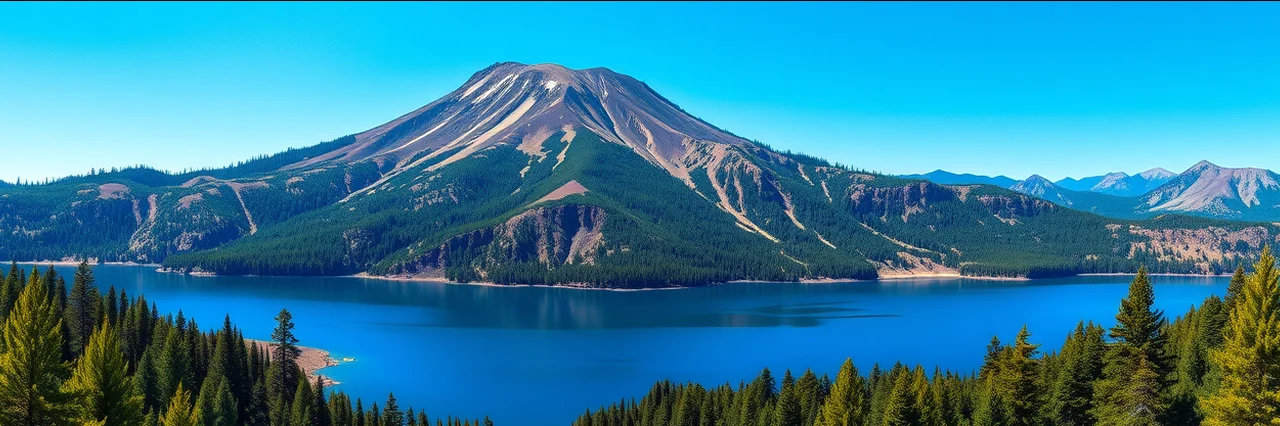
Lassen Volcanic National Park alpine lake, pine forest and volcanic peak under clear sky

Lassen Volcanic National Park

📍 Address: California, USA

📞 Phone: +1 530-595-6100

🌐 Website: https://www.nps.gov/lavo/index.htm

★★★★★
Rating: 4.8

Unveiling a World of Geothermal Wonders and Volcanic Adventure

Have you ever stepped onto a hiking trail where the ground hisses beneath your feet, and plumes of steam curl into the sky? At Lassen Volcanic National Park, visitors witness a remarkable transformation—landscapes continuously shaped by volcanic power and hydrothermal energy. From rigorous volcano road trips to immersive geothermal hikes, the park invites you to journey through an environment where wildflowers pepper lush meadows, crystal lakes reflect jagged volcanic peaks, and hot springs—and even bubbling mud pots—showcase Earth's restless core. It’s a playground for the curious, the adventurous, and those seeking a deeper connection with one of California’s lesser-known natural wonders.

Choosing to explore Lassen's geothermal hikes and volcano road trip opportunities isn't just about ticking off another national park. It’s embracing the story of forces that shape continents, raise mountains, and create habitats teeming with life. Yet, with an ever-changing terrain, lingering snowpack even late into spring, and the chance for sudden closures, venturing into Lassen requires knowledge, preparation, and curiosity. Understanding the magic—and occasional unpredictability—of this volcanic park is essential for any traveler wanting a safe and unforgettable adventure. Let’s unravel why Lassen stands apart, and how its geothermal features offer more than just a scenic view—they are windows into the planet’s fiery heart.
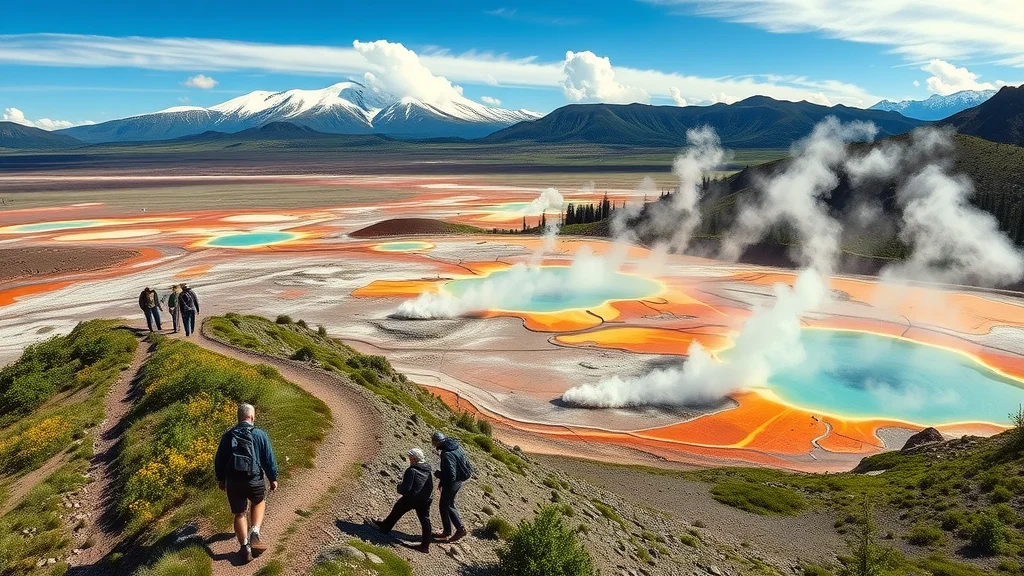
Lassen Volcanic National Park geothermal hike with volcano peaks and steaming vents

Geothermal Hikes and Volcano Road Trips: Where Fire Meets Earthly Beauty

At the crossroads of geology and spectacle, Lassen Volcanic National Park embodies one of North America's most diverse collections of geothermal activity and active volcanism. Geothermal hikes here aren’t just trails—they are immersive science lessons, best experienced up close. Picture walking through fields where steam vents (called fumaroles) create surreal, otherworldly scenes, or pausing at a muddy hot spring to hear the gurgle of water heated far below your feet. This isn’t just dramatic scenery; these features are visible signs of the Earth’s dynamic inner workings. A volcano road trip through Lassen, meanwhile, introduces you to several types of volcanoes, from vast shield forms to distinctive lava domes, each telling a chapter of the park's eruptive past.

Ignoring the unique geology of Lassen not only means missing out on awe-inspiring experiences, but also overlooks the real risks and safety knowledge every hiker and road tripper should know. From snow-blocked mountain roads—often lingering into late spring or even summer—to sudden shifts in trail accessibility due to rock slides or hydrothermal hazards, these conditions can surprise the unprepared. For those planning extended adventures or seeking reliable power for their devices during remote hikes, exploring portable solutions like the Bluei Elite 200 V2 Power Station can add an extra layer of convenience and safety to your Lassen journey.
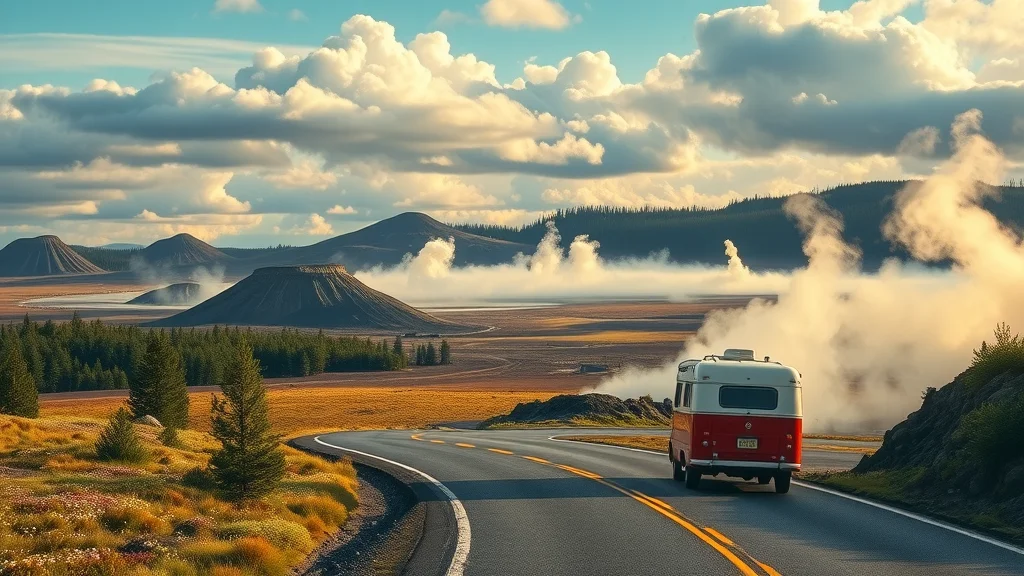
Volcano road trip in Lassen Volcanic National Park with geothermal steam and wildflowers

Why Lassen’s Geothermal Hikes and Volcano Road Trips Transform Nature Exploration

Lassen Volcanic National Park’s distinct blend of steaming hydrothermal areas, prolific wildflower meadows, and snow-laced volcanic peaks offers a rare chance to witness nature’s versatility and raw power. Visitors who embark on geothermal hikes are rewarded with up-close views of active steam vents, bubbling hot springs, and colorful mineral deposits—landscapes constantly remodeled by volcanic energy just beneath the surface. Exploring the volcano road trip route lets travelers experience a timeline of eruptions, domes, and craters that few parks can rival, tracing the ongoing story of an ever-evolving land.

These experiences do more than simply dazzle the senses; they foster a sense of wonder and scientific curiosity in all ages. Stepping onto a trail, visitors learn how natural forces create and destroy, and how delicate ecosystems depend on the balance of heat, water, and rocky terrain. The dynamic beauty also translates into healthful benefits: time outdoors amid geothermal marvels inspires physical movement, encourages mindfulness, and ignites a fascination with Earth science. For many, a visit to Lassen is not just an escape, but a transformational journey—one that stirs the imagination and deepens respect for the restless Earth beneath our feet.
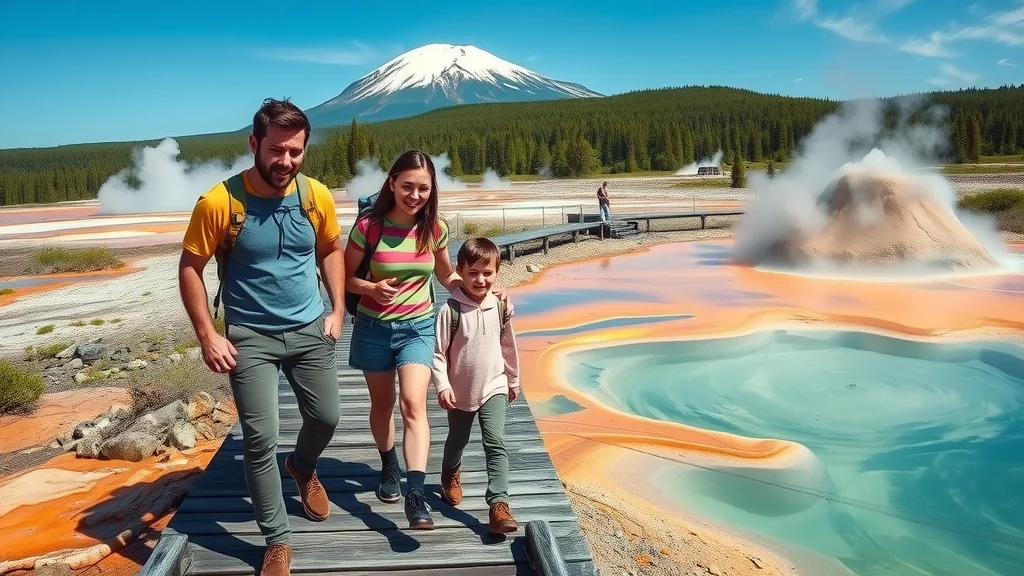
Exploring geothermal hikes at Lassen National Park: steaming mud pots and volcanoes

Seasons of Change: How Weather and Access Shape Your Geothermal Journey

At Lassen, the adventure is shaped as much by nature’s mood as by the geology. Each spring brings massive snowfall, sometimes piling up to 30 or 40 feet in the higher elevations. The main park road—winding through stunning volcanic vistas—requires weeks of snow-clearing operations before it opens fully for summer traffic. Hikers eager for geothermal experiences may find some trails only partially accessible during the early season, making flexibility and up-to-date information essential for all visitors.

Yet, these seasonal challenges turn into opportunities. When sections of the road are closed to vehicles, they become rare corridors for hikers and bicyclists, offering tranquil exploration beneath bright mountain sunshine. Wildflowers emerge as the snow retreats, transforming meadows and trailsides into vibrant tapestries. For those planning their volcano road trip, timing is key: early summer provides solitude and lingering snow scenes, while late summer and fall reveal the park in full splendor, letting you connect with every geothermal attraction and sweeping vista along the way.

Trail Etiquette and Safety: Navigating Dynamic Geothermal Terrain

Unlike more predictable hiking environments, Lassen’s geothermal areas demand extra caution and respect. Trails often pass close to scalding water sources, fragile mineral crusts, and hidden hydrothermal features—stepping off marked paths can be dangerous, even life-threatening. The park’s educational resources, including interactive maps and ranger-led programs, underscore the importance of following guidelines, watching for hazards, and preparing for changing weather conditions.
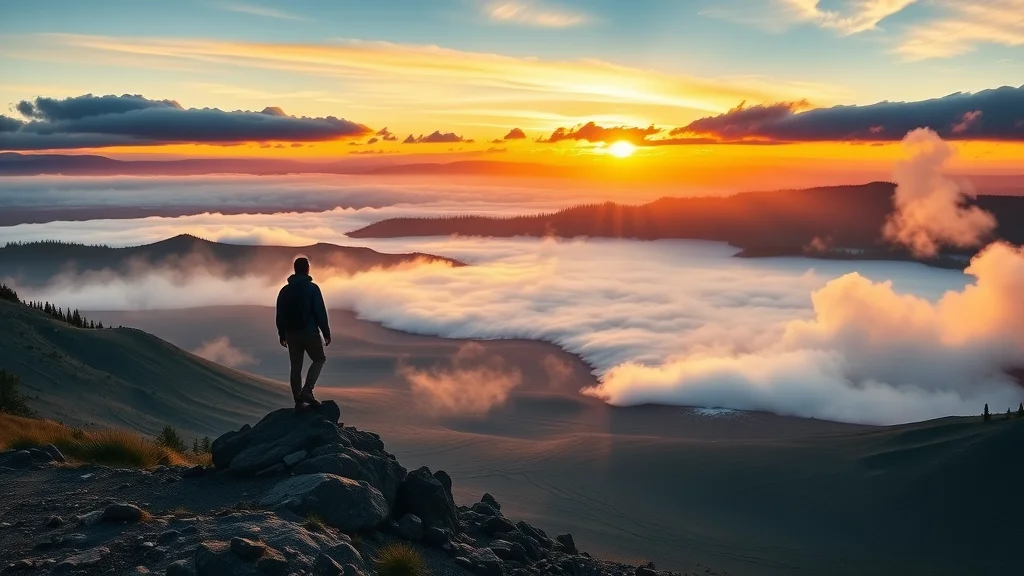
Sunrise over Lassen Volcanic National Park geothermal landscape with volcano views

Bringing pets requires research: certain areas are restricted not just to protect the fragile landscape, but to safeguard animals from the unique hazards that comes with geothermal terrain. Visitors planning to camp, walk, or bicycle along the volcano road should regularly consult alerts and conditions provided by the park to ensure up-to-date knowledge of any closures or risks. By embracing a culture of safety and stewardship, every hiker and road tripper can enjoy these fiery and fascinating landscapes while protecting them for future generations.

Lassen’s Role in Outdoor Education and Expanding Curiosity

Lassen Volcanic National Park stands out not only for its dramatic landscapes, but also for its commitment to public understanding and active learning. The park’s philosophy centers on expanding minds—offering ranger-led programs, field trip opportunities, and resources that ignite curiosity about geology, ecology, and the interplay between people and place. Visitors are invited to participate, ask questions, and explore stories of volcanoes, night skies, birds, and the subtle ecological balances unique to hydrothermal environments.

This educational focus is part of a larger mission: encouraging stewardship of wild lands and respect for their evolving stories. By highlighting both the risks and rewards of exploring a living volcanic landscape, Lassen inspires visitors of all ages to look deeper—to not just see, but truly understand and appreciate the forces shaping our world. In doing so, the park becomes an active classroom, where adventure and learning go hand-in-hand.

Outdoor Voices: Real Visitor Reflections on Lassen’s Geothermal Hikes

The spirit of Lassen Volcanic National Park often comes alive in the memories and experiences shared by those who walk its trails. Without crowds to distract, the beauty and power of nature make a lasting impression on anyone prepared to explore with an open mind—and a little flexibility for changing conditions.

Beautiful park with various sights to check out and enjoy! Lots of hiking trails. It wasn’t busy when we went which was lovely. So many unique features that we appreciated! If you get the opportunity to go during summer or early fall, definitely check it out!

The sense of discovery and wonder echoed in this review is what awaits each visitor willing to embrace Lassen’s geothermal hikes and volcano road trip experience. Those who plan wisely, remain curious, and respect the land’s powerful forces are rewarded with exceptional views, scientific insight, and treasured memories—no matter the season. Truly, Lassen continues to inspire all those who encounter its living, breathing landscape.

What the Power of Geothermal Hikes and Volcano Road Trips Will Mean for Future Travelers

As visitors continue to seek meaningful connections with nature, Lassen Volcanic National Park’s geothermal hikes and volcano road trip routes set a new standard for experiential adventure. These journeys are more than scenic walks—they are invitations to understand the living forces that pulse beneath our landscapes. From the stewardship-focused education offered by the park to its unique blend of solitude and spectacle, Lassen represents a vital piece of California’s wild heritage.

Those who embrace the adventure find that each puff of steam, every volcanic cone, and all the wildflower-freckled meadows form lasting reminders to respect Earth’s dynamic beauty. With ongoing commitment to safety, learning, and accessibility, Lassen Volcanic National Park continues to lead as a source for discovery, adventure, and inspiration for generations venturing into the world of geothermal hikes and volcano road trips.

If you’re inspired by the idea of exploring Lassen’s geothermal wonders and want to elevate your outdoor experience, consider how the right gear and preparation can make your journey even more rewarding. For RVers and nomads seeking reliable power solutions on the road, learning about the advantages of the Bluei Elite 200 V2 Power Station can help you stay connected and comfortable during your adventures. Dive deeper into the best deals and practical tips for RV travel by visiting our comprehensive guide on power stations for RVers, and discover how technology can enhance your next national park road trip.

Contact the Experts at Lassen Volcanic National Park

If you’d like to learn more about how geothermal hikes and volcano road trips could benefit your next outdoor adventure, contact the team at Lassen Volcanic National Park. 📍 Address: California, USA 📞 Phone: +1 530-595-6100 🌐 Website: https://www. nps. gov/lavo/index. htm

Lassen Volcanic National Park Location and Availability

🕒 Hours of Operation: Please check the official website or call ahead for current seasonal hours and any road or trail closures, as Lassen’s hours and access vary due to weather and road clearing operations. For detailed planning, visit the official park site or contact the park directly.
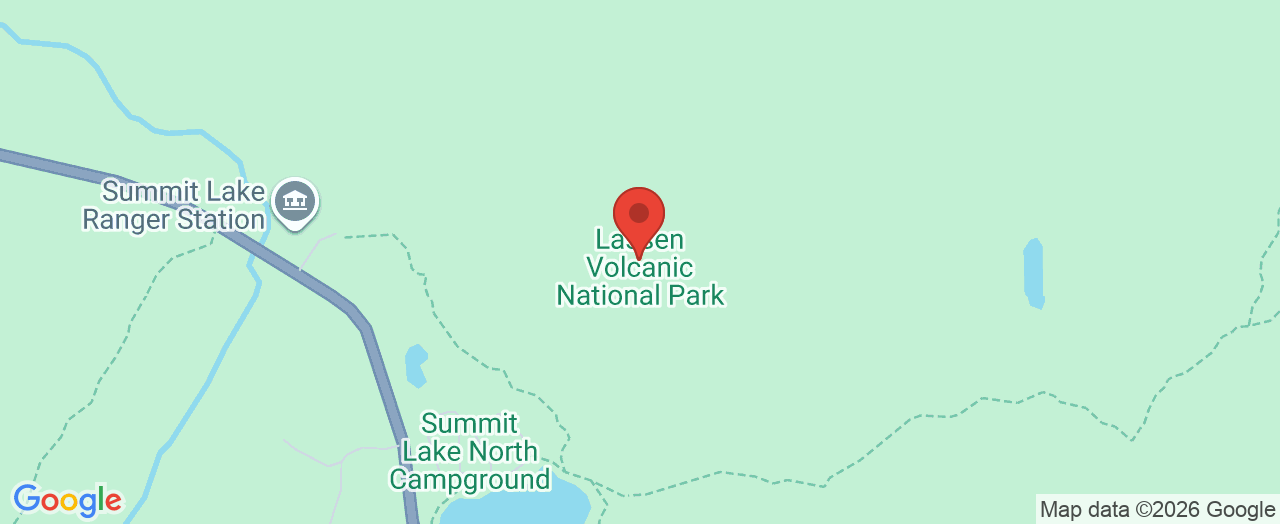
Location Map
National Parks

0 Comments

Write A Comment

*
*
Please complete the captcha to submit your comment.
Related Posts All Posts

Discover Lake Clark National Park Bear Viewing Secrets

Lake Clark National Park and Preserve 📍 Address: Alaska, USA 📞 Phone: +1 907-644-3626 🌐 Website: https://www.nps.gov/lacl/index.htm ★★★★★ Rating: 4.7 Unveiling Alaska’s Untamed Beauty: Why Lake Clark Has Become a Must-See for Wildlife and Adventure Seekers Imagine soaring above steaming volcanoes, gliding over turquoise lakes, and witnessing wild bears fishing in pristine rivers—all in one breathtaking landscape. This is not a nature documentary—this is Lake Clark National Park, a destination where Alaska’s wilderness remains unspoiled and viscerally real. For adventurers and wildlife lovers, the chance to view bears, experience volcano flights, and see one of the world’s greatest salmon runs is more than a bucket-list item; it’s a once-in-a-lifetime connection with nature’s raw spectacle. Yet, despite its captivating beauty and abundant wildlife, many travelers overlook Lake Clark in favor of Alaska’s larger and more accessible parks. Few realize that bear viewing here can rival—or even surpass—the experiences found in more famous destinations. With no roads leading in, reaching the park is its own adventure, testing both a sense of curiosity and a desire for rare encounters with Alaska’s wildest inhabitants. This remoteness makes each step inside Lake Clark feel like a discovery, a journey back to a world where brown bears feast on salmon beneath the gaze of mist-shrouded volcanoes. Unlocking these secrets isn’t just about seeing nature; it’s about understanding how deeply wilderness shapes both landscape and culture along the shores of this Alaskan wonder. For those intrigued by the intersection of predator and prey, geology and geography, Lake Clark offers a rare stage: where salmon migrations fuel incredible bear sightings, volcanoes sculpt dramatic backdrops, and Indigenous traditions continue to thrive alongside natural wonders. The landscape demands respect, preparation, and a willingness to venture beyond comfort zones—qualities that reward visitors with perspectives few places on earth can match. Delve deeper into this story to discover not just where and how to see the wonders of Lake Clark, but why these experiences matter—for conservation, for culture, and for every adventurer searching for authentic connection with the world. The Science and Soul Behind Bear Viewing, Volcano Flights, and Salmon in Lake Clark National Park Lake Clark National Park is not just another stop on an Alaskan itinerary—it is a living canvas where immense forces shape opportunities for rare experiences. The park encompasses an intact ecosystem, preserving the ancestral homelands of the Dena’ina Athabascan people and the headwaters of the world’s largest sockeye salmon fishery. When visitors arrive, often via small plane or boat, they don’t simply enter a landscape—they step into a dynamic wilderness ruled by ancient cycles. Bear viewing here is both science and spectacle. The convergence of massive salmon runs along the Newhalen River and Coastline draws large populations of brown bears every summer. For these powerful omnivores, the salmon migration means survival, and visitors are given an unparalleled seat to observe not only their hunting prowess but also their place in the broader ecological tapestry. Meanwhile, volcano flights over steaming peaks add another layer to the story, providing context about how geology and wildlife intersect in dramatic, ever-changing ways. Without understanding the interplay between natural forces—the dangers and wonders of wilderness, the fragility of salmon populations, and the demands of the rugged terrain—travelers miss what makes Lake Clark truly unique and transformative. To visit Lake Clark without understanding its scientific depth and cultural significance is to see only a shadow of its true character. The park’s wildness is both a promise and a challenge. Inexperienced travelers may not realize how essential preparation is for this remote adventure, or how the cycles of salmon, bear, and volcano create an ecosystem like no other. Those who take the time to learn—and respect—the natural order are rewarded with the full spectacle: up-close bear encounters, striking vistas of volcanic landscapes, and a pulse of life that has persisted for millennia. This is education and awe blended seamlessly. For those planning extended adventures in remote areas like Lake Clark, having reliable power can make a significant difference in safety and comfort. Many RV nomads and wilderness explorers have found that portable solutions such as the Bluei Elite 200 V2 Power Station offer dependable energy for essential devices, making off-grid experiences more accessible and enjoyable. Why Bear Viewing and Volcano Flights in Lake Clark Redefine the Alaskan Wilderness Experience Lake Clark National Park and Preserve offers visitors a unique window into the hidden heart of Alaska—where wilderness isn’t just scenery, but a vibrant, evolving system. The opportunity to witness bear viewing is one of Lake Clark’s standout experiences, drawing nature lovers from around the world. Unlike more crowded parks, here you step into tranquil settings where brown bears roam freely, foraging along shorelines and rivers, particularly during the stunning salmon run. These encounters, shaped by the park’s thriving sockeye salmon population, are unmatched for their intimacy and authenticity, offering sights and sounds that etch into memory. Volcano flights enhance this sense of awe, providing a breathtaking aerial perspective on landscapes sculpted by powerful geological forces. Watching columns of steam rise from active peaks and staring down at rugged crags mirrored in turquoise lakes, visitors not only observe but truly appreciate the connections between land, water, and wildlife. Such vantage points illuminate the full tapestry of the park—how salmon migrations sustain bears, how volcanic soil enriches forests, and how every piece of the ecosystem is interwoven. The outcomes for guests are more than photographs; they are moments of wonder and a deeper respect for the natural world. These transformational experiences come with real-world relevance. Gaining firsthand knowledge of how volcanoes, salmon, and bears together shape the land can shift understanding from passive appreciation to active stewardship. It is a lesson echoed in the ongoing monitoring of salmon populations and the continued importance of wilderness for both modern Alaskans and the Dena’ina people. The benefits go beyond personal gratification—they cultivate empathy, awareness, and a lifelong connection to the preservation of wild places. From Ancestral Wisdom to Modern Adventure: The Cultural and Ecological Roots of Bear Viewing The interconnectedness of life in Lake Clark National Park runs deep—not just in the streams where salmon swim and bears fish, but in the cultural fabric of the Dena’ina Athabascan people. Their ancestral homelands lie along Lake Clark’s shimmering shores, and their relationship with the land reflects a holistic approach to both wilderness stewardship and personal sustenance. Here, subsistence is more than a way to survive; it is a vehicle for cultural heritage, spiritual strength, and community identity. Understanding the significance of bear viewing, volcano flights, and salmon runs is inseparable from acknowledging the wisdom embedded in these traditions. The salmon’s annual migration doesn’t merely bring food for bears and people, it underpins the health of the entire ecosystem. Protecting these cycles ensures the future of both human and animal communities. For modern visitors, patience and respect for the land—qualities threaded through Dena’ina values—offer a richer, more meaningful adventure. It is a reminder that awe and education go hand in hand in these wild spaces. Planning for the Wild: Tips for Safe Bear Viewing and Volcano Excursions in Lake Clark Adventure in Lake Clark is unforgettable, but not without its demands. There are no roads into the park, which means every visitor must prepare for access via plane or boat. This requirement shapes the entire experience—from packing essentials for remote travel to understanding park rules that protect both visitors and wildlife. Safety takes on a whole new meaning in a landscape where bears freely roam and where weather and volcanic activity dictate travel plans. Visitors are encouraged to acquaint themselves with guidelines for safe bear viewing and explore resources like the park’s “A Day on the Lake Clark Coastline” orientation and backcountry tips. Packing for the elements, respecting wildlife habitats, and being aware of salmon monitoring efforts are all part of a responsible adventure. As with any wild place, situational awareness and flexibility transform potential risks into memories of a lifetime, ensuring that every encounter—with bears, volcanoes, or Indigenous traditions—is both safe and profound. The Pulse of the Wilderness: Salmon Runs, Bear Behavior, and Why Timing Matters The timing of a visit to Lake Clark can make all the difference, especially for travelers eager to witness the full drama of the salmon run. Monitoring efforts along the Newhalen River track the pulse of sockeye salmon populations as they return home to spawn—a phenomenon that directly shapes the feeding behavior of local bears. Knowing when these migrations peak is key to maximizing bear viewing opportunities, with late June through August typically offering the most action along rivers and lakesides. But there’s more than just numbers—this is about understanding the natural choreography of an intact ecosystem. Visitors lucky enough to plan around salmon runs are treated to scenes of brown bears fishing side by side, surrounded by the echoes of Alaska’s wild heart. Beneath this spectacle lies a deeper message: the health of salmon runs is a barometer for the wider environment, connecting the cycles of bear, fish, and volcanic landscape in ways both delicate and profoundly resilient. Lake Clark’s Philosophy: Stewardship, Education, and Deep Connection to Wilderness Lake Clark National Park and Preserve is more than just a haven for wildlife and dramatic scenery; it is a landscape defined by a strong ethos of stewardship and education. Preserving an intact ecosystem at the headwaters of the world’s largest sockeye salmon fishery, the park prioritizes both scientific integrity and cultural continuity. The mission is to ensure that future generations can experience the same sense of wonder—watching bears in their natural environment, flying over volcanoes, and learning the enduring values of Alaska’s wild heart. The park’s approach emphasizes respect for both local tradition and scientific observation. Ongoing salmon monitoring, public lesson plans, and opportunities for real-world learning—such as the “Junior Ranger Journey” and printable bear lessons—invite visitors not just to watch, but to participate in the conservation story. Lake Clark asks everyone to become part of the wilderness, recognizing that adventure isn’t just an escape but a responsibility to tread lightly and honor a shared natural heritage. This philosophy is evident in every aspect of the Lake Clark experience. From orientation films and backcountry preparation to rules centered on safety and respect, every initiative is designed to foster an immersive understanding of how culture, ecology, and wildness are intertwined. By challenging visitors to embark on thoughtful, well-prepared journeys, the park embodies the spirit of Alaska: stunning, vast, and always connected to something deeper than the trail beneath your feet. What Visitors Say: Wilderness Encounters and Lasting Impressions Personal stories from visitors bring the park’s wonders to life, revealing the real impact of bear viewing, volcano flights, and salmon runs in Lake Clark. For many, the journey is defined not just by the scenery, but by the feelings evoked—of awe, belonging, and the thrill of unfiltered wilderness. Guests repeatedly mention experiencing more bears than in any other park, and describe the park’s beauty as unmatched, even in comparison to Alaska’s other renowned destinations. Absolutely gorgeous! Of the 5 Alaska national parks I’ve visited, this was my favorite and imo the prettiest. I also saw more bears here than at the more famous and popular Katmai. The flight in had magnificent views as well out the window. The boat tour was cozy and awesome as was our guide/captain. A++ Experiences like these validate what adventurers hope for: a place where wildness still reigns and unforgettable moments await at every turn. The emotions behind each endorsement—gratitude, amazement, serenity—are shared by all those fortunate enough to explore Lake Clark. Taking action to experience this park means more than checking a box; it is participating in a living story, adding personal meaning to the legacy of Alaska’s untamed beauty. Lake Clark National Park as Alaska’s Gateway to Authentic Wilderness As the story of Lake Clark National Park unfolds, one thing becomes abundantly clear: this is a place where bear viewing, volcano flights, and salmon runs transcend typical adventure and become pathways to understanding nature itself. Each aspect—from the thrill of close wildlife encounters to the humbling scope of ancestral lands—underscores the park’s role as protector and educator in Alaska’s wild frontier. The lessons learned here reach far beyond the boundaries of the park, inspiring a commitment to stewardship and awe. Lake Clark National Park and Preserve stands out not just for what is seen, but for what is felt—the sense that genuine wilderness is alive, valuable, and worth preserving for everyone. Its contribution as a living classroom and natural sanctuary makes it a beacon for those seeking not only adventure but also meaning in the world’s last great wild places. The secrets of bear viewing, volcano exploration, and the salmon lifecycle offer endless stories for those who are willing to listen, learn, and take the leap into Alaska’s heart. If you’re inspired to elevate your wilderness journeys even further, consider exploring how innovative gear and technology can enhance your experience. Our guide to the best portable power solutions for RVers and explorers reveals how the right equipment can empower longer, safer, and more immersive adventures in remote destinations like Lake Clark. Whether you’re planning your first trip or seeking to deepen your connection with Alaska’s wild heart, embracing new tools and insights can help you unlock even more of what this extraordinary landscape has to offer. Contact the Experts at Lake Clark National Park and Preserve If you’d like to learn more about how bear viewing, volcano flights, and the salmon lifecycle could enrich your understanding of Alaska’s wilderness, contact the expert staff at Lake Clark National Park and Preserve. 📍 Address: Alaska, USA 📞 Phone: +1 907-644-3626 🌐 Website: https://www. nps. gov/lacl/index. htm Lake Clark National Park and Preserve: Location and Availability 🕒 Hours of Operation: For updated information on park hours, services, and seasonal availability, visitors should check the National Park Service website or reach out directly via phone.

Discover Kings Canyon National Park Giant Sequoias Wonders

Kings Canyon National Park 📍 Address: California, USA 📞 Phone: +1 559-565-3341 🌐 Website: https://www.nps.gov/seki/index.htm ★★★★★ Rating: 4.8 Unveiling Nature’s Giants: Why Kings Canyon’s Sequoias and Scenic Drives Captivate All Imagine standing dwarfed under a living organism older than the Roman Empire and wider than the average city street. These aren’t just trees—they are natural skyscrapers, silent witnesses to millennia of change and resilience. The allure of Kings Canyon National Park is defined by these colossal sequoias and the dramatic canyons that cut through the heart of California’s Sierra Nevada, offering both adventure and a humbling glimpse into Earth’s deep history. Yet, for many, these wonders remain lesser known compared to their famous counterparts, quietly guarding their secrets and serenity. Kings Canyon National Park’s giant sequoias and canyon scenic drives present a rare combination: ancient forests adjoin some of the deepest gorges in North America. This landscape isn’t just beautiful—it’s a dynamic classroom, a restorative escape, and a place to witness the intricate relationships between land, water, and towering plant life. The park’s variety—ranging from towering tree groves to sharply etched granite valleys—is a reminder that true wilderness is complex, alive, and fragile. Understanding Kings Canyon means looking beyond postcards; it means recognizing both the grandeur and the vulnerabilities that define this extraordinary place. As wild landscapes everywhere face mounting pressures, visiting and learning about these groves and scenic drives is more than a pastime—it's a call to connect with the planet's natural history. Whether through an easygoing car journey, a rugged hike, or a quiet moment beneath the shady cathedral of ancient sequoia limbs, exploring Kings Canyon National Park offers a sense of scale that is increasingly rare in our busy world. This guide will unlock what makes the park’s giant sequoias and canyons iconic and essential for anyone seeking profound natural beauty and adventure. Giant Sequoias and Scenic Byways: An In-Depth Look at Kings Canyon’s Signature Appeal The giant sequoias of Kings Canyon National Park are among the largest living things on Earth, some soaring over 250 feet and living for more than 3,000 years. These ancient trees thrive in deep, moist mountain soil—a delicate balance that has allowed them to become natural pillars of both their ecosystems and human awe. Spanning lush groves like those in Cedar Grove, these trees form ecosystems teeming with diverse plant and animal life, all adapted to the unique light, moisture, and soils of the Sierra Nevada. Kings Canyon National Park giant sequoias and canyon scenic drives are more than simple sightseeing; they are a journey through time, climate, and ecosystem resilience. Driving the park’s byways, visitors transition from foothill woodlands into cathedral-like sequoia forests, then drop down into one of the continent’s deepest canyons. These scenic routes aren’t simply conduits from one viewpoint to another—they offer access to ever-changing geological drama, from sheer cliffs to rolling river valleys, broad meadows, and vibrant wildflower displays. For those unfamiliar, missing out on this diversity means missing a rare opportunity to witness shifting topographies and the critical interplay of water, forest, and stone in shaping the Sierra. For RV travelers seeking to make the most of their journey through Kings Canyon’s scenic byways, having a reliable power source can greatly enhance comfort and flexibility. Exploring options like the Bluei Elite 200 V2 Power Station can help ensure your adventures remain powered up, whether you’re camping among the sequoias or pausing at a breathtaking overlook. Today, as climate change and human impact threaten many wild places, understanding and respecting these landscapes is more necessary than ever. The sequoias, seemingly immortal, are in fact vulnerable—relying on wildfire cycles, groundwater stability, and conservation efforts. Meanwhile, the scenic canyon roads require respectful driving and an awareness of shifting mountain weather. By learning about these intricacies, visitors not only enrich their experiences but also help to ensure these wonders remain for generations to come. How Kings Canyon’s Scenic Majesty and Sequoia Groves Transform Every Visit Thanks to careful stewardship and detailed visitor information, exploring Kings Canyon's landscape offers far more than impressive views. The park’s expansive system of trails and drives allows people of nearly all abilities to experience the majesty of these ancient forests and dramatic canyons first-hand. Whether embarking on iconic hikes like Mist Falls or relaxing in serene meadows, visitors discover an immersive environment where every season brings new wonders—from roaring waterfalls in spring to fiery foliage each autumn. Travelers gain access to a dynamic natural stage where wildlife abounds: deer, black bears, and countless birds flourish amid the towering trees and cool river valleys. With well-maintained routes and accessible recreational opportunities, even a day trip promises awe and surprise. Notably, the relatively lower level of crowds compared to neighboring Sequoia National Park makes Kings Canyon a prime destination for those seeking peace and solitude alongside their adventure. These qualities combine to create not just a great escape, but a deep sense of connection—with history, with nature, and with one’s own sense of wonder. Importantly, the park equips visitors with knowledge and resources to stay safe and maximize enjoyment—offering up-to-date information about current conditions, weather, and wildlife. Learning to recognize the needs of the environment, from bear safety to responsible hiking, means that each trip is rewarding while helping to protect these iconic features. The giant sequoias and sweeping canyons aren’t just natural attractions; they are living reminders of time’s passage and nature’s majesty—offering visitors the chance to be part of something far bigger than themselves. History Shaped by Giants: Tracing the Story of Kings Canyon’s Ancient Sequoias Long before the park’s creation, this region was a meeting ground of natural forces and human curiosity. The giant sequoias have stood as silent witnesses to changing climates, indigenous peoples, explorers, and pioneers alike. The designation of Kings Canyon and Sequoia as national parks marked a turning point: a national recognition of the need to safeguard ancient forests, breathtaking canyons, and unique wildlife habitats. Each time visitors walk among these trees or gaze over the canyon rim, they step into a living legacy—a space where past and present converge in the shade of giants. The Science and Future of Ecosystems: Protecting the Next Thousand Years Beyond their impressive size, giant sequoias and the landscape of Kings Canyon embody an evolving ecological story. Sequoias depend on fire for reproduction and for preserving their unique biome, while the canyon’s rivers and cliffs support rare plants and dynamic animal communities. As global environmental conditions shift, preserving these habitats requires active stewardship—monitoring climate impacts, managing fire safely, and fostering public education about their importance. Forward-thinking conservation ensures that not only today’s visitors, but also those centuries from now, will stand in awe in these same groves and valleys. Practical Guide: Navigating the Park’s Scenic Drives and Trails for Maximum Reward A visit to Kings Canyon National Park can be tailored for any skill level, time frame, or interest. The canyon’s scenic byways provide eye-level views into thousand-foot gorges, meandering river corridors, and tranquil forests, while easily accessible stops reveal rock formations and opportunities for wildlife spotting. Packing layers, sturdy shoes, water, and even binoculars will enhance the journey, helping explorers adapt to changing climates and make the most of their adventure. For those seeking a deeper connection, reserving campsites in advance and planning hikes to iconic areas like Zumwalt Meadow or Rae Lakes Loop can unlock a richer, more immersive wilderness experience. Ecological Reverence: Kings Canyon’s Approach to Preserving Natural Diversity Ingrained in Kings Canyon National Park’s management philosophy is the recognition that every aspect of its terrain—from the tallest sequoia to the smallest wildflower—contributes to a complex and resilient whole. The official park mission centers on stewarding a landscape that is both vast and fragile, emphasizing education, public safety, and accessibility for all. Acknowledging the vulnerability of these ancient groves is paramount, as rising threats from drought, fire, and visitation require adaptive, science-driven approaches. Information supplied on current conditions, wildlife safety, and visitor impact empowers the public to enjoy the park while helping to protect its irreplaceable resources. This commitment to accessibility stands out: recreational opportunities cater to a wide range of visitors, and the park’s resources ensure that knowledge—about both adventure and responsibility—is easy to obtain. Detailed maps, seasonal updates, camping guidelines, and wildlife advisories serve the greater aim of fostering respect, curiosity, and safety. Kings Canyon’s unique blend of awe-inspiring scenery and careful guidance distinguishes it as an authority in balancing public enjoyment with ecological preservation. In every recommendation and reported condition, the park models a forward-thinking, inclusive, and deeply respectful relationship with the land. Voices from the Canyon: Real Visitor Perspectives on Kings Canyon’s Lasting Impact It is often the words of those who have experienced Kings Canyon National Park firsthand that reveal the true magic found within its groves and gorges. One recent visitor described the park in a way that brings its grandeur and unique solitude to life: Kings Canyon National Park is a true hidden gem of the Sierra Nevada, offering dramatic landscapes, deep valleys, and towering mountains that feel almost untouched by time. The park’s centerpiece, Kings Canyon itself, is a breathtaking gorge—one of the deepest in North America—flanked by cliffs that soar thousands of feet above the valley floor. Standing in the canyon, you get a real sense of scale and the raw power of nature. The park is perfect for hikers and outdoor enthusiasts. Trails like Mist Falls, Rae Lakes Loop, and Zumwalt Meadow showcase a mix of rugged terrain, lush forests, sparkling rivers, and serene meadows. The towering sequoias in the Cedar Grove area are equally impressive, offering a quieter, less crowded experience than neighboring Sequoia National Park while still showcasing these ancient giants. Wildlife is abundant, from deer and black bears to a variety of birds, making every hike feel alive and dynamic. The scenery changes with the seasons—spring brings wildflowers and rushing waterfalls, summer offers hiking and camping opportunities, and fall adds a splash of color to the forests. Kings Canyon feels vast, peaceful, and largely untouched, offering a sense of solitude that’s increasingly rare in popular parks. It’s a must-visit for anyone looking to experience the grandeur of the Sierra Nevada, whether you’re hiking, photographing, or simply soaking in the majestic landscapes. —MrMeowNow Insights like these illustrate how exploring the giant sequoias and scenic drives offers something far greater than just sightseeing—it provides a sense of peace, awe, and a renewed connection with nature’s grandeur. For many, this experience leaves a lasting impression, sparking both gratitude for the park’s preservation and a desire to return, season after season. Choosing to learn more and plan a visit might be the first step toward discovering a natural wonder that feels both timeless and profoundly personal. Why Visiting Kings Canyon’s Giant Sequoias and Scenic Canyons Matters Now More Than Ever Kings Canyon National Park’s unique combination of giant sequoia groves and dramatic canyon landscapes stands as a living testament to nature’s grandeur and resilience. In a time of uncertainty and environmental change, the park’s commitment to preserving these wonders—while making them accessible and meaningful for all—is more than a public service; it’s a model for stewardship in action. Every journey through the giant tree forests or along winding canyon drives deepens understanding not only of the land itself, but of our collective responsibility to preserve such treasures. As an authority in natural history, conservation, and accessibility, Kings Canyon National Park continues to shape what it means to truly experience—and care for—the world’s great wild places. The lessons learned here echo far beyond park boundaries, reminding visitors that each encounter with these living giants and breathtaking vistas is both a privilege and an inspiration. Now is the perfect moment to discover or rediscover the transformative power of Kings Canyon National Park giant sequoias and canyon scenic drives. If you’re inspired to elevate your outdoor adventures even further, consider exploring the latest innovations that make extended journeys more comfortable and self-sufficient. Learning about the best deals on portable power solutions, such as the Bluei Elite 200 V2 Power Station, can help you stay connected and prepared for any adventure—whether you’re planning a weekend getaway or a cross-country RV expedition. Embracing these advancements not only enhances your experience in places like Kings Canyon but also opens up new possibilities for exploring the wild with confidence and ease. Contact the Experts at Kings Canyon National Park If you’d like to learn more about how Kings Canyon National Park’s giant sequoias and scenic canyon drives could enhance your next outdoor journey, contact the team at Kings Canyon National Park. 📍 Address: California, USA 📞 Phone: +1 559-565-3341 🌐 Website: https://www. nps. gov/seki/index. htm Kings Canyon National Park Location and Availability For hours of operation, current alerts, and detailed visitor information, refer to the park’s official 🌐 Website: https://www. nps. gov/seki/index. htm

Unlock the Magic of kenai fjords national park glacier cruises

Kenai Fjords National Park 📍 Address: Seward, AK 99664, USA 📞 Phone: +1 907-318-2040 🌐 Website: https://www.nps.gov/kefj/index.htm ★★★★★ Rating: 4.9 Where Ice, Ocean, and Adventure Await: A Deep Dive into Kenai Fjords Wonders Imagine standing at the crossroads of mountain, ocean, and ice—where time seems to freeze, and every breath fills your lungs with the pure Arctic air. This is the promise of Kenai Fjords National Park, a land defined by its mighty glaciers, abundant wildlife, and the unyielding beauty that typifies the Alaskan wilderness. Each year, thousands venture here, seeking the exhilaration of glacier cruises and the profound serenity of Exit Glacier hikes, only to discover an environment that is as humbling as it is unforgettable. The magic of Kenai Fjords National Park glacier cruises and Exit Glacier hikes lies not just in the dramatic landscapes or the sweeping views but in the raw, living geography that has evolved over millennia. The intersection of ancient icefields and teeming marine ecosystems offers a front-row seat to nature’s most spectacular exhibitions—and poses unique questions about resilience and change in our natural world. For anyone yearning to uncover why these experiences remain etched in the memory long after the journey, understanding their true value is more than recreation—it’s a lesson in geography, climate, and conservation. Exploring a Land Shaped by Ice: What Makes Glacier Cruises and Exit Glacier Hikes Essential Kenai Fjords National Park is a testament to the enduring might of glaciers, with nearly 40 icy rivers cascading from the Harding Icefield to form jaw-dropping fjords and sculpt the surrounding wilderness. Participating in glacier cruises is the most immersive way to comprehend the dynamics of these landscapes; it places you amid fjords carved by millennia of advancement and retreat. These journeys allow for up-close viewing of dazzling blue ice, the thunder of calving glaciers, and the chance to witness seals, sea otters, and seabirds thriving in these cold, nutrient-rich waters. By contrast, Exit Glacier hikes present a more grounded but equally awe-inspiring passage through time. These hikes—ranging from accessible one-mile loops to more challenging treks—offer a rare insight into the life cycle of glaciers and their visible response to climate change. Walking along trails leading to the glacier’s edge, visitors confront the powerful reality of melting ice—a tangible reminder of environmental transformation. Neglecting to experience these wonders firsthand means missing out on an intrinsic part of Alaska’s story—one where geology, ecology, and human curiosity all meet. The significance of glacier cruises and Exit Glacier hikes endures far beyond the postcard-perfect scenery; they embody the urgent lessons and captivating beauty that this national park offers. For those planning extended adventures in Alaska’s wild spaces, ensuring reliable power on the road can make all the difference. Many RV travelers exploring Kenai Fjords and other remote destinations have found that investing in a portable power solution, such as the Bluei Elite 200 V2 Power Station, helps keep essential devices charged and ready for every glacier cruise or trail hike. Why Kenai Fjords National Park Glacier Cruises Transform Perspectives on Wilderness Kenai Fjords National Park stands as an expert resource on how to truly immerse oneself in Alaska’s untamed splendor. The sheer proximity to the Harding Icefield and active glaciers accessible via boat tours means every cruise offers more than stunning views—these trips become transformative, connecting visitors directly to the primal forces that have shaped the peninsula. The glaciers themselves are not just static rivers of ice but dynamic, living systems, and observing their ebb and flow illuminates the ongoing processes that define the landscape. The park’s approach, grounded in both accessibility and education, makes these adventures meaningful for everyone: from families seeking enriching experiences to lifelong nature enthusiasts drawn by the promise of seeing wildlife and dramatic environments up close. The benefits extend beyond observation; they offer a foundation for understanding the sensitive interplay between climate, geography, and biology that defines this part of Alaska. Glacier cruises don’t just inspire—they educate, cultivating a lasting stewardship for fragile natural wonders and a heightened appreciation for the world’s remaining wild places. From Ancient Ice to Ever-Changing Fjords: The Living Legacy of the Harding Icefield The dynamic history of Kenai Fjords National Park is written in frozen rivers that stretch from the Harding Icefield towards the ocean. Nearly 40 glaciers flow from this crowning feature, each bearing silent witness to centuries of transformation. As visitors cruise through the fjords or hike alongside the ice, they enter a living tableau—one that still reverberates with the rumblings of post-glacial movement and the changing tides. Witnessing glaciers in retreat or listening to the distant cracks and rumbles of calving ice reveals the delicate state of our environment. These features are not mere relics but active participants in shaping the ecosystem, creating habitat for marine mammals and influencing ocean chemistry. Understanding their timeline—both prehistoric and contemporary—deepens appreciation for why Kenai Fjords stands out as a global example of nature’s resilience and vulnerability. The Art of Exploring Safely: Practical Tips for Glacier Hikes and Fjords Cruises Venturing into glacier country requires more than enthusiasm—it demands preparation and respect for the forces at play. Kenai Fjords National Park emphasizes safety as a cornerstone of every adventure, ensuring visitors have access to real-time information about trail conditions, weather, and wildlife presence. Before setting out on Exit Glacier hikes, travelers should check updated alerts, dress in layered clothing suitable for sudden changes, and follow marked routes to minimize ecological disturbance and preserve personal safety. On glacier cruises, expert guides and captains navigate the fjords while providing insights on the geology, wildlife, and traditional Alaskan cultures interwoven with the landscape. Passengers benefit from observing established best practices, such as maintaining safe distances from wildlife and heeding crew instructions during unpredictable weather or calving events. By taking these precautions, the journey becomes an exploration rooted in both wonder and responsibility—opening the door to nature’s awe without compromising well-being. Connecting with Alaska's Deep Heritage: The Cultural Tapestry Behind the Ice and Ocean Kenai Fjords is more than a scenic wonder; it is also a homeland, deeply connected to the Sugpiat and Alaska Native communities of southcentral Alaska. The seal subsistence practices and traditional qayaq (kayak) builds shared through interpretive programs underscore the intrinsic relationship between people and environment. Every step on an Exit Glacier hike or turn through the fjord-woven waterways tells a story of resilience and adaptation—where the local culture thrives alongside dramatic natural forces. Through ranger-led talks and educational exhibits, visitors gain perspective on how these lands have shaped—and been shaped by—generations. The significance of glacier cruises and hikes, then, extends beyond recreation to include a dialogue between history, culture, and nature. Understanding these stories adds layers of meaning to every view and encounter, offering a richer, more contextualized adventure. Kenai Fjords National Park’s Commitment: Stewardship, Safety, and Science on Display Kenai Fjords National Park’s philosophy centers on preserving both the grandeur and the delicate balance of this terrain. The National Park’s methods foreground visitor education while directly addressing the realities of climate change, as shrinking glaciers demonstrate the planet’s evolving climate system. Curated trails and detailed visitor resources ensure that every hike or cruise is conducted with both safety and minimal impact in mind, maintaining the integrity of delicate ecosystems. This approach is holistic—blending research, heritage, and contemporary stewardship. The park cultivates experiences that inspire awe but also responsibility, hoping every guest leaves informed about their role in preserving these wonders. Whether engaging in citizen science, learning about traditional ecological practices, or simply following Leave No Trace principles, visitors become partners in sustaining a legacy as vast and intricate as the landscape itself. Real Experiences: What Visitors Say About Kenai Fjords National Park Adventures For many, the transformative power of glacier cruises and hikes is first revealed through the stories of those who have witnessed it themselves. Critical acclaim from visitors solidifies the park’s reputation not only for its spectacular beauty but the profound impact it leaves on all who explore it. As one enthusiastic traveler attests: This is a MUST SEE National Park! Stunningly dramatic landscapes that are picture perfect, beautiful glaciers, plentiful wildlife. For me, this National Park was the highlight of my entire vacation. It is quintessential Alaska! The best way to see the park will be to take a boat tour out of Seward. I recommend Major Marine Tours. Such testimony underscores how in-person experiences foster memories and perspectives no photograph could replicate. The rewards of taking the next step—from planning to participation—are countless. Visitors leave with more than breathtaking photos; they carry a deeper appreciation for Alaska’s wild spaces and a conviction that these adventures remain essential, both for personal fulfillment and for the future of natural wonders like Kenai Fjords National Park. Looking Forward: Why Kenai Fjords National Park Glacier Cruises Are Essential for Future Generations As the wilderness of Kenai Fjords National Park continues to shape Alaska’s identity, engaging with its glacier cruises and Exit Glacier hikes becomes not just an adventure, but a vital link in the chain of conservation and education. These experiences bridge the gap between past, present, and future—equipping every visitor with knowledge, reverence, and a call to stewardship. By blending environmental awareness with unforgettable exploration, the park stands as both resource and inspiration for those willing to learn from its icy, oceanic embrace. Kenai Fjords National Park’s role in making glacier cruises accessible and safe, while grounding each journey in scientific understanding and cultural tradition, ensures that this experience will remain essential for years to come. As more people discover the splendor and significance of Kenai Fjords National Park glacier cruises and Exit Glacier hikes, their cumulative impact promises to extend far beyond Alaska, influencing how we all relate to—and protect—the world’s last wild places. If you’re inspired by the spirit of adventure and the call of the wild, consider exploring how innovative gear and technology can enhance your journey. From portable power solutions for RVers to advanced navigation tools, there’s a wealth of resources available to help you make the most of your time in Alaska’s great outdoors. Delve deeper into the essentials for modern explorers by discovering the best deals on portable power stations for RVers—and unlock new possibilities for your next expedition. Contact the Experts at Kenai Fjords National Park If you’d like to learn more about how Kenai Fjords National Park glacier cruises and Exit Glacier hikes could benefit your next adventure, contact the team at Kenai Fjords National Park. 📍 Address: Seward, AK 99664, USA 📞 Phone: +1 907-318-2040 🌐 Website: https://www. nps. gov/kefj/index. htm Kenai Fjords National Park Location and Hours

Terms of Service

Privacy Policy

Core Modal Title

Sorry, no results found

You Might Find These Articles Interesting

T
Please Check Your Email
We Will Be Following Up Shortly
*
*
*