RV Otter
update

Ride With RV Otter

update
  • Home
  • Categories
    • Destinations & Routes
    • Campground Reviews
    • RV Tips & Lifestyle
    • Gear & Essentials
    • On-the-Road Living
    • Traveling with Pets
    • Stories & Adventures
    • RVing on a Budget
    • Boondocking
    • Campground Reviews
    • RV Lifestyle News
    • National Parks
    • State Parks
    • Extra News
    • Central Oregon Coast
    • National Forest
    • Shopping
    • Rentals
    • RV Resorts
    • Business Directory
    • RV Sales & Rentals
    • Destinations
    • Campgrounds & Stays
    • Gear & Rentals
    • RV News & Resources
    • RV Dealerships
    • Destinations 2
  • Businesses
  • Wildlife Refuges
  • update
  • update
  • update
  • update
  • update
  • update
  • update
June 21.2026
1 Minute Read

Discover Petroglyph National Monument Canyon Hikes & Ancient Rock Art

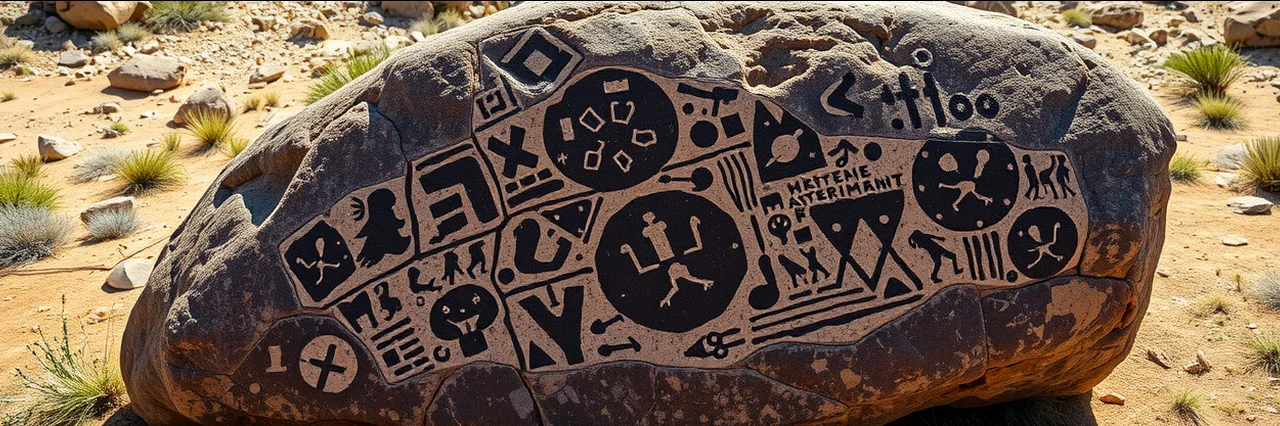
Ancient petroglyph on basalt rock at Petroglyph National Monument canyon hikes

Petroglyph National Monument

📍 Address: Western Trail NW, Albuquerque, NM 87120, USA

📞 Phone: +1 505-899-0205

🌐 Website: https://www.nps.gov/petr/index.htm

★★★★★
Rating: 4.6

Uncovering Centuries on Stone: Why Explore Canyon Hikes and Ancient Rock Art?

Imagine walking along rugged desert trails where every stone may hold a story several centuries old. In an age when so much history is interpreted at a distance, there remains a rare chance to physically stand where ancient peoples expressed their beliefs, hopes, and traditions through intricate rock carvings. This intersection of history and nature, where cultural records have stood resilient against the elements for hundreds of years, is not only mesmerizing but offers insight into communities and lives long past.

The appeal of canyon hikes and ancient rock art isn’t only about scenic beauty—it is about connection. Here, amid volcanic boulders, you see what others saw 400 to 700 years ago. You’re invited to read silent messages left by Native Americans and Spanish settlers, etched into stone. While casual nature walks may soothe the senses, an immersive experience along these canyons stirs deeper reflection about how land, art, and identity intertwine. For anyone seeking authentic encounters with the legacies that shaped the American Southwest, understanding the layers of meaning embedded in petroglyphs transforms an ordinary hike into an extraordinary journey.

Petroglyph National Monument: Where Trails Become Timelines of Culture and Spirit
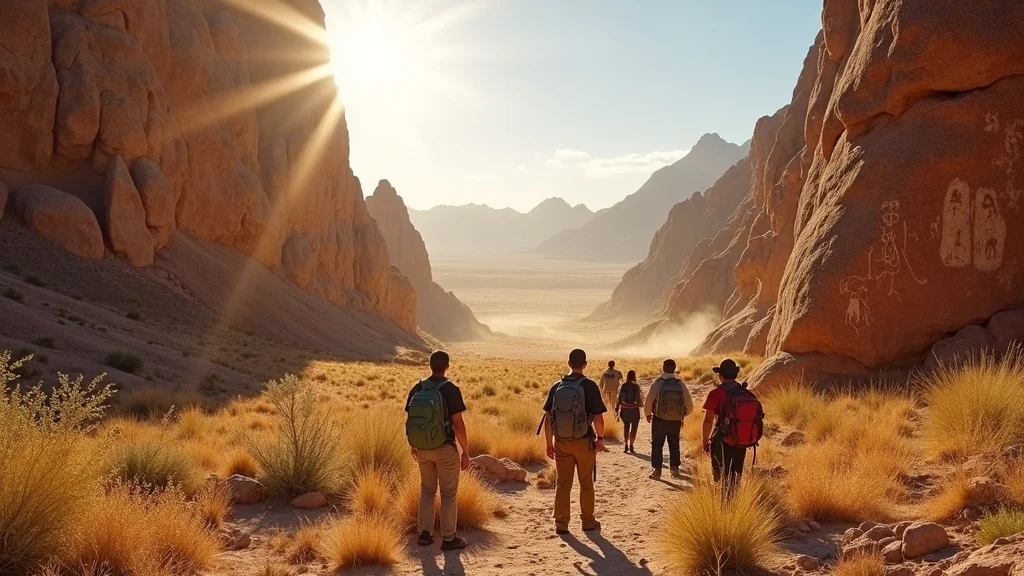
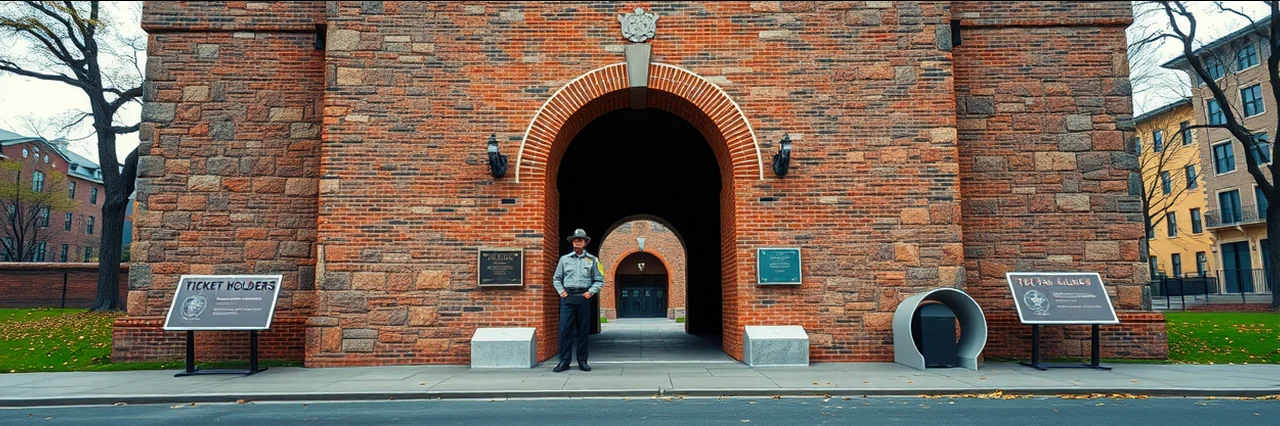
Group hiking Petroglyph National Monument canyon trails viewing ancient rock art

Petroglyph National Monument is one of North America's most significant sites for observing petroglyphs—images carved directly into volcanic rocks. These etchings are not merely decorative; they are profound records of cultural symbolism, spiritual markers, and communication set in stone by the native Pueblo peoples and early Spanish settlers. Each canyon hike—Boca Negra, Rinconada, and Piedras Marcadas—provides a dynamic entry point into what was, for previous generations, a living landscape with sacred significance. Through the deliberate act of carving onto the basalt, individuals marked their relationship with both this land and their communities.

To walk through these canyons is to journey through time: a visual history lesson intertwined with geological wonders. Ignorance toward the value of these petroglyphs risks erasing voices and symbols deeply meaningful to local Indigenous cultures and to the narrative of early Spanish settlers. Beyond their beauty, the petroglyphs act as an enduring witness—from spiritual expression to day-to-day records—making these canyon hikes not only physically enriching but intellectually vital. Without adequate understanding or meaningful engagement, visitors may overlook or inadvertently harm an irreplaceable archive, highlighting why educational awareness and responsible tourism matter more here than in most places.

For those planning a day of exploration in the canyons, having reliable gear can make all the difference—especially when venturing into remote areas. Many RV travelers and outdoor enthusiasts have found that equipping themselves with a portable power solution, such as the Bluei Elite 200 V2 Power Station, ensures comfort and convenience during extended hikes or overnight stays near Petroglyph National Monument.
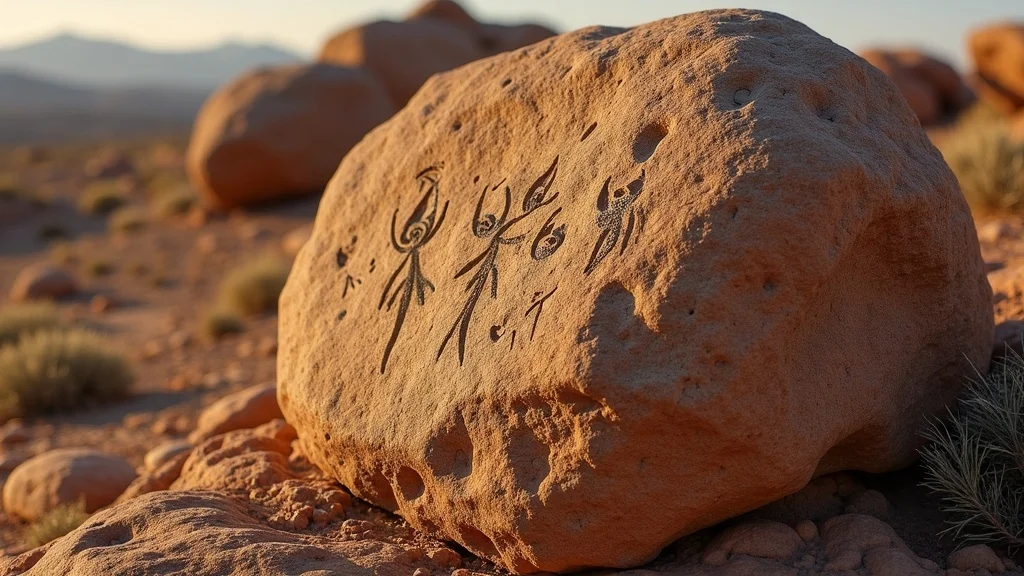
Intricate petroglyph carvings on basalt boulders at Petroglyph National Monument

How Petroglyph National Monument Canyon Hikes Bring History to Life Beyond the Trailhead

As an expert contributor to the preservation and interpretation of ancient rock art, Petroglyph National Monument provides access to some of the continent’s richest petroglyph concentrations. These canyons are more than scenic walks—they invite a direct encounter with artistry created by human hands centuries ago. For modern visitors, the benefits extend well beyond exercise; every hike along Boca Negra, Rinconada, or Piedras Marcadas trails immerses you in a living heritage and provides educational opportunities rarely found elsewhere.

Each route is thoughtfully planned—ranging from short strolls to more demanding loops—so individuals of varying ability levels can approach the petroglyphs respectfully and comfortably. Informative interpretive signs offer context about the motifs, revealing the spiritual and practical meanings behind images that at first glance may seem mysterious. In the open desert air, surrounded by igneous rock and with vistas of distant mountains, hikers experience not just the physical landscape but the wisdom embedded within it. The result is a layered adventure: physical well-being, cultural enrichment, and a unique form of time travel, fostered by the monument’s expert stewardship of these resources.

Boca Negra, Rinconada, and Piedras Marcadas: Choosing Your Path to Ancient Artistry
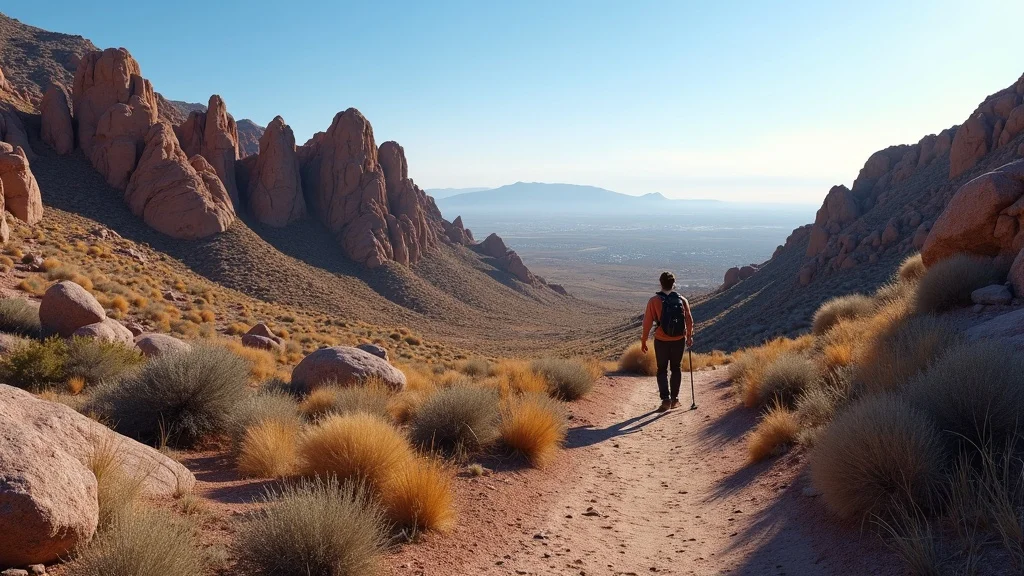
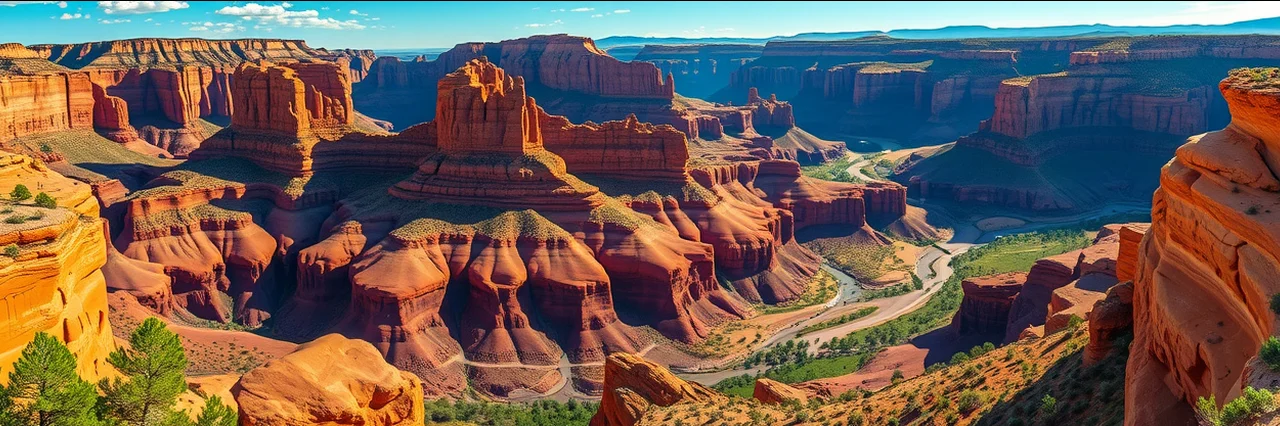
Dramatic view of Petroglyph National Monument canyon hike and ancient rock art

Each canyon within Petroglyph National Monument offers a distinct way to engage with ancient rock art. Boca Negra Canyon is ideal for those new to petroglyph viewing, offering short walks accessible to families and individuals with limited time. With approximately 100 carvings, this area delivers an immersive introduction amid easily navigable paths and a clear view of Albuquerque’s dramatic desert landscape. The convenience of nearby parking and facilities, including an information center and shaded rest areas, helps ensure comfort without diminishing the thrill of discovery.

For visitors eager to delve deeper, Rinconada Canyon provides a 2. 2-mile loop trail where over 300 petroglyphs await. Amid volcanic boulders, these images are presented with minimal disturbance, letting the symbolism speak for itself. The Piedras Marcadas Canyon, accessible at sunrise and stretching for a 1. 5-mile round trip, boasts as many as 400 petroglyphs—a treasure trove for those with a sharp eye and curiosity about how history shifts across landscapes. Each canyon’s design supports self-driven exploration while facilitating respect and understanding of the fragile, sacred symbols along the way.

Bridging Past and Present: Understanding the Cultural and Spiritual Significance of Petroglyphs

One cannot overstate the importance of petroglyphs to local Indigenous communities and descendants of Spanish settlers. These carved symbols serve as bridges between generations, encoding meanings that often extend beyond the easily visible. Some motifs depict birds, animals, or people, conveying messages, marking ritual sites, or simply communicating the hopes and daily realities of early inhabitants. Others have more enigmatic meanings that deepen the sense of mystery and reverence for those who observe them today.
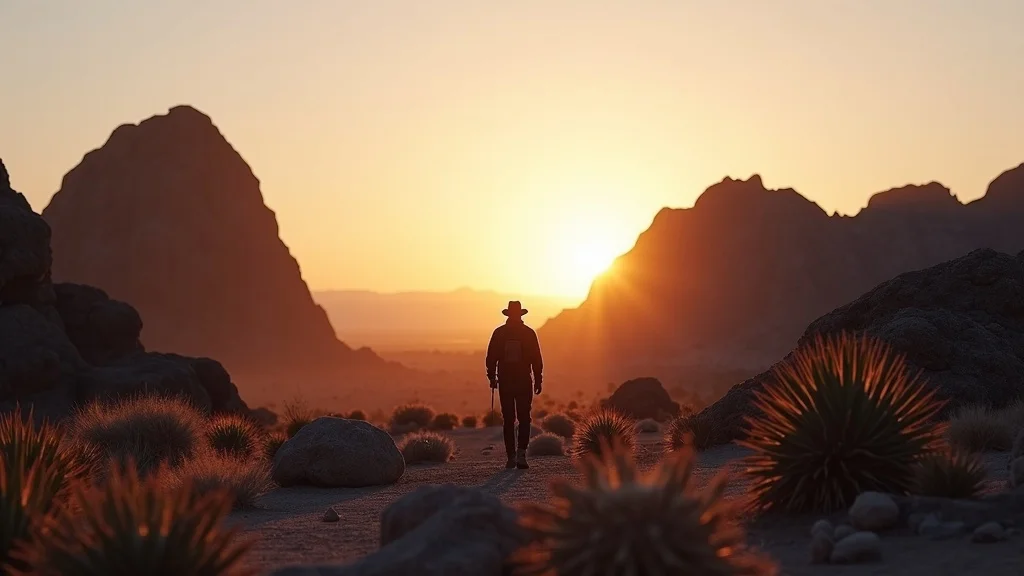
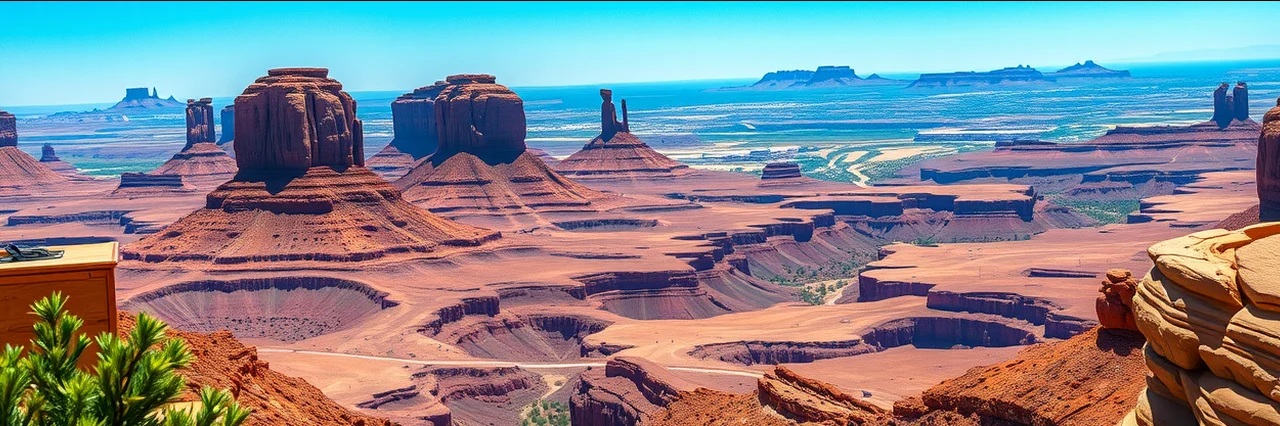
Sunrise exploration of canyon hikes and petroglyphs at Petroglyph National Monument

The ongoing stewardship of these images by preservation authorities emphasizes not just their historical value, but their ongoing role in the cultural consciousness of the region. To view a petroglyph here is to witness cultural continuity and survival, a powerful reminder that NM’s landscapes remain tied to stories still unfolding in Indigenous and Hispanic families. As such, visitors are not merely observers but participants in the vital task of honoring, learning from, and preserving ancient wisdom inscribed in stone.

Tips and Etiquette: How to Respectfully Engage with Rock Art and Trails

Preserving ancient rock art requires more than passive appreciation—it demands active respect and responsibility from every visitor. First, it is essential to stay on marked trails at all times; venturing off-path can lead to unintentional damage of fragile petroglyphs or disturb habitats critical to the area’s ecosystem. Touching the carvings, removing rocks, or leaving any marks of one’s own are strictly forbidden, as even small acts can irreparably damage the images. This guidance is reinforced throughout the monument, ensuring that today’s curiosity does not erase tomorrow’s heritage.

Facilities—including restrooms, shade shelters, and interpretive signs—enhance the experience while situating essential information directly along your journey. For dog walkers, leashes no longer than six feet are required (except at Boca Negra Canyon, where pets are not allowed), and picking up pet waste is non-negotiable. Adhering to these standards—outlined in monument signage and orientational materials—ensures everyone, now and in the future, can share in a respectful, rewarding journey among ancient symbols and spectacular scenery.

Petroglyph National Monument’s Enduring Mission: Stewardship and Access for Generations

Petroglyph National Monument’s approach is built around education, preservation, and community involvement. The monument strives to balance access with the utmost respect for the indigenous cultural landscape, recognizing that every visitor experience is also a stewardship opportunity. With clear, thoughtful guidance for hikers and interpretive signage throughout every major canyon route, the site encourages guests to explore with curiosity and care, all within a framework that safeguards these sacred sites for future generations.

The staff and volunteers at the monument reflect a broader mission resonating well beyond park boundaries: to protect and share one of the largest concentrations of ancestral rock art in North America. By facilitating self-guided learning and supporting responsible exploration, the monument empowers each visitor to become a caretaker of this history. Their efforts underscore a deeply-held belief that education—rooted in access, respect, and accurate context—is what preserves these breathtaking artistic expressions against time’s inevitable erosion.

When Inspiration Strikes: A Visitor’s Experience with Ancient Rock Art

For many, the moment of encountering a centuries-old carving in the desert is both awe-inspiring and deeply humbling. Take, for example, the experience described below, which encapsulates not just the beauty of the trails but the thoughtful stewardship and meaningful engagement fostered throughout the monument. This review comes directly from someone who walked the paths, stood before the volcanic boulders, and felt the interconnectedness of history, nature, and personal discovery:

Prehistoric petroglyphs! On 27th December 2025, we visited Petroglyph National Monument with our friends. This place represents the ideas and traditions of the indigenous Pueblo people and early Spanish settlers. We opted multiple self-guided tours to explore this place. Trails in Rinconada Canyon and Boca Negra Canyon are excellent places to see the petroglyphs which are carved onto the volcanic boulders. Next, we explored volcanic field of this area via the Volcanic trail which offered stunning views of the surroundings and bases of dormant volcanoes.

The park is well-managed and preserved. All the trails have interpretive signs to understand the context, cultural significance, and possible meanings of the motifs. The park staff are really welcoming and assisted us in understanding the directions. The visitor center offers a beautiful selection of souvenirs.

For newcomers and past visitors alike, experiences like these attest to the transformative power of direct contact with ancient art and careful, accessible educational resources. Success here is measured not just by numbers, but by the depth of understanding and reverence that each hiker gains—an outcome available to anyone ready to see with attentive, respectful eyes.

Why Ancient Rock Art and Canyon Hikes Matter for Today’s Explorers

To step into the canyon trails of Petroglyph National Monument is to join an unbroken thread of human experience—one that traverses artistry, spirituality, exploration, and respect for the land. The monument’s commitment to preservation, community education, and thoughtful access transforms hikes into meaningful journeys where the past resonates profoundly with the present. As more people seek authentic, mindful travel, the intersection of ancient rock art viewing and canyon hiking stands as a gold standard for cultural tourism—grounded in stewardship, rich in inspiration, and open to discovery for all.

The expert approach at Petroglyph National Monument not only safeguards ancient petroglyphs but also ensures that every visitor leaves with new insights and deep appreciation. In today’s fast-paced world, embracing the pace and presence demanded by these canyon hikes can shape not just how we view history, but how we honor and protect it for generations to come.

If you’re inspired by the blend of history, nature, and self-sufficiency that defines the Petroglyph National Monument experience, consider how the right tools can elevate your next adventure. Exploring the advantages of portable power solutions, like those highlighted in the Bluei Elite 200 V2 Power Station guide for RVers, can help you stay connected and comfortable while immersing yourself in remote landscapes. Whether you’re planning a day hike or an extended road trip, integrating smart gear choices ensures you’re prepared for both discovery and relaxation. Take your outdoor journeys to the next level by combining cultural exploration with practical innovation—your future adventures will thank you.

Contact the Experts at Petroglyph National Monument

If you’d like to learn more about how petroglyph canyon hikes and ancient rock art viewing could benefit your understanding of history and culture, contact the team at Petroglyph National Monument. 📍 Address: Western Trail NW, Albuquerque, NM 87120, USA 📞 Phone: +1 505-899-0205 🌐 Website: https://www. nps. gov/petr/index. htm

Petroglyph National Monument Location and Hours

🕒 Hours of Operation:📅 Monday: 8:30 AM – 4:30 PM📅 Tuesday: 8:30 AM – 4:30 PM📅 Wednesday: 8:30 AM – 4:30 PM📅 Thursday: 8:30 AM – 4:30 PM📅 Friday: 8:30 AM – 4:30 PM📅 Saturday: 8:30 AM – 4:30 PM📅 Sunday: 8:30 AM – 4:30 PM
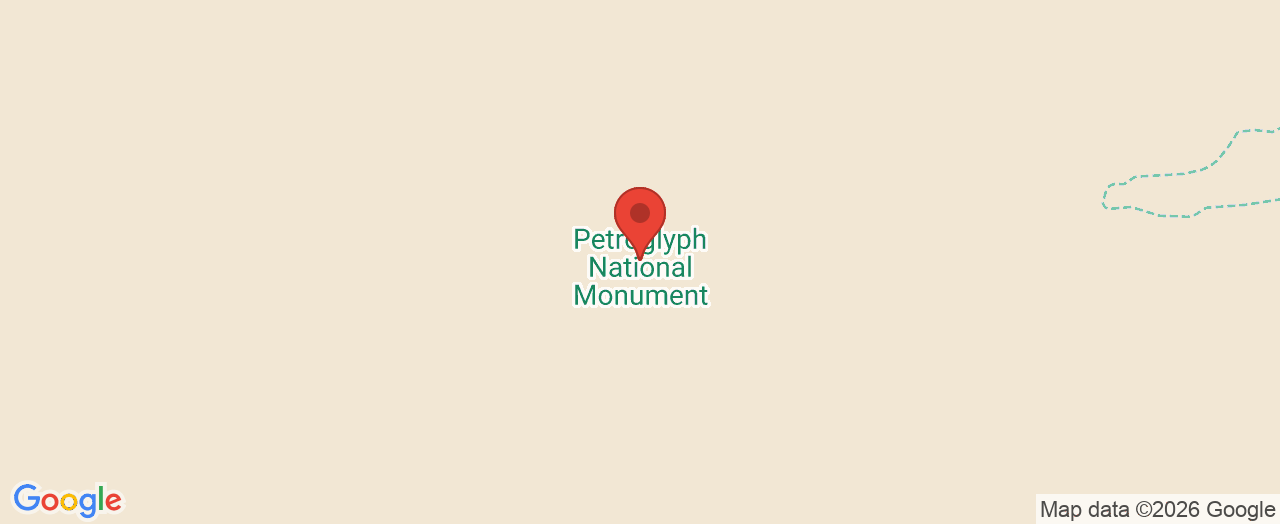
Location Map
National Parks

0 Comments

Write A Comment

*
*
Please complete the captcha to submit your comment.
Related Posts All Posts

Discover Fort Matanzas National Monument Ferry Ride Magic

Fort Matanzas National Monument 📍 Address: 8635 A1A S, St. Augustine, FL 32080, USA 📞 Phone: +1 904-471-0116 🌐 Website: http://www.nps.gov/foma/index.htm ★★★★★ Rating: 4.7 Step Back in Time with a Ferry Ride That Unveils Adventure, History, and Wild Florida Imagine gliding across glistening waters, sunlight reflecting off the marsh as an ancient stone fort slowly emerges on the horizon. This isn’t just another day in Florida–it’s a journey back to the early 18th century, where history and untamed nature intertwine. Fort Matanzas National Monument ferry ride fort tour and marsh wildlife offer visitors a rare combination: access to a perfectly preserved colonial watchtower, views of windswept dunes, and glimpses of the thriving flora and fauna that define the state’s coastal wildlands. The experience begins not at the fort itself, but with the anticipation of boarding a National Park Service ferry that’s more than simple transportation—it’s a portal to the past. Today, it’s increasingly uncommon for family outings or educational trips to deliver a blend of meaningful history, hands-on exploration, and direct contact with an ecologically significant landscape. Yet at Fort Matanzas, every step—from ticket line to dock, from ferry deck to fortress walls—provides a fresh perspective. Whether you’re a history buff, a curious student, or a nature lover hoping to spot rare birds, the opportunity to explore by ferry and foot opens the senses to the full story of Florida’s first line of defense. What draws both visitors and locals alike, time after time, is the seamless connection between human heritage and wild habitat—a relationship revealed with every tide and rustle of grass. Understanding this journey is crucial, not just for the adventure, but for preserving and appreciating the larger narrative of the region’s past and present. Why the Fort Matanzas Ferry Ride and Wildlife Tour Reveal Florida’s Untold Stories The Fort Matanzas ferry ride isn’t merely a means of crossing water. It’s a guided path through centuries of persistence—where a humble coquina watchtower built in 1742 stands as the gateway to American and Spanish colonial history. As passengers cross the Matanzas River, the sweep of marshes—teeming with life—anchors the story not only in stone walls, but also in the living, breathing landscape that fortified and protected those early settlements. This protected environment is home to over 250 identified plant species as well as a host of native and migratory wildlife, making each crossing a voyage through one of the most dynamic coastal habitats in the state. Missing out on these experiences means missing part of Florida’s heart. A lack of awareness about the region’s interconnected human and natural history can mean overlooking the resilience that shaped both its people and its wild spaces. While many visitors may expect simple sightseeing, Fort Matanzas delivers historical insight woven tightly with environmental education. Not every national monument offers daily lessons on threatened species or lets visitors walk the same dunes encountered by soldiers centuries ago. For those who never step foot on the ferry or along the easy-access boardwalks, there’s a lost chance not just to witness history, but to immerse oneself in the delicate, ongoing balance of preservation and change. For those planning a day of exploration at Fort Matanzas or any remote natural site, having reliable portable power can make your adventure more comfortable and convenient. RV travelers and outdoor enthusiasts may find it helpful to review the best deals on the Bluei Elite 200 V2 Power Station for RVers, which offers practical solutions for staying powered up during extended visits to national monuments and parks. How the Fort Matanzas National Monument Experience Transforms Curiosity into Connection As an official steward of both history and nature, Fort Matanzas National Monument functions as more than a site for sightseeing. The approach here is layered: education, conservation, and exploration converge, offering visitors pathways to participate in the story through every aspect of the fort tour and marsh wildlife walk. By preserving approximately 300 acres of precious coastal habitats—encompassing dunes, salt marsh, and maritime forest—the monument assures that every ferry ride isn’t just scenic, but rich with potential for discovery. A visit to Fort Matanzas means direct engagement. The ferry ride, staffed by knowledgeable park rangers and volunteers, becomes an educational voyage: explanations on local flora, history lessons about the construction and defense tactics of 18th-century Spain, and stories of the plants and animals that thrive against the odds. Trails and walkways, designed with accessibility in mind, allow everyone to encounter thriving native plant life and perhaps sight endangered species along the marsh edge. This level of thoughtful access turns a day trip into a dynamic classroom and playground, especially for students and families seeking real-life adventure beyond textbooks or screen time. What sets this experience apart is that it doesn’t ask visitors to choose—between learning and fun, between history and habitat, or between old and new. The Fort Matanzas ferry, fort tour, and marsh wildlife immersion cultivate understanding and appreciation, connecting guests not just to stories of conflict and survival, but to the living legacy of the coastal Southeast. From Colonial Outpost to Living Sanctuary: What Sets Fort Matanzas Apart Standing at the confluence of cultural history and environmental stewardship, Fort Matanzas offers a rare glimpse into America’s earliest defense strategies alongside a sanctuary for biodiversity. The stone coquina watchtower—completed in 1742—sits as silent witness to centuries of change, defending not only Spanish St. Augustine but the tapestry of habitats surrounding it. Visitors walking up to this structure experience the tactile reality of layered history—its scars, adaptations, and resilience apparent in every block and parapet. This isn’t just about bricks and mortar; it’s about understanding the choices and consequences that shaped present-day Florida. The surrounding lands, meanwhile, are a showcase for coastal ecology. The marsh and forest are alive with movement: herons hunt the shallows, fiddler crabs scuttle around mangroves, and an ever-changing cast of birds fill the air with bursts of color. For many, this chance to see native wildlife just feet from historic ruins is a transformative moment—a reminder that history and nature are never separate, but always in dialogue. The fort and its ferry connection provide an accessible window into this entwined past and present, making every visit a unique blend of discovery. Coastal Wildlands, Endangered Species, and the Education Mission at the Heart of Every Visit What makes Fort Matanzas exceptional is its devotion to active protection of the land and its living treasures. With more than 250 plant species and critical habitats for threatened and endangered wildlife, the monument’s extensive grounds are far more than a backdrop—they are a living laboratory. Programs for field trips, youth camps, and junior rangers are designed to inspire curiosity and responsibility for the next generation, while digital resources and videos extend learning far beyond the trip itself. This educational mission is not just for students. For every explorer—young or old—interpretive signage, accessible boardwalks, and knowledgeable staff foster awareness and appreciation of unique coastal ecosystems. Nature trails wind through maritime forests and along dune ridges, each step revealing new details: rare wildflowers in bloom, the secretive motion of a marsh rabbit, or the distant call of an osprey. In raising awareness of these fragile environments, Fort Matanzas encourages everyone to become stewards of the wild, understanding that today’s choices shape tomorrow’s possibilities. From Ferries to Forest Trails: How Preparation Turns a Good Visit Into an Unforgettable One While anticipation makes every ferry ride exciting, preparation ensures the journey is safe and rewarding. The monument emphasizes readiness for both natural environments and variability in Florida weather, providing up-to-date park alerts and safety tips to guarantee a smooth experience. Limited parking and ferry capacities underscore the value of early arrival—a detail reinforced by both visitors and the fort’s clear communication. Amenities like benches, picnic tables, and well-maintained trails add comfort, enabling visitors to focus on the fort, marsh, and wildlife rather than logistics. These touches reflect a commitment not just to preservation, but to hospitality. Whether embarking on a 40-minute tour of the fort, strolling a wooden walkway, or participating in a ranger-led program, every guest is encouraged to explore at their own pace, soaking in history and habitat alike. The absence of modern distractions at the fort itself focuses attention on architecture, scenery, and the collective experience of discovering how past meets present—an approach that makes the story of Fort Matanzas personal as well as shared. The National Park Service Approach: Why Fort Matanzas Stands as a Model of Accessible Heritage and Conservation Fort Matanzas National Monument operates with a unique blend of reverence for history and bold stewardship of the land. Central to its mission is the protection not just of the 1742 watchtower, but of the 300 coastal acres that cradle it—a home for maritime forests, salt marshes, dunes, and the many creatures that rely on them. This commitment is evident in the park’s accessible design, with boardwalks and signage enabling people of all ages and abilities to engage with both cultural and natural treasures. The philosophy of the monument reflects a deep belief in hands-on education. Field trips, volunteer opportunities, and interpretive programs draw on expertise as well as passion, fostering a new generation of curious, informed stewards. The tone is inclusive, welcoming every visitor into the ongoing story of St. Augustine’s defense, coastal resilience, and shared responsibility for the future. By weaving together past and present, the park elevates both the visitor experience and the wider conversation about heritage, community, and conservation. Stories from the Dock: Real Visitor Experiences of the Ferry and Fort Tour Few sources are more compelling than those who have taken the journey themselves. One guest captured the essence of the adventure, from securing a ferry ticket to encountering wildlife among the marshes, helping future visitors appreciate the depth of the experience. This firsthand account perfectly illustrates what makes the monument special and memorable. A very well kept historical fort to spend few hours. Arrive early to secure your free tickets to a short ferry ride to this historical fort. Parking spots are few but overflow parking is at the entrance, a short walk to the office. Trails are accessible and easy to walk with well maintained wooden walkways. The area is rich in biodiversity and on some lucky days can get a chance to see more than just the local birds that are perennially present in abundance. If you are in the area, please do visit and don’t forget to bless the donation box. For travelers and locals alike, these stories underscore the value of planning ahead and venturing into the wild and historic spaces preserved for everyone. The outcomes—memories built with family, surprising animal encounters, and the living lessons of conservation—await every visitor preparing to cross the river and explore the past, present, and future of Fort Matanzas. What the Fort Matanzas Experience Means for the Future of Florida’s Heritage In a state where modern distractions are plentiful, the Fort Matanzas National Monument ferry ride fort tour and marsh wildlife experiences serve as an essential reminder of what endures. The site’s careful preservation of history, dedication to educational outreach, and ongoing stewardship of critical habitats provide a template for combining public enjoyment with respect for fragile resources. By championing access through free ferry rides, accessible trails, and hands-on learning, the National Park Service demonstrates how the past can be celebrated—not as static memory, but as vibrant, living history. As the layers of colonial conflict, ecological diversity, and community engagement continue to shape visitors’ experiences, Fort Matanzas stands as both a guardian of stories and an innovator in inclusive public lands management. The ongoing collaboration between nature, history, and education at this monument ensures that every ferry ride is an invitation—to learn, connect, and conserve. For anyone seeking to understand the heart of Florida’s Atlantic coast, there is perhaps no better journey than the one that begins with a ticket to ride and a willingness to explore. Exploring Fort Matanzas is just the beginning of what’s possible when you combine curiosity with preparation. If you’re inspired to extend your adventures—whether through longer road trips, off-grid camping, or simply ensuring you have the comforts of home while immersed in nature—consider how the right gear can elevate your experience. Discovering the advantages of portable power solutions, like those highlighted in the Bluei Elite 200 V2 Power Station guide for RVers, can help you stay connected and comfortable wherever your travels take you. Embrace the freedom to explore deeper, knowing you’re equipped for both the wonders of the wild and the stories of the past. Your next unforgettable journey could be just a power-up away. Contact the Experts at Fort Matanzas National Monument If you’d like to learn more about how the Fort Matanzas National Monument ferry ride fort tour and marsh wildlife could benefit your educational, recreational, or travel plans, contact the team at Fort Matanzas National Monument. 📍 Address: 8635 A1A S, St. Augustine, FL 32080, USA 📞 Phone: +1 904-471-0116 🌐 Website: www. nps. gov/foma/index. htm Fort Matanzas National Monument Location and Availability 🕒 Hours of Operation:📅 Monday: 9:00 AM – 5:30 PM📅 Tuesday: 9:00 AM – 5:30 PM📅 Wednesday: 9:00 AM – 5:30 PM📅 Thursday: 9:00 AM – 5:30 PM📅 Friday: 9:00 AM – 5:30 PM📅 Saturday: 9:00 AM – 5:30 PM📅 Sunday: 9:00 AM – 5:30 PM

Discover Hidden Gems on Dinosaur National Monument Fossil Quarry Visits

Dinosaur National Monument 📍 Address: Utah, USA 📞 Phone: +1 435-781-7700 🌐 Website: https://www.nps.gov/dino/index.htm ★★★★★ Rating: 4.8 Step Into Deep Time: Why Fossil Quarries and River Rafting Are Colorado-Utah’s Best Kept Secrets Have you ever wondered what it feels like to stand in the shadow of ancient giants, surrounded by evidence of life from 150 million years ago? Dinosaur National Monument presents that rare opportunity—where natural history, thrilling adventure, and untouched wilderness converge in one of America’s most extraordinary landscapes. For anyone curious about Earth’s distant past or hungry for outdoor adventure, dinosaur national monument fossil quarry visits and green river rafting offer experiences that cannot be found anywhere else. The cost of overlooking such a remarkable destination isn’t simply missing out on jaw-dropping scenery, but losing a chance to feel connected to our planet’s grand story. Many families and explorers find themselves overwhelmed by crowded national parks or underwhelmed by exhibits that keep fossils behind glass. Here, the cliffs are alive with real uncovered bones, ancient petroglyphs share silent tales, and river canyons open new chapters with each paddle stroke. As you read further, prepare to discover not only the fascinating world of dinosaur fossils and exhilarating rafting opportunities, but also the subtle wonders and hidden gems that make Dinosaur National Monument a genuine adventure destination. If you crave more than snapshots—if you seek discoveries you can see, touch, and remember for a lifetime—this is a story worth following to the last word. Unearthing Wonders: Exploring Fossils and Rivers at Dinosaur National Monument Dinosaur national monument fossil quarry visits grant access to one of the world’s richest paleontological sites. Over 1,500 fossils are exposed in the Quarry Exhibit Hall, where visitors don’t just observe—they engage directly with the bones of long-extinct giants still embedded in the sandstone. These fossil-rich layers reveal how dinosaurs once roamed across a dramatically different landscape, and invite visitors to imagine the sweeping changes that have shaped this region over millions of years. Beyond science, each fossil offers a tangible link to a vanished world—one that sparks imagination and curiosity for visitors of all ages. Complementing the drama of the fossil quarries, green river rafting plunges adventurers into the wild heart of Dinosaur National Monument. The Green and Yampa rivers carve through deep canyons, presenting both a challenge to rafters and a living laboratory for those drawn to natural sciences. Riding the currents between soaring walls and tranquil stretches, guests experience landscapes much as ancient creatures and later Indigenous peoples once did. For those planning extended adventures or seeking reliable power on the go, exploring the benefits of a portable power station for RVers can enhance your journey and ensure you’re prepared for every moment. Ignoring the unique intersection of paleontology and outdoor thrills at Dinosaur means missing out on a rare blend of discovery and adventure—one that captures both mind and spirit. Why Immersive Fossil Journeys and River Exploration Transform Visitor Experience As a steward of nearly 210,000 acres bridging Colorado and Utah, Dinosaur National Monument stands out as an expert resource for both paleontological education and wilderness recreation. The site’s fossil quarries allow not only the unique experience of viewing dinosaur bones in situ but invite tactile learning and awe that static displays can’t offer. Engaging directly with these ancient remnants, visitors learn to read the language of stone and bone—gaining insights into prehistoric ecosystems and critical scientific discoveries. This hands-on exposure creates lasting educational memories, making each visit much more than simply a tour. The Green and Yampa rivers, distinct for their sheer canyons and pristine waters, extend the park’s allure far beyond the fossil beds. River rafting here blends excitement and serenity as the current carries visitors through winding gorges, hidden petroglyphs, and lush riparian habitats. Reconnecting with raw natural forces and untouched landscapes fosters appreciation not only for science but for the enduring power of wilderness. Canoeists, rafters, and hikers alike report how these experiences elevate a simple outing into an adventure—producing newfound respect for both prehistoric life and the living landscapes where their stories began. From Ancient Life to Living Landscapes: The Story Behind Every Fossil and Rapid Every fossil at Dinosaur National Monument is a page in an epic earth history book. The Quarry Exhibit Hall lets visitors examine dinosaur bones where they lay, illuminating the area’s dynamic transformation from lush habitat to rocky desert. Here, paleontology doesn’t just mean textbooks—it means standing inches away from species that defined an ancient world, understanding how life adapts, thrives, and ultimately vanishes. Detailed interpretive programs help translate these physical remnants into captivating stories, ensuring impressions endure well beyond the visit. Yet, the story doesn’t end on the quarry floor. The landscape, with its striking mountains and canyons, offers a natural narrative continued by the Green and Yampa rivers. Every turn navigated by raft reveals new geology, wildlife, and echoes of those who shaped the region—from Indigenous creators of petroglyphs to pioneering outlaws and homesteaders. This deep sense of connection to both ancient and recent past inspires visitors to see themselves not as spectators, but as participants in an ongoing saga. Adventure Unleashed: Tips for Making the Most of Your Fossil and Rafting Experience To truly appreciate everything dinosaur national monument fossil quarry visits and green river rafting have to offer, preparation and curiosity are key. Starting your adventure at the Quarry Exhibit Hall sets the stage for understanding the geology and natural history that define the region. Touching real dinosaur bones—an opportunity both rare and educational—grounds each visitor in the awe of deep time. A guided hike or ranger talk further enriches the fossil journey, providing layers of context that digital media simply can’t match. For those drawn to water, planning a rafting trip along the Green or Yampa rivers multiplies the adventure. Whether you’re a seasoned paddler or a first-time rafter, river trips cater to a range of abilities and interests. Bringing along essential gear, respecting weather and water conditions, and reserving space during peak seasons can make the difference between an ordinary outing and an extraordinary memory. Combining fossil discovery and river exploration in a single visit turns Dinosaur National Monument into a multidimensional experience—educational, exhilarating, and deeply memorable. How Dinosaur National Monument Fosters Connection Through Discovery, History, and Wildness Dinosaur National Monument’s core philosophy is built around making the distant past accessible and meaningful today. The park’s mission isn’t just to preserve fossils behind barriers, but to turn each visit into an opportunity for hands-on engagement, critical thinking, and wonder. By enabling direct contact with bones that have lain undisturbed for millions of years, and supporting immersive experiences like rafting wild rivers and exploring Indigenous art, the monument transforms passive learning into vivid, personal discovery. The National Park Service positions Dinosaur as a place where science, history, and nature aren’t separate disciplines. Instead, every trail, fossil, and rapid is part of a larger story that connects ancestral life with our contemporary search for meaning and adventure. This holistic approach echoes throughout the monument, from interpretive displays to ranger-led programs and thoughtfully maintained trails. Dinosaur National Monument demonstrates that the best learning happens when physical experience and intellectual curiosity come together—ensuring each visitor leaves with both knowledge and inspiration. What Real People Say: A First-Hand Glimpse Into Awe and Discovery For those evaluating whether a journey to walk among fossils or brave a canyon rapid is truly worth it, nothing speaks louder than the voices of visitors themselves. Hearing from those who have touched the past and witnessed the monument’s grandeur offers both credibility and encouragement for future explorers. Pretty amazing place to visit and view all the fossils in the hillside. You are able to touch and learn. To see the detail of the bones are pretty amazing. We visited on a Sunday in early April and had the place to ourselves. Well worth the visit. First-hand accounts like these reveal the transformative power of dinosaur national monument fossil quarry visits. The thrill of seeing and touching real fossils, paired with the quiet awe of open landscapes, validates the value in choosing experiences that go beyond everyday recreation. Those who take the step to explore the monument find stories they may someday share, and memories impossible to replicate elsewhere. What Dinosaur National Monument’s Approach Means for Every Visitor’s Legacy The value of dinosaur national monument fossil quarry visits and green river rafting goes beyond the immediate thrill. It’s about building a legacy of curiosity and respect for both ancient worlds and the wild spaces thriving today. By fostering active engagement—whether through fossil interaction or river adventure—Dinosaur National Monument sets a standard as a steward of discovery, history, and wilderness. In this way, every visitor becomes a link between what once was and what still can inspire future generations. Through the monument’s unwavering commitment to education, connection, and wild adventure, the significance of fossil discovery and river exploration becomes clear. Dinosaur National Monument continues to shape not just careers in science or memories of outdoor escapades, but a broader human appreciation for the stories written in both stone and living landscapes. For those seeking meaning, adventure, and inspiration, there are few places offering a comparable depth of experience—or a more compelling invitation to participate in the mysteries of Earth’s history. Contact the Experts at Dinosaur National Monument If you’d like to learn more about how dinosaur national monument fossil quarry visits and green river rafting could benefit your educational adventures and fuel your curiosity, contact the team at Dinosaur National Monument. 📍 Address: Utah, USA 📞 Phone: +1 435-781-7700 🌐 Website: https://www. nps. gov/dino/index. htm Dinosaur National Monument Location and Availability For the most up-to-date hours and specific site availability, consult the official website or call ahead: 📞 Phone: +1 435-781-7700 🌐 Website: https://www. nps. gov/dino/index. htm If you’re inspired to elevate your next adventure with even more comfort and self-sufficiency, consider exploring how the right gear can transform your travels. Our guide to the best deals on the Bluei Elite 200 V2 Power Station for RVers reveals how portable power solutions can keep you connected and prepared, whether you’re camping near fossil beds or navigating remote river canyons. Discovering the right equipment is the next step in making every journey seamless and memorable. Dive deeper into the world of RV essentials and unlock new possibilities for your outdoor explorations.

Discover Montezuma Castle National Monument Cliff Dwellings Today

Montezuma Castle National Monument 📍 Address: Montezuma Castle Rd, Camp Verde, AZ, USA 📞 Phone: +1 928-567-3322 🌐 Website: https://www.nps.gov/moca/index.htm ★★★★★ Rating: 4.7 Step Into History: Why the Montezuma Castle National Monument Cliff Dwellings Remain So Captivating Imagine standing in front of a five-story cliff dwelling, carved high into a sheer limestone face, pondering not only the genius of its construction but the complex story it tells about survival in the harsh Arizona desert. Montezuma Castle National Monument cliff dwellings and Montezuma Well adventure present a living window into the ingenuity and resilience of an ancient culture. Visitors are often awe-struck by the monument’s scale and sophistication—features that make it far more impressive in person than in pictures. For many, one look at these ruins sparks a flood of questions: Who built them, and why? What secrets do these cliffside apartments hold? Exploring Montezuma Castle is about more than admiring ancient architecture; it's about unraveling the cords that connect the present to the past, discovering the ways people adapted to unforgiving environments, and examining how natural features like Montezuma Well provided life-sustaining resources. This monument offers a rare hands-on history lesson, where every step along the trail reveals clues about the ancient people who once thrived here. In an age when connection to place is often fleeting, understanding the depth of history at Montezuma Castle reminds us how landscapes shape and are shaped by human hands. Whether you're a history buff, nature lover, or someone seeking a meaningful travel experience, the knowledge gained here has the power to change perspectives and inspire new questions. The Ancient High-Rise: Understanding the Cliff Dwellings and the Montezuma Well Adventure Montezuma Castle National Monument's cliff dwellings stand as one of the best-preserved examples of prehistoric apartment-style living in North America. Built over 600 years ago by the Sinagua people, these twenty rooms were ingeniously placed into a towering limestone cliff, offering protection from enemies and weather. Unlike freestanding ruins commonly found in the Southwest, Montezuma Castle’s unique high-rise design used natural geology as a defense and environmental buffer, a testament to the adaptability of the Sinagua. Montezuma Well, nearby, completes the adventure, drawing visitors into the story of how natural springs and the surrounding landscape were key to daily life—providing precious water, food, and medicinal plants in an otherwise arid region. Appreciation for these structures is not merely about admiring old stones; it’s about recognizing a narrative of resilience and innovation. Many who visit are surprised by the emotional impact of standing beneath a home built centuries before Columbus set sail, feeling a profound connection to the ingenuity required to build such a residence. Those unaware of its rich history risk missing a deeper appreciation—not just of the monument, but of the wider Native American legacy woven through the Verde Valley. Ignorance of such sites often leads to a disconnect from the region’s heritage, even as cliff dwellings like Montezuma Castle offer some of the clearest evidence for how ancient peoples overcame environmental challenges few today could imagine. For travelers who appreciate self-sufficiency and comfort while exploring remote historical sites, having reliable portable power can make a significant difference. If you're planning an extended visit or road trip, you might find it helpful to explore the advantages of the Bluei Elite 200 V2 power station for RVers, which offers practical solutions for staying connected and powered up during your adventures. How Experiencing the Montezuma Castle National Monument Cliff Dwellings Inspires Wonder and Deeper Learning Montezuma Castle National Monument serves as a silent educator, sharing its story with visitors willing to listen and learn. Walking the paved trail beneath the limestone cliff, individuals see firsthand how indigenous ingenuity transformed desert adversity into opportunity, resulting in a thriving community amidst harsh surroundings. Scientific interest in the site rivals its historical gravity—archeology, geology, and botany collide as guests uncover details about ancient construction techniques, food sources, and local biodiversity. Engaging with these multifaceted stories enriches both knowledge and appreciation for the monument and its context within Arizona’s natural and cultural landscape. Beyond history and science, Montezuma Castle also grants practical benefits: education becomes engaging for all ages, outdoor adventure is accessible via short, dog-friendly trails, and an appreciation of land stewardship is kindled through interactive exhibits and the Junior and BARK Ranger programs. The monument’s accessibility makes these educational experiences available to students, families, and international travelers—all eager to deepen their understanding of the region’s intertwined natural and human histories. By exploring both the cliff dwellings and Montezuma Well, visitors are inspired to see connections between past and present, reinforcing the value of protecting such irreplaceable sites for future generations. Beneath the Surface: The Ecological Richness of Montezuma Well Montezuma Well is far more than a scenic water feature; it’s an ecological treasure trove. The spring-fed well, set amidst arid desert, supports an extraordinary range of plants, animals, and unique geology. Exploring this part of your Montezuma adventure means discovering habitats that sustained ancient peoples for centuries and that today offer researchers a natural laboratory for studying rare species not found anywhere else on Earth. The well’s unique ecosystem has fostered ancient food traditions, medicinal plant harvests, and an ongoing web of life that mirrors the perseverance of those who once called this landscape home. For modern visitors, this microcosm of biodiversity is a reminder of the delicate connections that bind land, water, and culture together. Walking the shaded trails around Montezuma Well offers a lesson in natural sustainability—one that teaches through observation and inspires conservation. Opportunities for birdwatching, wildlife photography, and quiet reflection abound, adding depth to the overall journey through the national monument. Planning, Preserving, and Protecting: How Every Visitor Can Support Montezuma Castle’s Legacy Visiting Montezuma Castle comes with a responsibility to become a steward of history and nature. Special use permits, darkness protection initiatives, and educational resources reflect a commitment not just to access, but to preservation. The monument’s philosophy embraces active participation—making it possible for students, volunteers, and families to connect with the monument through field trips, ranger-led programs, and even the Junior Ranger and BARK Ranger initiatives. Engaging with these opportunities allows individuals to be part of a legacy of protection that reaches back more than a century, to the monument’s founding in 1906 as one of the first national sites dedicated to preserving Native American cultural heritage. Every visitor, by treading responsibly and engaging mindfully, contributes to safeguarding the story and resources of the Montezuma Castle National Monument for generations to come. Virtual Journeys and Junior Ranger Adventures: Making History Accessible For those unable to visit in person—or looking to deepen their engagement—the monument offers a virtual tour that brings the cliff dwellings up close through immersive digital tools. Educational programs like the Junior Ranger initiative extend learning beyond traditional boundaries, ensuring that even young explorers or those far away can participate in the discovery of this unique high-rise dwelling. These outreach efforts build community, foster inclusivity, and help all audiences appreciate the monument’s message of ingenuity, perseverance, and stewardship. Interactive experiences invite questions, spark curiosity, and plant the seeds for lifelong appreciation of the stories and science embedded in Montezuma Castle National Monument. A Timeless Approach: Montezuma Castle National Monument's Dedication to Cultural Preservation and Education At the core of Montezuma Castle National Monument lies a clear philosophy: protect, preserve, and elucidate. Since its establishment in 1906 as one of the earliest sites dedicated to preserving Native American cultural achievements, the monument has operated as a "window into the past. " The mission focuses not just on protecting physical structures, but on honoring the ingenuity and resilience of the ancient Sinagua people. By intertwining archeological research, ecological monitoring, and educational outreach, the monument commits to sharing stories of survival and prosperity in desert environments with all visitors. Beyond basic preservation, Montezuma Castle's approach is guided by a passion for accessible education—evident in its field trip offerings, virtual resources, and programs that engage visitors of all ages. Initiatives such as protecting the site's dark skies and natural habitats highlight a broader commitment to environmental sustainability. Through a blend of stewardship and storytelling, Montezuma Castle National Monument sets a standard for what thoughtful cultural preservation looks like in the modern era. How One Visitor’s Encounter Brings Montezuma Castle to Life For many, the power of Montezuma Castle National Monument cliff dwellings and Montezuma Well adventure is best revealed through firsthand experience. Visitors often report a surprising sense of connection—both to the site’s history and its ongoing role as a place of discovery, learning, and reflection. The words of one such guest, Berlinda D. , encapsulate this vividly: A must-see! The history of this five-story cliff dwelling is incredible, and the trail provides great context on how the land and creek were used. It’s much more impressive in person than in pictures. Plus, it’s a great spot for pet owners since leashed dogs are allowed on this short walk. Highly recommend going if you have the time. This testimonial paints a picture of the awe and educational value that comes from experiencing Montezuma Castle firsthand. The combination of historical wonder, accessibility, and pet-friendly amenities makes the monument a rewarding destination for anyone seeking to enrich their perspective, spend meaningful time outdoors, and learn about Arizona’s deep cultural roots. From Ancient Ingenuity to Modern Inspiration: The Undeniable Importance of Preserving Cliff Dwellings The lasting significance of Montezuma Castle National Monument cliff dwellings and Montezuma Well adventure goes far beyond a single visit. These sites embody the intersection of culture, history, and environment, reminding all who walk their trails of the resilience and adaptability intrinsic to the human story. By providing a platform for learning, reflection, and stewardship, Montezuma Castle stands as a living legacy—preserving not just grandeur in stone, but the enduring lessons of those who turned challenge into triumph. As more people discover and appreciate the stories nestled within these cliffs and springs, Montezuma Castle National Monument’s leadership in education and conservation continues to shine. The importance of protecting cliff dwellings is underscored every day by those who find inspiration and understanding here, ensuring that Montezuma Castle will educate and awe for generations to come. If your curiosity about sustainable travel and innovative solutions for exploring remote destinations has been sparked, you may also enjoy learning about the latest advancements in portable power technology for RVers. Discover how tools like the Bluei Elite 200 V2 power station can enhance your next adventure, offering both convenience and peace of mind as you journey to historic sites and beyond. Exploring these resources can help you travel smarter, stay connected, and make the most of every moment on the road. Contact the Experts at Montezuma Castle National Monument If you’d like to learn more about how the cliff dwellings and Montezuma Well adventure could enrich your understanding of Arizona’s past, contact the team at Montezuma Castle National Monument. 📍 Address: Montezuma Castle Rd, Camp Verde, AZ, USA 📞 Phone: +1 928-567-3322 🌐 Website: https://www. nps. gov/moca/index. htm Visiting Information for Montezuma Castle National Monument 🕒 Hours of Operation:📅 Monday: 9:00 AM – 4:45 PM📅 Tuesday: 9:00 AM – 4:45 PM📅 Wednesday: 9:00 AM – 4:45 PM📅 Thursday: 9:00 AM – 4:45 PM📅 Friday: 9:00 AM – 4:45 PM📅 Saturday: 9:00 AM – 4:45 PM📅 Sunday: 9:00 AM – 4:45 PM

Terms of Service

Privacy Policy

Core Modal Title

Sorry, no results found

You Might Find These Articles Interesting

T
Please Check Your Email
We Will Be Following Up Shortly
*
*
*