



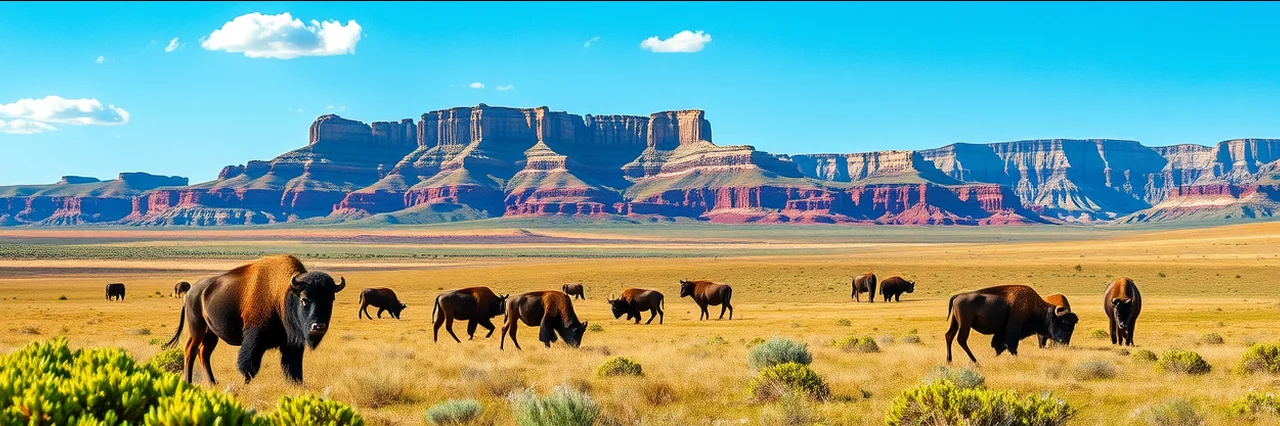
Experience Awe and Wonder on Painted Canyon Drive: Where Wild Horses Roam Free
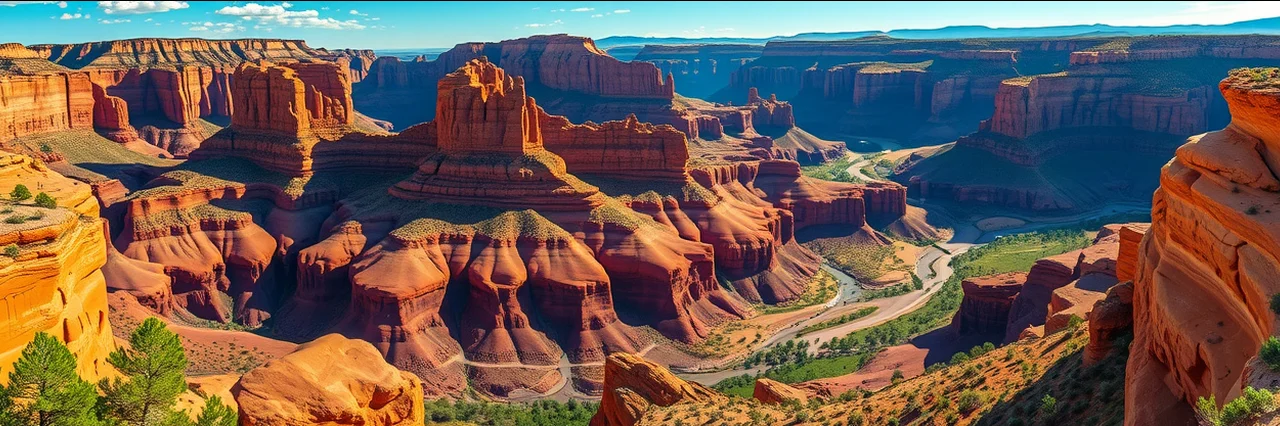
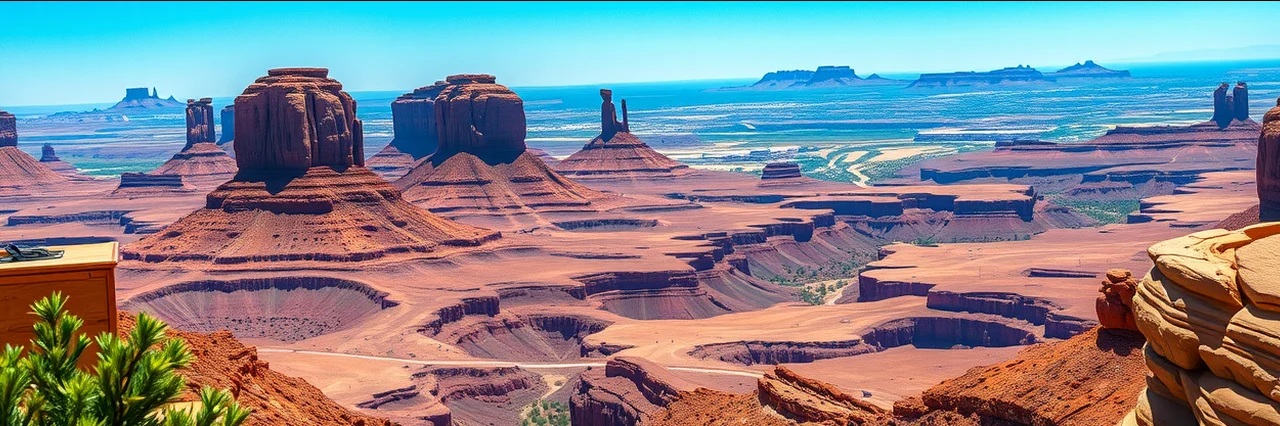
Imagine winding through dramatic buttes painted by eons of wind, water, and sun, where every turn brings an encounter with wildlife in their natural habitat. Theodore Roosevelt National Park’s Painted Canyon Drive is more than just a scenic route—it's an immersion in one of America’s last wild frontiers. For those seeking breathtaking vistas and the thrill of spotting wild horses, bison, and other iconic animals, this drive beckons with promises of adventure and discovery at every mile.
What sets Painted Canyon Drive apart is not only its sweeping views of North Dakota’s Badlands, but also its unique contribution to America's conservation heritage. This land, which so captivated a young Theodore Roosevelt in the late 19th century, now offers modern visitors the chance to observe landscapes and wildlife nearly untouched by development. The blend of easy road access and the unpredictability of wild encounters creates a tension—will you catch a glimpse of the elusive wild horses, or be greeted by a herd of grazing bison just around the bend? The only way to know is to journey in yourself. Understanding the subtle rhythms and unexpected highlights of this terrain will transform any road trip into a lesson in geology, ecology, and the enduring spirit of the American West.
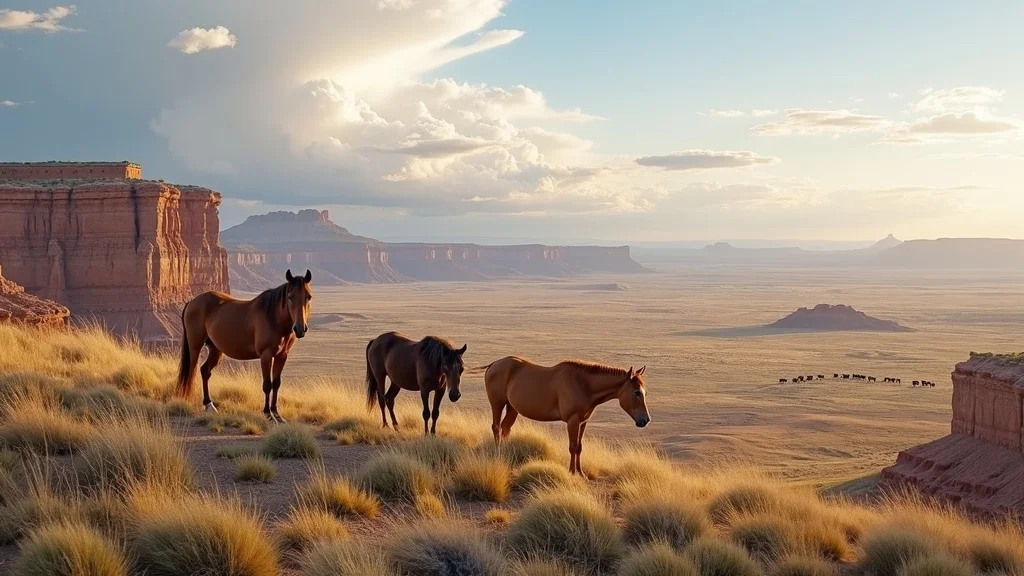
Beneath the Badlands Sky: Why Painted Canyon and Wild Horse Spotting Matter
Painted Canyon Drive is a window into the geological history and thriving ecosystem of Theodore Roosevelt National Park. Erosion from water, wind, and weather sculpted these colorful canyons, their layered hues revealing millions of years’ worth of natural processes. Every overlook along the drive provides evidence of not only time’s passage but also the ongoing conversation between land and life—where bison, prairie dogs, birds of prey, and wild horses find their place in the tapestry. For travelers, the main draw is the possibility of witnessing wild horses, a rare sight in most other parks, whose presence adds both excitement and a link to the region’s pioneering heritage.
Failing to appreciate how the Park’s unique ecosystem works or the subtlety of wildlife behavior can mean missing some of its best experiences. Wildlife often blends into the undulating terrain; without guidance and patience, visitors might drive through without glimpsing the animals that make this region so special. Furthermore, not understanding principles like “Leave No Trace” or respecting appropriate viewing distances could pose risks to both humans and animals. Engaging fully with Painted Canyon Drive—by learning its story and practicing thoughtful observation—ensures safety, fosters connection, and maximizes the chances for those unforgettable moments that take your breath away.
For those planning an extended adventure through the Badlands or considering overnight stays, having reliable power on the road can make all the difference. RV travelers may find it helpful to explore the benefits of the Bluei Elite 200 V2 Power Station for RVers, which ensures your devices and essentials stay charged while you immerse yourself in the park’s wild beauty.
How Painted Canyon Drives and Wild Horse Spotting Spark Wonder, Learning, and Lasting Memories
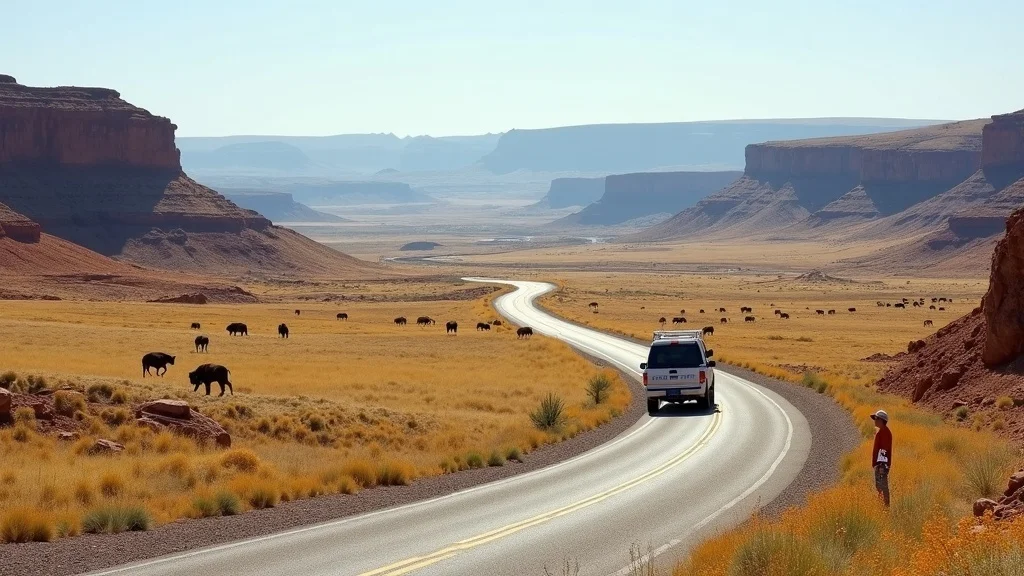
Theodore Roosevelt National Park’s reputation for transformative experiences comes alive on Painted Canyon Drive. The gently curving road is designed to showcase dramatic vistas and the Park’s characteristic wildlife, allowing visitors to experience the grandeur of the American West with both comfort and accessibility. Because the roads are well maintained and pullouts are plentiful, it’s easy for travelers to safely pause, scan the horizon, and immerse themselves in the sights and sounds—whether it’s the soft rumble of distant bison, the sudden flight of a raptor, or the awe-inspiring sight of wild horses grazing against a painted backdrop.
The mix of accessible roads, wide ditches for safe stopping, and the chance to witness wild horses in their true element makes this corner of the Park essential for those seeking a deeper kind of adventure. For families, students, and curious adults alike, the drive becomes both an outdoor classroom and a source of lifelong memories. The educational value is amplified by opportunities to discuss ecology, conservation history, and the ongoing importance of public lands—much as Theodore Roosevelt himself might have reflected during his formative time here. Ultimately, these experiences bring the Park’s history and mission to life, sparking curiosity and reverence that carry far beyond the drive itself.
The Story Behind the Scenery: From Rugged Land to a Conservation Landmark
The roots of Theodore Roosevelt National Park are deeply intertwined with the life and legacy of the president whose name it bears. Roosevelt was transformed by his time in Dakota Territory; his experiences led to the development of a national conservation ethic, an approach the Park continues to embody. The Painted Canyon area stands as both a memorial to his vision and a living laboratory for visitors to share in the same sense of awe, healing, and adventure that shaped Roosevelt’s thinking.
By journeying along the Painted Canyon Drive, today’s travelers traverse not only miles but also decades of conservation progress. The Park highlights a commitment to stewardship, reflected in its educational materials, staffed visitor centers, and emphasis on "Leave No Trace" principles. Appreciating the drive and its wildlife in historical context allows visitors to connect with a broader narrative about caring for wild places and ensuring their survival for future generations.
Wild Horses, Bison, and Unscripted Encounters: What Makes This Park Unique
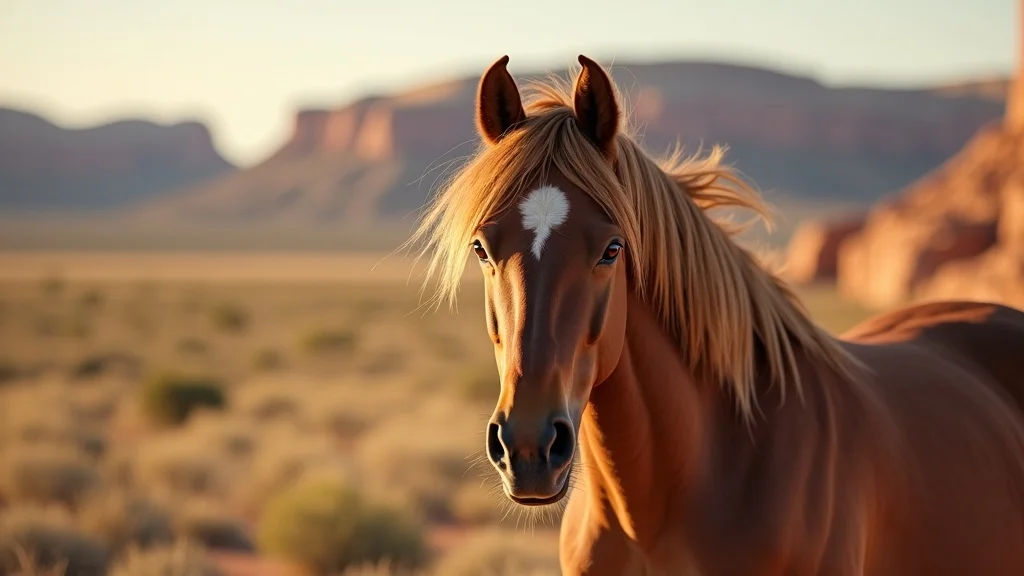
Unlike many other national parks, Theodore Roosevelt National Park is celebrated for its visible wild horse population—an enduring symbol of untamed nature and the pioneering spirit of the Badlands. Spotting these animals as they move through wide-open prairies or along dramatic ridges elevates the sense of discovery for visitors. But the drive is about more than horses: bison, prairie dogs, and birds of prey frequently reward the keen-eyed traveler with remarkable encounters. The unpredictability and variety of wildlife sightings add a sense of genuine adventure to every visit.
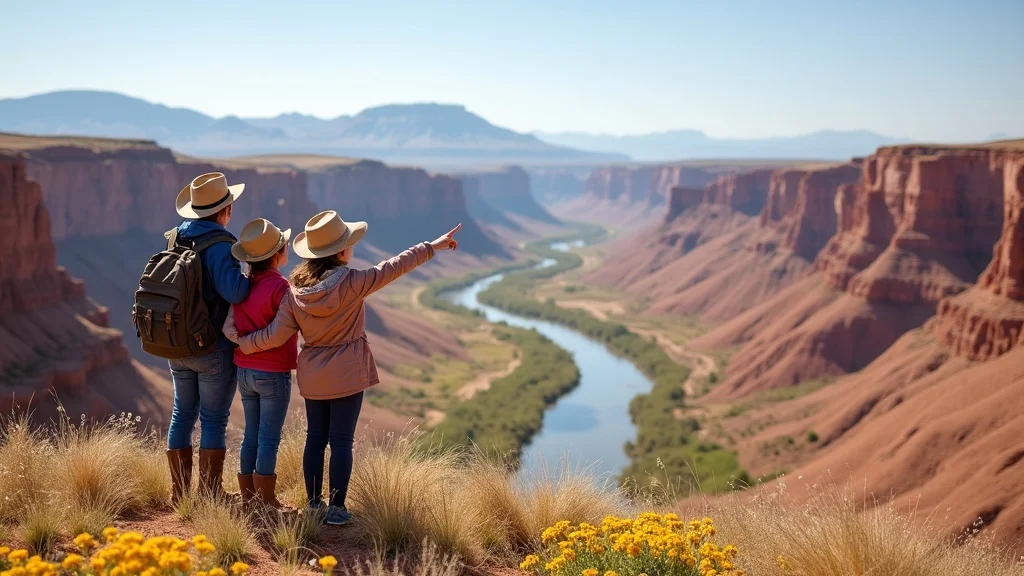
The Park’s thoughtfully designed drives and pullouts make it possible to pause and safely observe animals, without disturbing their natural behaviors. This balance of accessibility and preservation means Painted Canyon Drive is not just a route for sightseeing, but an opportunity to engage with the Park’s living, breathing ecosystem—creating a direct connection to the wild that feels rare in modern life.
Tips for Visitors: Getting the Most from Your Painted Canyon Drive and Wildlife Viewing
Preparing for a journey along Painted Canyon Drive can vastly improve the overall experience. Early morning and late evening tend to be the best times for wildlife activity, as animals are most visible during the cooler parts of the day. Bringing binoculars can make the difference between missing and marveling at distant horses or elusive birds. Visitors are encouraged to consult current conditions on the Park’s website before arrival, as weather and road updates can impact accessibility.
Practicing safety and respect is essential: always stay at recommended distances from wildlife, remain alert on trails, and adhere to Park guidelines for responsible exploration. For families, joining the Junior Ranger program or exploring curriculum-based activities turns road trips into educational adventures. Finally, capturing the immense beauty of the landscape is a must—but always prioritize safety and respect for the land and its inhabitants while stopping for photos.
The Park’s Enduring Mission: Conservation, Education, and Connection in Every Mile
At its core, Theodore Roosevelt National Park advances a philosophy of balance: celebrating rugged American landscapes while emphasizing sustainability and stewardship. From offering a wide range of educational items in its park store to hosting programs that encourage exploration and a love for wild places, the Park invests in nurturing a new generation of stewards. The mission is evident in its emphasis on "Leave No Trace" principles, the educational opportunities for youth, and welcoming policies for responsible pet visitation.
The Park’s tone is one of invitation and empowerment. With messaging that encourages visitors to plan, wander, and adventure responsibly, the focus remains on keeping these special places vibrant for future generations. Painted Canyon Drive represents a microcosm of this approach: a space where dramatic scenery, cultural history, and vibrant wildlife converge—offering both inspiration and the tools to protect and cherish public lands.
One Visitor's Story: Painted Canyon's Impact, in Their Own Words
For many, the true magic of Theodore Roosevelt National Park comes from authentic moments of awe experienced firsthand. As one visitor discovered, both the landscape and wildlife sightings are even more special up close, offering a reminder of why these public spaces matter:
Do not sleep on this national park! It has stunning views and all the bison, birds of prey, and prairie dogs you could want to see in an expansive landscape. What makes it really special is the wild horse population that lives here. The roads are well-kept and the curbs/ditches are wide enough that it's easy to pull over and check out an animal you see. This is important, because it's easy to see ample animals here, and you'll probably want to take pictures. If you are disappointed by the crowds at other national parks and want to get your fill of wildlife, you should consider coming here. It is a gem, perhaps not hidden, but not as celebrated as it should be.
Stories like this echo throughout the Park, reflecting a shared sense of wonder and gratitude. By spending time on Painted Canyon Drive, visitors join a community of explorers who value unique wildlife, open spaces, and the lasting memories created in America’s wild places.
Why Painted Canyon Drives and Wild Horses Matter for Future Generations
Painted Canyon Drive at Theodore Roosevelt National Park is more than a scenic experience—it's an invitation to connect with the past, present, and future of America’s conservation legacy. With each mile, visitors are offered unforgettable vistas, the chance to witness free-roaming wild horses, and an education in the delicate balance of ecology and recreation. The Park’s enduring mission and expertly designed visitor experience set a standard for stewardship, making it a model for the protection and appreciation of natural wonders.
By embracing both the spectacle and the responsibility of these drives, Theodore Roosevelt National Park demonstrates how wild spaces can inspire, educate, and unify people from every walk of life. Painted Canyon’s wild horses, dramatic views, and accessible drives are resources to be treasured—not just for today, but for the generations who will follow.
If the spirit of adventure and the call of the open road inspire you, there’s always more to discover beyond the Painted Canyon. Exploring the right gear and resources can elevate your journey, especially for those who travel by RV or seek extended stays in the wild. For a deeper dive into how to enhance your road trip experience and ensure comfort wherever you roam, consider learning about innovative solutions like portable power stations and other essential tools for nomadic explorers. Every journey through America’s wild places is an opportunity to blend comfort with discovery, making each adventure uniquely your own.
Contact the Experts at Theodore Roosevelt National Park
If you’d like to learn more about how the Painted Canyon drive and wild horse spotting could benefit your visit, contact the team at Theodore Roosevelt National Park. 📍 Address: North Dakota, USA 📞 Phone: +1 701-623-4466 🌐 Website: https://www. nps. gov/thro/index. htm
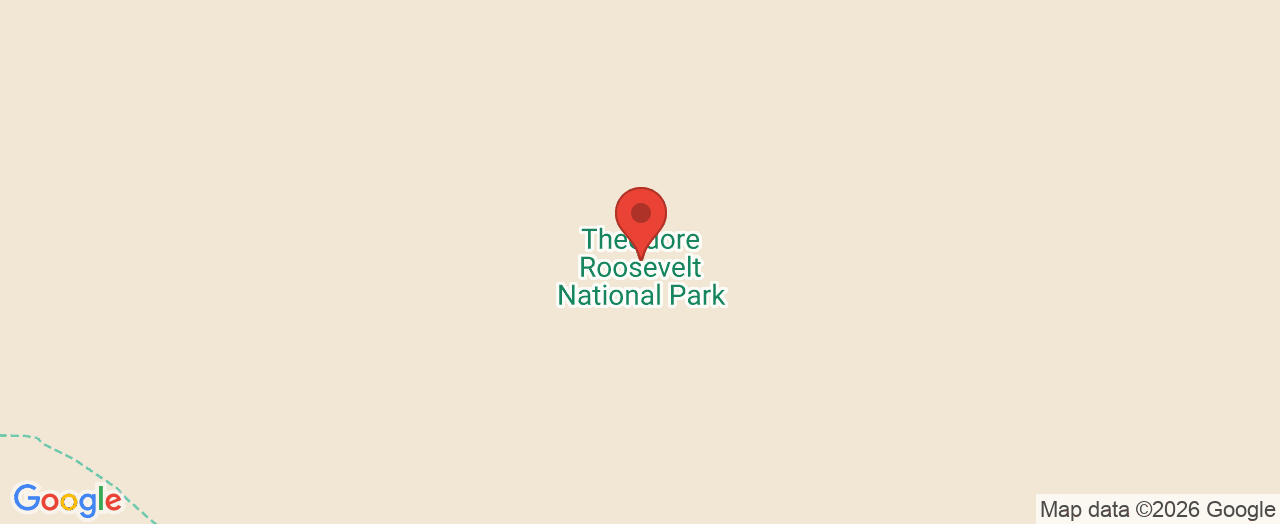
Theodore Roosevelt National Park Location and Visiting Hours
📅 Monday: Open 24 hours
📅 Tuesday: Open 24 hours
📅 Wednesday: Open 24 hours
📅 Thursday: Open 24 hours
📅 Friday: Open 24 hours
📅 Saturday: Open 24 hours
📅 Sunday: Open 24 hours


Write A Comment