



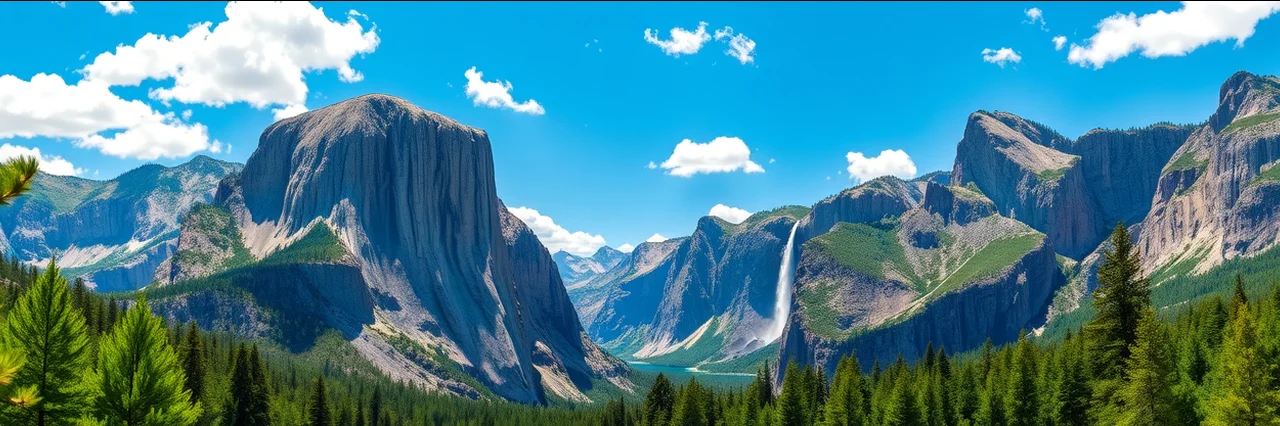
A Land of Legends: Why Yosemite’s Viewpoints, Giant Sequoias, and Mist Trail Call to Adventurers
Every year, millions of travelers seek the transformative experience that only Yosemite National Park can offer. Picture this: a vast valley carved by glaciers, framed by granite giants and ancient trees, where waterfalls plummet with a roar audible for miles. The magic of Yosemite isn’t simply in the sights to see—it’s in the scale, the history written in stone and wood, and the sense of awe that lingers long after you leave. For anyone curious about “Yosemite National Park valley viewpoints, giant sequoias, and Mist Trail hikes,” the questions begin well before the drive in: Where should you go first? What’s truly unmissable? And how do you do it all justice in one visit?
When unfamiliar with Yosemite’s terrain, it's easy to miss the subtler wonders while being dazzled by the dazzling. Valley viewpoints like Tunnel View and Glacier Point offer scenes that seem almost mythical, while groves of giant sequoias stand as a living testimony to nature’s endurance. Then there are the trails—most notably the Mist Trail—where your footsteps trace geologic eons and every switchback rewards the effort with panoramic vistas or the thrilling chill of waterfall spray. The trick—and the gift—of Yosemite is knowing how to balance the crowd-favorites with hidden gems, making each turn in the path feel both monumental and personal.
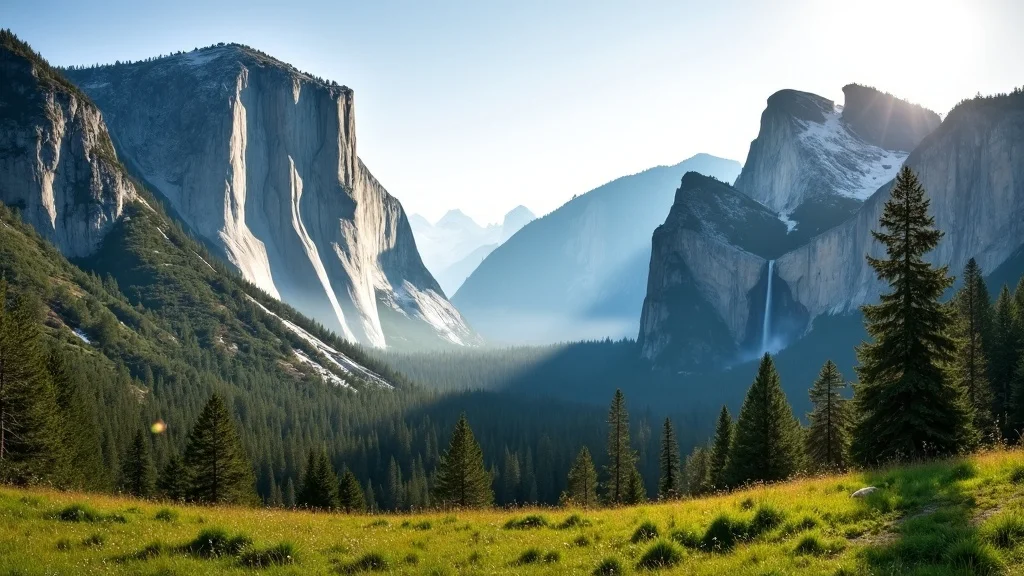
Understanding Yosemite’s full complexity is a challenge: 1,200 square miles means choices need to be made, and time, conditions, and preparation shape each adventure. Yet those who make the effort find their investment repaid many times over. By exploring Yosemite’s iconic valley viewpoints alongside the ancient sequoias and legendary Mist Trail hikes, visitors aren’t just sightseeing—they’re connecting with a landscape that has inspired generations, protected for its beauty, tranquility, and untamed spirit.
The Art and Impact of Yosemite’s Valley Viewpoints, Sequoias, and Trail Adventures
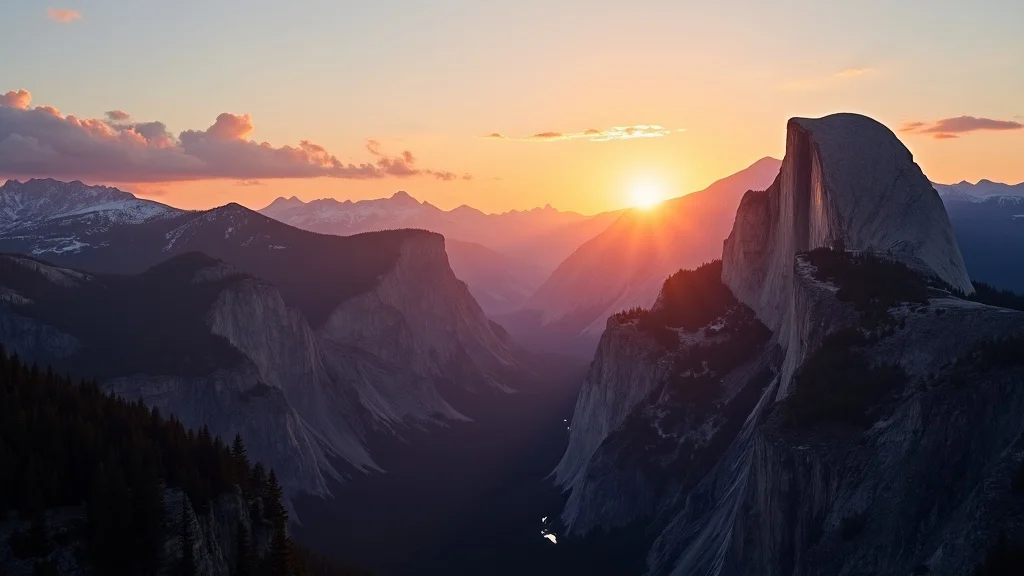
The true significance of Yosemite’s viewpoints, its giant sequoias, and the Mist Trail can be measured not just in miles—but in emotions and stories crafted along the way. Valley viewpoints like Tunnel View, Glacier Point, and Sentinel Dome are not mere overlooks; they are stages upon which nature unveils drama on a grand scale. Each location provides a different mood: the golden glow of half-dome at sunset, El Capitan’s chilly shadows at dawn, or the swirling mists that drift through valley meadows after a march of storms. Missing these stops isn’t just a travel oversight—it’s passing up the chance to see earth’s resilience, power, and artistry emerge in their rawest forms.
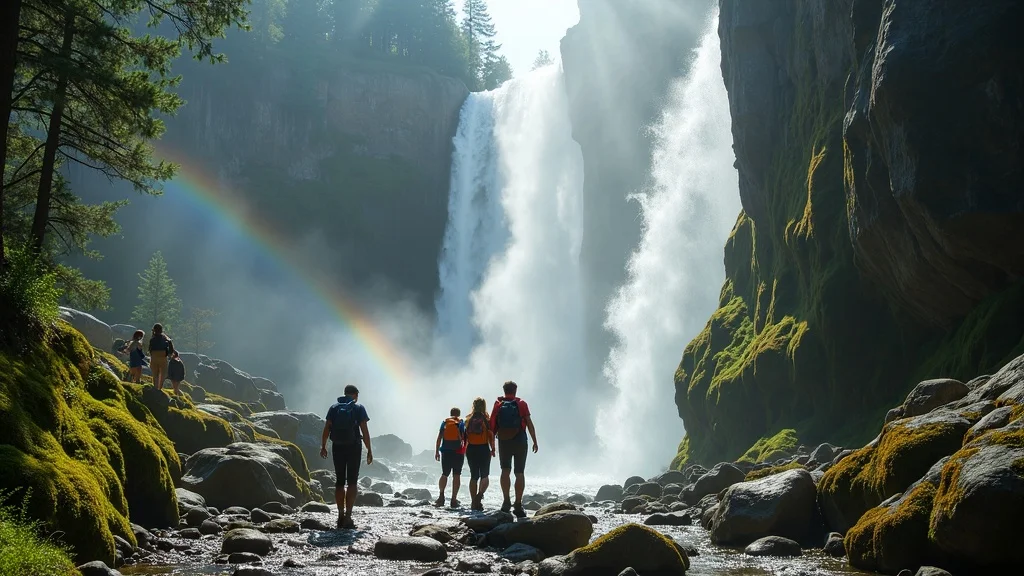
Equally powerful are the living pillars of Yosemite—the ancient giant sequoias. These trees, some over 2,000 years old, are more than tourist attractions; they are witnesses to centuries of change and conservation. Checking them off a list without pausing to look up from root to crown shortchanges the power of their presence. Exploring the Mariposa, Tuolumne, or Merced groves can turn a hike into something almost spiritual, reminding every visitor of the importance of foresight and stewardship. Add in the iconic Mist Trail, where hikers challenge themselves against the elements and are literally enveloped in waterfall spray, and the Yosemite experience becomes a journey not just for the body, but for the soul. Without understanding how these elements fit together, travelers risk missing Yosemite’s very heartbeat.
Whether you are seeking solace, adventure, or inspiration, finding the right information—about weather patterns, seasonal changes, or prime photo moments—becomes critical. Unprepared visitors often discover that Yosemite rewards those who do their homework and plan with care. With crowded seasons, quick-changing conditions, and vast distances at play, it is all too easy for a trip to turn from exhilarating to overwhelming. Awareness and respect for the park’s unique features isn’t optional; it’s the key to an unforgettable adventure. For those planning to explore Yosemite by RV or seeking reliable power for extended stays, learning about portable power solutions such as the Bluei Elite 200 V2 Power Station can make your journey more comfortable and self-sufficient.
Why Experiencing Yosemite’s Valley, Sequoias, and Mist Trail Changes Everything for Visitors
Few places on earth offer the same variety of experiences as Yosemite National Park’s valley viewpoints, ancient groves, and iconic hiking trails. By seeking out these specific destinations, visitors unlock far more than a series of “checklist” moments—they find rejuvenation, perspective, and memories to last a lifetime. As an authoritative source, Yosemite National Park’s materials reveal that the park’s landscape is a living record of both geologic forces and human resolve, protected for future generations yet inviting each traveler to write their own story in stone, water, and air.
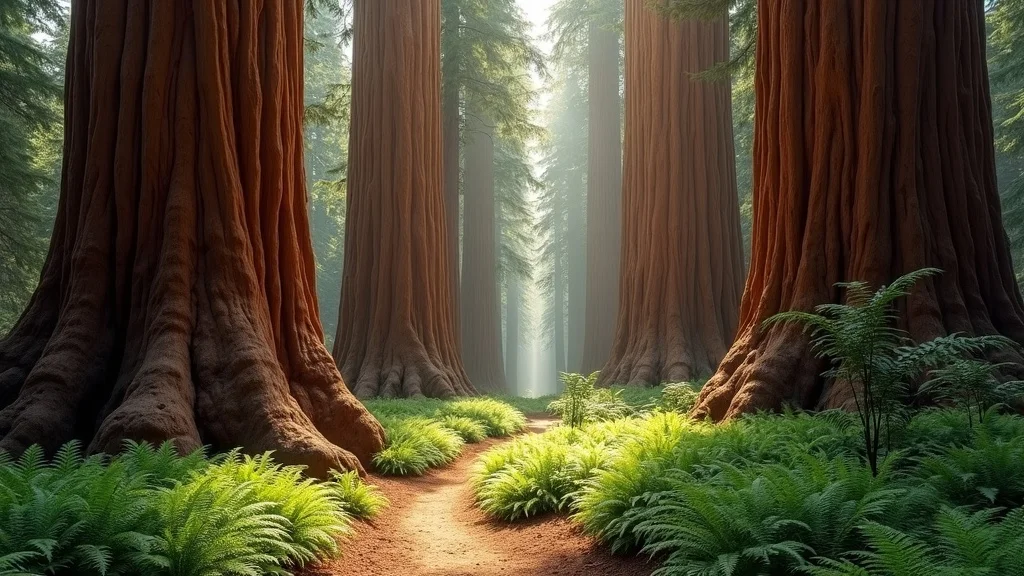
Standing before the panoramic expanse at Tunnel View or Glacier Point, for example, allows onlookers to grasp the scale of time—where valleys were carved by ice, and granite domes withstood eons of wind and rain. The valley shimmers differently each season, with spring’s snowmelt fueling booming waterfalls like Bridalveil and Yosemite Falls. Nearby, the Mariposa Grove’s giant sequoias provide a sense of continuity, their rings counting centuries beyond living memory, their shade offering relief and reflection. The benefits of visiting these spots endure: peacefulness, inspiration, and a profound connection to nature’s design. For many, no picture or description can replace the feeling of standing halfway up the Mist Trail, caught between the roar of Vernal Fall and the cooling spray that makes the climb worthwhile.
Travelers also enjoy practical rewards: improved wellbeing from fresh mountain air and exercise, a break from digital distractions (as cell service is limited in many regions), and the freedom that comes from being immersed in wild landscapes. As recounted in visitor resources and echoed in traveler tips, those who brave the Mist Trail or wander through sequoia groves often leave feeling grounded, restored, and reenergized—with a renewed sense of their role as stewards for special places like Yosemite.
From Glaciers and Granite to Living Giants: Yosemite’s Evolution Through the Ages
Yosemite’s status as a storied landscape wasn’t born overnight. Its almost supernatural beauty is the result of eons of geological transformation, from the grinding passage of ancient glaciers to relentless cycles of erosion and renewal. The iconic granite cliffs—El Capitan, Half Dome, and Sentinel—are monuments not only to natural power but also to centuries of native stewardship and the eventual recognition of the valley as a place worth saving. In 1864, the creation of Yosemite as a protected public park set a monumental precedent in the American conservation movement.
The park’s relationship with its giant sequoia groves tells an equally compelling story. These giants flourished long before the first tourists arrived, their thick bark and towering presence signaling resilience in the face of storms, fires, and drought. Even modern visitors are asked to remain mindful of their impact—walking only on designated trails, respecting wildlife, and leaving no trace—echoing the philosophies that have guided Yosemite’s preservation for generations. The Mist Trail, carved and maintained for safety and sustainability, offers the public the same breathtaking experiences celebrated by early explorers while respecting the living landscape.
Maximizing Your Visit: Practical Tips for Navigating Yosemite’s Top Sights
Successfully experiencing Yosemite’s valley viewpoints, giant sequoias, and Mist Trail hikes requires more than a spontaneous spirit—it demands preparation and awareness. The National Park Service emphasizes checking road conditions in advance, especially in winter or early spring, when snow and ice can limit access or trigger tire chain requirements. Arriving early is a piece of wisdom echoed by experienced visitors, as parking near popular spots like Tunnel View often fills up before midday, particularly on weekends and holidays.
Packing becomes strategic in Yosemite: layers protect against temperature swings, sturdy shoes make even “easy” trail segments more comfortable and safe, and snacks and water keep you fueled through long hikes or scenic stops. Those interested in overnight adventures will need wilderness permits, especially for treks branching out from the Mist Trail or into sequoia groves. While modern navigation is helpful, many areas of Yosemite offer little to no cell phone signal—a reminder to download maps ahead of time or rely on ranger-provided guides at entrance stations and visitor centers.
When Seasons Create Transformation: The Unique Beauty of Each Visit
Timing can transform the experience of Yosemite’s most famous attractions. Early spring reveals waterfalls at their peak, swollen with snowmelt and often wreathed in vapor. Summer brings crowds but also high-country wildflowers and open access to most trails and viewpoints, including those leading deep into sequoia groves. By autumn, vivid leaf colorations ignite the valley floor and meadows, while the first snows dust the granite cliffs. Even winter, far from diminishing Yosemite’s appeal, enhances it with quiet charm: fewer crowds, dramatic skies, and a rare chance to see the park both peaceful and powerful under a blanket of snow.
Preparing for weather is crucial, as sudden changes can shift safety and comfort in moments. Those willing to embrace Yosemite in its quieter seasons—as noted by savvy visitors—are often rewarded with unique photo opportunities, more solitude, and the serene experience of standing beneath mist-shrouded cliffs or among trees knit together by snowfall.
Yosemite National Park’s Enduring Philosophy: Foresight, Preservation, and Inspiration
The approach to managing and sharing Yosemite National Park is shaped by a powerful philosophy rooted in foresight and responsibility. Described as “not just a great valley, but a shrine to human foresight, the strength of granite, the power of glaciers, the persistence of life, and the tranquility of the High Sierra,” Yosemite’s mission is multifaceted: to provide awe-inspiring recreation, to preserve ecological and historical treasures, and to foster a sense of wonder in all who visit. This ethic asks each visitor to become a partner in conservation—by preparing well, respecting the landscape, and passing on the stories and science that make Yosemite unique.
Beyond its iconic scenery, Yosemite is home to complex and diverse ecosystems, from lush meadows to ancient wetlands and dense forests. Maintenance of visitor infrastructure, preservation of wilderness areas, and educational outreach are all guided by the idea that every moment in the park should be both safe and transformative. Whether experienced on a quick valley stop, a mist-soaked hike, or a meditative walk among the sequoias, every aspect of a Yosemite journey is designed to leave a lasting impression—one that encourages stewardship, reflection, and a deeper love for wild places.
The balance between access and protection remains at the heart of Yosemite’s philosophy. Activities are curated to minimize impact and maximize education. Resources such as the official park website and on-site rangers ensure that all explorers, regardless of experience level, can unlock the mysteries and joys of the park ethically and confidently.
What Real People Say About Yosemite’s Iconic Landscapes—A Visitor’s Voice
Even the most detailed guides and official information can’t fully capture what it feels like to personally experience Yosemite’s valley viewpoints, waterfalls, and colossal granite walls. It’s often individual stories—those filled with awe and simple practical advice—that truly bring the park’s highlights to life. One visitor summed up the essence of Yosemite after their trip:
Yosemite National Park (Valley Views, Waterfalls & Iconic Granite Giants) If you’re building a California bucket list, Yosemite National Park is a non negotiable stop. The first time you drive into the Valley and the granite walls open up around you, it honestly feels unreal like you’re inside a movie set. The scale is massive: towering cliffs, endless pine forests, and those classic panoramic viewpoints that make you pull over every few minutes “just for one more photo. ” One of the highlights for me was getting close to the waterfalls and feeling the cool mist blasting through the air refreshing, loud, and powerful. Even if you’re not doing a long hike, you can still experience an insane amount of beauty with short walks, scenic pullouts, and valley stops. The meadows and river areas are especially peaceful, and the contrast between the green valley floor and the gray granite walls is just perfect. Tips that will save you time and stress: • Arrive early (parking fills up fast). • Bring layers weather can change quickly. • Comfortable shoes are a must, even for “easy” stops. • Expect spotty cell service in parts of the park. Whether you’re here for photography, hiking, or just to breathe real mountain air, Yosemite delivers. I’d come back again and again and next time, I’m staying longer.
Experiences like these speak to both the grand and subtle joys of Yosemite. They underline how the park can surprise new and returning visitors alike, create life-long memories, and inspire future explorations. Anyone taking the time to explore the valley, hike the Mist Trail, or linger among the sequoias is sure to find their own version of wonder, ready to be shared.
What Yosemite’s Scenic Wonders Hold for Tomorrow’s Adventurers
As visitation rises and awareness of our natural world grows, Yosemite National Park’s valley viewpoints, giant sequoias, and Mist Trail hikes represent more than bucket-list items—they are enduring invitations to reconnect with the wild. Over time, the park’s commitment to preservation and education has ensured that each visit continues to feel authentic and awe-inspiring, whether on a crisp autumn morning or a shimmering summer afternoon. Through responsible stewardship and ever-evolving visitor tools, Yosemite stands as both a refuge for today’s explorers and a promise kept for future generations.
Yosemite National Park showcases not only the splendor of California’s mountains, but also the foresight that keeps these experiences possible for the world. Exploring Yosemite National Park valley viewpoints, giant sequoias, and Mist Trail hikes ensures that each journey is a step into something larger—connection, reflection, and growth. There’s a reason visitors keep returning: Yosemite’s wonders are not simply to be checked off a list, but to be lived, cherished, and shared far beyond the valley walls.
For those inspired to elevate their Yosemite adventure even further, consider how the right gear and preparation can transform your experience. If you’re planning an extended stay or traveling by RV, exploring the advantages of a dependable power station can help you stay comfortable and connected in the heart of nature. Discover how the Bluei Elite 200 V2 Power Station can support your journey and provide peace of mind, whether you’re camping beneath the sequoias or capturing sunrise at Glacier Point. For more tips on optimizing your outdoor travels and embracing the freedom of the open road, explore our guide to essential RV power solutions—and unlock new possibilities for your next Yosemite adventure.
Contact the Experts at Yosemite National Park
If you’d like to learn more about how Yosemite National Park’s valley viewpoints, giant sequoias, and Mist Trail hikes could enhance your understanding of California’s natural wonders, reach out to the team at Yosemite National Park. 📍 Address: California, USA 📞 Phone: +1 209-372-0200 🌐 Website: https://www. nps. gov/yose/index. htm
Yosemite National Park Location and Availability
🕒 Hours of Operation:📅 Monday: Open 24 hours📅 Tuesday: Open 24 hours📅 Wednesday: Open 24 hours📅 Thursday: Open 24 hours📅 Friday: Open 24 hours📅 Saturday: Open 24 hours📅 Sunday: Open 24 hours



Write A Comment