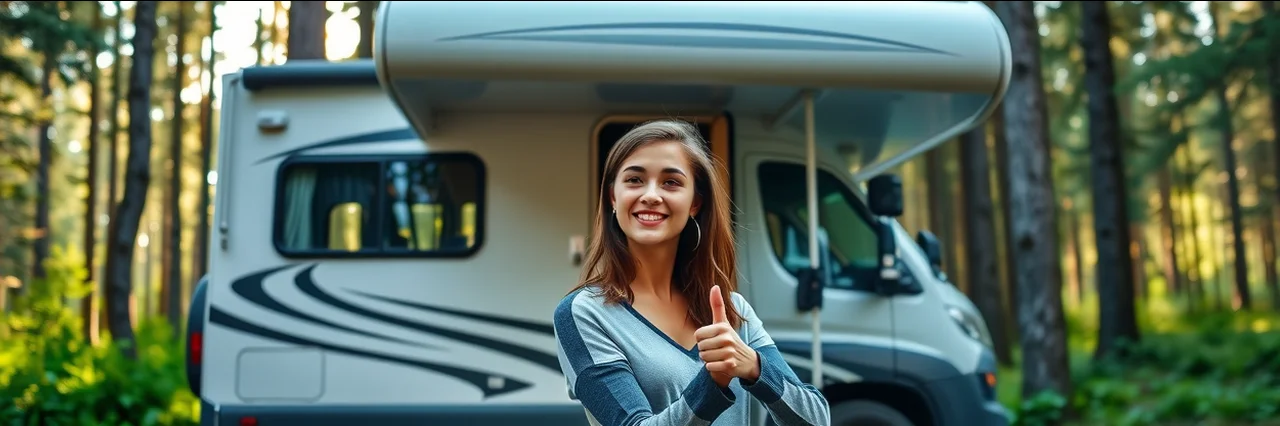
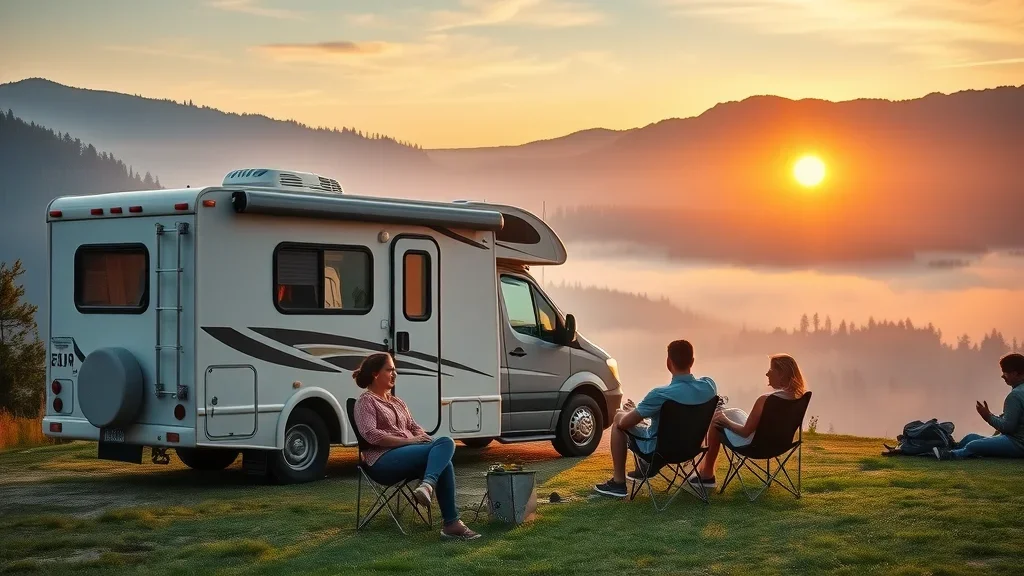
Deciding to embrace RV living can feel overwhelming, but it’s also a thrilling leap toward freedom. Many fear the unknown, yet with the right first steps, stress fades. Imagine waking each day to new horizons—starting your RV journey with confidence makes this dream achievable and joyful. In this friendly, step-by-step guide, you’ll uncover the proven strategies to help you master how to start RV living—from big decisions and budgeting to downsizing and finding a safe, connected home on the open road. Whether you dream of full time RV life, seasonal travel, or family adventure, these actionable steps will start you traveling with ease and anticipation—not anxiety.Embracing Freedom: Why Learning How to Start RV Living Transforms Your LifeShifting to the RV lifestyle is more than a change of scenery—it’s a door to a new kind of freedom. Many people chase the dream of rolling across the United States, answering the call of adventure, and escaping the daily grind. Yet the real magic of RV living isn’t just the places you’ll see; it’s in how you live. Discovering how to start RV living gives you control over your pace, routine, and surroundings. You’ll find that time RV living doesn’t just offer flexibility, it refreshes life’s priorities, fosters closer family bonds, and inspires self-sufficiency.Whether you’re considering RV full time or part time, the path begins with setting smart goals and addressing your fears with knowledge. Most new RVers discover that what once seemed intimidating—downsizing, budgeting, finding RV parks—becomes a source of pride. Instead of stress, you’ll experience excitement as you learn to adjust routines, manage travel style, and celebrate small victories like your first boondock or smoothly navigating a national park. Ultimately, when you take the right steps to begin, RV living shifts from daunting to delightful."Deciding to embrace RV living can feel overwhelming, but it’s also a thrilling leap toward freedom. Many fear the unknown, yet with the right first steps, stress fades. Imagine waking each day to new horizons—starting your RV journey with confidence makes this dream achievable and joyful."What You'll Learn By Mastering How to Start RV LivingThe essential steps to begin your RV living journeyUnderstanding RV full time vs part time RV livingManaging RV life logistics: health insurance, budgeting, and lifestyle choicesChoosing the right RV, preparing for travel, and staying connected on the roadNavigating national parks, public lands, and RV park optionsHow to Start RV Living: Planning Your Transition to RV Full Time or Part Time RV LivingSetting Your Intent: Full Time vs Part Time RV LifeThe first big question on how to start RV living is deciding if you want to live in your RV full time or use it part time. This choice shapes your entire experience. Full time RV living means your RV is your primary home, freeing you from permanent roots but requiring deeper planning—insurance, mail forwarding, downsizing, and establishing a travel style. On the other hand, part time RV life lets you keep a house and use your RV for getaways, vacations, or seasonal adventures. It’s less of a leap, often with less downsizing and more stable connections to your community or work.Before you purchase a vehicle or hit the road, list your priorities—do you crave endless travel or is this a way to recharge? Your answer will impact your selection of RV, how you manage health insurance, legal address, budget, and even RV park choices along your routeKey Personal and Financial Preparations for How to Start RV LivingOnce you’ve selected your RV living style, it’s time for honest personal and financial planning. How to start RV living isn’t just about hitting the road—it’s about making your life manageable and joyful along the way. Review your monthly expenses, including current housing, and compare them to projected RV costs. Think about RV insurance, ongoing maintenance, campground fees, and satellite internet if you’re planning to work remotely. If you’re choosing time RV living full time, be ready to downsize and make budget cuts, but also plan for increased expenses in travel, repairs, and health insurance.Personal preparedness is key: discuss the adventure with every family member, set up emergency plans, and make decisions about how to maintain relationships while living in an RV. Consider legal requirements like establishing a domicile, setting up mail forwarding, and determining how to vote or access healthcare while moving. Proper groundwork now reduces stress, allowing you to fully embrace life on the road and concentrate on what matters—exploring, adventure, and family time.Step One: Choosing the Right RV to Start Living in an RV SuccessfullyTypes of RV for New Time RV LivingPicking your first RV is a major milestone on the road to stress-free RV living. There’s no universal answer—your choice depends on your travel style, living needs, and budget. The most common types are motorhomes (Class A, B, or C), travel trailers, and fifth wheels. Motorhomes boast integrated driving and living areas, making them ideal for people seeking simplicity on travel days. Travel trailers and fifth wheels need a tow vehicle, but offer more flexibility if you want to separate your driving and living spaces. Each type of RV caters to unique needs—solo adventurers may love compact Class B vans, while families often enjoy spacious fifth wheels or Class C motorhomes.As you research options, think about full time vs part time RV life, size requirements, and essential amenities. If you want to boondock or explore public land far from RV parks, look for an RV with larger tanks and solar. If you plan on staying in RV parks often, easy hookups and slide-outs for extra room may be more important. Always factor in your experience with towing or driving larger vehicles; the right choice makes transitioning to RV living smoother, safer, and less stressful.Comparison Table: Motorhomes, Travel Trailers, Fifth WheelsRV TypeProsConsBest ForMotorhomes (Class A, B, C)Drive and live in one unit; no need for tow vehicle; easy for quick overnightsHigher upfront cost; engine maintenance; may be large for some campgroundsCouples, solo RVers, full time travelers craving convenienceTravel TrailersWide range of sizes; can unhitch vehicle for day tripsRequires tow vehicle; setup/takedown time; learning curve for towingFamilies, part time RV living, budget-conscious beginnersFifth WheelsSpacious interiors; stable towing; often luxury amenitiesNeeds large truck; heavy; high purchase priceFull time families or couples desiring long stays and ample spaceConsiderations for RV Full Time and Part Time: Size, Budget, and NeedsAsk yourself: Will you stay at RV parks, explore national parks and public lands, or boondock off the grid? Your lifestyle ambitions directly influence the best RV for your journeyThe perfect RV should support both your daily routines and travel dreams. For full time RV living, prioritize comfort, robust insulation, and storage solutions for clothes, kitchen gear, and hobbies. For part time or seasonal travel, you might trade space for easier maneuverability or lower costs. And always leave room in your budget for the unexpected—new RVers often discover that upgrades, repairs, and personal touches are part of the transition to life on the road.Essential Steps for How to Start RV Living: Downsizing and Preparing Home & LifeEfficient Downsizing Strategies for RV LivingThe payoff? A small, organized space that reduces stress and makes daily routines easy to manageWhat to keep, sell, or donateStorage solutions for sentimental itemsDownsizing isn’t just about clothes and kitchen gadgets. Consider digitalizing paperwork, choosing mobile-friendly tech, and only packing items you use regularly. Resist the urge to overpack on your first trip—many time RVers admit they bring too much and shed excess as they go. A streamlined RV hits the road lighter, safer, and ready for whatever adventures await.Legal, Health Insurance, and Financial Planning for Time RV LifeRV full time living comes with unique legal and financial requirements. Establishing residency (domicile) in a state that favors RV living is common—think Florida, Texas, or South Dakota, each offering mail forwarding, voter registration, and vehicle registration conveniences for time RVers. Research health insurance plans that cover travel across multiple states and ensure access to telemedicine. Managing finances means setting realistic monthly budgets, planning for both expected and surprise expenses (repairs, insurance, campground fees), and updating banking and tax information for mobile life.Protect your well-being by carrying critical documents safely and having digital backups. Some RVers open bank accounts with nationwide access and set up apps to pay bills on the go. If you have children, investigate how to continue education on the road. The effort spent now on logistics allows you to enjoy your RV travel later, with fewer financial or legal worries.Establishing a Domicile and Mail Forwarding When You Live in An RVDomicile, your legal state of residence, is essential for time RV living or anyone planning to spend significant time in an RV. Choose a state with favorable tax laws and RV-friendly services. Mail forwarding services handle your correspondence, government documents, and packages. Research providers that issue a permanent street address accepted by banks, insurers, and voting authorities. This setup ensures you stay connected, receive critical information, and maintain access to health insurance and vehicle registration whether you’re parked at an RV park or boondocking off-grid in public lands.Plan your legal moves early in your journey. Timely decisions regarding domicile, mail, and vehicle registration simplify health care, taxes, and voting, making RV living feel less like a leap and more like a well-prepared lifestyle change.How to Start RV Living Safely: Preparing Your Vehicle and YourselfMaintenance Musts: Pre-Departure Checks for RV LifeBefore setting out on your first RV trip, thorough maintenance keeps you safe and stress-free on the road. Begin each journey with a walk-around inspection, checking for any visible wear or potential issues. Tire inspection is essential—examine tread, look for cracks, and confirm tire pressure to avoid dangerous blowouts. A well-stocked basic toolkit can address minor breakdowns. Establish a routine maintenance schedule for oil changes, brake checks, water systems, and appliances. Staying proactive with repairs greatly reduces the risk of surprises that derail the RV lifestyle.Tire inspectionBasic toolkitsRoutine maintenance scheduleMany time RVers develop a pre-trip checklist to cover all systems: electrical, propane, plumbing, and safety alarms. This habit keeps you confident and prepared, whether you’re heading cross-country or spending time in your local national park.Safety Gear, Emergency Preparedness, and RV InsuranceA safe RV journey requires more than regular maintenance. Equip your rig with must-have gear: fire extinguishers, smoke/carbon monoxide detectors, first-aid kits, reflective vests, and weather radios. Know the basics of RV-specific roadside assistance. Have an emergency stash of food, water, and batteries for unexpected delays. A reliable RV insurance policy is not optional; it covers accidents, theft, and liabilities on public land, national parks, or RV parks. The best policies protect your vehicle, contents, and personal safety while traveling or parked.Understanding RV Insurance: What You Need for Peace of MindRV insurance is tailored to the risks unique to living in an RV. Consult insurance providers who understand time RV living; your policy should include liability, collision, and personal contents coverage. For full time RVers, full-timer’s insurance serves as homeowner insurance on wheels, protecting you while the RV is parked or in transit. Double-check which policy options extend coverage for pets, emergency expenses, or special equipment such as satellite internet antennas or solar power systems.Compare quotes from several insurers and ask about multi-policy discounts if you carry auto and RV insurance together. Document everything in a secure place—digitally and on paper—so you’re always prepared, wherever you live in an RV.Tech and Connectivity in How to Start RV Living: Satellite Internet and Work On the RoadStaying Connected: Best RV Internet and Satellite Internet SolutionsStaying connected is crucial for both work and play on the road. Traditional campground Wi-Fi rarely meets today’s speeds, especially for remote work or streaming. Satellite internet is a powerful solution for RVers who plan to travel in rural areas, public lands, or national parks. Popular brands like Starlink now offer high-bandwidth, portable systems for mobile internet, providing coverage where cell carriers can’t reach. Combining satellite with cellular data hotspots (using networks like Verizon or AT&T) covers most connectivity needs, letting you browse, join video calls, and even earn a living from your RV.Make sure your rig has space and power for routers, antennas, and necessary tech. Invest in a signal booster if you rely on cell data. This setup lets you stay in touch, manage finances, and plan your time RV living journeys with confidence.Working Remotely and Earning Income While Enjoying the RV LifestyleThe rise of remote work makes the RV lifestyle accessible to more people than ever. Freelancers, entrepreneurs, and employees working virtually find endless office views, from sunrises in national parks to cozy RV parks with reliable Wi-Fi. Consider your needs for privacy, noise, and power before committing to time RV living if you will work from your RV full or part time. Add a comfortable chair and extra screen, and remember to budget for mobile internet subscriptions or satellite gear.Income options abound: remote jobs, seasonal positions at campgrounds and national parks, and self-employment in fields like writing, design, or consulting. Combine careful planning with connectivity solutions, and you can enjoy the thrill of life on the road without sacrificing your career or financial security.How to Start RV Living: Mastering RV Parks, National Parks, and Public LandsChoosing RV Parks vs Public Land and National Park AdventuresWhere you spend your nights shapes your experience of RV living—do you prefer the convenience of an RV park or the solitude of public lands and national parks? RV parks offer full hookups, Wi-Fi, laundry, and sometimes fun amenities like pools, often appealing to time RVers prioritizing comfort and communityMany RVers blend both: weekdays in RV parks near cities, weekends surrounded by the beauty of national parks. Consider proximity to grocery stores, cell service, and access to activities you love. Research popular sites early—national park campgrounds fill up months in advance, while public land may have limitations on stay lengths or require permits. Every RV trip is a chance to personalize your journey and find new favorite places to park your RV.Making Reservations, Understanding Costs, and Maximizing ExperiencesHow to start RV living efficiently means learning to reserve campsites early, especially in popular locations and during peak travel seasons. Use online apps and reservation sites for national parks, state parks, and big RV park chains. Track your recurring expenses: nightly rates, reservation fees, cancellation policies, and membership discounts (such as Good Sam, Passport America, or KOA).To maximize your time, schedule longer stays in high-demand areas and keep flexible routes for spontaneous adventures. Seasoned time RVers recommend budgeting for premium locations and using off-peak dates for better rates. The more you learn to navigate the reservation process, the less you worry about finding somewhere safe and comfortable to park your RV.Boondocking and Essentials for Extended Time RV LivingBoondocking—the art of camping without hookups—lets you experience wild spaces while saving money. Essential boondocking skills include water and waste management, maximizing battery life with solar or generators, and choosing food that stretches days between grocery stops. As you embrace time rv living off-grid, always pack for unpredictability: extra food, a water filtration system, and a patch kit for tire repair.Respect public lands: leave no trace, research local rules, and never overstay posted limits. Building these habits unlocks remote, scenic camping and gives you the freedom so many time RVers love about life on the road.How to Start RV Living: Managing Life On the Road and Maintaining RoutineHealth, Wellness, and Access to Medical Care in RV LivingSuccessful long-term RV living depends on prioritizing health and wellness. Reliable health insurance—preferably plans that work in multiple states—ensures you’re always covered. Telemedicine apps are invaluable for minor issues, and some RVers map routes to stay close to trusted clinics or urgent care. Staying well also involves routine exercise, like walking trails, biking, or simple workouts inside your RV.Mental health matters too: the RV lifestyle is freeing, but it’s also an adjustment. Keep up with friends and family using video calls, and seek out other RVers for support and companionship. Take breaks from driving, maintain sleep routines, and stay in tune with your body’s needs. A little planning can go a long way to making life on the road comfortable and balanced.Meal Planning, Food Storage, and Cooking on the MoveKitchen space may be tight, but meal planning makes RV living healthy and delicious. Opt for easy-to-store foods, stackable cookware, and multipurpose appliances like an Instant Pot or stovetop oven. Plan weekly meals to minimize food waste and avoid last-minute, expensive groceries while traveling. A compact but well-stocked pantry keeps meal prep fun and supports your energy for adventure.Many RVers find creative ways to cook, from grilling outdoors to sharing potluck dinners at an RV park. Organize your food storage to prioritize fresh produce and refrigerated essentials. Freeze leftovers for later travel days, and invest in storage containers that nest neatly to save space. These small routines make eating well on the road both practical and a joy.Social Life, Community, and Finding Fellow Time RVersCommunity is a crucial part of the RV lifestyle. Even on the road, friendships flourish—at RV parks, through social media groups, or at organized rallies for RVers. Many national parks or public land sites have regular meet-ups or activity calendars. Stay open to casual connections and share tips, experiences, and laughter with other travelers.Solo RVers, in particular, benefit from finding their tribe, whether at shared campfires, group hikes, or through online forums. Fostering these relationships keeps time RV living vibrant and helps you learn, grow, and thrive in your new lifestyle.Video Guide: Daily Routines in RV Life – First Steps, Tips, and Common PitfallsHow to Start RV Living and Budget for Full Time or Extended RV LivingManaging Costs: Realistic Budgets for RV LivingOne of the most common concerns for new RVers is budgeting. Monthly costs for RV living can range widely, from $1,500 to $4,000 or more, depending on travel style, rig size, and habits. Main budget areas include campground fees, maintenance, fuel, vehicle insurance, and day-to-day living expenses like food and entertainment. Building a detailed budget—conservative and realistic—will keep you out of financial stress and free to enjoy your journey.Sample Monthly RV Living and Travel BudgetCategoryEstimated Cost (USD)RV Payment/Depreciation$400–$800Insurance (RV + Health)$120–$300Campground Fees$400–$1,000Fuel$250–$600Maintenance & Repairs$60–$200Food / Groceries$400–$800Mobile Internet/Satellite$50–$200Entertainment/Activities$80–$200Miscellaneous$50–$200Hidden Expenses: What New RVers Often OverlookRV living does offer potential savings, but it comes with some subtle costs—especially for time RVers. Consider replacing expensive home utilities with campground or generator power, occasional pricey repairs or upgrades, pet care on the road, and the cost of laundry, propane refills, or postal services. Budget for health insurance, higher fuel prices in remote areas, and miscellaneous travel expenses like souvenirs or last-minute hotel stays.The more you plan for the little things, the less you will be caught off-guard. Seasoned RVers suggest keeping a “rainy day” fund for these surprise expenses. That cushion, paired with smart spending habits, lets you focus on adventure rather than worry during your time on the road.How to Start RV Living for Families, Solo Adventurers, and CouplesAdapting the RV Lifestyle to Your Needs: Family, Solo, Couple ExperiencesRV living is as flexible as you need it to be. Families thrive by developing clear routines and providing children with space to learn and play, often turning campgrounds into outdoor classrooms. Couples often find the close quarters enhance their bond, while solo travelers make fast friends in RV parks and meetups.The key is communication and adaptability: talk openly about your expectations, boundaries, and goals for each RV trip. Customize your living space and travel style to suit your group’s preferences, and budget extra time for each member to pursue solo interests for balance. Regardless of your crew, RVing unlocks adventure for any lifestyle.Education, Pets, and Special Considerations While Living in an RVIf children join your journey, plan ahead for education—many families register as homeschoolers and tap into online curriculums or state virtual schools. Socialization happens at campgrounds, museums, and through local programs in RV parks or national parks. Include pet-friendly stops when you map routes, allowing time for exercise and safe environments for your furry companions.Consider accessibility if you or a family member has special needs: look for RVs with wide doorways, lower beds, or modified bathrooms. Time RV living can be for everyone with thoughtful preparation and attention to health, comfort, and enjoyment.How to Start RV Living: Step-by-Step Checklist for Your First RV TripTrip planning and routing tipsPacking essentialsFirst night setupHitting the road checklistVideo Walkthrough: Packing for Your First Time RV TripKey Takeaways: How to Start RV Living with ConfidenceStart with clear goals—full time or part timeThoroughly research and choose the right RV for your needsBudget carefully to prevent surprisesStay insured, connected, and ready for adventureEmbrace the flexibility and freedom of RV livingPeople Also Ask: Common Questions About How to Start RV LivingWhat is the 3-3-3 rule for RV living?Answer: The 3-3-3 rule for RV living means driving no more than 300 miles in a day, arriving at your destination by 3 p.m., and staying at least 3 nights, helping RVers travel at a relaxed pace and prevent burnout.What is the 4 4 4 rule for RV?Answer: The 4 4 4 rule for RV life advises limiting travel to 4 hours a day, 400 miles, or arriving at 4 p.m. This rule promotes steady, balanced travel and avoids fatigue.What is a realistic budget for RV living?Answer: A realistic budget for RV living varies by location, rig, and lifestyle but often ranges from $1,500–$4,000 monthly, including campground fees, fuel, maintenance, insurance, food, and entertainment.What is the 2 2 2 rule for RV?Answer: The 2 2 2 rule recommends driving no more than 200 miles in a day, stopping every 2 hours, and staying parked for 2 nights. This structure supports health, safety, and enjoyment on the road.FAQs: How to Start RV Living Beyond the BasicsWhat is the best RV for beginners? While motorhomes provide all-in-one simplicity, travel trailers are budget-friendly and teach basics. Choose based on comfort, ease of driving/towing, and storage needs.How do I find work while living in an RV? Use mobile internet or satellite internet for remote work. Consider seasonal jobs at campgrounds, parks, or offering online services in your field.Are there ways to stay safe when boondocking? Always check local guidelines, keep emergency gear handy, camp with others if possible, and trust your instincts when choosing boondocking locations.How do you access health care on the road? Sign up for nationwide health insurance, utilize telemedicine, and map routes near clinics for regular check-ups. Many urgent care locations accept travelers.Can families with children enjoy RV living full time? Absolutely! Structure routines, incorporate educational activities, and stay social to help children thrive while traveling in an RV.Ready to Take the First Step? Download Our Beginner's Guide to Starting RV Living NowReady to launch your adventure? Download our free beginner's guide for worksheets, checklists, and bonus tips to take your first RV journey in confidence!ConclusionStarting RV living is as much about mindset and preparation as it is choosing the right vehicle. With the right strategies, courage, and a bit of research, you can turn the dream of life on the open road into a reality, minus the stress.






Write A Comment