RV Otter

Ride With RV Otter

  • Home
  • Categories
    • Destinations & Routes
    • Campground Reviews
    • RV Tips & Lifestyle
    • Gear & Essentials
    • On-the-Road Living
    • Traveling with Pets
    • Stories & Adventures
    • RVing on a Budget
    • Boondocking
    • Campground Reviews
    • RV Lifestyle News
    • National Parks
    • State Parks
    • Extra News
    • Central Oregon Coast
    • National Forest
    • Shopping
    • Rentals
    • RV Resorts
    • Business Directory
    • RV Sales & Rentals
    • Destinations
    • Campgrounds & Stays
    • Gear & Rentals
    • RV News & Resources
    • RV Dealerships
    • Destinations 2
  • Businesses
  • Wildlife Refuges
May 25.2026
1 Minute Read

Master Great Sand Dunes National Park Sandboarding Today!

Great Sand Dunes National Park sandboarding at Medano Creek with dune hikes and mountains.

Great Sand Dunes National Park and Preserve

📍 Address: Colorado, USA

📞 Phone: +1 719-378-6395

🌐 Website: https://www.nps.gov/grsa/index.htm

★★★★★
Rating: 4.8

Why Sandboarding at Great Sand Dunes National Park Captivates Visitors and Adventurers

Imagine standing atop a mountain of sand, board in hand, the Sangre de Cristo peaks towering in the distance and the surreal silence of the dunes broken only by the rush of wind. The Great Sand Dunes National Park offers a landscape so striking, it practically demands exploration. But beyond the visual spectacle, there is a dynamic adventure at the heart of this park: sandboarding, paired with the cool, rushing waters of Medano Creek, and the challenge of hiking the tallest dunes in North America. For newcomers and seasoned thrill-seekers alike, this trio of experiences defines the adventure spirit of Colorado’s high desert and beckons outdoor enthusiasts from across the globe.

Why has sandboarding at Great Sand Dunes National Park become a can’t-miss activity? The answer lies in its unique blend of geology, recreation, and sheer fun—all accessible and suitable for a wide range of ages and experience levels. Medano Creek, which surges seasonally at the dune’s edge, acts as an oasis, inviting families to splash and play before or after tackling the challenging dune hikes. Meanwhile, the endless expanse of sand promises hours of exhilarating rides and memorable moments shaped by nature’s unpredictable elements. Understanding how to maximize your visit, navigate the terrain, and respect the environment transforms a simple day trip into a gateway to discovery, resilience, and awe. This isn’t just a destination—it’s a rite of passage for anyone who loves adventure under an open Colorado sky.

Adventurer sandboarding at Great Sand Dunes National Park with mountain backdrop

Unpacking the Magic: A Deep Dive into Sandboarding, Medano Creek, and Epic Dune Hikes

At its core, sandboarding at Great Sand Dunes National Park isn’t just a fun pastime—it’s a way to interact with one of the continent’s rarest landscapes. The park is home to the tallest dunes in North America, with some rising over 750 feet. These ever-shifting mountains of sand create a challenge unlike any alpine slope, rewarding those who venture up with heart-pounding descents and panoramic views stretching from grasslands to alpine tundra. But don’t be fooled by their beauty; climbing in deep sand is demanding, and the constantly changing angles mean each trip up the dune is a fresh adventure.

For those planning an extended adventure or seeking to enhance their outdoor experience, having reliable power on hand can make a significant difference. Many RV travelers exploring the dunes have found that portable power solutions, such as the Bluei Elite 200 V2 Power Station, offer convenience and peace of mind for everything from charging devices to running small appliances during your stay.

Medano Creek is another phenomenon that sets the Great Sand Dunes experience apart. Every spring and early summer, snowmelt surges down from the Sangre de Cristo Mountains, feeding this ephemeral stream at the edge of the dunefield. The creek’s flow varies—sometimes forming playful waves and “surge flows” ideal for wading, sandcastle building, and cooling down after a hike or sandboarding run. This unique hydrological feature is both a lifeline and playground, turning the base of the dunes into a dynamic, ever-changing beach. Visitors who miss the seasonal flow might not grasp the full wonder until they see— and feel—water running through desert sand, complementing the thrill of the dunes with the serenity of the creek.

Family playing in Medano Creek at Great Sand Dunes National Park

For those drawn to hiking, Dune hikes offer a test of endurance and perspective. Unlike typical trails, these routes are unmarked and require careful navigation—each summit revealing new vistas and challenges. It is a tactile lesson in perseverance, preparation, and respect for extreme environments. Those who underestimate these elements risk fatigue or frustration, but becoming informed about local conditions, environmental regulations, and safety tips is critical to a safe and fulfilling adventure. In ignorance lies risk; in knowledge, the keys to transforming uncertainty into unforgettable achievement.

Why Sandboarding, Medano Creek, and Dune Hikes Redefine Outdoor Adventure in Colorado

Across Colorado, adventure calls from mountain peaks and tumbling rivers—but nowhere quite like Great Sand Dunes National Park, where sandboarding, Medano Creek, and dune hikes combine into a trio of experiences not found anywhere else in North America. Here, the chance to sandboard down slopes that rival small mountains attracts families, athletes, and explorers with the promise of fun and achievement in equal measure. Medano Creek acts as a natural cooldown, offering a place to play, recharge, and reflect beside the ever-shifting dunes. Together, these features encourage visitors not only to test their abilities but to immerse themselves fully in the landscape’s rich tapestry.
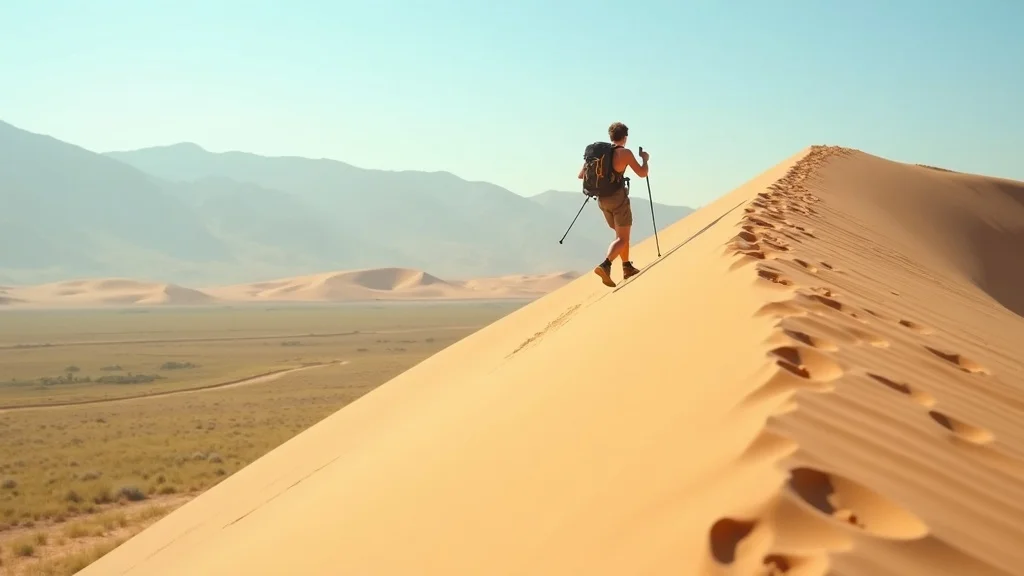
Hiker ascending sand dunes at Great Sand Dunes National Park, Colorado

The benefits are both physical and mental. Sandboarding builds coordination and courage; navigating the dunes promotes endurance and resilience. Medano Creek provides relief, recreation, and rare ecological encounters. For hikers, the feeling of reaching a dune’s crest after a winding, effortful climb delivers unmatched satisfaction and panoramic views stretching from fields to forested ridges. The opportunity to merge pure recreation with unique natural features also draws a spirited, dynamic community of visitors who leave with more than just photos—they leave with stories, newfound skills, and a deeper respect for the wild corners of Colorado.

How Medano Creek Sets the Great Sand Dunes Experience Apart

Medano Creek’s presence is fleeting but transformative, becoming a centerpiece of park visits from April through June. Unlike permanent rivers or lakes, this creek is fed solely by mountain snowmelt and rainfall, causing it to ebb and flow in unpredictable patterns. For families with young children, the shallow, surging waters create a natural waterpark, while adults relish the unique opportunity to rinse off sand or dip tired feet after hours exploring the dunes. Birdwatchers, too, flock to the banks, seeking glimpses of species that thrive in this seasonal wetlands environment—a testament to the park’s ability to surprise and delight with every season.
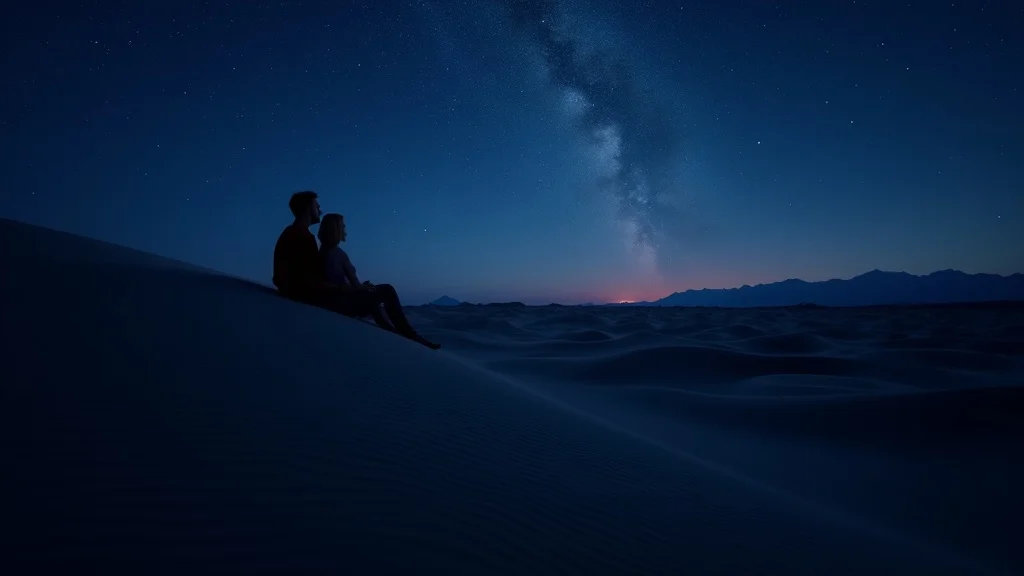
Couple stargazing atop Great Sand Dunes National Park at night

The magic of Medano Creek lies in its impermanence and its power to foster connection. Visitors who plan ahead, anticipating the creek’s peak flow, are rewarded with one of the park’s most unforgettable spectacles: sand and water weaving together, reflecting golden sunsets and star-filled night skies quoted by the park as part of its “International Dark Sky Park” designation. For those seeking adventure wrapped in serenity, few places offer such a blend.

Getting the Most Out of Your Dune Hike: Endurance, Preparation, and Perspective

Hiking the dunes is no ordinary walk in the park. Unlike well-marked forest trails, the sand dunes require strategic pacing and hydration, especially in midday heat when surface temperatures can skyrocket. Many visitors underestimate the effort required to ascend the tallest dunes, only to find their legs burning and progress slowed by ever-shifting ground. Early starts and lightweight packs are essential, as is carrying ample water and wearing sun protection from reflective sand and unbroken sky. When approached with respect and preparation, dune hikes become powerful lessons in patience and personal accomplishment.

Seasoned hikers recommend pursuing the tallest crests at sunrise or sunset, when temperatures are cooler and the light casts otherworldly shadows across the ridges. These efforts are rewarded not only with sweeping views but with a sense of wonder that comes from being enveloped by landscape so few have truly experienced on foot. Understanding the demands of dune hiking transforms a challenging trek into a celebratory undertaking, highlighting the importance of preparation, adaptability, and humility in wild spaces.

The Allure of Night: Star-Gazing in an International Dark Sky Park

Beyond the thrill of daylight adventure, Great Sand Dunes National Park is renowned for its designation as an International Dark Sky Park. This status offers visitors a rare chance to witness countless stars with an almost unfiltered view—free from city lights and everyday distractions. After the energy of sandboarding and exploring Medano Creek fades into evening, the park’s true magic emerges, with wide open skies painted in shimmering constellations. Night hikes and late-night sandboard descents become unforgettable as the landscape shifts from daytime vibrancy to midnight serenity, deepening the emotional resonance of every visit.

That opportunity to look up and experience the universe in breathtaking clarity connects visitors not just to the landscape, but to history, wonder, and the shared sense of awe that drives all great adventures. Incorporating night sky viewing into your park itinerary amplifies the rewards of every activity—from sandboarding to hiking—making for a complete and cohesive wilderness experience.

Great Sand Dunes National Park and Preserve: A Commitment to Diversity, Accessibility, and Memorable Adventure

The guiding philosophy of Great Sand Dunes National Park and Preserve centers on balancing visitor enjoyment with profound respect for environmental diversity and stewardship. According to the park’s official materials, the dunes are not just a recreational centerpiece—they are part of a multi-ecosystem landscape that includes grasslands, wetlands, forests, alpine lakes, and tundra. This diversity is reflected in the variety of activities encouraged by the park: from the thrill of sandboarding to the contemplative nature of hiking and the wonder of night sky viewing.

Additionally, the park distinguishes itself through accessibility and openness. Operating 24 hours a day, 7 days a week, with no timed entry or required reservations, Great Sand Dunes welcomes explorers of all backgrounds and ambition levels. Its mission is to provide a safe, memorable, and educational experience, empowering visitors with resources about current weather, Medano Creek flows, and suggested itineraries. By prioritizing visitor safety, environmental awareness, and inclusivity, the park continues to earn its reputation as one of the most welcoming and innovative wilderness destinations in the United States.

True to its roots, Great Sand Dunes National Park and Preserve also maintains a strong culture of education—sharing natural history, wildlife insights, and cultural reflections through its visitor center, knowledgeable rangers, and online resources. This commitment ensures that every sandboarding run, creek splash, or dune hike becomes a stepping-stone to deeper understanding, lasting memories, and a lifelong appreciation for the natural world.

Real-World Encounters: Visitors Find Thrill and Wonder on the Dunes

Stories from those who have ventured into the heart of Great Sand Dunes reveal just how transformative sandboarding, dune hikes, and Medano Creek can be. Some recall their initial trepidation at the sheer scale of the dunes or the unpredictability of mountain weather, only to finish their visit exhilarated and proud. Others recount the camaraderie of shared adventure, the childhood delight sparked by Medano Creek, or the sense of accomplishment after conquering a challenging hike.

Definitely go sand boarding! This was my first national park in Colorado and it was one of my favorites! The views of the dunes with the mountains in the background are incredible! Four of us went back country camping here and rented some sand boards to make the hike faster. The back country camping here is not for the faint of heart. We got hit with a wind storm while setting up our tents but it was such a cool experience. We woke up before sunrise and climbed to the highest peak to see the sun rise over the mountains. It made toughing out the storm so worth it. I would highly recommend renting the boards. It the made the trip 10x more fun to be able to zip through the dunes with our 30lbs backpacks on. Definitely make the stop here and hope for good weather!

These accounts underscore the importance of embracing both the challenges and surprises that sandboarding, creek play, and dune hiking offer. For every visitor who takes the plunge, the rewards are more than just adrenaline or scenic vistas—they are experiences that linger, stories to tell, and reasons to return. The Great Sand Dunes delivers not just fun, but a reminder of our capacity for adventure when we step confidently into the unknown.

Embracing Adventure: How Great Sand Dunes Sandboarding Shapes Lifelong Memories

In an age when outdoor adventure is increasingly valued for both physical wellness and mental escape, sandboarding at Great Sand Dunes National Park—along with immersing in Medano Creek and tackling the majestic dune hikes—represents more than a bucket-list experience. It’s an invitation to challenge assumptions about what wilderness offers, to engage body and mind in unfamiliar ways, and to foster connections to the land and to one another. The park’s unwavering commitment to safety, accessibility, and ecological diversity positions it as a model for adventurous destinations everywhere.

Whether you come seeking a thrilling new sport, quiet moments by a transient stream, or the satisfaction of taming the tallest dunes, the park’s unique landscape promises rewards that echo far beyond its boundaries. Trust in the expertise of the National Park Service, rely on the ever-present guidance of rangers and educational resources, and discover for yourself why sandboarding, Medano Creek, and dune hikes at Great Sand Dunes National Park leave an impression that lasts a lifetime.

If you’re inspired to elevate your outdoor adventures even further, consider exploring how innovative gear and technology can enhance your experience. For RVers and nomads, discovering the best power solutions can be a game-changer—learn more about the advantages of portable power stations and how they support extended journeys by visiting our in-depth guide to the Bluei Elite 200 V2 Power Station for RVers. Taking the next step in your adventure toolkit ensures you’re ready for whatever the dunes—and the road—have in store.

Contact the Experts at Great Sand Dunes National Park and Preserve

If you’d like to learn more about how sandboarding, Medano Creek adventures, or dune hikes could elevate your next Colorado exploration, contact the knowledgeable team at Great Sand Dunes National Park and Preserve.

  • 📍 Address: Colorado, USA
  • 📞 Phone: +1 719-378-6395
  • 🌐 Website: https://www.nps.gov/grsa/index.htm

Great Sand Dunes National Park and Preserve Location and Access Information

🕒 Hours of Operation:📅 Monday: Open 24 hours📅 Tuesday: Open 24 hours📅 Wednesday: Open 24 hours📅 Thursday: Open 24 hours📅 Friday: Open 24 hours📅 Saturday: Open 24 hours📅 Sunday: Open 24 hours

Location Map
National Parks

0 Comments

Write A Comment

*
*
Please complete the captcha to submit your comment.
Related Posts All Posts

Unearth Castle Clinton History: Secrets You Didn’t Know

Castle Clinton National Monument 📍 Address: Castle Clinton National Monument, Battery Park - Liberty Island, New York, NY 10004, USA 📞 Phone: 212-329-9979 ★★★★★ Rating: 0.0 From Fortified Walls to Iconic Landmark: The Real Story Behind Castle Clinton Imagine walking through Battery Park on the southern tip of Manhattan, where the air hums with energy and the distant Statue of Liberty hints at stories of arrival, defense, and transformation. Yet, sitting quietly by the harbor is a structure that has seen more of New York’s evolution than almost any other site—the storied walls of Castle Clinton. For those who cruise past or glance at its stonework, the true depth of its history remains hidden. Why does this low, circular fort matter? And what secrets lie behind its robust appearance, nestled amid modern skyscrapers and ferry lines? Understanding Castle Clinton’s past is about more than knowing another New York City landmark. Its journey reveals the cycles of immigration, conflict, culture, and reinvention that have shaped the city over centuries. This is a site where artillery defended a young nation; where millions entered America’s gates; where music, politics, and social causes all found their stage. By unearthing the history of Castle Clinton, readers not only connect with pivotal moments of U. S. development but also find a mirror for the shifting identity of America itself. The fortress, theater, immigration depot, and national monument—each role reflects a unique facet of collective memory worth exploring. Castle Clinton: A Living Chronicle of New York’s Changing Identity Castle Clinton began as a formidable coastal defense fortification, constructed between 1808 and 1811 when foreign threat loomed over the newly independent United States. Meant to defend the bustling New York Harbor from British attack, its circular battery of cannons once stood waterside—now landlocked due to later landfill. This fort was witness to an era when city and nation nervously built up their borders, reminding us that New York was not always the open, cosmopolitan hub we know today. For visitors today, it can be difficult to envision the site as the frontline of national protection, but its design and position echo this original intent with every weathered stone. Eventually, as the shadow of war receded, Castle Clinton evolved along with the city’s ambitions. The fort’s robust yet adaptable construction meant it could be transformed repeatedly—becoming first a grand entertainment venue, later the first federal immigration station in America, and even serving as an aquarium. Through all these stages, the monument reflected the city’s vital needs and cultural aspirations, illustrating how architecture and history are inextricably intertwined. Miss the story of Castle Clinton, and one misses the roots of American welcome, resilience, and adaptation—a lesson that speaks directly to any generation living through uncertain times. For those interested in how historic sites adapt to modern needs, it's fascinating to see how innovations in technology and infrastructure continue to shape the way we experience and preserve landmarks. In a similar spirit of adaptation, RV travelers are discovering the benefits of portable power solutions for their journeys—learn more about the Bluei Elite 200 V2 Power Station and its impact on mobile living. Why Castle Clinton’s Past Still Matters: Lessons for Today’s Urban Stories The enduring appeal of Castle Clinton lies in its ability to encapsulate so many eras of New York’s—and America’s—evolving story. As an early 19th-century fort, it symbolizes the anxious beginnings of a nation determined to defend itself and steward its own destiny. For historians and casual visitors alike, knowing this history translates today to a deeper appreciation for the layers of protection, pride, and foresight that shaped the city’s waterfront. When examined in context, Castle Clinton’s roots ground modern urban life in the narrative of calculated risks and infrastructure for a fledgling democracy. Once the threat of invasion diminished, the structure revealed its versatility, morphing to suit the city’s shifting personality. During its years as Castle Garden—one of the country’s top entertainment halls—New Yorkers and newcomers alike attended concerts, rallies, and social events within its walls. The building’s greatest significance, though, might be as America’s first official immigrant processing center, predating Ellis Island. Millions arrived here, greeted by the promise of a new beginning and a tangible gateway to the American dream. By recognizing how the monument functioned in these chapters, contemporary readers and visitors can better understand questions around migration, identity, and inclusivity that still echo today. Multiple Faces of Castle Clinton: A Journey Through Transformation and Resilience Castle Clinton National Monument stands today as a testament to transformation—serving different roles as tides of history demanded. Its initial formation as West Battery and strategic military placement answered the existential threats of foreign aggression in post-revolutionary America. But as times changed and military needs faded, the site’s utility was reimagined, amplifying New York’s commitment to cultural and civic purpose. This adaptability points to a central lesson about resilience: that defensive structures can become celebratory spaces, and places once marked by fear can be redefined by hope and progress. Experience, preservation, and engagement in the present give Castle Clinton its strongest relevance. Within the historic stonework, stories of immigration, artistic flowering, and changing civic priorities resonate with visitors, educators, and all who seek to root themselves in the city’s past. It’s not simply a site to be toured—it’s a classroom, a testament, and an invitation to think differently about the legacy of American entry points. Those who walk through its doors today encounter reminders of migration, innovation, and community, making the monument an enduring space for both reflection and discovery. How a Historic New York Fortress Became a National Hub of Immigration and Culture Tracing the timeline of Castle Clinton reveals a remarkable sequence of reinventions that mirror the city’s shifting needs. Original construction as a defense stronghold gave way, by 1823, to public usage under the name “Castle Garden”. The site quickly rose as one of the premier cultural centers in the United States, hosting famous performances—including Jenny Lind’s much-heralded American debut in 1850, which made national headlines. This phase of the monument’s life shines a light on how quickly New Yorkers could reimagine their environment for celebration, not just security. Perhaps Castle Clinton’s greatest social impact came between 1855 and 1890, when it operated as America’s first federal immigration center. Here, at the battery edge, millions passed through—families, laborers, revolutionaries, and dreamers—shaping the city’s future in profound ways. It was not only a logistical gateway but also an emotional landmark, a place where hope and anxiety coexisted as new Americans took their first steps into a wider world. By the late 19th century, when its immigration role passed to Ellis Island, the site again transformed, serving as the New York Aquarium and, eventually, earning designation as a national monument. Enduring Lessons from Castle Clinton’s Layers of History Looking beyond bricks and mortar, Castle Clinton’s legacy offers invaluable lessons about adaptation and endurance. The monument’s seamless shifting through roles—a fort, a theater, a welcome center, an aquarium—demonstrates civic responsiveness rare in urban architecture. By surviving threats of neglect and demolition (even standing as its seawalls eroded and city plans changed), the structure embodies New York’s persistent drive to keep valuable history alive even as the present surges forward. Appreciating its many lives gives all New Yorkers, as well as visitors from across the globe, connection to the tides of immigration, defense, and leisure that pulse through American history. Moreover, Castle Clinton offers a template for understanding how old structures can find new purpose. No longer simply a relic of the past, the monument acts as a lens through which to view contemporary challenges—how to welcome newcomers, protect communities, and celebrate shared culture. For students, families, and urban explorers, learning about Castle Clinton creates opportunities for dialogue about belonging, reinvention, and preservation in an ever-changing city. Castle Clinton’s Endurance: Inspiring Stories and Historical Anecdotes Throughout its centuries-long existence, Castle Clinton has witnessed countless personal and public dramas. During its time as an immigration center, lives were changed within its halls; people started new families, built businesses, and brought their heritages into the vibrant tapestry of New York. Even during periods when the monument faced demolition or neglect, preservation efforts rallied diverse community voices. Several early 20th-century civic campaigns succeeded in saving the structure—proving that its power goes beyond stones and steel, tied instead to stories carried through generations. Today, storytellers, educators, and park rangers help keep memory alive—offering tours, educational materials, and living history events that spark visitors’ imaginations. From tales of the fort’s military commanders to vignettes of immigrants’ first American moments, the monument engages everyone who comes searching for origins, identity, and the meaning behind the city’s ceaseless energy. This continuing engagement ensures that Castle Clinton is not simply a passive marker, but an active force in public education and inspiration. A Monument’s Perspective: Castle Clinton’s Enduring Role as Steward of American Identity Castle Clinton National Monument embodies an approach to heritage grounded in stewardship, interpretation, and community accessibility. As a National Park Service site, the focus has long been on preserving history while making it accessible and relevant to contemporary audiences. The monument’s mission includes educating visitors about every phase of its experience, from military stronghold to gateway for millions of new Americans. Staff and educators prioritize inclusivity—ensuring all backgrounds can find themselves reflected somewhere in the monument’s many chapters. There is a notable commitment to authenticity, ensuring restoration projects and interpretive materials capture the intensity, drama, and human costs embedded in Castle Clinton’s history. The monument operates as more than a preserved site; it is a hub for events, learning, and civic commemoration—inviting dialogue about the nature of transformation and the power of place. In an era where historical narratives can be contested or ignored, Castle Clinton stands as an advocate for understanding the past through direct engagement, careful storytelling, and diligent preservation. The Memory of Millions: Lasting Impact through Castle Clinton’s Visitors’ Eyes Each year, thousands of people step into Castle Clinton National Monument, bringing with them questions, hopes, and sometimes personal connections to the immigrant journeys celebrated within its walls. While there are countless visitor stories, let’s consider one of the many testimonials about the emotional and educational power of a visit: [[review_one_text]] As countless travelers have discovered, connecting firsthand with this chapter of New York and America’s past offers both inspiration and perspective. The same sense of awe and reflection experienced by visitors is available to anyone willing to walk through its doors, ready to be transformed by stories that have shaped generations. Rediscovering the Past: Why Castle Clinton History Is Essential Learning for Everyone In the end, Castle Clinton’s layered history stands not simply as an account of one monument, but as a reflection of all the forces—migration, defense, celebration, reinvention—that have shaped New York’s and America’s collective path. The efforts of Castle Clinton National Monument in preserving, interpreting, and sharing these stories ensure that this historic site remains a vital classroom and civic resource. By prioritizing education, authenticity, and inclusivity, the monument shapes future generations’ understanding of what it means to belong, to change, and to remember. Anyone curious about New York’s character, or America’s evolution, will find the history of Castle Clinton an essential starting point. If you’re inspired by the way Castle Clinton has adapted through centuries of change, consider how embracing innovation and resilience can enhance your own journeys—whether exploring historic sites or venturing into the great outdoors. For those seeking practical ways to stay connected and empowered on the road, discovering the advantages of advanced portable power solutions can be a game-changer. Explore how the Bluei Elite 200 V2 Power Station is transforming the travel experience for RVers and nomads by visiting this in-depth guide to modern mobile power. Let the lessons of adaptability and forward-thinking from Castle Clinton inspire your next adventure, wherever it may lead. Contact the Experts at Castle Clinton National Monument If you’d like to learn more about how castle clinton history could benefit your historical knowledge or inspire your exploration of New York’s heritage, contact the team at Castle Clinton National Monument. 📍 Address: Castle Clinton National Monument, Battery Park - Liberty Island, New York, NY 10004, USA 📞 Phone: 212-329-9979 🌐 Website: Castle Clinton National Monument Location and Availability 🕒 Hours of Operation:

Discover Canyon de Chelly National Monument Navajo Guided Tours Today

Canyon de Chelly National Monument 📍 Address: Arizona, USA 📞 Phone: +1 928-674-5500 🌐 Website: https://www.nps.gov/cach/index.htm ★★★★★ Rating: 4.8 Step into 5,000 Years of Living History at Canyon de Chelly – Nature, Culture, and Perspective Await Imagine standing on the edge of an immense canyon, red sandstone walls carved by centuries of wind and rain, echoing with the voices of cultures that have called these valleys home for nearly five millennia. Canyon de Chelly National Monument is not just a stunning landscape: it’s a living testament to resilience, tradition, and the intricate balancing act between people and place. For those hungry to experience more than just a view, the opportunity to venture inside this sacred land—guided by Navajo hosts who know its histories by heart—offers something few other national monuments can. Canyon de Chelly National Monument Navajo guided tours and rim overlooks are central to experiencing the canyon’s full significance. Unlike many destinations where monuments stand as silent relics, this canyon pulses with the rhythms of everyday life. Modern DinĂ© (Navajo) families still raise livestock, farm, and dwell in this mosaic of cliff dwellings, pictographs, and natural wonders. Visitors face a powerful question: What does it mean to explore land that is both historic and undeniably present, a place where stories, livelihoods, and sacred spaces intertwine beneath broad desert skies? This article unpacks why this journey is so unique—and so essential to understand before you arrive. Unveiling the Sacred: What Makes Canyon de Chelly’s Navajo Tours and Rim Overlooks Unique? Canyon de Chelly (pronounced d’SHAY) National Monument stands at the crossroads of geology and humanity, nestled in northeastern Arizona. While its rim overlooks provide breathtaking panoramic views, the true heart of the monument beats within its valleys—a realm only accessible through guided Navajo-led tours. These are not your average sightseeing excursions; they are invitations to witness living culture, oral traditions, and an unbroken link to the past that still shapes the landscape today. Travelers often come seeking the picturesque: vivid red cliffs, ancient cliff dwellings, and wild horses roaming free. But those who only skim the surface risk missing the soul of this place. Without understanding the stories imbued in each formation, or the connection modern Navajo families maintain with the land, the experience risks becoming just another photo opportunity. Rim overlooks offer awe-inspiring perspectives, but only a Navajo-guided journey down into the canyons reveals the agricultural practices, family homes, and petroglyphs that make this monument one of the longest continuously inhabited landscapes in North America. To truly respect, protect, and enjoy Canyon de Chelly, one must see it through the eyes of its people. For those planning an extended adventure in the Southwest, ensuring you have reliable power on the road can make all the difference. Many RV travelers exploring remote destinations like Canyon de Chelly have found that investing in a portable power station, such as the Bluei Elite 200 V2 Power Station, helps keep devices charged and comforts accessible during off-grid stays. Why Navajo Guided Tours and Rim Overlooks Deepen Your Canyon de Chelly Experience Canyon de Chelly National Monument offers more than scenic beauty—it presents a chance for immersive learning, shaped by the voices of those who have lived here for generations. The blend of Navajo guided tours and rim overlook drives allows both panoramic appreciation and intimate understanding. Local guides share stories that transform still rocks into narratives about survival, adaptation, and kinship. Rim overlooks, stretching across North and South rim drives, anchor visitors in the present with stunning vistas, while also connecting every gaze to thousands of years of human endeavor. Participating in a Navajo-guided tour removes barriers between visitor and landscape, offering context that helps explain the significance of petroglyphs, ancient ruins, and modern farmsteads. These tours highlight how traditional practices persist in the face of modern change. Overlooks supply perspective—literal and metaphorical—on the vastness of the canyons and the resilience required to thrive here. Both experiences—guided tours and scenic overlooks—underscore how cultural interpretation and local stewardship can elevate a simple day trip into an unforgettable, transformative journey. By combining these approaches at Canyon de Chelly, visitors take home more than memories; they gain insight into stewardship, tradition, and the symbiotic relationship between people and place. How Rim Overlooks and Guided Tours Reveal a Timeline of Human and Natural Resilience Canyon de Chelly’s history isn’t a distant memory. DinĂ© families have called it home for nearly 5,000 years—longer than any other settlement on the Colorado Plateau. When touring the monument, guests confront evidence of the ancient and the ongoing: cliff dwellings tucked high above, petroglyphs testifying to generations of artistry, and actual farms where community members plant and harvest as their ancestors did. Guided tours led by Navajo experts introduce visitors to a world where history and everyday life are deeply intertwined. Overlooks on the North and South rims offer exceptional views of signature sites such as Spider Rock, the towering sandstone spire central to Navajo mythology. Hikers and sightseers can traverse established trails or join formal ranger hikes for another angle on the canyon’s physical drama. Yet, it is the stories shared along the way—how sheep still graze in ancestral fields, how each formation carries a legend—that bring this timeline of resilience to vivid life. The blend of guided access and self-paced sightseeing ensures every visitor can find a meaningful point of connection, regardless of their interests or schedule. Navajo Nation Stewardship: Respecting Living Communities Past and Present A defining distinction for Canyon de Chelly is its joint administration by the National Park Service and the Navajo Nation, emphasizing respect for both natural wonders and the people who reside within them. This stewardship isn’t just administrative; it shapes the entire visitor experience, from access rules to interpretive content. Guests are encouraged to recognize themselves as visitors on active, living DinĂ© land—where traditions, rituals, and agricultural cycles continue much as they have for generations. This partnership ensures that tourism supports—not disrupts—the lives of canyon residents. By prioritizing Navajo guides, the experience centers the perspectives and heritage of local families. Even casual stops at rim overlooks often turn into opportunities for conversation and learning, as community members may share legends and personal stories, deepening the significance of each viewpoint. Visitors who engage with this stewardship approach walk away with a greater understanding of mutual respect—between cultures, between people and nature, and between past and present. Planning Your Journey: Practical Tips for Canyon Exploration and Etiquette Maximizing your visit to Canyon de Chelly begins with thoughtful planning: deciding when to go, which tours to join, and how to approach interactions respectfully. The monument offers several options, from free ranger-led hikes to fee-based Navajo tours that access the heart of the canyons. Rim drives, open year-round, allow for leisurely sightseeing, while hiking trails like the White House Trail test endurance and reward with stunning up-close perspectives. Visitors should prepare for varied conditions—high desert weather can shift quickly—and respect all posted guidelines, particularly regarding permitted access within the ancient canyon floors. Because many Navajo families still call the canyons home, treating each space with courtesy and openness is essential. Engage with guides and local storytellers where possible: every question asked contributes to a richer, more informed—and more respectful—visitor experience. The best journeys here blend curiosity with mindfulness. The Canyon de Chelly Approach: Education, Partnership, and Connection At the heart of the Canyon de Chelly experience is an educational approach rooted in respect for both heritage and natural beauty. The partnership between the National Park Service and the Navajo Nation means that the preservation of stories, structures, and ways of life is prioritized alongside guest experience. The philosophy promoted here centers on authentic connections: between guide and guest, monument and visitor, tradition and change. This approach encourages every visitor to become a student of place—whether enjoying rim overlooks or venturing deep into canyon trails under the guidance of a Navajo expert. By inviting curiosity and sharing lived experiences, the monument fosters a sense of stewardship that extends well beyond your time on-site. Canyon de Chelly doesn’t just display its wonders: it invites a dialogue, cultivating both respect and lifelong interest in cultural landscapes. What Visitors Are Saying: Perspective Shift and Genuine Encounters One of the most telling ways to understand the value of Navajo-guided tours and rim overlooks at Canyon de Chelly is to hear from those who have walked the ancient paths themselves. Personal experiences continually highlight the unique intersection of beauty and heritage, as well as the sincerity of those who welcome visitors onto their land. Visited this park as part of a northern Arizona tour my husband and I decided to take. We absolutely loved it! The White House Trail was open, and while challenging, it was completely worth it. Each of the overlooks had a unique view. I saw a few reviews complaining about "panhandlers" at the overlooks, but honestly, everyone was extremely polite, willing to share the local history and their personal stories, and definitely NOT pushy in any way. I felt it added to the experience where I was definitely a visitor in their land. We visited at the end of September, the weather was perfect and the park was not crowded. I differently recommend! Stories like these reflect the best of Canyon de Chelly: landscapes that inspire awe, guides who illuminate the land’s deeper meaning, and a visitor experience shaped by respect and openness. For anyone seeking more than just another scenic stop, taking time to walk the canyon with a Navajo guide or to pause meaningfully at a rim overlook can foster a sense of connection and gratitude that lingers long after you depart. Looking Forward: Why Navajo Guided Tours at Canyon de Chelly Matter More Than Ever Canyon de Chelly National Monument’s Navajo guided tours and rim overlooks offer a living bridge between distant past and living present, each visit reinforcing the responsibilities of stewardship and cultural respect. As more travelers seek out authentic experiences and ethical tourism, places like this stand as beacons for how collaboration and careful interpretation can amplify meaning. The park’s ongoing dedication to education, preservation, and partnership ensures that every journey here is in harmony with the values of its enduring residents. By joining a Navajo-guided tour or pausing purposefully at each rim overlook, travelers not only witness breathtaking beauty but also learn from and honor a timeline stretching back centuries. Canyon de Chelly National Monument remains a testament to cultural continuity and collaborative management—a model for the future of heritage tourism and a powerful reason to plan your next journey to this corner of Arizona. If you’re inspired to make the most of your time exploring the American Southwest, consider how the right gear and preparation can elevate your journey. From ensuring your RV is equipped for off-grid adventures to discovering the best tools for comfort and convenience, there’s always more to learn about traveling smart. For a deeper dive into essential equipment that can transform your next road trip, explore the advantages of the Bluei Elite 200 V2 Power Station for RVers—a resource that can help you stay powered up and ready for every breathtaking stop along the way. Contact the Experts at Canyon de Chelly National Monument If you’d like to learn more about how Navajo guided tours and rim overlooks at Canyon de Chelly National Monument could enrich your understanding of history and landscape, contact the staff at Canyon de Chelly National Monument. 📍 Address: Arizona, USA 📞 Phone: +1 928-674-5500 🌐 Website: https://www. nps. gov/cach/index. htm Canyon de Chelly National Monument Location and Availability 🕒 Hours of Operation: Please consult the official park website or contact the monument directly for the most up-to-date hours, as they may vary seasonally and for special events.

Explore Colorado National Monument Rim Rock Drive Overlooks Today!

Colorado National Monument 📍 Address: Grand Junction, CO 81507, USA 📞 Phone: +1 970-858-2800 🌐 Website: https://www.nps.gov/colm/index.htm ★★★★★ Rating: 4.9 Unveiling Rugged Beauty: Why Rim Rock Drive and Canyon Hikes Captivate Adventurers Imagine a place where dramatic red canyon walls stretch to the sky, where ancient monoliths and high mesas offer panoramic views of sweeping wilderness, and where every curve in the road promises a new, breathtaking reveal. For travelers drawn to the magic of the American West, destinations like Colorado National Monument’s Rim Rock Drive provide an unforgettable mix of geological wonder and soul-stirring perspective. Here, the landscape is more than scenery—it’s an invitation to explore, reflect, and connect with nature in its most raw and vibrant form. The experience of traversing the 23-mile Rim Rock Drive and venturing into its accompanying desert canyon hikes offers more than just visual satisfaction. It poses challenges and reveals secrets of time, erosion, and survival—both human and non-human. Visitors come for the stunning overlooks and stay for the sense of discovery that can only be experienced in this preserved corner of the Colorado Plateau. Whether you’re a seasoned hiker, a casual traveler, or someone seeking a moment of quiet amid grand landscapes, understanding what awaits along Rim Rock Drive and its adjacent trails is essential to unlocking the Monument’s true value. What awaits, and why does it matter? Let’s explore the answers, winding through geology, ecology, and human curiosity. Beyond the Horizon: Decoding the Majesty of Rim Rock Drive and Desert Hikes At first glance, Rim Rock Drive appears to be just another mountain road. But it is, in fact, an engineering marvel that showcases some of the West’s most impressive rock formations. Built to wind gracefully across canyon edges and mesa tops, the drive provides a front-row seat to the region's iconic geography: sheer-walled canyons, weathered boulders, and the ever-present possibility of spotting bighorn sheep or soaring golden eagles along the cliffs. Each overlook along the route—over a dozen in total—offers a unique vantage point, taking visitors from sweeping views of Monument and Wedding Canyons to intimate glimpses of red rock spires and high desert flora. However, the real adventure often begins when travelers leave the vehicle behind and set out on foot. Desert canyon hikes emerging from Rim Rock Drive plunge into an immersive world shaped over millions of years. Trails twist beside monolithic columns and descend into winding arroyos, their paths sometimes passing ancient petroglyphs or carpets of colorful wildflowers after spring rains. The reward for such exploration is not just a deeper connection to nature, but a growing awareness of the delicate systems—geological and ecological—that have persisted here. Failing to fully grasp the importance of these hikes means missing a chance to witness the interplay between stone, weather, and time itself. Yet, for every visitor willing to slow down and pay attention, the Monument becomes not only a sightseeing destination, but a window into the resilience and beauty of the desert Southwest. For those planning extended adventures or seeking greater self-sufficiency while exploring remote overlooks and trails, it’s worth considering how portable power solutions can enhance your experience. Discover practical insights on staying powered up during your travels in this guide to the Bluei Elite 200 V2 Power Station for RVers. Why Rim Rock Drive’s Overlooks Are the Gateway to the American West’s Wild Heart As one of the defining features preserved within Colorado National Monument, the Rim Rock Drive is celebrated for its ability to physically and emotionally transport visitors deep into the heart of canyon country. More than just a scenic route, the drive and associated overlooks supply a tangible sense of scale and grandeur, allowing guests to witness first-hand the results of nature’s artistry carved over eons. The National Park Service—the steward of this landscape—is intentional about making these experiences accessible, ensuring travelers can engage with the land through well-planned overlooks, interpretive signage, and clearly marked trails that unravel the story of the plateau and canyons. The benefits of exploring these features extend beyond personal inspiration. Rim Rock Drive functions as both a literal and figurative gateway, providing all ages and abilities the chance to observe migratory birds, desert wildflowers, and rare wildlife such as bighorn sheep—all while enjoying safe pullouts and clear navigation. For families, adventurers, and first-time visitors alike, the route’s overlooks double as opportunities for learning and connection: offering lessons in geology, ecology, and the long-standing cultural ties that Indigenous people hold to the land. Each stop is more than a photo opportunity; it’s an encounter with wilderness, stewardship, and the enduring allure of the Monument’s wild heart. Tracing Time: How Rim Rock Drive Celebrates Both Natural and Human Histories The story of Rim Rock Drive is as layered as the stratified cliffs it traverses. Envisioned as a public works project and built through extraordinary effort, the road itself is an artifact of American perseverance, providing access to a landscape long-revered by local tribes and later celebrated by conservationists. Along the drive, visitors can learn how the land’s features—towering monoliths, arched bridges, and canyons—were shaped by ancient geologic forces. Interpretive markers highlight not only the scientific origins of these structures, but the many generations who have valued this landscape for its sustenance and inspiration. Equally compelling are the stories of those who fought to protect the Monument, from early activists to today’s park rangers dedicated to education and stewardship. Rim Rock Drive physically connects these layers of meaning, linking the past with the present and inviting explorers of every background to participate in the ongoing story. The drive and its overlooks are a living classroom, encouraging visitors to bear witness to ancient changes and modern preservation. Desert Canyon Hikes: Where Adventure and Discovery Intersect While the overlooks provide breathtaking panoramas, it’s the desert canyon hikes radiating from Rim Rock Drive that truly immerse visitors in the Monument’s wonders. Carefully maintained trails wind through silent valleys and climb rugged switchbacks, each offering unique perspectives and distinct ecological encounters. Some paths trace the base of soaring sandstone formations; others follow sandy washes where moisture supports wildflowers and resident wildlife like lizards and nesting birds. These hikes empower guests to connect with the environment at their own pace—whether embarking on a short nature walk or entering the solitude of the backcountry. Ranger programs and Junior Ranger activities invite curious minds to engage with the land’s natural rhythms, unlocking discoveries not found in guidebooks but in firsthand experience. In a region often defined by what appears severe or inaccessible, these trails prove that desert beauty can be both intimate and approachable for anyone willing to set foot on the path. The Monument’s Conservancy Mission: Balancing Access with Lasting Protection The National Park Service, as the guiding force behind Colorado National Monument, champions a careful approach to public access and preservation. This philosophy is embedded in every aspect of the Rim Rock Drive overlooks and desert canyon hikes. The Monument’s mission is to preserve not only breathtaking vistas and vital ecosystems but also the cultural history embedded in this landscape. Educational efforts, such as interpretive posts, visitor center programs, and published advice on responsible recreation, reflect a belief that preservation and enjoyment can—and must—coexist. The Monument’s blend of accessibility and stewardship means that every guest—whether camping at Saddlehorn Campground, joining a ranger-led walk, or taking a solo drive at sunrise—has a role to play in conservation. Visitors are encouraged to experience the land fully and respectfully, deepening their connection while leaving the least possible impact. Through this dual commitment, the Monument inspires a new generation of explorers to value, defend, and share the unique legacy preserved within its boundaries. When the Overlook Leaves You Speechless: One Traveler’s Perspective For many, the magic of Colorado National Monument is best revealed through the eyes of those who have experienced it firsthand. One visitor shared the following reflection after a memorable drive along Rim Rock: Breathtaking, spectacular mini Grand canyon of the rockies. Solo drive through the 23 miles of gorgeous views was worth every moment. So many places to park and take in the scenery along the road. The visitors center was great for souvenirs too. Low traffic, not many people there. Park rangers were nice, got stickers from them. Definitely worth the entry fee. And your admission is valid for 1 week too. The sentiments above reflect what so many discover here: natural solitude, awe-inspiring vistas, and opportunities for adventure and reflection that linger well after the last overlook. For those seeking renewal or a moment of wonder, the Monument’s Rim Rock Drive and desert canyon hikes deliver experiences that remain with visitors long into the future. Rim Rock Drive’s Legacy: A Living Invitation to Explore, Learn, and Protect In the rapidly evolving landscape of American conservation, destinations like Colorado National Monument and its Rim Rock Drive remain essential. They offer not just a chance to view magnificence but to participate in an ongoing journey of appreciation and responsible stewardship. The philosophy behind the Monument’s management reminds us that every overlook, every hike, and every moment spent in these canyons is both a privilege and a responsibility. In celebrating the beauty and diversity found along Rim Rock Drive and desert canyon trails, visitors are also reminded of the enduring importance of safeguarding these spaces for generations to come. The Monument’s commitment to education, access, and preservation stands as a beacon for everyone who values the wild heart of the West. The experience of Colorado National Monument rim rock drive overlooks and desert canyon hikes is an invitation that shouldn’t be missed. If you’re inspired to make the most of your next journey through Colorado National Monument, consider how thoughtful preparation can elevate your adventure. Exploring topics like portable power solutions for RVers can help you stay connected and comfortable while embracing the Monument’s wild beauty. For a deeper dive into travel gear, destination planning, and strategies for maximizing your time in the great outdoors, browse our broader collection of resources and guides—each designed to help you unlock new levels of adventure and appreciation for America’s natural treasures. Contact the Experts at Colorado National Monument If you’d like to learn more about how Colorado National Monument rim rock drive overlooks and desert canyon hikes could transform your next adventure, contact the team at Colorado National Monument. 📍 Address: Grand Junction, CO 81507, USA 📞 Phone: +1 970-858-2800 🌐 Website: https://www. nps. gov/colm/index. htm Colorado National Monument Location and Hours 🕒 Hours of Operation:📅 Monday: Open 24 hours📅 Tuesday: Open 24 hours📅 Wednesday: Open 24 hours📅 Thursday: Open 24 hours📅 Friday: Open 24 hours📅 Saturday: Open 24 hours📅 Sunday: Open 24 hours
RV Otter

Your go-to blog for RV travel tips, campground reviews, gear guides, and real-life adventures across the USA. Explore smarter and travel better with RV Otter!

COMPANY

  • Privacy Policy
  • Terms of Use
  • Advertise
  • Contact Us
  • Menu 5
  • Menu 6

Eugene, OR

ABOUT US

RV Otter helps you travel smarter with real RV tips, campground reviews, gear guides, and stories from the road. Whether you're a newbie or seasoned traveler, you'll find inspiration and practical advice to enjoy every mile.

© 2026 CompanyName All Rights Reserved. Address . Contact Us . Terms of Service . Privacy Policy

Terms of Service

Privacy Policy

Core Modal Title

Sorry, no results found

You Might Find These Articles Interesting

T
Please Check Your Email
We Will Be Following Up Shortly
*
*
*