RV Otter
update

Ride With RV Otter

update
  • Home
  • Categories
    • Destinations & Routes
    • Campground Reviews
    • RV Tips & Lifestyle
    • Gear & Essentials
    • On-the-Road Living
    • Traveling with Pets
    • Stories & Adventures
    • RVing on a Budget
    • Boondocking
    • Campground Reviews
    • RV Lifestyle News
    • National Parks
    • State Parks
    • Extra News
    • Central Oregon Coast
    • National Forest
    • Shopping
    • Rentals
    • RV Resorts
    • Business Directory
    • RV Sales & Rentals
    • Destinations
    • Campgrounds & Stays
    • Gear & Rentals
    • RV News & Resources
    • RV Dealerships
    • Destinations 2
  • Businesses
  • Wildlife Refuges
  • update
  • update
  • update
  • update
  • update
  • update
  • update
May 06.2026
1 Minute Read

Unlock Stunning Views on Mount Rainier National Park Wildflower Hikes and Glacier Views

Mount Rainier National Park wildflower hikes and glacier views in bright morning light

Mount Rainier National Park

📍 Address: Washington, USA

📞 Phone: +1 360-569-2211

🌐 Website: https://www.nps.gov/mora/index.htm

★★★★★
Rating: 4.9

Experience the Magic: Why Mount Rainier’s Wildflower Hikes and Glacier Views Capture Every Explorer’s Imagination

Rising high above the Washington landscape at 14,410 feet, Mount Rainier isn’t just the tallest volcano in the state—it’s a living masterpiece that stirs awe in everyone who visits. For those who crave both vivid color and icy drama, the combination of wildflower hikes and glacier vistas here offers a nature experience impossible to replicate elsewhere. Imagine stepping into a world where vibrant subalpine meadows ring a mountain still cloaked in ancient glacial ice, the delicate petals of lupine and paintbrush forming a tapestry against a backdrop of sparkling, slow-moving rivers of ice. This isn’t just a destination for avid mountaineers but also a sanctuary for anyone seeking outdoor solace or a shot of inspiration from the wild.

Many who visit national parks each year never realize the full spectrum of what awaits at Mount Rainier National Park. The bond between stunning landscapes and accessible exploration is strong here; rare are the places where you can lace up your boots and, in less than a day, witness both fields bursting with wildflowers and ancient glaciers shifting across the horizon. Yet, not every visitor understands how to catch the park’s fleeting blooms or the significance of its glaciers—overlooking what might be the most important adventure of their season. As we step into this guide, readers will discover what makes Mount Rainier’s wildflower hikes and glacier views truly unforgettable, and why this knowledge is essential for anyone planning an adventure to one of America’s most iconic peaks.
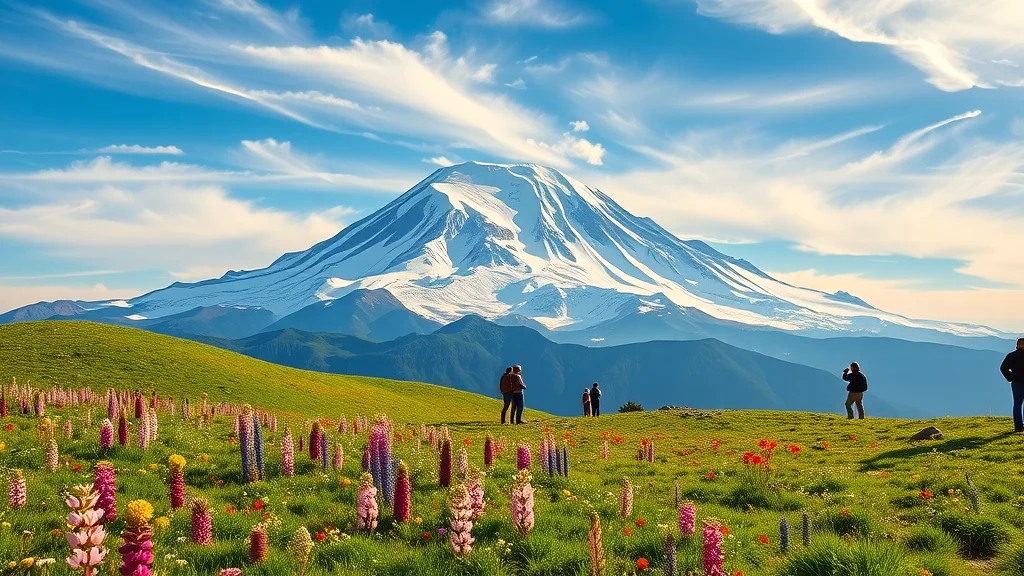
Mount Rainier wildflower hikes and glacier views in summer meadows

Beneath the Petals and Ice: The Science and Spectacle of Mount Rainier’s Wildflowers and Glaciers

Mount Rainier National Park is a tapestry woven from two unique wonders: wildflower meadows and glacier vistas, each contributing to the park’s unmatched beauty and ecological significance. During the brief window of high summer, fields at Paradise, Sunrise, and other subalpine zones explode in a riot of color, with native wildflowers like avalanche lilies and lupines forming carpets beneath a backdrop of sparkling blue-white ice. These wildflower hikes are more than just photogenic—they provide essential habitat for pollinators and define the park’s identity, making the pursuit of the perfect wildflower season a ritual for visitors year after year. Yet, timing and elevation are everything, as snowmelt controls the blooming cycle, and inclement weather can conceal both petals and panoramic glacier vistas within minutes.

Meanwhile, Mount Rainier’s glaciers set it apart as the most glaciated peak in the contiguous United States, responsible for spawning five major rivers that carve deep valleys and sustain countless ecosystems downstream. Exploring trails that offer glacier views, such as those near the visitor centers at Paradise and Sunrise, provides an educational opportunity to witness climate and geological forces at work. For hikers, the interplay between melting snow, shifting glaciers, and wildflower meadows isn’t just visually spectacular—it’s a moving reminder of how quickly these environments can change, and why preserving them matters. Failing to appreciate both the fragility and resilience of these landscapes could mean missing the deeper narrative that makes hiking in Mount Rainier National Park so rewarding and unique.
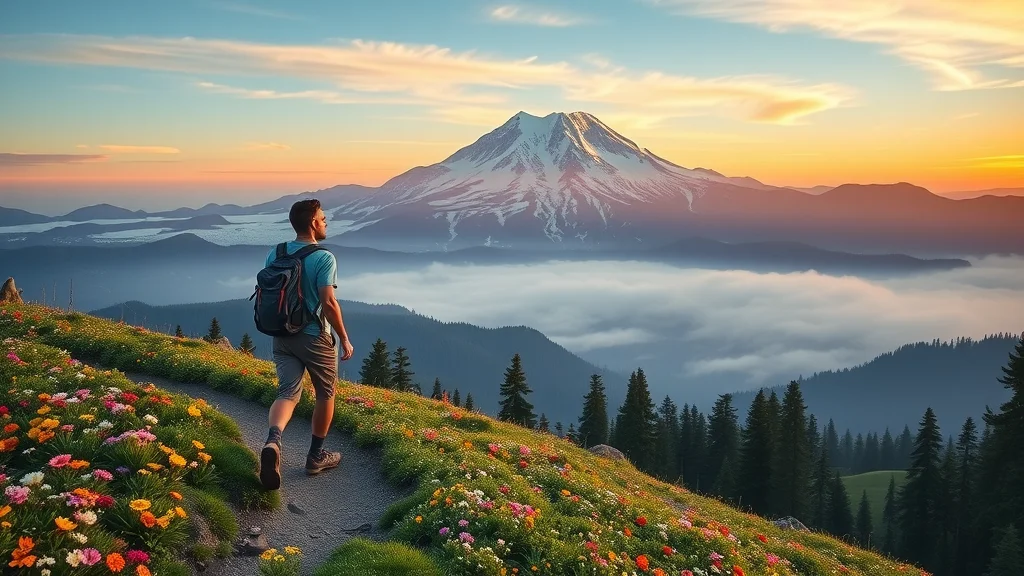
Hiker on Mount Rainier wildflower trail with glacier views at sunrise

For those planning extended adventures in the park or considering overnight stays, having a reliable power source can make all the difference in comfort and safety. RV travelers, in particular, may want to explore how the Bluei Elite 200 V2 Power Station can enhance their Mount Rainier experience by providing dependable energy for devices and essentials during remote stays.

How Mount Rainier’s Seasonal Transformations Deliver World-Class Hiking Rewards

As every adventurer knows, timing is everything at Mount Rainier National Park. The park offers ever-changing rewards across the year, with spring and summer revealing subalpine wildflower meadows that encircle the icy summit, offering an experience that is both rare and fleeting. Glacial vistas become more accessible as alpine roads and trails clear of snow, revealing dramatic perspectives that shift with the weather and season. For those who plan well, wildflower hikes at the peak of bloom put visitors within arm’s reach of fields of color that stretch to the horizon—transforming a simple day hike into an unforgettable memory and a feast for the senses.

The benefits of these experiences go beyond mere sightseeing. Access to these landscapes encourages physical activity and fosters a deep appreciation for America’s wild spaces. Glaciers and wildflower fields serve as living lessons in geology, biology, and climate science—reconnecting visitors to the cycles that shape the land. Options for every fitness level, from accessible walks at Sunrise to more challenging treks toward panoramic overlooks, mean that almost everyone has the chance to take part in this annual transformation. By making the most of Mount Rainier National Park’s unique seasonal offerings, visitors find renewal, perspective, and an unmistakable sense of awe, reinforcing why this destination holds a place in the hearts of so many.
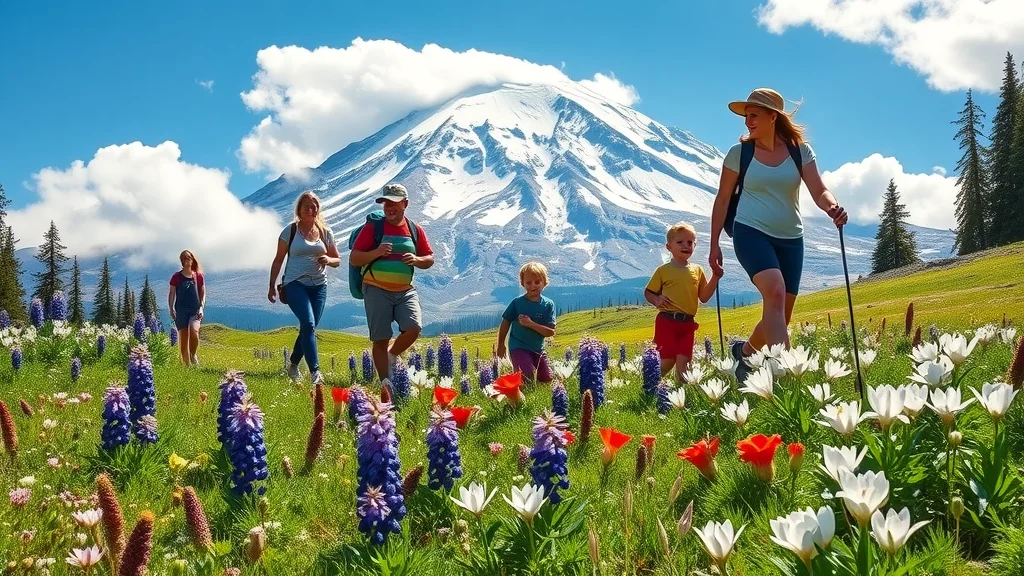
Family enjoying Mount Rainier wildflower hikes with glacier backdrop

From Glacial Rivers to Ancient Forests: Exploring the Diversity of Mount Rainier’s Hiking Ecosystems

The terrain at Mount Rainier National Park is as diverse as it is stunning, ranging from ancient, silent forests on the mountain’s lower slopes to the dramatic presence of glaciers at higher elevations. Many wildflower hiking routes traverse these distinct environments in a single outing. While starting in lush forests that echo with the sounds of native wildlife, visitors gradually emerge into sunlit meadows suffused with color and the fresh, crisp air that drifts off the glaciers above. This progression highlights the interconnectedness of the park’s ecosystems, creating an immersive natural classroom for hikers of all backgrounds.

Not only does this diversity provide endless curiosity for nature lovers, but it also offers varied habitats that sustain rich wildlife populations. Watching marmots sun themselves in the meadows or catching sight of an eagle soaring near a glacier brings a new dimension to every hike. For those interested in seeing firsthand how ancient forests, wildflower meadows, and glacial landscapes support each other, Mount Rainier’s trail system is a living laboratory. These transitions, so prevalent along popular routes, ensure that no two days or hikes are ever exactly the same—making repeat visits as rewarding as the first.
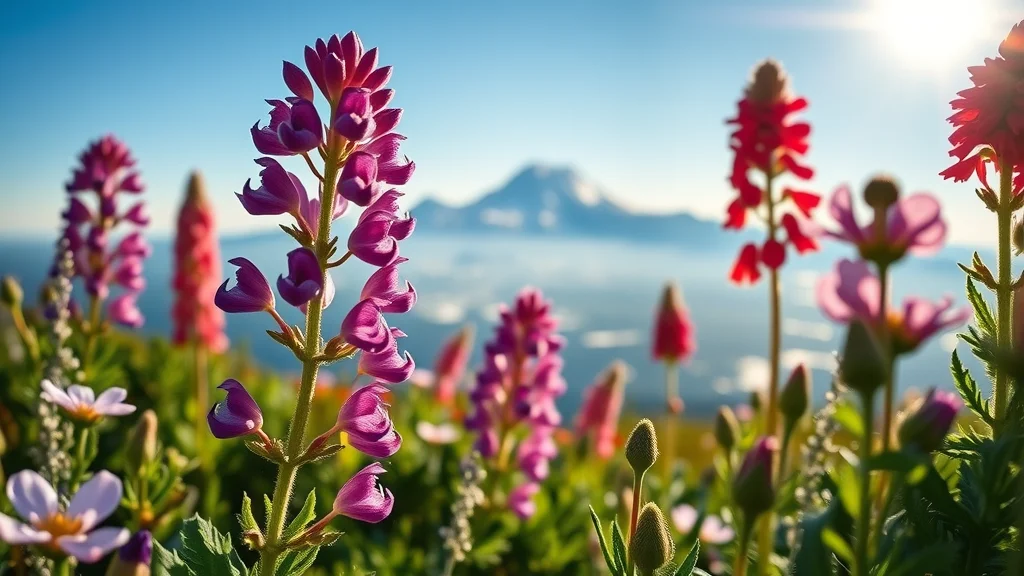
Wildflowers and Mount Rainier glacier views up close on summer hike

Planning and Safety: Making the Most of Mount Rainier’s Wildflower and Glacier Adventures

Adventure at Mount Rainier is matched by the need for thoughtful preparation and awareness of swiftly changing conditions. Even in July, snowfields can linger along wildflower trails, disguising signage and turning easy paths into challenging routes. Proper planning—such as checking current trail and road conditions, viewing live weather on park webcams, and referencing safety guides—is crucial for both seasoned hikers and first-timers. For those arriving during the snowy months, the park’s roadways remain accessible thanks to diligent maintenance, but visitors are still required to carry tire chains from November through early May, ensuring that adventures can proceed safely even when the mountain’s winter personality emerges unexpectedly.

Hikers should dress in layers, bring essentials like water, sun protection, and knowledge of the terrain, and always be prepared to turn back if conditions change—Mount Rainier’s weather is famously unpredictable. The park offers real-time alerts and safety advisories to guide informed decisions. These practical steps transform a wilderness walk into a safe, memorable experience—maximizing the joy of wildflower meadows and glacier views for everyone who enters this celebrated landscape.

Witness to History: Mount Rainier’s Glaciers as Living Geological Lessons

Mount Rainier’s iconic glaciers aren’t just beautiful—they serve as visible markers of geological history, climate change, and the natural forces still sculpting the land. Travelers on the park’s glacier-viewing trails observe firsthand how these rivers of ice have shaped valleys and created new habitats over thousands of years. The glaciers, constantly moving and melting, illustrate a living timeline that continues to fascinate scientists and storytellers alike.

Each season, visitors can see and feel the impact of these monumental features, from icy meltwater streams to the fresh greenery awakened by glacier-fed rivers. For students, families, and amateur geologists, this makes Mount Rainier National Park more than a scenic getaway—it’s a rare opportunity to stand at the crossroads of history and change, learning with every step how nature’s grandest landscapes are both resilient and vulnerable.

Ranger-Led Interpretation and Ongoing Conservation Efforts at Mount Rainier

Mount Rainier National Park’s official ethos, as reflected on its government-managed site, centers on conservation, public education, and promoting safe, inclusive enjoyment of the park’s wonders. The park’s mission is evident: to protect the rare conjunction of vibrant wildflowers, powerful glaciers, and thriving wildlife, all while ensuring the safety and accessibility of visitors. Programs emphasize awareness of seasonal hazards like lingering snow, avalanche risks, and changing weather—reminding everyone that the park’s wonders require both respect and informed engagement.

Interpretive services, accessible visitor centers, and up-to-date online resources all help educate guests about geological marvels and the rich history of Mount Rainier. Transparent communication about weather, trail conditions, and ongoing conservation initiatives fosters a shared responsibility among visitors to protect and cherish the park. These values are interwoven into every aspect of the Mount Rainier experience, allowing guests to find inspiration, knowledge, and community while immersed in the park’s awe-inspiring surroundings.

What Real People Say About Exploring Wildflowers and Glaciers at Mount Rainier

Nothing illustrates the transformative power of Mount Rainier’s landscapes quite like the words of those who have witnessed their majesty firsthand. Visitors consistently find that photos, however stunning, fail to capture the true essence of hiking among wildflowers while ancient glaciers loom in the distance. The stories shared by park-goers—from first-timers to seasoned hikers—echo a similar refrain: this is an experience that stays with you long after the boots are off and the last trail is behind you.

Mount Rainier is absolutely breathtaking! I’ve only been there once, but will definitely be returning. There are so many hikes and trails to go on with such amazing perspective of the mountain. These photos were taken on the trail to Mount Fremont Lookout on the Sunrise Side. If you think these pictures are amazing, the view is even more amazing in person.

For many, words and pictures are simply not enough—the firsthand experience of Mount Rainier’s wildflower hikes and glacier views offers something truly transcendent. Each visitor becomes part of the park’s ongoing story of wonder, gaining the kind of perspective that compels a return visit. Taking the step to explore these landscapes not only rewards the senses but leaves a lasting imprint of beauty, resilience, and awe.

Why Mount Rainier’s Wildflower Hikes and Glacier Views Remain an Essential American Journey

At the heart of any great adventure is the chance to experience something both vast and intimate—Mount Rainier National Park delivers this in every season through its exceptional wildflower hikes and glacier views. The convergence of delicate subalpine blooms with ancient ice fields forms a landscape that is as educational as it is inspiring, inviting visitors to connect with nature on a deep, lasting level. Thanks to thoughtful stewardship, clear information, and a park-wide philosophy dedicated to accessibility and preservation, generations can continue to find awe and renewal on these storied trails.

The impact of Mount Rainier’s wildflower and glacier heritage resonates well beyond the boundary of the park, fostering a wider appreciation for all protected lands across the country. The opportunities to learn, to wander, and to reflect provided by Mount Rainier National Park make every wildflower hike and glacier view a defining part of the American outdoor experience—one that continues to shape adventurers old and new.

If you’re inspired to elevate your next journey to Mount Rainier, consider how the right gear and preparation can transform your experience from memorable to extraordinary. Exploring the advantages of portable power solutions, such as those highlighted in the best deals on the Bluei Elite 200 V2 Power Station for RVers, can help you stay connected and comfortable while immersing yourself in the park’s wild beauty. Whether you’re planning a day hike or an extended RV adventure, having dependable energy at your fingertips ensures you never miss a moment of the park’s seasonal magic. Dive deeper into the possibilities and discover how thoughtful planning can unlock even more of Mount Rainier’s wonders on your next visit.

Contact the Experts at Mount Rainier National Park

If you’d like to learn more about how mount rainier national park wildflower hikes and glacier views could benefit your next adventure, contact the team at Mount Rainier National Park. 📍 Address: Washington, USA 📞 Phone: +1 360-569-2211 🌐 Website: https://www. nps. gov/mora/index. htm

Mount Rainier National Park Location and Hours

🕒 Hours of Operation:📅 Monday: Open 24 hours📅 Tuesday: Open 24 hours📅 Wednesday: Open 24 hours📅 Thursday: Open 24 hours📅 Friday: Open 24 hours📅 Saturday: Open 24 hours📅 Sunday: Open 24 hours

Location Map
National Parks

0 Comments

Write A Comment

*
*
Please complete the captcha to submit your comment.
Related Posts All Posts

Discover Hidden Stories on Mesa Verde National Park Cliff Dwelling Tours

Mesa Verde National Park 📍 Address: Colorado, USA 📞 Phone: +1 970-529-4465 🌐 Website: https://www.nps.gov/meve/index.htm ★★★★★ Rating: 4.8 Step into the Ancient Shadows: Why Mesa Verde’s Cliff Dwellings Remain an Unmatched Wonder Imagine standing on the edge of a rocky mesa, looking out over centuries-old stone dwellings tucked beneath massive overhangs. Fascination and awe mix as you witness the silent endurance of ancestral structures built into the cliff faces of Mesa Verde. Every year, thousands journey to this unique Colorado landscape seeking answers—about history, culture, survival, and ingenuity. Yet, the true stories of Mesa Verde National Park cliff dwelling tours and ancestral history go far deeper than the dramatic views. What secrets linger in these walls, and how did the people who crafted them thrive for over 700 years in such a challenging environment? These cliff dwellings are far more than Instagram-worthy photo backdrops; they are windows into the daily lives, beliefs, and resilience of the Ancestral Pueblo people. The tension between the visible splendor and the hidden depth of these stories captivates archaeologists, historians, and visitors alike. As you traverse winding roads and hike to shadowed alcoves, the opportunity to connect with something profoundly human presents itself. Understanding the meaning and value behind these tours isn’t just about seeing ancient homes; it’s about confronting the layers of ancestry that continue to shape the identities of 27 Pueblos and Tribes today. This is why exploring Mesa Verde’s cliff dwelling tours and ancestral history isn’t just a pastime—it’s a journey into the heart of American heritage, and it deserves deeper exploration. Unveiling the Past: What Mesa Verde Cliff Dwelling Tours Reveal About Ancestral History Mesa Verde cliff dwelling tours transport visitors into a realm where archaeology meets living memory. Nestled in the canyons and bluffs, these tours are one of the few experiences that allow firsthand access to ancient architectural marvels crafted between 600 and 1300 CE. From towering multi-story homes to ceremonial kivas hidden beneath the surface, every feature tells a story about innovation, adaptation, and vibrant community life. Guided by expert park rangers, visitors can witness details only visible up close—the intricacies of masonry, the signs of daily household activity, and the enduring artistry etched into stone. For those planning an extended adventure or seeking to enhance their travel experience, having reliable power on the road can make a significant difference. Many RV travelers exploring national parks have found that investing in a portable power station, such as the Bluei Elite 200 V2, ensures comfort and convenience during their journeys. Discover how this power solution can support your explorations by reading about the benefits of the Bluei Elite 200 V2 for RVers. Yet, the allure of these tours is built on more than their archaeological significance. For those who remain unfamiliar, failing to fully engage with Mesa Verde’s sites means potentially missing out on a living connection to North America’s remarkable history. Understanding the purpose behind structures, the significance of petroglyphs, and the patterns of migration and adaptation deepens appreciation of the sacrifices and wisdom of the past. Those who treat the cliff dwellings as “just another attraction” risk overlooking narratives that continue to influence communities today. The lesson is clear—the true value of Mesa Verde cliff dwelling tours and ancestral history lies in taking the time to delve beyond the surface and listen to the stories the land is still telling. How Mesa Verde Cliff Dwelling Tours Transform Your Perspective on Heritage and Place Drawing on insights from Mesa Verde National Park’s educational resources and guided programs, cliff dwelling tours present real-world benefits that transcend standard sightseeing. On these ranger-led tours, history is not simply viewed—it is experienced, walked upon, and touched. The requirement for a reservation underscores their importance, ensuring that every visitor has focused, meaningful access to these fragile sites while preserving them for future generations. Participating in a tour is a multidimensional encounter: it fosters a deeper understanding of indigenous ingenuity, demonstrates how tightly communities were woven to the landscape, and sparks present-day conversations about cultural preservation. Not only do guests see remnants of pithouses and cliff homes, but they also gain context on why ancestral communities flourished in these particular places and how environmental adaptation influenced their architecture. For many, the takeaway is personal—a renewed respect for the resilience of the past, tangible proof of enduring cultural knowledge, and a lasting memory shaped by stories passed down through generations. From Kivas to Petroglyphs: Exploring the Diversity of Mesa Verde’s Ancient Structures One of Mesa Verde’s defining features is the range and richness of the sites encompassed in its tours. Each dwelling, overlook, and trail offers a unique lens into ancestral life. The iconic cliff houses capture imaginations with their dramatic placement and multi-story ingenuity, but they are just the beginning. Visitors encounter much more—from walls marked with extensive petroglyphs to ceremonial kivas that hint at a sophisticated spiritual and community life. The Petroglyph Point Trail, for example, is celebrated for presenting the park’s largest display of ancient carvings—a journey that combines physical adventure with glimpses into ancient communication and storytelling. Overlooks like the Square Tower House and Sun Point View are praised for their panoramic perspectives, making the depth and complexity of the ancient settlements visible at a glance. This diversity enriches every tour and ensures that guests leave with a holistic understanding of ancestral ingenuity, adaptability, and meaning. Understanding the Sacred: How Mesa Verde Continues to Honor Pueblo and Tribal Heritage While Mesa Verde is renowned for its archaeological wonders, it is equally important as a living, sacred landscape for 27 Pueblos and Tribes. This connection continues to define the park’s mission and philosophy. Far beyond the stones and mortar, the significance of Mesa Verde’s cliff dwellings endures in oral histories, revitalized practices, and ongoing partnerships with Indigenous communities to preserve and interpret these places with respect and accuracy. Visitors on cliff dwelling tours are encouraged to approach their experience with reverence and reflection, understanding that Mesa Verde serves as a bridge between past and present. Respectful visitation is emphasized, and park educational materials consistently highlight the ancestral history and the need for preservation—not only of the structures, but of living traditions and cultural memory. Mesa Verde’s Seasonal Rhythms: What to Expect and How to Prepare for Your Adventure The dynamic environment of Mesa Verde requires thoughtful planning for the best experience. Spring brings the thaw—fewer crowds and the start of ranger tours, which means more intimate exploration and cool scenic hikes. Summer serves up bustling activity with restored trails, open programs, and spectacular opportunities to learn from expert guides, but also high temperatures and increased visitor numbers. Whether you're hiking the Petroglyph Point Trail with its rocky ascent, taking in the vistas from the loop road, or joining a ranger-led Longhouse tour, preparedness pays off. Carrying enough water, sturdy footwear, and awareness of ever-changing weather conditions is crucial. The park’s official advice and visitor reviews stress reserving tours ahead of time, reading updated alerts, and arriving early—not just to secure your spot, but to immerse yourself fully in an experience that stretches across centuries. Mesa Verde’s Vision: Stewardship, Learning, and Connection for Future Generations At the heart of Mesa Verde National Park’s stewardship lies a profound respect for both the past and the present. The park’s mission centers on protecting not only the physical remnants of ancestral communities but also the sacred connections that contemporary Pueblo and Tribal Nations maintain today. The approach prioritizes careful preservation, ongoing dialogue with Indigenous partners, and fostering public understanding through immersive educational initiatives. Mesa Verde’s programs emphasize the value of “looking deeper”—whether by engaging with media like the official park film, exploring themed routes focusing on archeology and cultural landscapes, or joining discussions with knowledgeable rangers. The park operates as a living classroom, constantly adapting tours and resources to ensure that every visitor leaves with a sense of wonder and responsibility for America’s shared heritage. Ultimately, Mesa Verde stands as a beacon—reminding us that genuine connection to the land and its story is both a privilege and a stewardship to uphold for the future. What Visitors Discover: A Personal Account of Mesa Verde Cliff Dwelling Adventures Firsthand experiences often offer the most compelling insight into the power of Mesa Verde National Park’s cliff dwelling tours. One visitor recalled a rewarding trek on the Petroglyph Point Trail and the awe-inspiring views revealed along the park’s scenic loop road. For those curious about what these journeys feel like, this reflection offers real-world validation of what makes Mesa Verde special: Visited Mesa Verde and hiked the Petroglyph Point Trail and drove the loop to view all the houses. First, the hike was about 3 miles and started at the museum. The first half is rocky but a lot of fun, with the furthest away point being the wall of petroglyphs which is the largest display in the park. They were neat and I took many pictures of them. The last half of the hike was relatively flat and gravel proving to be quite easy. The loop road stops at many overlooks and pithouses. There were great views of the stone cliff houses at many of them, with the best viewpoints of at "square tower house overlook" and "sun point view". The loop road is a must when visiting the park! One more house worth viewing is the Spruce Tree House which is located behind the museum. Simply park and walk behind the museum for the best views of it, its the 3rd largest cliff dwelling in the park. As illustrated by this visitor, the opportunity to explore cliff dwellings, enjoy remarkable scenery, and experience uniquely accessible ancestral history enriches every Mesa Verde journey. Many leave with memories and photographs, but the real takeaway is the renewed perspective and lasting connection that result from diving deeply into this extraordinary national park’s stories. The Enduring Impact of Mesa Verde National Park Cliff Dwelling Tours and Ancestral History Mesa Verde National Park cliff dwelling tours and ancestral history remain among the nation's most transformative educational adventures. The park’s commitment to honoring both the architecture and the story of the Ancestral Pueblo People ensures that every visit has the potential to inspire deeper curiosity, reflection, and stewardship. Ranger-guided experiences, diverse sites, and thoughtful interpretation make each tour not just a walk through ruins but a chance to step into the timeless currents of community, adaptation, and reverence for the land. By immersing visitors in authentic culture and carefully-preserved histories, Mesa Verde sets a national standard for how ancestral legacies should be shared and protected. The journey through these monumental dwellings is an opportunity to see the world—and our place within it—a little differently. For those seeking a meaningful connection with heritage, culture, and the stories of survival, Mesa Verde National Park cliff dwelling tours and ancestral history offer a profound invitation to look deeper and cherish the lessons from our shared past. If your travels extend beyond Mesa Verde and you’re interested in optimizing your RV lifestyle for comfort and efficiency, exploring innovative solutions like portable power stations can be a game changer. For a broader look at how technology can enhance your adventures and support your connection to nature and history, consider learning about the top features and best deals on the Bluei Elite 200 V2 power station for RVers. This resource can help you plan smarter, travel farther, and make the most of every national park experience. Contact the Experts at Mesa Verde National Park If you’d like to learn more about how mesa verde national park cliff dwelling tours and ancestral history could benefit your understanding of American heritage, contact the team at Mesa Verde National Park. 📍 Address: Colorado, USA 📞 Phone: +1 970-529-4465 🌐 Website: https://www. nps. gov/meve/index. htm Mesa Verde National Park Location and Hours For current hours of operation and seasonal availability, refer to the official park website. Operating hours and activities vary by season, so it is recommended to check for current information before your visit.

Discover Lassen Volcanic National Park Geothermal Hikes Magic

Lassen Volcanic National Park 📍 Address: California, USA 📞 Phone: +1 530-595-6100 🌐 Website: https://www.nps.gov/lavo/index.htm ★★★★★ Rating: 4.8 Unveiling a World of Geothermal Wonders and Volcanic Adventure Have you ever stepped onto a hiking trail where the ground hisses beneath your feet, and plumes of steam curl into the sky? At Lassen Volcanic National Park, visitors witness a remarkable transformation—landscapes continuously shaped by volcanic power and hydrothermal energy. From rigorous volcano road trips to immersive geothermal hikes, the park invites you to journey through an environment where wildflowers pepper lush meadows, crystal lakes reflect jagged volcanic peaks, and hot springs—and even bubbling mud pots—showcase Earth's restless core. It’s a playground for the curious, the adventurous, and those seeking a deeper connection with one of California’s lesser-known natural wonders. Choosing to explore Lassen's geothermal hikes and volcano road trip opportunities isn't just about ticking off another national park. It’s embracing the story of forces that shape continents, raise mountains, and create habitats teeming with life. Yet, with an ever-changing terrain, lingering snowpack even late into spring, and the chance for sudden closures, venturing into Lassen requires knowledge, preparation, and curiosity. Understanding the magic—and occasional unpredictability—of this volcanic park is essential for any traveler wanting a safe and unforgettable adventure. Let’s unravel why Lassen stands apart, and how its geothermal features offer more than just a scenic view—they are windows into the planet’s fiery heart. Geothermal Hikes and Volcano Road Trips: Where Fire Meets Earthly Beauty At the crossroads of geology and spectacle, Lassen Volcanic National Park embodies one of North America's most diverse collections of geothermal activity and active volcanism. Geothermal hikes here aren’t just trails—they are immersive science lessons, best experienced up close. Picture walking through fields where steam vents (called fumaroles) create surreal, otherworldly scenes, or pausing at a muddy hot spring to hear the gurgle of water heated far below your feet. This isn’t just dramatic scenery; these features are visible signs of the Earth’s dynamic inner workings. A volcano road trip through Lassen, meanwhile, introduces you to several types of volcanoes, from vast shield forms to distinctive lava domes, each telling a chapter of the park's eruptive past. Ignoring the unique geology of Lassen not only means missing out on awe-inspiring experiences, but also overlooks the real risks and safety knowledge every hiker and road tripper should know. From snow-blocked mountain roads—often lingering into late spring or even summer—to sudden shifts in trail accessibility due to rock slides or hydrothermal hazards, these conditions can surprise the unprepared. For those planning extended adventures or seeking reliable power for their devices during remote hikes, exploring portable solutions like the Bluei Elite 200 V2 Power Station can add an extra layer of convenience and safety to your Lassen journey. Why Lassen’s Geothermal Hikes and Volcano Road Trips Transform Nature Exploration Lassen Volcanic National Park’s distinct blend of steaming hydrothermal areas, prolific wildflower meadows, and snow-laced volcanic peaks offers a rare chance to witness nature’s versatility and raw power. Visitors who embark on geothermal hikes are rewarded with up-close views of active steam vents, bubbling hot springs, and colorful mineral deposits—landscapes constantly remodeled by volcanic energy just beneath the surface. Exploring the volcano road trip route lets travelers experience a timeline of eruptions, domes, and craters that few parks can rival, tracing the ongoing story of an ever-evolving land. These experiences do more than simply dazzle the senses; they foster a sense of wonder and scientific curiosity in all ages. Stepping onto a trail, visitors learn how natural forces create and destroy, and how delicate ecosystems depend on the balance of heat, water, and rocky terrain. The dynamic beauty also translates into healthful benefits: time outdoors amid geothermal marvels inspires physical movement, encourages mindfulness, and ignites a fascination with Earth science. For many, a visit to Lassen is not just an escape, but a transformational journey—one that stirs the imagination and deepens respect for the restless Earth beneath our feet. Seasons of Change: How Weather and Access Shape Your Geothermal Journey At Lassen, the adventure is shaped as much by nature’s mood as by the geology. Each spring brings massive snowfall, sometimes piling up to 30 or 40 feet in the higher elevations. The main park road—winding through stunning volcanic vistas—requires weeks of snow-clearing operations before it opens fully for summer traffic. Hikers eager for geothermal experiences may find some trails only partially accessible during the early season, making flexibility and up-to-date information essential for all visitors. Yet, these seasonal challenges turn into opportunities. When sections of the road are closed to vehicles, they become rare corridors for hikers and bicyclists, offering tranquil exploration beneath bright mountain sunshine. Wildflowers emerge as the snow retreats, transforming meadows and trailsides into vibrant tapestries. For those planning their volcano road trip, timing is key: early summer provides solitude and lingering snow scenes, while late summer and fall reveal the park in full splendor, letting you connect with every geothermal attraction and sweeping vista along the way. Trail Etiquette and Safety: Navigating Dynamic Geothermal Terrain Unlike more predictable hiking environments, Lassen’s geothermal areas demand extra caution and respect. Trails often pass close to scalding water sources, fragile mineral crusts, and hidden hydrothermal features—stepping off marked paths can be dangerous, even life-threatening. The park’s educational resources, including interactive maps and ranger-led programs, underscore the importance of following guidelines, watching for hazards, and preparing for changing weather conditions. Bringing pets requires research: certain areas are restricted not just to protect the fragile landscape, but to safeguard animals from the unique hazards that comes with geothermal terrain. Visitors planning to camp, walk, or bicycle along the volcano road should regularly consult alerts and conditions provided by the park to ensure up-to-date knowledge of any closures or risks. By embracing a culture of safety and stewardship, every hiker and road tripper can enjoy these fiery and fascinating landscapes while protecting them for future generations. Lassen’s Role in Outdoor Education and Expanding Curiosity Lassen Volcanic National Park stands out not only for its dramatic landscapes, but also for its commitment to public understanding and active learning. The park’s philosophy centers on expanding minds—offering ranger-led programs, field trip opportunities, and resources that ignite curiosity about geology, ecology, and the interplay between people and place. Visitors are invited to participate, ask questions, and explore stories of volcanoes, night skies, birds, and the subtle ecological balances unique to hydrothermal environments. This educational focus is part of a larger mission: encouraging stewardship of wild lands and respect for their evolving stories. By highlighting both the risks and rewards of exploring a living volcanic landscape, Lassen inspires visitors of all ages to look deeper—to not just see, but truly understand and appreciate the forces shaping our world. In doing so, the park becomes an active classroom, where adventure and learning go hand-in-hand. Outdoor Voices: Real Visitor Reflections on Lassen’s Geothermal Hikes The spirit of Lassen Volcanic National Park often comes alive in the memories and experiences shared by those who walk its trails. Without crowds to distract, the beauty and power of nature make a lasting impression on anyone prepared to explore with an open mind—and a little flexibility for changing conditions. Beautiful park with various sights to check out and enjoy! Lots of hiking trails. It wasn’t busy when we went which was lovely. So many unique features that we appreciated! If you get the opportunity to go during summer or early fall, definitely check it out! The sense of discovery and wonder echoed in this review is what awaits each visitor willing to embrace Lassen’s geothermal hikes and volcano road trip experience. Those who plan wisely, remain curious, and respect the land’s powerful forces are rewarded with exceptional views, scientific insight, and treasured memories—no matter the season. Truly, Lassen continues to inspire all those who encounter its living, breathing landscape. What the Power of Geothermal Hikes and Volcano Road Trips Will Mean for Future Travelers As visitors continue to seek meaningful connections with nature, Lassen Volcanic National Park’s geothermal hikes and volcano road trip routes set a new standard for experiential adventure. These journeys are more than scenic walks—they are invitations to understand the living forces that pulse beneath our landscapes. From the stewardship-focused education offered by the park to its unique blend of solitude and spectacle, Lassen represents a vital piece of California’s wild heritage. Those who embrace the adventure find that each puff of steam, every volcanic cone, and all the wildflower-freckled meadows form lasting reminders to respect Earth’s dynamic beauty. With ongoing commitment to safety, learning, and accessibility, Lassen Volcanic National Park continues to lead as a source for discovery, adventure, and inspiration for generations venturing into the world of geothermal hikes and volcano road trips. If you’re inspired by the idea of exploring Lassen’s geothermal wonders and want to elevate your outdoor experience, consider how the right gear and preparation can make your journey even more rewarding. For RVers and nomads seeking reliable power solutions on the road, learning about the advantages of the Bluei Elite 200 V2 Power Station can help you stay connected and comfortable during your adventures. Dive deeper into the best deals and practical tips for RV travel by visiting our comprehensive guide on power stations for RVers, and discover how technology can enhance your next national park road trip. Contact the Experts at Lassen Volcanic National Park If you’d like to learn more about how geothermal hikes and volcano road trips could benefit your next outdoor adventure, contact the team at Lassen Volcanic National Park. 📍 Address: California, USA 📞 Phone: +1 530-595-6100 🌐 Website: https://www. nps. gov/lavo/index. htm Lassen Volcanic National Park Location and Availability 🕒 Hours of Operation: Please check the official website or call ahead for current seasonal hours and any road or trail closures, as Lassen’s hours and access vary due to weather and road clearing operations. For detailed planning, visit the official park site or contact the park directly.

Discover Lake Clark National Park Bear Viewing Secrets

Lake Clark National Park and Preserve 📍 Address: Alaska, USA 📞 Phone: +1 907-644-3626 🌐 Website: https://www.nps.gov/lacl/index.htm ★★★★★ Rating: 4.7 Unveiling Alaska’s Untamed Beauty: Why Lake Clark Has Become a Must-See for Wildlife and Adventure Seekers Imagine soaring above steaming volcanoes, gliding over turquoise lakes, and witnessing wild bears fishing in pristine rivers—all in one breathtaking landscape. This is not a nature documentary—this is Lake Clark National Park, a destination where Alaska’s wilderness remains unspoiled and viscerally real. For adventurers and wildlife lovers, the chance to view bears, experience volcano flights, and see one of the world’s greatest salmon runs is more than a bucket-list item; it’s a once-in-a-lifetime connection with nature’s raw spectacle. Yet, despite its captivating beauty and abundant wildlife, many travelers overlook Lake Clark in favor of Alaska’s larger and more accessible parks. Few realize that bear viewing here can rival—or even surpass—the experiences found in more famous destinations. With no roads leading in, reaching the park is its own adventure, testing both a sense of curiosity and a desire for rare encounters with Alaska’s wildest inhabitants. This remoteness makes each step inside Lake Clark feel like a discovery, a journey back to a world where brown bears feast on salmon beneath the gaze of mist-shrouded volcanoes. Unlocking these secrets isn’t just about seeing nature; it’s about understanding how deeply wilderness shapes both landscape and culture along the shores of this Alaskan wonder. For those intrigued by the intersection of predator and prey, geology and geography, Lake Clark offers a rare stage: where salmon migrations fuel incredible bear sightings, volcanoes sculpt dramatic backdrops, and Indigenous traditions continue to thrive alongside natural wonders. The landscape demands respect, preparation, and a willingness to venture beyond comfort zones—qualities that reward visitors with perspectives few places on earth can match. Delve deeper into this story to discover not just where and how to see the wonders of Lake Clark, but why these experiences matter—for conservation, for culture, and for every adventurer searching for authentic connection with the world. The Science and Soul Behind Bear Viewing, Volcano Flights, and Salmon in Lake Clark National Park Lake Clark National Park is not just another stop on an Alaskan itinerary—it is a living canvas where immense forces shape opportunities for rare experiences. The park encompasses an intact ecosystem, preserving the ancestral homelands of the Dena’ina Athabascan people and the headwaters of the world’s largest sockeye salmon fishery. When visitors arrive, often via small plane or boat, they don’t simply enter a landscape—they step into a dynamic wilderness ruled by ancient cycles. Bear viewing here is both science and spectacle. The convergence of massive salmon runs along the Newhalen River and Coastline draws large populations of brown bears every summer. For these powerful omnivores, the salmon migration means survival, and visitors are given an unparalleled seat to observe not only their hunting prowess but also their place in the broader ecological tapestry. Meanwhile, volcano flights over steaming peaks add another layer to the story, providing context about how geology and wildlife intersect in dramatic, ever-changing ways. Without understanding the interplay between natural forces—the dangers and wonders of wilderness, the fragility of salmon populations, and the demands of the rugged terrain—travelers miss what makes Lake Clark truly unique and transformative. To visit Lake Clark without understanding its scientific depth and cultural significance is to see only a shadow of its true character. The park’s wildness is both a promise and a challenge. Inexperienced travelers may not realize how essential preparation is for this remote adventure, or how the cycles of salmon, bear, and volcano create an ecosystem like no other. Those who take the time to learn—and respect—the natural order are rewarded with the full spectacle: up-close bear encounters, striking vistas of volcanic landscapes, and a pulse of life that has persisted for millennia. This is education and awe blended seamlessly. For those planning extended adventures in remote areas like Lake Clark, having reliable power can make a significant difference in safety and comfort. Many RV nomads and wilderness explorers have found that portable solutions such as the Bluei Elite 200 V2 Power Station offer dependable energy for essential devices, making off-grid experiences more accessible and enjoyable. Why Bear Viewing and Volcano Flights in Lake Clark Redefine the Alaskan Wilderness Experience Lake Clark National Park and Preserve offers visitors a unique window into the hidden heart of Alaska—where wilderness isn’t just scenery, but a vibrant, evolving system. The opportunity to witness bear viewing is one of Lake Clark’s standout experiences, drawing nature lovers from around the world. Unlike more crowded parks, here you step into tranquil settings where brown bears roam freely, foraging along shorelines and rivers, particularly during the stunning salmon run. These encounters, shaped by the park’s thriving sockeye salmon population, are unmatched for their intimacy and authenticity, offering sights and sounds that etch into memory. Volcano flights enhance this sense of awe, providing a breathtaking aerial perspective on landscapes sculpted by powerful geological forces. Watching columns of steam rise from active peaks and staring down at rugged crags mirrored in turquoise lakes, visitors not only observe but truly appreciate the connections between land, water, and wildlife. Such vantage points illuminate the full tapestry of the park—how salmon migrations sustain bears, how volcanic soil enriches forests, and how every piece of the ecosystem is interwoven. The outcomes for guests are more than photographs; they are moments of wonder and a deeper respect for the natural world. These transformational experiences come with real-world relevance. Gaining firsthand knowledge of how volcanoes, salmon, and bears together shape the land can shift understanding from passive appreciation to active stewardship. It is a lesson echoed in the ongoing monitoring of salmon populations and the continued importance of wilderness for both modern Alaskans and the Dena’ina people. The benefits go beyond personal gratification—they cultivate empathy, awareness, and a lifelong connection to the preservation of wild places. From Ancestral Wisdom to Modern Adventure: The Cultural and Ecological Roots of Bear Viewing The interconnectedness of life in Lake Clark National Park runs deep—not just in the streams where salmon swim and bears fish, but in the cultural fabric of the Dena’ina Athabascan people. Their ancestral homelands lie along Lake Clark’s shimmering shores, and their relationship with the land reflects a holistic approach to both wilderness stewardship and personal sustenance. Here, subsistence is more than a way to survive; it is a vehicle for cultural heritage, spiritual strength, and community identity. Understanding the significance of bear viewing, volcano flights, and salmon runs is inseparable from acknowledging the wisdom embedded in these traditions. The salmon’s annual migration doesn’t merely bring food for bears and people, it underpins the health of the entire ecosystem. Protecting these cycles ensures the future of both human and animal communities. For modern visitors, patience and respect for the land—qualities threaded through Dena’ina values—offer a richer, more meaningful adventure. It is a reminder that awe and education go hand in hand in these wild spaces. Planning for the Wild: Tips for Safe Bear Viewing and Volcano Excursions in Lake Clark Adventure in Lake Clark is unforgettable, but not without its demands. There are no roads into the park, which means every visitor must prepare for access via plane or boat. This requirement shapes the entire experience—from packing essentials for remote travel to understanding park rules that protect both visitors and wildlife. Safety takes on a whole new meaning in a landscape where bears freely roam and where weather and volcanic activity dictate travel plans. Visitors are encouraged to acquaint themselves with guidelines for safe bear viewing and explore resources like the park’s “A Day on the Lake Clark Coastline” orientation and backcountry tips. Packing for the elements, respecting wildlife habitats, and being aware of salmon monitoring efforts are all part of a responsible adventure. As with any wild place, situational awareness and flexibility transform potential risks into memories of a lifetime, ensuring that every encounter—with bears, volcanoes, or Indigenous traditions—is both safe and profound. The Pulse of the Wilderness: Salmon Runs, Bear Behavior, and Why Timing Matters The timing of a visit to Lake Clark can make all the difference, especially for travelers eager to witness the full drama of the salmon run. Monitoring efforts along the Newhalen River track the pulse of sockeye salmon populations as they return home to spawn—a phenomenon that directly shapes the feeding behavior of local bears. Knowing when these migrations peak is key to maximizing bear viewing opportunities, with late June through August typically offering the most action along rivers and lakesides. But there’s more than just numbers—this is about understanding the natural choreography of an intact ecosystem. Visitors lucky enough to plan around salmon runs are treated to scenes of brown bears fishing side by side, surrounded by the echoes of Alaska’s wild heart. Beneath this spectacle lies a deeper message: the health of salmon runs is a barometer for the wider environment, connecting the cycles of bear, fish, and volcanic landscape in ways both delicate and profoundly resilient. Lake Clark’s Philosophy: Stewardship, Education, and Deep Connection to Wilderness Lake Clark National Park and Preserve is more than just a haven for wildlife and dramatic scenery; it is a landscape defined by a strong ethos of stewardship and education. Preserving an intact ecosystem at the headwaters of the world’s largest sockeye salmon fishery, the park prioritizes both scientific integrity and cultural continuity. The mission is to ensure that future generations can experience the same sense of wonder—watching bears in their natural environment, flying over volcanoes, and learning the enduring values of Alaska’s wild heart. The park’s approach emphasizes respect for both local tradition and scientific observation. Ongoing salmon monitoring, public lesson plans, and opportunities for real-world learning—such as the “Junior Ranger Journey” and printable bear lessons—invite visitors not just to watch, but to participate in the conservation story. Lake Clark asks everyone to become part of the wilderness, recognizing that adventure isn’t just an escape but a responsibility to tread lightly and honor a shared natural heritage. This philosophy is evident in every aspect of the Lake Clark experience. From orientation films and backcountry preparation to rules centered on safety and respect, every initiative is designed to foster an immersive understanding of how culture, ecology, and wildness are intertwined. By challenging visitors to embark on thoughtful, well-prepared journeys, the park embodies the spirit of Alaska: stunning, vast, and always connected to something deeper than the trail beneath your feet. What Visitors Say: Wilderness Encounters and Lasting Impressions Personal stories from visitors bring the park’s wonders to life, revealing the real impact of bear viewing, volcano flights, and salmon runs in Lake Clark. For many, the journey is defined not just by the scenery, but by the feelings evoked—of awe, belonging, and the thrill of unfiltered wilderness. Guests repeatedly mention experiencing more bears than in any other park, and describe the park’s beauty as unmatched, even in comparison to Alaska’s other renowned destinations. Absolutely gorgeous! Of the 5 Alaska national parks I’ve visited, this was my favorite and imo the prettiest. I also saw more bears here than at the more famous and popular Katmai. The flight in had magnificent views as well out the window. The boat tour was cozy and awesome as was our guide/captain. A++ Experiences like these validate what adventurers hope for: a place where wildness still reigns and unforgettable moments await at every turn. The emotions behind each endorsement—gratitude, amazement, serenity—are shared by all those fortunate enough to explore Lake Clark. Taking action to experience this park means more than checking a box; it is participating in a living story, adding personal meaning to the legacy of Alaska’s untamed beauty. Lake Clark National Park as Alaska’s Gateway to Authentic Wilderness As the story of Lake Clark National Park unfolds, one thing becomes abundantly clear: this is a place where bear viewing, volcano flights, and salmon runs transcend typical adventure and become pathways to understanding nature itself. Each aspect—from the thrill of close wildlife encounters to the humbling scope of ancestral lands—underscores the park’s role as protector and educator in Alaska’s wild frontier. The lessons learned here reach far beyond the boundaries of the park, inspiring a commitment to stewardship and awe. Lake Clark National Park and Preserve stands out not just for what is seen, but for what is felt—the sense that genuine wilderness is alive, valuable, and worth preserving for everyone. Its contribution as a living classroom and natural sanctuary makes it a beacon for those seeking not only adventure but also meaning in the world’s last great wild places. The secrets of bear viewing, volcano exploration, and the salmon lifecycle offer endless stories for those who are willing to listen, learn, and take the leap into Alaska’s heart. If you’re inspired to elevate your wilderness journeys even further, consider exploring how innovative gear and technology can enhance your experience. Our guide to the best portable power solutions for RVers and explorers reveals how the right equipment can empower longer, safer, and more immersive adventures in remote destinations like Lake Clark. Whether you’re planning your first trip or seeking to deepen your connection with Alaska’s wild heart, embracing new tools and insights can help you unlock even more of what this extraordinary landscape has to offer. Contact the Experts at Lake Clark National Park and Preserve If you’d like to learn more about how bear viewing, volcano flights, and the salmon lifecycle could enrich your understanding of Alaska’s wilderness, contact the expert staff at Lake Clark National Park and Preserve. 📍 Address: Alaska, USA 📞 Phone: +1 907-644-3626 🌐 Website: https://www. nps. gov/lacl/index. htm Lake Clark National Park and Preserve: Location and Availability 🕒 Hours of Operation: For updated information on park hours, services, and seasonal availability, visitors should check the National Park Service website or reach out directly via phone.

Terms of Service

Privacy Policy

Core Modal Title

Sorry, no results found

You Might Find These Articles Interesting

T
Please Check Your Email
We Will Be Following Up Shortly
*
*
*