



Where Arctic Tundra Meets Shifting Sands—An Invitation to the Unexpected
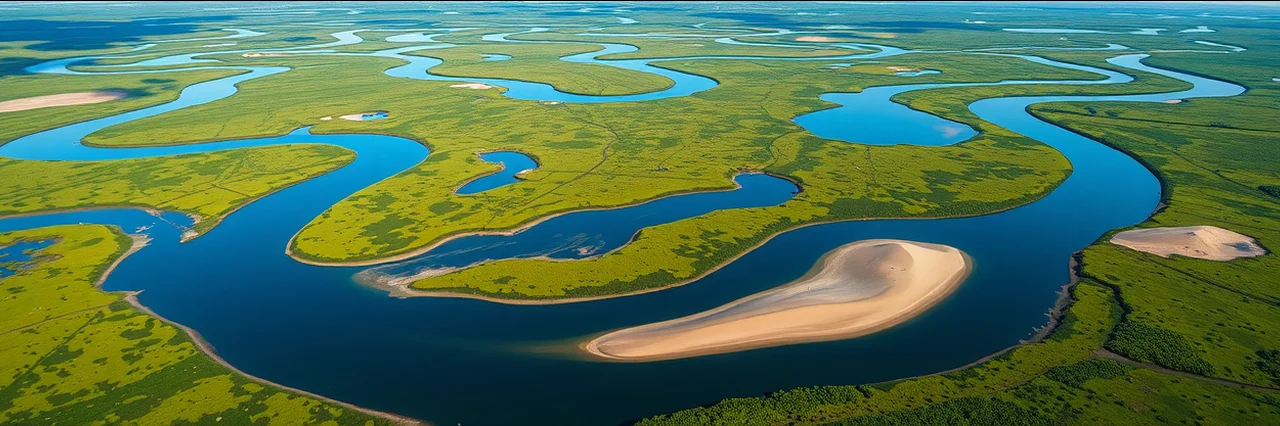
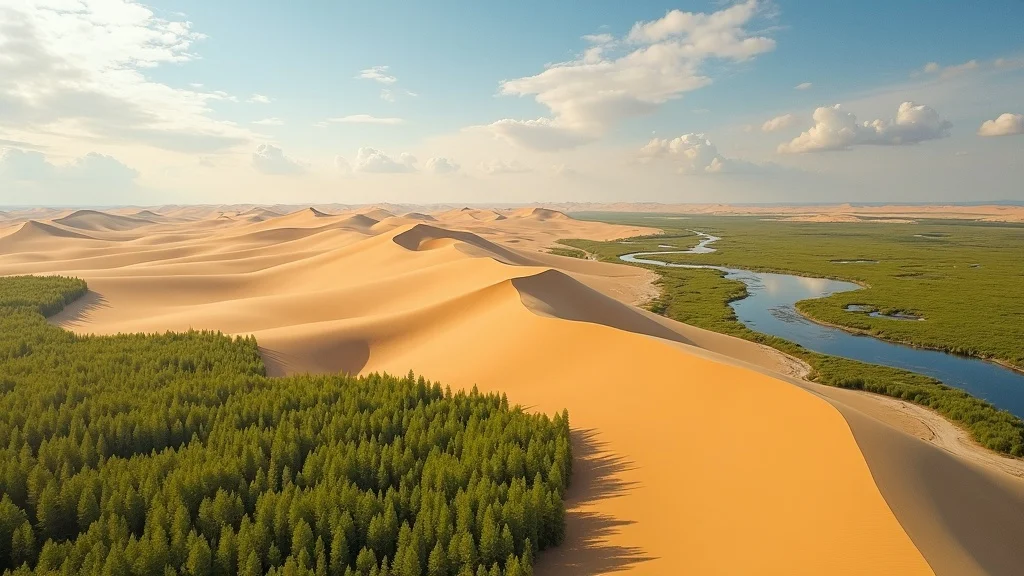
Imagine trekking through Alaska’s remote wilderness—ancient caribou trails beneath your boots, dense forests at your back, and crystalline rivers winding through the tundra. Suddenly, the landscape opens to a scene that seems plucked from a distant desert: colossal golden sand dunes, rising and falling like ocean waves, defying every expectation you might hold about the North. The Great Kobuk Sand Dunes are not only a geographical anomaly, but also a testament to the raw and surprising beauty that Alaska offers to those willing to journey off the beaten path.
The allure of the Great Kobuk Sand Dunes is immediate, drawing curiosity and awe. They challenge our assumptions about what belongs in the Arctic, replacing ice fields and spruce forests with wide shadows cast by wind-sculpted ridges. The dunes invite questions: How did they get here? What ancient forces sculpted a landscape that seems both out of place and perfectly at home? For explorers, adventurers, scientists, and Indigenous peoples, these dunes represent both a source of wonder and a living record of Earth’s dynamic story. Understanding the Great Kobuk Sand Dunes is key to grasping not only a unique corner of America’s wild frontier, but also the complexity and resilience of natural and cultural systems shaped over millennia.
Unveiling the Arctic’s Great Secret: The Science and Story Behind the Dunes
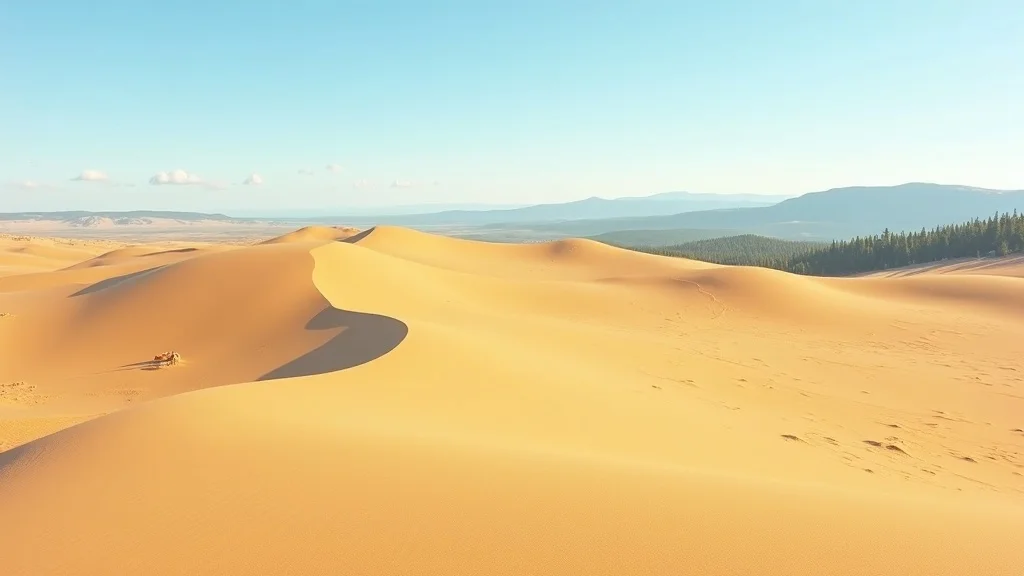
The Great Kobuk Sand Dunes stand as the largest active sand dunes in the Arctic, an incredible geologic occurrence in a land dominated by tundra and boreal forest. Stretching across Kobuk Valley National Park, these dunes cover approximately 25 square miles and tower up to 100 feet high, their origins reaching back to the last Ice Age. When glaciers retreated thousands of years ago, they left vast outwash plains of sand and silt. Persistent Arctic winds eventually sculpted these deposits into the ever-shifting landscape visitors see today. The process is ongoing—wind constantly reshapes the soft surface, preserving caribou tracks and confounding expectations about what "Arctic wilderness" means.
While the sight of golden sand beneath a midnight sun astonishes first-time visitors, the story of the dunes extends beyond their visual impact. The region’s delicate ecosystem is shaped by the interplay between sand, weather, and the caribou herds whose tracks lace the surface. Without understanding this rare phenomenon, one risks missing how singular Arctic conditions have preserved not only geological marvels, but also Indigenous cultures whose traditions span over eight millennia. Failure to appreciate the full scope of phenomena like the Great Kobuk Sand Dunes means losing out on lessons of resilience, adaptation, and the urgent need for stewardship in a rapidly changing world.
For those planning an extended adventure in remote regions like Kobuk Valley, having reliable power can be a game-changer for safety and comfort. Many RV travelers exploring Alaska’s wild landscapes have found that investing in a portable power solution, such as the Bluei Elite 200 V2 Power Station, helps ensure essential devices stay charged even far from the grid.
Why the Great Kobuk Sand Dunes Inspire Awe, Adventure, and Discovery
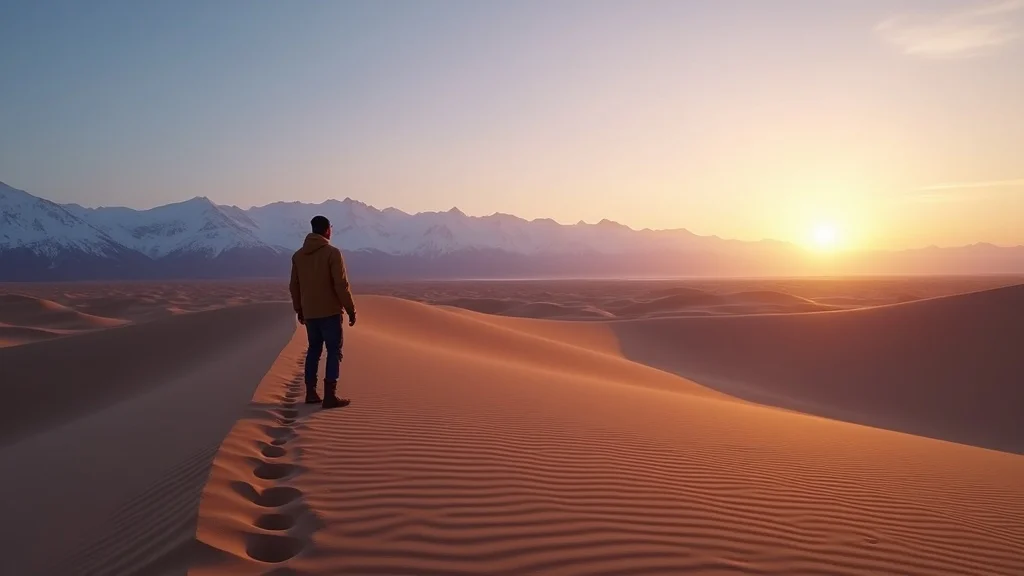
Kobuk Valley National Park stands as a steward of wild wonders, and the Great Kobuk Sand Dunes are arguably its most striking feature. As an expert resource on this extraordinary landscape, the park focuses on preservation, education, and scientific inquiry, ensuring that visitors and students alike gain a richer understanding of the dunes’ significance. Beyond their sheer beauty, these dunes offer tangible benefits to those seeking adventure, solace, or enlightenment in nature. Hikers marvel at the strange sensation of warm sand between their toes—an experience utterly unique within Alaska’s vast icy expanse. Photographers and artists find inspiration in the shifting patterns of light and wind, while researchers gather insights into Arctic and subarctic geology.
Exploring the Great Kobuk Sand Dunes deepens respect for the interconnectedness of life and landscape. The movement of caribou herds across the sand forms a living record of migration, survival, and the ongoing bond between people and place. Educational programs based in the park engage students with hands-on experiences, allowing them to investigate natural history and ongoing ecological processes. Visitors also confront the challenges of Arctic travel and learn the importance of preparation and safe wildlife encounters, such as respecting bears, which are an integral part of the regional ecosystem.
Tracing the Dunes’ Past: From Glacial Origins to Living Landscape
Long before the arrival of explorers or even the ancestors of present-day Alaska Native peoples, glaciers dominated the Kobuk Valley. As the ice fields receded over 12,000 years ago, immense quantities of sand and gravel were deposited in the valley—a process guided by meltwater rivers and powerful seasonal winds. Over thousands of years, the silt and sand shaped by wind became what we now know as the Great Kobuk Sand Dunes. These shifting dunes serve as an open-air museum of Earth’s climate history, their sediment layers readable by scientists studying past changes in temperature, ice, and life.
The story of the dunes is also a human one. For nearly 9,000 years, Indigenous people have traveled the Kobuk River corridor, harvesting caribou at traditional sites like Onion Portage. The sand dunes, though stark and seemingly inhospitable, lie at the intersection of ancient migration trails for both animals and people—a crossroads of survival, innovation, and tradition. Understanding the historical context of the dunes underscores the depth of human connection to the Arctic landscape and how environmental changes continue to shape culture.
Arctic Adventure and Safety: Navigating Wild Beauty Responsibly
Adventure in Kobuk Valley demands both curiosity and preparedness. The remoteness of the Great Kobuk Sand Dunes is part of their appeal—access is only possible by air, frequently via charter flights from Kotzebue or Fairbanks. Once there, the sense of isolation is profound: no maintained trails, no roads, and few, if any, other visitors. Navigating the dunes and surrounding tundra requires careful planning, respect for unpredictable weather, and an understanding of wildlife encounters, especially in bear country.
Kobuk Valley National Park puts a strong emphasis on promoting respectful and safe outdoor practices. Educational resources provide guidance on bear safety, the importance of minimizing impact, and honoring subsistence traditions that are integral to the local Inupiaq way of life. For those who come prepared, the dunes offer a rare chance to experience a pristine Arctic wilderness few will ever see—an opportunity for awe and discovery matched only by the responsibility to protect it for future generations.
Ecological Marvels: How Sand, Water, and Wildlife Intertwine
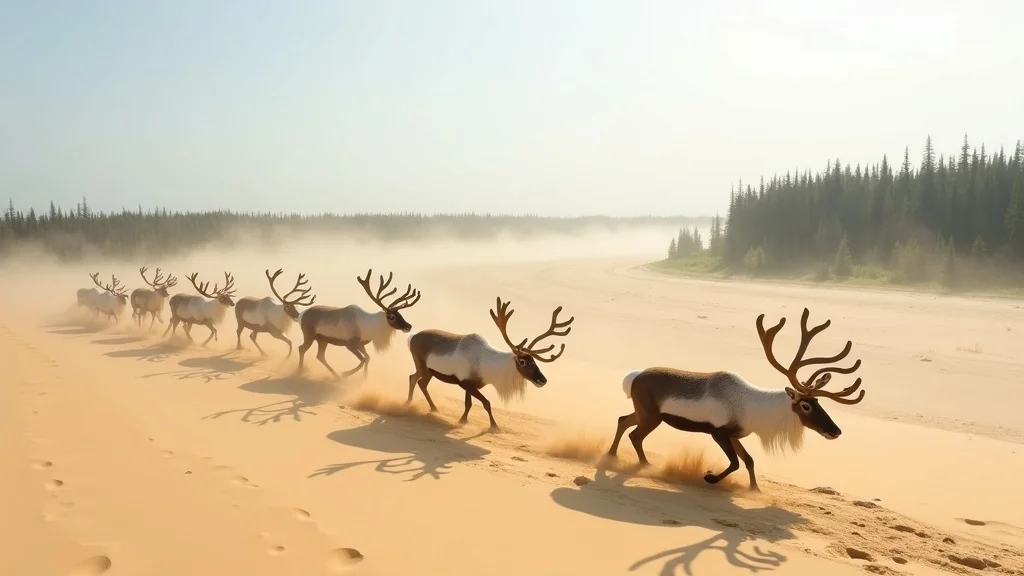
In the shadow of the dunes, life abounds even where it might seem improbable. Caribou traverse the sand each year as part of their long migration, their footprints preserved in wind-blown patterns. The Kobuk River, winding nearby, serves as a lifeline for both wildlife and the Indigenous communities who rely on its seasonal bounty. Onion Portage—just upriver—has been a gathering spot for caribou hunters for millennia, and today remains an important cultural site where tradition and natural history meet.
The park’s science and research initiatives invite visitors and students to look closely at the connections between landscape and life. Scientific studies within the park illuminate how ecosystems adapt to shifting environments, how plants find purchase on shifting sand, and how traditional knowledge contributes to a deeper understanding of Arctic resilience. The result is a living laboratory, where each gust of wind and animal track tells an ongoing story about adaptation and hope.
Expert Insights: Stewardship and Legacy at Kobuk Valley National Park
Kobuk Valley National Park approaches the stewardship of the Great Kobuk Sand Dunes with reverence and a sense of responsibility to both history and the future. By balancing preservation with public access, the park acts as a guardian of both natural wonders and cultural traditions. Educational programming is a cornerstone, emphasizing hands-on learning, scientific inquiry, and community collaboration. The park’s approach is guided by the knowledge that incredible landscapes like the Great Kobuk Sand Dunes are irreplaceable and must be cared for with foresight and humility.
The mission of the park extends to promoting the coexistence of people, wildlife, and the land. Respect for Indigenous subsistence traditions is built into management decisions, and the park actively encourages visitors to educate themselves about the ecology, history, and culture of the Kobuk Valley. In this way, Kobuk Valley National Park is not just a place, but a living classroom—a model of how conservation, education, and indigenous knowledge can operate side by side in pursuit of resilience.
Real Encounters: Visitors Reveal the Dunes’ Lasting Impact
Firsthand experiences often express what facts alone cannot—the transformative power of the Great Kobuk Sand Dunes, as witnessed by those few who make the journey. For travelers drawn to this secluded landscape, the payoff is a sense of discovery and awe that lingers long after. One recent visitor, Kevin J. , captured this feeling perfectly in his review:
This national park is absolutely stunning, and while some people might find it remote, the scenery is truly breathtaking. There's something incredibly special about the combination of windy rivers, majestic mountain ranges, and a fricking sand dune shaped by a glacier. 10/5 stars
Such testimonials underline how the raw, surprising beauty of Kobuk Valley can stir a person’s soul, rewarding those who plan ahead and venture beyond the familiar. Every journey to the Great Kobuk Sand Dunes offers a chance to be part of a story that spans millennia—a chance to witness Arctic wilderness that continues to inspire, challenge, and renew those who experience it.
Redefining the Arctic: What the Great Kobuk Sand Dunes Teach Us About Nature’s Surprises
The Great Kobuk Sand Dunes challenge our assumptions about what the Arctic can be, offering a rare and unforgettable encounter with one of America’s wildest treasures. Their existence invites us to reconsider the boundaries of landscape, history, and identity—showing that beauty can arise in the most unexpected places. Thanks to the thoughtful stewardship and educational efforts of Kobuk Valley National Park, these dunes remain both a wonder to explore and a lesson in the value of protecting our planet’s extraordinary and fragile resources. The story of the Great Kobuk Sand Dunes is far from over—and the next chapter awaits those curious enough to seek it out.
If the spirit of adventure and discovery in Alaska’s Arctic has sparked your curiosity, consider exploring how innovative gear and technology can enhance your journeys into remote wilderness. Learning about the latest advancements in portable power solutions, such as those highlighted in the best deals on the Bluei Elite 200 V2 Power Station for RVers, can help you travel farther and more sustainably. Whether you’re planning your first trip to the Great Kobuk Sand Dunes or dreaming of future expeditions, equipping yourself with the right tools ensures you’re ready for whatever the wild has in store. Embrace the freedom to explore, and let each adventure deepen your connection to the extraordinary landscapes that await.
Contact the Experts at Kobuk Valley National Park
If you’d like to learn more about how the Great Kobuk Sand Dunes could inspire your next adventure or educational journey, contact the team at Kobuk Valley National Park. 📍 Address: Alaska, USA 📞 Phone: +1 907-442-3890 🌐 Website: https://www. nps. gov/kova/index. htm
Kobuk Valley National Park Location and Hours
For details on visiting hours and seasons, contact the Northwest Arctic Heritage Center. Headquarters Mailing 📍 Address: PO Box 1029 Kotzebue, AK 99752 📞 Phone: 907-318-2230
Please refer to the Kobuk Valley National Park website for the most current hours of operation and visitor information.




Write A Comment