RV Otter

Ride With RV Otter

  • Home
  • Categories
    • Destinations & Routes
    • Campground Reviews
    • RV Tips & Lifestyle
    • Gear & Essentials
    • On-the-Road Living
    • Traveling with Pets
    • Stories & Adventures
    • RVing on a Budget
    • Boondocking
    • Campground Reviews
    • RV Lifestyle News
    • National Parks
    • State Parks
    • Extra News
    • Central Oregon Coast
    • National Forest
    • Shopping
    • Rentals
    • RV Resorts
    • Business Directory
    • RV Sales & Rentals
    • Destinations
    • Campgrounds & Stays
    • Gear & Rentals
    • RV News & Resources
    • RV Dealerships
    • Destinations 2
  • Businesses
  • Wildlife Refuges
July 17.2026
1 Minute Read

Unveil Scenic White Mountain National Forest Fall Foliage Drives

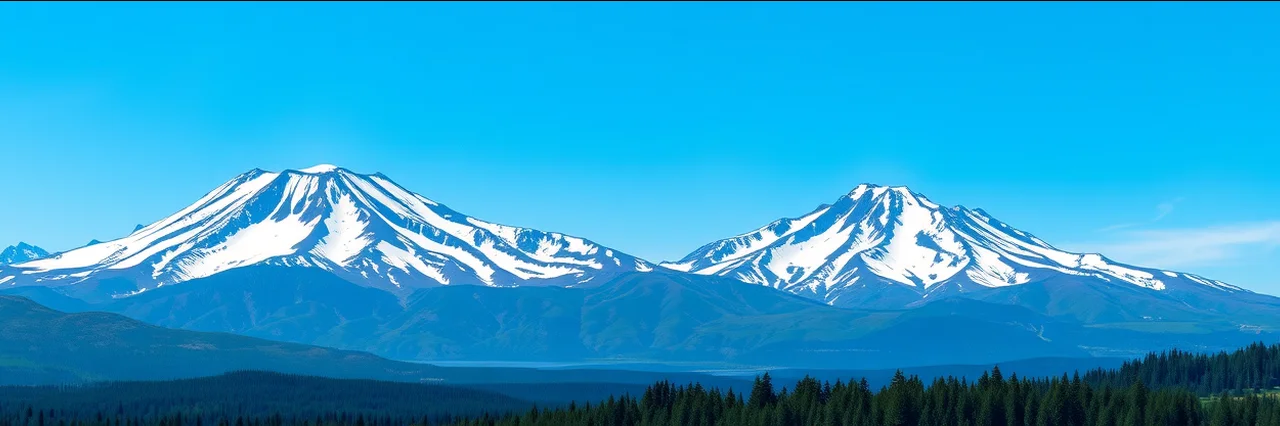
White Mountain National Forest fall foliage and scenic alpine hike ridgeline view

White Mountain National Forest

📍 Address: 71 White Mountain Dr, Campton, NH 03223, USA

📞 Phone: +1 603-536-6100

🌐 Website: http://www.fs.usda.gov/whitemountain/

★★★★★
Rating: 4.9

Experience Autumn’s Magic: The Allure of Foliage Drives and Alpine Hikes in the White Mountains

When autumn arrives, something extraordinary unfolds across the New England landscape. The forests ignite in dazzling sweeps of crimson, gold, and amber, drawing leaf peepers and adventure seekers from around the country. Yet, nowhere does fall hold such a breathtaking command as in and around the White Mountain National Forest. This region is famous for its dramatic displays where ancient hardwoods and rugged peaks combine for an unbeatable seasonal show. The promise of unforgettable scenic drives and invigorating alpine hikes draws many here—but understanding where to go and what to experience is vital for unlocking the very best of autumn in these storied highlands.

The path to the most memorable fall adventure isn’t immediately obvious: with hundreds of miles of potential routes and trails, first-time and returning visitors alike may wonder which overlooks, byways, and footpaths offer the greatest views. The region’s diverse mix of topography—mountain ridges, valley roads, shimmering lakes, and deep woodlands—means every corner offers a unique perspective on the foliage transformation. Knowing how to choose the right drive or hike, what to expect along the way, and how to maximize the short window of peak color can make all the difference between a fleeting walk in the woods and an awe-inspiring autumn memory. Exploring the White Mountain National Forest in fall isn’t just about seeing leaves. It’s about finding the routes that reveal nature’s full, dramatic canvas.
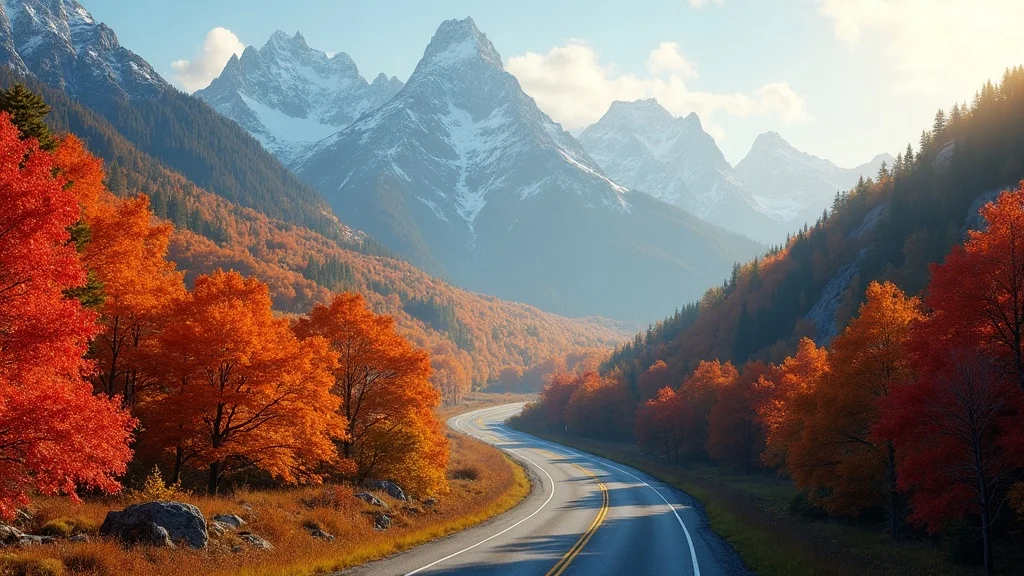
Scenic White Mountain National Forest fall foliage drive with vibrant autumn colors

Beyond the Leaves: What Makes White Mountain National Forest Drives and Alpine Hikes Unique

Every autumn, travelers descend on New England in hopes of witnessing the much-celebrated fall foliage, but few settings match the diversity and grandeur of the White Mountain National Forest. Here, the main attraction—the panoramic tapestry of changing leaves—is just the start. The forest sprawls across mountainous hardwood forests and ascends to majestic alpine peaks, each landmark view shaped by centuries of natural change. Scenic drives like the renowned Kancamagus Highway carve through valleys ablaze with color, linking travelers to a network of trails that beckon both seasoned hikers and beginners. Along these routes, visitors encounter clear mountain lakes, sparkling streams, and sudden vistas that frame the foliage against the contours of the White Mountains, making every mile distinctly rewarding.

For those interested in expanding their autumn adventures beyond the White Mountains, exploring other unique attractions in New England—such as the unexpected wonders at Ripley's Believe It or Not! in Newport—can add a fun twist to your seasonal itinerary. These destinations offer a different perspective on the region’s charm and can complement your foliage-focused travels.

But the splendor of fall here isn’t only visual—it’s deeply immersive. Those who venture beyond the roadside find hikes that vary from gentle woodland strolls to challenging climbs above the tree line, each offering a more intimate perspective on autumn’s transformation. The region is celebrated for attracting everyone from first-time leaf peepers to passionate hikers, yet without an appreciation for the forest’s dynamic terrain and historical significance, even the most beautiful view can remain just that—a pretty sight, rather than a memorable experience. Understanding the options, the rhythms of the season, and the unique interplay between climate, vegetation, and geography will not only elevate any visit but also safeguard the cherished sense of discovery this forest offers.

Why Exploring White Mountain Forest in Fall Elevates Every Nature Escape

As one of the most celebrated outdoor destinations in the region, White Mountain National Forest delivers far more than a patchwork of color during autumn. Drawing on a deep-rooted tradition of outdoor recreation and preservation, the forest is curated as a place where scenic drives and alpine hikes support a diversity of experiences for individuals and families alike. Whether visitors opt for well-traveled byways like the Kancamagus Highway or secluded mountain footpaths, each route is designed to amplify not just the view, but the overall adventure—offering easy access, safe trail conditions, and well-marked routes for every skill level.

By choosing to explore the national forest during the fall, travelers gain access to miles of hiking opportunity, fresh mountain air, and the chance to see the dramatic interplay between sunrise, sunset, and the turning leaves. Outdoor recreation is intentionally accessible year-round, but fall marks an unparalleled window—when the scenery is arguably at its most vivid and inviting, and wildlife activity is high. The White Mountain National Forest’s commitment to stewardship and safety further enhances the experience, ensuring that each drive or hike unfolds in a well-maintained, secure environment. The possibilities for connection—with nature, with companions, or with oneself—become all the richer during this vibrant, fleeting season.
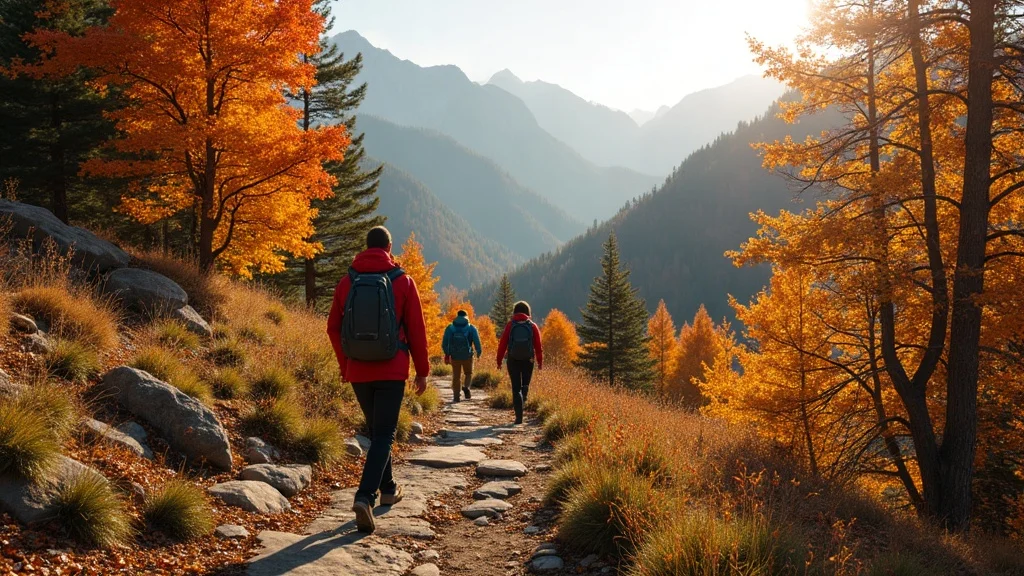
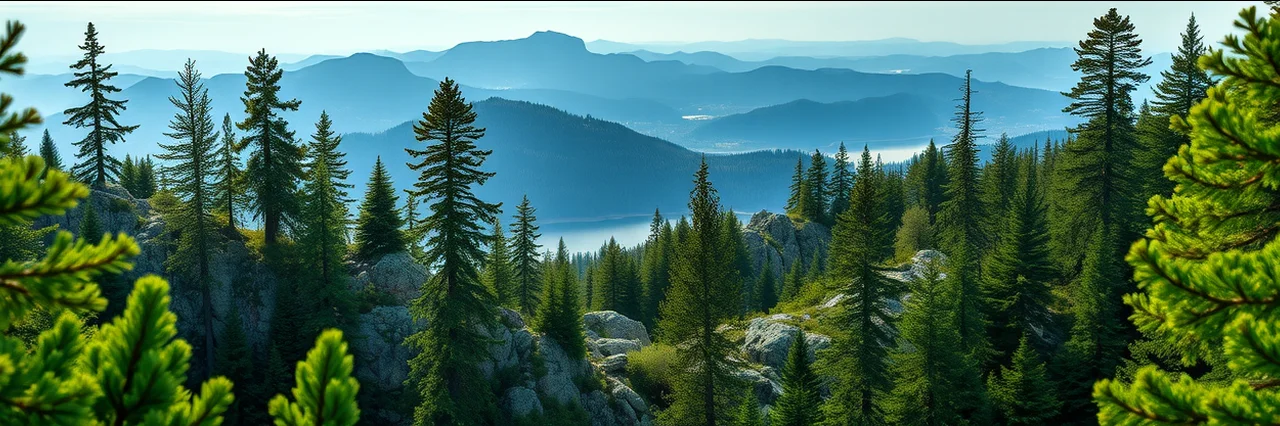
Alpine hike in White Mountain National Forest surrounded by autumn foliage

The Legacy of Adventure: A Rich History of Foliage Drives and Hiking Trails

The tradition of journeying through the White Mountain National Forest during fall stretches back generations. Originally charted by explorers and local communities, the now-popular scenic routes and hiking trails were carved to showcase the region’s best features—sweeping valley views, majestic peaks, and the crisp, invigorating air that marks New Hampshire’s autumn. Today, visitors still follow in these footsteps, discovering easy strolls into wooded habitats and embarking on challenging climbs above the tree line, each trail layered with the stories of past adventurers.

Scenic drives through the White Mountains were designed not only for efficiency, but to reveal the evolving beauty of the landscape at every bend. The Kancamagus Highway, in particular, has become a must-drive for foliage seekers, renowned for its access to numerous photo stops and hiking trailheads. These cherished routes don’t just connect physical places—they also unite generations and communities around a shared seasonal ritual. In this way, the White Mountain National Forest’s scenic byways and hiking paths aren’t just routes through nature; they’re living testaments to the ongoing relationship between people and the landscape.

Tips for Navigating Peak Leaf Season: Planning Your Ultimate Autumn Visit
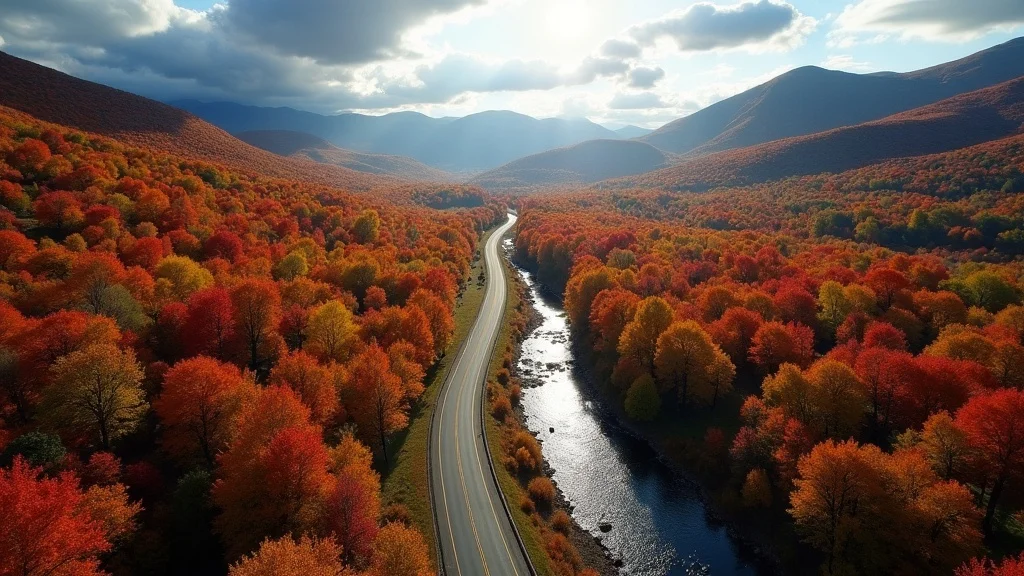
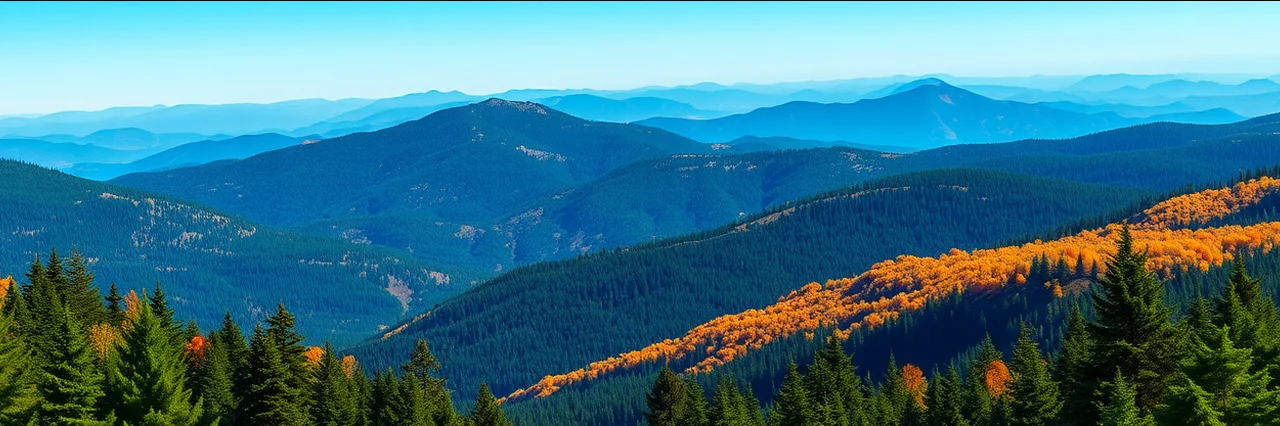
Aerial of White Mountain National Forest fall foliage along Kancamagus Highway

To make the most of the White Mountains’ fall offerings, timing and preparation are key. The window for peak color is brief—often just a few weeks stretching from late September through mid-October. Planning ahead allows visitors to make the best choices about which sections of forest roads to traverse and which hiking trails to prioritize. Consulting up-to-date forest road statuses and trail advisories—available via official sources—can help avoid closures or restrictions, especially after autumn storms or during periods of increased fire danger.

Safety and comfort are vital for enjoying the mountain environment. Bringing layers, water, and sturdy footwear ensures a more comfortable hiking experience, while drivers should exercise caution on winding mountain roads, particularly in wet or icy conditions. Making use of established overlooks and visitor areas provides not only the best views, but also minimizes impact on sensitive landscapes. Above all, allowing time to pause at photo-worthy stops and trailside vistas helps turn an ordinary drive or walk into a truly memorable autumn experience.

From Easy Strolls to Challenging Climbs: A Forest for Every Adventure Level

One of the greatest strengths of the White Mountain National Forest is its diversity of recreation options. Those just starting out will find a wealth of gentle paths winding through the hardwood forests, ideal for taking in the colors at a relaxed pace. For the more adventurous, alpine hikes lead high above the treetops, revealing wide-angle views across a sea of fiery foliage and glacial-carved valleys. The region’s clear lakes and cascading streams add extra sparkle to any autumn day, and opportunities abound for wildlife watching along the way.
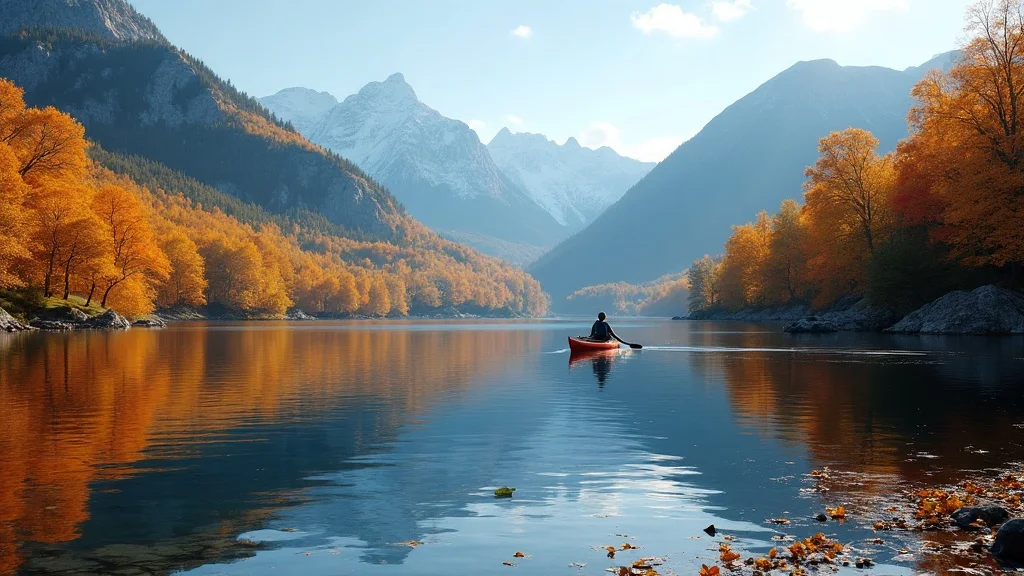
White Mountain National Forest lake with autumn foliage and reflection

Families can enjoy strolls with easy access, while intrepid explorers are drawn to climbs with rewarding summit panoramas. Marked trails, well-maintained facilities, and a network of scenic drives build a foundation for adventure—ensuring that everyone, regardless of background or experience, can create a personal connection with the forest’s autumn wonder. It is this blend of accessibility and grandeur that helps make the White Mountain National Forest a perennial destination for fall foliage seekers, hikers, and outdoor enthusiasts.

The White Mountain National Forest Perspective: Stewardship and Year-Round Adventure

The White Mountain National Forest operates with the philosophy that outdoor recreation should be accessible, sustainable, and awe-inspiring for all. Stewardship is at the core of everything in this landscape: from maintaining clear, safe trails to keeping campers and hikers informed with up-to-date road and safety alerts. The forest’s year-round operation underscores a commitment not only to fall visitors but to preserving the wilderness for future generations, ensuring that every drive and alpine hike is enjoyed responsibly.

This mission extends to encouraging a full spectrum of outdoor experiences, from camping and wildlife spotting to challenging climbs or peaceful valley strolls. Helping visitors find the right balance of adventure and comfort, the forest’s approach centers on education, preparation, and environmental respect. By fostering a culture of exploration that prioritizes safety and sustainability, the White Mountain National Forest continually reaffirms its place as both a natural sanctuary and a national recreational treasure.

What Real Visitors Say About Autumn’s Wonders: A Firsthand Account

The transformative experience of fall in the White Mountain National Forest is best appreciated not just in guidebooks or photos, but through the stories of those who have journeyed through its paths and drives. Enthusiastic guests return each year, sharing memories that often highlight how personal and moving the autumn spectacle can be—whether that’s a novice hiker’s delight at discovering a hidden waterfall, or the thrill of capturing the perfect sunset photo along a winding highway. One visitor summed up the appeal of the region, blending appreciation for both natural beauty and trail accessibility:

If you're a nature lover, hiker, or just looking for breathtaking scenery, this is the perfect destination. As a novice hiker, I was blown away by the numerous trails and stunning waterfalls. The staff at the visitor center were super friendly, and I even spotted some wildlife. The Kancamagus Highway is a must-drive, with plenty of photo ops and scenic stops. Absolutely stunning! Just be careful on the slippery rocks!

Accounts like these echo throughout the hiking community and among travelers, reaffirming that whether seeking adventure, solace, or simply a moment to marvel at nature, the White Mountain National Forest is uniquely equipped to provide it. Taking the time to explore its drives and hikes in autumn promises visitors not just beautiful scenery, but lasting memories framed in the colors of the season.

Preserving Adventure: The Enduring Appeal of White Mountain National Forest Fall Foliage Drives

Experiencing the full wonder of fall in New Hampshire is as much about journeying along scenic roads and mountain trails as it is about witnessing the fiery transformation of the forest. For decades, the White Mountain National Forest has played a pivotal role in welcoming visitors, providing access to the very best of autumn’s display while preserving it for future generations. The careful stewardship and passion for recreation demonstrated within the forest ensure that white mountain national forest fall foliage drives and alpine hikes remain not just a seasonal highlight, but a lasting legacy of outdoor enjoyment.

As the leaves change and the mountain air turns crisp each year, the opportunities for adventure, awe, and rejuvenation draw travelers back time and again. Through expertly maintained trails, accessible scenic byways, and a philosophy centered on inclusivity and sustainability, the White Mountain National Forest continues to set the bar for fall exploration. In doing so, it stands as an enduring model for how experiencing white mountain national forest fall foliage drives and alpine hikes can become an unforgettable tradition for all.

If you’re inspired to keep discovering the wonders of New England, consider broadening your journey with a visit to other captivating attractions. For a blend of curiosity and entertainment, uncover the unexpected at Ripley's Believe It or Not! in Newport. Exploring these diverse destinations can enrich your travel experience, offering new stories and memories that complement the natural beauty of the White Mountains. Whether you’re seeking scenic vistas or surprising adventures, New England’s variety ensures every trip is uniquely rewarding.

Contact the Experts at White Mountain National Forest

If you’d like to learn more about how white mountain national forest fall foliage drives and alpine hikes could benefit your next outdoor experience, contact the team at White Mountain National Forest.
📍 Address: 71 White Mountain Dr, Campton, NH 03223, USA
📞 Phone: +1 603-536-6100
🌐 Website: http://www.fs.usda.gov/whitemountain/

White Mountain National Forest Location and Hours

🕒 Hours of Operation:📅 Monday: ❌ Closed📅 Tuesday: 9:00 AM – 4:00 PM📅 Wednesday: 9:00 AM – 4:00 PM📅 Thursday: 9:00 AM – 4:00 PM📅 Friday: 9:00 AM – 4:00 PM📅 Saturday: ❌ Closed📅 Sunday: ❌ Closed

Location Map
National Forest

0 Comments

Write A Comment

*
*
Please complete the captcha to submit your comment.
Related Posts All Posts

Discover Pisgah National Forest Waterfall Hikes Today

Pisgah National Forest 📍 Address: Pisgah National Forest, North Carolina 28714, USA 📞 Phone: 828-877-3265 ★★★★★ Rating: 4.9 Unlocking Nature’s Best: Why Pisgah’s Waterfall Hikes and Parkway Views Matter Imagine standing at the edge of a misty overlook, surrounded by ancient hardwoods and listening to the distant roar of a hidden waterfall. This is not just a daydream—it’s the everyday reality for those who venture along the waterfall hikes of Pisgah National Forest. As more people search for authentic outdoor escapes, few places offer the magic and majesty of North Carolina’s legendary forest. Yet, many underestimate just how diverse and accessible its trails and waterfalls can be, especially when paired with sweeping views from the nearby Blue Ridge Parkway. With trails that range from gentle scenic walks to challenging ascents, and waterfalls that seem carved from storybooks, Pisgah National Forest is a mosaic of adventure, beauty, and tranquility. Those who haven’t explored these paths may not only miss out on breathtaking sights but on a deeper connection to nature that refreshes the mind and spirit. Understanding the unique intersection of waterfall hikes and panoramic parkway vistas isn’t just for the seasoned hiker—it’s a key to unlocking some of the most memorable adventures the Appalachian Mountains have to offer. Exploring Pisgah: Where Waterfalls and Parkway Views Create Unrivaled Experiences Pisgah National Forest is much more than a wooded stretch between towns—it’s a vast, living landscape where every turn can reveal tumbling waterfalls, unique geology, and sweeping views over the Blue Ridge Parkway. Characterized as a temperate rainforest in some sections, Pisgah’s rich biodiversity and constant presence of water give rise to lush vegetation and an array of breathtaking cascades. Hikes like those to Looking Glass Falls, Moore Cove Falls, and Skinny Dip Falls offer a blend of easily accessible beauty and wild serenity, making them some of the most popular waterfall hikes in the state. If you’re interested in expanding your adventure options beyond hiking, you might enjoy discovering other unique attractions in the region. For example, exploring the unexpected wonders at Ripley's Believe It or Not! in Newport can add a fun and surprising twist to your North Carolina itinerary. But why is this convergence of waterfalls and parkway perspectives so vital? For starters, many visitors think of North Carolina hiking only in terms of distance or difficulty, overlooking the dramatic contrasts in terrain, microclimate, and scenery that Pisgah’s trails provide. For those unacquainted with this region, missing out on its waterfall hikes often means missing out on the essence of the Blue Ridge’s appeal—the powerful feeling of tranquility and awe that comes from encountering not only towering cascades, but also panoramic overlooks where the mountain ridges fold into the distance. Lacking this perspective, it’s easy to underestimate the value Pisgah adds to both outdoor recreation and personal renewal. Why Waterfall Hikes and Parkway Views Transform Every Visit to Pisgah National Forest Pisgah National Forest stands out as a repository of natural wonders, blending miles of hiking trails with some of the Southeast’s most striking waterfalls and ridgeline views. The true value of these waterfall hikes is in their accessibility—they cater to all levels, whether you’re seeking a peaceful walk with your family or a strenuous trek to a high-elevation vista. Trails like the Pink Beds Loop offer gentle scenery perfect for beginners, while climbs like those on the Art Loeb Trail challenge even experienced hikers and reward with unparalleled perspectives of the Blue Ridge Parkway and the forest’s rolling terrain. The immediate benefits of these hikes are evident: the chance to immerse yourself in lush, unspoiled nature, to feel the refreshing spray of a waterfall, and to gain a literal and figurative fresh perspective atop a mountain bald like Black Balsam Knob. These experiences foster mental clarity, stress reduction, and appreciation for conservation, all while providing a safe environment for unplugging from daily routines. For explorers drawn to water, highlights like Looking Glass Falls—visible from the roadside—make natural beauty welcoming and attainable, even for those limited on time or mobility. Every moment spent chasing cascades or gazing over endless ridges is an investment in well-being and connection that lingers long after your boots have left the trail. From Roadside Marvels to Remote Retreats: The Unique Range of Pisgah’s Waterfall Trails Pisgah National Forest is renowned for its range of waterfall experiences, from dramatic, easily accessible sites to hidden gems for the dedicated adventurer. Looking Glass Falls is an iconic stop along U. S. Route 276, with powerful cascades that are visible right from the roadside, perfect for families and those looking for a quick dose of nature’s splendor. Moore Cove Falls offers a short, gentle hike to a waterfall you can walk behind—a whimsical rarity for children and photographers alike. Meanwhile, more secluded options like the dispersed camping areas near winding trails offer visitors a tranquil escape, where the only company might be a passing herd of deer or the distant call of a hawk gliding above the canopy. For those curious about water-based adventures, Pisgah delivers cool mountain streams perfect for safe wading or a refreshing swim on a hot summer day. Places like Sliding Rock and Skinny Dip Falls are local favorites, blending the thrill of cold, clear water with the peaceful soundtrack of cascading streams. Each trail and waterfall in Pisgah is unique, from the lush verdant banks of the Pink Beds Loop, edged by mountain laurel and rhododendron, to the high, panoramic balds atop Black Balsam Knob. With such diversity, there’s always something new for hikers, families, and explorers of every level of experience. The Blue Ridge Parkway Connection: Vistas That Elevate Every Hike One of the great strengths of hiking in Pisgah National Forest is its proximity and connection to the Blue Ridge Parkway, frequently regarded as “America’s Favorite Drive. ” Many waterfall hikes begin just a short distance from the Parkway, allowing visitors to combine woodland adventures with some of the most dramatic long-range views on the East Coast. Rolling mountain ridges, painted in the colors of fall or the deep greens of summer, stretch for miles from overlooks like those at Black Balsam Knob or Graveyard Fields. The interplay of waterfalls and overlooks is more than simple geography; it shapes the whole experience. Each ascent offers glimpses through the trees of far-off peaks, and descents reward hikers with cool, shaded glens where water gathers and tumbles. No matter the trail, the natural architecture of Pisgah’s highlands and valleys makes every journey richer, infusing a sense of scale and wonder that’s hard to replicate anywhere else. If there’s a secret to Pisgah’s enduring popularity, it’s in how effortlessly a day spent chasing waterfalls can turn into a journey across some of the region's most breathtaking ridges and summits. How Seasonal Changes Shape the Pisgah Waterfall Hiking Experience Few places demonstrate the rhythm of the seasons like Pisgah National Forest. In autumn, brilliant foliage frames every waterfall and overlook with gold and crimson, drawing leaf-peepers and photographers seeking that perfect shot. Spring rains and melting snows swell rivers and creeks, turning even smaller falls into roaring displays of nature’s power and renewing the lushness of the forest floor. The summer canopy provides shade and comfort, making even midday hikes enjoyable, while winter’s sparse trees reveal new angles and a quieter, meditative mood for the persistent explorer. Timing your hike in Pisgah isn’t just about weather—it’s about experiencing the forest’s many moods and learning its patterns. Some trails may be best enjoyed in early morning mist or late afternoon sunset, while others, like those along the Blue Ridge Parkway, reach their visual peak at midday or during spectacular sunrise vistas. By understanding how seasons and timing affect trail conditions and waterfall flows, hikers and families can plan their adventures for the most rewarding and memorable experiences. Carving Out Your Own Adventure: The Ethos Behind Pisgah National Forest Hiking Pisgah National Forest’s approach to outdoor recreation is rooted in respect for both nature and visitor experience. The forest’s layout and trail system invite self-guided exploration, emphasizing stewardship, safety, and a leave-no-trace philosophy. Whether choosing an iconic hike or seeking a lesser-known waterfall, the experience is shaped by intentional access and preservation, making the wilderness open yet protected for everyone from day-trippers to multi-day backpackers. The quiet majesty of Pisgah—its unspoiled waterfalls, wide-open campsites, and far-reaching parkway vistas—reflects a mission to nurture both the land and its visitors. Every footpath and viewpoint is a lesson in patience, renewal, and discovery. The forest’s ethos ensures that each journey is as empowering and restorative as it is awe-inspiring, inviting everyone to unplug, unwind, and truly connect with the natural world in all its vivid complexity. What Real Hikers Say About Their Pisgah Adventures The stories and voices of those who have walked these trails often say more than any map or guidebook ever could. Time and again, explorers find not only scenery but sanctuary among Pisgah’s waterfalls and ridges—a place where beauty and peace converge in every mile. One hiker, Valarie W. , captured the spirit of an unplugged escape and the hidden wonders she found along the forest’s winding paths: Pigsah National Forest was a dreaaaam! The fall foliage, the trails, the waterfalls, the tranquility. I wanted to have an unplugged birthday and this was perfect!!!! we went to the visitor to start and then did that small trail there, did the Looking Glass Falls, something else, and then Moore Cove. We went to the dispersed open camping down the trail (it’s further behind the road at a sharp curve you might miss). We went a few spots down and found THE perfect spot. It was a little spooky at first, but turned out to be very safe. The only people we ever saw that far in the woods were three trucks of hunters as we were packing up the next morning. Overall, very nice spot. Super peaceful. We picked up some leftover garbage and took all of ours with us. Very clean and nature oriented spot! As this reflection shows, every trip into Pisgah National Forest holds the promise of discovery, serenity, and a return to what matters most. The chance for personal renewal, for undisturbed connection to nature, and for adventure in a landscape shaped by water and time is within reach for anyone ready to follow the trails and listen to what the forest has to offer. What Pisgah’s Waterfall Hikes and Parkway Views Mean for Outdoor Adventure Lovers Exploring waterfall hikes and ridge-top overlooks in Pisgah National Forest is more than an activity; it’s a chance to be part of a living Appalachian tradition. The intersection of challenging trails, accessible walks, and awe-inspiring natural features has set a new standard for what makes a forest experience memorable and worthwhile. By stewarding these places and championing access for all, Pisgah has become a model for outdoor recreation and ecological respect, offering something timeless—whether you’re a seasoned explorer or a first-time visitor. For those longing for refreshing solace and dramatic scenery, the waterfall hikes and Blue Ridge Parkway views of Pisgah National Forest provide an open invitation. Every well-marked trail, every viewpoint at sunrise, and every moment beside a cascading stream is a reminder that adventure is never far away, so long as there are paths to follow and wonders to see. If you’re inspired to keep exploring the wonders of North Carolina and beyond, consider broadening your adventure horizons with other unforgettable destinations. Uncovering the quirky exhibits and fascinating oddities at Ripley's Believe It or Not! in Newport is a great way to add a sense of surprise and delight to your travel plans. Whether you’re seeking natural beauty or unexpected marvels, there’s always another journey waiting to inspire your next adventure. Contact the Experts at Pisgah National Forest If you’d like to learn more about how Pisgah National Forest waterfall hikes and Blue Ridge Parkway views could benefit your outdoor adventures, contact the team at Pisgah National Forest. 📍 Address: Pisgah National Forest, North Carolina 28714, USA 📞 Phone: 828-877-3265 Pisgah National Forest Location and Hours 🕒 Hours of Operation: Please contact Pisgah National Forest directly at 828-877-3265 for current visitor hours and seasonal access updates.

Discover Hidden Gems at Flathead National Forest Mountain Lakes

Flathead National Forest Supervisor's Office 📍 Address: 650 Wolfpack Way, Kalispell, MT 59901, USA 📞 Phone: +1 406-758-5208 🌐 Website: http://www.fs.usda.gov/flathead ★★★★★ Rating: 3.3 Unlocking the Wonders of Flathead: Why Mountain Lakes, Wildlife, and Rivers Captivate Adventurers In the shade of the northern Rocky Mountains, there’s a place where wild rivers carve through forests and sapphire lakes reflect endless sky—a landscape teeming with wildlife and adventure. Imagine setting out on a trail where grizzly bears share the woods, or gliding across a lake framed by untouched wilderness. The Flathead National Forest’s mountain lakes and waterways invite visitors to a realm few truly explore. For those who crave real connection with nature, Flathead’s hidden gems deliver more than scenic views; they offer a window into the American West’s most authentic and thrilling outdoor experiences. Exploring Flathead National Forest isn’t just about hiking another trail or paddling another river. It’s about seeking out the wildest, most vivid encounters with nature’s raw power and subtle beauty—where every bend in a river or opening in the treeline may bring you face-to-face with a grazing elk or the glint of a mountain lake. With thousands of miles of trails, a patchwork of lakes, and opportunities for rafting and unmatched wildlife viewing, this landscape demands both respect and curiosity. Understanding how to safely and responsibly immerse yourself here isn’t simply helpful—it’s essential. The adventure calls, and those who answer will discover stories and sights they won’t find anywhere else. Flathead National Forest’s Mountain Lakes, Wildlife Viewing, and Rafting: More Than Meets the Eye Flathead National Forest is recognized as a natural playground for outdoor lovers, but beneath its rugged surface lies a network of pristine mountain lakes, vibrant ecosystems teeming with wildlife, and legendary whitewater rivers. Spanning 2. 4 million acres in northwest Montana, just south of the Canadian border and Glacier National Park, the forest’s diverse habitats provide refuge for both people and an astonishing range of animals—from majestic grizzly bears to rare bird species. Exploring these mountain lakes offers not just recreation, but a front-row seat to the ongoing drama of nature—a stage where wildlife roam freely, and ancient geological forces shape the landscape. But adventure in Flathead also calls for preparation and knowledge. The lakes and rivers, while spectacular, are part of a dynamic wilderness where conditions change quickly and wildlife encounters are common. Whether setting out for a day of rafting down the North Fork Flathead River, pausing to spot elusive game along a tree-lined shore, or navigating a hidden lake by canoe, visitors face choices that directly impact their safety and the environment. Understanding responsible recreation, wildlife safety, and the unpredictable moods of mountain waters is critical—because in Flathead, wonder and respect go hand-in-hand. Those unprepared may unintentionally put themselves or the wildlife at risk, underscoring the need for clear guidance and thoughtful adventure planning. For travelers who appreciate the thrill of discovering the unexpected, exploring unique attractions can add a memorable twist to any adventure. If you’re interested in uncovering more surprising destinations beyond the wilderness, you might enjoy learning about the fascinating exhibits at Ripley's Believe It or Not! in Newport, where curiosity and wonder take center stage. Why Exploring Mountain Lakes, Wildlife, and Rafting in Flathead National Forest Elevates Every Adventure Flathead National Forest serves as a beacon for outdoor enthusiasts seeking authentic adventures and natural immersion. Its mountain lakes, often nestled in remote valleys and framed by towering pines, provide not just staggering beauty but quiet opportunities for reflection and exploration. The experience of paddling across crystal-clear waters or hiking to an alpine shoreline brings a profound sense of connection with nature, grounding visitors in the rhythms and cycles of the land. For wildlife watchers, these lakes are prime habitats—home to waterfowl, otters, and the occasional bear crossing the shore—creating unforgettable moments for those who come prepared with patience, respect, and a keen eye. More than just a destination, Flathead’s aquatic and forested habitats form a living classroom that educates visitors about interconnected ecosystems. Travelers learn firsthand the importance of wildlife safety, including understanding grizzly and black bear behavior, and how to store food and manage campsites in bear country. Those venturing onto the Flathead River or its tributaries experience the exhilarating rush of whitewater rafting—yet must also heed expert warnings about river conditions, which can change rapidly. By engaging with Flathead’s lakes and rivers, adventurers come away with a deeper appreciation of wilderness ethics and the balance required to safeguard this fragile landscape for generations to come. From Glacial Origins to Modern Exploration: The Changing Face of Flathead’s Lakes and Rivers Many of Flathead’s most stunning lakes were born from glaciers thousands of years ago, their basins slowly filled by snowmelt and rain. The resulting waters are pure, cold, and exceptionally clear, supporting unique fish populations and attracting anglers from across the region. Over the decades, the forest has carefully balanced access and conservation, maintaining both pristine settings and well-marked trails linked by knowledgeable rangers and detailed maps. This stewardship allows modern explorers to venture far beyond the beaten path, discovering secluded coves and islands while minimizing their impact on sensitive habitats. Today, Flathead’s rivers are famous for their whitewater runs, drawing rafting enthusiasts from across the country. The North Fork and Middle Fork are watched closely for conditions, with up-to-date river reports and safety alerts coordinated by expert staff and interagency partners. Advances in safety, visitor education, and wildlife attractant protocols have made the wilderness more accessible while preserving the mystery and thrill that drive so many to explore its wild heart. Whether retracing historic routes or forging new ones, the legacy is a landscape that remains both untamed and welcoming, provided visitors follow the principles of preparation and respect that have defined this region since long before it became a park. Essential Preparation for Wildlife Viewing in Bear Country Flathead National Forest is famous for its resident grizzly and black bears, making it one of the country’s defining destinations for wildlife viewing. However, observing these magnificent animals comes with responsibility—which begins with education and adherence to current wildlife safety orders. Important guidance on food and wildlife attractant storage is strictly enforced, reflecting years of research and practical experience in keeping both people and animals safe. Visitors are urged to understand the difference between grizzly and black bear habitats, follow trail closures or restrictions—like those in effect for the Bob Marshall, Scapegoat, and Great Bear wilderness areas—and always remain alert when traveling or camping near water sources, as these are frequent bear corridors. Proactive planning is critical: securing maps, checking alerts for avalanche and wildlife conditions, and seeking recommendations from trained staff are all valuable steps. By preparing for possible encounters, learning about bear behavior, and respecting the boundaries that separate humans from wildlife, visitors contribute to the ongoing health of the Flathead ecosystem. In turn, these practices foster more meaningful wildlife experiences and stories that last a lifetime, all while preserving the delicate balance that makes Flathead National Forest such a unique place to visit. The Forest Ranger’s Commitment: Stewardship and Safety at Flathead National Forest At the heart of Flathead National Forest is a philosophy that champions both access and stewardship. Forest staff emphasize the importance of responsible recreation, integrating real-time alerts, environmental assessments, and ongoing public education into their approach. From the restoration of historic cabins to the careful management of river conditions and trail systems, Flathead’s leadership strives to ensure that every visitor—whether a first-timer or a seasoned adventurer—has the information and support needed for a rewarding and safe experience. This dedication extends to fighting wildfires, enhancing wildlife habitats, and preserving the character of historic sites like Holland Lake Lodge. Flathead’s mission is to maintain an inclusive landscape where people can experience the wild on their own terms, yet within a framework of science-based best practices. This means ongoing collaboration with interagency partners, transparent communication through regular press releases and alerts, and investments in cabins, camping, and interpretive sites that allow deeper understanding of both natural and human history. The Flathead National Forest Supervisor’s Office stands as a vital resource, providing up-to-the-minute information on fire danger, avalanche forecasts, and wildlife safety, all while inspiring visitors to leave lighter footprints and forge lasting memories in one of America’s last great wild places. Real Stories: How Informed Guidance Transforms the Flathead Experience The value of trusted expertise becomes clear the moment travelers seek local insight before venturing into Flathead’s vast and varied landscape. Effective visitor support, including current trail conditions, dispersed camping tips, and rapid response to changing wildfire or river statuses, turns uncertainty into confidence. The true impact is best captured by firsthand accounts: Everyone went above and beyond in how nice and informative they were - I received maps, recommendations for dispersed camping, locations of current forest fires, and my parks pass. What a great start to my trip! Thank you! Stories like these highlight how preparedness changes not only safety but the sense of wonder that comes with every Flathead adventure. Access to local knowledge sets the tone for meaningful journeys—enabling travelers to explore further, spot more wildlife, and navigate lakes and rivers with greater assurance. By using the resources available at the Supervisor’s Office and following advised guidelines, every visitor is empowered to return home with the kinds of memories, experiences, and respect for the wild that define true adventure. Flathead’s Lakes, Wildlife, and Rivers: The Ultimate Invitation to Engage with the Wild For anyone seeking a genuine encounter with the American West, Flathead National Forest’s mountain lakes, abundant wildlife, and world-class rafting encapsulate what it means to step beyond the ordinary. These waters and woods form the beating heart of Montana’s wilderness, demanding both curiosity and preparation from those who explore them. The forest’s dedication to stewardship and education—reflected in its guidance on wildlife safety, up-to-date alerts, and transparent communication on changing conditions—sets a standard for visitor support and environmental care. Through every paddle stroke, trail walk, and riverside campout, Flathead’s message is clear: engaging responsibly with wilderness ensures these hidden gems will inspire awe for generations to come. With so many opportunities to experience wildlife viewing, mountain lakes exploration, and exhilarating river rafting—all within a well-stewarded landscape—Flathead National Forest remains the gold standard for outdoor adventure. The insights and support provided by the Supervisor’s Office allow each visitor to not only witness, but also protect, the extraordinary character of this rare place. If your passion for discovery extends beyond the wilds of Montana, consider broadening your horizons with other destinations that spark curiosity and wonder. Exploring places like Ripley's Believe It or Not! in Newport can offer a fresh perspective on adventure, blending the thrill of the unexpected with engaging stories and exhibits. Whether you’re drawn to the serenity of mountain lakes or the intrigue of the unusual, each journey adds a new layer to your travel experiences. Let your next adventure inspire you to seek out both natural marvels and human-made surprises, enriching your appreciation for the world’s endless variety. Contact the Experts at Flathead National Forest Supervisor's Office If you'd like to learn more about how Flathead National Forest mountain lakes, wildlife viewing, and rafting could benefit your next adventure, contact the team at Flathead National Forest Supervisor's Office. 📍 Address: 650 Wolfpack Way, Kalispell, MT 59901, USA 📞 Phone: +1 406-758-5208 🌐 Website: http://www.fs.usda.gov/flathead Flathead National Forest Supervisor's Office Location and Hours 🕒 Hours of Operation:📅 Monday: 8:00 AM – 4:30 PM📅 Tuesday: 8:00 AM – 4:30 PM📅 Wednesday: 8:00 AM – 4:30 PM📅 Thursday: 8:00 AM – 4:30 PM📅 Friday: 8:00 AM – 4:30 PM📅 Saturday: ❌ Closed📅 Sunday: ❌ Closed
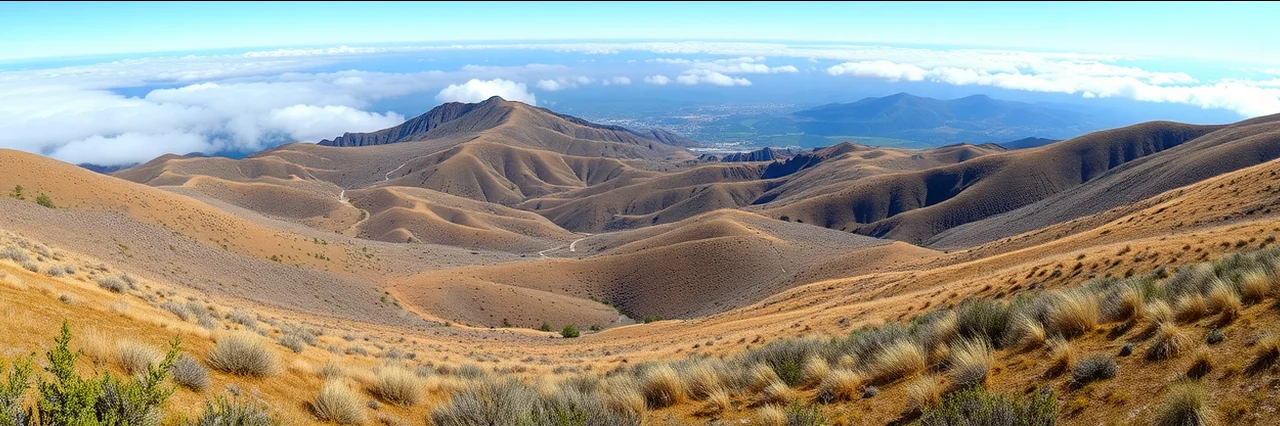
Discover Hidden Gems: Mark Twain National Forest Springs Await

Mark Twain National Forest 📍 Address: 401 Fairgrounds Rd, Rolla, MO 65401, USA 📞 Phone: +1 573-364-4621 🌐 Website: http://www.fs.usda.gov/mtnf ★★★★★ Rating: 4.7 Unveiling the Mysteries of Mark Twain National Forest Springs, Caves, and Ozark Hiking Trails What draws explorers, hikers, and families year after year to Missouri’s sprawling Mark Twain National Forest? Beneath the shaded canopy of ancient hardwoods lie some of the Midwest’s best-kept secrets: crystal-clear springs gushing from mysterious underground rivers, labyrinthine cave systems that evoke both curiosity and awe, and an extensive tapestry of Ozark hiking trails winding through glades, valleys, and karst terrain. For many, discovering this forest is like turning the page to a living storybook—each footstep revealing new wonders shaped by millennia of nature’s quiet design. In a world where so much is curated, predictable, and accessible at the swipe of a screen, the Mark Twain National Forest stands apart. Its springs, caves, and hiking trails offer an authentic invitation to immerse yourself in wild beauty and rich heritage. Visitors aren’t just getting outside—they’re stepping into a dynamic landscape where water carves through limestone, birdsong echoes along ridges, and history is etched in every outcrop. Understanding these features is more than a matter of sightseeing; it’s an introduction to the region’s natural rhythms and a chance to witness how geological forces shaped the Ozarks. The Allure and Complexity of Missouri’s Natural Marvels in Mark Twain National Forest Mark Twain National Forest isn’t just a collection of trees—it’s a living lesson in geological wonder and ecological complexity. With more than 350 miles of perennial streams, visitors find no shortage of dynamic water features. The springs, crystal clear and surprisingly cold even in mid-summer, are the result of rainfall traveling underground through porous limestone, emerging anew and feeding the forest’s teeming creeks and rivers. These springs aren’t just scenic; they sustain rich ecosystems, create striking blue pools, and offer refreshment for both the wildlife and the hiking public. Just below the forest’s rolling hills and wooded ridges lie intricate cave systems—evidence of the region’s signature karst topography. The caves, mysterious and often hidden, harbor bats, rare crustaceans, and stories untold. For hikers, the Ozark trails that wind above and around these natural features are more than just footpaths; they’re corridors through time. Not grasping the full importance of these natural phenomena risks missing out on experiences both awe-inspiring and educational. Neglecting to understand the springs’ role in water purity, the caves’ fragility, or the trails’ connection to the Ozark heritage leaves visitors unprepared to truly appreciate and preserve this wilderness. If you’re fascinated by the unexpected wonders that nature and history can offer, you might also enjoy exploring other unique attractions. For example, Ripley's Believe It or Not! in Newport presents a different kind of adventure, where the extraordinary and the unusual come together for a memorable experience. Discover more about what awaits at Ripley's Believe It or Not! in Newport and see how curiosity can lead to remarkable discoveries both indoors and out. Why Exploring Mark Twain National Forest Springs, Caves, and Ozark Hiking Trails Enriches Every Adventure As a seasoned steward of Missouri’s great outdoors, Mark Twain National Forest offers something constantly sought and seldom found: authentic contact with nature’s timeless workings. The springs serve as lifelines, offering not only scenic beauty but also crucial habitat for plants and wildlife unique to the Ozarks. The interplay between abundant water, lush growth, and cool refuge creates a vibrant environment for outdoor enthusiasts, families, and educators alike. Hiking along these trails presents a hands-on encounter with biology, geology, and history—an outdoor classroom unrivaled in diversity. The forest’s hiking trails, designed to accommodate everyone from casual strollers to seasoned backpackers, open gateways to unforgettable vistas, quiet solitude, and high-energy adventure. Waterways suitable for canoeing and kayaking cut through the landscape, providing dynamic routes for exploration. Delving into the region’s numerous cave systems helps interpret the area’s ancient past while offering shelter for wildlife and inspiration for today’s explorers. Whether you’re pitching a tent near a bubbling creek or following a trail to a hidden spring, these opportunities restore a sense of wonder and foster deeper appreciation for the natural world. By understanding these environments—how springs, caves, and trails interconnect—visitors are empowered to make decisions that support both conservation and recreation. It’s about more than following a map; it’s about developing a connection with Missouri’s living landscape and the legacies preserved within its green heart. Ozarks’ Underground Rivers and Their Historical Role in Shaping Mark Twain National Forest The history of Mark Twain National Forest’s springs and cave systems is as deep as the channels they occupy. The Ozark Plateau has long been distinguished by its karst geography—a blend of sinkholes, streams, and caves sculpted by water and time. Springs here have nourished wildlife, attracted Indigenous peoples, and assisted early settlers who relied on their clear, cold water for daily life. Over generations, these springs became essential stops for explorers and pioneers who crafted legends still echoed in local lore. Today, hikers traversing the forest’s 750 miles of trails often cross paths with remnants of this history: abandoned mills, weathered bridges, and interpretive signs offering glimpses into the settlement era. Some trails follow historic routes once used by traders and adventurers, while caves remain natural time capsules—offering clues to the lives of both ancient animals and early Ozark inhabitants. Every visit to the springs and caves is a chance to walk in the footsteps of generations past, blending physical challenge with cultural immersion. Planning an Enriching Hike: What to Know Before You Go With so much to see and discover, designing your perfect Mark Twain National Forest adventure begins with preparation. The diverse landscape features trails suitable for all fitness and interest levels, from short family loops to strenuous multi-day treks on the renowned Ozark Trail. Before venturing out, it’s essential to check official resources for current weather, streamflow, and fire danger status to stay safe. The forest’s official website provides real-time updates, safety tips, and downloadable maps that make navigating its wilderness both accessible and secure. Campgrounds are available for those seeking overnight immersion in the wild, ranging from semi-primitive sites for solitude-seekers to developed campgrounds for families. It’s also important to practice Leave No Trace principles, especially when visiting sensitive areas like springs and caves. With insects—such as mosquitoes—also part of the natural environment, packing appropriate clothing and repellents can make all the difference. Visitors who arrive prepared are rewarded with vistas of shimmering water, cool cave air, and the soundscape of an unspoiled forest. Volunteerism and Community Impact: Sustaining the Forest’s Heritage Mark Twain National Forest is not just defined by its natural wonders, but by the collective efforts of the community and volunteers who protect and enhance its beauty. Programs focused on habitat management—such as those recognized by award-winning partnerships—have led to improvements that benefit wild turkeys, native flowers, and other wildlife. The need for volunteer campground hosts further illustrates the sense of stewardship that runs deep in local communities, enabling visitors to experience the Ozarks’ hospitality firsthand. The forest also hosts a calendar of fee-free days, public events, and collaborative projects, fostering accessibility and engagement for people from all walks of life. These efforts reinforce the forest’s mission to provide a space where recreation and conservation work hand-in-hand, ensuring that the springs, caves, and hiking trails remain accessible and vibrant for generations yet to come. Mark Twain National Forest’s Commitment to Conservation and Public Enjoyment Mark Twain National Forest exemplifies a unique approach rooted in balance, blending recreation with a deep responsibility to conserve its karst landscape and diverse habitats. The philosophy centers on creating lasting memories through immersive experiences while prioritizing ecosystem health. By inviting the public to not just visit but actively participate—whether through hiking, learning, or volunteering—the forest encourages stewardship that is both personal and communal. Ongoing initiatives and collaborative awards showcase how proactive management and thoughtful use of resources can cultivate both biodiversity and visitor satisfaction. As weather, fire danger, and public needs evolve, the forest remains adaptive, transparent, and welcoming. Through open communication, real-time alerts, and educational outreach, Mark Twain National Forest preserves its springs, caves, and trails with an eye toward the future—a commitment felt by locals and visitors alike. One Visitor’s Discovery: Transformative Experiences in the Ozarks The real magic of Mark Twain National Forest is revealed in the stories of those who have wandered its springs, marveled at its cave systems, and hiked its legendary trails. For some, the proximity of unspoiled wilderness is a daily privilege; for others, a first visit sparks a lifelong admiration for the forest’s quiet wonders. Consider one especially powerful reflection: I moved to Missouri 5 1/2 years ago. There is so much to see and experience. The history here is amazing. I live next to the Mark Twain National Forrest. I love the fact that there are so many cave systems here. The waterways are amazing. Get out and experience. . . . . For those who choose to explore Mark Twain National Forest—whether for a day or a lifetime—the possibility for awe, learning, and connection is ever-present. By immersing yourself in its natural and historical richness, you may find not just new sights but a renewed appreciation for the enduring beauty of the Ozarks and the stories written into their streams and stone. Why Now is the Perfect Time to Explore Mark Twain National Forest’s Springs and Trails Missouri’s Mark Twain National Forest stands as a living testament to nature’s artistry and the importance of public wilderness. From the dazzling springs and hidden caves to the miles of hiking trails crisscrossing the Ozarks, every visit promises adventure and enlightenment. The forest’s dedication to accessibility, sustainability, and community partnership offers a model for balancing enjoyment with preservation. For outdoor enthusiasts, families, and heritage seekers, there’s never been a better opportunity to discover, or rediscover, the springs, caves, and trails that have defined the region for generations. With programs and infrastructure designed for safety and enrichment, and a philosophy rooted in stewardship, Mark Twain National Forest remains an invaluable resource and a beacon for those drawn to the heart of Missouri’s wild beauty. If you’re inspired by the hidden gems and natural marvels of Mark Twain National Forest, consider broadening your adventure horizons by seeking out other destinations that celebrate the extraordinary. From the wonders of the Ozarks to the unexpected curiosities found at places like Ripley's Believe It or Not! in Newport, there’s always another story waiting to be uncovered. Exploring these diverse attractions not only enriches your travel experiences but also deepens your appreciation for the world’s many surprises—both natural and man-made. Contact the Experts at Mark Twain National Forest If you’d like to learn more about how Mark Twain National Forest springs, caves, and Ozark hiking trails could benefit your next outdoor adventure, contact the team at Mark Twain National Forest. 📍 Address: 401 Fairgrounds Rd, Rolla, MO 65401, USA 📞 Phone: +1 573-364-4621 🌐 Website: http://www.fs.usda.gov/mtnf Mark Twain National Forest Location and Visitor Hours 🕒 Hours of Operation:📅 Monday: Open 24 hours📅 Tuesday: Open 24 hours📅 Wednesday: Open 24 hours📅 Thursday: Open 24 hours📅 Friday: Open 24 hours📅 Saturday: Open 24 hours📅 Sunday: Open 24 hours

RV Otter

Your go-to blog for RV travel tips, campground reviews, gear guides, and real-life adventures across the USA. Explore smarter and travel better with RV Otter!

COMPANY

  • Privacy Policy
  • Terms of Use
  • Advertise
  • Contact Us
  • Menu 5
  • Menu 6

Eugene, OR

ABOUT US

RV Otter helps you travel smarter with real RV tips, campground reviews, gear guides, and stories from the road. Whether you're a newbie or seasoned traveler, you'll find inspiration and practical advice to enjoy every mile.

© 2026 CompanyName All Rights Reserved. Address . Contact Us . Terms of Service . Privacy Policy

Terms of Service

Privacy Policy

Core Modal Title

Sorry, no results found

You Might Find These Articles Interesting

T
Please Check Your Email
We Will Be Following Up Shortly
*
*
*