Add Row
Add Element
RV Otter
update

Ride With RV Otter

update
Add Element
  • Home
  • Categories
    • Destinations & Routes
    • Campground Reviews
    • RV Tips & Lifestyle
    • Gear & Essentials
    • On-the-Road Living
    • Traveling with Pets
    • Stories & Adventures
    • RVing on a Budget
    • Boondocking
    • Campground Reviews
    • RV Lifestyle News
    • National Parks
    • State Parks
    • Extra News
    • Central Oregon Coast
    • National Forest
    • Shopping
    • Rentals
    • RV Resorts
    • Business Directory
    • RV Sales & Rentals
    • Destinations
    • Campgrounds & Stays
    • Gear & Rentals
    • RV News & Resources
    • RV Dealerships
    • Destinations 2
  • Businesses
  • Wildlife Refuges
Add Element
  • update
  • update
  • update
  • update
  • update
  • update
  • update
September 06.2025
1 Minute Read

What Most People Don’t Know About Great Basin National Park

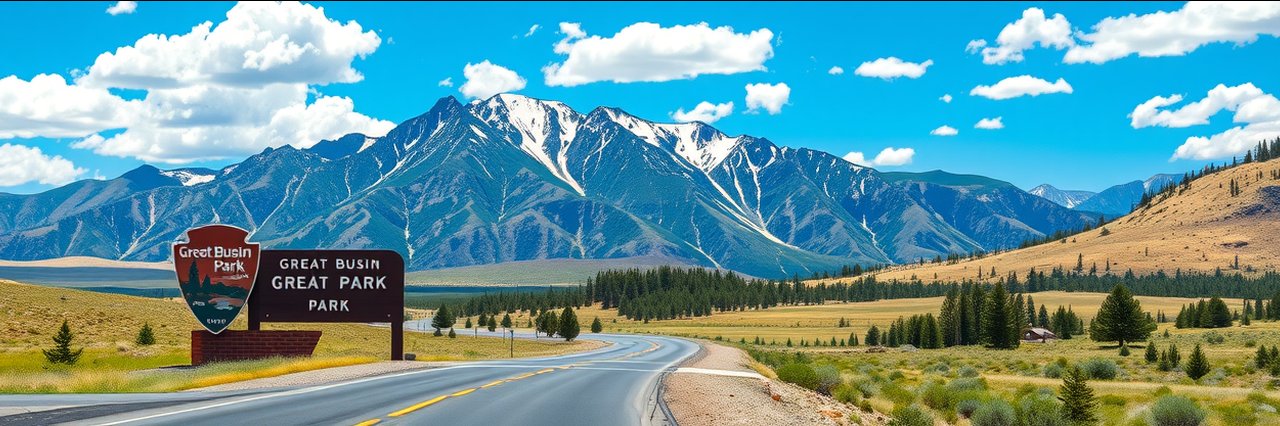
Great Basin National Park entrance sign with mountain backdrop and clear skies.

Great Basin National Park

📍 Address: Nevada, USA

📞 Phone: +1 775-234-7331

🌐 Website: https://www.nps.gov/grba/index.htm

★★★★★
Rating: 4.7

What Wonders Wait Beyond the Desert: The Untold Story of Great Basin National Park

When people think of Nevada, sprawling deserts and the neon glow of distant cities may spring to mind. Yet, tucked quietly in the eastern part of the state lies Great Basin National Park, a destination bursting with diversity and wonder. While many parks and preserves in the American West promise arid beauty, Great Basin defies every expectation. Here, a visitor can summit a 13,000-foot peak, wander through ancient forests untouched for thousands of years, and descend into marble caves filled with awe-inspiring formations—all in one remarkable day. The park’s unique blend of high elevation and desolate solitude offers experiences few have encountered, making it a hidden gem worth discovering.

The value of Great Basin National Park lies not just in its extraordinary landscapes but in its stark contrasts and overlooked stories. With dozens of miles of hiking trails weaving through ecosystems that shift from sagebrush foothills to alpine tundra, every step promises a new perspective on the Great Basin region. Unlike more crowded parks, Great Basin’s remoteness guarantees an escape into true wilderness and silence, interrupted only by the wind in the bristlecone pines or the distant call of wildlife. There is mystery here—whether in the depths of Lehman Caves, where shields and popcorn-like formations defy explanation, or under skies so dark that the galaxy’s secrets are on full display. For those willing to venture off the beaten path, understanding Great Basin National Park isn’t just a lesson in geography—it’s a journey into the unknown.
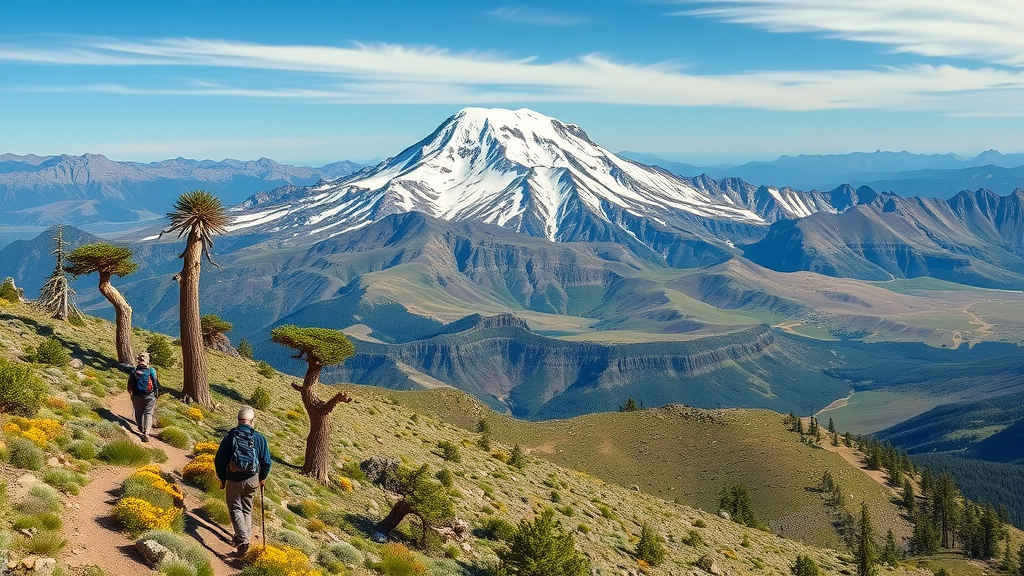
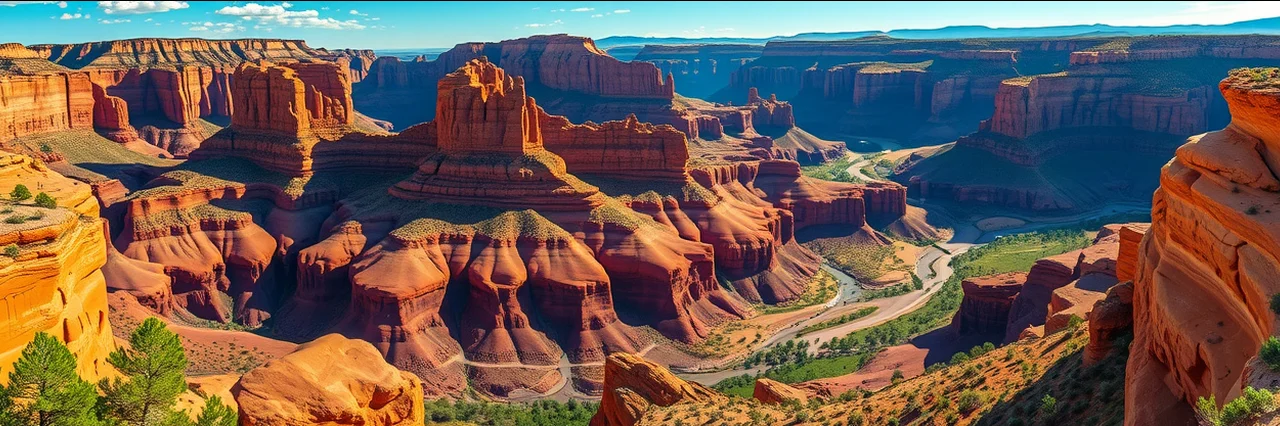
Vast alpine view of Great Basin National Park with Wheeler Peak and bristlecone pines

Exploring Great Basin National Park is more than ticking off sites on a checklist. It raises questions about what we value in nature, the importance of solitude, and the essential experience of connecting with truly wild places. As climate and culture shift, parks like this one preserve not only historic landscapes but opportunities for wonder, serenity, and self-discovery. If you think you know what to expect in a national park, Great Basin is ready to surprise you, challenging every assumption and rewarding the curious in ways you might never imagine.

Beneath the Surface and Above the Stars: Great Basin’s Hidden Layers Revealed

Great Basin National Park is not just another scenic destination—it’s an intricate tapestry of ecological, geological, and astronomical marvels. While the term “Great Basin” might conjure images of endless desert, the park’s story is one of surprising diversity. High above the valley floors, Wheeler Peak rises to 13,063 feet, offering alpine adventures and cooler climates far removed from the arid heat below. The upper reaches of the park are home to groves of ancient bristlecone pines, some of the oldest living organisms on Earth, whose twisted roots and weathered trunks tell silent stories stretching back millennia. Meanwhile, far beneath this rugged terrain, hidden marble passageways and brilliant formations fill Lehman Caves, inviting guests to witness a world sculpted by water dripping steadily for thousands of years.
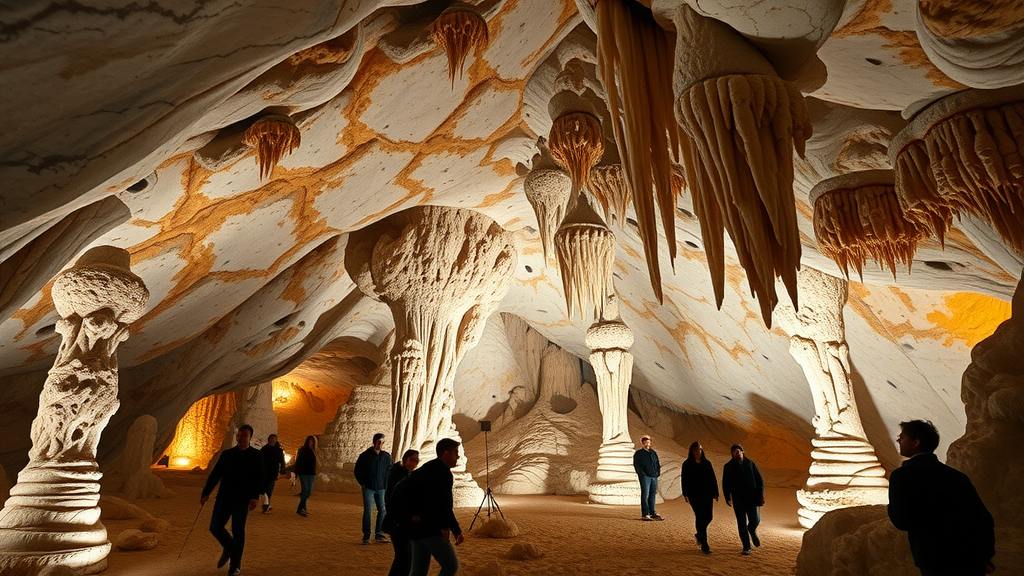
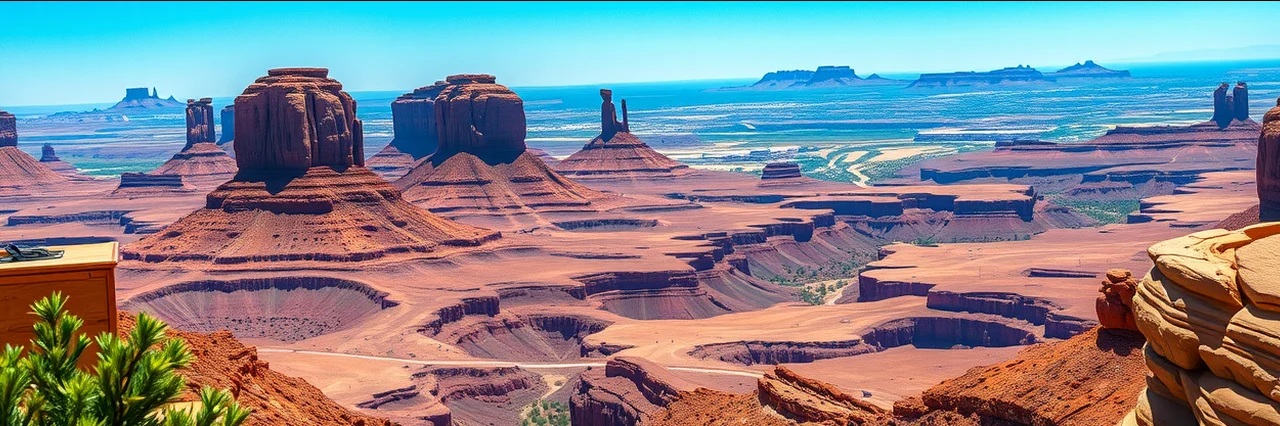
Lehman Caves at Great Basin National Park showing marble formations and cave shields

For many travelers, the most unexpected revelation comes at night. As the daylight dims, Great Basin National Park transforms into one of the best stargazing destinations in the country. Far removed from urban light pollution, this park’s remoteness allows the Milky Way to spill across the sky in brilliant detail. Stargazing events and ranger-led astronomy programs elevate the experience further, bringing the cosmos closer through powerful telescopes and expert guidance. Those who remain in the valleys and foothills can hike through sagebrush meadows or set up camp, but missing the night sky would be like reading only half of a fascinating book.

A lack of understanding about Great Basin National Park can mean missing out on profound moments of wonder and discovery. Many visitors assume that “desert parks” lack variety or depth, but Great Basin shatters that myth at every turn. Not knowing what lies within—from the tomb-quiet caves to the living pillars of stone, or the night sky’s endless parade of stars—means losing out on encounters that linger long after the journey ends. It’s a place where ignorance isn’t just bliss, but a missed invitation to a deeper, richer adventure.

Why Exploring Great Basin National Park Changes Every Nature Lover’s Perspective
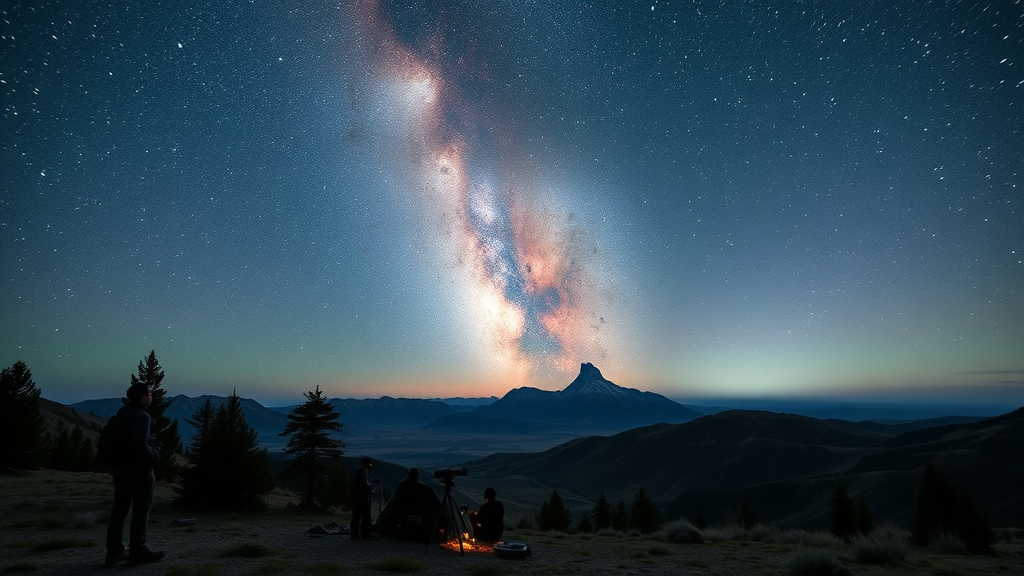
Milky Way and stars over Great Basin National Park with stargazers camping below

As national parks go, Great Basin stands out for its ability to genuinely transform how visitors think about wilderness, adventure, and the American West. Drawing on the park’s own grounding in solitude, diversity, and immersive experiences—from silent mornings among bristlecone pines to brilliant astronomy festivals—travelers can expect a richer and more personal connection with nature. Learning about the park’s geology, ancient ecology, and wild skies isn’t just interesting; it genuinely deepens appreciation for natural heritage, pushing curious minds to probe deeper than the surface of its remarkable landscapes.

One of the park’s greatest benefits is its range of environments packed into one area. While the region’s sagebrush lowlands invite those seeking quiet reflection or a close encounter with local plant life, the upper elevations grant a cool escape from Nevada’s heat—a sanctuary for hikers, backpackers, and families. The vast network of trails means visitors can customize their adventure, whether that’s a casual walk among meadows or the challenge of summiting Wheeler Peak for panoramic views. Beyond hiking, guided cave tours and special events encourage exploring uncommon environments in educated, respectful ways.

Most notably, Great Basin National Park lends itself to stargazers, nature writers, amateur geologists, and everyone in between. With free ranger-led astronomy programs and one of the darkest night skies in the U.S., the park not only entertains but inspires awe and curiosity that spans generations. Camping options for every comfort level further enrich these experiences, ensuring that no one misses out on all the park has to offer—whether it’s a quiet night by a mountain stream or an evening tracking constellations overhead. Experiencing Great Basin National Park is less about checking off tourist stops and more about creating personal milestones in exploration, tranquility, and outdoor learning.
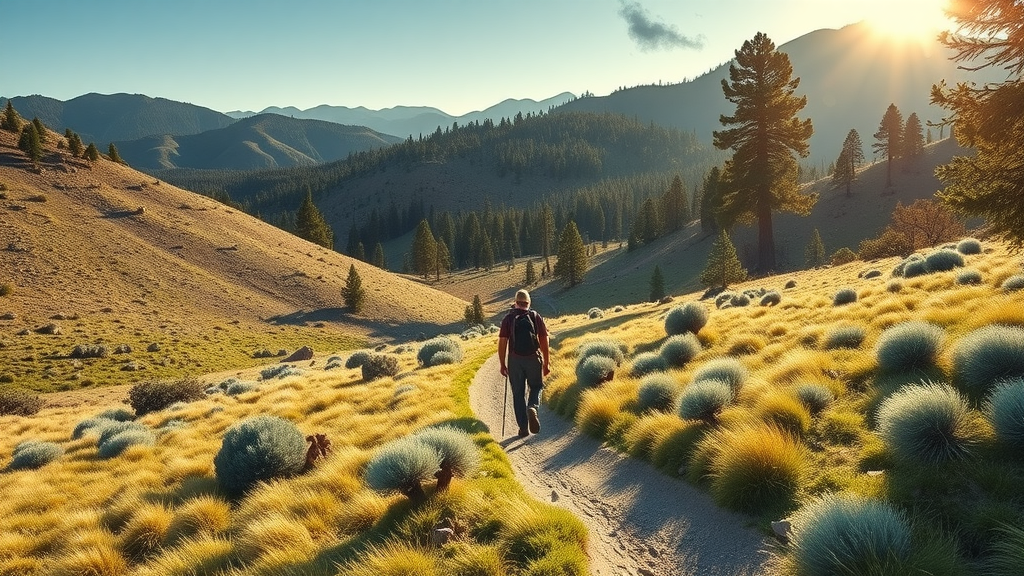
Hiking trail in Great Basin National Park passing sagebrush and ancient pines at sunset

Walking Where Time Stands Still: The Magic of Ancient Bristlecone Pines

Few living things on this planet inspire awe like the ancient bristlecone pines found high on the slopes of Great Basin National Park. With some specimens estimated to be more than 4,000 years old, these trees have weathered thousands of harsh seasons, growing slowly but steadfastly against fierce alpine winds. Walking among these gnarled giants is like stepping into a natural time capsule—an opportunity to experience living history underfoot and overhead. Visitors on bristlecone trails are often struck by the resilience and beauty of these unique trees, which have come to symbolize the enduring spirit of the entire Great Basin region.

The bristlecone pines aren’t just relics; they are active participants in the ongoing story of this ecosystem. Their presence invites contemplation and appreciation, reminding all who wander these groves of the power of patience, adaptation, and quiet strength. Learning about these remarkable trees adds another dimension to any journey through Great Basin National Park, transforming a hike into a lesson in endurance and wonder.

Into the Depths: Experience the Wonders of Lehman Caves

Beneath the rocky terrain of Great Basin National Park lies Lehman Caves, a subterranean wonderland that defies expectations. Carved over eons by the slow work of water dissolving marble, the cave system is renowned for its fascinating formations: stalactites, stalagmites, cave shields, and dramatic passages await each tour group. Guided explorations introduce visitors to both the science and mystery behind these features and ensure that everyone walks away with a deeper respect for the “underground national park” few see.

The cave’s accessibility and range of tours make it a highlight for families, adventurers, and geology enthusiasts alike. Whether marveling at the intricate mineral structures or pondering the way water and stone shape each other over millennia, a Lehman Cave visit brings a sense of discovery that extends beyond the flicker of flashlight beams. Those who take a moment to listen—really listen—in the hushed darkness may come away with new questions about the planet’s processes and their own place within the natural world.

Journey Through the Cosmos: Why Great Basin’s Night Skies Are Unparalleled

In an era where darkness is increasingly rare, the night sky above Great Basin National Park is a gift of clarity and brilliance. Far from city lights, the park’s elevated terrain and clean air create nearly perfect stargazing conditions. Each September, thousands gather for the annual Astronomy Festival—an event that transforms the already magical landscape into a theater of cosmic exploration with dozens of activities. But even outside the festival, regular ranger-led astronomy programs are available at no cost, making it easy for stargazers of all ages to connect with the universe above.

Discovering the true depth and texture of the heavens is part of what sets Great Basin apart. Astronomy isn’t just a program—it’s an invitation to wonder, shared by professionals and amateurs alike. The park’s embrace of both education and awe ensures that every visitor leaves with something rare: the memory of an unspoiled Milky Way as it arched in timeless silence overhead.

The Philosophy Behind Great Basin: Where Diversity, Solitude, and Exploration Meet

At its core, Great Basin National Park embraces a philosophy rooted in diversity, solitude, and exploration. From the official park perspective, there is an invitation for every visitor to sample the incredible variety that makes the Great Basin region unique. The park mission is to protect and present this vast range—from the foothills of sagebrush all the way to alpine heights and mysterious marble caves—while ensuring that future generations can partake in these wonders. With a focus on both environmental preservation and visitor accessibility, the park’s services make it possible for people of all abilities to explore, learn, and discover at their own pace.

The unique approach of Great Basin National Park is evident in its support of programs such as the Junior Ranger initiative, ranger-led astronomy, and educational cave tours. These experiences serve not only to inform, but also to inspire a new generation of nature stewards. Emphasizing the park’s history, natural features, and moments of solitude, Great Basin’s storytelling creates a space where people find rare quiet and emerge changed—whether after a summit hike, an evening in a dark-sky campsite, or an hour deep inside Lehman Caves. This forward-thinking mindset ensures that Great Basin remains more than just a collection of natural wonders; it is a living classroom and a sanctuary for those seeking both adventure and meaning.

Ultimately, the commitment to providing solitude, diversity, and moments of awe is what positions Great Basin as a leader among national parks. Its vision is about sustaining curiosity and wonder through precisely the elements that make it so distinct: unspoiled environments, ancient knowledge, and opportunities for self-guided discovery. It’s a philosophy that not only safeguards the park, but also continually enriches the visitor experience.

Discovering the Park’s Magic: Real Experiences and Lasting Memories

Countless visitors to Great Basin National Park leave with a deep appreciation for its subtle beauty and powerful impact. One firsthand account illustrates the diversity of adventures and the satisfaction found in exploring the park’s most memorable sites.

We had a great time here! We stayed in Baker Creek campground the first night and did the Glacier hike. Beautiful hike.Made the trek up to Wheeler Peak campground, which had amazing views, and did the Summit hike. It didn’t disappoint - about 8.7 miles and almost 3,000 foot elevation change. The last bit is straight up!Don’t miss out on Lehman Cave, do the 60 minute tour! Also, the Ranger-led astronomy program was cool, got to see a lot of stars that you normally don’t see due to city light.

For those who want their park visit to be meaningful—from high mountain challenges to underground curiosity and all the stars in between—Great Basin National Park has proven itself a place of transformation and joy. The stories shared by past visitors are a testament to the richness of experience available, and a reminder that this park is best enjoyed firsthand through exploration and an open mind.

Why Great Basin National Park Remains the West’s Best-Kept Secret

As public lands become ever more crowded and commercialized, the values enshrined by Great Basin National Park—solitude, diversity, and authentic connection—stand as a model for what is still possible in wild America. This park’s mix of ancient trees, dramatic caves, sun-drenched trails, and cosmic skies sets it apart from the ordinary, delivering experiences that shape lifelong memories. Thoughtful stewardship and innovative programs keep Great Basin at the forefront of nature education and preservation, providing essential context for those seeking deeper adventure on public lands. The park continues to redefine what it means to explore the American landscape, and its expert resources make it accessible for adventurers of all skill levels and backgrounds.

For anyone willing to look beyond the obvious and step into the unexplored, Great Basin National Park promises not just breathtaking scenery, but the rare chance to rediscover the rhythm of the natural world. Inaccessible to the masses yet welcoming to the persistent, it deserves its reputation as a hidden jewel of the West and a haven for those who want to experience wilderness in its purest form.

Contact the Experts at Great Basin National Park

If you’d like to learn more about how Great Basin National Park could benefit your travel adventures, contact the team at Great Basin National Park.
📍 Address: Nevada, USA
📞 Phone: +1 775-234-7331
🌐 Website: https://www.nps.gov/grba/index.htm

Great Basin National Park Location and Hours


🕒 Hours of Operation:

📅 Monday: Open 24 hours

📅 Tuesday: Open 24 hours

📅 Wednesday: Open 24 hours

📅 Thursday: Open 24 hours

📅 Friday: Open 24 hours

📅 Saturday: Open 24 hours

📅 Sunday: Open 24 hours
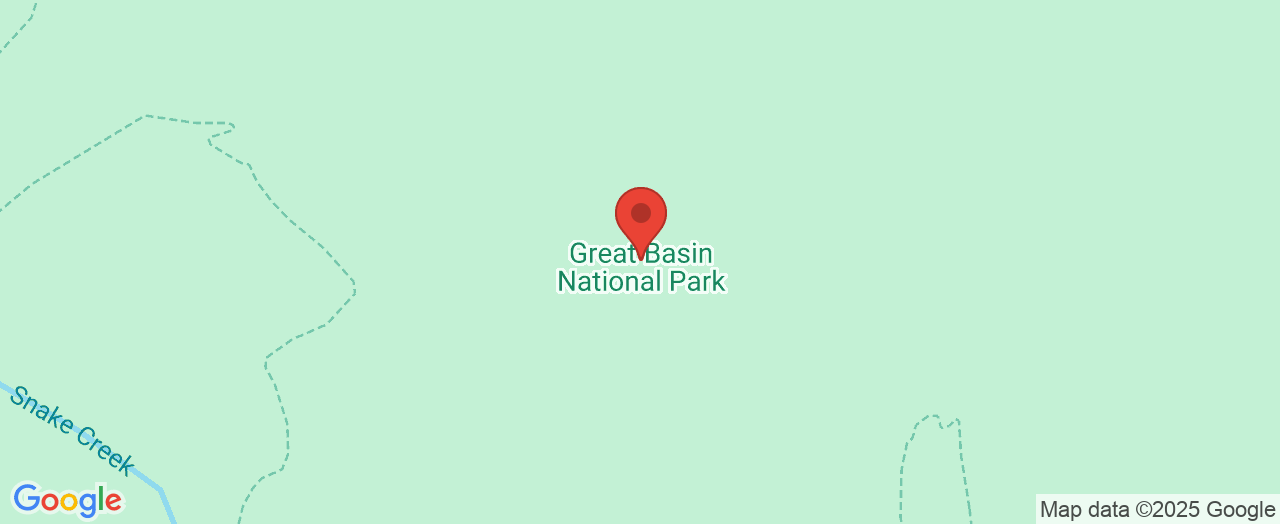
Location Map
National Parks

0 Comments

Write A Comment

*
*
Please complete the captcha to submit your comment.
Related Posts All Posts

Quiet Trails & Snowy Peaks: Planning a Winter National Parks RV Road Trip in December

Imagine waking up to a silent, snow-dusted forest and realizing you have miles of iconic national park trails virtually to yourself. It’s not just a dream—winter is the secret season for explorers, and a well-planned winter national parks RV road trip puts you in the heart of it all, trading crowds for solitude, and heat for the crisp beauty of December.Start Your Winter National Parks RV Road Trip: An Eye-Opening StatisticDid you know that only 13% of annual national park visits happen between December and February? This means that during winter months, you can experience the grandeur of national parks without the hustle and bustle. Popular hiking trails and scenic drives transform into peaceful sanctuaries under a blanket of snow. A winter national parks RV road trip ushers in a time when wildlife emerges, sunrise glows softly on snowy peaks, and you can grab a premium campsite without booking six months ahead of time. December is truly a magical time of year—the shoulder season that savvy road trippers quietly covet.Why December is the Secret Season for National Park RV Trips"Only 13% of annual national park visits happen between December and February—meaning you’ll have iconic trails almost to yourself."Winter is one of the best times to visit national parks if you crave tranquility and a deeper connection with nature. As crowds thin, the wilderness regains its serenity. Geysers steam against frosty air in Yellowstone, red rocks in Arches National Park starkly contrast with fresh snow, and December’s shorter days gift you with some of the clearest stargazing in the country. Even iconic destinations like Grand Canyon and Zion National Park are reborn under a layer of snow—offering bucket-list photo opportunities and moments of stillness that are almost impossible in sunnier seasons. Embrace the cold, and you’ll discover winter travel magic unique to this special time of year.If you’re interested in how seasonal changes can dramatically affect your national park experience, you might also enjoy exploring insider tips for visiting national parks in May. Comparing winter solitude to the vibrant spring months can help you plan the perfect trip for your travel style.What You'll Learn from This Winter National Parks RV Road Trip GuideHow to plan the ultimate winter national parks RV road tripTop national parks for winter RV travelersMust-know winter travel tips for road tripsRanking best campgrounds and RV sites in national parksWeather essentials and gear for December adventuresTop 10 Parks for Your Winter National Parks RV Road TripIf you’re searching for the ultimate winter national parks RV road trip, these ten parks offer exceptional landscapes, abundant wildlife, and unforgettable scenic drives during December. Each location provides unique charms—from thermal wonders and snowshoeing meadows, to star-filled nights and inviting desert warmth. Carefully curated, these destinations balance accessibility, convenience for RVers, and that once-in-a-lifetime winter magic.1. Yellowstone National Park: Geysers, Wildlife, and SolitudeYellowstone National Park transforms into a wild winter spectacle where geysers erupt through steam, bison huddle near hot springs, and trails lie pristine and undisturbed. While the park closes most roads in winter months, the famous Lamar Valley and Mammoth area remain open to RVs. Cross-country skiing and wildlife watching are top activities—imagine spotting a wolf pack in the frosty dawn or catching a glimpse of elk amid steaming rivers. Bring your warmest gear as daytime highs can hover around 28°F, and be ready for snowy drives.2. Zion National Park: Snow-Dusted Sandstone and Quiet TrailsZion National Park offers one of the most breathtaking contrasts—crimson sandstone cliffs draped in fresh snow. With much lighter traffic, even the famous Scenic Drive is open to private vehicles (a rarity compared to peak season). Hike serene winter trails like the Riverside Walk or see the Emerald Pools with a frosty touch. The Watchman Campground is open year-round and provides full RV hookups. December’s cool but mild climate (around 54°/30°F) makes for enjoyable exploring without summer’s scorching heat or big crowds.3. Death Valley National Park: Warm Desert EscapesIf you'd rather avoid snow, Death Valley National Park is your winter national park oasis. December temps average a pleasant 65°F by day, making for comfortable hikes across golden dunes, salt flats, or Badwater Basin. Winter months see the fewest visitors compared to spring wildflower season, so you’ll have panoramic views and stargazing nights all to yourself. Furnace Creek Campground offers partial hookups and is centrally located for access to all the park’s dramatic landscapes.4. Big Bend National Park: Majestic Desert PeaksIn Southwest Texas, Big Bend National Park offers dramatic canyons, rugged peaks, and the Rio Grande’s winding embrace. December is the perfect time to enjoy daytime highs around 63°F—ideal for tackling hikes in the Chisos Mountains or taking a scenic drive through the Ross Maxwell corridor. RVers flock to Rio Grande Village for full hookups and the prime location. Big Bend is spacious, remote, and a true paradise for those who crave solitude and enormous starry skies.5. Joshua Tree National Park: Star-Filled Winter NightsFamous for its unbelievable rock formations and twisted Joshua trees, Joshua Tree National Park in winter offers cool days and mesmerizing starry skies at night. With daytime highs averaging 60°F, you can hike, climb, or photograph to your heart’s content. Nights plummet to the mid-30s, so bring extra thermal layers. The Black Rock Campground is a top RV basecamp, and December’s celestial displays make this a premier destination for astrophotography and quiet campfire nights.6. Everglades National Park: Subtropical Scenery Without MosquitoesEverglades National Park is a unique escape unlike anything else on a winter national parks RV road trip. December means almost no bugs, far fewer storms, and abundant wildlife viewing—from alligators to roseate spoonbills. Explore the park’s watery trails, enjoy guided boat trips, and pitch camp at Long Pine Key or Flamingo Campground (bring bug spray, anyway, just in case). Mild temperatures and open skies make this a surprisingly serene winter travel destination.7. Saguaro National Park: Cacti in the SnowWhere else can you see towering cacti dusted in snow? Saguaro National Park near Tucson delivers just that—when rare storms sweep through, the park’s namesake giants stand out against bright white backdrops. Winter months are cool, rarely freezing, and perfect for hiking the park’s numerous scenic drives and nature trails. Take advantage of quieter campgrounds and photograph saguaro silhouettes at sunrise for memories you’ll never forget.8. Arches National Park: Red Rock Vistas in Winter WhiteThose iconic red rock arches become even more dramatic in winter when topped with fresh snow. Arches National Park has limited crowds in December, feeling like a private red rock kingdom. Enjoy world-famous landmarks—like Delicate Arch or Landscape Arch—without summer’s wait times or blazing sun. Snowshoeing and winter hiking offer a new kind of adventure, while the quiet amplifies the beauty of every view.9. Rocky Mountain National Park: Winter Wildlife and SnowshoeingThose seeking a classic snowy adventure should point their RV toward Rocky Mountain National Park. Winter travel is all about snowshoe hikes, spotting elk and moose, and crisp air that makes every vista pop. While some roads close due to snow, Hidden Valley is open for sledding, and Moraine Park is ideal for winter camping. Bring chains and be ready for cold—December means daytime highs in the 30s and magical snowy photo ops everywhere.10. Grand Canyon National Park: Silent SplendorTourists pour into the Grand Canyon every summer—but in winter, the park is transformed. The South Rim stays open with easy RV access, and you might find yourself alone beneath the snow-frosted rim at sunrise. Panoramic overlooks are peaceful, hiking trails are less crowded, and the entire canyon glows in soft winter light. Watch for elk wandering near the campgrounds and savor the silence you’ll only find this time of year.Park NameBest RV SitesAverage December TempNotable Winter ActivitiesYellowstone National ParkFishing Bridge RV ParkHigh 28°F / Low 2°FWildlife watching, cross-country skiingZion National ParkWatchman CampgroundHigh 54°F / Low 30°FHiking, scenic driveDeath Valley National ParkFurnace Creek CampgroundHigh 65°F / Low 38°FStargazing, sand dunesBig Bend National ParkRio Grande Village RVHigh 63°F / Low 41°FDesert hiking, Geology toursJoshua Tree National ParkBlack Rock CampgroundHigh 60°F / Low 35°FRock climbing, stargazingWatch: Epic Winter National Parks RV Road Trip HighlightsPlanning Your Winter National Parks RV Road Trip ItineraryCareful planning is the secret to a successful winter national parks RV road trip. Start by researching routes, checking real-time weather, and securing campground reservations ahead of time. Factor in park elevation, road closures, and potential winter storms—a flexible itinerary helps! Use winter-specific road trip apps, and always have backup scenic drives or alternate campgrounds in case snow or icy conditions close certain roads. Remember to plan for limited daylight and make sure you have power, food, and water reserved for longer stretches between services. The best trips combine preparedness with spontaneity in these vast and beautiful winter landscapes.Key Factors: Winter Travel Routes, Scenic Drives, and SafetyWhen planning your winter road trip, consider main highways that receive regular snow removal, and avoid remote roads prone to closure. Prioritize national parks like Big Bend National Park, Death Valley National Park, and Everglades for milder winter months, or seek out Zion National Park and Rocky Mountain for a full snowy adventure. Always check the National Park Service website for real-time updates about road conditions and trail status—especially after big snowstorms. Make safety your top priority by scheduling short drive days, keeping emergency gear on hand, and watching for black ice while exploring scenic park roads. This time of year, preparedness is the best way to keep your winter travels magical and worry-free.Mapping Your Road Trip Across National Parks: Essential Tools and AppsReservation timelines for national park RV campgroundsChoosing the best route for snow and weather conditionsAlternate scenic drives if roads close due to snowModern trip-planning apps like Roadtrippers, Campendium, and AllTrails can help you map out your route, browse campground reviews, and find alternate scenic drives if needed. Be sure to download offline maps and track campground reservation windows—many popular parks fill up quickly, even in winter months. With a little digital legwork, you’ll secure the best spots, be ready for weather changes, and enjoy a seamless blend of adventure and comfort.Must-Have RV Gear for a Successful Winter National Parks RV Road TripA well-equipped RV is your ticket to a warm, comfortable basecamp—even when camping in national parks known for their challenging weather. Smart winter RV travelers invest in heated water hoses, thermal blankets, and extra insulation. Make sure your RV’s heating system is in top shape and your water tanks are protected from freezing. Bring snow chains for mountain roads, and always have a backup power source (like a generator or portable lithium battery) for long, chilly nights. By staying warm and self-sufficient, you’ll turn potential winter obstacles into highlights of your road trip adventure.Winterizing Your RV: Heat, Water & Power EssentialsPreparing your rig for winter travel is a must—insulate exposed pipes, apply RV skirting to keep out drafts, and plug any air leaks around windows and doors. Propane heaters are highly recommended, as they’re reliable even off-grid. Prevent frozen water lines with heated hoses and always keep an eye on your propane usage. Don’t forget to test smoke and carbon monoxide alarms—safe winter travel means double-checking all your RV’s life-support systems before hitting the road.Top Gear Picks: Keeping Cozy and Safe During December National Park VisitsHeated water hoseRV skirtingPropane heaterSnow tires or chainsThermal blanketsAlongside these essentials, pack backup flashlights, a jump starter, and a portable power bank. Even the best national parks trips can be unpredictable—extra preparation ensures you stay warm, healthy, and ready to enjoy the outdoors regardless of what winter throws your way."Preparation is the difference between a magical winter road trip and an uncomfortable one," says full-time RV traveler Michelle Lee.Best RV Campgrounds Inside National Parks for Winter TravelNot all campgrounds stay open year-round, and even fewer offer full hookups during the winter months. Before planning your winter national parks RV road trip, research which parks have winterized camping, electricity, dump stations, and water on tap. Booking as soon as reservation windows open is extra important in December, as top sites go fast due to limited capacity.National Parks with Year-Round RV FacilitiesCertain favorites—like Zion, Death Valley, Big Bend, and Joshua Tree—offer year-round access and dedicated RV spaces, complete with power and water. Facilities like Watchman Campground or Furnace Creek Campground are designed with winter campers in mind. These sites are usually situated near popular winter hikes and scenic drives, ensuring you’re never far from adventure.Finding Full Hookups and Dump Stations in WinterWinterized RV amenities can be limited, and not every campground has open dump stations when temperatures dip. Seek out campgrounds advertising full or partial hookups—even a simple 15-amp outlet can make a world of difference. Use resources like Campendium or the National Park Service campground status page to confirm what’s available in December.Reservation Tips for Popular Winter National ParksAlways book as far ahead of time as reservation systems allow, as desirable winter RV sites go first—particularly in parks close to major cities or with unique natural attractions. Stay flexible; if your top choice is full, have a list of backup campgrounds just outside park boundaries. Also, double-check each park’s maximum RV length requirements to prevent surprise restrictions.CampgroundNational ParkRV HookupsWinter AccessFishing BridgeYellowstoneElectric OnlyRestrictedWatchmanZionFullOpenFurnace CreekDeath ValleyPartialOpenRio Grande VillageBig BendFullOpenLong Pine KeyEvergladesNoOpenWinter National Parks RV Road Trip Safety TipsSafety comes first when you’re exploring remote or icy destinations on a winter national parks RV road trip. Always check road conditions before heading out, and allow for extra stopping distance on icy roads. Stay aware of local weather—heavy snow or sudden temperature drops can quickly change your plans. Keep emergency gear in your rig, maintain full water and propane tanks, and let someone know your itinerary, especially in parks with limited cell service.Staying Safe on Icy Roads and Remote National ParksDrive cautiously; even the best-maintained park road can turn slick with little warning. Install snow tires or use chains where required (especially for parks like Rocky Mountain or Big Bend National Park). Pack extra blankets, food, and a battery-powered radio in case winter storms strand you for a day or two. Tune into park alerts and obey all posted closures—they’re for your safety and that of park rangers.Dealing with Extreme Weather: What to Pack and Emergency ProtocolsPrepare go-bags with warm clothing, emergency food rations, water, first-aid kits, and basic tools. Communication is key: carry a satellite messenger or two-way radio if you plan to head off-grid into lesser-trafficked parks. If extreme weather hits, don’t hesitate to wait it out; safe, warm rigs are worth more than risking a drive on icy mountain passes. With proper gear and awareness, you’ll find that winter mishaps are rare—and often just another story in your road trip adventure.Packing Guide: What to Bring for Your Winter National Parks RV Road TripCold-weather clothingFood and water storagePower backup sourcesNavigation and GPS devicesSmart packing ensures a smooth journey through winter month uncertainties. Layer up with merino, fleece, and waterproof shells. Food and water storage is crucial as some national park areas may be remote; stock up ahead of time, especially for longer scenic drives. Solar chargers and backup batteries keep your navigation and communication devices running, and always download local park maps ahead of time in case cell service drops.Wildlife Watching: Unique December Encounters on Your Road TripWinter is an incredible time to visit if you’re a wildlife fan. National parks are full of animals taking advantage of quieter landscapes—bison gather in Yellowstone, deer graze peacefully in Zion, and you might even spot a bobcat while hiking in Joshua Tree or Big Bend National Park. December’s thin crowds mean better chances for safe, private wildlife viewing experiences.Best National Parks for Winter Wildlife SightingsYellowstone (for wolves, bison, and elk), Big Bend National Park (for javelinas and birds), and Everglades National Park (alligator sightings galore) are winter wildlife hotspots. Carry binoculars and a camera with zoom for best results.Tips for Ethical and Safe Wildlife Viewing in National ParksAlways observe wildlife from a safe distance, never feed or approach animals, and remain on designated trails. Winter is a vulnerable time for many species, so giving them space ensures you see animals behaving naturally and preserves park habitats for years to come.Scenic Drives: Not-to-Miss Road Trip Routes Through National ParksNo winter national parks RV road trip is complete without a few iconic scenic drives. Many routes—like Skyline Drive (Shenandoah National Park) or the partial Going-to-the-Sun Road (Glacier)—offer unrivaled views of snowy peaks and valleys. Check seasonal status before departing, as some high-elevation roads may be closed after big storms. Scenic drives are often less busy in winter, so you’ll have photo stops nearly to yourself.Top Scenic Drives for Winter National Parks RV Road TripsGoing-to-the-Sun Road (partial, Glacier National Park)Scenic Drive at Zion National ParkSkyline Drive, Shenandoah National ParkDesert Drive, Joshua Tree National ParkPlan your drives for daylight; winter sun can be brief and shadows fall early. Have your camera or phone ready for wildlife encounters or magical snowy vistas, and keep an eye on road conditions for a safe, picturesque journey.Photo Opportunities: Capturing Snowy Peaks and Hidden WondersFrom frost-laden Joshua trees to bison in the mist—or red arches outlined in powder—winter months offer once-in-a-lifetime shots. Make the most of golden hour, keep lens wipes handy for damp conditions, and don’t hesitate to ask park rangers for tips on secret viewpoints.Winter Fun: Activities for All Ages During a National Parks RV Road TripWinter travel isn’t just about scenic drives—it’s about embracing the season! Snowshoeing, cross-country skiing, sledding, and snowball battles are all on the menu in snowier parks. Milder destinations like Death Valley National Park or Everglades reward you with comfortable hiking, wildlife tours, and ranger-led programs perfect for families and solo explorers alike.Snowshoeing, Cross-Country Skiing, and Family ActivitiesYellowstone, Rocky Mountain, and even parts of Zion National Park have marked snowshoe and ski trails for all ability levels. Look for national park events or guided outings that introduce beginners to snowy landscapes safely. Families will love building snowmen, ice skating (in parks that permit it), or enjoying ranger story times around the campfire.Stargazing in National Parks: The Clear Winter Sky AdvantageThe long, cold nights of December result in some of the country’s best stargazing. Parks like Joshua Tree National Park and Big Bend National Park are certified International Dark Sky Parks—look for astronomy programs or just step outside your RV campsite to witness the Milky Way blaze overhead. Bring a telescope or zoom lens, but even the naked eye is treated to dazzling constellations without summer haze or bugs.People Also Ask: Winter National Parks RV Road Trip QuestionsWhat is the best national park to visit in the winter?Answer: Yellowstone and Zion National Parks stand out for their winter beauty, accessibility, and exceptional wildlife, making them top picks for a winter national parks RV road trip.What length RV can go in national parks?Answer: Most national parks allow RVs up to 25–40 feet, but it varies—check each park’s guidelines before planning your winter national parks RV road trip.Where to take RV in winter?Answer: Head to parks like Death Valley, Joshua Tree, Big Bend, and Everglades for milder climates, or embrace the snow in Yellowstone or Rocky Mountain National Park on your winter national parks RV road trip.Do any national parks have RV hookups?Answer: Some national parks offer partial or full RV hookups, including Watchman (Zion), Furnace Creek (Death Valley), and Rio Grande Village (Big Bend). Reserve early for your winter national parks RV road trip.Frequently Asked Questions: Winter National Parks RV Road TripCan I access national park visitor centers in December?Are pets allowed during winter national parks RV trips?How early should I book RV sites for December?Is cell service reliable in national parks during winter?Key Takeaways for Your Winter National Parks RV Road TripDecember offers low crowds and unique landscapes across many national parks.Proper planning and gear are essential for winter RV travel.Not all campsites provide full hookups in winter—research and book early.Winter road trip offers unique wildlife, solitude, and picture-perfect scenery.Final Tips for a Memorable Winter National Parks RV Road TripEmbrace the Magic of Cold-Season National Parks"Winter transforms the familiar into the extraordinary. The silence, the snow, the wildlife—there’s nothing like a national park in December."Research park-specific winter regulations.Double-check RV winterization steps.Pack for variable weather.Start your winter national parks RV road trip early for the best sunlight.Ready to Begin Your Adventure?Start Planning Your Next Winter National Parks RV Road Trip Today!Begin researching routes, securing bookings, and gathering your gear… and savor the once-in-a-lifetime stillness of a winter national parks RV road trip.If you’re inspired by the magic of winter in the national parks, consider broadening your adventure by learning how different seasons can transform your favorite destinations. For a fresh perspective and even more expert advice, check out the best national parks to visit in May, with insights from a former ranger. Whether you’re chasing snowy solitude or springtime blooms, each season offers its own unforgettable experiences—so keep exploring, keep planning, and let every road trip reveal a new side of America’s wild places.

Exploring the Magic of a Winter National Parks Road Trip

Update Embarking on a Winter National Parks Road Trip If you’ve ever yearned to experience the breathtaking beauty of the national parks during winter, you’re in for a treat! A winter national parks road trip offers stunning landscapes transformed by snow, fewer crowds, and an invigorating sense of adventure. Whether you’re a seasoned nature lover or a casual explorer, wintertime in the parks presents a unique charm that can leave you awestruck.In 'Must-Do Winter National Parks Road Trip!', the discussion dives into exciting travel opportunities during winter months, inspiring us to explore the beauty of nature in colder climates. What to Expect in Winter National Parks Imagine walking through icy trails framed by towering pines dusted with glistening snow. Many parks, such as Yosemite and Yellowstone, become serene winter wonderlands where the air is crisp and the silence is profound. Wildlife is also more visible during these months—the stark backdrop of snow often makes spotting animals easier. Curious about some of the specific parks? Let’s dive in! The Best Parks to Visit During Winter Some must-visit parks include: Yosemite National Park: Known for its stunning cliffs and waterfalls, Yosemite offers beautiful winter scenery and fewer crowds. The valley is particularly enchanting with snow-covered landscapes. Yellowstone National Park: Home to geothermal features, dense forests, and a variety of wildlife, seeing the park in winter is like stepping into a postcard. Snowshoeing and cross-country skiing are popular activities here. Rocky Mountain National Park: With its majestic peaks and tranquil valleys, enjoying a scenic drive or winter hike here is unforgettable. Don’t forget to snap a photo of the snow-laden peaks as they look truly magnificent under the winter sun! Planning Your Trip: Tips and Tricks When preparing for your winter adventure, consider these helpful tips: Check the Weather and Road Conditions: Winter weather can be unpredictable. Always check the forecast and park road closures before heading out. Dress for the Elements: Layering is essential. Keep warm by wearing moisture-wicking bases, insulating mid-layers, and waterproof outer shells. Bring the Right Gear: Whether it’s snowshoes or skis, having the right equipment is crucial for an enjoyable experience. Plan to rent or pack gear specialized for winter outings. Encouraging Exploration and Adventure For those planning a winter trip to national parks, it’s time to embrace the chill and exploration that comes with it! Nothing quite compares to a night under the stars with the peacefulness of a winter eve. Make your way to these beautiful parks, soak in their natural wonders, and create memories to last a lifetime. Whether it’s snowshoeing through a winter trail or sipping hot cocoa by a fire, there’s unmatched joy in discovering nature’s beauty during the season. Join the Community of Outdoors Enthusiasts As you plan your winter road trip, consider following inspiring channels that delve deeper into national park visits. Check out @DirtInMyShoes for engaging tips and visuals that will light the spark for your next adventure. Having a community that fosters exploration and conservation can provide the encouragement needed to make the trip a reality. So grab your gear and be ready to explore all that winter has to offer at your favorite national parks!

6 Essential Lessons from Our Recent Yosemite Adventure

Update Discovering Yosemite: Lessons from Our Recent Trip Yosemite National Park is a gem of the American West, filled with iconic landscapes, stunning waterfalls, and fascinating wildlife. Recently, we visited this magnificent place, and just like every park adventure, we came away with valuable lessons that can enhance anyone's experience. These tips not only educate but also inspire a deeper appreciation for nature’s wonders.In 128: Yosemite Trip Report, the hosts share valuable insights about their experiences in Yosemite, leading to deeper reflections on our own adventures. Timing Is Everything: Know When to Go One of the first things we learned during our trip is the crucial importance of timing when visiting Yosemite. Timing your visit to coincide with the seasonal melting of snow on the high peaks is vital for witnessing the park's breathtaking waterfalls in their full glory. We visited in late June, thinking we’d catch a glimpse of Yosemite's shimmering falls. However, we learned that due to the timing, the waterfalls had already diminished significantly since the earlier part of the month. If you’re eager to see impressive water flows, plan accordingly—aim for early to mid-June to witness these magnificent cascades at their best. Hiking the Mist Trail: A Recipe for Adventure The Mist Trail, famous for its steep ascent and stunning views, remains a challenging and rewarding hike. It features beautiful waterfalls and misty air, but be prepared—it’s steeper than it looks! Each year, we tackle this trail, and it never fails to remind us of its difficulty. We recommend taking your time and taking breaks, especially if hiking with kids or less-experienced hikers. Remember, conquering one flight of stairs at a time can be an adventure in itself! Embrace Unexpected Wildlife Encounters Our excursions through Yosemite also led to an unexpected, delightful closeness with wildlife. Spotting a bear in Yosemite Valley is rare, but we had the fortune of watching a healthy, wild bear frolicking in a meadow! This experience solidified our belief that healthy bears tend to ignore humans, peacefully going about their routine. It’s remarkable to see a bear acting naturally rather than one that’s accustomed to encountering people and their food. Always keep your distance, but relish those moments when nature unfolds before your eyes. Best Laid Plans: Prepare for the Unexpected Travel can often throw curveballs, and our trip was no exception. Just as we were about to depart Yosemite, our vehicle broke down with a fuel leak. Following this, we embraced the unexpected and ended up learning how to navigate emergencies while in remote areas. It’s essential to stay calm, especially in national parks where cellular service is sparse. Always carry enough supplies, including water and snacks, and maintain flexible plans to ensure your trip remains enjoyable, even if it veers off-course. The Supporting Role of Parks: Finding Community in Nature Being part of the outdoor community enriches the experience. During our hikes, we enjoyed interacting with other visitors and fellow national park lovers. Meeting listeners of our podcast added a personal touch—reminding us that national parks bring people together. Finding common ground with fellow adventurers can make for a more fulfilling outing, reinforcing the idea that parks are not just about beautiful views, but also about the connections we create along the way. Enjoyment Beyond Trails: The Power of Nature’s Beauty Yosemite has a way of weaving its magic beyond trails and waterfalls. From appreciating the majestic Giant Sequoias at Mariposa Grove to witnessing climbers ascending the breathtaking El Capitan, there’s something awe-inspiring at every turn. Observing the beauty of nature invigorates the spirit and provides lifelong memories. Don’t be afraid to stop and immerse yourself; the sights are often as rewarding as the trails themselves. In conclusion, whether you’re a first-timer or a seasoned visitor, these insights from our latest Yosemite adventure can help enrich your experience in the great outdoors. Embrace the timing, feel the burn on those trails, enjoy the wonder of wildlife, and connect with your fellow adventurers. This is a great channel for those interested in visiting National Parks. Check out her channel @DirtInMyShoes for more invaluable resources and fun discoveries!

Terms of Service

Privacy Policy

Core Modal Title

Sorry, no results found

You Might Find These Articles Interesting

T
Please Check Your Email
We Will Be Following Up Shortly
*
*
*